Duration of Extended Adjuvant Letrozole after Tamoxifen in Postmenopausal Women with Early Stage Breast Cancer

SUMMARY: Breast cancer is the most common cancer among women in the US and about 1 in 8 women (12%) will develop invasive breast cancer during their lifetime. Approximately 284,200 new cases of breast cancer will be diagnosed in 2021 and about 44,130 individuals will die of the disease, largely due to metastatic recurrence.

Approximately 75% of patients with breast cancer are Hormone Receptor (HR) – positive (Estrogen Receptor/Progesterone Receptor positive), and this is a predictor of response to endocrine therapy. In premenopausal woman, the ovary is the main source of estrogen production, whereas in postmenopausal women, the primary source of estrogen is the Aromatase enzyme mediated conversion of androstenedione and testosterone to estrone and estradiol in extragonadal/peripheral tissues.

It has been well established that treatment with 5 years of endocrine therapy in early stage, HR-positive breast cancer, significantly reduces the risks of locoregional and distant recurrence, contralateral breast cancer, death from breast cancer, and therefore death from any cause. Extended adjuvant endocrine therapy with either Tamoxifen or an Aromatase Inhibitor (AI) beyond 5 years can further reduce breast cancer recurrence. This however can result in treatment related side effects. Therefore, when considering extended adjuvant endocrine therapy beyond 5 years, the potential benefits should be weighed against the associated risk with such therapy. The absolute benefit of continuing endocrine therapy after 5 years depends on the absolute risk of later recurrence, if patient’s receives no further therapy.

Third generation Aromatase Inhibitors (AIs), including Anastrozole, Exemestane and Letrozole, have demonstrated improved efficacy, when compared to Tamoxifen, for the adjuvant endocrine treatment of postmenopausal patients with HR-positive breast cancer. Randomized trials such as the Intergroup Exemestane Study have shown improvements in Disease Free Survival (DFS) among patients who after 2-3 years on Tamoxifen treatment switch to Exemestane for the remainder of a 5-year endocrine treatment period, with a modest improvement in Overall Survival (OS). Whether there is added benefit by extending Aromatase Inhibitor therapy beyond 5 years has remained controversial.

The present study was conducted to compare extended therapy with Letrozole for 5 years versus the standard duration of 2-3 years of Letrozole, in postmenopausal patients with breast cancer, who had already received 2-3 years of Tamoxifen. This multicentre, open-label, randomized, Phase III trial included 2056 postmenopausal women patients with Stage I-III operable, invasive, HR-positive breast cancer, who had received adjuvant Tamoxifen therapy for at least 2 years but no longer than 3 years and 3 months, and had no signs of recurrent disease. Patients were randomly assigned (1:1) to receive Letrozole 2.5 mg orally once a day for 2-3 years (control group; N=1030) or Letrozole 2.5 mg orally once a day for 5 years (extended group; N=1026). Approximately 41% of patients had node-positive disease, 21% had Grade 3 tumors, 6% had HER2-positive disease and 55% had prior chemotherapy. The median duration of treatment with adjuvant Tamoxifen was about 2.5 years. The Primary endpoint was invasive Disease Free Survival. Safety analysis was done for patients who received at least 1 month of study treatment. About 80% of patients in the control group and 63% in the extended treatment group completed treatment. The median duration of Letrozole treatment was 5.0 years in the extended treatment group and 2.4 years in the control group. About 16% of patients in the extended treatment group and 11.7% in the control group received bisphosphonate treatment respectively.

After a median follow-up of 11.7 years, the 12-year Disease Free Survival was 62% in the control group and 67% in the extended treatment group (HR=0.78; P=0.0064). This benefit was seen across all patient subgroups. The Overall Survival was also significantly improved at 12 years, and was 84% in the control group versus 88% in the extended treatment group (HR=0.77; P=0.036).

With regards to Adverse Events, there was a slightly higher incidence of arthralgia, myalgia and osteoporosis in the extended treatment group, but there was no significant difference observed between the groups in the incidence of Skeletal Related Events.

It was concluded from this landmark study that, in postmenopausal patients with breast cancer who received 2-3 years of Tamoxifen, extended treatment with 5 years of Letrozole resulted in a significant improvement in Disease Free Survival, compared with the standard 2-3 years of Letrozole. The authors added that sequential endocrine therapy with Tamoxifen for 2-3 years followed by Letrozole for 5 years should be considered as one of the optimal standard endocrine treatments for postmenopausal patients with Hormone Receptor-positive breast cancer.

Extended therapy with letrozole as adjuvant treatment of postmenopausal patients with early-stage breast cancer: a multicentre, open-label, randomised, phase 3 trial. Del Mastro L, Mansutti M, Bisagni G, et al. Lancet Oncology. Published: September 17, 2021. DOI: https://doi.org/10.1016/S1470-2045(21)00352-1
ASH 2021 Guidelines for Management of VTE in Patients with Cancer

SUMMARY: The Center for Disease Control and Prevention (CDC) estimates that approximately 1-2 per 1000 individuals develop Deep Vein Thrombosis (DVT)/Pulmonary Embolism (PE) each year in the United States, resulting in 60,000-100,000 deaths. Venous ThromboEmbolism (VTE) is the third leading cause of cardiovascular mortality, after myocardial infarction and stroke. Ambulatory cancer patients initiating chemotherapy are at varying risk for Venous Thromboembolism (VTE), which in turn can have a substantial effect on health care costs, with negative impact on quality of life.

Approximately 20% of cancer patients develop VTE and about 20% of all VTE cases occur in patients with cancer. There is a two-fold increase in the risk of recurrent thrombosis in patients with cancer, compared with those without cancer, and patients with cancer and VTE are at a markedly increased risk for morbidity and mortality. The high risk of recurrent VTE, as well as bleeding in this patient group, makes anticoagulant treatment challenging.

American Society of Hematology (ASH) formed a multidisciplinary guideline panel and the guidelines summarized below are based on updated and original systematic reviews of evidence, conducted under the direction of the McMaster University GRADE Center with international collaborators. The main objective is to support patients, clinicians, and other health care professionals in their decisions about the prevention and treatment of VTE in patients with cancer.

RECOMMENDATIONS
Primary prophylaxis for hospitalized medical patients with cancer.
♦ For patients without VTE, the panel suggests using thromboprophylaxis over no thromboprophylaxis and in whom pharmacologic thromboprophylaxis is used, the panel suggests using Low Molecular Weight Heparin (LMWH) over UnFractionated Heparin (UFH).
♦ For patients without VTE, the panel suggests using pharmacologic thromboprophylaxis over mechanical thromboprophylaxis or a combination of pharmacologic and mechanical thromboprophylaxis.
♦ For hospitalized medical patients with cancer, the ASH guideline panel suggests discontinuing thromboprophylaxis at the time of hospital discharge rather than continuing thromboprophylaxis beyond the discharge date.
Primary prophylaxis for patients with cancer undergoing surgery.
♦ For patients without VTE undergoing a surgical procedure at lower bleeding risk, the panel suggests using pharmacologic rather than mechanical thromboprophylaxis and for those undergoing a surgical procedure at high bleeding risk, the panel suggests using mechanical rather than pharmacologic thromboprophylaxis.
♦ For patients without VTE undergoing a surgical procedure at high risk for thrombosis, except in those at high risk of bleeding, the panel suggests using a combination of mechanical and pharmacologic thromboprophylaxis rather than mechanical prophylaxis alone or pharmacologic thromboprophylaxis alone.
♦ For all patients, the panel suggests using LMWH or Fondaparinux for thromboprophylaxis rather than UFH.
♦ The panel makes no recommendation on the use of Vitamin K Antagonists (VKAs) or Direct Oral AntiCoagulants (DOACs) for thromboprophylaxis, as there are no data.
♦ The panel suggests using postoperative thromboprophylaxis over preoperative thromboprophylaxis.
♦ For patients who have undergone a major abdominal/pelvic surgical procedure, the panel suggests continuing pharmacologic thromboprophylaxis, postdischarge rather than discontinuing at the time of hospital discharge.
Primary prophylaxis in ambulatory patients with cancer receiving systemic therapy.
♦ For patients at low and intermediate risk for thrombosis receiving systemic therapy, the panel recommends/suggests no thromboprophylaxis over parenteral thromboprophylaxis respectively. For patients at high risk, the panel suggests parenteral thromboprophylaxis (LMWH) over no thromboprophylaxis.
♦ The panel recommends no thromboprophylaxis over oral thromboprophylaxis with VKAs.
♦ For patients at low risk for thrombosis, the panel suggests no thromboprophylaxis over oral thromboprophylaxis with a DOAC (Apixaban or Rivaroxaban). For patients at intermediate risk, the panel suggests thromboprophylaxis with a DOAC (apixaban or rivaroxaban) or no thromboprophylaxis. For patients at high risk, the panel suggests thromboprophylaxis with a DOAC (Apixaban or Rivaroxaban) over no thromboprophylaxis.
♦ For patients with multiple myeloma receiving Lenalidomide, Thalidomide, or Pomalidomide-based regimens, the panel suggests using low-dose Aspirin or fixed low-dose VKAs or LMWH.
Primary prophylaxis for patients with cancer with Central Venous Catheter (CVC).
♦ The panel suggests not using parenteral or oral thromboprophylaxis.
Initial treatment (first week) for patients with active cancer and VTE.
♦ The panel suggests DOAC (Apixaban or Rivaroxaban) or LMWH be used for initial treatment of VTE.
♦ The panel recommends/suggests LMWH over UFH and Fondaparinux respectively, for initial treatment of VTE.
Short-term treatment for patients with active cancer (initial 3-6 months).
♦ The panel suggests DOACs (Apixaban, Edoxaban, or Rivaroxaban) over LMWH and VKAs, and LMWH over VKAs.
♦ For patients with incidental (unsuspected) Pulmonary Embolism (PE), or SubSegmental PE (SSPE), the panel suggests short-term anticoagulation treatment rather than observation.
♦ For patients with visceral/splanchnic vein thrombosis, the panel suggests treatment with short-term anticoagulation or observation.
♦ For patients with CVC-related VTE receiving anticoagulant treatment, the panel suggests keeping the CVC over removing the CVC.
♦ For patients with recurrent VTE despite receiving therapeutic LMWH, the panel suggests increasing the LMWH dose to a supratherapeutic level or continuing with a therapeutic dose.
♦ For patients with recurrent VTE despite anticoagulation treatment, the panel suggests not using an Inferior Vena Cava filter over using a filter.
Long-term treatment (>6 months) for patients with active cancer and VTE.
♦ The panel suggests long-term anticoagulation for secondary prophylaxis (> 6 months) rather than short-term treatment alone (3-6 months), and the panel suggests continuing indefinite anticoagulation over stopping after completion of a definitive period of anticoagulation.
♦ For patients requiring long-term anticoagulation (> 6 months), the panel suggests using DOACs or LMWH.

American Society of Hematology 2021 guidelines for management of venous thromboembolism: prevention and treatment in patients with cancer. Lyman GH, Carrier M, Ay C, et al. Blood Adv 2021;5: 927–974.

Omitting Axillary Lymph Node Dissection in Patients with Clinically Positive Axillary Lymph Nodes Treated with Neoadjuvant Chemotherapy

SUMMARY: Breast cancer is the most common cancer among women in the US and about 1 in 8 women (12%) will develop invasive breast cancer during their lifetime. Approximately 284,200 new cases of breast cancer will be diagnosed in 2021 and about 44,130 individuals will die of the disease, largely due to metastatic recurrence.

Patients with locally advanced breast cancer with clinically positive axillary lymph nodes often receive chemotherapy in the neoadjuvant settings, and approximately 30-40% of patients achieve a pathological Complete Response (pCR), with eradication of disease in the axilla. In addition to increasing the likelihood of tumor resectability and breast preservation, patients achieving a pCR following neoadjuvant chemotherapy have a longer Event Free Survival (EFS) and Overall Survival (OS).

Previously published prospective trials have demonstrated that breast cancer patients with clinically positive axillary lymph nodes, who disease following neoadjuvant therapy is converted to clinically node negative disease, can safely undergo Sentinel Lymph Node Biopsy (SLNB) rather than axillary lymph node dissection, as the false negative rates are less than 10%, when 3 or more sentinel lymph nodes are retrieved. However, the rates of axillary lymph node recurrence in this population, has remained unclear. The purpose of this study was to evaluate axillary nodal recurrence rates in a consecutive cohort of breast cancer patients with clinically positive axillary lymph nodes, treated with neoadjuvant chemotherapy, who had negative disease following treatment, on Sentinel Lymph Node Biopsy.

This study included 769 patients with Stage II-III, biopsy-proven, node-positive breast cancer, of whom 610 patients were eligible for Sentinel Lymph Node Biopsy following neoadjuvant chemotherapy. Ninety one percent (N=555) converted to clinical node negative disease on physical examination, following neoadjuvant chemotherapy and 513 patients had 3 or more SLNs retrieved. Overall Axillary Lymph Node Dissection was avoided in 234 patients with 3 or more pathologically negative sentinel lymph nodes. The median patient age in this study cohort of 234 patients was 49 years. Median tumor size was 3 cm, 62% were HER2-positive, and 18% were triple negative. Majority of the patients (91%) received Doxorubicin-based neoadjuvant chemotherapy, 88% received adjuvant Radiotherapy (RT), and 70% of these patients also received nodal RT. The Primary outcome was the nodal recurrence rate among breast cancer patients with clinically positive axillary lymph nodes, treated with Sentinel Lymph Node Biopsy alone after neoadjuvant chemotherapy. Nodal recurrence was defined as a recurrence in the ipsilateral axillary, supraclavicular, or internal mammary nodal basins. Local recurrence was defined as an ipsilateral breast tumor recurrence. Distant failure included any distant metastases.

At a median follow up of 40 months, there was 1 axillary nodal recurrence, synchronous with local recurrence, in a patient who refused Radiation Therapy. Among patients who received Radiation Therapy (N=205), there were no nodal recurrences. The 5-year distant Recurrence Free Survival was 92.7%. The 5-year Overall Survival was 94.2%.

It was concluded from this study that in patients with clinically positive axillary lymph nodes, rendered clinically node negative with neoadjuvant chemotherapy, with 3 or more pathologically negative sentinel lymph nodes on Sentinel Lymph Node Biopsy alone, nodal recurrence rates were low without routine Axillary Lymph Node Dissection. These findings support surgical de-escalation by omitting Axillary Lymph Node Dissection in patients with clinically positive axillary lymph nodes, treated with neoadjuvant chemotherapy.

Nodal Recurrence in Patients with Node-Positive Breast Cancer Treated With Sentinel Node Biopsy Alone After Neoadjuvant Chemotherapy—A Rare Event. Barrio AV, Montagna G, Mamtani A, et al. JAMA Oncol. Published online October 7, 2021. doi:10.1001/jamaoncol.2021.4394

FDA Approves TECENTRIQ® as Adjuvant Treatment for Non Small Cell Lung Cancer

SUMMARY: The FDA on October 15, 2021, approved TECENTRIQ® (Atezolizumab) for adjuvant treatment, following resection and Platinum-based chemotherapy, in patients with Stage II to IIIA Non-Small Cell Lung Cancer (NSCLC) whose tumors have PD-L1 expression on 1% or more of tumor cells, as determined by an FDA-approved test. Lung cancer is the second most common cancer in both men and women and accounts for about 14% of all new cancers and 27% of all cancer deaths. The American Cancer Society estimates that for 2021, about 235,760 new cases of lung cancer will be diagnosed and 131,880 patients will die of the disease. Lung cancer is the leading cause of cancer-related mortality in the United States. Non-Small Cell Lung Cancer (NSCLC) accounts for approximately 85% of all lung cancers. Of the three main subtypes of NSCLC, 30% are Squamous Cell Carcinomas (SCC), 40% are Adenocarcinomas and 10% are Large Cell Carcinomas. With changes in the cigarette composition and decline in tobacco consumption over the past several decades, Adenocarcinoma now is the most frequent histologic subtype of lung cancer.

Surgical resection is the primary treatment for approximately 30% of patients with NSCLC who present with early Stage (I–IIIA) disease. These patients are often treated with platinum-based adjuvant chemotherapy to decrease the risk of recurrence. Nonetheless, 45-75% of these patients develop recurrent disease. There is therefore an unmet need for this patient population.

TECENTRIQ® is an anti PD-L1 monoclonal antibody, designed to directly bind to PD-L1 expressed on tumor cells and tumor-infiltrating immune cells, thereby blocking its interactions with PD-1 and B7.1 receptors expressed on activated T cells. PD-L1 inhibition may prevent T-cell deactivation and further enable the activation of T cells.

IMpower 010 is a global, multicentre, open-label, randomized Phase III study evaluating the efficacy and safety of TECENTRIQ® compared with Best Supportive Care (BSC), in patients with Stage IB-IIIA NSCLC, following surgical resection and up to 4 cycles of adjuvant Cisplatin-based chemotherapy. In this study, 1005 patients were randomized 1:1 to receive TECENTRIQ® 1200 mg IV every 3 weeks for 16 cycles, or BSC. Both study groups were well balanced and eligible patients had an ECOG PS of 0-1. The Primary endpoint was Disease Free Survival (DFS) in the PD-L1-positive Stage II-IIIA patients, all randomized Stage II-IIIA patients and Intent to Treat (ITT) Stage IB-IIIA populations. Key Secondary endpoints included Overall Survival (OS) in the overall study population and ITT Stage IB-IIIA NSCLC patients. At data cutoff on January 21, 2021, median follow up was 32.2 months in the ITT population.

Treatment with TECENTRIQ® following surgery and chemotherapy reduced the risk of disease recurrence or death (DFS-Disease Free Survival) by 34% (HR=0.66; P=0.0039), in patients with Stage II-IIIA NSCLC, whose tumor PD-L1 expression was 1% or more, compared with BSC. In this patient population, median DFS was Not Reached for TECENTRIQ®, compared with 35.3 months for BSC. This benefit was even more so among Stage II-IIIA NSCLC patients with PD-L1 expression 50% or more. Adjuvant TECENTRIQ® following surgery and chemotherapy in this patient group reduced the risk of disease recurrence or death (DFS) by 57% (HR=0.43). In the larger population of all randomized Stage II-IIIA study patients, TECENTRIQ® reduced the risk of disease recurrence or death by 21% (HR=0.79, P=0.02). In this patient population, TECENTRIQ® increased DFS by a median of seven months, compared with BSC (42.3 months versus 35.3 months). The significance boundary was not crossed for DFS in the ITT patient population. Overall Survival data were immature and not formally tested. Safety data for TECENTRIQ® were consistent with its known safety profile and no new safety signals were identified.

It was concluded that this study met its Primary endpoint, and is the first Phase III study to demonstrate that treatment with TECENTRIQ® following surgery and chemotherapy can significantly delay disease recurrence in patients with early stage lung cancer, with a more pronounced benefit noted, in patients with tumor PD-LI expression of 1% or more.

IMpower010: Primary results of a phase III global study of atezolizumab versus best supportive care after adjuvant chemotherapy in resected stage IB-IIIA non-small cell lung cancer (NSCLC). Wakelee HA, Altorki NK, Zhou C, et al. J Clin Oncol. 2021;39:(suppl 15; abstr 8500). doi:10.1200/JCO.2021.39.15_suppl.8500

Association between Antibiotic Use and Colorectal Cancer

SUMMARY: Colorectal Cancer (CRC) is the third leading cause of cancer-related deaths in men and women in the United States. The American Cancer Society estimates that approximately 149,500 new cases of CRC will be diagnosed in the United States in 2021 and about 52,980 patients will die of the disease. The lifetime risk of developing CRC is about 1 in 23.

Colorectal Cancer is a heterogeneous disease classified by its genetics, and even though the overall death rate has continued to drop, deaths from CRC among people younger than 55 years have increased 1% per year from 2008 to 2017, with 12% of CRC cases diagnosed in people under age 50. The proportion of the total number of patients diagnosed with CRC under the age of 50 yrs rose from 10% in 2004 to 12.2% in 2015 (P<0.0001). Younger adults presented with more advanced stage of disease (Stage III/IV) than those 50 yrs or older (51.6% versus 40.0% respectively). Based on these findings, the American Cancer Society in 2018 updated its guidelines to include a “qualified recommendation” to begin CRC screening at the age of 45 yrs. The increase in the incidence of CRC in young adults has been attributed to western style, high carbohydrate, high fat, low fiber diet, which can initiate inflammation and proliferation in the colonic mucosa within two weeks. Other lifestyle factors associated with CRC include obesity, high consumption of processed meat and alcohol, low levels of physical activity and cigarette smoking.

Preclinical studies have suggested that there is a very complex interplay of the immune system with the host’s microbiome and there may be a relationship between gut bacteria and immune response to cancer. The crosstalk between microbiota in the gut and the immune system allows for the tolerance of commensal bacteria (normal microflora) and oral food antigens and at the same time enables the immune system to recognize and attack opportunistic bacteria. Immune Checkpoint Inhibitors strongly rely on the influence of the host’s microbiome, and the gut microbial diversity enhances mucosal immunity, dendritic cell function, and antigen presentation.

There has been a significant increase in the global antibiotic consumption and colorectal cancer (CRC) rates in individuals aged less than 50 years since the late 1980s. Broad-spectrum antibiotics can potentially alter the bacterial composition and diversity of our gut microbiota, by killing the good bacteria. It has been postulated that this may influence CRC genesis in older patients and negate the benefits of immunotherapy and influence treatment outcomes. Quinolones and Sulfonamides/Trimethoprim antibiotics used to treat a wide range of infections have been associated with these right side colon cancers. It has been postulated that gut flora with more abundant Fusobacteria and Bacteroidetes may contribute to CRC development. The limited effect of Quinolones and Sulfonamides on anaerobic bacteria would therefore favor anaerobic bacteria such as Fusobacteria species and Bacteroidetes species, which may play a role in CRC development. The purpose of this analysis was to investigate antibiotics use in relation to subsequent CRC risk.

The authors conducted a matched case-control study using data from Swedish population from July 2005 to December 2016. Swedish personal Identity numbers enabled multiregister linkage and matching. The CRC cases identified using the Swedish Colorectal Cancer Register, were matched with controls from the Total Population Register. Data on antibiotics use were extracted from the Swedish Prescribed Drug Register, and other variables of interest were taken from the Swedish Inpatient Register and the Longitudinal Integration Database for Health Insurance and Labor Market Studies. All primary CRC cases were classified as proximal colon cancer (cecum, ascending colon, hepatic flexure, transverse colon, splenic flexure), distal colon cancer (descending, sigmoid colon), or rectal cancer (rectosigmoidal junction, rectum). Stages of CRC were categorized as early stage (Stage I-II) and late stage (Stage III-IV) based on TNM Classification. This nationwide, population-based study with a matched case-control design included 40,545 newly diagnosed CRC cases (67% in the colon and 33% in the rectum) and 202720 controls (for each CRC case, 5 controls were selected from the Total Population Register). Approximately 53% were men and 47% were women. Prespecified subgroup analyses (sex, age, and anatomical tumor site) were performed, and those with antibiotic use, within 2 years of CRC diagnosis were excluded. Antibiotics use reported as defined daily doses, was categorized as no use (no reported use of antibiotics during the study period), low (1-10 days), moderate (11-60 days), high (61-180 days), and very high (more than 180 days) use.

It was noted in this analysis that there was a positive dose-response association between antibiotics use and colon cancer. The CRC risk was mostly confined to proximal colon cancer for moderate use and for very high use, versus no use (P<0.001). The association between antibiotics use and risk of proximal colon cancer was more obvious among patients 50 years and older at the time of diagnosis, compared with patients younger than 50 years. There was an inverse association between antibiotics use and rectal cancer, probably reflecting differences in the bacterial flora at those two sites. When stratified by tumor stage, the positive association between antibiotics use and risk of proximal colon cancer was more pronounced in Stage I-II cancer compared with Stage III-IV cancer. In contrast, the inverse association in rectal cancer was limited to Stage III-IV. Quinolones and Sulfonamides and/or Trimethoprims were associated with increased risk of proximal colon cancer whereas Nitrofurantoins, Macrolides and/or Lincosamides, and notably, Metronidazoles and/or Tinidazoles (which exclusively inhibit anaerobic bacteria) were inversely associated with rectal cancer. Antibiotics across all classes generally had an inverse association for rectal cancer in women. There was no association noted between Methenamine hippurate, a urinary tract antiseptic not affecting the gut microbiota, and CRC risk.

It was concluded from this analysis that there was a consistent association between antibiotics use and higher subsequent risk of proximal colon cancer and an inverse association for rectal cancer in women. The authors added that these findings strengthen the evidence from previous investigations and provide new insights into site-specific carcinogenesis, as well as indirect support for the role of gut microbiota. This study provides further reasons to reduce, where possible, frequent and unnecessary antibiotic prescribing.

Antibiotics use and subsequent risk of colorectal cancer: A Swedish nationwide population-based study. Lu SSM, Mohammed Z, Haggstrom C, et al. JNCI: Journal of the National Cancer Institute, djab125, https://doi.org/10.1093/jnci/djab125

Durable Survival Benefit with First Line OPDIVO® plus YERVOY® and a Limited Course of Chemotherapy

SUMMARY: The American Cancer Society estimates that for 2021, about 235,760 new cases of lung cancer will be diagnosed and 131,880 patients will die of the disease. Lung cancer is the leading cause of cancer-related mortality in the United States. Non-Small Cell Lung Cancer (NSCLC) accounts for approximately 85% of all lung cancers. Of the three main subtypes of NSCLC, 30% are Squamous Cell Carcinomas (SCC), 40% are Adenocarcinomas and 10% are Large Cell Carcinomas. With changes in the cigarette composition and decline in tobacco consumption over the past several decades, Adenocarcinoma now is the most frequent histologic subtype of lung cancer.

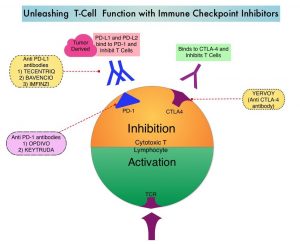
Immune checkpoints are cell surface inhibitory proteins/receptors that are expressed on activated T cells. They harness the immune system and prevent uncontrolled immune reactions by switching off the immune system T cells. Immune checkpoint proteins/receptors include CTLA-4 (Cytotoxic T-Lymphocyte Antigen 4, also known as CD152) and PD-1(Programmed cell Death 1). Checkpoint inhibitors unleash the T cells resulting in T cell proliferation, activation, and a therapeutic response. OPDIVO® is a fully human, immunoglobulin G4 monoclonal antibody that binds to the PD-1 receptor and blocks its interaction with PD-L1 and PD-L2, thereby undoing PD-1 pathway-mediated inhibition of the immune response and unleashing the T cells. YERVOY® is a fully human immunoglobulin G1 monoclonal antibody that blocks Immune checkpoint protein/receptor CTLA-4. In the CheckMate-227, Part 1, Phase III trial, a combination of OPDIVO® plus YERVOY®, significantly improved Overall Survival (OS), Progression Free Survival (PFS), Objective Response Rates (ORR) and Duration of Response, compared to chemotherapy, independent of PD-L1 expression level. The authors in this study hypothesized that a limited course of chemotherapy combined with OPDIVO® plus YERVOY® could provide rapid disease control, while building on the durable Overall Survival benefit seen with dual PD-1 and CTLA-4 inhibition, as well as minimizing the toxicities associated with a full course of chemotherapy.Unleashing-T-Cell-Function-with-Immune-Checkpoint-Inhibitors

CheckMate-9LA is a randomized, open-label, multi-center, Phase III trial which evaluated the benefit of a combination of OPDIVO® plus YERVOY®, and 2 cycles of Platinum-doublet chemotherapy (experimental arm) versus Platinum-doublet chemotherapy (control arm) for 4 cycles, followed by optional Pemetrexed maintenance therapy, as a first-line treatment in patients with metastatic or recurrent NSCLC, regardless of PD-L1 status and histology. In this study, 719 adults treatment naïve patients with histologically confirmed Stage IV/recurrent NSCLC, with ECOG Performance Status 0-1, and no known sensitizing EGFR/ALK alterations, were randomly assigned 1:1 to receive OPDIVO® 360 mg every 3 weeks plus YERVOY® 1 mg/kg every 6 weeks and 2 cycles of platinum-doublet chemotherapy (N=361), or 4 cycles of platinum-doublet chemotherapy alone (N=358). Chemotherapy was based on histology. Patients with non-squamous NSCLC in the chemo-only randomized group could receive optional Pemetrexed maintenance treatment. Patients were treated with immunotherapy until disease progression, unacceptable toxicity, or for 2 years. Patients were stratified by PD-L1 status (less than 1% versus 1% or more), sex, and histology (squamous versus non-squamous). Demographics in treatment groups were well balanced. Crossover between treatment groups was not permitted. However, at physician discretion, patients could receive subsequent immunotherapy upon discontinuation of study treatment in either group.

The Primary end point was Overall Survival (OS). Secondary endpoints included Progression Free Survival (PFS), Objective Response Rate (ORR) and efficacy by PD-L1 subgroups. PFS2 was a pre-specified exploratory endpoint and was defined as time from randomization, to objectively documented progression after the next line of therapy, or to death from any cause, whichever occurred first. At a preplanned interim analysis after a minimum follow up 8.1 months, this trial met its primary and secondary endpoints, showing statistically significant improvements in OS, PFS, and Objective Response Rate (ORR), when compared to chemotherapy alone. This clinical benefit was noted across tumor PD-L1 expression levels and histologies.

The authors in this publication reported updated efficacy and safety outcomes, along with Progression-Free Survival (PFS) after next line of treatment (PFS2), Treatment-Related Adverse Events (TRAEs) by treatment cycle, and efficacy outcomes in patients who discontinued all treatment components in the experimental treatment group due to TRAEs, from the CheckMate 9LA Phase III trial. The minimum follow up for OS was 24.4 months. The majority of patients (93%) received two cycles of chemotherapy and 13% completed the maximum 2 years of immunotherapy treatment. The median number of doses was 9.0 for OPDIVO® and 4.0 for YERVOY®. In the control arm, 75% of patients received four cycles of chemotherapy and 67% patients who had non-squamous tumor histology receiving Pemetrexed maintenance. About 29% patients in the control arm had completed the full four cycles of chemotherapy without optional Pemetrexed maintenance therapy. The median duration of therapy was 6.1 months in the experimental arm and 2.5 months in the control arm.

With a median follow up of 30.7 months, OPDIVO® plus YERVOY® with a limited course of chemotherapy continued to prolong Overall Survival (OS), when compared to chemotherapy (Median OS 15.8 versus 11.0 months; HR=0.72). The 2-year OS rate was 38% versus 26%. This OS benefit was observed across most key subgroups including those with PD-L1 expression of less than 1%, more than 1%, as well as by histology. More importantly, patients with pretreated CNS metastases at baseline had a median OS of 19.9 months in the experimental group versus 7.9 months in the control group, respectively (HR=0.47).

PFS continued to be prolonged in the experimental group compared to the control group, with an Hazard Ratio of 0.67 and 2-year PFS rates of 20% versus 8%, respectively. The ORR was 38% in the experimental group and 25% in the control group (P=0.0003). 34% versus 12% of all responses respectively, were ongoing at 2 years. The median PFS2 in all randomized patients was 13.9 months in the experimental group and 8.7 months in the control group (HR=0.66). Again, PFS2 also favored the experimental arm over the control arm in subgroups by PD-L1 expression, and by histology.

No new safety signals were observed and majority of Grade 3/4 toxicities were mostly observed during the first two treatment cycles in the experimental group. In patients who discontinued all components of the experimental treatment (OPDIVO® plus YERVOY® with chemotherapy) due to toxicities (N=61), the median OS was 27.5 months and 56% of responders had an ongoing response, more than 1 year after discontinuation of therapy. After discontinuing the experimental regimen, patients remained treatment-free for a median of 11.9 months and had a 48% chance of being treatment-free at 1 year.

The researchers concluded that with a 2-year minimum follow-up, OPDIVO® plus YERVOY® with two cycles of chemotherapy provided durable efficacy benefits over conventional chemotherapy, with a manageable safety profile. They added that this treatment regimen remains an efficacious first line treatment of advanced Non Small Cell Lung Cancer.

First-line nivolumab plus ipilimumab with two cycles of chemotherapy versus chemotherapy alone (four cycles) in advanced non-small-cell lung cancer: CheckMate 9LA 2-year update. Reck M, Ciuleanu T-E, Cobo M, et al. https://doi.org/10.1016/j.esmoop.2021.100273

Late Breaking Abstract – ESMO 2021: Adjuvant KEYTRUDA® for High Risk Stage II Melanoma

SUMMARY: The American Cancer Society’s estimates that for 2021, about 106,110 new cases of melanoma will be diagnosed in the United States and 7,180 people are expected to die of the disease. The rates of melanoma have been rising rapidly over the past few decades, but this has varied by age.

Surgical resection with a curative intent is the standard of care for patients with early stage melanoma, with a 5-year survival rate of 98% for Stage I disease and 90% for Stage II disease. The current standard of care for patients following resection of high-risk Stage II disease is observation, even though patients with Stage IIB and IIC disease presenting with high-risk features (depth of invasion, T-category, ulceration) have 5 and 10 year melanoma-specific survival similar to that of patients with Stage IIIA and IIIB disease.

KEYTRUDA® (Pembrolizumab) is a fully humanized, Immunoglobulin G4, anti-PD-1, monoclonal antibody, that binds to the PD-1 receptor and blocks its interaction with ligands PD-L1 and PD-L2. By doing so, it unleashes the tumor-specific effector T cells, and is thereby able to undo PD-1 pathway-mediated inhibition of the immune response. The FDA in 2019, approved KEYTRUDA® for the adjuvant treatment of patients with melanoma, with involvement of lymph node(s) following complete resection (Stage III). The present study was conducted to evaluate the role of adjuvant immunotherapy in patients with high risk Stage II melanoma.

KEYNOTE-716 is a randomized, double-blind, Phase III trial, in which 976 patients aged 12 years or older, with completely resected cutaneous Stage IIB or IIC melanoma, and no lymph node involvement, were randomly assigned 1:1 to receive KEYTRUDA® 200 mg (2 mg/kg for pediatric patients) or placebo, every 3 weeks for 17 cycles (up to 1 year). Patients were stratified by T category 3b, 4a, 4b (adults) and with a separate stratum for pediatric patients. Approximately 65% had Stage IIB disease and 35% had Stage IIC disease. There was no prespecified analysis for PD-L1 or BRAF status in this study, as there was inconsistent and small amounts of tissue available for testing. This was the first part (Part 1) of this double-blind study. The Primary endpoint was Relapse Free Survival (RFS) per investigator assessment, and Safety. The second part (Part 2) of this study was open-label design, and adults and pediatric patients were eligible to receive up to 35 additional cycles of treatment, only if they had recurrence after receiving the placebo or completed 17 cycles of KEYTRUDA®. Patients in the KEYTRUDA® group who experienced disease recurrence within 6 months of completing the treatment were excluded from Part 2 of the study. Secondary end points included Distant Metastasis-Free Survival, Overall Survival (OS) and Quality of Life. The researchers herein reported the results at the interim analysis of Part 1 of this study, and Part 2 data are not yet mature.

At median follow up of 14.4 months, the study met its Primary end point of RFS at the first protocol-specified analysis. KEYTRUDA® significantly prolonged RFS compared to placebo (HR=0.65; P=0.00658). At the time of this analysis, 11.1% of patients on KEYTRUDA® had a recurrence, compared to 16.8% of those receiving placebo. The 12-month RFS rate was 90.5% for KEYTRUDA® versus 83.1% for placebo. Median RFS was Not Reached in either group at the time of this analysis. Quality of Life scores were similar between the KEYTRUDA® and placebo groups at all time points.

It was concluded that adjuvant KEYTRUDA® for resected Stage IIB and IIC melanoma decreased the risk of disease recurrence or death by 35% compared with placebo, and was associated with significantly prolonged Relapse Free Survival and a favorable benefit-risk profile. KEYNOTE-716 is the first randomized Phase III trial of an anti-PD-1 therapy in resected Stage II melanoma, and these findings represent an important milestone for this patient group.

LBA3_PR – Pembrolizumab versus placebo after complete resection of high-risk stage II melanoma: Efficacy and safety results from the KEYNOTE-716 double-blind phase III trial. Luke JJ, Rutkowski P, Queirolo P, et al. Annals of Oncology (2021) 32 (suppl_5): S1283-S1346. 10.1016/annonc/annonc741.

Late Breaking Abstract – ESMO 2021: Keytruda® Plus Chemotherapy in Advanced Cervical Cancer

SUMMARY: The American Cancer Society estimates that for cervical cancer in the US for 2021, about 14,480 new cases of invasive cervical cancer will be diagnosed and about 4,290 women will die of the disease. Cervical pre-cancers are diagnosed far more often than invasive cervical cancer. Cervical cancer is most frequently diagnosed in women between the ages of 35 and 44 and in the US. Hispanic women are most likely to develop cervical cancer, followed by African-Americans, Asians and Pacific Islanders, and whites.

Patients with persistent, recurrent, or metastatic cervical cancer often receive Platinum-based chemotherapy, (Cisplatin or Carboplatin along with Paclitaxel) plus Bevacizumab. The addition of Bevacizumab to chemotherapy improved the median Overall Survival from 13.3 months to 17 months in a randomized study.

KEYTRUDA® (Pembrolizumab) is a fully humanized, Immunoglobulin G4, anti-PD-1, monoclonal antibody, that binds to the PD-1 receptor and blocks its interaction with ligands PD-L1 and PD-L2. It thereby reverses the PD-1 pathway-mediated inhibition of the immune response and unleashes the tumor-specific effector T cells. In the KEYNOTE-158 trial, the Objective Response Rate (ORR) with single agent KEYTRUDA® in previously treated recurrent or metastatic cervical cancer patients with PD-L1 positive tumors was 14.3%. KEYNOTE-826 trial was conducted to assess whether adding KEYTRUDA® to Platinum-based chemotherapy with or without Bevacizumab would improve efficacy, as compared with chemotherapy with or without Bevacizumab, as first line therapy for persistent, recurrent, or metastatic cervical cancer.

KEYNOTE-826 is a global, multicenter, double-blind, randomized Phase III trial, in which 617 women with recurrent, persistent, or metastatic cervical cancer were randomly assigned in a 1:1 ratio to receive KEYTRUDA® 200 mg IV or placebo, every 3 weeks for up to 35 cycles. Patients in both treatment groups received Paclitaxel 175 mg/m2 IV and the investigator’s choice of Cisplatin 50 mg/m2 or Carboplatin AUC 5 IV every 3 weeks. Chemotherapy was limited to 6 cycles, although patients with ongoing clinical benefit without unacceptable side effects could continue beyond 6 cycles. Bevacizumab at a dose of 15 mg/kg IV every 3 weeks was allowed at the investigator’s discretion. Enrolled patients were not previously treated for advanced disease and were not considered curable. The median patient age was 50 years, and close to two thirds of the patients had persistent or recurrent disease with distant metastases. Patients were stratified according to metastatic disease at diagnosis, planned Bevacizumab use and PD-L1 Combined Positive Score (CPS) less than 1, 1-9 and 10 or more. All the treatment groups were well balanced and about 63% of patients in each treatment group received Bevacizumab. Eighty eight percent (88%) of patients had PD-L1 CPS 1 or more at baseline, and 51% had CPS 10 or more. Approximately 72% of the patients had Squamous Cell Carcinoma, 56% received previous chemoradiotherapy with or without surgery, and 20% had previously untreated metastatic disease at trial entry. The dual Primary endpoints were Progression Free Survival (PFS) and Overall Survival (OS). The median follow up for the first interim analysis was 22.0 months.

The median PFS in those patients with a PD-L1 CPS of 1 or more (N=548) was 10.4 months in the KEYTRUDA® group and 8.2 months in the placebo group (HR for disease progression or death=0.62; P<0.001). This represented a 38% reduction in the risk of disease progression or death in the KEYTRUDA® group. The PFS in all enrolled patients (N=617) was 10.4 months and 8.2 months, respectively (HR=0.65; P<0.001). The PFS in patients with a PD-L1 CPS of 10 or more (N=317) was 10.4 months and 8.1 months, respectively (HR=0.58; P<0.001).

The OS at 24 months was significantly longer in the KEYTRUDA® group, compared to the placebo group, among patients with a PD-L1 CPS of 1 or more, and was 53% in the KEYTRUDA® group and 41.7% in the placebo group (HR for death= 0.64; P<0.001), 50.4% and 40.4% among all enrolled patients (HR=0.67; P<0.001), and 54.4% and 44.6% among patients with a PD-L1 CPS of 10 or more (HR=0.61; P=0.001), respectively. The confirmed Response Rates were also higher and Duration of Response longer in all patient groups receiving KEYTRUDA®, compared to placebo. Side effects with the combination therapy were manageable and were as expected, based on known adverse events with the individual drugs.

It was concluded that the addition of KEYTRUDA® to chemotherapy, with or without Bevacizumab, significantly prolonged Progression Free and Overall Survival, among patients with persistent, recurrent, or metastatic cervical cancer.

Pembrolizumab for Persistent, Recurrent, or Metastatic Cervical Cancer. Colombo N, Dubot C, Lorusso D, et al. for the KEYNOTE-826 Investigators. September 18, 2021. DOI: 10.1056/NEJMoa2112435.

Late Breaking Abstract – ESMO 2021: ENHERTU® Superior to KADCYLA® in Patients with HER2 Positive Metastatic Breast Cancer

SUMMARY: Breast cancer is the most common cancer among women in the US and about 1 in 8 women (12%) will develop invasive breast cancer during their lifetime. Approximately 284,200 new cases of breast cancer will be diagnosed in 2021 and about 44,130 individuals will die of the disease, largely due to metastatic recurrence.

The HER or erbB family of receptors consist of HER1, HER2, HER3 and HER4. Approximately 15-20% of invasive breast cancers overexpress HER2/neu oncogene, which is a negative predictor of outcomes without systemic therapy. Patients with HER2-positive metastatic breast cancer are often treated with anti-HER2 targeted therapy along with chemotherapy, irrespective of hormone receptor status, and this has resulted in significantly improved treatment outcomes. HER2-targeted therapies include HERCEPTIN® (Trastuzumab), TYKERB® (Lapatinib), PERJETA® (Pertuzumab) and KADCYLA® (ado-Trastuzumab emtansine). Dual HER2 blockade with HERCEPTIN® and PERJETA® given along with chemotherapy (with or without endocrine therapy), as first line treatment, in HER2 positive metastatic breast cancer patients, was shown to significantly improve Progression Free Survival (PFS) as well as Overall Survival (OS). The superior benefit with dual HER2 blockade has been attributed to differing mechanisms of action and synergistic interaction between HER2 targeted therapies. Patients progressing on Dual HER2 blockade often receive KADCYLA® which results in an Objective Response Rate (ORR) of 44% and a median PFS of 9.6 months, when administered after HERCEPTIN® and a taxane. There is however no standard treatment option for this patient population following progression on KADCYLA®.

ENHERTU® (Trastuzumab Deruxtecan) is an Antibody-Drug Conjugate (ADC) composed of a humanized monoclonal antibody specifically targeting HER2, with the amino acid sequence similar to Trastuzumab, a cleavable tetrapeptide-based linker, and a potent cytotoxic Topoisomerase I inhibitor as the cytotoxic drug (payload). ENHERTU® has a favorable pharmacokinetic profile and the tetrapeptide-based linker is stable in the plasma and is selectively cleaved by cathepsins that are up-regulated in tumor cells. Unlike KADCYLA®, ENHERTU® has a higher drug-to-antibody ratio (8 versus 4), released payload easily crosses the cell membrane with resulting potent cytotoxic effect on neighboring tumor cells regardless of target expression, and the released cytotoxic agent (payload) has a short half-life , thus minimizing systemic exposure.

In the DESTINY-Breast 01 Phase II registration trial involving patients with HER2-positive metastatic breast cancer, who had received two or more prior HER2 targeted therapies including KADCYLA®, the Objective Response Rate (ORR) was 60.9%, with 6% Complete Responses and 54.9% Partial Response, with a median response duration of 14.8 months. The median PFS was 16.4 months. This benefit was consistent across all key subgroups, including patients who had previously received PERJETA® therapy.

DESTINY-Breast 03 is a global, multicenter, open-label, randomized Phase III study, in which the efficacy and safety of ENHERTU® was compared with KADCYLA®, in patients with HER2-positive metastatic breast cancer previously treated with Trastuzumab and a Taxane. In this study, 524 pts were randomized 1:1 to receive ENHERTU® 5.4 mg/kg (N=261) or KADCYLA® 3.6 mg/kg (N=263) once every 3 weeks. The median patient age was 54 years and patients in both treatment groups were comparable in terms of baseline characteristics including age, HER2-positivity status, ECOG Performance Status, prior treatment for breast cancer, brain metastases, and prior cancer therapy with agents including Trastuzumab. The Primary endpoint was Progression Free Survival (PFS) by Blinded Independent Central Review (BICR). Secondary endpoints include Overall Survival (OS), Objective Response Rate (ORR), Duration of Response, PFS by investigator, and Safety.

At the time of the prespecified interim analysis of this study, the median follow up was approximately 16 months and the median PFS by BICR review was Not Reached with ENHERTU® and was 6.8 months with KADCYLA® (HR=0.28; P= 7.8 × 10⁻²²). This represented a very statistically significant 72% reduction in the risk for progression or death with ENHERTU® compared to KADCYLA®. The investigator-assessed PFS was similar (25.1 versus 7.2 months, HR=0.26, P<0.0001). This PFS benefit was observed as early as 4 weeks and remained consistent throughout the follow up period. PFS was significantly higher with ENHERTU® in all prespecified key subgroups, including Hormone Receptor status, prior treatment with PERJETA®, visceral disease, number of prior lines of therapy, and the presence or absence of brain metastases. Majority of patients in the ENHERTU® group experienced a reduction in tumor size, and the ORR was significantly higher among patients in the ENHERTU® compared to those who received KADCYLA® (79.7% versus 34.2%; P<0.0001), with a near doubling of the Complete Response rate in the ENHERTU® group, at 16.1% compared to 8.7% in the KADCYLA® group. The estimated 12-month Overall Survival rate was 94.1% versus 85.9% respectively (HR=0.56; P=0.007), but was not considered significant as it did not cross the prespecified boundary for significance, likely due to the immaturity of the dataset.

Adjudicated treatment related Interstitial Lung Disease/pneumonitis was more common in the ENHERTU® compared with the KADCYLA® treatment arm, at rates of 10.5% and 1.9%, respectively and most of the events were Grade 1 or 2 in severity, and none at Grade 4 or 5 in either treatment group. Interstitial Lung Disease profile was of less concern, than was seen in previous trials of ENHERTU® in more heavily pretreated patients. All Left Ventricular Ejection Fraction decreases were Grade 1 or 2 and were seen in 2.7% of the ENHERTU® group and in 0.4% of KADCYLA® group.

The researchers concluded that ENHERTU® demonstrated a highly statistically significant and clinically meaningful improvement in Progression Free Survival, when compared to KADCYLA®, in patients previously treated with Trastuzumab and Taxane for HER2-positive metastatic Breast cancer, with manageable toxicity and a significant improvement in Interstitial Lung Disease profile. The authors added that these data support ENHERTU® becoming the standard of care for second line treatment of HER2-positive metastatic breast cancer.

Trastuzumab deruxtecan (T-DXd) vs trastuzumab emtansine (T-DM1) in patients (Pts) with HER2+ metastatic breast cancer (mBC): Results of the randomized phase III DESTINY-Breast03 study. Cortés J, Kim SB, Chung WP, et al. Presented at: European Society for Medical Oncology 2021 Virtual Congress. September 16-21, 2021; virtual. Abstract LBA1.

PSMA Targeted Therapy Improves Overall Survival in Metastatic Prostate Cancer

SUMMARY: Prostate cancer is the most common cancer in American men with the exclusion of skin cancer, and 1 in 8 men will be diagnosed with prostate cancer during their lifetime. It is estimated that in the United States, about 248,530 new cases of prostate cancer will be diagnosed in 2021 and 34,130 men will die of the disease.

The development and progression of prostate cancer is driven by androgens. Androgen Deprivation Therapy (ADT) or testosterone suppression has therefore been the cornerstone of treatment of advanced prostate cancer, and is the first treatment intervention. Approximately 10-20% of patients with advanced Prostate cancer will progress to Castration Resistant Prostate Cancer (CRPC) within five years during ADT, and over 80% of these patients will have metastatic disease at the time of CRPC diagnosis. Among those patients without metastases at CRPC diagnosis, 33% are likely to develop metastases within two years. Progression to Castration Resistant Prostate Cancer (CRPC) often manifests itself with a rising PSA (Prostate Specific Antigen) and the estimated mean survival of patients with CRPC is 9-36 months, and there is therefore an unmet need for new effective therapies.

Prostate-Specific Membrane Antigen (PSMA) is a type II cell membrane glycoprotein that is selectively expressed in prostate cells, with high levels of expression in prostatic adenocarcinoma. PSMA is a therefore an excellent target for molecular imaging and therapeutics, due to its high specificity for prostate cancer.

Lu-177-PSMA-617 is a radiopharmaceutical that targets PSMA. It is comprised of Lutetium-177, linked to the ligand PSMA-617, a small molecule designed to bind with high affinity to PSMA. Radioligand therapy with Lu-177-PSMA-617 targets PSMA and releases its payload of lethal beta radiation into the prostate cancer cell. The antitumor activity and safety of Lu-177-PSMA-617 have been established previously in a Phase II study (Lancet Oncol. 2018;19:825-833).

VISION is an international, randomized, open-label Phase III study in which the benefit of Lu-177-PSMA-617 was evaluated in men with PSMA-positive mCRPC, previously treated with second generation Androgen Receptor signaling pathway inhibitor (XTANDI®-Enzalutamide or ZYTIGA®-Abiraterone acetate), and 1 or 2 taxane chemotherapy regimens. In this trial, 831 patients were randomized 2:1 to receive Lu-177-PSMA-617, 7.4 GBq every 6 weeks for 6 cycles plus Standard of Care as determined by the treating physician (N=551), or Standard of Care only (N=280). Both treatment groups were well balanced and this trial excluded patients treated with XOFIGO® (Radium-223). Enrolled patients had a castrate level or serum/plasma testosterone of lower than 50 ng/dL, and PET imaging with 68 Ga-PSMA-11 was used to determine PSMA positivity by central review. The Primary endpoints were radiographic Progression Free Survival (rPFS) by Independent Central Review (ICR) and Overall Survival (OS). Secondary endpoints included Objective Response Rate (ORR), Disease Control Rate (DCR), and time to first Symptomatic Skeletal Event (SSE). The median study follow up was 20.9 months.

Lu-177-PSMA-617 plus Standard of Care significantly improved rPFS by 60%, compared to Standard of Care alone (median rPFS 8.7 versus 3.4 months, HR=0.40; P<0.001). The median OS was also significantly improved by 38% with Lu-177-PSMA-617 plus Standard of Care compared to Standard of Care alone (median OS 15.3 versus 11.3 months, HR=0.62; P<0.001). All key secondary endpoints including Objective Response Rate, Disease Control Rate, and time to first Symptomatic Skeletal Event were statistically significant, and in favor of Lu-177-PSMA-617 plus Standard of Care.

It was concluded that radioligand therapy with Lutetium-177–PSMA-617 significantly improved radiographic Progression Free Survival and Overall Survival when added to Standard of Care, compared with Standard of Care alone, in men with PSMA-positive metastatic Castration Resistant Prostate Cancer.

Lutetium-177-PSMA-617 for Metastatic Castration-Resistant Prostate Cancer. Sartor O, de Bono J, Chi KN, et al. N Engl J Med 2021; 385:1091-1103.