FDA Approves OPDIVO® for Head and Neck Cancer

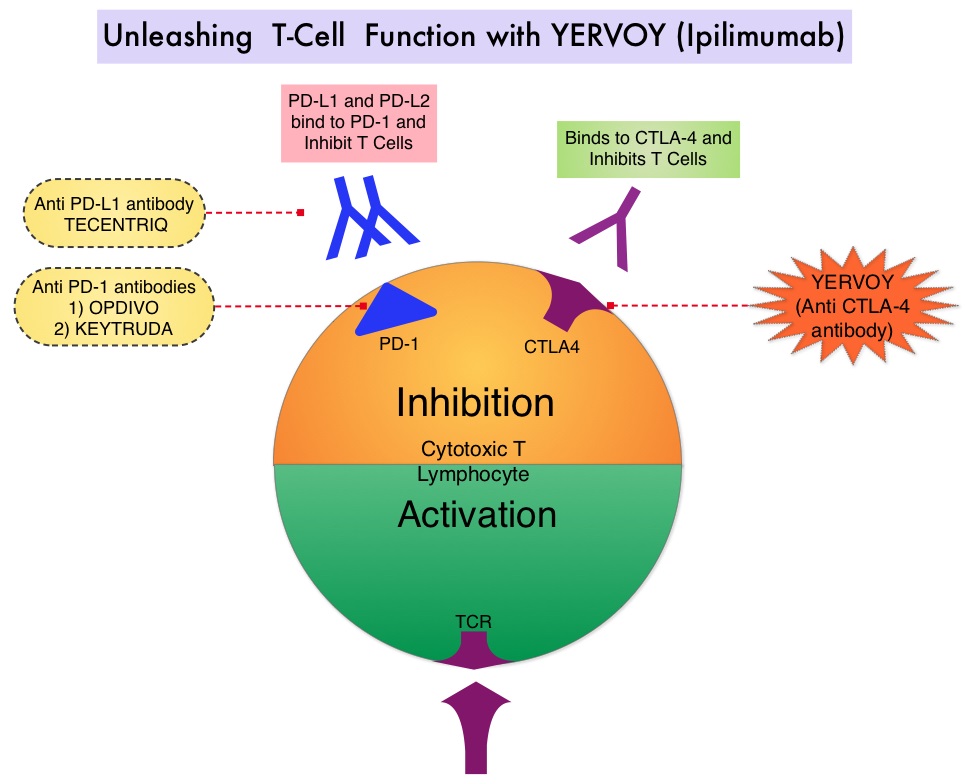
SUMMARY: The FDA on November 10, 2016, approved OPDIVO® (Nivolumab) for the treatment of patients with recurrent or metastatic Squamous Cell Carcinoma of the Head and Neck (SCCHN), with disease progression on or after a Platinum-based therapy. The American Cancer Society estimates that 61,760 people will be diagnosed with Head and Neck cancer in 2016 and 13,190 patients will die of the disease. Patients with recurrent/metastatic Squamous Cell Carcinoma of the Head and Neck have a poor prognosis with a median Overall Survival (OS) of about 13 months with first line therapy and about 6 months or less with later lines of therapy. The treatment paradigm for solid tumors has been rapidly evolving with a better understanding of immune evasion and the role of Immune checkpoints or gate keepers. Immune checkpoints are cell surface inhibitory proteins/receptors that are expressed on activated T cells. They harness the immune system and prevent uncontrolled immune reactions. Survival of cancer cells in the human body may be to a significant extent related to their ability to escape immune surveillance by inhibiting T lymphocyte activation. The T cells of the immune system therefore play a very important role in modulating the immune system. Under normal circumstances, inhibition of an intense immune response and switching off the T cells of the immune system, is an evolutionary mechanism and is accomplished by Immune checkpoints or gate keepers. With the recognition of Immune checkpoint proteins and their role in suppressing antitumor immunity, antibodies have been developed that target the membrane bound inhibitory Immune checkpoint proteins/receptors such as CTLA-4 (Cytotoxic T-Lymphocyte Antigen 4, also known as CD152), PD-1(Programmed cell Death 1), etc. By blocking the Immune checkpoints, one would expect to unleash the T cells, resulting in T cell proliferation, activation and a therapeutic response.
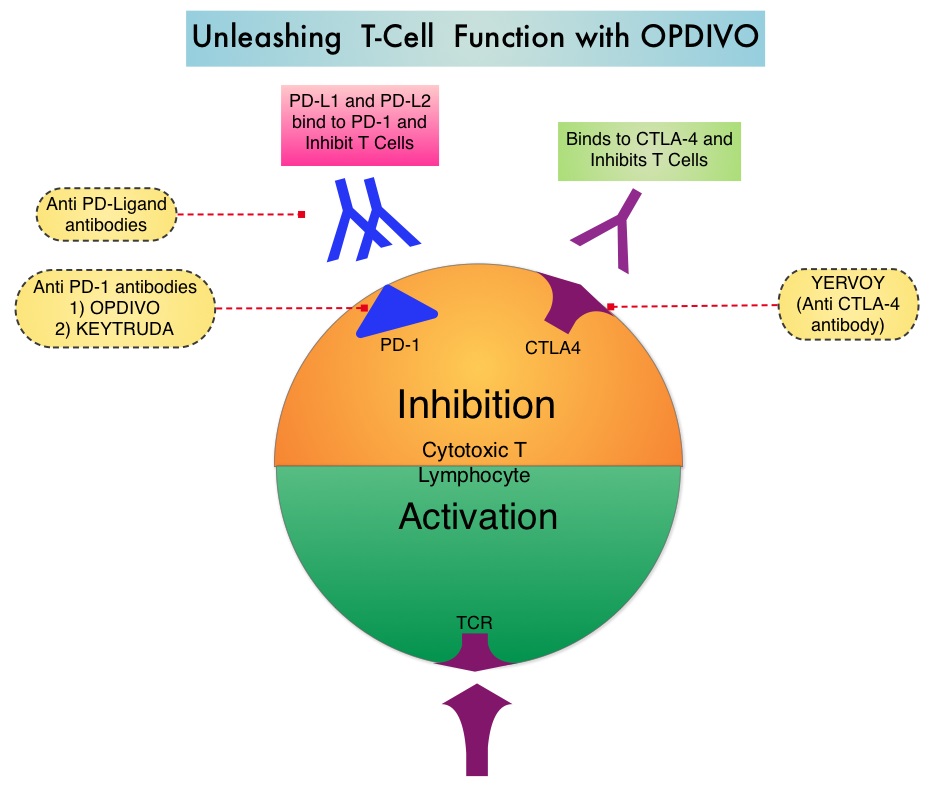
OPDIVO® is an immune checkpoint PD-1 (Programmed cell Death 1) targeted, fully human, immunoglobulin G4 monoclonal antibody that has demonstrated antitumor efficacy in multiple tumor types. The FDA approval of OPDIVO® for the treatment of recurrent or metastatic Squamous Cell Carcinoma of the Head and Neck (SCCHN), was based on the results of CheckMate-141 study which is a randomized, open label, phase III trial. In this study, 361 patients with recurrent Squamous Cell Carcinoma of the Head and Neck (cancer of the oral cavity, pharynx, or larynx), whose disease had progressed within 6 months after Platinum-based chemotherapy, were randomly assigned, in a 2:1 ratio to receive OPDIVO® (N=240) or investigator’s choice of a standard, single agent therapy (N=121). OPDIVO® was administered at a dose of 3 mg/kg every 2 weeks, whereas standard therapy consisted of either weekly Methotrexate at a dose of 40-60 mg/m2 IV, weekly Docetaxel at a dose of 30-40 mg/m2 IV or Cetuximab administered at a loading dose of 400 mg/m2 followed by 250 mg/m2 IV weekly. The median age was 60 years, over 90% had received prior radiation therapy and 54.5% of the patients had received 2 or more lines of prior systemic therapies. The primary end point was Overall Survival and secondary end points included Progression Free Survival, Objective Response Rate, safety, and patient-reported quality of life measures. Prespecified analysis of Overall Survival according to tumor PD-L1 expression and p16 status was also performed.

The median Overall Survival was 7.5 months in the OPDIVO® group versus 5.1 months for the group that received standard therapy and this improvement was statistically significant (HR=0.70; P=0.01). The estimated 1-year survival rate was 36% in the OPDIVO® group and 16.6% with standard therapy. The median Progression Free Survival was 2.0 months with OPDIVO® versus 2.3 months with standard therapy and the rate of Progression Free Survival at 6 months was 19.7% with OPDIVO® versus 9.9% with standard therapy. The Objective Response Rate was 13.3% in the OPDIVO® group versus 5.8% in the standard therapy group. Even though preliminary biomarker analysis suggested that patients with a tumor PD-L1 expression level of 1% or more, or p16-positive tumors, or both, benefited more from OPDIVO® therapy than those whose PD-L1 level was less than 1% or who had p16-negative tumors, these interactions were not statistically significant. Treatment-related grade 3 or 4 adverse events were more common in the standard therapy group (35%) versus OPDIVO® group (13%) and quality of life measures were stable in the OPDIVO® group and were worse for those who received standard therapy.

The authors concluded that OPDIVO® prolonged survival, as compared with standard therapy, among patients with Platinum-refractory Squamous Cell Carcinoma of the Head and Neck and this benefit was accomplished with fewer toxicities, compared with standard therapy. Nivolumab for Recurrent Squamous-Cell Carcinoma of the Head and Neck. Ferris RL, Blumenschein G, Fayette J, et al. N Engl J Med 2016; 375:1856-1867
Neoadjuvant Chemotherapy in Advanced Ovarian Cancer – ASCO Clinical Practice Guideline

SUMMARY: The American Cancer Society estimates that over 22,280 women will be diagnosed with ovarian cancer in the United States for 2016 and over 14,240 will die of the disease. Ovarian cancer ranks fifth in cancer deaths among women, accounting for more deaths than any other cancer of the female reproductive system. For the past 40 years, primary cytoreductive surgery followed by chemotherapy has been the standard approach, for women with advanced epithelial ovarian cancer. The benefit of neoadjuvant chemotherapy followed by interval debulking surgery was recognized in the early 1990’s, especially when treating those with advanced age, stage and associated comorbidities. An Expert Panel from the Society of Gynecologic Oncology and the American Society of Clinical Oncology conducted a systematic review of the literature and the primary evidence for these recommendations is based on four phase III clinical trials. The following recommendations are meant to provide guidance to Health Care Providers regarding the use of neoadjuvant chemotherapy and interval cytoreduction among women with stage IIIC or IV epithelial ovarian cancer. The following clinical questions were addressed:

What clinical evaluations should be performed in all women with suspected or newly diagnosed stage IIIC or IV epithelial ovarian cancer?

Recommendation 1.1. All women with suspected stage IIIC or IV invasive epithelial ovarian cancer should be evaluated by a gynecologic oncologist prior to initiation of therapy to determine whether they are candidates for primary cytoreductive surgery.

Recommendation 1.2. A primary clinical evaluation should include a CT scan of the abdomen and pelvis with Oral and IV contrast and chest imaging (CT preferred), to evaluate the extent of disease and feasibility of surgical resection. The use of other tools to refine this assessment may include laparoscopic evaluation or additional radiographic imaging such as PET scan or MRI.

Which patient and disease factors should be used as criteria for identifying patients who are not suitable for primary cytoreductive surgery?

Recommendation 2.1. Women who have a high perioperative risk profile, or a low likelihood of achieving cytoreduction to less than 1 cm, ideally to no visible disease, should receive neoadjuvant chemotherapy.

Recommendation 2.2. Decisions that women are not eligible for medical or surgical cancer treatment, should be made after consultation with a gynecologic oncologist and/or a medical oncologist with gynecologic expertise.

How do neoadjuvant chemotherapy and primary cytoreductive surgery compare with respect to progression-free survival, overall survival, and perioperative morbidity and mortality in women who are fit for primary cytoreduction and have potentially resectable disease, and how should this information be used to select initial treatment?

Recommendation 3.1. For women who are fit for primary cytoreductive surgery, with potentially resectable disease, either neoadjuvant chemotherapy or primary cytoreductive surgery may be offered, based on data from phase III randomized, controlled trials that demonstrate neoadjuvant chemotherapy is noninferior to primary cytoreductive surgery with respect to Progression Free and Overall Survival. Neoadjuvant chemotherapy is associated with less peri- and postoperative morbidity and mortality and shorter hospitalizations, but primary cytoreductive surgery may offer superior survival in selected patients.

Recommendation 3.2. For women with a high likelihood of achieving cytoreduction to less than 1 cm (ideally to no visible disease) and with acceptable morbidity, primary cytoreductive surgery is recommended over neoadjuvant chemotherapy.

Recommendation 3.3. For women who are fit for primary cytoreductive surgery but are deemed unlikely to have cytoreduction to less than 1 cm (ideally to no visible disease) by a gynecologic oncologist, neoadjuvant chemotherapy is recommended over primary cytoreductive surgery. Neoadjuvant chemotherapy is associated with less peri and postoperative morbidity and mortality and shorter hospitalizations.

What additional clinical evaluations should be performed in women with suspected or newly diagnosed stage IIIC or IV epithelial ovarian cancer before neoadjuvant chemotherapy is delivered?

Recommendation 4. Before neoadjuvant chemotherapy is delivered, all patients should have histologic confirmation (core biopsy preferred) of an invasive ovarian, fallopian tube, or peritoneal cancer. In exceptional cases, when a biopsy cannot be performed, cytologic evaluation combined with a serum CA-125 to carcinoembryonic antigen (CEA) ratio more than 25 is acceptable, to confirm the primary diagnosis and exclude a non-gynecologic cancer.

What is the preferred chemotherapy regimen for women with stage IIIC or IV epithelial ovarian cancer who will receive neoadjuvant chemotherapy?

Recommendation 5. For neoadjuvant chemotherapy, a Platinum-Taxane doublet is recommended. However, alternative regimens, containing a Platinum agent, may be selected based on individual patient factors.

Among women treated with neoadjuvant chemotherapy, does the timing of interval cytoreduction or the number of chemotherapy cycles after interval cytoreduction affect the safety or efficacy of treatment?

Recommendation 6. Randomized, controlled trials tested surgery following three or four cycles of chemotherapy in women who had a response to neoadjuvant chemotherapy or stable disease. Interval cytoreductive surgery should be performed after up to four cycles of neoadjuvant chemotherapy for women with a response to chemotherapy or stable disease. Alternative timing of surgery has not been prospectively evaluated but may be considered based on patient-centered factors.

What are the treatment options for patients with progressive disease on neoadjuvant chemotherapy?

Recommendation 7. Patients with progressive disease on neoadjuvant chemotherapy have a poor prognosis. Options include alternative chemotherapy regimens, clinical trials, and/or discontinuation of active cancer therapy and initiation of end-of-life care. In general, there is little role for surgery, and it is not typically advised, unless for palliation such as relief of bowel obstruction. Neoadjuvant Chemotherapy for Newly Diagnosed, Advanced Ovarian Cancer: Society of Gynecologic Oncology and American Society of Clinical Oncology Clinical Practice Guideline. Wright AA, Bohlke K, Armstrong DK, et al. Journal of Clinical Oncology 2016;34:3460-3473

FDA Approves PDGFRα Antagonist LARTRUVO® for Soft Tissue Sarcoma

SUMMARY: The FDA on October 19, 2016 granted accelerated approval to LARTRUVO® (Olaratumab) for the treatment of patients with Soft Tissue Sarcoma (STS), not amenable to curative treatment with radiotherapy or surgery, and with a histologic subtype for which an anthracycline containing regimen is appropriate. The American Cancer Society estimates that in 2016, about 12,310 new soft tissue sarcomas will be diagnosed in the United States and 4,990 patients will die of the disease. The most common types of Soft Tissue Sarcomas in adults are undifferentiated pleomorphic sarcoma (previously called Malignant Fibrous Histiocytoma), Liposarcoma, and Leiomyosarcoma. Patients with advanced Soft Tissue Sarcomas are often treated with a Doxorubicin based chemotherapy regimen and the median Overall Survival (OS) for those treated is 12-16 months.

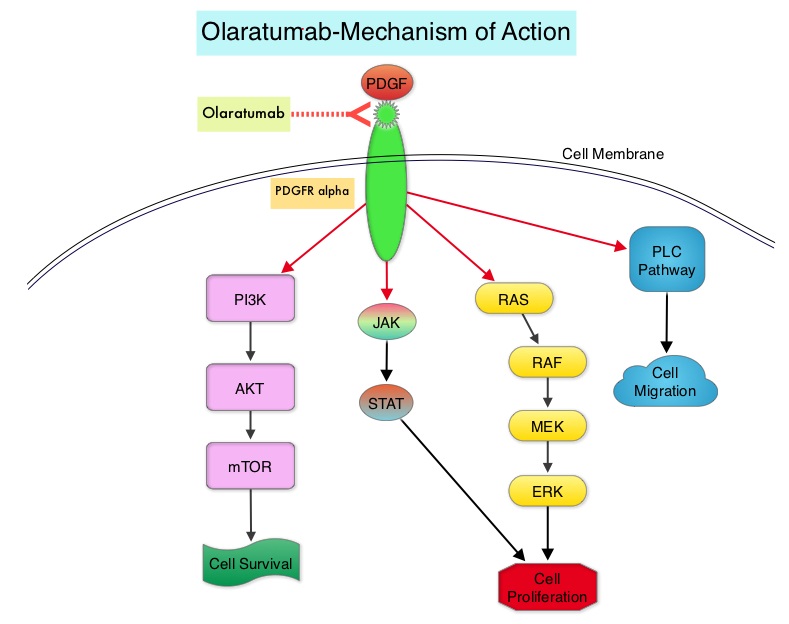
LARTRUVO® is a human IgG1 monoclonal antibody that binds to human PDGFRα with high affinity and blocks PDGFs (Platelet Derived Growth Factors) such as PDGF-AA, PDGF-BB, and PDGF-CC ligands, from binding to the receptor. Coexpression of PDGFRα and PDGFs, with associated autocrine-mediated cell growth, has been implicated in Sarcomas and Glioblastomas. Platelet Derived Growth Factor Receptor α (PDGFRα) is expressed in multiple tumor types and its aberrant activation may facilitate cancer development and spread.

The approval of LARTRUVO® was based on data from a randomized phase II study of Doxorubicin plus LARTRUVO® treatment, in patients with unresectable (locally advanced) or metastatic Soft Tissue Sarcoma (STS). In this pivotal trial, 133 patients with metastatic STS were randomized in a 1:1 ratio to receive LARTRUVO® plus Doxorubicin (N=66) or Doxorubicin alone (N=67). Enrolled patients had metastatic STS not amenable to curative treatment with surgery or radiotherapy, and a histologic type of sarcoma for which an anthracycline-containing regimen was appropriate, but had not been administered. LARTRUVO® was administered at 15 mg/kg as an IV infusion on days 1 and 8 of each 21-day cycle. All patients received doxorubicin 75 mg/m2 as an IV infusion on day 1 of each 21-day cycle for maximum of eight cycles. Single-agent LARTRUVO® was offered to patients in the Doxorubicin alone arm at the time of disease progression. The median patient age in the combination arm was 58.5 years and 88% of patients were positive for PDGFRα. Over a third of the enrolled patients had Leiomyosarcoma and over 25 different STS histologies were included in this study.

It was noted that there was a statistically significant improvement in Overall Survival (OS) for the combination treatment group with a median OS of 26.5 months compared to 14.7 months for those receiving Doxorubicin alone (HR=0.52; P<0.05). The median Progression Free Survival (independent review) was 8.2 months for patients in the combination group and 4.4 months for those receiving Doxorubicin alone (HR=0.74) and the Overall Response Rate (independent review) was 18% in the combination group and 8% in the Doxorubicin alone group. The most common (greater than or equal to 20%) side effects of treatment with LARTRUVO® were nausea, fatigue, neutropenia, musculoskeletal pain, mucositis, alopecia, vomiting, diarrhea, decreased appetite, abdominal pain, neuropathy, and headache. Infusion related reactions were seen in 13% of patients.

It was concluded that the combination of LARTRUVO® with Doxorubicin reduced the risk of death by 48% compared with Doxorubicin alone, for patients with advanced STS and is the first new therapy approved by the FDA for the initial treatment of Soft Tissue Sarcoma since the approval of Doxorubicin, more than 4 decades ago. Olaratumab and doxorubicin versus doxorubicin alone for treatment of soft-tissue sarcoma: an open-label phase 1b and randomised phase 2 trial. Tap WD, Jones RL, Van Tine BA, et al. Lancet. 2016;388:488-497

VYXEOS® – A Novel First Line Treatment for High Risk Acute Myeloid Leukemia

SUMMARY: The American Cancer Society estimates that in 2016, 19,950 new cases of Acute Myeloid Leukemia (AML) will be diagnosed in the United States and 10,430 patients will die of the disease. Acute Myeloid Leukemia in general is a disease of the elderly and the average age of a patient with AML is about 66 years. AML can be considered as a group of heterogeneous diseases with different clinical behavior and outcomes. In general, only 40% of patients younger than 60 years of age survive more than 5 years and 5 year survival for those who relapse after achieving a complete remission (CR) is dismal. Treatment with conventional chemotherapy regimens in elderly patients with secondary AML (sAML) have resulted in poor outcomes. Even though rapid development of new agents against genetic and epigenetic targets is underway, modifications and reformulations of conventional chemotherapy have demonstrated improved outcomes in patients with AML.

CPX-351 (VYXEOS®) is a liposomal formulation of a fixed combination of Cytarabine and Daunorubicin in a 5:1 molar ratio, developed using a platform known as “CombiPlex”. In vitro studies have demonstrated that this ratio maximizes synergy with the lowest level of antagonism and results in preferential uptake of the drug into leukemic cells. In a randomized, open label phase II trial involving patients with or without secondary AML (sAML), CPX-351 improved the composite CR (CRc) rate (Complete Remission and CR with incomplete blood count recovery – CRi) when compared to conventional induction chemotherapy with Daunorubicin and Cytarabine. Those patients with a higher rate of CRc (CR + CRi) had a statistically significant 6 month survival benefit. In another study of AML patients in first relapse, CPX-351 improved median Overall Survival (OS) in poor-risk patients when compared to investigator’s choice of salvage regimens.

On the basis of these studies, the authors conducted a randomized, open-label, phase III trial of first-line CPX-351 in patients with high-risk sAML. Enrolled patients (N=309) were stratified based on AML type (therapy-related AML, AML with a history of MDS with and without prior Hypo Methylating Agent therapy, AML with a history of CMML, or de novo AML with MDS karyotype) and age (60-69 yrs or 70-75yrs). Patients were randomized in a 1:1 ratio to receive either CPX-351 (N=153) 100 units/m2, days 1, 3, 5 or the standard 7+3 (Cytarabine 100 mg/m2/day x 7 days, Daunorubicin 60 mg/m2 days 1, 2, 3) induction therapy (N=156). Both treatment groups were well balanced. The primary end point was Overall Survival (OS) and secondary endpoints included Event Free Survival (EFS), independent blinded assessment of CR+CRi, and 60-day mortality.

The final analysis began after a minimum follow up of 13.7 months. Patients in the CPX-351 group had a significant improvement in Overall Survival compared with standard treatment (HR=0.69; P=0.005; median OS, 9.56 versus 5.95 months). Additionally, there was a significant improvement in Event Free Survival for the CPX-351 group compared to standard therapy (HR=0.74; P=0.021), as well as CR+CRi response (47.7% versus 33.3%; P=0.016) and 60-day mortality (13.7% versus 21.2%). The Complete Remission rates alone were 37.3% and 25.6%, in favor of CPX-351 (P=0.04). Grade 3-5 Adverse Events were similar in frequency and severity in both arms (92% versus 91%) and similar numbers of patients underwent transplantation in both treatment groups.

The authors concluded that treatment with CPX-351 (VYXEOS®) significantly improved Overall Survival, Event Free Survival and Response Rates, without an increase in 60-day mortality or Adverse Events, in elderly patients with high risk secondary AML, when compared with standard induction therapy. CPX-351 reduced the risk of death by 31%. Final results of a phase III randomized trial of CPX-351 versus 7+3 in older patients with newly diagnosed high risk (secondary) AML. Lancet JE, Uy GL, Cortes JE, et al. J Clin Oncol 34, 2016 (suppl; abstr 7000).

FDA Approves KEYTRUDA® for Treatment Naïve Patients with Advanced NSCLC

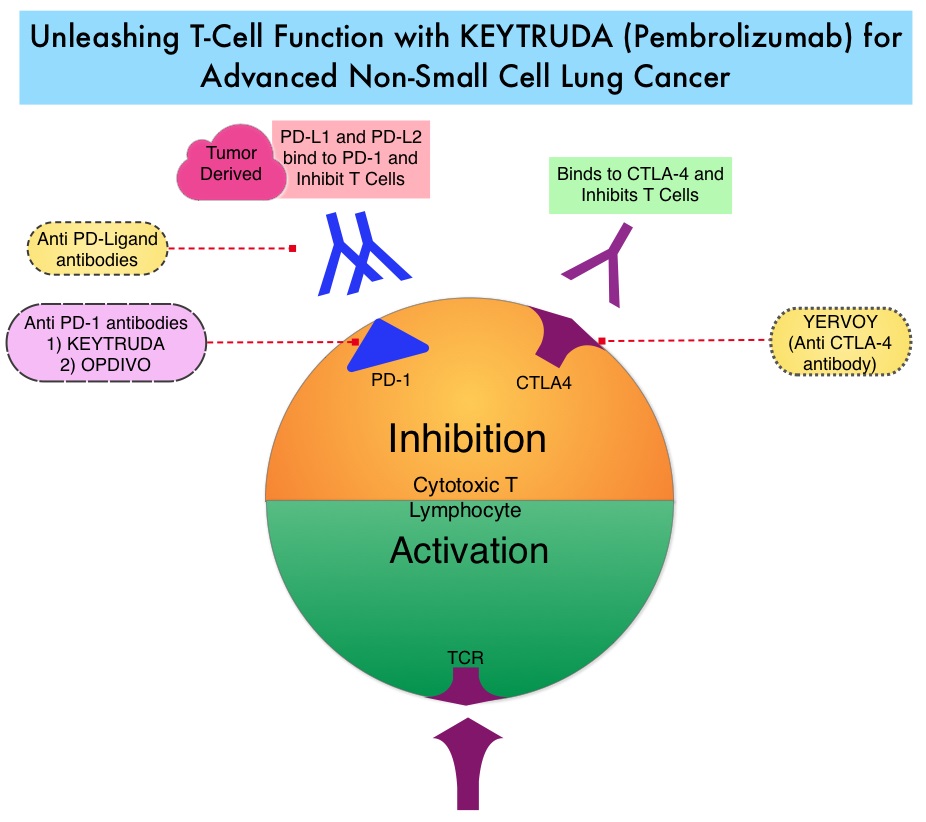
SUMMARY: The FDA on October 24, 2016 approved KEYTRUDA® (Pembrolizumab) for the treatment of patients with metastatic Non Small Cell Lung Cancer (NSCLC), whose tumors have high PD-L1 expression (Tumor Proportion Score greater than or equal to 50%) as determined by an FDA-approved test, with no EGFR or ALK genomic tumor aberrations, and no prior systemic chemotherapy treatment for metastatic NSCLC. Lung cancer is the second most common cancer in both men and women and accounts for about 13% of all new cancers and 27% of all cancer deaths. The American Cancer Society estimates that for 2016 about 224,390 new cases of lung cancer will be diagnosed and over 158,000 patients will die of the disease. Non Small Cell Lung Cancer accounts for approximately 85% of all lung cancers.

KEYTRUDA® is a fully humanized, Immunoglobulin G4, anti-PD-1, monoclonal antibody, that binds to the PD-1 receptor and blocks its interaction with ligands PD-L1 and PD-L2, thereby undoing PD-1 pathway-mediated inhibition of the immune response and unleashing the tumor-specific effector T cells. High level of Programmed Death-Ligand 1 (PD-L1) expression is defined as membranous PD-L1 expression on at least 50% of the tumor cells, regardless of the staining intensity. It is estimated that based on observations from previous studies, approximately 25% of the patients with advanced Non Small Cell Lung Cancer (NSCLC) have a high level of PD-L1 expression and high level of PD-L1 expression has been associated with significantly increased response rates to KEYTRUDA®.

KEYNOTE-024 is a open-label, randomized, phase III trial in which KEYTRUDA® administered at a fixed dose was compared with investigator’s choice of cytotoxic chemotherapy, as first line therapy, for patients with advanced NSCLC, with tumor PD-L1 expression of 50% or greater. Three hundred and five (N=305) treatment naïve patients with advanced NSCLC and PD-L1 expression on at least 50% of tumor cells, were randomly assigned in a 1:1 ratio to receive either KEYTRUDA® (N=154) or chemotherapy (N=151). Enrolled patients had no sensitizing EGFR mutations or ALK translocations. Treatment consisted of KEYTRUDA® administered at a fixed dose of 200 mg IV every 3 weeks for 35 cycles or the investigator’s choice of platinum-based chemotherapy for 4-6 cycles. Pemetrexed (ALIMTA®) based therapy was permitted only for patients who had non-squamous tumors and these patients could receive ALIMTA® maintenance therapy after the completion of combination chemotherapy. The primary end point was Progression Free Survival and secondary end points included Overall Survival, Objective Response Rate and safety.

The median PFS was 10.3 months in the KEYTRUDA® group versus 6.0 months in the chemotherapy group (HR=0.50; P<0.001). This benefit was observed across all patient subgroups including tumor histologic type and chemotherapy regimen administered. The estimated Overall Survival at 6 months was 80.2% in the KEYTRUDA® group versus 72.4% in the chemotherapy group (HR=0.60; P=0.005). Patients in the KEYTRUDA® group experienced higher Response Rates than in the chemotherapy group (44.8% vs. 27.8%) as well as longer median duration of response (Not Reached versus 6.3 months). These benefits were realized even after 43.7% of the patients in the chemotherapy group following progression, had crossed over to receive KEYTRUDA®. Adverse events of any grade were less frequent in the KEYTRUDA® group compared to the chemotherapy group, with diarrhea, fatigue and pyrexia being more common in the KEYTRUDA® group whereas anemia, nausea and fatigue were more often noted in the chemotherapy group. As expected, immune-mediated adverse events (including pneumonitis) occurred more frequently with KEYTRUDA® whereas cytopenias occurred more frequently with chemotherapy.

It was concluded that in treatment naïve patients with advanced NSCLC and a PD-L1 tumor proportion score of 50% or greater, KEYTRUDA® was associated with significantly longer Progression Free and Overall Survival and with fewer adverse events, compared with platinum-based chemotherapy. Pembrolizumab versus Chemotherapy for PD-L1–Positive Non–Small-Cell Lung Cancer. Reck M, Rodríguez-Abreu D, Robinson AG, et al. for the KEYNOTE-024 Investigators. October 9, 2016DOI: 10.1056/NEJMoa1606774

Adjuvant Therapy with SUTENT® in High-Risk Renal Cell Carcinoma after Nephrectomy

SUMMARY: The American Cancer Society estimates that about 62,700 new cases of kidney cancer will be diagnosed in the United States in 2016 and over 14,000 patients will die from this disease. The prognosis for patients with Renal Cell Carcinoma (RCC) is dependent on the stage of disease and risk factors. Two validated models, the University of California Los Angeles Integrated Staging System (UISS) and the Stage, Size, Grade, and Necrosis (SSIGN) score were developed, to assess the risk for relapse. UISS is based on ECOG Performance Status, Fuhrman nuclear grading and TNM pathological stage, whereas the SSIGN score takes Stage, Size, Grade and Necrosis into consideration. Approximately 16% of patients with RCC present with Locoregional disease, and up to 40% of these patients relapse with metastatic disease, following nephrectomy. The 5-year survival for locoregional (stage III) disease is 53%, and 8% for metastatic disease. The standard management of high risk patients following nephrectomy has been surveillance, as there has been limited data demonstrating the benefit of adjuvant therapy in reducing the risk of relapse.

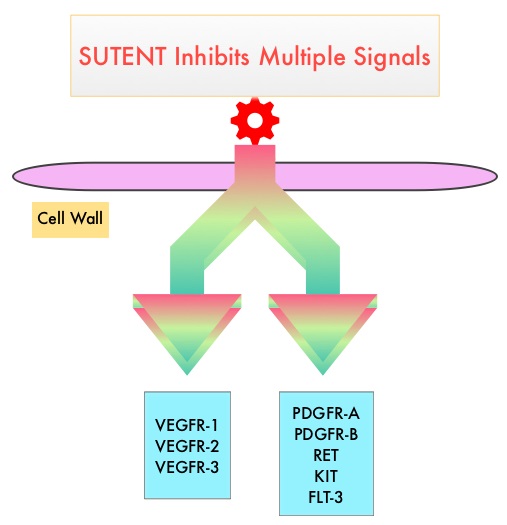
SUTENT® (Sunitinib) is a MultiKinase Inhibitor (MKI) which simultaneously targets the tumor cell wall, vascular endothelial cell wall as well as the pericyte/fibroblast/vascular/ smooth vessel cell wall and is capable of specifically binding to tyrosine kinases, inhibiting the earlier signaling events and thereby inhibits phosphorylation of VEGF receptor, PDGF receptor, FLT-3 and c-KIT. SUTENT® is indicated for the treatment of advanced renal cell carcinoma and in a multi-center, randomized study, demonstrated superior Progression Free Survival and Objective Response Rate, when compared with Interferon Alfa, in patients with treatment-naïve Renal Cell Carcinoma. The authors in this study examined the efficacy and safety of SUTENT® in patients with locally advanced RCC, at high risk for tumor recurrence, following nephrectomy.

Sunitinib as Adjuvant Treatment for Patients at High Risk of Recurrence of Renal Cell Carcinoma Following Nephrectomy (S-TRAC) is a randomized, double blind, phase III trial in which 615 patients with locoregional, high risk, clear cell Renal Cell Carcinoma were randomly assigned to receive SUTENT® (N=309) or placebo (N=306). Treatment consisted of either SUTENT® 50 mg PO daily or placebo, on a 4-weeks-on, 2-weeks-off schedule, for 1 year or until disease recurrence or unacceptable toxicity. Eligible patients had tumor Stage III or higher, regional lymph node metastasis, or both and were required to have absence of macroscopic residual or metastatic disease after nephrectomy, as confirmed by a CT scan. The primary end point was Disease Free Survival and secondary end points included Overall Survival, and Safety.

It was noted that the median duration of Disease Free Survival was 6.8 years in the SUTENT® group and 5.6 years in the placebo group (HR=0.76; P=0.03). Overall Survival data were not mature at the time of this analysis. Grade 3 or 4 adverse events were more frequent in the SUTENT® group compared to the placebo group and dose reductions, dose interruptions and discontinuations were more frequent in the SUTENT® group as well. The most commonly reported adverse events were skin toxicity (palmar-plantar erythrodysesthesia), hypertension, and fatigue, with declines in quality of life while on active therapy. In a previously published adjuvant trial (ASSURE trial), there was no improvement in Disease Free Survival in patients receiving Sunitinib or Sorafenib as compared with placebo. This has been attributed to the ASSURE trial including many patients with early (Stage 1) tumors as well as those with non-clear cell histology. Additionally, the dosing schedule in the ASSURE trial was lower than this present study.

It was concluded that adjuvant treatment with SUTENT® following nephrectomy in patients with high risk disease, results in significantly improved Disease Free Survival but this benefit may be associated with higher rate of toxicities during treatment. Adjuvant Sunitinib in High-Risk Renal-Cell Carcinoma after Nephrectomy. Ravaud A, Motzer RJ, Pandha HS, et al. for the S-TRAC Investigators. October 10, 2016DOI: 10.1056/NEJMoa1611406

Postmastectomy Radiotherapy ASCO Guideline Update

SUMMARY: Breast cancer is the most common cancer among women in the US and about 1 in 8 women (12%) will develop invasive breast cancer during their lifetime. Approximately, 246,660 new cases of invasive breast cancer will be diagnosed in 2016 and 40,450 women will die of the disease. The update of the American Society of Clinical Oncology guideline concerning use of PostMastectomy RadioTherapy (PMRT) published in 2001, was developed by an expert panel following review of relevant literature published between January 2001 and July 2015 and further included a meta-analysis of 22 clinical trials published in 2014. Even though the use of PMRT has been widely accepted for patients with four or more positive lymph nodes, the role of PMRT for those with one to three positive nodes still remains controversial. This update addresses the issues at large and provides guidelines to help Health Care Providers and patients make informed decisions.

Clinical Question 1

Is PMRT indicated in patients with T1-2 tumors with one to three positive axillary lymph nodes who undergo Axillary Lymph Node Dissection (ALND)?

Recommendation 1a: The panel unanimously agreed that the available evidence shows that PMRT reduces the risks of locoregional failure, any recurrence, and breast cancer mortality for patients with T1-2 breast cancer and one to three positive lymph nodes. However, one has to weigh the risk and benefit with PMRT and individualize therapy. Patients with low tumor burden, favorable tumor characteristics, comorbidities, or coexisting conditions and limited life expectancy, may not be appropriate candidates for PMRT, as its potential toxicities outweigh the absolute benefit of PMRT.

Recommendation 1b: The decision to use PMRT should be made in a multidisciplinary fashion through discussion among providers from all treating disciplines, early in a patient’s treatment course, soon after surgery or before or soon after the initiation of systemic therapy.

Recommendation 1c: Decision making must fully involve the patients, so that they are able to weigh the risk/benefits of PMRT, with the best information provided by the treating Health Care Provider.

Clinical Question 2

Is PMRT indicated in patients with T1-2 tumors and a positive Sentinel Node Biopsy (SNB) who do not undergo completion ALND?

Recommendation: Patients with T1-2 tumors with positive sentinel lymph node biopsy, who choose not to have Axillary Lymph Node Disection, should receive PMRT only if there is already sufficient information to justify its use, without needing to know that additional axillary nodes are involved. SNB is generally performed at the time of mastectomy for this patient group, with omission of ALND if the nodes are negative. If the sentinel nodes are positive, ALND is performed. There is increasing controversy about whether ALND is always necessary, if there is limited disease in the affected sentinel nodes. This practice is based on extrapolation of data from randomized trials of patients treated exclusively or predominantly with breast-conserving surgery and whole-breast irradiation or breast plus axillary irradiation.

Clinical Question 3

Is PMRT indicated in patients presenting with clinical stage I or II cancers who have received NeoAdjuvant Systemic Therapy (NAST)?

Recommendation: Patients with axillary nodal involvement that persists after NAST, such as less than a complete pathologic response, should receive PMRT. Observational data suggest a low risk of locoregional recurrence for patients who have clinically negative nodes and receive NAST or who have a complete pathologic response in the lymph nodes with NAST.

Clinical Question 4

Should Regional Nodal Irradiation (RNI) include both the Internal Mammary (IMNs) and supraclavicular-axillary apical nodes when PMRT is used in patients with T1-2 tumors with one to three positive axillary nodes?

Recommendation: Radiation Therapy should generally be administered to both the IMNs and the supraclavicular-axillary apical nodes in addition to the chest wall or reconstructed breast, when PMRT is used for patients with positive axillary lymph nodes.

Postmastectomy Radiotherapy: An American Society of Clinical Oncology, American Society for Radiation Oncology, and Society of Surgical Oncology Focused Guideline Update. Recht A, Comen EA, Fine RE, et al. Published online before print September 19, 2016, doi:10.1200/JCO.2016.69.1188

DARZALEX® Combination Demonstrates Impressive Efficacy in Relapsed or Refractory Myeloma

SUMMARY: Multiple Myeloma is a clonal disorder of plasma cells in the bone marrow and the American Cancer Society estimates that in the United States, about 30,330 new cases will be diagnosed in 2016 and 12,650 patients will die of the disease. Multiple Myeloma is a disease of the elderly, with a median age at diagnosis of 69 years and characterized by intrinsic clonal heterogeneity. With a record number of regulatory approvals for Myeloma treatment over the past 12 years, the median survival for patients with Myeloma is over 10 years. The recent new drugs approved for the treatment of relapsed/refractory Multiple Myeloma include a Histone Decetylase inhibitor (FARYDAK®) and 2 monoclonal antibodies, Daratumumab (DARZALEX®) and Elotuzumab (EMPLICITI®).

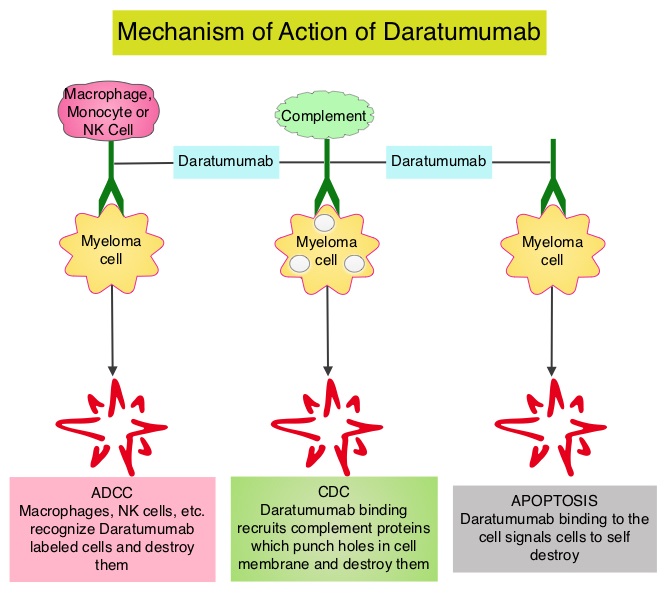
Daratumumab (DARZALEX®) is a human IgG1 antibody that targets CD38, a transmembrane glycoprotein abundantly expressed on malignant plasma cells and with low levels of expression on normal lymphoid and myeloid cells. DARZALEX® exerts its cytotoxic effect on myeloma cells by multiple mechanisms, including Antibody Dependent Cellular Cytotoxicity (ADCC), Complement Mediated Cytotoxicity and direct apoptosis. Additionally, DARZALEX® may have a role in immunomodulation by depleting CD38-positive regulator Immune suppressor cells, and thereby expanding T cells, in patients responding to therapy. Previously published phase I and II studies involving patients with relapsed or refractory multiple myeloma demonstrated promising efficacy of DARZALEX® when given as a single agent, as well as when given along with Lenalidomide (REVLIMID®) and Dexamethasone.

The authors now report the results of a prespecified interim analysis of a phase III trial of DARZALEX®, REVLIMID® and Dexamethasone in patients with relapsed or refractory multiple myeloma. In this randomized, open-label, multicenter, phase III study, 569 patients who had relapsed or refractory multiple myeloma were assigned in a 1:1 ratio to receive either DARZALEX®, REVLIMID® and Dexamethasone (Daratumumab group, N=286) or REVLIMID® and Dexamethasone (Control group, N=283). Patients refractory to REVLIMID® were excluded. Patients in the Daratumumab group received DARZALEX® 16 mg/kg IV on days 1, 8, 15, and 22 of a 28 day cycle for 8 weeks during cycles 1 and 2, every 2 weeks (on days 1 and 15) for 16 weeks (cycles 3 thru 6), and every 4 weeks thereafter. Both treatment groups received REVLIMID® 25 mg PO on days 1-21 of each cycle and Dexamethasone 40 mg PO weekly. The primary end point was Progression Free Survival (PFS). Secondary end points included the time to disease progression, Response Rate, time to response, duration of response, Overall Survival (OS) and percentage of patients with results below the threshold for Minimal Residual Disease. Minimal Residual Disease status was evaluated for patients who had a Complete Response by Next-Generation sequencing assay of bone marrow.

At a median follow-up of 13.5 months, the PFS at 12 months was 83.2% in the Daratumumab group compared to 60.1% in the control group (HR=0.37; P<0.001). The Overall Response Rate was significantly higher in the Daratumumab group than in the control group (92.9% versus 76.4%, P<0.001) and further, there was a higher rate of Complete Response or better (43.1% vs. 19.2%, P<0.001). In the Daratumumab group, 22.4% of the patients had results below the threshold for Minimal Residual Disease (1 tumor cell per 105 white cells), as compared with 4.6% of those in the control group (P<0.001), and those with results below the threshold for Minimal Residual Disease had improved outcomes. The most common grade 3 or 4 adverse events were cytopenias. Approximately 48% of the patients in the Daratumumab group experienced grade 1 or 2 infusion-related reactions.

The authors concluded that the addition of DARZALEX® to REVLIMID® and Dexamathasone significantly improves Progression Free Survival among patients with relapsed or refractory multiple myeloma. This impressive efficacy data may warrant the use of this triplet combination for first relapse, in this group of patients, provided their disease is not refractory to REVLIMID®. Daratumumab, Lenalidomide, and Dexamethasone for Multiple Myeloma. Dimopoulos MA, Oriol A, Nahi H, et al. for the POLLUX Investigators. N Engl J Med 2016;375:1319-1331

CDK4 and CDK6 Inhibitor ABEMACICLIB Highly Effective in Refractory Hormone Receptor Positive Breast Cancer

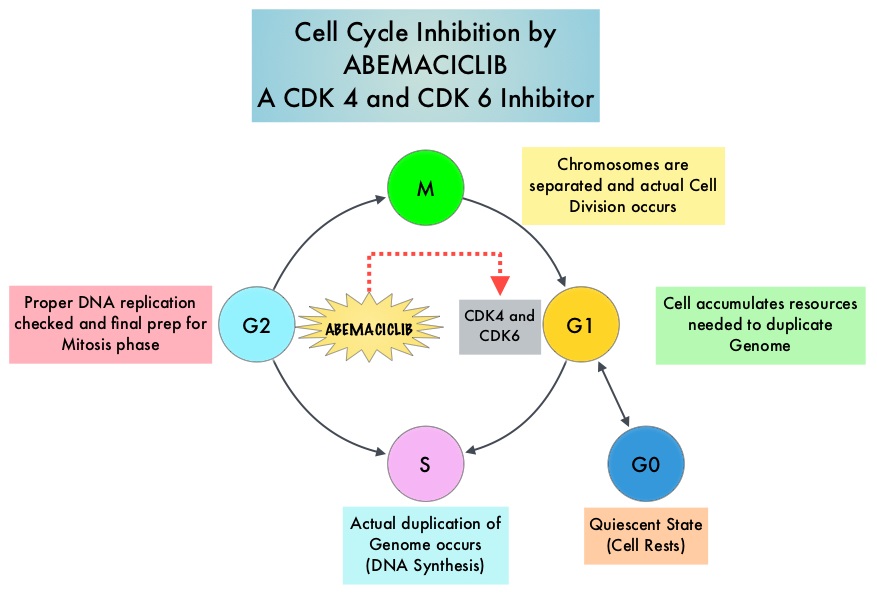
SUMMARY: Breast cancer is the most common cancer among women in the US and about 1 in 8 women (12%) will develop invasive breast cancer during their lifetime. Approximately 246,660 new cases of invasive breast cancer will be diagnosed in 2016 and 40,450 women will die of the disease. Estrogen Receptor (ER) positive breast cancer cells are driven by estrogens. Approximately 80% of breast tumors express Estrogen Receptors and/or Progesterone Receptors and these patients are often treated with anti-estrogen therapy as first line treatment. Cyclin Dependent Kinases (CDK) play a very important role to facilitate orderly and controlled progression of the cell cycle. Genetic alterations in these kinases and their regulatory proteins have been implicated in various malignancies. Cyclin Dependent Kinases 4 and 6 (CDK4 and CDK6), phosphorylate RetinoBlastoma protein (RB), and initiate transition from the G1 phase to the S phase of the cell cycle. CDK4 and CDK6 are activated in hormone receptor positive breast cancer, promoting breast cancer cell proliferation. Further, there is evidence to suggest that endocrine resistant breast cancer cell lines depend on CDK4 for cell proliferation.

Abemaciclib is an oral, selective inhibitor of CDK4 and CDK6 kinase activity that prevents the phosphorylation and subsequent inactivation of the Rb tumor suppressor protein, thereby inducing G1 cell cycle arrest and inhibition of cell proliferation. The FDA granted breakthrough designation for Abemaciclib based on a phase I trial in which this agent demonstrated significant single agent activity in refractory Hormone Receptor (HR) positive metastatic breast cancer. MONARCH 1 is a single arm phase II study which evaluated the single-agent activity of Abemaciclib in heavily pretreated patients with HR-positive, HER2-negative metastatic breast cancer. This trial included 132 patients with HR-positive, HER2-negative metastatic breast cancer, whose disease progressed on or after endocrine therapy and chemotherapy. Patients had received a median of 3 lines of prior therapy for advanced disease and this included a median of 2 lines of chemotherapy. Approximately 50% of the patients had received FASLODEX® (Fulvestrant), 70% of patients had received Taxane based chemotherapy and 55 % of patients had received XELODA® (Capecitabine), in the metastatic setting. Abemaciclib was administered at 200 mg PO daily on a continuous schedule every 12 hours until disease progression. The median age was 58 yrs, 90% of the patients had visceral disease and 85% had at least 2 sites of metastatic disease. The primary endpoint was Objective Response Rate (ORR) and secondary endpoints included Duration of Response, Progression Free Survival (PFS), Overall Survival (OS), Clinical Benefit Rate (Complete Response plus Partial Response plus Stable Disease) and safety.

An interim analysis was performed at 8 months by when 35.6% of patients had received at least 8 cycles of Abemaciclib. The ORR was 17.4%, the Clinical Benefit Rate lasting for 6 months or more was 42.4%. The median time to response was 3.7 months and the median Duration of Response was 8.6 months. The median PFS was 5.7 months. The most common adverse events were diarrhea, fatigue, nausea, decreased appetite, abdominal pain and treatment discontinuation rate was infrequent at 6.8%.

It was concluded that CDK4 and CDK6 inhibitor, Abemaciclib, has significant antitumor activity in patients with refractory, HR-positive, HER2-negative metastatic breast cancer, for whom chemotherapy is the only option. Studies are underway combining Abemaciclib with FASLODEX®, for postmenopausal patients with HR-positive, HER2-negative, locally advanced or metastatic breast cancer who had progressed on 1 prior endocrine therapy (MONARCH-2 trial), as well as combining Abemaciclib with a nonsteroidal Aromatase Inhibitor in an earlier setting (MONARCH-3 trial), for patients with HR-positive, HER2-negative, locoregionally recurrent or metastatic breast cancer. MONARCH 1: Results from a phase II study of abemaciclib, a CDK4 and CDK6 inhibitor, as monotherapy, in patients with HR+/HER2- breast cancer, after chemotherapy for advanced disease. Dickler MN, Tolaney SM, Rugo HS, et al. J Clin Oncol 34, 2016 (suppl; abstr 510)

Adjuvant Therapy with YERVOY® Improves Overall Survival in Stage III Melanoma

SUMMARY: It is estimated that in the US, approximately 76,380 new cases of melanoma will be diagnosed in 2016 and approximately 10,130 patients will die of the disease. The incidence of melanoma has been on the rise for the past three decades. Stage III malignant melanoma is a heterogeneous disease and the risk of recurrence is dependent on the number of positive nodes as well as presence of palpable versus microscopic nodal disease. Further, patients with a metastatic focus of more than 1 mm in the greatest dimension in the affected lymph node, have a significantly higher risk of recurrence or death than those with a metastasis of 1 mm or less. Patients with stage IIIA disease have a disease-specific survival rate of 78%, whereas those with stage IIIB and stage IIIC disease have a disease-specific survival rates of 59% and 40% respectively. Immune checkpoints are cell surface inhibitory proteins/receptors that harness the immune system and prevent uncontrolled immune reactions. With the recognition of Immune checkpoint proteins (“gate keepers”) and their role in suppressing antitumor immunity, antibodies have been developed that target the membrane bound inhibitory Immune checkpoint proteins/receptors such as CTLA-4 (Cytotoxic T-Lymphocyte Antigen 4, also known as CD152), PD-1(Programmed cell Death 1), etc. By blocking the Immune checkpoint proteins, one would expect to unleash the T cells, resulting in T cell proliferation, activation and a therapeutic response.

YERVOY® is a fully human immunoglobulin G1 monoclonal antibody, that blocks Immune checkpoint protein/receptor CTLA-4. YERVOY® was approved by the FDA in 2015 as adjuvant therapy for patients with malignant melanoma based on a phase III trial (EORTC 18071) in which adjuvant YERVOY® was compared with placebo in patients with resected stage III melanoma. At a median follow-up of 2.7 years, adjuvant YERVOY® was associated with significantly prolonged Recurrence Free Survival compared with placebo (HR=0.75; P=0.001). In this study, YERVOY® was dosed at 10 mg/kg and this dose was chosen based on a phase II trial that evaluated YERVOY® administered at three dose levels – 0.3 mg/kg, 3 mg/kg and 10 mg/kg. This trial demonstrated that the 10 mg/kg dose had the greatest efficacy for treatment of advanced melanoma, but had more toxicity.

The authors have now reported the efficacy of adjuvant therapy with YERVOY® in patients with high-risk stage III melanoma after complete lymph node dissection, at a median follow up of 5.3 years. EORTC 18071 is a randomized, double-blind, phase III trial in which patients who had undergone complete resection of stage III cutaneous melanoma were randomly assigned in a 1:1 ratio to receive YERVOY® at a dose of 10 mg/kg (N=475) or placebo (N=476), every 3 weeks for four doses and then every 3 months for up to 3 years or until disease recurrence or unacceptable toxicities. The Primary end point was Recurrence Free Survival and Secondary end points included Overall Survival, distant metastasis-free survival and safety.

At a median follow up of 5.3 years, the 5-year Recurrence Free Survival was 40.8% in the YERVOY® group compared with 30.3% in the placebo group (HR for recurrence or death = 0.76; P<0.001) and the 5-year Overall Survival was 65.4% in the YERVOY® group compared with 54.4% in the placebo group (HR for death = 0.72; P=0.001). The later meant a 28% reduction in the risk of death. The distant metastasis-free survival rate at 5 years was 48.3% in the YERVOY® group compared with 38.9% in the placebo group (HR for death or distant metastasis = 0.76; P=0.002). Grade 3 or 4 adverse events occurred in 54.1% of the patients in the YERVOY® group compared to 26.2% in the placebo group, and this was significant. Grade 3 or 4 Immune-related adverse events occurred in 41.6% of the patients in the YERVOY® group compared to 2.7% in the placebo group.

It was concluded that adjuvant therapy with YERVOY® at a dose of 10 mg/kg for high-risk stage III melanoma, significantly improves Recurrence Free Survival, Overall Survival, and distant metastasis-free survival, when compared to placebo. Given the potentially severe toxicities with this dose level of YERVOY®, the risks and benefits of this treatment has to be discussed with the patients and this treatment option should be reserved for experienced centers. Prolonged Survival in Stage III Melanoma with Ipilimumab Adjuvant Therapy. Eggermont AM, Chiarion-Sileni V, Grob J-J, et al. October 8, 2016DOI: 10.1056/NEJMoa1611299