Cannabis Use Increases the Risk of Head and Neck Cancer

SUMMARY: The American Cancer Society estimates that about 58,450 new cases of oral cavity and pharynx cancer will be diagnosed in the US in 2024 and about 12,230 patients will die of the disease. The head and neck region includes the oral cavity, oropharynx, hypopharynx and larynx. Squamous Cell Carcinoma of the Head and Neck accounts for about 3-5% of all cancers in the United States. Common risk factors include tobacco and alcohol use and Human PapillomaVirus (HPV) infection. Even though tobacco has long been associated with head and neck cancer development, cannabis has similar carcinogens.

Cannabis refers to all products derived from the plant Cannabis sativa, and is the most commonly used illicit substance worldwide. The cannabis plant contains about 540 chemical substances and has similar carcinogens as tobacco. Marijuana refers to the dried leaves, flowers, stems, and seeds from the plant Cannabis sativa that contain substantial amounts of TetraHydroCannabinol (THC), which is primarily responsible for the effects of marijuana on a persons mental state. Individuals with head and neck cancer have used cannabis to help alleviate pain and improve well-being. In 2022, 30.7% of 12th graders reported using marijuana in the previous year and 6.3% reported using marijuana daily. In addition, many young people also use vaping devices to consume cannabis products.

As cannabis use grows, understanding its carcinogenic potential becomes increasingly important, particularly given its rising popularity and industry expansion. Cannabis smoke may be more proinflammatory than tobacco smoke due to its unfiltered nature and higher combustion temperature. This increased inflammation could lead to cancer development. Cannabis smoke also enhances the expression of Epidermal Growth Factor Receptor (EGFR), which is associated with many head and neck squamous cell carcinomas, including Laryngeal cancer. It remained unclear if cannabis use is associated with increased risk of head and neck cancer.

The researchers conducted a large-scale, retrospective cohort study over a 20 year period from April 19, 2004, to April 19, 2024, to investigate whether there is an association between cannabis use and an increased risk of head and neck cancers. Given the growing prevalence of cannabis use and its potential health effects, understanding this relationship is crucial for public health. In this study, clinical records of 116,076 U.S. adults with and without cannabis-related disorders who had outpatient hospital clinic visits and no prior history of head and neck cancers were extracted from a database covering 64 healthcare organizations across the United States. The mean age of 46.4 years, 44.5% were women and 60% white. Cannabis-related disorder was defined as excessive cannabis use leading to psychosocial symptoms, including impaired occupational or social functioning. The control cohort consisted of 3,985,286 individuals with a mean age of 60.8 years (54.5% women, 74.6% white), with no cannabis-related disorder. Participants were matched for age, race, tobacco use, and alcohol-related disorders. Relative risks (RRs) for head and neck cancers and subtypes were calculated, with stratified analysis for those younger and older than 60 years.

It was noted that Individuals with cannabis-related disorder had a significantly higher risk of developing any type of head and neck cancer, compared to those without such disorders. Specifically, the risk for any head and neck cancer was 3.49 times greater in the cannabis-related disorder group. A site-specific analysis yielded that among those with cannabis-related disorder, Laryngeal cancer risk was 8.39 times higher, Oropharyngeal cancer risk was 4.9 times higher, Salivary gland cancer risk was 2.7 times higher, Nasopharyngeal cancer risk was 2.6 times higher and Oral cancer risk was 2.51 times higher. Risks were consistent across different age groups. Elevated risks persisted when cancer diagnoses were considered at least one year or five years after the initial cannabis use, indicating a sustained risk over time.

One of the study limitations was that the study did not capture information on the frequency, quantity, or type of cannabis use, which are crucial for understanding the dose-response relationship.

In conclusion, this study confirms a significant association between cannabis-related disorder and an increased risk of head and neck cancers, particularly Laryngeal and Oropharyngeal cancers. Future studies should focus on understanding the mechanisms behind this association and investigate the impact of cannabis use dose and duration on cancer risk. More comprehensive data collection and analysis are necessary to solidify these findings and inform public health recommendations.

Cannabis Use and Head and Neck Cancer. Gallagher TJ, Chung RS, Lin ME, et al. JAMA Otolaryngol Head Neck Surg. Published online August 8, 2024. doi:10.1001/jamaoto.2024.2419.
FDA Approves LYMPHIR® for Relapsed and Refractory Cutaneous T-Cell Lymphoma

SUMMARY: The FDA on August 7, 2024 approved LYMPHIR® (Denileukin diftitox-cxdl), a novel immunotherapy for the treatment of relaped/refractory Cutaneous T-Cell Lymphoma (CTCL) after at least one prior systemic therapy.

Primary Cutaneous T Cell Lymphoma is a type of Non Hodgkin Lymphoma and includes a spectrum of diseases that primarily involve the skin, but may ultimately involve lymph nodes, blood and visceral organs such as spleen, liver and lungs. CTCL initially presents as red, scaly, itchy patches on the skin and is often misdiagnosed as eczema. Approximately 3,000 new cases are reported in the United States every year, with an estimated 30,000 – 40,000 individuals living with the disease. The incidence is higher in blacks than Caucasians or Asians. It is more common in men, and is typically first diagnosed in patients between the ages of 50 and 60 years of age. Mycosis Fungoides/Sezary Syndrome is the most common type of CTCL. There is currently no curative therapy for advanced CTCL other than Allogeneic Stem Cell Transplantation. Patients often receive several skin-directed therapies as well as systemic therapies to achieve effective disease control, but the disease eventually becomes refractory. There is therefore an unmet clinical need for novel therapies.

Denileukin diftitox is a recombinant fusion protein composed of Interleukin-2 (IL-2) receptor binding domain and diphtheria toxin fragments. It selectively targets IL-2 receptor-expressing cells, causing diphtheria toxin fragments that have entered cells to inhibit protein synthesis, leading to apoptosis. Its unique mechanism of action targets both malignant T-cells and immunosuppressive regulatory T-cells (Tregs). Transiently eliminating Tregs has the potential of unleashing potent immune responses by the immune system of the patient against their tumors. This agent was approved and marketed as ONTAK® in the US from 1999-2014 for the treatment of relapsed/refractory CTCL. However, the product was withdrawn from the market in 2014 because of manufacturing issues related to its bacterial expression. Manufacturing improvements to decrease the presence of misfolded and aggregated proteins resulted in a new and more purified bioactive formulation LYMPHIR®, that has 1.5-2 times greater specific bioactivity in non-clinical assays compared with ONTAK®. It is considered a new drug by the FDA, requiring a new registrational clinical trial.

The efficacy and safety of LYMPHIR® was assessed in a multicenter, open-label, Phase III Pivotal Study 302 of CTCL patients, who had previously received at least one systemic treatment. This analysis included 69 patients (N=69) with Stage I-III CTCL who had CD25 expression on at least 20% of biopsied malignant cells per immunohistochemistry and had received a median four prior therapies. The median age was 64 years, 65% were men, 73% were White and 19% were African American, 66 patients had Mycosis fungoides and 3 had Sezary syndrome. Approximately 30% had Stage I disease, 48% had Stage II disease and 22% had Stage III disease. Patients received LYMPHIR® 9 mcg/kg/day for 5 days, every 21 days for up to 8 cycles. The Primary efficacy outcome measure was Objective Response Rate (ORR), as assessed by an Independent Review Committee (IRC).

The Objective Response Rate was 36.2%, with 8.7% achieving a Complete Response. The median time to response was 1.41 months, with 70% of responders seeing results after 1-2 cycles of treatment. Duration of response was at least 6 months for 52% of the patients and 84% (54/64) of skin evaluable patients had a decrease in skin tumor burden, and 12.5% (8/64) saw complete clearing of skin disease. Pruritis was evaluated as an exploratory endpoint with 31.7% of patients demonstrating clinically significant pruritus improvement. Importantly, no cumulative toxicity was observed in patients receiving LYMPHIR®.

The safety profile of LYMPHIR® was consistent with the known safety profile for Denileukin diftitox. Across three studies of 119 CTCL patients receiving 9 μg dose of Denileukin diftitox, the most common (20% or more) adverse reactions including laboratory abnormalities were, infusion reactions, increased transaminases, decreased albumin, nausea, edema, anemia, fatigue, musculoskeletal pain, rash, chills, constipation, pyrexia, blurred vision and Capillary Leak Syndrome (CLS). Infusion reactions, CLS, and visual impairment were mostly Grade 1/2 and effectively managed.

In conclusion, LYMPHIR® represents a significant advancement in treating Cutaneous T-Cell Lymphoma, especially for patients who have not responded well to previous treatments. As the first systemic option in years targeting the IL-2 receptor on malignant T-cells and Tregs, LYMPHIR® provides new hope for managing the long-term challenges of CTCL, such as severe skin symptoms and secondary infections. This development moves us closer to addressing the needs of CTCL patients who struggle with ongoing disease despite prior therapies.

https://www.accessdata.fda.gov/drugsatfda_docs/label/2024/761312s000lbl.pdf

Late Breaking Abstract – ASCO 2024: Docetaxel may be Preferable Taxane for Black Women to Mitigate Taxane-Induced Peripheral Neuropathy

SUMMARY: Taxane-induced peripheral neuropathy (TIPN) is a notable side effect associated with taxane chemotherapy agents, particularly Paclitaxel, and has significant implications for patient quality of life and treatment outcomes. Notably, Black women with early-stage breast cancer exhibit a disproportionately higher incidence of TIPN compared to their White counterparts. This disparity is critical, as TIPN can lead to increased dose reductions, which in turn may adversely affect treatment efficacy and long-term cure rates.

Historically, retrospective analyses, such as those from the ECOG-ACRIN-E5103 trial, revealed that Black patients experience more severe TIPN and subsequent dose reductions when treated with weekly Paclitaxel. This pattern was less pronounced in patients treated with every 3 week Docetaxel. Additionally, genetic studies identified specific germline variants associated with a heightened risk of severe TIPN in individuals of African ancestry. These findings prompted the need for a prospective trial to validate these genetic markers and to evaluate the comparative tolerability of Paclitaxel versus Docetaxel specifically in Black women.

The EAZ171 study was designed with several key objectives. It aimed to prospectively validate whether specific germline genetic variants are associated with a higher risk of TIPN in Black women. The focus was on genetic variants in the SBF2 and FCAMR genes. The Secondary objective of this study was to compare the incidence of TIPN and the frequency of dose reductions between two taxanes—weekly Paclitaxel and every 3 week Docetaxel, in a cohort of Black women with early-stage breast cancer.

This study included 249 Black women who self-identified as such and were scheduled to receive either Paclitaxel 80 mg/m² IV weekly for 12 doses (N=121) or Docetaxel 75 mg/m² IV every 3 weeks for 4-6 cycles (N=128). The study utilized a pragmatic design where the choice of taxane was based on physician discretion and patient-specific disease characteristics, rather than a randomized design. Patients could also receive Cyclophosphamide, Doxorubicin, Trastuzumab, and/or Pertuzumab per institution routine care, per treating physician discretion. After completion of study treatment, patients are followed up every 3 months for 2 years and then every 6 months for 3 years.

Participants were genotyped to identify genetic variants associated with neuropathy risk. Those with FCAMR homozygous wild type or SBF2 mutations were categorized as high risk, while those with variant alleles in FCAMR and wild type SBF2 were categorized as low risk. The incidence of Grade 2-4 TIPN was evaluated using physician-reported CTCAE v.5, while patient-reported outcomes were assessed through PRO-CTCAE, FACT/GOG-NTx, and EORTC CIPN20 questionnaires.

The key findings were:

Genetic Predictors: Germline variations did not significantly influence the risk of TIPN for either treatment group. The anticipated differences in TIPN based on genetic risk did not reach statistical significance.

TIPN Incidence: Grade 2-4 TIPN was notably higher in the Paclitaxel group compared to the Docetaxel group. Physician-reported TIPN was 45% in the Paclitaxel arm versus 29% in the Docetaxel arm (P=0.02). Similarly, patient-reported TIPN symptoms were 40% with Paclitaxel versus 24% with Docetaxel (P=0.03).

Dose Reductions: Patients receiving Paclitaxel experienced more frequent dose reductions due to TIPN (28% vs. 9%, p<0.001) and for any cause (39% vs. 25%, p=0.02) compared to those receiving Docetaxel.

Patient-Reported Outcomes: The trends in worsening neuropathy scores over time were similar between the two arms, but significant differences were not observed at the one-year mark.

In summary, the EAZ171 study provided crucial insights into the management of TIPN in Black women with early-stage breast cancer. Despite the lack of significant impact from genetic markers, the clear advantage of Docetaxel over Paclitaxel in terms of lower incidence of severe TIPN and fewer dose reductions underscores its potential as a preferable taxane for this patient population. This trial results advocate for considering Docetaxel in treatment regimens for Black women to mitigate TIPN-related complications and possibly enhance treatment outcomes. The findings emphasize the need for tailored treatment strategies to improve health equity and therapeutic efficacy in breast cancer care.

ECOG-ACRIN EAZ171: Prospective validation trial of germline variants and taxane type in association with taxane-induced peripheral neuropathy (TIPN) in Black women with early-stage breast cancer. Ballinger TJ, Zhao F, Sparano JA, et al. J Clin Oncol 42, 2024 (suppl 17; abstr LBA503). DOI: 10.1200/JCO.2024.42.17_suppl.LBA503

Five Year Outcomes with First Line OPDIVO® plus YERVOY® and a Limited Course of Chemotherapy

SUMMARY: The American Cancer Society estimates that for 2024, about 234,580 new cases of lung cancer will be diagnosed and 125,070 patients will die of the disease. Lung cancer is the leading cause of cancer-related mortality in the United States and accounts for about 13% of all new cancers and 21% of all cancer deaths. Non-Small Cell Lung Cancer (NSCLC) accounts for approximately 85% of all lung cancers. Of the three main subtypes of NSCLC, 30% are Squamous Cell Carcinomas (SCC), 40% are Adenocarcinomas and 10% are Large Cell Carcinomas. With changes in the cigarette composition and decline in tobacco consumption over the past several decades, Adenocarcinoma now is the most frequent histologic subtype of lung cancer.

Immune checkpoints are cell surface inhibitory proteins/receptors that are expressed on activated T cells. They harness the immune system and prevent uncontrolled immune reactions by switching off the immune system T cells. Immune checkpoint proteins/receptors include CTLA-4 (Cytotoxic T-Lymphocyte Antigen 4, also known as CD152) and PD-1(Programmed cell Death 1). Checkpoint inhibitors unleash the T cells resulting in T cell proliferation, activation, and a therapeutic response.

Nivolumab (OPDIVO®) is a fully human, immunoglobulin G4 monoclonal antibody that binds to the PD-1 receptor and blocks its interaction with PD-L1 and PD-L2, thereby undoing PD-1 pathway-mediated inhibition of the immune response and unleashing the T cells. Ipilimumab (YERVOY®) is a fully human immunoglobulin G1 monoclonal antibody that blocks Immune checkpoint protein/receptor CTLA-4. In the CheckMate-227, Part 1, Phase III trial, a combination of Nivolumab plus Ipilimumab significantly improved Overall Survival (OS), Progression Free Survival (PFS), Objective Response Rates (ORR) and Duration of Response, compared to chemotherapy, independent of PD-L1 expression level. The authors in this study hypothesized that a limited course of chemotherapy combined with Nivolumab plus Ipilimumab could provide rapid disease control, while building on the durable Overall Survival benefit seen with dual PD-1 and CTLA-4 inhibition, as well as minimizing the toxicities associated with a full course of chemotherapy.

CheckMate-9LA is a pivotal, randomized, open-label, global, multi-center, Phase III trial, designed to evaluate the long-term efficacy and safety of a combination of immunotherapy and chemotherapy compared to chemotherapy alone in patients with metastatic NSCLC. In this study, 719 adults treatment naïve patients with histological confirmed Stage IV/recurrent NSCLC, with ECOG Performance Status 0-1, and no known sensitizing EGFR/ALK alterations, were randomly assigned 1:1 to receive either Nivolumab 360 mg every 3 weeks IV plus Ipilimumab 1 mg/kg every 6 weeks and 2 cycles of platinum-doublet chemotherapy (N=361), or 4 cycles of platinum-doublet chemotherapy alone (N=358). Chemotherapy was based on histology. Patients with non-squamous NSCLC in the chemo-only randomized group could receive optional Pemetrexed maintenance treatment. Patients were treated with immunotherapy until disease progression, unacceptable toxicity, or for 2 years. Patients were stratified by PD-L1 status (less than 1% versus 1% or more), sex, and histology (squamous versus non-squamous). Demographics in treatment groups were well balanced. Crossover between treatment groups was not permitted. However, at physician discretion, patients could receive subsequent immunotherapy upon discontinuation of study treatment in either group. The Primary end point was Overall Survival (OS). Secondary endpoints included Progression Free Survival (PFS), Objective Response Rate (ORR), Duration of Response (DOR) and efficacy by PD-L1 subgroups. Exploratory Endpoints included Treatment-Free Interval (TFI), efficacy in patients who discontinued due to Treatment-Related Adverse Events (TRAEs), and outcomes among 5-year survivors. This trial met its Primary and Secondary endpoints, showing statistically significant improvements in OS, PFS, and Objective Response Rate (ORR), when compared to chemotherapy alone. This clinical benefit was noted across tumor PD-L1 expression levels and histology. The researchers herein reported updated efficacy and safety data with a 5-year follow up, and outcomes in 5-year survivors.

At a median follow up of 64.5 months, the combination of Nivolumab, Ipilimumab, and chemotherapy demonstrated a continued survival benefit over chemotherapy alone. The 5-year OS rate was 18% for the experimental group compared to 11% for the control group, with a Hazard Ratio (HR) of 0.73. In patients with tumor PD-L1 expression less than 1%, a subgroup with historically poorer outcomes, the 5-year OS rate was 22% in the experimental group versus 8% in the control group (HR=0.63). The 5-year PFS rate in this subgroup was also significantly better with Nivolumab plus Iipilimumab and chemotherapy (9% versus 3%).

The median DOR in the experimental arm was 12.4 months compared to 5.6 months in the control arm. The 5-year DOR rates were 19% for the experimental group and 8% for the control group. Regarding Treatment-Free Interval (TFI), among patients who survived to 5 years, 72% of those in the experimental group were treatment-free compared to 35% in the control group. The TFI rates underscore the durability of the response achieved with the combination therapy.

In Squamous NSCLC patients, the median OS was 14.5 months with the experimental regimen compared to 9.1 months with chemotherapy alone (HR, 0.63). For non-squamous NSCLC patients, the median OS was 17.8 months versus 12.0 months (HR, 0.77). In patients with PD-L1 expression less than 1%, the experimental regimen had a median OS of 17.7 months compared to 9.8 months for the control group. For those with PD-L1 expression 1% or greater, the median OS was 15.8 months versus 10.9 months. Among patients who discontinued the experimental regimen due to TRAEs (N=61), 37% were alive at 5 years. The median OS in this subgroup was 27.5 months, with a 5-year OS rate of 37%.

No new safety signals emerged with extended follow up. Grade 3 and 4 immune-mediated AEs were relatively low across different Ipilimumab dosing groups. The most common severe AEs were hepatitis, rash, pneumonitis, and adrenal insufficiency, with incidence varying by the number of Ipilimumab doses.

Exploratory Analyses suggested that among the 5-year survivors, the median PFS was not reached in the experimental group compared to 16.8 months in the control group (HR, 0.52). The ORR at 5 years was 73% in the experimental group versus 60% in the control group.

In conclusion, the 5-year follow-up results from the CheckMate -9LA trial reinforce the long-term efficacy of Nivolumab plus Ipilimumab combined with chemotherapy as a first-line treatment for metastatic NSCLC. The combination therapy not only improved OS and PFS compared to chemotherapy alone, but also showed a significant benefit in patients with low PD-L1 expression and Squamous histology. The extended follow-up underscores the durability of the response and supports the combination as a robust treatment option for patients with metastatic NSCLC, with manageable safety profiles over the long term.

Five-year outcomes with first-line (1L) nivolumab + ipilimumab + chemotherapy (N + I + C) vs C in patients (pts) with metastatic NSCLC (mNSCLC) in CheckMate 9LA. Reck M, Ciuleanu TE, Schenker M, et al. J Clin Oncol. 2024;42(suppl 16):8560-8560. doi:10.1200/JCO.2024.42.16_suppl.8560.

Late Breaking Abstract – ASCO 2024: Switching to VERZENIO® Post-CDK4/6 inhibitor Progression May Improve Outcomes in HR-positive/HER2-negative Breast Cancer

SUMMARY: Breast cancer is the most common cancer among women in the US and about 1 in 8 women (12%) will develop invasive breast cancer during their lifetime. It is estimated that in the US, approximately 310,720 new cases of female breast cancer will be diagnosed in 2024, and about 42,250 individuals will die of the disease, largely due to metastatic recurrence. About 70% of breast tumors express Estrogen Receptors and/or Progesterone Receptors, and Hormone Receptor (HR)-positive/HER2-negative breast cancer is the most frequently diagnosed molecular subtype. These patients are often treated with single agent endocrine therapy, endocrine therapy in combination with CDK4/6 inhibitor, or single agent chemotherapy.

Cyclin Dependent Kinases (CDK) play a very important role to facilitate orderly and controlled progression of the cell cycle. Genetic alterations in these kinases and their regulatory proteins have been implicated in various malignancies. Cyclin Dependent Kinases 4 and 6 (CDK4 and CDK6) phosphorylate RetinoBlastoma protein (RB), and initiate transition from the G1 phase to the S phase of the cell cycle. RetinoBlastoma protein has antiproliferative and tumor-suppressor activity and phosphorylation of RB protein nullifies its beneficial activities. CDK4 and CDK6 are activated in hormone receptor positive breast cancer, promoting breast cancer cell proliferation. Further, there is evidence to suggest that endocrine resistant breast cancer cell lines depend on CDK4 for cell proliferation and associated with increased expression of CDK4. The understanding of the role of Cyclin Dependent Kinases in the cell cycle, has paved the way for the development of CDK inhibitors.

Abemaciclib (VERZENIO®) is an oral, selective inhibitor of CDK4 and CDK6 kinase activity that prevents the phosphorylation and subsequent inactivation of the Rb tumor suppressor protein, thereby inducing G1 cell cycle arrest and inhibition of cell proliferation. Abemaciclib is structurally distinct from other CDK 4 and 6 inhibitors (such as Ribociclib and Palbociclib) and is 14 times more potent against cyclin D1/CDK 4 and cyclin D3/CDK 6, in enzymatic assays, but potentially less toxic than earlier pan-CDK inhibitors. At higher doses, only Abemaciclib causes significant cancer cell death, compared with other CDK4/6 inhibitors, suggesting that this drug may be affecting proteins, other than CDK4/6. Additionally, preclinical studies have demonstrated that Abemaciclib may have additional therapeutic benefits for a subset of tumors that are unresponsive to treatment or have grown resistant to other CDK4/6 inhibitors.

For the patient group with advanced or metastatic HR-positive, HER2-negative breast cancer, Abemaciclib has FDA approval in combination with an Aromatase Inhibitor as initial endocrine-based therapy, in combination with Fulvestrant, with disease progression following endocrine therapy, and as monotherapy with disease progression following endocrine therapy and prior chemotherapy in the metastatic setting. Abemaciclib has activity in the Central Nervous System, and is included in the ASCO guidelines among the active agents in ER-positive/HER2-amplified breast cancer with brain metastasis. Abemaciclib has been shown to be an effective therapy after treatment with Palbociclib, another CDK4/6 inhibitor.

postMONARCH is a global, randomized, double-blind, placebo-controlled Phase III trial conducted to evaluate the efficacy and safety of Abemaciclib in combination with Fulvestrant compared to a placebo plus Fulvestrant in patients with HR-positive/HER2-negative advanced breast cancer, who experienced disease progression on a prior CDK4/6 inhibitor plus endocrine therapy. In this study, 368 patients (N=368) were randomized in a 1:1 ratio to receive either Abemaciclib plus Fulvestrant (N=182) or placebo plus Fulvestrant (N=186). The eligibility criteria included disease progression on a CDK4/6 inhibitor plus Aromatase Inhibitor as initial therapy for advanced disease, or relapse on or after CDK4/6 inhibitor plus endocrine therapy as adjuvant therapy for early breast cancer. No prior treatment for advanced disease aside from the initial regimen was allowed. The majority (99%) had progressed on a CDK4/6 inhibitor plus endocrine therapy as initial therapy for advanced disease. Prior CDK4/6 inhibitor treatments included Palbociclib (59%), Ribociclib (33%), and Abemaciclib (8%). Approximately 99% of patients had progressed on CDK4/6 inhibitor plus endocrine therapy as initial treatement for advanced breast cancer. The two treatment groups were well balanced. The median age was 59 years and stratification factors included duration of prior CDK4/6 inhibition, visceral metastases, and geographic region. Approximately 60% of patients had visceral metastasis and Imaging studies were performed every 8 weeks for the first 12 months and then every 12 weeks. The Primary endpoint was investigator-assessed Progression Free Survival (PFS). Secondary endpoints encompassed PFS assessed by Blinded Independent Central Review (BICR), Overall Survival (OS), Objective Response Rate (ORR), and Safety. The study analysis was event-driven, with the primary outcome targeting 258 events, and with an interim analysis planned at 70% of events.

At the interim analysis, with 70% of the planned events, Abemaciclib plus Fulvestrant demonstrated a statistically significant improvement in investigator-assessed PFS compared to placebo plus Fulvestrant (HR=0.66; P=0.01). Upon completion of the primary analysis with 258 events, the HR for PFS was 0.73 reflecting a 27% reduction in the risk of disease progression or death. The 6-month PFS rates were 50% for the Abemaciclib group versus 37% for the placebo group. The benefit of Abemaciclib was more pronounced with BICR-assessed PFS, showing a HR of 0.55 representing a 45% reduction in the risk of disease progression or death. In patients with measurable disease, the ORR was 17% for the Abemaciclib group compared to 7% for the placebo group (P=0.0145 by investigator assessment and P=0.0008 by BICR). OS data remained immature with a 20.9% event rate at the time of analysis.

Subgroup Analyses suggested that patients with prior CDK4/6 inhibitor use for more than 12 months had a median PFS of 7.0 months versus 5.4 months in the placebo group (HR=0.70; 95% CI = 0.52–0.94). For those with treatment durations up to 12 months, the median PFS was 5.5 months versus 3.0 months (HR=0.80; 95% CI = 0.50–1.29). The benefit was greater in patients without visceral metastases (HR=0.53; 95% CI = 0.34–0.83), though there was still a benefit observed in those with visceral metastases (HR=0.87; 95% CI = 0.64–1.17). Benefit was observed regardless of presence of ESR1 mutations or PI3K pathway alterations.

The safety profile of Abemaciclib plus Fulvestrant was consistent with known profiles. Grade 3 neutropenia occurred in 25% of patients receiving the combination therapy. Adverse events led to discontinuation in 6% of patients on the Abemaciclib arm, compared with none in the placebo group. The most common Grade 3 or higher adverse events included neutropenia, anemia, and leukopenia.

In summary, the postMONARCH trial supports the use of Abemaciclib plus Fulvestrant as an effective treatment for patients with HR-positive/HER2-negative advanced breast cancer who have progressed on prior CDK4/6 inhibitor plus endocrine therapy, offering a viable option and underscoring the value of continued CDK4/6 inhibition beyond progression in the evolving landscape of breast cancer treatment.

This combination offers significant improvement in PFS, especially in patients with longer durations of prior CDK4/6 inhibition and those without visceral metastases and may be a preferred strategy in the second-line setting for patients who have progressed on initial CDK4/6-based therapies, particularly when biomarker-specific therapies are not available.

Abemaciclib plus fulvestrant vs fulvestrant alone for HR+, HER2- advanced breast cancer following progression on a prior CDK4/6 inhibitor plus endocrine therapy: Primary outcome of the phase 3 postMONARCH trial. Kalinsky K, Bianchini G, Hamilton EP, et al. J Clin Oncol 42, 2024 (suppl 17; abstr LBA1001). DOI 10.1200/JCO.2024.42.17_suppl.LBA1001

Fixed-Duration CALQUENCE® plus Venetoclax Significantly Improved PFS in Previously Untreated CLL

SUMMARY: The American Cancer Society estimates that for 2024, about 20,700 new cases of Chronic Lymphocytic Leukemia (CLL) will be diagnosed in the US and 4440 patients will die of the disease. CLL accounts for about one-quarter of the new cases of leukemia. The average age of patients diagnosed with CLL is around 70 years, and CLL is rarely seen in people under age 40, and is extremely rare in children. Patients with CLL often receive continuous therapy with either Brutons Tyrosine Kinase (BTK) inhibitor, time limited therapy with BCL2 inhibitor Venetoclax given along with anti-CD20 antibody Obinutuzumab, or under certain circumstances, chemoimmunotherapy.

Brutons Tyrosine Kinase (BTK) is a member of the Tec family of kinases, downstream of the B-cell receptor, and is predominantly expressed in B-cells. It is a mediator of B-cell receptor signaling in normal and transformed B-cells. BTK inhibitors inhibit cell proliferation and promote programmed cell death (Apoptosis) by blocking B-cell activation and signaling. BTK is a validated molecular target found across numerous B-cell leukemias and lymphomas including CLL, Mantle Cell Lymphoma (MCL), and Waldenstrom Macroglobulinemia (WM). Four BTK inhibitors are presently approved by the FDA. They include first generation Ibrutinib (IMBRUVICA®) and second generation agents such as Acalabrutinib (CALQUENCE®), Zanubrutinib (BRUKINSA®) and Pirtobrutinib (JAYPIRCA®).

The pro-survival (anti-apoptotic) protein BCL2 is over expressed by CLL cells and regulates clonal selection and cell survival. Venetoclax (VENCLEXTA®) is a second generation, oral, selective, small molecule inhibitor of BCL2 and restores the apoptotic processes in tumor cells. The combination of Ibrutinib as well as Acalabrutinib plus Venetoclax, were noted to be synergistic.

The AMPLIFY trial is a randomized, global, multi-center, open-label Phase III study designed to assess the efficacy and safety of Acalabrutinib in combination with Venetoclax, with or without Obinutuzumab, compared to investigators choice of standard chemoimmunotherapy. In this study, 984 patients (N=984) across 171 locations worldwide with previously untreated CLL were randomized 1:1:1 to receive a fixed-duration regimen of Acalabrutinib and Venetoclax with Obinutuzumab, Acalabrutinib and Venetoclax without Obinutuzumab, or Standard-of-Care chemoimmunotherapy with either Fludarabine plus Cyclophosphamide and Rituximab (FCR) or Bendamustine plus Rituximab (BR). Eligible patients had an Eastern Cooperative Oncology Group (ECOG) performance status of 0 to 2, and active disease requiring treatment as per the International Workshop on CLL 2018 criteria. Patients with prior CLL-specific treatments, 17p deletions, TP53 mutations, transformation of CLL to aggressive Non-Hodgkin Lymphoma, Central Nervous System involvement, or a history of Progressive Multifocal Leukoencephalopathy were excluded. The Primary endpoint of the trial was Progression Free Survival (PFS) as assessed by an Independent Review Committee (IRC). Key Secondary endpoints included PFS assessed by investigators, Overall Survival (OS), Event-Free Survival (EFS), Overall Response Rate (ORR), Duration of Response, and Time to next treatment.

High-level results from an interim analysis of the AMPLIFY Phase III trial showed that the combination of Acalabrutinib and Venetoclax, with or without Obinutuzumab resulted in a statistically significant and clinically meaningful improvement in PFS compared to standard chemoimmunotherapy, suggesting that patients receiving this combination therapy experienced longer periods without disease progression. The data will be presented at a forthcoming medical meeting and shared with regulatory authorities. Although OS data were not fully mature at the time of the interim analysis, there was a positive trend in favor of the Acalabrutinib-based regimens. The trial will continue to collect and analyze OS data as a key Secondary endpoint.

The safety profile of Acalabrutinib combined with Venetoclax, with or without Obinutuzumab, was consistent with the known safety profiles of these agents. No new safety concerns were identified, and the rates of cardiac toxicity were low, indicating that the treatment is well-tolerated.

In summary, the AMPLIFY trial highlights the potential benefits of fixed-duration treatment regimens. Such regimens allow patients to take breaks from ongoing therapy, reducing the risk of long-term side effects and drug resistance, and potentially improving their quality of life and providing more flexibility for patients. This contrasts with continuous therapies that may carry higher risks of cumulative toxicity and resistance.

Overall, the AMPLIFY trial represents a significant advancement in the treatment of CLL, demonstrating that combining Acalabrutinib with Venetoclax, with or without Obinutuzumab, offers an effective and well-tolerated alternative to standard chemoimmunotherapy, potentially improving patient outcomes and quality of life.

https://www.astrazeneca.com/media-centre/press-releases/2024/calquence-fixed-duration-combo-improved-1l-cll-pfs.html.

What is the Real-World Evidence for the Effectiveness of Mogamulizumab in Patients with Mycosis Fungoides and Sézary Syndrome?

Written by: Francine Foss, MD
Professor of Medicine (Hematology) and Dermatology
Director, Multidisciplinary T cell Lymphoma Program, Hematology; Scientific Leader, Lymphoma CRT
Yale Cancer Center

Content sponsored by Kyowa Kirin, Inc.
Dr. Foss is a paid consultant for Kyowa Kirin and was compensated for her contribution in drafting this article.

POTELIGEO® (mogamulizumab–kpkc), indicated for the treatment of adult patients with relapsed or refractory Mycosis Fungoides (MF) or Sézary Syndrome (SS) after at least one prior systemic therapy, is a first-in-class humanized monoclonal antibody (mAb) directed against CC chemokine receptor 4 (CCR4), a protein consistently expressed on cancerous cells seen in both MF and SS.1-3

POTELIGEO received FDA approval based on results of the MAVORIC trial, a randomized, open-label, phase 3 trial that compared its efficacy with that of an active comparator, vorinostat, in previously treated patients with relapsed or refractory MF or SS. In MAVORIC, patients receiving mogamulizumab (n=186) demonstrated efficacy superior to those receiving vorinostat (n=186) in the prespecified primary endpoint, with significantly longer progression-free survival (PFS) (7.6 vs 3.1 months; hazard ratio: 0.53, 95% CI [0.41, 0.69], P<0.001). For the secondary endpoint, overall response rate (ORR), significantly more patients achieved a response to mogamulizumab vs the comparator (28% vs 5%, P<0.001). When evaluated by disease compartment, response rates were higher with mogamulizumab compared with vorinostat in the blood (67% vs 18%), skin (42% vs 16%), and lymph nodes (15% vs 4%). The most common adverse reactions (reported in ≥20% of patients) were rash, infusion-related reactions, fatigue, diarrhea, musculoskeletal pain, and upper respiratory tract infection.4

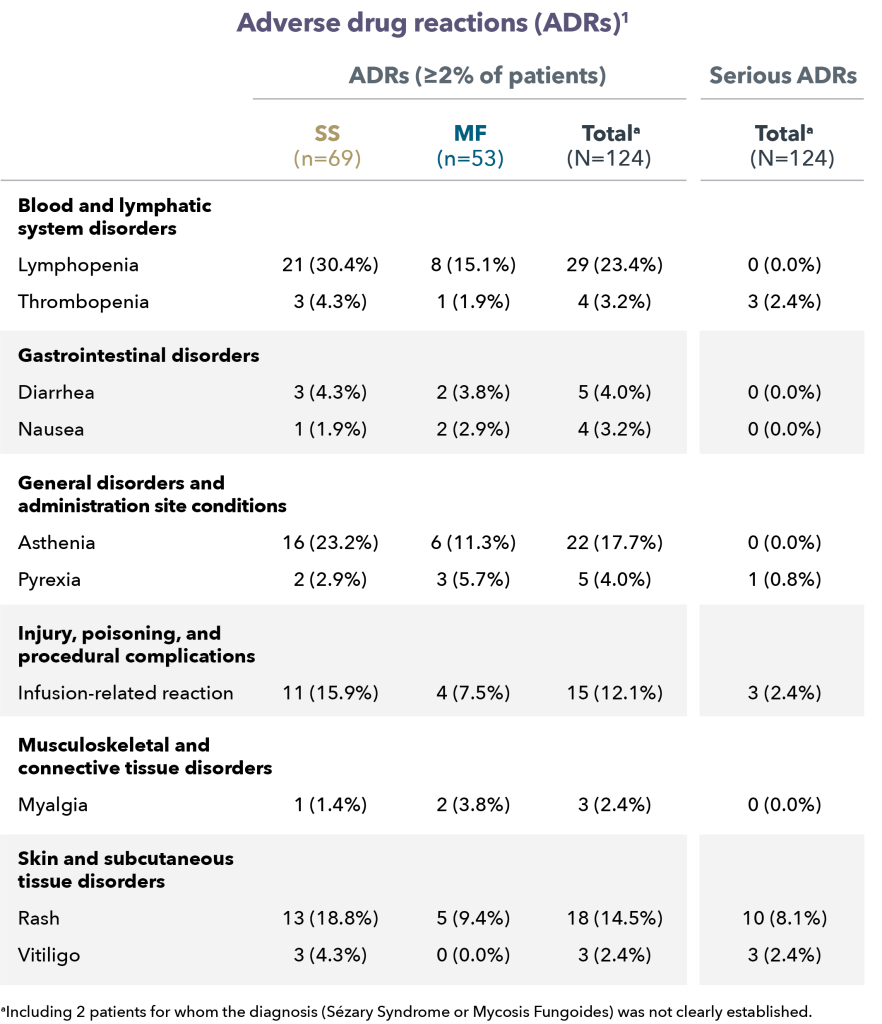
The OMEGA study was a retrospective analysis of real-world patients receiving mogamulizumab in 14 centers throughout France. The full study-report article can be accessed at https://doi.org/10.1111/jdv.19134. A total of 122 patients were reviewed, 53 with MF and 69 with SS. All had been treated with mogamulizumab from February 2014 until March 2020.5 The OMEGA study contains information that is not included in the FDA-approved labeling for POTELIGEO; the study included 2 patients with SS in whom mogamulizumab was administered as a first-line therapy. OMEGA also reported a serious adverse reaction, vitiligo (3 patients [2.4%]), that was not captured in the MAVORIC trial. It is not known if there were variations from the FDA-approved labeling in the dosing schedule for any patients included in the study. Also, OMEGA differed from MAVORIC by defining treatment responses as complete or partial response (CR or PR) that occurred at any time, and for no prespecified duration post-initiation of mogamulizumab. In MAVORIC, by definition, treatment responses were required to be confirmed CR or PR at 2 or more consecutive assessments spaced at least 8 weeks apart.5

In the OMEGA study, key outcome measures were:
Primary endpoint: Best overall response rate (bORR)a
Secondary endpoints: bORR by compartment (skin, blood, lymph nodes, viscera)b and safety
Exploratory endpoint: PFS

a Percentage of patients achieving a global overall response (CR or PR) at any time and for no prespecified duration.
b Percentage of patients achieving a CR or PR in the specified compartment at any time and for no prespecified duration.

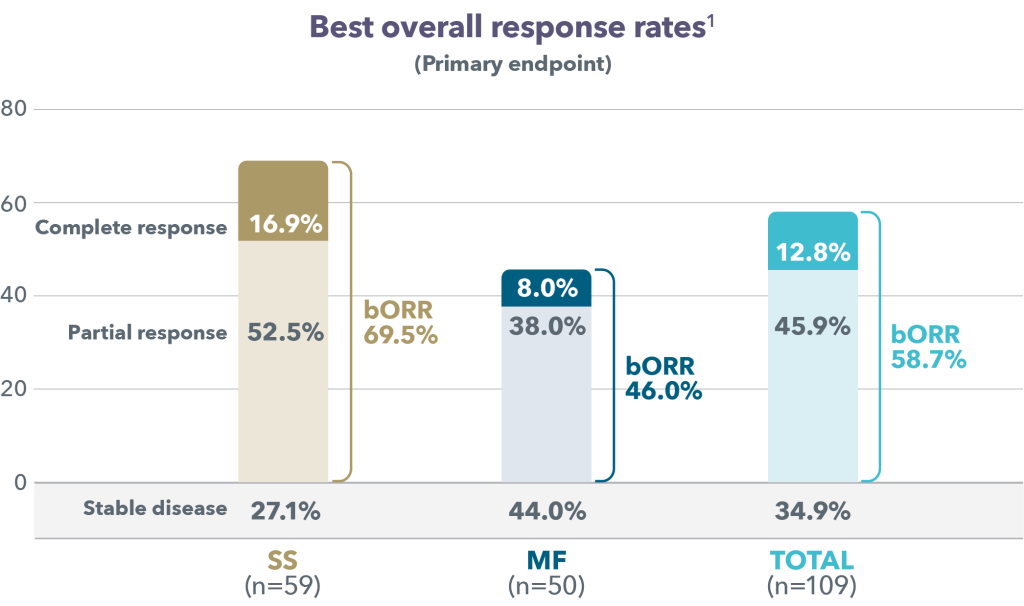
As shown in Figure 1, in the entire patient population, bORR was 58.7% (12.8% CR; 45.9% PR). In patients with SS, bORR was 69.5% (16.9% CR; 52.5% PR), and in patients with MF, bORR was 46.0% (8.0% CR; 38.0% PR). The median time to response under treatment (CR or PR) was similar according to disease subtype (3.1 months for patients with SS and MF; respective ranges: 01–25.0, and 0.3–44.3 months).5

Best-ORR-Primary-Endpoint

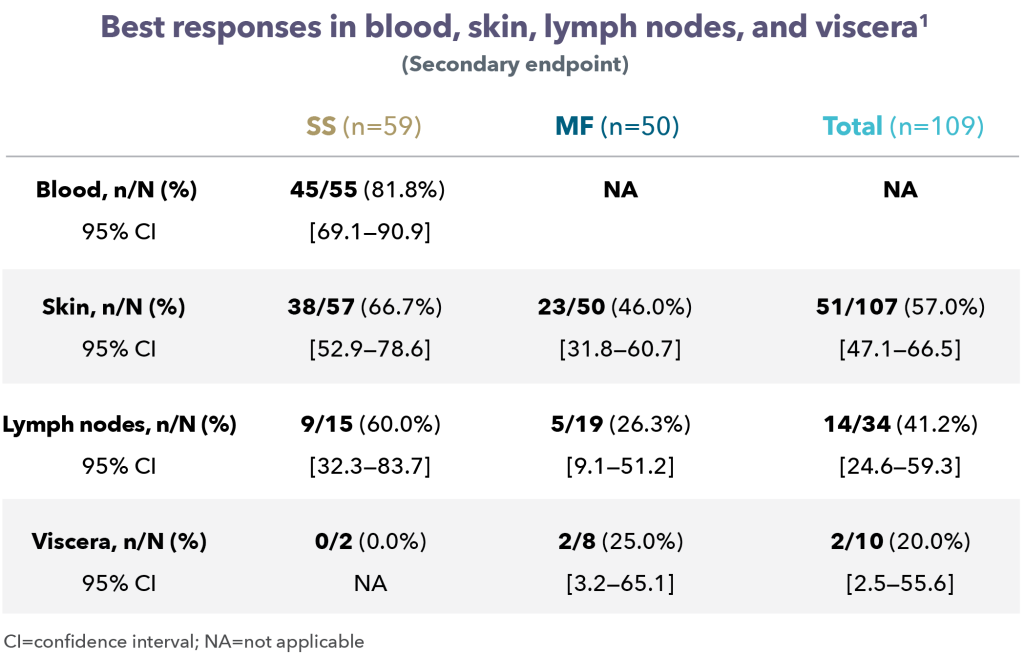
Responses were seen across all involved disease compartments, as seen in Table 1.5

Best-Responses-Blood-Skin-LN-Viscera-Secondary-Endpoint

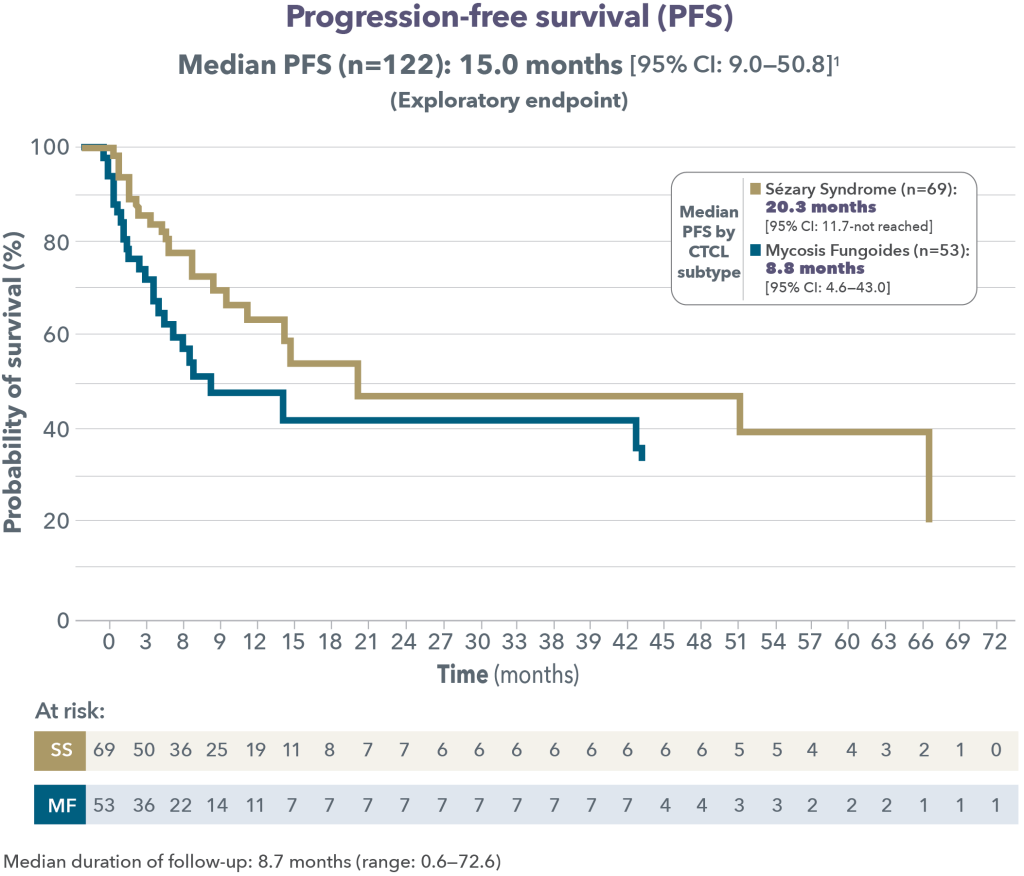
As seen in Figure 2, in the overall analysis population (n=122), the median PFS was estimated at 15.0 months (95% CI [9.0–50.8]). It was longer in patients with SS than in patients with MF (20.3 months [11.7–not reached] vs. 8.8 months [4.6–43.0]) but no significant difference between disease subtypes was shown (P= 0.0542).5

Progression-Free-Survival

The percentage of patients who experienced a serious adverse reaction (AR) was consistent with MAVORIC (18.5% vs 20% in MAVORIC).1,2 Discontinuations of mogamulizumab due to ARs occurred in 15 patients (12.1%) rash was the most common reason for permanent discontinuation (9 patients; 7.3%). One patient discontinued due to thrombopenia and one patient discontinued due to an infusion-related reaction (0.8% each).5 The most common ARs can be seen in Table 2.

Adverse-Drug-Reactions

Limitations of the OMEGA study include its non-interventional and retrospective design, a patient population less selective than those in clinical trials, and overlap of 20 patients that were also part of the MAVORIC trial. The results are in line with efficacy and safety data demonstrated in the global clinical trial MAVORIC, and supports the effectiveness of mogamulizumab in real-world clinical practices.

INDICATION
POTELIGEO injection for intravenous infusion is indicated for the treatment of adult patients with relapsed or refractory mycosis fungoides (MF) or Sézary syndrome (SS) after at least one prior systemic therapy.

IMPORTANT SAFETY INFORMATION

Warnings and Precautions
• Dermatologic toxicity: Monitor patients for rash throughout the course of treatment. For patients who experienced dermatologic toxicity in Trial 1, the median time to onset was 15 weeks, with 25% of cases occurring after 31 weeks. Interrupt POTELIGEO for moderate or severe rash (Grades 2 or 3). Permanently discontinue POTELIGEO for life-threatening (Grade 4) rash or for any Stevens-Johnson syndrome (SJS) or toxic epidermal necrolysis (TEN).
• Infusion reactions: Most infusion reactions occur during or shortly after the first infusion. Infusion reactions can also occur with subsequent infusions. Monitor patients closely for signs and symptoms of infusion reactions and interrupt the infusion for any grade reaction and treat promptly. Permanently discontinue POTELIGEO for any life-threatening (Grade 4) infusion reaction.
• Infections: Monitor patients for signs and symptoms of infection and treat promptly.
• Autoimmune complications: Interrupt or permanently discontinue POTELIGEO as appropriate for suspected immune-mediated adverse reactions. Consider the benefit/risk of POTELIGEO in patients with a history of autoimmune disease.
• Complications of allogeneic HSCT after POTELIGEO: Increased risks of transplant complications have been reported in patients who received allogeneic HSCT after POTELIGEO. Follow patients closely for early evidence of transplant-related complications

Adverse Reactions
• The most common adverse reactions (reported in ≥10% of patients) with POTELIGEO in the clinical trial were rash, including drug eruption (35%), infusion reaction (33%), fatigue (31%), diarrhea (28%), drug eruption (24%), upper respiratory tract infection (22%), musculoskeletal pain (22%), skin infection (19%), pyrexia (17%), edema (16%), nausea (16%), headache (14%), thrombocytopenia (14%), constipation (13%), anemia (12%), mucositis (12%), cough (11%), and hypertension (10%).

Please see the full Prescribing Information for POTELIGEO at www.poteligeohcp.com for additional information.

You are encouraged to report suspected adverse reactions to Kyowa Kirin, Inc. at 1-844-768-3544 or FDA at 1-800-FDA-1088 or www.fda.gov/medwatch.

References:
1. Ferenczi K, et al. Increased CCR4 expression in cutaneous T cell lymphoma. J Invest Dermatol. 2002;119(6):1405-1410.
2. Yoshie O, et al. Frequent expression of CCR4 in adult T-cell leukemia and human T-cell leukemia virus type 1-transformed T cells. Blood. 2002;99(5):1505-1511.
3. Ishida T, et al. Clinical significance of CCR4 expression in adult T-cell leukemia/lymphoma: its close association with skin involvement and unfavorable outcome. Clin Cancer Res. 2003;9(10 Pt 1):3625-3634.
4. POTELIGEO [package insert]. Kyowa Kirin Inc., Princeton, NJ USA.
5. Beylot-Barry M, Quereux G, Nardin C, et al. Effectiveness of mogamulizumab in patients with mycosis fungoides or Sézary syndrome: a multicentre, retrospective, real-world French study. J Eur Acad Dermatol Venereol. 2023;37(9):1777-1784.

POTELIGEO is a registered trademark of Kyowa Kirin Co., Ltd.
© 2024 Kyowa Kirin, Inc. All rights reserved.
510 Carnegie Center Dr. Princeton, NJ 08540 USA

COMM-US-POT-0274 May 2024

Late Breaking Abstract – ASCO 2024: Integrating Carboplatin in Early Stage Triple Negative Breast Cancer

SUMMARY: Breast cancer is the most common cancer among women in the US and about 1 in 8 women (12%) will develop invasive breast cancer during their lifetime. The American Cancer Society estimates that in the US, approximately 310,720 new cases of female breast cancer will be diagnosed in 2024, and about 42,250 individuals will die of the disease, largely due to metastatic recurrence.

Triple Negative Breast Cancer (TNBC) is a heterogeneous, molecularly diverse group of breast cancers and are ER (Estrogen Receptor), PR (Progesterone Receptor) and HER2 (Human Epidermal Growth Factor Receptor-2) negative. TNBC accounts for 15-20% of invasive breast cancers, with a higher incidence noted in young patients. It is usually aggressive, and tumors tend to be high grade and patients with TNBC are at a higher risk of both local and distant recurrence. Those with metastatic disease have one of the worst prognoses of all cancers with a median Overall Survival (OS) of 13 months. The majority of patients with TNBC who develop metastatic disease do so within the first 3 years after diagnosis, whereas those without recurrence during this period of time have survival rates similar to those with ER-positive breast cancers.

Neoadjuvant chemotherapy is the preferred treatment approach in this group of patients and can potentially increase the likelihood of tumor resectability and breast conservation. Further, a pathological Complete Response (pCR) after neoadjuvant chemotherapy can result in a longer Event-Free Survival and Overall Survival. Pathological Complete Response is therefore used as an end point for clinical testing of neoadjuvant treatment in patients with early TNBC.

Conventionally, TNBC has been treated with cytotoxic chemotherapy regimens incorporating anthracyclines and taxanes, which remain foundational despite ongoing exploration of novel agents. The role of immune checkpoint inhibitors such as Pembrolizumab (KEYTRUDA®) has expanded into neoadjuvant settings, in addition to its consistent Progression Free Survival (PFS) and Overall Survival (OS) benefits in advanced TNBC. Recent studies have investigated the addition of platinum agents due to their ability to induce DNA damage and apoptosis in tumors with defective DNA repair mechanisms, such as those seen in BRCA-mutated breast cancer. Triple-Negative Breast Cancers that do not harbor BRCA1/2 mutations show defects in the DNA repair mechanism, similar to BRCA1/2 mutant TNBC, and are called BRCAness. Platinum agents have shown promise in increasing the pCR rate when combined with standard taxane and anthracycline regimens in neoadjuvant settings, potentially enhancing outcomes for patients who otherwise face high recurrence risks. The importance of achieving pCR has been underscored by studies like the CTNeoBC pooled analysis, which demonstrated significantly improved survival outcomes in TNBC patients who achieved pCR, compared to those with residual disease. This has prompted the exploration of combination therapies aimed at maximizing response rates and minimizing residual disease burden.

PEARLY is a randomized, multicenter, open-label, Phase III trial in which anthracyclines followed by taxane was compared with anthracyclines followed by taxane plus Carboplatin as (neo)adjuvant therapy in patients with TNBC. Patients with Stage II or III TNBC who need adjuvant or neoadjuvant chemotherapy were included. Any prior systemic therapy for breast cancer was not allowed. In this study, 868 patients (N=868) were randomized 1:1 to either standard arm treatment, which consisted of Doxorubicin 60 mg/m2 IV along with Cyclophosphamide 600 mg/m2 IV every 3 weeks for 4 cycles followed by taxane treatment (Paclitaxel 80 mg/m2 IV weekly for 12 doses or Docetaxel 75mg/m2 IV every 3 weeks for 4 cycles), or experimental group in which Carboplatin AUC5 IV every 3 weeks for 4 cycles was added during taxane treatment. Patients were stratified based on the nodal status (N0 versus N+), treatment setting (neoadjuvant versus adjuvant), and BRCA mutation status (positive versus negative). Patients with bilateral, metastatic, and inflammatory breast cancer were excluded. The Primary objective was to evaluate 5-year Event Free Survival (EFS) rate in the enrolled patients. Secondary objectives included Overall Survival (OS), Distant Recurrence-Free Survival (DRFS), pathologic Complete Response (pCR), and tolerability.

At a median follow up of 51.1 months, Carboplatin significantly improved the 5-year EFS compared to the control arm (HR 0.68; P=0.017). The 5-year EFS rates were increased from 74.4% to 81.9% with the addition of Carboplatin, demonstrating a 7.5% absolute difference in EFS rates. Subgroup analysis showed consistent benefits across various patient subgroups. Secondary endpoints such as OS and DRFS showed favorable trends in the Carboplatin group, although OS data were not mature at the time of reporting. Grade 3 or more treatment-related Adverse Event rates were 74.6% in the Carboplatin group and 56.7% in the control group, but were generally manageable.

In conclusion, the PEARLY trial demonstrated that the addition of Carboplatin to standard anthracycline followed by taxane therapy significantly improved Event-Free Survival in early-stage Triple-Negative Breast Cancer. These findings suggest that Carboplatin has a role in enhancing treatment outcomes in TNBC, particularly by reducing the risk of recurrence. Further research and longer-term follow-up are necessary to fully validate these results and refine treatment strategies for this challenging subtype of breast cancer.

A randomized, multicenter, open-label, phase III trial comparing anthracyclines followed by taxane versus anthracyclines followed by taxane plus carboplatin as (neo) adjuvant therapy in patients with early triple-negative breast cancer: Korean Cancer Study Group BR 15-1 PEARLY trial. Sohn J, Kim GM, Jung KH, et al. Journal of Clinical Oncology. Volume 42, Number 17_suppl. https://doi.org/10.1200/JCO.2024.42.17_suppl.LBA502

Late Breaking Abstract – ASCO 2024: ADCETRIS® Combination Improves Overall Survival in Relapsed and Refractory Diffuse Large B-Cell Lymphoma

SUMMARY: The American Cancer Society estimates that in 2024, about 80,620 people will be diagnosed with Non Hodgkin Lymphoma (NHL) in the United States and about 20,140 individuals will die of this disease. Diffuse Large B-Cell Lymphoma (DLBCL) is the most common of the aggressive Non-Hodgkin lymphomas in the United States, and more than 25,000 cases of DLBCL are diagnosed each year in the United States, accounting for more than 25 percent of all lymphoma cases. The incidence has steadily increased 3-4% each year. More than half of patients are 65 or older at the time of diagnosis and the incidence is likely to increase with aging of the American population. The etiology of Diffuse Large B-Cell Lymphoma is unknown. Contributing risk factors include immunosuppression (AIDS, transplantation setting, autoimmune diseases), UltraViolet radiation, pesticides, hair dyes, and diet. DLBCL can develop spontaneously or as a result of Richters transformation of low grade diseases such as Chronic Lymphocytic Leukemia/Small Lymphocytic Lymphoma, Follicular Lymphoma, or Marginal Zone Lymphoma.

DLBCL is a neoplasm of large B cells and the most common chromosome abnormality involves alterations of the BCL-6 gene at the 3q27 locus, which is critical for germinal center formation. Two major molecular subtypes of DLBCL arising from different genetic mechanisms have been identified, using Gene Expression Profiling: Germinal Center B-cell-like (GCB) and Activated B-Cell-like (ABC). Patients in the GCB subgroup have a higher 5-year survival rate, independent of clinical IPI (International Prognostic Index) risk score, whereas patients in the ABC subgroup have a significantly worse outcome. Regardless of molecular subtype, R-CHOP regimen (Rituximab, Cyclophosphamide, Doxorubicin, Vincristine, and Prednisone), given every 21 days, for 6 cycles, delivered with curative intent, is the current standard of care for patients of all ages, with newly diagnosed DLBCL. Approximately 30-40% of patients experience disease progression or relapse during the first 2 years, and attempts to improve on R-CHOP regimen have not been successful. Maintenance treatment strategy following R-CHOP, to better control the disease, delay disease progression and improve long term survival, have included Autologous Stem Cell Transplantation, CAR T-cell therapy, maintenance treatment with agents such as oral protein kinase inhibitor Enzastaurin and Everolimus. Outcomes for transplant-ineligible patients with Relapsed/Refractory DLBCL patients remain poor. There is a critical unmet need for this patient group.

Brentuximab Vedotin (ADCETRIS®) is an Antibody-Drug Conjugate (ADC) that targets CD30, which is a surface antigen, expressed on Reed-Sternberg cells, in patients with Classical Hodgkin lymphoma. This ADC consists of an anti-CD30 monoclonal antibody linked to MonoMethyl Auristatin E (MMAE), an antimicrotubule agent. Upon binding to the CD30 molecule on the cancer cells, MMAE is released into the cancer cell, resulting in cell death. Preclinical data and early phase studies provided the rationale for combining Brentuximab vedotin, Lenalidomide and Rituximab for the treatment of Relapsed/Refractory DLBCL.

ECHELON-3 is an ongoing, global, randomized, double-blind, multicenter Phase III study, designed to evaluate the efficacy and safety of Brentuximab vedotin in combination with Lenalidomide and Rituximab, compared to Lenalidomide and Rituximab plus placebo, in adult patients with Relapsed/Refractory DLBCL, regardless of CD30 expression, who have received two or more prior lines of therapy and were ineligible for or had previously failed Hematopoietic Stem Cell Transplant (HSCT) or Chimeric Antigen Receptor (CAR) T-cell therapy.

In this global study, 230 patients were randomized 1:1 to receive either Brentuximab vedotin plus Lenalidomide and Rituximab (BV+R2) – N=112, with Brentuximab vedotin administered at 1.2 mg/kg IV every 3 weeks, Lenalidomide at 20 mg orally daily, and Rituximab at 375 mg/m² IV every 3 weeks, or Placebo plus Lenalidomide and Rituximab (placebo+R2) – N=118. Placebo for Brentuximab vedotin with Lenalidomide and Rituximab was administered in the same manner. Treatment continued until disease progression or unacceptable toxicity. The median age was 71 years, 56% were male, median prior lines of therapy was 3, 29% had prior CAR T-cell therapy, approximately 15% of patients had prior bispecific antibody exposure, and 68% were CD30 negative with CD30 tumor expression of less than 1%. The Primary endpoint was Overall Survival (OS). Secondary endpoints included Progression-Free Survival (PFS), Objective Response Rate (ORR) and Complete Response (CR) Rate.

At the interim analysis, with a median follow-up of 16.4 months, BV+R2 regimen demonstrated a median OS of 13.8 months compared to 8.5 months with placebo+R2, representing a 37% reduction in the risk of death (HR=0.63; P=0.0085). The median PFS was 4.2 months in the BV+R2 arm versus 2.6 months in the placebo+R2 arm (HR=0.53; P<0.0001). The ORR was 64.3% with BV+R2 compared to 41.5% with placebo+R2 (P=0.0006). The CR rate was 40.2% with BV+R2 versus 18.6% with placebo+R2. The efficacy benefits of BV+R2 were consistent across key subgroups, including patients with CD30-positive and CD30-negative disease, highlighting the broad applicability of the regimen.

Grade 3 or higher adverse events were more frequent in the BV+R2 arm compared to placebo+R2 (88% versus 77%), and the most common Grade 3 or higher adverse events included neutropenia, anemia and diarrhea. Peripheral Neuropathy was higher with BV+R2 compared to placebo+R2, although generally manageable.

In conclusion, the ECHELON-3 study demonstrated that the addition of Brentuximab vedotin to Lenalidomide and Rituximab significantly improved Overall Survival, Progression-Free Survival, and Response Rates in patients with Relapsed/Refractory DLBCL, compared to Lenalidomide and Rituximab alone. This regimen offers a promising new treatment option for patients who have exhausted standard therapies, or are ineligible for intensive treatments like CAR-T cell therapy or HSCT. The results underscore the potential of targeted therapies in reshaping the management of DLBCL, providing renewed hope for improved outcomes in this challenging disease setting. As the study continues to follow patients for long-term outcomes, ongoing research will further elucidate the durability of responses and additional safety data, thereby informing future clinical practice guidelines and optimizing patient care strategies.

Brentuximab vedotin in combination with lenalidomide and rituximab in patients with relapsed/refractory diffuse large B-cell lymphoma: Results from the phase 3 ECHELON-3 study. Kim JA, Hahn U, Kim W-S, et al. Journal of Clinical Oncology. Volume 42, Number 17_suppl. https://doi.org/10.1200/JCO.2024.42.17_suppl.LBA7005

FDA Approves Telomerase Inhibitor RYTELO® for Low to Intermediate Risk Myelodysplastic Syndromes

SUMMARY: The FDA on June 6, 2024, approved RYTELO® (Imetelstat), an oligonucleotide telomerase inhibitor, for adults with Low- to Intermediate-1 risk Myelodysplastic Syndromes (MDS) with Transfusion-Dependent anemia, requiring four or more red blood cell units over 8 weeks, who have not responded to, or have lost response to, or are ineligible for Erythropoiesis-Stimulating Agents (ESAs).

It is estimated that in the United States approximately 13,000 people are diagnosed with MDS each year. Myelodysplastic Syndromes are a heterogenous group of stem cell disorders characterized by marrow failure resulting in cytopenias with associated cytogenetic abnormalities, and abnormal cellular maturation with morphologic changes in clonal cells. The majority of individuals diagnosed with MDS are aged 65 years and older and die as a result of infection and/or bleeding, consequent to bone marrow failure. About a third of patients with MDS develop Acute Myeloid Leukemia (AML). The three prognostic factors scored to predict the course of the patients disease include percentage of blast cells in the bone marrow, type of chromosomal changes in the marrow cells and number of cytopenias (anemia, neutropenia or thrombocytopenia).

Patients with Lower-risk MDS (Revised IPSS-Very Low, Low, or Intermediate risk) often present with symptomatic anemia and these patients are in chronic need for RBC transfusions which in turn can result in iron overload and can have a negative impact on quality of life and Overall Survival. These patients are treated with Erythropoiesis Stimulating Agents (ESAs) as first line therapy. ESAs such as Darbepoetin alfa and Epoetin alfa are re-engineered and recombinant DNA technology products of Erythropoietin (EPO), and they stimulate erythropoiesis by binding and activating the EPO receptor. However, transfusion-dependent patients with serum EPO levels above 200 U per liter are less likely to respond to ESAs. Patients with Low Risk (IPSS Low/Int-1) MDS who are RBC Transfusion Dependent, and are Relapsed/Refractory to ESAs, have limited treatment options. There is therefore an unmet clinical need for safe and effective treatment options, to reduce the RBC transfusion burden in these patients.

Human telomeres are repetitive DNA sequences present at terminal ends of chromosomes, protecting against premature shortening of chromosome lengths and preventing chromosomal degradation during cell division. Telomerase, a ribonucleoprotein enzyme complex, maintains telomere length by adding telomeric repeats, enabling cancer cells to bypass replicative senescence and achieve immortalization.

Imetelstat is a first-in-class telomerase inhibitor designed to disrupt telomere maintenance in malignant cells. Imetelstat specifically targets the template region of the telomerase RNA component (TERC) and by competitively binding to this template, Imetelstat inhibits telomerase activity, leading to progressive telomere shortening with each cell division. This process triggers cell cycle arrest, senescence, and apoptosis in telomerase-dependent cancer cells, including those in MDS.

The efficacy of Imetelstat was evaluated in IMerge, which is a randomized, double-blind, placebo-controlled multicenter Phase III trial, in which 178 patients with MDS were randomly assigned 2:1 to receive Imetelstat 7.5 mg/kg (N=118) or placebo (N=60), administered as a 2-hour IV infusion, every 4 weeks until disease progression or unacceptable toxicities. Eligibility requirements included patients with ESA-relapsed, ESA-refractory, or ESA-ineligible and non-del(5q) Low Risk-MDS (Low or Intermediate-1 risk disease, as per International Prognostic Scoring System-IPSS criteria), and without previous treatment with Lenalidomide or hypomethylating agents. Randomization was stratified by prior RBC transfusion burden and by IPSS risk group. All patients received supportive care, which included RBC transfusions.

The Primary endpoint was RBC Transfusion Independence (RBC-TI) defined as the proportion of patients achieving at least 8 consecutive weeks or longer without RBC transfusions from the start of treatment until subsequent anti-cancer therapy, if any. Secondary endpoints included the rate of 24-week RBC-TI and Duration of RBC-TI.

The median follow up was 19.5 months in the Imetelstat group and 17.5 months in the placebo group. Imetelstat demonstrated a significant improvement in the Primary endpoint compared to placebo. The rate of RBC-TI of at least 8 weeks was 40% in the Imetelstat group versus 15% in the placebo group (P=0.0008). The rate of 24-week or more RBC-TI was 28% in the Imetelstat group and 3.3% in the placebo group (P<0.001). Responding patients-maintained Transfusion Independence for a median duration of approximately 1 year, indicating durable clinical benefit. The most common grade 3-4 adverse events associated with Imetelstat included neutropenia (68%) and thrombocytopenia (62%). Despite these hematologic toxicities, there were no treatment-related deaths reported during the trial.

In conclusion, Imetelstat represents a promising therapeutic approach in the management of lower-risk MDS, offering a novel mechanism of action through telomerase inhibition. The IMerge trial demonstrated significant clinical benefits, including prolonged periods of RBC Transfusion Independence and disease stabilization, in a patient population with limited treatment options. Ongoing research aims to further elucidate the role of Imetelstat across different subsets of MDS and refine its clinical utility in improving patient outcomes.

Imetelstat in patients with lower-risk myelodysplastic syndromes who have relapsed or are refractory to erythropoiesis-stimulating agents (IMerge): a multinational, randomised, double-blind, placebo-controlled, phase 3 trial. Platzbecker U, Santini V, Fenaux P, et al. The Lancet. 2024;403:249-260.