FDA Approves First Line KEYTRUDA® in Combination with Chemotherapy for Esophageal or Gastroesophageal Carcinoma

SUMMARY: The FDA on March 22, 2021, approved KEYTRUDA® (Pembrolizumab) in combination with Platinum and Fluoropyrimidine-based chemotherapy for patients with metastatic or locally advanced esophageal or GastroEsophageal Junction (tumors with epicenter 1 to 5 cm above the GastroEsophageal Junction) carcinoma, who are not candidates for surgical resection or definitive chemoradiation. The American Cancer Society estimates that in the US about 19,260 new esophageal cancer cases will be diagnosed in 2021 and about 15,530 people will die of the disease. Esophageal cancer is more common among men than among women. Majority of the patients with Gastric and GastroEsophageal (GE) Adenocarcinoma have advanced disease at the time of initial presentation and have limited therapeutic options with little or no chance for cure. These patients frequently are treated with Platinum containing chemotherapy along with a Fluoropyrimidine. The prognosis for advanced esophageal cancer is poor, with median survival of less than 12 months.

KEYTRUDA® is a fully humanized, Immunoglobulin G4, anti-PD-1, monoclonal antibody, that binds to the PD-1 receptor and blocks its interaction with ligands PD-L1 and PD-L2. It thereby reverses the PD-1 pathway-mediated inhibition of the immune response and unleashes the tumor-specific effector T cells.

KEYNOTE-590 is a global, multicenter, randomized, double-blind, placebo-controlled, Phase III trial, in which first line KEYTRUDA® plus chemotherapy was compared with placebo plus chemotherapy, in patients with locally advanced/unresectable or metastatic adenocarcinoma or esophageal Squamous Cell Carcinoma (ESCC) or Siewert type 1 EsophagoGastric Junction adenocarcinoma (EGJ), who were not candidates for surgical resection or definitive chemoradiation. In this study, 749 eligible patients, regardless of PD-L1 expression were randomized 1:1 to KEYTRUDA® 200 mg IV every 3 weeks for up to 35 cycles (2 years) along with chemotherapy consisting of Cisplatin 80mg/m2 IV given on day 1, plus 5FU 800 mg/m2 IV given on days 1-5, every 3 weeks for 6 cycles, or placebo plus chemotherapy. Treatment was continued until disease progression or unacceptable toxicity, and crossover was not permitted. Approximately 50% of all patients had tumors with a PD-L1 Combined Positive Score (CPS) 10 or more, and half the population was Asian. The dual Primary endpoints of the study were Overall Survival (OS) and Progression Free Survival (PFS). The researchers evaluated outcomes in the overall treatment population, in patients with a PD-L1 CPS 10 or more, and according to histology (Esophageal Squamous Cell Carcinoma versus adenocarcinoma). The Secondary end point was Objective Response Rate (ORR) in all patients. The median follow up was 10.8 months.

There was a statistically significant improvement in OS and PFS for patients randomized to KEYTRUDA® with chemotherapy. The median OS among all patients was 12.4 versus 9.8 months (HR=0.73; P<0.0001) and the median PFS among all patients was 6.3 versus 5.8 months, respectively (HR=0.65; P<0.0001). The confirmed ORR in all patients was 45% versus 29.3% (P < 0.0001), with a median Duration of Response of 8.3 versus 6.0 months, respectively. In patients with a PD-L1 CPS 10 or higher, the median OS with the KEYTRUDA® plus chemotherapy was 13.5 months versus 9.4 months with chemotherapy alone (HR=0.62; P<0.0001) and the median PFS was 7.5 months versus 5.5 months, respectively (HR=0.51; P<0.0001). The most common adverse reactions reported in 20% or more of patients who received the KEYTRUDA® combination were nausea, vomiting, constipation, diarrhea stomatitis, fatigue/asthenia, decreased appetite, and weight loss.

It was concluded that treatment with KEYTRUDA® plus chemotherapy combination resulted in superior Overall Survival, Progression Free Survival, and Objective Response Rate, with a manageable safety profile, when compared to chemotherapy alone, in patients with advanced untreated esophageal and EsophagoGastric Junction cancer. These data demonstrate that first line KEYTRUDA® plus chemotherapy is a new standard of care in this patient population.

Pembrolizumab plus chemotherapy versus chemotherapy as first-line therapy in patients with advanced esophageal cancer: the phase 3 KEYNOTE-590 study. Kato K, Sun J, Shah MA, et al. Annals of Oncology (2020) 31 (suppl_4): S1142-S1215. 10.1016/annonc/annonc325.

Advances in Triple Negative Breast Cancer

Written by: Debra Patt, MD, PhD, MBA
Content Sponsored by: Bristol Myers Squibb
Dr. Patt is a paid consultant for BMS and was compensated for her contribution in drafting this article.

Metastatic triple negative breast cancer (TNBC) is a devastating disease, making up 15% of all cancers, and having a limited outcome with an overall survival average of around a year.1,2 It is a diagnosis of exclusion, as tumor cells do not express the targetable hormone receptors (estrogen or progesterone receptors) or HER2, thus treatment options have historically relied on systemic chemotherapy rather than targeted treatment.3 This aggressive subtype is often associated with an earlier age of onset and an aggressive clinical course. Ethnic disparities have been identified for triple negative disease, with the incidence highest among patients who have a non-Hispanic black ethnic background compared to other ethnic groups.1 Furthermore, African American women are more likely to develop metastases compared to women of other races. Metastatic progression for triple-negative disease is generally characterized by early relapse and predominantly visceral (including liver, pulmonary and central nervous system) metastases.3

Historically, advances in the treatment of triple negative breast cancer have been rare. Multiple immunotherapy options in combination with chemotherapy are now approved in metastatic TNBC for patients with PD-L1 positive, first-line disease, and today there is much excitement about further evidence supporting its use in the metastatic and early stage settings.4 However, no head-to-head data exists to identify the optimal chemotherapy partner for checkpoint inhibition and not all chemotherapy agents appear to provide similar efficacy based on current data, hence more investigations are needed.5,6 Furthermore, while the incidence of immune-related adverse events such as endocrinopathies are low, the permanence of these side effects, particularly in the early stage setting, is concerning to some and should be closely monitored.

Germline BRCA mutations occur in approximately 10–30% of TNBC cases.7 In previously treated metastatic disease, the use of poly (ADP-ribose) polymerase (PARP) inhibitors in germline BRCA mutation positive patients has also shown improvements in survival, with the main reported side effects being hematologic, fatigue and diarrhea.3,8 In heavily pretreated metastatic TNBC patients, the use of antibody-drug conjugates has also resulted in anti-cancer effects.9

While advances in the aggressive and difficult-to-treat triple negative breast cancer subset are promising, all of these recent advances leave us with new treatment options but also unanswered questions. Our knowledge is limited and certainly will improve over time as we understand better predictors of outcome like PD-L1 expression, tumor infiltrating lymphocytes, and other factors as well as the importance of chemotherapy backbone choice. Other agents are now available for previously treated metastatic TNBC patients and further studies will be needed to assess the efficacy of these agents in earlier lines of therapy. Additionally, long-term follow up of studies will also be important to truly understand the impact of these new targeted approaches and the impact of drug tolerability on efficacy and patient quality of life.

References
1. DeSantis CE, Fedewa SA, Sauer AG, Kramer JL, Smith RA, Jemal A. CA Cancer J Clin. 2016;66:31-42.
2. Marra A, Viale G, Curigliano G. BMC Medicine. 2019;17:90-99.
3. Bergin ART, and Loi S. F1000Research. 2019;8: F1000 Faculty Rev-1342. Published online 2019 Aug 2.
4. Simmons CE, Brezden-Masley C, McCarthy J, McLeod D, Joy AA. Ther Adv Med Oncol. 2020;12:1-15.
5. Cortes J, Cescon DW, Rugo HS, Nowecki Z, Im SA, et al. DOI: 10.1200/JCO.2020.38.15_suppl.1000 Journal of Clinical Oncology 38, no. 15_suppl (May 20, 2020) 1000-1000.
6. Miles D, Gligorov J, Andre F, Cameron D, Schneeweiss A, et al. Annals of Oncology. 2020;31 (suppl 4):S1142-S1215. 10.1016/annonc/annonc325.
7. Vagia E, Mahalingam D, Cristofanilli M. Cancers (Basel). 2020 Apr;12:916-941.
8. Madariaga A, Bowering V, Ahrari S, Oza AM, and Lheureux S. Int J Gynecol Cancer. 2020; 30:903-915.
9. Bardia A, Mayer IA, Vahdat LT, Tolaney SM, Isakoff SJ, et al. N Engl J Med. 2019;380:741-751.

Therapy for Stage IV Non–Small-Cell Lung Cancer with Driver Alterations: ASCO and OH (CCO) Joint Guideline Update

SUMMARY: The American Cancer Society estimates that for 2021, about 235,760 new cases of lung cancer will be diagnosed and 131,880 patients will die of the disease. Lung cancer is the leading cause of cancer-related mortality in the United States. Non Small Cell Lung Cancer (NSCLC) accounts for approximately 85% of all lung cancers. According to the US Lung Cancer Mutation Consortium (LCMC), two thirds of patients with advanced adenocarcinoma of the lung, have a molecular driver abnormality. The most common oncogenic drivers in patients with advanced adenocarcinoma of the lung are, KRAS in 25%, EGFR in 21% and ALK in 8%, as well as other mutations in BRAF, MET, HER2, AKT1 and fusions involving RET and ROS oncogenes. These mutations are mutually exclusive, and the presence of two simultaneous mutations, are rare.

The ASCO and Ontario Health (Cancer Care Ontario) NSCLC Expert Panel updated the 2017 ASCO guideline on systemic therapy for patients with Stage IV NSCLC with driver alterations and provided evidence-based recommendations, based on a systematic review of Randomized Controlled Trials (RCTs) from December 2015 to January 2020 and meeting abstracts from ASCO 2020.

This clinical practice guideline addresses three comprehensive clinical questions for patients with Stage IV NSCLC with driver alterations
1) What is the most effective first-line therapy?
2) What is the most effective second-line therapy?
3) Is there a role for a third-line therapy or beyond?

The guideline addresses patients with NSCLC in the following histologic or subgroups: EGFR, ALK, ROS1, BRAF, MET, RET, HER2, and NTRK. This update does not apply to patients with Stage IV NSCLC without known driver alterations and those with rarer histologies such as large cell, neuroendocrine, etc.

Summary of Key Recommendations

Recommendation 1.1: For patients with Stage IV NSCLC and driver alterations in EGFR
֍In the first-line setting, for patients with T790M, L858R, or exon 19 deletion mutations, Osimertinib should be offered.

Recommendations 1.2, 1.3, 1.4, and 1.5: For patients with Stage IV NSCLC and driver alterations in EGFR-if Osimertinib is not available
֍In the first-line setting, if Osimertinib is not available, Gefitinib with chemotherapy may be offered or Dacomitinib may be offered.
֍Other options that may be offered include Afatinib or Erlotinib/Bevacizumab or Erlotinib/Ramucirumab or Gefitinib, Erlotinib, or Icotinib.

Recommendation 1.6: For patients with Stage IV NSCLC and driver alterations in EGFR
֍In the first-line setting, for patients with a Performance Status (PS) of 3, an EGFR Tyrosine Kinase Inhibitor (TKI) may be offered.

Recommendation 1.7: For patients with Stage IV NSCLC and driver alterations in EGFR
֍In the first-line setting, for patients with EGFR mutations other than exon 20 insertion mutations, T790M, L858R, or exon 19 deletion alterations, Afatinib may be offered or Osimertinib may be offered or treatments outlined in the ASCO/OH nondriver mutation guideline may be offered.

Recommendation 1.8: For patients with Stage IV NSCLC and driver alterations in EGFR
֍In the first-line setting, for patients with any activating EGFR mutation (including exon 20 insertion mutations), regardless of Programmed Death Ligand-1 (PD-L1) expression levels, single-agent immunotherapy should not be used.

Recommendation 1.9: For patients with Stage IV NSCLC and driver alterations in EGFR causing resistance to first- and second-generation EGFR TKIs
֍In the first-line setting, for patients with EGFR exon 20 insertion mutation causing resistance to first- and second-generation EGFR TKIs, doublet chemotherapy with or without Bevacizumab or standard treatment outlined in the ASCO/OH nondriver mutation guideline may be offered.

Recommendations 2.1 and 2.2: For patients with Stage IV NSCLC and driver alterations in EGFR
֍In the second-line setting, for patients who did not receive Osimertinib and have a T790M mutation at the time of progressive disease, Osimertinib should be offered.
֍In the second-line setting, for patients with any EGFR mutation who have progressed on EGFR TKIs with no T790M mutation OR whose disease has progressed on Osimertinib, treatment based on the ASCO/OH nondriver mutation guideline may be offered.

Recommendation 3.1: For patients with Stage IV NSCLC and driver alterations in ALK
֍In the first-line setting, Alectinib or Brigatinib should be offered.
֍In the first-line setting, if Alectinib and Brigatinib are not available, Ceritinib or Crizotinib should be offered.

Recommendations 4.1, 4.2, and 4.3: For patients with stage IV NSCLC and driver alterations in ALK
֍In the second-line setting, if Alectinib or Brigatinib was given in the first-line setting, Lorlatinib may be offered.
֍In the second-line setting, if Crizotinib was given in the first-line setting, then Alectinib, Brigatinib, or Ceritinib should be offered.
֍In the third-line setting, if Crizotinib was given in the first-line setting and Alectinib, Brigatinib, or Ceritinib in the second-line setting, then Lorlatinib may be offered or standard treatment based on the ASCO/OH nondriver mutation guideline may be offered.

Recommendations 5.1, 5.2, and 5.3: For patients with Stage IV NSCLC and driver alterations in ROS1
֍In the first-line setting, Crizotinib or Entrectinib may be offered or standard treatment based on the ASCO/OH nondriver mutation guideline may be offered or Ceritinib or Lorlatinib may be offered.

Recommendations 6.1 and 6.2: For patients with Stage IV NSCLC and driver alterations in ROS1
֍In the second-line setting, if ROS1-targeted therapy was given in the first-line setting, standard treatment based on the ASCO/OH nondriver mutation guideline should be offered.
֍In the second-line setting, if nontargeted therapy was given in the first-line setting, Crizotinib, Ceritinib, or Entrectinib may be offered.

Recommendations 7.1 and 7.2: For patients with Stage IV NSCLC and driver alterations with BRAF V600E mutation
֍In the first-line setting, Dabrafenib/Trametinib may be offered or standard first-line treatment based on the ASCO/OH nondriver mutation guideline may be offered.

Recommendations 8.1, 8.2 and 8.3: For patients with Stage IV NSCLC and driver alterations with BRAF V600E mutation
֍In the second-line setting, if previous BRAF/MEK-targeted therapy (Dabrafenib/Trametinib) was given in the first-line setting, standard treatment based on the ASCO/OH nondriver mutation guideline should be offered.
֍In the second-line setting, if BRAF-targeted therapy was not given in the first-line setting, Dabrafenib/Trametinib may be offered or Dabrafenib or Vemurafenib alone may be offered.
֍If previous chemotherapy, immunotherapy, and/or BRAF-targeted therapy were given in the first- or subsequent-line setting, standard treatment based on the ASCO/OH nondriver mutation guideline should be offered.

Recommendation 8.4: For patients with Stage IV NSCLC and driver alterations with BRAF mutations other than V600E
֍In the second-line setting, standard treatment based on the ASCO/OH nondriver mutation guideline should be offered.

Recommendations 9.1 and 9.2: For patients with Stage IV NSCLC and MET exon 14 skipping mutation
֍In the first-line setting, for patients with an MET exon 14 skipping mutation, MET-targeted therapy with Capmatinib or Tepotinib may be offered or standard treatment based on the ASCO/OH nondriver mutation guideline may be offered.

Recommendations 10.1 and 10.2: For patients with Stage IV NSCLC and MET exon 14 skipping mutation
֍In the second-line setting, for MET abnormalities other than exon 14 skipping mutations or if MET-targeted therapy was given in the first-line setting, standard treatment based on the ASCO/OH nondriver mutation guideline should be offered.
֍In the second-line setting, patients with an MET exon 14 skipping mutation who previously received or were ineligible for first-line chemotherapy with or without immunotherapy (ie. if MET-targeted therapy was not given in the first-line setting), Capmatinib or Tepotinib may be offered.

Recommendations 11.1, 11.2, and 11.3: For patients with Stage IV NSCLC and driver alterations in RET
֍In the first-line setting, Selpercatinib may be offered or standard treatment based on the ASCO/OH nondriver mutation guideline may be offered or Pralsetinib may be offered.

Recommendations 12.1, 12.2, and 12.3: For patients with Stage IV NSCLC and driver alterations in RET
֍In the second-line setting, if RET-targeted therapy was given in the first-line setting, standard treatment based on the ASCO/OH nondriver mutation guideline may be offered.
֍In the second-line setting, if RET-targeted therapy was not given in the first-line setting, Selpercatinib may be offered or Pralsetinib may be offered.

Recommendations 13.1 and 13.2: For patients with Stage IV NSCLC and driver alterations in NTRK
֍In the first-line setting, Entrectinib or Larotrectinib may be offered or standard treatment based on the ASCO/OH nondriver mutation guideline may be offered.

Recommendations 14.1 and 14.2: For patients with Stage IV NSCLC and driver alterations in NTRK
֍In the second-line setting, if NTRK-targeted therapy was given in the first-line setting, standard treatment based on the ASCO/OH nondriver mutation guideline may be offered.
֍In the second-line setting, if NTRK-targeted therapy was not given in the first-line setting, Entrectinib or Larotrectinib may be offered.

Therapy for Stage IV Non–Small-Cell Lung Cancer With Driver Alterations: ASCO and OH (CCO) Joint Guideline Update. Hanna NH, Robinson AG, Temin S, et al. J Clin Oncol. 2021;39: 1040-1091

FDA Approves TheraSphere Y-90 Glass Microspheres for Hepatocellular Carcinoma

SUMMARY: The FDA on March 18, 2021 approved TheraSphere Y-90 Glass Microspheres, developed for the treatment of patients with HepatoCellular Carcinoma (HCC). The American Cancer Society estimates that for 2021, about 42,230 new cases of primary liver cancer and and intrahepatic bile duct cancer will be diagnosed in the US and 30,230 patients will die of their disease. Liver cancer is seen more often in men than in women and the incidence has more than tripled since 1980. This increase has been attributed to the higher rate of Hepatitis C Virus (HCV) infection among baby boomers (born between 1945 through 1965). Obesity and Type II diabetes have also likely contributed to the increasing trend. Other risk factors include alcohol, which increases liver cancer risk by about 10% per drink per day, and tobacco use, which increases liver cancer risk by approximately 50%. HepatoCellular Carcinoma (HCC) is the second most common cause of cancer-related deaths worldwide, and majority of patients typically present at an advanced stage. The prognosis for unresectable HCC remains poor and one year survival rate is less than 50% following diagnosis.

Patients with HCC, with disease confined to one lobe of the liver often undergo liver resection if feasible, and liver transplantation when HCC is associated with chronic liver disease and cirrhotic livers. Other liver-directed therapies include ablative modalities such as SBRT (Stereotactic Body Radiation Therapy), Cryoablation, RFA (RadioFrequency Ablation), as well as Trans Arterial ChemoEmbolization (TACE) and Selective Internal Radiation Therapy (SIRT), also referred to as radioembolization. HepatoCellular Carcinoma’s derive their blood supply almost exclusively from the hepatic arteries, whereas the liver has a dual blood supply from the portal vein (75-80%) and hepatic arteries (20-25%). By taking advantage of the differential blood supply of hepatic tumors, chemo and radioembolization can be targeted to the tumor tissue, minimizing damage to the surrounding normal liver parenchyma.

TheraSphere treatment is a type of SIRT with low toxicity, and is comprised of millions of microscopic glass beads containing radioactive yttrium (Y-90), which is delivered to liver tumors via a hepatic arterial catheter, and results in minimal radiation exposure to surrounding normal liver parenchyma.

LEGACY trial is a single-arm, multicenter, retrospective study designed to evaluate the safety and efficacy of Yttrium-90 (Y90) glass microspheres in patients with unresectable solitary hepatocellular carcinoma (HCC). The objective of this study was to assess the Objective Response Rate (ORR) and Duration of Response (DoR) following treatment with Yttrium-90 (Y90), and the objective of the analyses presented was to evaluate ORR, DoR, and Overall Survival (OS) by transplant/resection status (neoadjuvant therapy with the intent to bridge patients to transplant or resection), and to compare these outcomes with patients who did not go on to transplantation/resection after receiving treatment with Y90. This study included 162 patients with Child-Pugh A and Barcelona Clinic Liver Cancer (BCLC) A or C disease, with unresectable solitary liver lesion that was 2-8 cm. The median patient age was 66 yrs and patients with portal vein thrombosis or extrahepatic disease were excluded. No prior liver transplantation, resection, locoregional treatment or systemic therapy was allowed. Primary efficacy endpoints included Objective Response Rate (ORR) and Duration of Response (DoR). ORR included patients who achieved either a Complete response or Partial Response, and response was determined by Blinded Independent Central Review (BICR). Secondary endpoints include Overall Survival (OS) and number and type of subsequent treatments, including transplantation and resection.

This study met both Primary endpoints and the ORR was 72.2% at 4 weeks and DoR (more than 6 months) was 76.1%. The median follow up for all 162 patients enrolled was 29.9 months and 3-year OS was 86.6%. Among the 45 of the total 162 patients who received neoadjuvant Y90 treatment, 21% went on to transplantation and 7% went on to have resection. In the neoadjuvant treatment group, ORR was 100%, DoR (more than 6 months) was 30.6% and 3-year OS was 93%. Liver function as determined by levels of albumin and bilirubin were maintained in over 85% of patients.

It was concluded that treatment of solitary unresectable HCC with Y90 glass microspheres, performed as an outpatient procedure, resulted in significant ORR, DoR, and OS, both as neoadjuvant therapy prior to transplantation/resection and as treatment in non-surgical candidates.

Use of yttrium-90 (Y90) glass microspheres (TheraSphere) as neoadjuvant to transplantation/resection in hepatocellular carcinoma: Analyses from the LEGACY study. Lewandowski R, Johnson GE, Kim E, et al. DOI: 10.1200/JCO.2021.39.3_suppl.300 Journal of Clinical Oncology 39, no. 3_suppl (January 20, 2021) 300-300.

Sugar-Sweetened Beverages May Increase Breast Cancer Mortality

SUMMARY: Breast cancer is the most common cancer among women in the US and about 1 in 8 women (12%) will develop invasive breast cancer during their lifetime. Approximately 284,200 new cases of breast cancer will be diagnosed in 2021 and about 44,130 individuals will die of the disease, largely due to metastatic recurrence. It is estimated that more than 3.5 million breast cancer survivors are alive in the US. Understanding risk factors and modifying lifestyle behaviors can impact outcomes in this patient group.

Consumption of sugar-sweetened beverages has significantly increased over the past 3 decades worldwide, increasing the risk of obesity, hypertension and Type 2 diabetes, and in turn impacting cardiometabolic health. It is estimated that among all worldwide yearly deaths from diabetes and cardiovascular diseases, over 178,000 were attributable to sugar-sweetened beverages consumption.

More recently published large prospective French study (BMJ 2019;366:l2408) concluded that consumption of sugary drinks was positively associated with the risk of overall cancer and breast cancer. It has been hypothesized that sugar-sweetened beverages contain large quantities of sucrose and fructose which promote visceral adiposity, which can boost tumorigenesis through alterations in adipokine secretion and cell signaling pathways, independent of body weight. Further, long term consumption of sugary drinks result in high glycemic index or glycemic load, with chronically high blood glucose, and therefore chronically elevated insulin concentration. Insulin increases bioactive IGF-1, as well as proinflammatory markers, such as C reactive protein, and systemic inflammation is thought to promote cancer development by inhibiting apoptosis and stimulating cell proliferation, thereby increasing the risk of several cancers, including breast, liver, pancreas, endometrium, colorectal and bladder. Even though there is growing evidence of an association between sugar-sweetened beverages and increased risk of mortality in various populations, the effect of sugary drinks on mortality among breast cancer patients is unknown.

The researchers in this Western New York Exposures and Breast Cancer (WEB) Study assessed the relationship between sugar-sweetened soda and both all-cause and breast cancer mortality among 927 women between ages 35 to 79, who had been diagnosed with breast cancer. In this study, a food frequency questionnaire was used to assess frequency of sugar-sweetened soda consumption in the 12 to 24 months prior to diagnosis of breast cancer. Breast cancer cases were followed for a median of 18.7 years, with ascertainment of vital status via the National Death Index (NDI). This study focused on sugar-sweetened soda, as they are sugar loaded and add extra calories to the diet with no nutritional benefit.

Consumption of sugar-sweetened soda five times or more per week was noted to result in a 62% higher likelihood of dying from any cause and 85% more likely to die from breast cancer specifically, compared to women who never or rarely consumed sugar-sweetened soda. The risk of mortality was similarly increased among ER-positive, but not ER-negative patients, among women with BMI above the median, but not below the median. The risk of total mortality was higher in premenopausal women but not post-menopausal women.

It was concluded from this study that a higher frequency of sugar-sweetened soda consumption was associated with increased risk of total and breast cancer mortality among breast cancer patients, supporting existing guidelines on reducing consumption of sugar-sweetened beverages, including for women with a diagnosis of breast cancer. The authors added that this study provides evidence that diet may impact longevity of women after breast cancer.

Study Finds Regularly Drinking Sugar-Sweetened Soda May Increase Total and Breast Cancer Mortality. Koyratty N, McCann SE, Millen AE, et al. Cancer Epidemiol Biomarkers Prev March 2 2021 DOI: https://doi.org/10.1158/1055-9965.EPI-20-1242.

FDA Approves PEPAXTO® for Relapsed or Refractory Multiple Myeloma

SUMMARY: The FDA on February 26, 2021, granted accelerated approval to PEPAXTO® (Melphalan flufenamide) in combination with Dexamethasone for adult patients with Relapsed or Refractory multiple myeloma, who have received at least four prior lines of therapy and whose disease is refractory to at least one Proteasome Inhibitor, one immunomodulatory agent, and one CD-38 directed monoclonal antibody.

Multiple Myeloma is a clonal disorder of plasma cells in the bone marrow and the American Cancer Society estimates that in the United States, 34,920 new cases will be diagnosed in 2021 and 12,410 patients are expected to die of the disease. Multiple Myeloma (MM) in 2021 remains an incurable disease. Multiple Myeloma is a disease of the elderly, with a median age at diagnosis of 69 years and characterized by intrinsic clonal heterogeneity. Almost all patients eventually will relapse, and patients with a high-risk cytogenetic profile, extramedullary disease or refractory disease have the worst outcomes. The median survival for patients with myeloma is over 10 years. With the introduction of new combinations of antimyeloma agents in earlier lines of therapy, patients with Relapsed/Refractory myeloma often have disease that is refractory to multiple drugs. There is an urgent unmet medical need for agents with novel mechanisms of action that are safe and effective, for patients with aggressive and resistant disease.

PEPAXTO® is a novel, first-in-class peptide-drug conjugate that links a peptide carrier to a cytotoxic agent, resulting in a highly lipophilic compound. The lipophilicity allows PEPAXTO® to readily diffuse across cell membranes and get distributed into cells. Through its passive uptake into cells, the conjugated agent circumvents the development of transporter-associated resistance. The drug compound then leverages aminopeptidases, which are overexpressed in multiple myeloma cells, resulting in the release of the cytotoxic alkylating payload, which irreversibly damages tumor DNA and induces apoptosis.

The HORIZON trial is a pivotal, single-arm, multicenter, Phase II study of PEPAXTO® plus Dexamethasone in heavily pretreated patients with Relapsed or Refractory multiple myeloma. This study included 157 patients with relapsed or refractory disease, of whom 97 patients were triple-class refractory to at least one Immunomodulatory agent, one Proteasome Inhibitor, and a CD38-directed monoclonal antibody, and had received at least four prior lines of therapy. Patients received PEPAXTO® 40 mg IV on day 1 and Dexamethasone 40 mg orally (20 mg for patients 75 years of age or older) on day 1, 8, 15 and 22 of each 28-day cycle, until disease progression or unacceptable toxicity. The Primary end point was Overall Response Rate (Partial Response or better) assessed by the investigator, and Secondary end points included Duration of Response, Progression Free Survival (PFS), Overall Survival (OS), and Safety.

The FDA approval was based on the efficacy in a subgroup of patients (N=97), who were triple-class refractory and had received at least four prior lines of treatment. The Overall Response Rate for the patients within this group of patients was 23.7 % and the Median Duration of Response was 4.2 months. Among these 97 patients, 41% had extramedullary disease (N=40), an aggressive and resistant characteristic associated with poor prognosis. The most common adverse reactions in 20% or more were fatigue, fever, nausea, diarrhea and respiratory tract infection. Most common laboratory abnormalities in 50% or more were cytopenias and increased creatinine.

It was concluded that PEPAXTO® is a novel and innovative therapeutic option for patients with refractory myeloma, and is an important addition to the myeloma treatment armamentarium, in an area of unmet medical need.

Melflufen and Dexamethasone in Heavily Pretreated Relapsed and Refractory Multiple Myeloma. Richardson PG , Oriol A, Larocca A, et al. J Clin Oncol. 2021; 39:757-767

Worse Outcomes from COVID-19 Infection in Lymphoma Patients Treated with Anti-CD20 Monoclonal Antibodies

SUMMARY: The SARS-CoV-2 Coronavirus (COVID-19) induced pandemic first identified in December 2019 in Wuhan, China, has contributed to significant mortality and morbidity in the US, and the number of infections, continue to exponentially increase worldwide. Majority of the patients present with treatment-resistant pyrexia and respiratory insufficiency, with some of these patients progressing to a more severe systemic disease and multiple organ dysfunction.

Patients with lymphoproliferative disorders may be immune deficient due to their underlying disease or due to the therapies they receive, which in turn can increase the incidence and severity of infections. Patients with Non Hodgkin Lymphoma are often treated with CD20 targeted, B-cell depleting monoclonal antibodies such as RITUXAN® (Rituximab) or GAZYVA® (Obinutuzumab), as they were shown to improve survival among patients with B-cell Non-Hodgkin Lymphoma. Depleting B cells dampens the body’s ability to generate antibody responses to new pathogens, which may impact the clinical course of COVID-19. The authors in this study analyzed the clinical course of COVID-19 infection in lymphoma patients, and characterized the determinants of worse outcomes.

It has been shown in several studies and registries that patients with hematologic malignancies including lymphomas have a higher incidence of death from COVID-19 compared with other types of cancer. Additional risk factors for COVID-19-related mortality include older age and relapsed or refractory disease. To better understand the risk factors associated with worse outcomes from COVID-19 in this patient population, the authors conducted a retrospective study of 111 patients with lymphoma hospitalized for COVID-19 at any of the 16 French hospitals during March and April 2020. The researchers specifically focused on identifying factors associated with prolonged hospital stay (longer than 30 days), or hospitalization for recurrent symptoms for more than 30 days and death, and used length of hospital stay as a proxy for persistent COVID-19 infection. Study patients included those formerly treated for lymphoma, those currently undergoing treatment, or had no treatment.

Of the 111 patients included in this study, 57% (N=63) had previously received B-cell-depleting therapy. The most common type of lymphoma was Diffuse Large B-Cell Lymphoma. Twenty nine percent (29%) of all patients required a prolonged hospital stay (longer than 30 days) due to severe COVID-19 symptoms and persistent disease. The median age of patients with persistent COVID-19 was 64 years and 63% were male. More than two-thirds (69%) had at least one significant comorbidity. None of the patients with T-cell lymphoma included in the study (N=8) experienced persistent COVID-19 infection.

At a median follow-up of 191 days, the 6-month Overall Survival for the entire cohort was 69%. Older age (70 years and over) as well as relapsed/refractory disease were both associated with worse survival and prolonged hospital stays. After adjusting for age, comorbidities, and the presence of relapsed/refractory disease, the researchers noted that receipt of B-cell-depleting treatment within the previous 12 months nearly doubled the likelihood of a prolonged hospital stay and more than doubled the risk of death. After 1 month, 41% of patients who received anti-CD20 monoclonal antibodies were still hospitalized for COVID-19 versus 13% not treated with those antibodies.

The authors concluded that standardized guidelines on the use of anti-CD20 therapies are needed to help us make decisions during the COVID-19 pandemic, and convalescent plasma may be a treatment consideration for B-cell-depleted patients with persistent COVID-19. Patients who recently received B-cell depleting therapies and have COVID-19 should be closely monitored. Additionally, the efficacy and timing of vaccination in this particular population needs further study.

High incidence of persistent COVID-19 among patients with lymphoma treated with B-cell depleting immunotherapy. Lamure S, Dulery R, Delord M, et al. AACR Virtual Meeting: COVID-19 and Cancer. Abstract S09-02. Presented on February 5, 2021.

FDA Approves LORBRENA® for Advanced ALK-Positive Lung Cancer

SUMMARY: The FDA on March 3, 2021, granted regular approval to LORBRENA® (Lorlatinib) for patients with metastatic Non Small Cell Lung Cancer (NSCLC) whose tumors are Anaplastic Lymphoma Kinase (ALK)-positive, as detected by an FDA-approved test. The FDA also approved the Ventana ALK (D5F3) CDx Assay (Ventana Medical Systems, Inc.) as a companion diagnostic for LORBRENA®. Lung cancer is the leading cause of cancer death in both men and women, and accounts for about 14% of all new cancers and 25% of all cancer deaths. The American Cancer Society estimates that for 2021, about 235,760 new cases of lung cancer will be diagnosed and 131,880 patients will die of the disease. Lung cancer is the leading cause of cancer-related mortality in the United States. Non Small Cell Lung Cancer (NSCLC) accounts for approximately 85% of all lung cancers. Of the three main subtypes of NSCLC, 30% are Squamous Cell Carcinomas (SCC), 40% are Adenocarcinomas and 10% are Large Cell Carcinomas. With changes in the cigarette composition and decline in tobacco consumption over the past several decades, Adenocarcinoma now is the most frequent histologic subtype of lung cancer.

The discovery of chromosomal rearrangements of the Anaplastic Lymphoma Kinase (ALK) gene in some patients with advanced NSCLC and adenocarcinoma histology, and their sensitivity to ALK inhibitors, paved the way to the development of small-molecule ALK Tyrosine Kinase Inhibitors. It has become clear that appropriate, molecularly targeted therapy for tumors with a molecular abnormality, results in the best outcomes. According to the US Lung Cancer Mutation Consortium (LCMC), two thirds of patients with advanced adenocarcinoma of the lung, have a molecular driver abnormality. The most common oncogenic drivers in patients with advanced adenocarcinoma of the lung are, KRAS in 25%, EGFR in 21% and ALK in 8%, as well as other mutations in BRAF, HER2, AKT1 and fusions involving RET and ROS oncogenes. These mutations are mutually exclusive, and the presence of two simultaneous mutations, are rare.

ALK inhibitors include first-generation XALKORI® (Crizotinib) and second-generation ALK inhibitors such as ZYKADIA® (Ceritinib), ALECENSA® (Alectinib) and ALUNBRIG® (Brigatinib). Despite the improved efficacy of second-generation ALK inhibitors, recurrent disease due to drug resistance including CNS disease progression, can still develop.

LORBRENA® is a novel third-generation ALK inhibitor that is more potent than second-generation inhibitors, and has the broadest coverage of ALK resistance mutations that have been identified. LORBRENA® crosses the blood-brain barrier and has marked intracranial activity in previously treated patients with baseline CNS disease, including leptomeningeal disease. LORBRENA® received accelerated approval by the FDA in November 2018 for the second or third-line treatment of ALK-positive metastatic NSCLC. However, the efficacy of LORBRENA®, as compared with that of XALKORI®, as first line treatment for advanced ALK-positive NSCLC, has been unclear.

The CROWN trial is a global, open label, randomized, Phase 3 study, in which LORBRENA® was compared with XALKORI®, in patients with previously untreated ALK-positive advanced NSCLC. In this study, 296 treatment naïve advanced NSCLC patients were randomly assigned 1:1 to receive LORBRENA® 100 mg orally once daily (N=149) or XALKORI® 250 mg orally twice daily (N=147) in cycles of 28 days. Treatment was continued until disease progression or unacceptable toxic effects. Eligible patients were required to have ALK-positive tumors detected by the Ventana ALK (D5F3) CDx assay. Patients with asymptomatic treated or untreated CNS metastases were eligible and had to have at least one extracranial measurable target lesion that had not been previously irradiated. Patients were stratified according to the presence of brain metastases and ethnic group (Asian or non-Asian) and crossover between the treatment groups was not permitted. The Primary end point was Progression Free Survival (PFS) as assessed by Blinded Independent Central Review (BICR). Secondary end points included independently assessed Objective Response Rate (ORR) and intracranial response.

At a planned interim analysis, treatment with LORBRENA® resulted in statistically significant and clinically meaningful improvement in PFS as assessed by BICR, with a Hazard Ratio of 0.28 (P<0.001), corresponding to a 72% reduction in the risk of disease progression or death. The median PFS was not estimable in the LORBRENA® arm and was 9.3 months for those treated with XALKORI®. The percentage of patients who were alive without disease progression at 12 months was 78% in the LORBRENA® group and 39% in the XALKORI® group, and the Hazard Ratio favored LORBRENA&reg over XALKORI® across all prespecified patient subgroups. The Overall Survival data were immature at the PFS analysis.

The confirmed ORR was 76% with LORBRENA® and 58% with XALKORI®. About 70% of the patients who received LORBRENA® and 27% of those who received XALKORI® had a response that lasted at least 12 months. Additionally, treatment with LORBRENA® was associated with increased intracranial activity compared with XALKORI®. Among patients presenting with measurable brain metastases, the intracranial ORR was 82% with LORBRENA® and 23% with XALKORI®, with a intracranial Complete Response rate of 71% and 8%, respectively. The duration of intracranial response was 12 months or more in 79% and 0% of patients in the LORBRENA® and XALKORI® groups, respectively. The most common adverse events with LORBRENA® were hyperlipidemia, edema, weight gain, peripheral neuropathy, and cognitive effects.

It was concluded that treatment LORBRENA® resulted in a significantly longer Progression Free Survival and a higher frequency of intracranial response, compared to XALKORI®, among patients with previously untreated advanced ALK-positive NSCLC.

First-Line Lorlatinib or Crizotinib in Advanced ALK-Positive Lung Cancer. Shaw AT, Bauer TM, de Marinis F, et al. N Engl J Med 2020; 383:2018-2029.

Role of Aspirin in Colorectal Cancer Prevention and Mortality

SUMMARY: Colorectal Cancer (CRC) is the third leading cause of cancer-related deaths in men and women in the United States. The American Cancer Society estimates that approximately 149,500 new cases of CRC will be diagnosed in the United States in 2021 and about 52,980 patients will die of the disease. The lifetime risk of developing CRC is about 1 in 23. The majority of CRC cases (about 75 %) are sporadic whereas the remaining 25 % of the patients have family histories of the disease. Only 5-6 % of patients with CRC with a family history background are due to inherited mutations in major CRC genes, while the rest are the result of accumulation of both genetic mutations and epigenetic modifications of several genes. Colorectal Cancer is a heterogeneous disease classified by its genetics, and even though the overall death rate has continued to drop, deaths from CRC among people younger than 55 years have increased 1% per year from 2008 to 2017, with 12% of CRC cases diagnosed in people under age 50.MOA-of-ASPIRIN

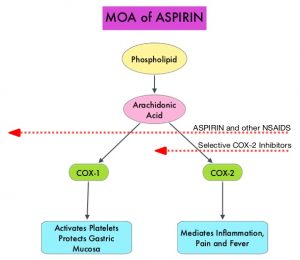
Aspirin (AcetylSalicylic Acid) has been studied as a chemopreventive agent for several decades and the temporal relationship between systemic inflammation and cancer has been a topic of ongoing investigation. The US Preventive Services Task Force (USPSTF) found adequate evidence that Aspirin use reduces the incidence of CRC in adults after 5-10 years of use, and recommends initiating low-dose Aspirin use for the primary prevention of CardioVascular Disease (CVD) and CRC, in adults aged 50-69 years, who have a 10% or greater 10-year CVD risk, are not at increased risk for bleeding, have a life expectancy of at least 10 years, and are willing to take low-dose Aspirin daily for at least 10 years.

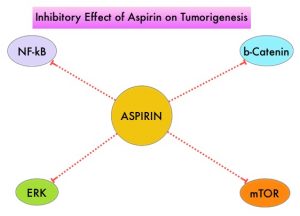
The molecular mechanisms underlying Aspirin’s chemoprevention effects as well as the dose, duration, and timing of Aspirin chemoprevention have remained unclear. More recent data suggests that platelets may play a role in tumorigenesis as well, through the release of angiogenic and growth factors due to overexpression of COX-2. Daily low dose Aspirin inhibits COX-1 and COX-2. It is postulated that Aspirin also works by COX-independent mechanisms such as, the inhibition of NF-kB and Wnt/ β-catenin signaling, which may play a role in its chemopreventive properties.Inhibitory-Effect-of-Aspirin-on-Tumorigenesis

Two recently published studies
have provided new information on the association between regular aspirin use, and CRC incidence.

In the first study by Zhang and colleagues, the authors addressed the use of aspirin for the primary prevention of CRC and explored the dosing, timing and duration of Aspirin intake, to reduce the incidence of CRC. The authors derived data from two large US cohort studies, The Nurses’ Health Study (January 1980-June 2014) and the Health Professionals Follow-up Study (January 1986-January 2014). These two studies provided data on the use of Aspirin by more than 94,500 participants over a period of 35 years, providing a unique opportunity to evaluate the chemopreventive benefit of Aspirin on CRC. Colorectal cancer incidence was approximately 10% lower amongst individuals reporting regular Aspirin use immediate 10 years or more earlier before follow up started, with the lowest average dose studied (23-70 mg/day) appearing as effective as higher doses. However, when the period of Aspirin use was between 5 and 10 years earlier, a smaller reduction in CRC incidence was noted amongst those taking aspirin, but the greatest reduction was noted among those taking the highest dose. This study suggested that the benefit necessitates at least 6-10 years and most clearly after approximately 10 years since initiation of Aspirin. Both remote use and use within the previous 10 years contributed independently to decreased risk, though a lower dose may be required for a benefit with longer term use.

Figueiredo and colleagues studied whether the use of Aspirin prior to or after a diagnosis of CRC, affects subsequent cancer-related mortality. They utilized data from men and women enrolled in the American Cancer Society’s Cancer Prevention Study-II (CPS-II) Nutrition Cohort who were cancer-free at the baseline (year 1992/1993), and diagnosed with CRC during follow up through 2015. They compared CRC-specific mortality amongst long-term regular Aspirin users (defined as 15 or more times per month) and non-users prior to and after diagnosis. Long-term regular use of Aspirin before diagnosis was associated with lower CRC mortality. Regular use of Aspirin following diagnosis was not statistically significantly associated with risk of CRC-specific mortality overall, although participants who began regular Aspirin use, only after their diagnosis, were at lower risk, than participants who did not use Aspirin at both the pre-and post-diagnosis periods. Further, long-term Aspirin use before diagnosis was also associated with lower risk of distant metastases. This study suggested that long-term Aspirin use before a diagnosis of non-metastatic CRC may be associated with lower CRC-specific mortality after diagnosis, implying possible inhibition of micro-metastases before diagnosis.

Taken together, the study by Zhang et al. suggested that even a relatively small dose of Aspirin taken regularly for 2-5 years during the middle years of life might reduce the risk of colorectal cancer 10 years or so later, whereas the study by Figueiredo and colleagues suggested that Aspirin, taken prior to (or started after) a diagnosis of colorectal cancer, reduced subsequent metastatic spread and cancer related mortality. Even though these two new studies support the anti-cancer effect of Aspirin, additional consistent information may be required before widespread role of Aspirin for primary prevention of cancer is embraced.

Timing of aspirin use in colorectal cancer chemoprevention: a prospective cohort study. Zhang Y, Chan AT, Meyerhardt JA, et al. J Natl Cancer Inst 2021; https://doi.org/10.1093/jnci/djab009

Associations of aspirin and non-aspirin non-steroidal anti-inflammatory drugs with colorectal cancer mortality after diagnosis. Figueiredo JC, Jacobs EJ, Newton CC, et al. J Natl Cancer Inst 2021; https://doi.org/10.1093/jnci/djab008

PADCEV® Prolongs Overall Survival in Metastatic Urothelial Carcinoma

SUMMARY: The American Cancer Society estimates that in 2021, approximately 83,730 new cases of Bladder Cancer will be diagnosed and 17,200 patients will die of the disease. Patients with urothelial carcinoma are currently treated in the first line setting with a Platinum based chemotherapy regimen and a checkpoint Inhibitor (PD-1 or PD-L1 inhibitor) in the second line setting. Treatment options for patients who progress after first and second line therapies are limited, with poor outcomes. The response rates with standard chemotherapy in this patient population, is about 10%.

PADCEV® (Enfortumab vedotin-ejfv) is an Antibody-Drug Conjugate (ADC) that targets Nectin-4, a cell adhesion molecule highly expressed in urothelial cancers and other solid tumors. Nectin-4 has been implicated in tumor cell growth and proliferation. Following binding to Nectin-4 on the cell surface, PADCEV® becomes internalized and is processed by lysosomes, with the liberation of its cytotoxic payload, Monomethyl auristatin E, which in turn disrupts microtubule assembly, leading to cell cycle arrest and apoptosis. The FDA in 2019 granted accelerated approval to PADCEV® for adult patients with locally advanced or metastatic urothelial cancer, who have previously received a Programmed Death receptor-1 (PD-1) or Programmed Death-Ligand1 (PD-L1) inhibitor, and a Platinum-containing chemotherapy in the neoadjuvant/adjuvant, locally advanced or metastatic setting. This approval was based on the results from the pivotal Phase II EV-201 study which concluded that treatment with PADCEV® demonstrated a clinically meaningful 44% Objective Response Rate (ORR) in this patient group. EV-301 study was designed to confirm the clinical benefit of PADCEV® as compared with standard chemotherapy, by assessing Overall Survival in patients with advanced urothelial carcinoma, who had previously received treatment.

EV-301 is a global, open-label, randomized, Phase III trial, that evaluated the efficacy of PADCEV®, as compared with chemotherapy, in patients with locally advanced or metastatic urothelial carcinoma, who had previously received treatment with a platinum-based chemotherapy and a PD-1 or PD-L1 inhibitor. A total of 608 patients were randomly assigned 1:1 to receive either PADCEV® 1.25 mg/kg IV on days 1, 8, and 15 of a 28-day cycle (N=301), or investigator choice of chemotherapy (Docetaxel 75 mg/m2 IV, Paclitaxel 175 mg/m2 IV, or Vinflunine 320 mg/m2 IV, administered on day 1 of a 21-day cycle (N=307). Both treatment groups were well balanced. The median patient age was 68 years, about 79% of patients had visceral metastases, and 69% of patients had no response to previous treatment with checkpoint inhibitor. The Primary end point was Overall Survival (OS). Secondary end points included Progression Free Survival (PFS) and Overall Response Rate (ORR) and Safety. At the prespecified interim analysis, the median follow up was 11.1 months.

The median OS was 12.88 months in the PADCEV® group versus 8.97 months in patients treated with chemotherapy (H= 0.70; P=0.001), suggesting a 30% reduction in the risk of death with PADCEV®. The PFS was also longer in the PADCEV® group, and was 5.6 months versus 3.7 months with chemotherapy (HR=0.62; P<0.001). The confirmed ORR was higher in the PADCEV® group than in the chemotherapy group (40.6% versus 17.9%; P<0.001), and a Complete Response was observed in 4.9% of the patients in the PADCEV® group and in 2.7% of the patients in the chemotherapy group. Disease Control Rate was 71.9% and 53.4%, respectively (P<0.001). Treatment-related Adverse Events were similar in the two treatment groups.

The authors concluded that treatment with PADCEV® resulted in significantly longer Overall Survival, Progression Free Survival and a higher Overall Response Rate, than standard chemotherapy, in patients with locally advanced or metastatic urothelial carcinoma, who had previously received Platinum-based treatment and a PD-1 or PD-L1 inhibitor.

Enfortumab Vedotin in Previously Treated Advanced Urothelial Carcinoma. Powles T, Rosenberg JE, Sonpavde GP, et al. N Engl J Med 2021; DOI: 10.1056/NEJMoa2035807