SBRT Superior to Standard Radiotherapy in Stage I Non-Small Cell Lung Cancer

SUMMARY: Lung cancer is the second most common cancer in both men and women and accounts for about 14% of all new cancers and 27% of all cancer deaths. The American Cancer Society estimates that for 2019, about 228,150 new cases of lung cancer will be diagnosed and 142,670 patients will die of the disease. Lung cancer is the leading cause of cancer-related mortality in the United States. Non-Small Cell Lung Cancer (NSCLC) accounts for approximately 85% of all lung cancers. Of the three main subtypes of NSCLC, 30% are Squamous Cell Carcinomas (SCC), 40% are Adenocarcinomas and 10% are Large Cell Carcinomas. Approximately 15% of patients present with early stage (T1-2 N0) disease, and these numbers are likely to increase with the implementation of Lung Cancer screening programs. Patients with early stage disease unless medically unfit, undergo surgical resection with a curative intent. Those who are not surgical candidates are often treated with conventional Radiation Therapy, over a period of 4 to 6 weeks.

Stereotactic Body Radiation Therapy (SBRT) is a non-surgical procedure that allows delivery of significantly higher doses of precisely focused radiation to the tumor, compared to conventional Radiation Therapy, with less collateral damage to the surrounding normal tissue. The technologies used for SBRT include GAMMA KNIFE® which uses highly focused gamma rays, Proton Beam therapy which uses ionized Hydrogen or Protons, Linear Accelerator (LINAC) and CYBER KNIFE® which use Photons, to target the tumor tissue. Because SBRT is fractionated and delivered over 1-5 days, the short-and long-term side effects of radiation therapy are decreased and may allow higher total dosage to be given. Previously published single-arm trials have shown high local control with SBRT, with no significant difference in Overall Survival, compared with conventional Radiotherapy. This Phase III trial was conducted to prospectively assess the effect of SBRT on local control, Overall Survival, toxicity and Quality of Life.SBRT-Treatment
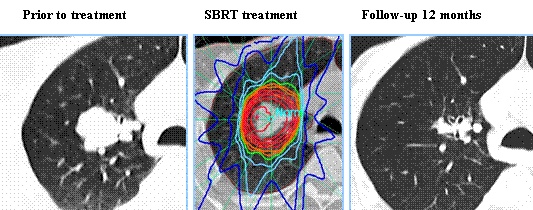
In this multicentre, randomized, Phase III trial, 101 eligible patients with biopsy proven Stage I (T1-T2aN0M0) NSCLC, diagnosed on the basis of FDG PET, who were medically inoperable or had refused surgery, were enrolled. Patients were randomly assigned in a 2:1 ratio to SBRT (54 Gy in three 18 Gy fractions, or 48 Gy in four 12 Gy fractions if the tumor was less than 2 cm from the chest wall)-(N=66) or standard Radiotherapy (66 Gy in 33 daily 2 Gy fractions or 50 Gy in 20 daily 2.5 Gy fractions (N=35), based on institutional preference. The tumor had to be non-central and peripherally located, at least 1 cm in the mediastinum and 2 cm from the bifurcation of the lobar bronchi. Patients were stratified by T stage and operability (medically operable but refused surgery versus inoperable). The Primary endpoint was time to local treatment failure and Secondary endpoints included Overall Survival, treatment related toxicity and Quality of Life. The median follow up for local treatment failure was 2.1 years for standard Radiotherapy group and 2.6 years for those patients assigned to SBRT.

Local treatment failure was noted in 14% of patients in the SBRT group whereas 31% of patients in the standard Radiotherapy group progressed locally. Freedom from local treatment failure was significantly improved the SBRT group compared with a standard radiotherapy group (HR=0.32, P=0.0077). Median time to local treatment failure was not reached in either group. Median Overall Survival was 5 years in the SBRT group and 3 years in the standard Radiotherapy group (HR=0.53; P=0.027). Overall Survival at 2 years was 77% for those receiving SBRT and 59% for those in the standard Radiotherapy group. Treatment related toxicities were low in both groups and there were no significant differences in Quality of Life between the treatment groups.

It was concluded that in patients with inoperable peripherally located Stage 1 NSCLC, compared with standard Radiotherapy, SBRT resulted in superior local control of the primary disease without an increase in major toxicity, and improvement in Overall Survival. The authors added that these findings suggest that SBRT should be the treatment of choice for this patient group. Stereotactic ablative radiotherapy versus standard radiotherapy in stage 1 non-small-cell lung cancer (TROG 09.02 CHISEL): a phase 3, open-label, randomised controlled trial. Ball D, Tao Mai G, Vinod S, et al. Lancet Oncol 2019;20:494-503
Liquid Biopsy DNA Methylation Assay Highly Specific for Cancer Detection and Prognosis

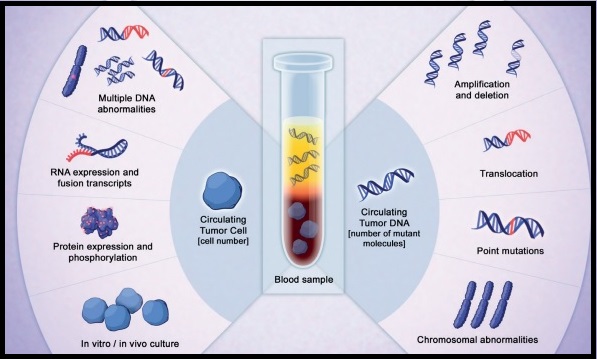
SUMMARY: Screening both healthy and high-risk populations with a peripheral blood sample (liquid biopsy) has the potential to detect cancer at an early stage, with an increased opportunity to offer curative therapies. Screening assays for cancer should be highly specific with a low rate of false-positive results and overdiagnosis. Analysis of cell-free DNA (cfDNA) with a Liquid Biopsy is presently approved to select EGFR targeted therapies (cobas EGFR mutation test), in patients with advanced Non Small Cell Lung Cancer. However, the role of cell-free DNA analysis for early detection of cancer is not well established.

The Cancer Genome Atlas (TCGA), a landmark cancer genomics program, is a joint effort between the National Cancer Institute and the National Human Genome Research Institute. This program began in 2006 and has molecularly characterized over 20,000 primary cancers and matched normal samples, across 33 different cancer types. After 12 years and contributions from over 11,000 patients, TCGA has deepened our understanding of the molecular basis of cancer, changed the way cancer patients are managed in the clinic, established a rich genomics data resource for the research community and helped advance health and science technologies.

The Circulating Cell-Free Genome Atlas (CCGA) is a prospective, multi-center, observational study and is the largest study ever initiated, to develop a noninvasive, liquid biopsy assay for early cancer detection, based on cell-free DNA (cfDNA). This study completed enrollment of approximately 15,000 participants with and without cancer (56% with 20 tumor types and all clinical stages), across 142 sites in the US and Canada. The principal goal is to develop a noninvasive cancer detection assay and the CCGA was designed to characterize the landscape of genomic cancer signals in the blood and to detect and validate GRAIL’s multi-cancer early detection blood test through three pre-planned sub-studies. The authors in 2018 previously reported that it is possible to detect early-stage lung cancer, with a high degree of specificity, from a simple blood test, using targeted sequencing and whole-genome sequencing. In this substudy, liquid biopsy could accurately detect over 40% of early-stage lung cancers (Stage I-IIIA), with 98% specificity. It was determined that whole-genome bisulfite sequencing for DNA methylation was the most effective approach for early cancer detection. Liquid-Biopsy

DNA methylation is a natural epigenetic mechanism used by cells to regulate gene expression with some regions of hypermethylation and some regions of hypomethylation, and is a chemical modification to DNA. In cancer, abnormal methylation patterns and the resulting changes in gene expression can contribute to tumor growth (hypermethylation can cause tumor-suppressor genes to be inactivated). Methylation patterns, are unique to the tumor DNA, enabling tumor detection and localization but are not of value when it comes to precision therapies. This is unlike mutations and copy number changes, which can be detected in white blood cells in individuals without cancer as well, leading to false-positives.

In two separate presentations, the authors in this present sub-study reported the results for patients with more than 20 cancer subtypes across all stages and evaluated the prognostic significance of detecting abnormal patterns of cfDNA methylation by whole-genome bisulfite sequencing (WGBS) assay. The goal of targeted methylation assay was to detect both early and advanced disease cancers, and improve clinical outcomes

Liu, MC, et al. reported outcomes for 2,301 participants (1422 had cancer and 879 did not) with more than 20 cancer types (12 prespecified and high-risk cancers included Lung, HR negative Breast, Colorectal, Anorectal, Esophageal, Gastric, Liver, Pancreatic, Head and Neck, Ovary, Myeloma and Lymphoid neoplasms) across all stages. The 12 prespecified cancers account for two thirds of all cancer deaths in the US. At 99% specificity, the sensitivity for these 12 high-risk cancers ranged from 59-86% at early stages (stages I–III). For all 20 cancer types, the overall detection rate across all stages was 55%. Additionally, a Tissue of Origin result was provided for 94% of all cancers detected and of these, the assay correctly identified the Tissue of Origin in 90% of cases, which the authors commented is critical for guiding efficient downstream workup for a positive signal.

Oxnard GR, et al. performed an exploratory longitudinal analysis and reported the results of the Overall Survival of 1,320 participants with more than 20 cancer types in this substudy, thereby evaluating the prognostic significance of detection by this assay. Across all stages of disease, cancers detected by cfDNA whole-genome bisulfite sequencing for DNA methylation were associated with significantly worse survival than those not detected by the blood test. The 2-year Overall Survival was less than 50% among patients whose cancers were detected by the assay compared with 2-year OS of over 90% for those whose cancers were not detected by this assay. The poor prognostic ability of this assay was seen in both cancers that presented with symptoms and those found via screening suggesting that DNA–based detection with this methylation assay may be an indicator of prognosis. In multivariate analysis, cancers detected by this assay had double the risk of death (HR=2.6; P< 0.001) when accounting for clinical stage, cancer type, histologic grade, age, sex, and method of diagnosis and also had comparable prognostic significance to clinical stage (P <0.001).

It was concluded from these two presentations that cfDNA test based on the presence of DNA methylation is highly specific at detecting high-risk malignancies, with very high accuracy for identifying the tissue of origin, and may also have prognostic value.

Genome-wide Cell-free DNA (cfDNA) Methylation Signatures and Effect on Tissue of Origin (TOO) Performance. Liu MC, Jamshidi A, Venn O, et al. 2019 ASCO Annual Meeting. Abstract 3049. Presented June 1, 2019.

Prognostic significance of blood-based cancer detection in plasma cell-free DNA (cfDNA): Evaluating risk of overdiagnosis. Oxnard GR, Chen X, Fung ET, et al. 2019 ASCO Annual Meeting. Abstract 1545. Presented June 3, 2019.

IMBRUVICA® and RITUXAN® Combination Superior to FCR in Patients with CLL

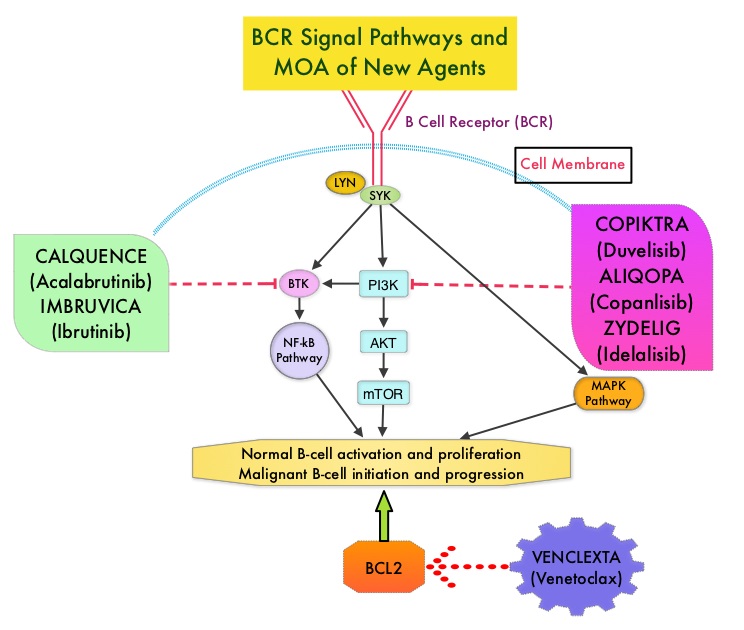
SUMMARY: The American Cancer Society estimates that for 2019, about 20,720 new cases of Chronic Lymphocytic Leukemia (CLL) will be diagnosed in the US and 3,930 patients will die of the disease. CLL accounts for about 25% of the new cases of leukemia and the average age at the time of diagnosis is around 71 years. B-cell CLL is the most common type of leukemia in adults, accounting for about 11% of all hematologic malignancies. Chemoimmunotherapy with Fludarabine, Cyclophosphamide, and Rituximab (FCR) has long been the gold standard and the most commonly used treatment regimen for younger, fit, treatment naïve patients with CLL.This is based on phase III trial data showing improvement in both Progression Free Survival (PFS) and Overall Survival (OS) compared with chemotherapy alone. FCR regimen however is associated with significant toxicities and cannot be tolerated by all CLL patients. IMBRUVICA® (Ibrutinib) is an oral, irreversible inhibitor of BTK and inhibits cell proliferation and promotes programmed cell death (Apoptosis) by blocking B-cell activation and signaling. IMBRUVICA® in phase III trials showed improved PFS and OS when compared to Chlorambucil in previously untreated, elderly patients with CLL. Nonetheless, the efficacy of IMBRUVICA® as a first-line treatment for younger CLL patients (70 years or younger), compared to the most efficacious regimen such as FCR, is unknown.BCR-Signal-Pathways-and-MOA-of-New-Agents

E1912, led by the ECOG-ACRIN Research Group (ECOG-ACRIN), is a randomized phase III study in which IMBRUVICA® plus RITUXAN® (Rituximab) was compared to Fludarabine, Cyclophosphamide, and RITUXAN® (FCR) chemotherapy regimen, in previously untreated patients aged 70 years or younger with Chronic Lymphocytic Leukemia (CLL) or Small Lymphocytic Lymphoma (SLL). In this trial, 529 patients were randomly assigned in a 2:1 ratio to receive IMBRUVICA® 420 mg orally daily until disease progression along with RITUXAN® 50 mg/m2 on day 1 of cycle 2, 325 mg/m2 on day 2 of cycle 2, 500 mg/m2 on day 1 of cycles 3-7 (N=354) or six courses of Fludarabine 25 mg/m2 IV along with Cyclophosphamide 250 mg/m2 IV days 1-3 and RITUXAN® 50 mg/m2 IV on day 1 of cycle 1, 325 mg/m2 on day 2 of cycle 1, 500 mg/m2 on day 1 of cycles 2-6, given every 28 days (N=175). The median age was 58 years and 40% of the patients were 60 years of age or older. The Primary endpoint was Progression Free Survival (PFS) and the Secondary endpoint was Overall Survival (OS).

With a median follow up of 33.6 months, at the first interim analysis, IMBRUVICA® plus RITUXAN® significantly improved PFS and was 89.4%, compared to 72.9% with FCR, at 3 years (HR=0.35; P<0.0001). This meant a 65% reduction in the risk of progression or death with IMBRUVICA® plus RITUXAN® compared with FCR. The combination of IMBRUVICA® plus RITUXAN® also demonstrated improved OS and was 98.8% at 3 years versus 91.5% with FCR (HR=0.17; P=0.0003). This suggested that IMBRUVICA® plus RITUXAN® combination reduced the risk of death by 83% compared with FCR. In a subgroup analysis, the PFS benefit with IMBRUVICA® plus RITUXAN® was seen independent of age, sex, Performance Status (0-2), disease stage, as well as presence or absence of cytogenetic abnormality, deletion 11q23. At the time of this analysis, IMBRUVICA® plus RITUXAN® was also superior to FCR among IGHV unmutated patients (90.7% versus 62.5% at 3 years,HR=0.26; P<0.0001),suggesting a 74% reduction in the risk of progression or death with IMBRUVICA® plus RITUXAN®, compared to FCR. A statistically significant benefit however was not observed among those with IGHV mutations, although there was a positive trend noted (HR=0.44; P=0.07). Treatment-related Grade 3 or higher toxicities were similar in both treatment groups. FCR however was more frequently associated with Grade 3 or higher infectious complications than IMBRUVICA® plus RITUXAN® combination (20.3% versus 10.5%; P<0.001).

It was concluded that a combination of IMBRUVICA® and RITUXAN® was superior and significantly improved PFS and OS, when compared to FCR among patients 70 years of age or under, with previously untreated CLL. These findings may have immediate practice changing implications and establish IMBRUVICA®-based therapy as the most effective first-line therapy for untreated patients with CLL. Ibrutinib–Rituximab or Chemoimmunotherapy for Chronic Lymphocytic Leukemia. Shanafelt TD, Wang XV, Kay NE, et al. N Engl J Med 2019; 381:432-443

KISQALI® Improves Overall Survival in Advanced Breast Cancer

SUMMARY: Breast cancer is the most common cancer among women in the US and about 1 in 8 women (12%) will develop invasive breast cancer during their lifetime. About 268,600 new cases of female breast cancer will be diagnosed in 2019 and about 41,760 women will die of the disease. Breast cancer is the second leading cause of cancer death in the US. Approximately 70% of breast tumors express Estrogen Receptors and/or Progesterone Receptors and these patients are often treated with anti-estrogen therapy as first line treatment. The incidence of breast cancer among women under the age of 50 has been increasing by 0.2% per year. Premenopausal breast cancer may be biologically different than post menopausal breast cancer and diagnosis of breast cancer at a young age has been associated with adverse outcomes and less sensitivity to endocrine therapy. Further, premenopausal women are often excluded from hormone therapy trials. The incidence of metastatic disease at the time of diagnosis among patients with Hormone Receptor (HR)- positive breast cancer, has been increasing by about 2% per year.

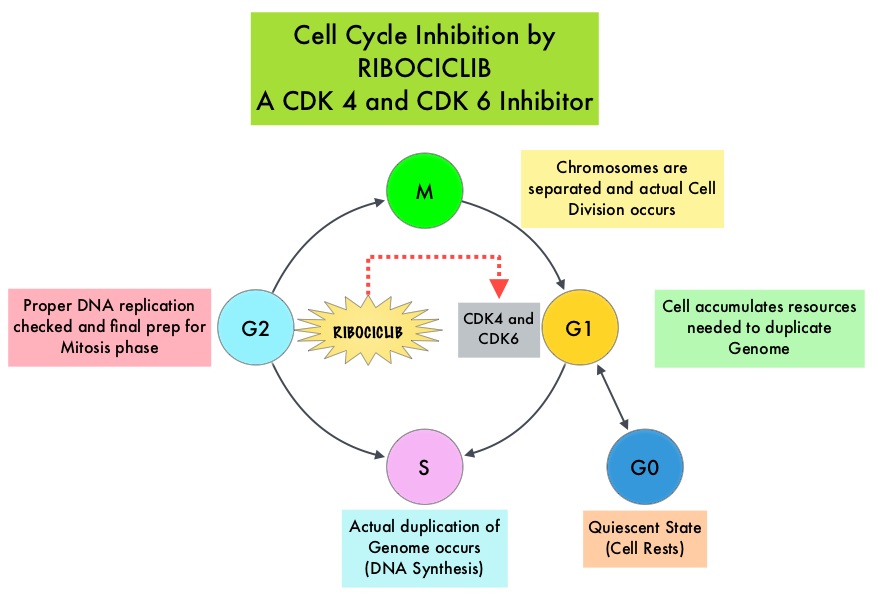
Cyclin Dependent Kinases (CDK) play a very important role to facilitate orderly and controlled progression of the cell cycle. Genetic alterations in these kinases and their regulatory proteins have been implicated in various malignancies. Cyclin Dependent Kinases 4 and 6 (CDK4 and CDK6) phosphorylate RetinoBlastoma protein (RB), and initiate transition from the G1 phase to the S phase of the cell cycle. RetinoBlastoma protein has antiproliferative and tumor-suppressor activity and phosphorylation of RB protein nullifies its beneficial activities. CDK4 and CDK6 are activated in HR-positive breast cancer, promoting breast cancer cell proliferation. Further, there is evidence to suggest that endocrine resistant breast cancer cell lines depend on CDK4 for cell proliferation. The understanding of the role of Cyclin Dependent Kinases in the cell cycle, has paved the way for the development of CDK inhibitors.Cell-Cycle-Inhibition-by-RIBOCICLIB-A-CDK4-and-CDK6-Inhibitor

There are presently three CDK4/6 inhibitors approved by the FDA and they include KISQALI® (Ribociclib), IBRANCE® (Palbociclib) and VERZENIO® (Abemaciclib). All three agents have demonstrated similar, significantly prolonged Progression Free Survival (PFS) when administered in combination with endocrine therapy, as first-line treatment, in women with HR-positive metastatic breast cancer (MONALEESA-2 with KISQALI®, PALOMA-2 with IBRANCE® and MONARCH-3 with VERZENIO®). These trials for the first-line treatment of advanced breast cancer however excluded premenopausal women. The toxicities were slightly different with neutropenia more commonly encountered in the IBRANCE® and KISQALI® studies and diarrhea more often noted with VERZENIO®. KISQALI® (Ribociclib) is an orally bioavailable, selective, small-molecule inhibitor of CDK4/6 that blocks the phosphorylation of RetinoBlastoma protein, thereby preventing cell-cycle progression and inducing G1 phase arrest. It is four times more selective for CDK4 than for CDK6.

The MONALEESA-7 trial is an international, randomized, double-blind, placebo-controlled, Phase III trial in which KISQALI® in combination with endocrine therapy was compared with placebo in combination with endocrine therapy, in premenopausal or perimenopausal women with HR-positive, HER2- negative advanced breast cancer. Patients (N=672) were randomly assigned in a 1:1 ratio, to receive KISQALI® at 600 mg orally once daily for 21 days of each 28 day cycle (N=335), or matching placebo (N=337). Both groups received ZOLADEX® (Goserelin) 3.6 mg administered subcutaneously on day 1 of each 28 day cycle. Patients also received either a nonsteroidal Aromatase Inhibitor (Letrozole 2.5 mg or Anastrozole 1 mg) or Tamoxifen 20 mg, orally once daily continuously. The choice of endocrine therapy was made on the basis of the patient’s previous adjuvant or neoadjuvant therapy or investigator or patient preference. Crossover was not permitted between the two treatment groups. Patients were stratified according to the presence or absence of liver or lung metastases, previous chemotherapy for advanced disease and endocrine therapy. The Primary end point was Progression Free Survival (PFS) and Secondary endpoint included Overall Survival (OS). The superior PFS data with KISQALI® compared to endocrine therapy alone, was previously reported. The authors herein report the results on Overall Survival.

After a median follow up of 34.6 months, the addition of KISQALI® to endocrine therapy resulted in significantly longer Overall Survival, compared to endocrine therapy alone. The estimated OS at 42 months was 70.2% in the KISQALI® group and 46.0% in the placebo group (HR for death=0.71; P=0.00973), suggesting a 29% reduction in the risk of death. No new safety signals were observed and in the KISQALI® group, more instances of QT-interval prolongation were observed in patients who received Tamoxifen than in those who received an Aromatase Inhibitor, but without symptomatic arrhythmias or Torsades de pointes.

It was concluded that KISQALI® along with endocrine therapy significantly prolonged Overall Survival, compared to endocrine therapy alone, among pre and perimenopausal patients with advanced HR-positive, HER2-negative breast cancer and these findings represent a major treatment advance in this patient group. Overall Survival with Ribociclib plus Endocrine Therapy in Breast Cancer. Im S-A, Lu Y-S, Bardia A, et al. N Engl J Med 2019; 381:307-316.

FDA Approves INREBIC® for Myelofibrosis

SUMMARY: The FDA on August 16, 2019, approved INREBIC® (Fedratinib) for adults with Intermediate-2 or High-risk Primary or Secondary (post-Polycythemia Vera or post-Essential Thrombocythemia) Myelofibrosis (MF).

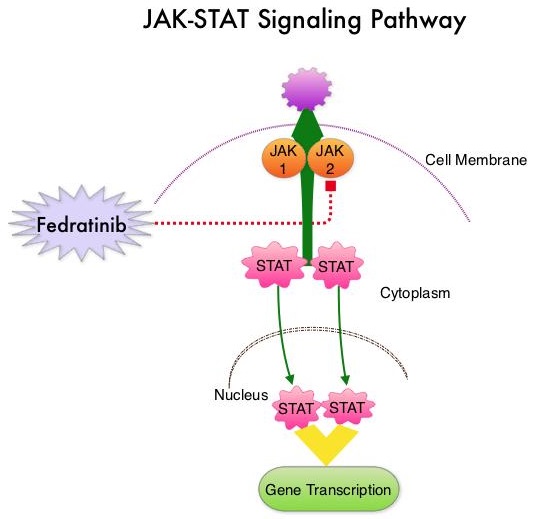
Myelofibrosis is a MyeloProliferative Neoplasm (MPN) characterized by ineffective hematopoiesis, progressive fibrosis of the bone marrow and potential for leukemic transformation. This stem cell disorder is Philadelphia Chromosome negative and manifestations include anemia, splenomegaly and related symptoms such as abdominal distension and discomfort with early satiety. Cytokine driven debilitating symptoms such as fatigue, fever, night sweats, weight loss, pruritus and bone or muscle pain can further impact an individual’s quality of life. Myelofibrosis can be Primary (PMF) or Secondary to Polycythemia Vera (PV) or Essential Thrombocythemia (ET).JAK-STAT-Signaling-Pathway The JAK-STAT signaling pathway has been implicated in the pathogenesis of Myelofibrosis. This pathway normally is responsible for passing information from outside the cell through the cell membrane to the DNA in the nucleus, for gene transcription. Janus Kinase (JAK) family of tyrosine kinases are cytoplasmic proteins and include JAK1, JAK2, JAK3 and TYK2. JAK1 helps propagate the signaling of inflammatory cytokines whereas JAK2 is essential for growth and differentiation of hematopoietic stem cells. These tyrosine kinases mediate cell signaling by recruiting STAT’s (Signal Transducer and Activator of Transcription), with resulting modulation of gene expression. In patients with MPN, the aberrant myeloproliferation is the result of dysregulated JAK2-STAT signaling as well as excess production of inflammatory cytokines associated with this abnormal signaling. These cytokines contribute to the symptoms often reported by patients with MF. JAK2 mutations such as JAK2 V617F are seen in approximately 60% of the patients with PMF and ET and 95% of patients with PV. Unlike CML where the BCR-ABL fusion gene triggers the disease, JAK2 mutations are not initiators of the disease and are not specific for MPN. Further, several other genetic events may contribute to the abnormal JAK2-STAT signaling. Currently, JAKAFI® (Ruxolitinib) is the only drug that has been approved by the FDA for Myelofibrosis.

INREBIC® is a highly selective JAK2 inhibitor and is active against a broader family of kinases and kinase mutants. This is unlike JAKAFI® which is a JAK1/2 inhibitor. The approval of INREBIC®was based on findings from the Phase III JAKARTA-2 study, which evaluated INREBIC® in patients with Primary or Secondary Myelofibrosis. In this double-blind, randomized, placebo-controlled trial, 289 patients with Intermediate-2 or High-risk MF, post-Polycythemia Vera MF, or post-Essential Thrombocythemia MF with splenomegaly, were randomized to receive either INREBIC® 500 mg (N=97), 400 mg (N=96) or placebo (N=96), once daily for at least 6 consecutive 4-week cycles. The Primary endpoint was the proportion of patients achieving 35% or more reduction in spleen volume from baseline at the end of cycle 6 measured by MRI or CT, with a follow up scan 4 weeks later. Secondary end point was symptom response (50% or more reduction in total symptom score, assessed using the modified Myelofibrosis Symptom Assessment Form).

The Primary end point was achieved by 37% of the patients receiving INREBIC® at the 400 mg dose compared with 1% of patients who were in the placebo group (P <0.0001). The median duration of spleen response was 18.2 months for the INREBIC® 400 mg group. Further, 40% of patients who received INREBIC® at the 400 mg dose, experienced a 50% or more reduction in Myelofibrosis-related symptoms, whereas only 9% of patients receiving placebo experienced a decrease in these symptoms (P<0.0001). The most common adverse reactions seen in 20% or more patients who received INREBIC® were diarrhea, nausea, anemia, and vomiting.

In conclusion, INREBIC® therapy significantly reduced splenomegaly and symptom burden in patients with Myelofibrosis. This FDA approval represents an important milestone for patients with Myelofibrosis and clinicians now have a new treatment option for these patients, including those previously treated with JAKAFI®. https://www.fda.gov/drugs/resources-information-approved-drugs/fda-approves-fedratinib-myelofibrosis

US Preventive Services Task Force Recommendations on BRCA Mutation Testing

SUMMARY: Breast cancer is the most common cancer among women in the US and about 1 in 8 women (12%) will develop invasive breast cancer during their lifetime. About 268,600 new cases of female breast cancer will be diagnosed in 2019 and about 41,760 women will die of the disease. Breast cancer is the second leading cause of cancer death in the US. DNA can be damaged due to errors during its replication or as a result of environmental exposure to ultraviolet radiation from the sun or other toxins. The tumor suppressor genes such as BRCA1 (Breast Cancer 1) and BRCA2 help repair damaged DNA and thus play an important role in maintaining cellular genetic integrity, failing which these genetic aberrations can result in malignancies. The BRCA1 gene is located on the long (q) arm of chromosome 17 whereas BRCA2 is located on the long arm of chromosome 13. These mutations can be inherited from either of the parents in an autosomal dominant pattern and a child has a 50 percent chance of inheriting this mutation and the deleterious effects of the mutations are seen even when an individual’s second copy of the gene is normal.

It is estimated that BRCA1/2 gene mutations occur in approximately 1 in 400 women in the general population and account for 5-10% of breast cancer cases and 15% of ovarian cancer cases. The estimated prevalence of potentially harmful BRCA1/2 mutations is 6% in women with cancer onset before age 40 years, and 2.1% among Ashkenazi Jewish women. Among individuals with a family history of breast or ovarian cancer, BRCA1 mutation prevalence is approximately 13%, BRCA2 mutation prevalence is about 8%, and prevalence of either mutation is about 20%. Mutations in the BRCA1/2 genes increase breast cancer risk by 45-65% by age 70 years. The risk of ovarian, fallopian tube, or peritoneal cancer, increases to 39% for BRCA1 mutations, and 10-17% for BRCA2 mutations.

The US Preventive Services Task Force (USPSTF) in this publication updated the 2013 recommendations on risk assessment, genetic counseling, and genetic testing for BRCA-related cancer. These recommendations are based on the evidence of both the benefits and harms of the service and this assessment does not consider the costs of providing a service.

The USPSTF reviewed the evidence on risk assessment, genetic counseling, and genetic testing for potentially harmful BRCA1/2 mutations in asymptomatic women who have never been diagnosed with BRCA-related cancer, as well as those with a previous diagnosis of breast, ovarian, tubal, or peritoneal cancer who have completed treatment and are considered cancer free. In addition, the USPSTF reviewed interventions to reduce the risk for breast, ovarian, tubal, or peritoneal cancer in women with potentially harmful BRCA1/2 mutations, including intensive cancer screening, medications, and risk-reducing surgery.

Recommendations

1) The USPSTF recommended that primary care clinicians assess women with a personal or family history of breast, ovarian, tubal, or peritoneal cancer or who have an ancestry associated with BRCA1/2 gene mutations, with an appropriate brief familial risk assessment tool. Women with a positive result on the risk assessment tool should receive genetic counseling and, if indicated after counseling, genetic testing.

2) The USPSTF recommends against routine risk assessment, genetic counseling, or genetic testing for women whose personal or family history or ancestry is not associated with potentially harmful BRCA1/2 gene mutations.

Risk Assessment

Clinicians should obtain medical and family history specifically inquiring patients about specific types of cancer, primary cancer sites, which family members were affected, whether relatives had multiple types of primary cancer, the age at diagnosis, age at death, and sex of affected family members, both immediate (parents and siblings) as well as more distant (aunts, uncles, grandparents, and cousins). Women who have a family or personal history of breast, ovarian, tubal, or peritoneal cancer should be evaluated by clinicians, to determine the need for in-depth genetic counseling, using appropriate familial risk assessment tools, recognized by the USPSTF. Familial risk assessment factors include breast cancer diagnosis before age 50 years, bilateral breast cancer, presence of both breast and ovarian cancer in one individual, male family members with breast cancer, multiple cases of breast cancer in the family, one or more family members with 2 primary types of BRCA-related cancer (such as ovarian cancer), and Ashkenazi Jewish ancestry. Breast cancer risk assessment models such as the National Cancer Institute Breast Cancer Risk Assessment Tool, which is based on the Gail model are not designed to identify BRCA-related cancer risk and should not be used for this purpose.

Genetic Counseling

Genetic counseling includes detailed kindred analysis and risk assessment for potentially harmful BRCA1/2mutations, identification of individuals for testing, discussion of the benefits and harms of genetic testing, interpretation of results after testing, and discussion of management options. Genetic counseling should be performed by trained health professionals, including suitably trained primary care clinicians.

Genetic Testing

Testing for BRCA1/2 mutations should be performed only when an individual with history suggesting inherited cancer susceptibility, is willing to talk with a qualified health professional, trained to provide genetic counseling and interpret test results, and when test results will aid in decision-making. BRCA mutation testing should begin with a relative with known BRCA-related cancer, including male relatives, to determine if a clinically significant mutation is detected in the family, before testing individuals without cancer. If an affected family member with a BRCA-related cancer is not available, then the relative with the highest probability of mutation should be tested. Reporting BRCA1/2 mutations identified by genetic tests should include a 5-tier terminology system, using the terms “pathogenic,” “likely pathogenic,” “uncertain significance,” “likely benign,” and “benign.

Treatment and Interventions for women with harmful BRCA1/2 mutations

The USPSTF recommends that clinicians offer intensive screening and risk-reducing medications such as Tamoxifen, Raloxifene, or Aromatase Inhibitors to women at increased risk for breast cancer and at low risk for adverse medication effects. General care for these individuals may include risk-reducing mastectomy and salpingo-oophorectomy.

US Preventive Services Task Force. Risk Assessment, Genetic Counseling, and Genetic Testing for BRCA-Related Cancer: US Preventive Services Task Force Recommendation Statement. JAMA. 2019;322:652-665.

Dramatic Increase in ColoRectal Cancer Incidence among Young Adults

Even though the incidence of Colorectal cancer (CRC) in the United States has been rapidly declining overall, primarily driven by screening, the incidence however has been increasing among adults younger than 50 years of age, according to data in the National Cancer Institute’s Surveillance, Epidemiology, and End Results (SEER) program. Based on these findings, the American Cancer Society in 2018 updated its guidelines to include a “qualified recommendation” to begin CRC screening at the age of 45 yrs. 

In a recently published retrospective study, the proportion of the total number of patients diagnosed with CRC under the age of 50 yrs rose from 10% in 2004 to 12.2% in 2015 (P<0.0001). Younger adults presented with more advanced stage of disease (Stage III/IV) than those 50 yrs or older (51.6% versus 40.0% respectively). When racial and ethnic groups were stratified by sex, among men with a diagnosis of CRC before age 50, non‐Hispanic whites showed a proportional increase in diagnosis (P<0.0001), whereas among women, both Hispanic whites (P<0.05) and non‐Hispanic whites (P<0.001) had increases in the proportion of CRC diagnosed before age 50. The rates of CRC diagnosis in young adults increased over time, regardless of income level (P<0.001).The highest proportion of young adult CRC diagnoses occurred in the highest income group. The proportion of CRC cases diagnosed in younger individuals rose in urban areas (P<0.001), but not in rural areas. Health Care Providers should be mindful of these data, when screening guidelines are discussed with patients. 

FDA Approves ROZLYTREK® for NTRK Positive tumors and ROS1 Positive Non Small Cell Lung Cancer

SUMMARY: The FDA on August 15, 2019, granted accelerated approval to ROZLYTREK® (Entrectinib) for adults and pediatric patients 12 years of age and older with solid tumors that have a Neurotrophic Tyrosine Receptor Kinase (NTRK) gene fusion without a known acquired resistance mutation, are metastatic, or where surgical resection is likely to result in severe morbidity, and have progressed following treatment or have no satisfactory standard therapy. The FDA on the same day approved ROZLYTREK® for adults with metastatic Non Small Cell Lung Cancer (NSCLC), whose tumors are ROS1-positive.

Next-Generation Sequencing (NGS) has enabled the detection of Neurotrophic Tropomyosin Receptor Kinase (NTRK) gene fusions, which was first discovered in Colon cancer in 1982. The three TRK family of Tropomyosin Receptor Kinase (TRK) transmembrane proteins TRK A, TRK B, and TRK C are encoded by Neurotrophic Tropomyosin Receptor Kinase genes NTRK1, NTRK2, and NTRK3, respectively. These Receptor Tyrosine Kinases are expressed in human neuronal tissue and are involved in a variety of signaling events such as cell differentiation, cell survival and apoptosis of peripheral and central neurons. They therefore play an essential role in the physiology of development and function of the nervous system. There are over 50 different partner genes that fuse with NTRK genes. Chromosomal fusion involving NTRK genes arise early in cancer development and remain so as tumors grow and metastasize. Gene fusions involving NTRK genes lead to transcription of chimeric TRK proteins which can confer oncogenic potential by increasing cell proliferation and survival. Early clinical evidence suggests that these gene fusions lead to oncogene addiction regardless of tissue of origin. (Oncogene addiction is the dependency of some cancers on one or a few genes for the maintenance of the malignant phenotype). It is estimated that gene fusions involving NTRK genes occurs in about 0.5% to 1% of many common malignancies and have been identified in a broad range of solid tumor types including Non-Small Cell Lung Cancer (NSCLC), Cholangiocarcinoma, Colorectal, Gynecological, Neuroendocrine, Pancreatic tumors and in more than 90% of certain rare tumor types, such as Salivary gland tumors, a type of juvenile Breast cancer, and infantile Fibrosarcoma.

Approximately 1-2% of lung adenocarcinomas harbor ROS1 gene rearrangements. ROS1 gene is located on chromosome 6q22 (long arm of chromosome 6) and plays an important role in cell growth and development. ROS1 gene fusion with another gene results in a mutated DNA sequence which then produces an abnormal protein responsible for unregulated cell growth and cancer. ROS1 gene rearrangement has been identified as a driver mutation in Non Small Cell Lung Cancer with adenocarcinoma histology. This is more common in nonsmokers or in light smokers (<10 pack years), who are relatively young (average age of 50 years) and thus share similar characteristics with ALK-positive patients. ROS1 mutations have been also been associated with Cholangiocarcinoma (Bile duct cancer) and Glioblastoma multiforme. ROS1 rearrangements are mutually exclusive with other oncogenic mutations found in NSCLC such as EGFR mutations, KRAS mutations and ALK rearrangement. The presence of a ROS1 rearrangement can be detected by Fluorescence In Situ Hybridization (FISH), ImmunoHistoChemistry (IHC), Reverse Transcriptase-Polymerase Chain Reaction (RT-PCR) and Next Generation-Sequencing.

ROZLYTREK® is a pan-TRK, ROS1 and ALK Tyrosine Kinase Inhibitor (TKI), designed to inhibit the kinase activity of the TRK A/B/C and ROS1 proteins, whose activating fusions drive proliferation in certain types of malignancies. ROZLYTREK® has potent anti-neoplastic activity in various neoplastic conditions, particularly NSCLC, by blocking ROS1 and NTRK kinase activity and may result in the death of cancer cells with ROS1 or NTRK gene fusions.

The FDA approvals were based on results from the integrated analysis of the pivotal Phase II STARTRK-2, Phase I STARTRK-1 and Phase I ALKA-372-001 trials, and data from the Phase I/II STARTRK-NG study in pediatric patients. ROZLYTREK®, was studied in several solid tumor types, including NSCLC, Breast cancer, Mammary analogue secretory carcinoma, Cholangiocarcinoma, Colorectal, Gynecological, Neuroendocrine, Salivary gland, Pancreatic, Thyroid cancers and Sarcoma. Patients were enrolled across 15 countries and more than 150 sites, and safety was assessed from an integrated analysis of 355 patients across these four trials. The Primary endpoints included Overall Response Rate (ORR), Duration of Response (DoR) and Secondary endpoints include Progression Free Survival (PFS), Overall Survival (OS) in patients with and without baseline CNS disease, and Safety.

The efficacy of ROZLYTREK® in NTRK gene fusion-positive, locally advanced or metastatic solid tumors was evaluated in 54 adult patients, who received ROZLYTREK® at various doses and schedules in one of three multicenter, single-arm, clinical trials. About 94% of patients received ROZLYTREK® 600 mg orally once daily. The median age was 58 years, about 60% of the patients were women and more than 40% of the patients had received 2 or more prior lines of therapy. Positive NTRK gene fusion status was determined in local laboratories or a central laboratory using nucleic acid-based tests prior to enrollment. The Overall Response Rate as determined by independent review was 57%, and the Duration of Response (DoR) was 6 months or longer for 68% of patients and 12 months or longer for 45% of patients. Objective responses to ROZLYTREK® were seen in people, with CNS metastases at baseline.

The efficacy of ROZLYTREK® in ROS1-positive metastatic NSCLC was evaluated in 51 adult patients who received ROZLYTREK® at various doses and schedules in the same three trials and 90% of patients received ROZLYTREK® 600 mg orally once daily. The Overall Response Rate was 78% and the Duration of Response (DoR) was 12 months or longer for 55% of patients. The most common adverse reactions (20% or more) with ROZLYTREK® were fatigue, constipation, dysgeusia, edema, dizziness, diarrhea, nausea, dysesthesia, dyspnea, myalgia, arthralgia and vision disorders.

It was concluded that based on this multicenter, pooled analysis of global clinical trials, ROZLYTREK® was well tolerated and induced clinically meaningful, durable systemic responses in patients with NTRK-fusion positive solid tumors, with or without CNS disease. This is the third tissue agnostic cancer therapy (cancer treatment based on a common biomarker across different tumor types rather than the location in the body where the tumor originated) approved by the FDA. The previous tissue agnostic cancer therapies approved by the FDA were KEYTRUDA® (Pembrolizumab) for tumors with MicroSatellite Instability-High (MSI-H) or MisMatch Repair deficient (dMMR) tumors in 2017 and VITRAKVI® (Larotrectinib) for NTRK gene fusion tumors in 2018. Efficacy and safety of entrectinib in patients with NTRK fusion-positive tumors: pooled analysis of STARTRK-2, STARTRK-1 and ALKA-372-001. Demetri GD, Paz-Ares L, Farago AF, et al. Presented at: 2018 ESMO Congress; October 19-23, 2018; Munich, Germany. Abstract LBA17.

Periprocedural Bridging Increases Bleeding Risk without Reduction in VTE Rates for Patients on Long Term Anticoagulants

SUMMARY: The Center for Disease Control and Prevention (CDC) estimates that approximately 1-2 per 1000 individuals develop Deep Vein Thrombosis (DVT)/Pulmonary Embolism (PE) each year in the United States, resulting in 60,000-100,000 deaths. Venous ThromboEmbolism (VTE) is the third leading cause of cardiovascular mortality, after myocardial infarction and stroke. It is estimated that in the US, more than 6 million patients are on chronic anticoagulation and approximately 250,000 patients need to temporarily interrupt their anticoagulant therapy annually, prior to an invasive procedure, to decrease the risk of excess periprocedural bleeding.

Despite a significant and rapid increase in the use of Direct Oral AntiCoagulants (DOACs) in the recent decade, Vitamin K Antagonists (VKAs) such as COUMADIN® (Warfarin) remain the most frequently prescribed anticoagulants in the US and worldwide. VKAs must be interrupted several days prior to a planned procedure to allow for regeneration of vitamin K-dependent coagulation factors (Factors II, X, VII and IX as well as protein C and S) and subsequent normalization of coagulation. Bridging with short-acting parenteral anticoagulants during the periprocedural period is often recommended for individuals at high thromboembolic risk. Previously published studies have shown a significantly higher incidence of major bleeding with bridging, with no difference in thromboembolic outcomes and further, current guidelines fail to identify patients with high-enough thromboembolic risk to justify periprocedural bridging. There is presently no randomized study that shows a clear benefit of periprocedural bridging for patients on long-term anticoagulants, whereas there are abundant data suggesting an increased bleeding risk with bridging.

In this publication, the authors performed a systematic review comparing recurrent VTE and bleeding outcomes, with and without periprocedural bridging, in order to better define risks and benefits of bridging in patients with previous VTE, requiring VKA interruption to undergo an elective invasive procedure. This systematic review involved searching the PubMed and Embase databases from inception to December 7, 2017 for randomized and nonrandomized studies and included adults with previous VTE requiring VKA interruption to undergo an elective procedure, and those that reported VTE or bleeding outcome. This analysis included 28 cohort studies, with 6915 procedures.

It was noted that the pooled incidence of recurrent VTE with bridging was 0.7% and 0.5% without bridging. The pooled incidence of any bleeding was 3.9% with bridging and 0.4% without bridging. In bridged patients at high thromboembolic risk, the pooled incidence for VTE was 0.8% for any bleeding.

The authors noted that this is the first study to systematically assess the risks and benefits of periprocedural bridging in the specific population of patients with previous VTE and they concluded that patients at low and moderate thromboembolic risk do not benefit from periprocedural bridging, and on the contrary, periprocedural bridging increases the risk of bleeding, compared with VKA interruption without bridging, without a significant difference in periprocedural VTE rates. Periprocedural Bridging in Patients with Venous Thromboembolism: A Systematic Review. Baumgartner C, Kouchkovsky I, Whitaker E, et al. The American Journal of Medicine 2019;132:722-732

Telomerase Inhibitor Imetelstat Provides Durable Transfusion Independence in Myelodysplastic Syndrome

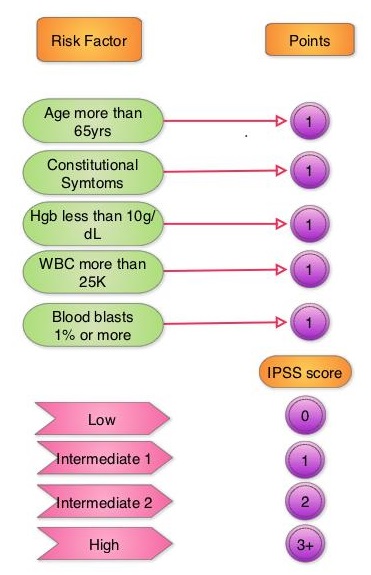
SUMMARY: It is estimated that in the United States approximately 13,000 people are diagnosed with MyeloDysplastic Syndromes (MDS) each year. MyeloDysplastic Syndromes are a heterogenous group of stem cell disorders characterized by marrow failure resulting in cytopenias with associated cytogenetic abnormalities, and abnormal cellular maturation with morphologic changes in clonal cells. Majority of the individuals diagnosed with MDS are aged 65 years and older and die as a result of infection and/or bleeding, consequent to bone marrow failure. About a third of patients with MDS develop Acute Myeloid Leukemia (AML). Patients with low-risk MDS have an indolent disease course with a median survival of about 6 years with no therapeutic intervention. Patients with intermediate and higher-risk disease however have a shorter median survival even with treatment, with approximately a third of the patients progressing to AML within 3 years. The International Prognostic Scoring System (IPSS) for MDS has 4 risk groups based on Total Risk Score (Low, Intermediate-1, Intermediate-2 and High). The three prognostic factors scored to predict the course of the patient's disease include, percentage of blast cells in the bone marrow, type of chromosomal changes in the marrow cells and number of cytopenias (anemia, neutropenia or thrombocytopenia).

Management of patients with MDS includes supportive care with Erythropoiesis Stimulating Agents (ESAs), hypomethylating agents such as VIDAZA® (Azacitidine) and DACOGEN® (Decitabine), Immunomodulatory agents such as REVLIMID® (Lenalidomide), and Immunosuppressive agents such as AntiThymocyte Globulin (ATG) and Cyclosporine. Symptomatic patients with MDS are often treated with either VIDAZA® or DACOGEN® as these agents have been shown to improve survival in higher-risk MDS patients. It has remained unclear however, if one is better than the other.

Erythropoiesis Stimulating Agents (ESAs) are first-line therapy for anemia associated with lower-risk non-del(5q) MDS. ESAs such as Darbepoetin alfa and Epoetin alfa are re-engineered and recombinant DNA technology products of Erythropoietin (EPO), and they stimulate erythropoiesis by binding and activating the EPO receptor. There are however limited treatment options for RBC Transfusion Dependent (TD), Low Risk (IPSS Low/Int-1) MDS patients, who are Relapsed/Refractory to ESAs. There is therefore an unmet clinical need for safe and effective treatment options, to reduce the RBC transfusion burden in these patients. Imetelstat is a first-in-class Telomerase inhibitor that targets cells with short telomere length and active Telomerase, a feature often observed in some MDS patients across all stages of their disease. Higher Telomerase activity and shorter Telomeres in the blood cells of some patients with lower-risk MDS are known to predict for shorter overall survival.

IMerge is an ongoing global Phase II/III study of Imetelstat in RBC Transfusion Dependent patients with Low Risk-MDS (IPSS Low or Int-1). Previously reported data have demonstrated clinical benefit with Imetelstat in Low Risk-MDS patients inducing durable Transfusion Independence (Steensma et al ASH 2018 Abstr463). The authors now reported updated efficacy data in Low Risk, non-del(5q) MDS patients, Relapsed/Refractory to ESAs and Lenalidomide/HypoMethylating Agents naïve, from the open-label, single-arm Part 1 of IMerge study.

Part 1 of the IMerge study included patients with Low Risk MDS, who were heavily transfused (4 or more units /8wks), were Refractory or Relapsed on ESA or had serum EPO level of more than 500 mU/mL. This part of the study included 38 patients who were non-del(5q) and had not received either Lenalidomide/HypoMethylating Agents. Imetelstat was administered at 7.5 mg/kg IV every 4 weeks. The median patient age was 72 years, median baseline RBC transfusion burden was 8U/8weeks (range 4-14), 37% of the patients had IPSS Intermediate-1 risk score, 71% had WHO 2001 classification RARS (Refractory Anemia with Ringed Sideroblasts) or RCMD-RS (Refractory Cytopenia with Multilineage Dysplasia and Ringed Sideroblast) subtype and 32% with evaluable serum EPO levels had baseline level of more than 500 mU/mL. The Primary endpoint was 8-week Transfusion Independence rate. Secondary endpoints included 24-week Transfusion Independence rate, Safety, Duration of Transfusion Independence, and Hematologic Improvement rate. The median follow up was 12.1 months. The authors in this publication reported long-term efficacy, safety and biomarker data from these 38 patients.

Treatment with single-agent Imetelstat resulted in 8-week Transfusion Independence rate of 45% and the median Transfusion Independence duration was 8.5 months. Among those responding to Imetelstat, 59% remained transfusion free for over 24 weeks. The presence of Ring Sideroblasts or baseline serum EPO levels did not have an impact on 8-week Transfusion Independence rate. The 24-week Transfusion Independence rate was 26%. Erythroid Hematologic Improvement, defined as transfusion reduction by at least 4 units/8 weeks (IWG2006), was achieved in 68% of the patients. All patients (N=6) who had IPSS- Intermediate/poor cytogenetic risk achieved 8-week Transfusion Independence and 2 patients achieved partial cytogenetic response. Post treatment decrease in Telomerase (human Telomerase Reverse Transcriptase-hTERT) RNA level was observed in 73.5% of patients. Further, among patients with pre and post-treatment mutation analyses, six patients had SF3B1 mutations at baseline, and 2 patients who had a decrease in the mutation burden had longest Transfusion Independence duration on study. The most frequently reported adverse events were manageable and reversible grade 3 cytopenias.

It was concluded that treatment with single agent Imetelstat resulted in meaningful and durable Transfusion Independence, in Transfusion Dependent patients with non-del(5q) Lower-Risk MDS, who had relapsed or were refractory to ESA. Transfusion Independence was observed across different clinical subgroups, including patients with Intermediate and Poor cytogenetic risk, with a positive effect on malignant mutant clones. TREATMENT WITH IMETELSTAT PROVIDES DURABLE TRANSFUSION INDEPENDENCE (TI) IN HEAVILY TRANSFUSED NON-DEL(5Q) LOWER RISK MDS (LR-MDS) RELAPSED/REFRACTORY (R/R) TO ERYTHROPOIESIS STIMULATING AGENTS (ESAS). Fenaux P, Steensma DP, Eygen KV, et al. Presentation during European Hematology Association, Jun 15, 2019; 267420; S837