Late Breaking Abstract – ASCO 2019 Five-Year Survival Data for KEYTRUDA® in Advanced NSCLC

SUMMARY: Lung cancer is the second most common cancer in both men and women and accounts for about 14% of all new cancers and 27% of all cancer deaths. The American Cancer Society estimates that for 2019 about 228,150 new cases of lung cancer will be diagnosed and 142,670 patients will die of the disease. Lung cancer is the leading cause of cancer-related mortality in the United States. Non-Small Cell Lung Cancer (NSCLC) accounts for approximately 85% of all lung cancers. Of the three main subtypes of NSCLC, 30% are Squamous Cell Carcinomas (SCC), 40% are Adenocarcinomas and 10% are Large Cell Carcinomas.

KEYTRUDA® (Pembrolizumab) is a fully humanized, Immunoglobulin G4, anti-PD-1, monoclonal antibody, that binds to the PD-1 receptor and blocks its interaction with ligands PD-L1 and PD-L2. It thereby reverses the PD-1 pathway-mediated inhibition of the immune response and unleashes the tumor-specific effector T cells. High level of Programmed Death-Ligand 1 (PD-L1) expression is defined as membranous PD-L1 expression on at least 50% of the tumor cells, regardless of the staining intensity. It is estimated that based on observations from previous studies, approximately 25% of the patients with advanced NSCLC have a high level of PD-L1 expression, and high level of PD-L1 expression has been associated with significantly increased response rates to KEYTRUDA®.Unleashing-T-Cell-Function-with-PD-1-and-PDL1-Antibodies
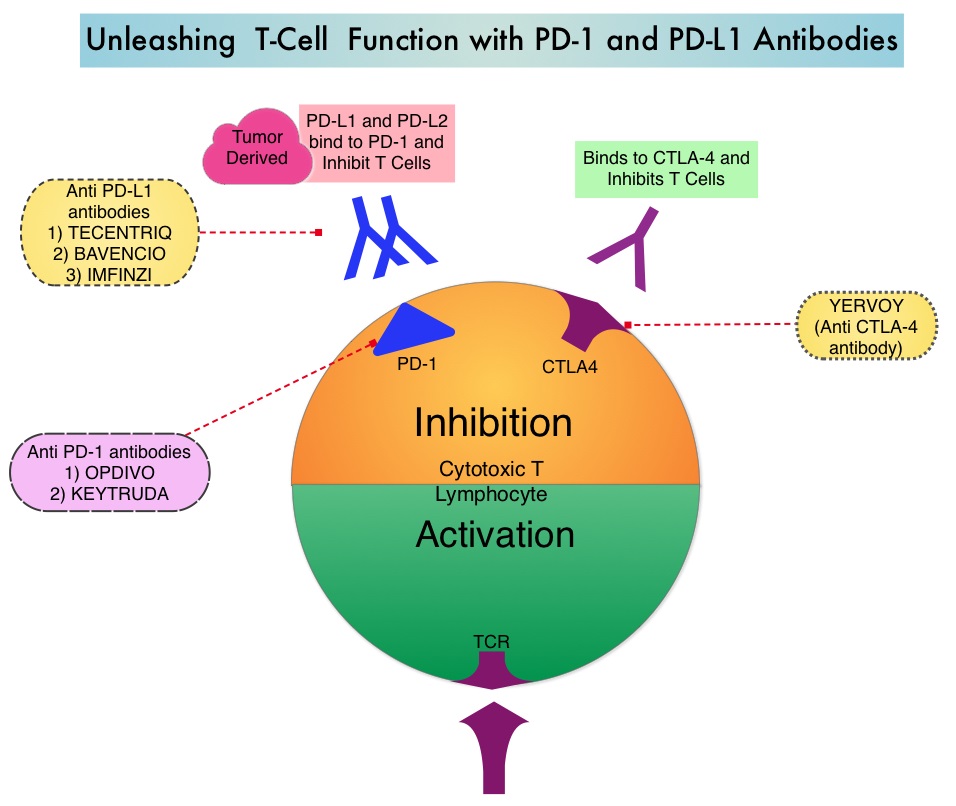
The FDA approved KEYTRUDA® for the first-line treatment of patients with Stage III Non-Small Cell Lung Cancer (NSCLC) who are not candidates for surgical resection or definitive chemoradiation, as well as those with metastatic NSCLC whose tumors express PD-L1 (Tumor Proportion Score-TPS of 1% or more), as determined by an FDA-approved test. KEYTRUDA® is also approved for the first-line treatment of advanced NSCLC with high PD-L1 expression (Tumor Proportion Score of 50% or more), based on KEYNOTE-024 trial, as well as in combination with Pemetrexed and Carboplatin, as first-line treatment of patients with metastatic non-squamous NSCLC, based on KEYNOTE-021 study. It is also indicated for previously treated advanced NSCLC with a much lower level of PD-L1 expression such as PD-L1 Tumor Proportion Score of 1% or higher, based on KEYNOTE-010 trial.

The authors in this publication presented the 5-year Overall Survival (OS) for patients enrolled in the Phase 1b KEYNOTE-001 study, which was the first trial evaluating KEYTRUDA® in advanced NSCLC. In this trial, 550 patients were enrolled of whom 101 patients were treatment-naïve (N=101) and 449 patients were previously treated (N=449). Patients received KEYTRUDA® 2 mg/kg IV every 3 weeks or KEYTRUDA® 10 mg/kg IV every 2 or 3 weeks. The protocol in the recent years was changed to a straight dose of KEYTRUDA® 200 mg IV every 3 weeks, which is the typical regimen used in clinical practice. The Primary endpoint was Objective Response Rate (ORR). Secondary endpoints included Progression Free Survival (PFS), Overall Survival (OS) and Duration of Response (DOR). The median follow up was 60.6 months and 18% of participants (N=100) were still alive at that point.

The 5-year OS in the treatment-naïve patients (N=101) was 23.2% and 15.5% in previously treated patients (N=449). In treatment-naive patients, the 5-year OS rate among patients whose tumors expressed PD-L1 expression of 50% or more was 29.6%, compared with 15.7% with PD-L1 expression levels below 50%. In patients who had received previous treatment, the 5-year OS rate among patients whose tumors expressed PD-L1 expression of 50% or more was 25% compared with 12.6% with PD-L1 expression levels between 1% and 49%. Only 3.5% of people with PD-L1 expression levels below 1% were alive after 5 years. The investigator-reported ORR was 41.6% in treatment-naïve patients and 22.9% in previously treated patients. Median Duration of Response was 16.8 months and 38.9 months respectively. Immune-mediated adverse events were reported in 17% of patients at 5 years. Hypothyroidism was the most commonly reported immune-mediated adverse event, followed by pneumonitis, hyperthyroidism and skin toxicities.

It was concluded that the 5-year data from the KEYNOTE-001 trial showed that treatment with KEYTRUDA® was safe and effective and substantially increased Overall Survival in patients with advanced NSCLC. These data provide the longest efficacy and safety follow-up for NSCLC patients treated with KEYTRUDA®. Five-year long-term overall survival for patients with advanced NSCLC treated with pembrolizumab: Results from KEYNOTE-001. Garon EB, Hellmann MD, Costa EC, et al. J Clin Oncol. 2019;37(suppl; abstract LBA9015).

FDA Approves First PI3K Inhibitor, PIQRAY®, for Breast Cancer

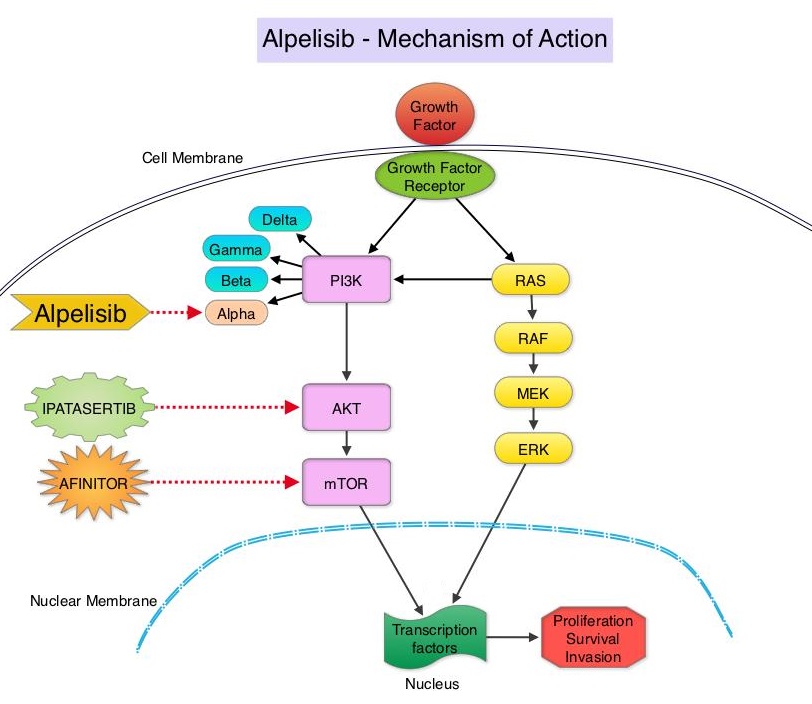
SUMMARY: The FDA on May 24, 2019 approved PIQRAY® (Alpelisib) in combination with FASLODEX® (Fulvestrant), to treat postmenopausal women and men, with Hormone Receptor (HR) positive, Human Epidermal growth factor Receptor 2 (HER2) negative, PIK3CA-mutated, advanced or metastatic breast cancer (as detected by an FDA-approved test), following progression on or after an endocrine-based regimen. The FDA also approved the companion diagnostic test, therascreen PIK3CA RGQ PCR Kit, to detect the PIK3CA mutation in a tissue and/or a liquid biopsy. Patients who are negative by the therascreen test using the liquid biopsy should undergo tumor biopsy for PIK3CA mutation testing. Breast cancer is the most common cancer among women in the US and about 1 in 8 women (12%) will develop invasive breast cancer during their lifetime. Approximately 268,600 new cases of female breast cancer will be diagnosed in 2019 and about 41,760 women will die of the disease. About 70% of breast tumors express Estrogen Receptors and/or Progesterone Receptors and these patients are often treated with anti-estrogen therapy as first line treatment. However, resistance to hormonal therapy occurs in a majority of the patients.Alpelisib - Mechanism-of-Action

The PhosphoInositide 3-Kinase (PI3K) pathway is an intracellular signaling pathway important in the regulation of cancer cell proliferation and metastasis. PI3K is a lipid kinase and has four distinct isoforms – alpha, beta, gamma and delta, which play a unique role in the survival of different tumor types and establishment of supportive tumor microenvironments. The alpha and beta isoforms are expressed in a wide variety of tissues whereas the gamma and delta isoforms are primarily expressed in hematopoietic cells such as B and T cells. The PI3K alpha isoform is particularly important in breast cancer and plays an important role in tumorigenesis, supporting tumor angiogenesis and stromal interactions, making this a viable target. PIK3CA is an oncogene that codes for the alpha isoform of PI3K, (PI3Kα), more specifically for the alpha isoform of p110. The PI3k pathway is the most frequently altered pathway in human cancers including breast cancer, and has been implicated in disease progression in a significant number of patients with breast cancer. Activation of the PI3K pathway in breast cancer has been associated with resistance to endocrine therapy and disease progression. Approximately 40% of patients with Hormone Receptor positive (HR+), HER2 negative breast cancers, harbor activating mutations in the PIK3CA isoform of PI3K, which is the most common mutation in HR+ breast cancer. Patients with advanced breast cancer harboring PIK3CA mutations typically have a poor prognosis. This provides a strong rationale for targeting the PI3K pathway in breast cancer.

PIQRAY® is an oral, alpha-specific PI3K inhibitor that specifically inhibits PIK3 in the PI3K/AKT kinase signaling pathway. Further, it was shown in preclinical studies that cancer cells with PIK3CA mutations are more sensitive to PIQRAY® than those without the mutation, across a broad range of tumor types. SOLAR-1 clinical trial, which was conducted to test this hypothesis, became the basis for this FDA approval.

SOLAR-1 is a global, double-blind, placebo-controlled, randomized phase III trial, which studied the benefit of PIQRAY® in combination with FASLODEX® (Fulvestrant) among postmenopausal women and men with PIK3CA-mutated HR+/HER2 negative advanced or metastatic breast cancer, who had progressed on or following prior Aromatase Inhibitor (AI) treatment with or without a Cyclin-Dependent Kinase (CDK) 4/6 inhibitor. In this study, 572 patients were randomized in a 1:1 ratio to receive PIQRAY® 300 mg orally daily or placebo once daily, in combination with FASLODEX® 500mg IM on days 1 and 15 of the first cycle and day 1 of each subsequent 28-day cycle. Patients were stratified based on visceral metastases and prior CDK4/6 inhibitor treatment. A total of 341 patients had PIK3CA mutations upon testing of the tumor tissue with 169 patients receiving the PIQRAY® combination and 172 patients receiving FASLODEX® alone. Enrolled patients had received one or more prior lines of hormonal therapy, but no chemotherapy for advanced breast cancer. They had not previously received FASLODEX® or any PI3K, Akt or mTOR inhibitor, and were not on concurrent anticancer therapy. Approximately half of the patients in each treatment group had lung or liver metastases and 6% had received prior CDK4/6 inhibitor therapy. The Primary endpoint was Progression Free Survival (PFS) for patients with the PIK3CA mutation. Secondary endpoints included Overall Survival (OS), Overall Response Rate (ORR), Clinical Benefit Rate, Health-Related Quality of Life, Efficacy in PIK3CA non-mutant cohort, Safety and Tolerability.

The Primary endpoint was met and at a median follow up of 20 months, the PFS was nearly twice as long in patients with PIK3CA mutations randomized to PIQRAY® plus FASLODEX® compared to the placebo plus FASLODEX® group. The median PFS was 11.0 months in the PIQRAY® group compared to 5.7 months in the placebo group (HR=0.65; P=0.00065). In patients with measurable, PIK3CA-mutated advanced breast cancer (N=262), the Overall Response Rate was 36% for the PIQRAY® plus FASLODEX® group versus 16% for placebo plus FASLODEX® group (P=0.0002). There was no significant PFS benefit noted in the PIK3CA-nonmutant patient group receiving PIQRAY® plus FASLODEX® The most frequent toxicities with PIQRAY® were hyperglycemia which could be managed with Metformin, nausea, decreased appetite and skin rash.

It was concluded that PIQRAY® given along with FASLODEX® significantly improved Progression Free Survival compared to Placebo plus FASLODEX® with manageable toxicities. The authors commented that this is the first study to show statistically significant, clinically meaningful PFS improvement with an alpha-specific PI3K inhibitor in PIK3CA-mutated HR+, HER2 negative advanced breast cancer, highlighting the importance of clinical genomics in advanced breast cancer. PIQRAY® is also the first novel drug approved under the Real-Time Oncology Review pilot program. It however remains unclear whether PIQRAY® should be incorporated into the current treatment paradigm upfront, along with endocrine therapy and a CDK 4/6 inhibitor, or sequentially following disease progression on a combination of endocrine therapy and a CDK 4/6 inhibitor. Alpelisib (ALP) + fulvestrant (FUL) for advanced breast cancer (ABC): results of the phase 3 SOLAR-1 trial. André F, Ciruelos EM, Rubovszky G, et al. Presented during the Presidential Symposium 1 at: 2018 ESMO Congress; October 19-23; Munich, Germany. Abstract LBA3_PR.

FDA Approves JAKAFI® for Acute GVHD

SUMMARY: The FDA on May 24, 2019 approved JAKAFI® (Ruxolitinib) for steroid-refractory acute Graft-Versus-Host Disease (GVHD) in adult and pediatric patients 12 years and older. Acute GVHD is a frequent and severe inflammatory complication of allogeneic Hematopoietic Cell Transplantation (HCT), and is a reaction of donor immune cells against host tissues. It is estimated that in the US over 8000 patients undergo allogeneic HCT each year and about 35-50% of recipients will develop acute GVHD, which remains a significant cause of morbidity and mortality in allogeneic HCT recipients. Following the preparative regimen, a series of inflammatory reactions lead to damage to the host epithelial cells by activated donor T cells. GVHD can be acute or chronic, with acute GVHD typically occurring within the first 100 days following an allogeneic transplant. Approximately 40% of patients with acute GVHD have severe disease, with a one year survival of 50% or less. Acute GVHD typically involves the skin, often starting in the palms and soles (rash/dermatitis), liver (hepatitis/jaundice), and gastrointestinal tract (abdominal pain/diarrhea). Acute GVHD is a clinical diagnosis, although histologic confirmation may be extremely helpful, if the symptoms and presentation are atypical. Risk factors for the development of acute GVHD include degree of HLA disparity, gender disparity, increased age of both the recipient and the donor, multiparous female donors, ineffective GVHD prophylaxis, intensity of the transplant conditioning regimen and the source of graft (peripheral blood or bone marrow greater than umbilical cord blood).

Patients with acute GVHD are often treated by optimizing their immunosuppression and adding methylprednisolone, with approximately 50% of patients responding to this intervention. If symptoms do not improve after a week or if progression is noted after 3 days of treatment, patients receive salvage immunosuppressive intervention, since no standard treatment with meaningful benefit has been identified.

JAKAFI® (Ruxolitinib) is a potent JAK1 and JAK2 inhibitor and exerts its mechanism of action by targeting and inhibiting the dysregulated JAK2-STAT signaling pathway. JAKAFI® in animal models was shown to reduce IL-1β, IL-6, or IFN-γ and TNF and other cytokines implicated in lymphocyte activation characteristic of GVHD. In previously published studies, JAKAFI® when used in patients with refractory GVHD demonstrated an Overall Response Rate of 85% in acute or chronic GVHD, with a 25% Complete Remission rate.
The present FDA approval was based on data from REACH1 study, which is an open-label, single-arm, multicenter, phase II trial of JAKAFI® in combination with corticosteroids, in patients with steroid-refractory grade II-IV acute GVHD. Of the 71 patients enrolled in this study, 49 patients were refractory to steroids alone, 12 patients had received two or more prior therapies for GVHD and 10 patients did not otherwise meet the FDA definition of steroid-refractory state. JAKAFI® was administered at 5 mg orally twice daily, and the dose could be increased to 10 mg twice daily after three days, in the absence of toxicity.

The Primary endpoint of this trial was the Day 28 Overall Response Rate (ORR), defined as a Complete Response (CR), Very Good Partial Response (VGPR) or Partial Response (PR), based on the Center for International Blood and Marrow Transplant Research (CIBMTR) criteria. The Day 28 ORR in the 49 patient’s refractory to steroids alone was 57% with a CR rate of 31%. The most frequently reported adverse reactions were infections (55%) and edema (51%), and the most common laboratory abnormalities were anemia, thrombocytopenia and neutropenia.

It was concluded that for patients with acute GVHD who do not adequately respond to steroids, therapies are limited and JAKAFI® is a new treatment option that fulfills this unmet need. Results from REACH1, a Single-Arm Phase 2 Study of Ruxolitinib in Combination with Corticosteroids for the Treatment of Steroid-Refractory Acute Graft-Vs-Host Disease. Jagasia M, Perales M-A, Schroeder MA, et al. Blood 2018 132:601; doi: https://doi.org/10.1182/blood-2018-99-116342

FDA Approves Fixed Duration VENCLEXTA® for Frontline Chronic Lymphocytic Leukemia or Small Lymphocytic Lymphoma

SUMMARY: The FDA on May 15, 2019 approved VENCLEXTA® (Venetoclax) for adult patients with Chronic Lymphocytic Leukemia (CLL) or Small Lymphocytic Lymphoma (SLL). The FDA in 2018 had approved VENCLEXTA® for patients with CLL or SLL with or without 17p deletion, who have received at least one prior therapy. The American Cancer Society estimates that for 2019, about 20,720 new cases of CLL will be diagnosed in the US and 3,930 patients will die of the disease. B-cell CLL is the most common type of leukemia in adults, accounting for about 11% of all hematologic malignancies.

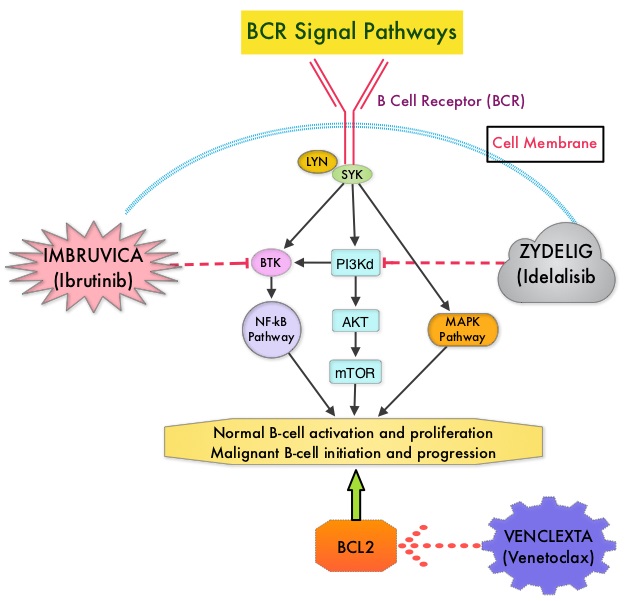
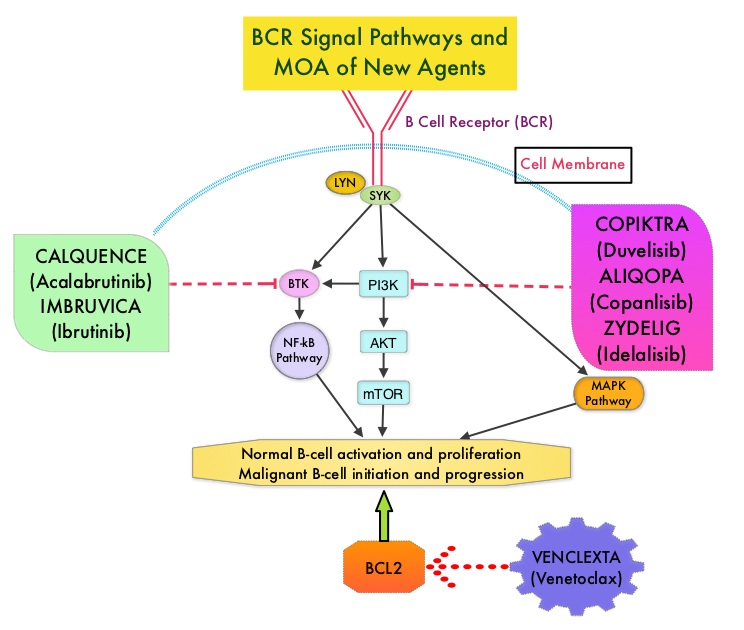
The pro-survival (anti-apoptotic) protein BCL2 is over expressed by CLL cells and regulates clonal selection and cell survival. A new class of anticancer agents known as BH3-mimetic drugs mimic the activity of the physiologic antagonists of BCL2 and related proteins and promote apoptosis (programmed cell death). VENCLEXTA® is a second generation, oral, selective, small molecule inhibitor of BCL2 and restores the apoptotic processes in tumor cells. BCR-Signal-Pathways-and-MOA-of-New-Agents

CLL14 Trial is a prospective, multicenter, open-label, randomized Phase III study, conducted in close collaboration with the German CLL Study Group (DCLLSG). This study was designed to evaluate the efficacy and safety of a fixed duration combination of VENCLEXTA® and GAZYVA® (Obinutuzumab) versus GAZYVA® and Chlorambucil in previously-untreated patients with CLL and coexisting medical conditions. In this trial, 432 treatment-naïve patients with CLL were randomized in a 1:1 ratio to receive fixed duration of 12 months of VENCLEXTA® in combination with six cycles of GAZYVA®, or 6 cycles of GAZYVA® in combination with Chlorambucil. Both treatment groups were well balanced and the median patient age was 72 years. The Primary endpoint was Progression Free Survival (PFS) assessed by an Independent Review Committee. Secondary endpoints included Minimal Residual Disease (MRD) status, Overall Response Rate, Complete Response, Complete Remission with Incomplete Hematologic Recovery (CRi), Overall Survival, duration of response, time to next CLL treatment, and safety.

The trial demonstrated a statistically significant improvement in PFS for patients who received VENCLEXTA® plus GAZYVA® compared with those who received GAZYVA® plus Chlorambucil (HR 0.33; P<0.0001), suggesting a 67% reduction in the risk of progression or death with the VENCLEXTA® plus GAZYVA® combination. The median PFS was not reached in either treatment groups after a median follow-up of 28 months. The Overall Response Rate was 85% in VENCLEXTA® plus GAZYVA® group compared to 71% in GAZYVA® plus Chlorambucil group (P=0.0007). The trial also demonstrated statistically significant improvements in rates of Minimal Residual Disease (MRD) negativity (less than one CLL cell per 104 leukocytes) in bone marrow and peripheral blood. The rate of MRD-negativity in the bone marrow was 57% in the VENCLEXTA® group compared with 17% in the GAZYVA® plus Chlorambucil group. The MRD-negativity rates in the peripheral blood were 76% versus 35%, respectively. Overall Survival data were not mature at this analysis. The most common adverse events in the VENCLEXTA® plus GAZYVA® group included neutropenia, thrombocytopenia, anemia, diarrhea, nausea, upper respiratory tract infection, cough, musculoskeletal pain, fatigue, and edema.

It was concluded that a combination of VENCLEXTA® and GAZYVA® among patients with previously untreated CLL significantly improved Progression Free Survival, compared to patients treated with standard of care GAZYVA® plus Chlorambucil. The authors added that VENCLEXTA® plus GAZYVA® is the only chemotherapy-free regimen of fixed duration, and is a major step forward in the management of previously untreated CLL patients. https://www.fda.gov/drugs/resources-information-approved-drugs/fda-approves-venetoclax-cll-and-sll

ELIQUIS® for Thromboprophylaxis in Ambulatory Patients with Cancer

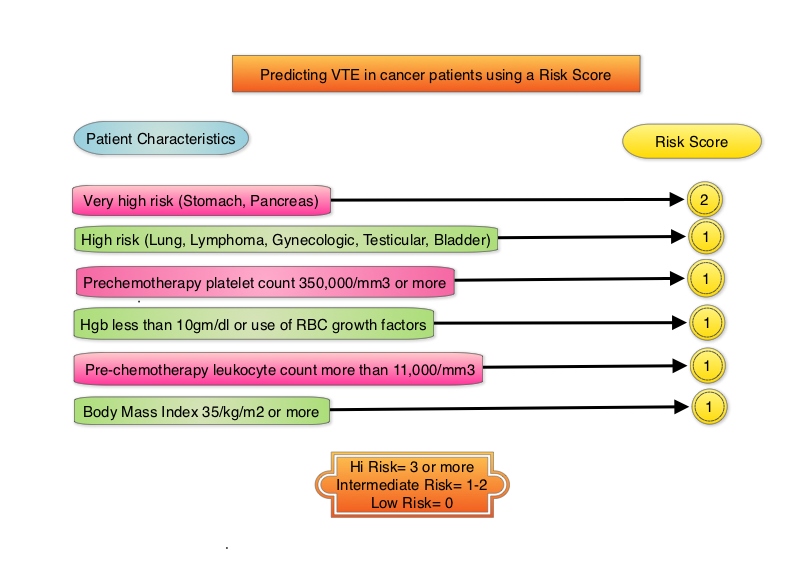
SUMMARY: The Center for Disease Control and Prevention (CDC) estimates that approximately 1-2 per 1000 individuals develop Deep Vein Thrombosis (DVT)/Pulmonary Embolism (PE) each year in the United States, resulting in 60,000-100,000 deaths. Venous ThromboEmbolism (VTE) is the third leading cause of cardiovascular mortality, after myocardial infarction and stroke. Ambulatory cancer patients initiating chemotherapy are at varying risk for Venous Thromboembolism (VTE), which in turn can have a substantial effect on health care costs, with negative impact on quality of life. Approximately 20% of cancer patients develop VTE and there is a two-fold increase in the risk of recurrent thrombosis in patients with cancer, compared with those without cancer. The benefit of thromboprophylaxis in this patient population however is uncertain. This is because previously published randomized trials included cancer patients both at both low and high risk for VTE.Predicting-VTE-in-cancer-patients-using-a-Risk-Score

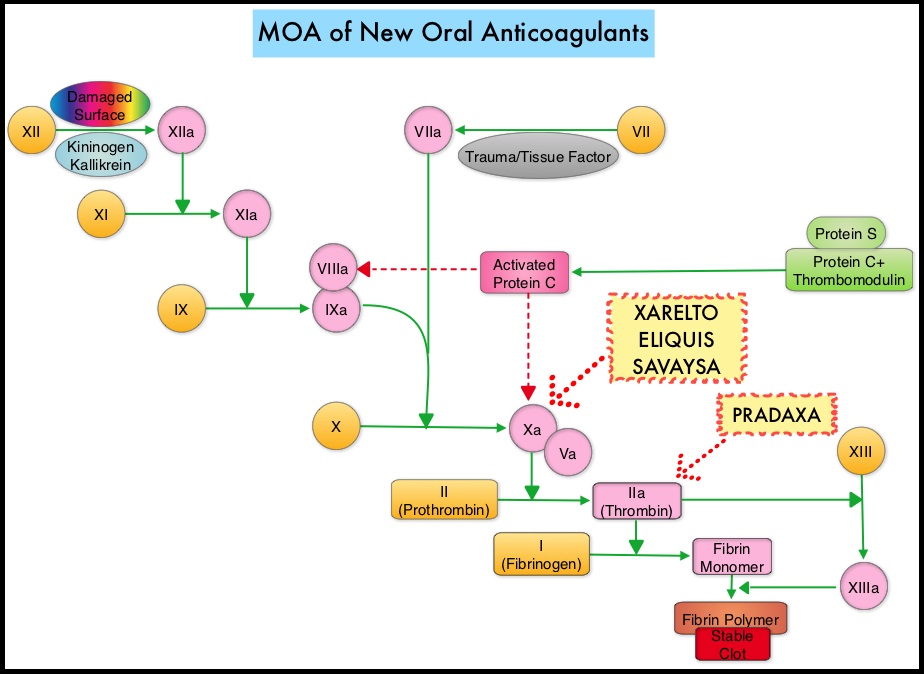
Khorana score is a validated risk tool which helps to identify patients at increased risk for VTE. Several studies have suggested benefit from thromboprophylaxis in patients with a score of 3 or higher, whereas the benefit of thromboprophylaxis in patients with a score of 2 is unclear, although there is a substantial risk of VTE in this group as well. The current recommendations are treatment with parenteral Low Molecular Weight Heparin (LMWH) preparations for at least 6 months or probably longer, as long as the cancer is active. This however can be inconvenient and expensive, leading to premature discontinuation of treatment. LMWH accelerates the inhibition by Antithrombin of activated Factor X, in the conversion of Prothrombin to Thrombin. Direct Oral AntiCoagulants (DOACs) have been proven to be noninferior to COUMADIN® (Warfarin), a Vitamin K antagonist, for the treatment of acute VTE, and are associated with less frequent and less severe bleeding and fewer drug interactions. The Direct Oral AntiCoagulants (DOACs) include PRADAXA® (Dabigatran), which is a direct Thrombin inhibitor and XARELTO® (Rivaroxaban), ELIQUIS® (Apixaban), SAVAYSA® (Edoxaban), BEVYXXA® (Betrixaban) which are Factor Xa inhibitors. Compared to COUMADIN® , the New Oral Anticoagulants have a rapid onset of action, wider therapeutic window, shorter half-lives (7-14 hours in healthy individuals), no laboratory monitoring and fixed dosing schedule.

The AVERT (Apixaban for the Prevention of Venous Thromboembolism in High-Risk Ambulatory Cancer Patients ) trial is a randomized, placebo-controlled, double-blind clinical trial which evaluated the efficacy and safety of apixaban (2.5 mg twice daily) for thromboprophylaxis in ambulatory patients with cancer who were at intermediate-to-high risk for venous thromboembolism (Khorana score 2 or more). Eligible patients (N=574) were randomized in a 1:1 ratio to receive apixaban or placebo and 563 patients were included in the modified intention-to-treat analysis. The first dose of apixaban or placebo was administered within 24 hours after the initiation of chemotherapy. The mean patient age was 61 years, and the common types of primary malignancies were gynecologic (25.8%), lymphoma (25.3%), and pancreatic (13.6%). Eligible patients included those who had a newly diagnosed cancer or progression of known cancer after complete or partial remission and who were initiating a new course of chemotherapy with a minimum treatment intent of 3 months. Inclusion required a Khorana score of 2 or higher. Exclusion criteria included hepatic disease associated with coagulopathy, platelet count of less than 50,000 per cubic millimeter, acute leukemia, myeloproliferative neoplasm, planned stem-cell transplantation and GFR of less than 30 ml/min. The Primary efficacy outcome was objectively documented venous thromboembolism over a follow-up period of 180 days. The main Safety outcome was a major bleeding episode.

Venous thromboembolism occurred in 4.2% in the apixaban group and 10.2% in the placebo group (HR=0.41; P<0.001). This benefit and was predominantly driven by a lower rate of pulmonary embolism in the apixaban group than in the placebo group. The rate of major bleeding was significantly higher with apixaban than with placebo in the modified intention-to-treat analysis (3.5% versus 1.8%, respectively; HR=2.00), but the rate however was not significantly higher with apixaban than with placebo in the analysis of outcomes during the treatment period (2.1% versus 1.1%, respectively; HR=1.89). There was no significant difference in the Overall Survival between the treatment groups and the authors attributed this to trial design and the fact that most of the patients had advanced cancer, which was the most common cause of death.

It was concluded that thromboprophylaxis with apixaban at a dose of 2.5 mg twice daily resulted in a significantly lower risk of venous thromboembolism when compared to placebo, among ambulatory cancer patients who were initiating chemotherapy, and had an intermediate to high risk of venous thromboembolism. Apixaban to Prevent Venous Thromboembolism in Patients with Cancer. Carrier M, Abou-Nassar K, Mallick R, et al. for the AVERT Investigators. N Engl J Med 2019;380:711-719

Concomitant Use of Direct Oral Anticoagulants with Antiplatelet Agents Associated with Lower Risk of Major Bleeding Compared with Concomitant Warfarin and Antiplatelet Agents

SUMMARY: It is estimated that up to 30% of patients with nonvalvular atrial fibrillation may receive antiplatelet agents along with oral anticoagulants, due to comorbid cardiovascular conditions. The concomitant use of Vitamin K Antagonist (VKA) such as Warfarin along with antiplatelet agents, has in previously published studies, shown to increase the risk of bleeding, compared with VKAs alone.

Direct Oral AntiCoagulants (DOACs) are often prescribed for thromboembolic events. This class of anticoagulants, have a rapid onset and offset of action, short half-life, predictable anticoagulant effects, no laboratory monitoring and fixed dosing schedule. The half-life of these agents can however be prolonged in those with renal insufficiency and may be unsafe and DOACs are ineffective in patients with mechanical heart valves. Direct Oral AntiCoagulants have a favorable efficacy and safety profile, compared with Vitamin K Antagonists (VKAs) and are increasingly being used for ischemic stroke prevention among patients with nonvalvular atrial fibrillation. In several clinical studies, DOACs have been shown to reduce the rate of major bleeding by 28% and the rates of intracranial and fatal hemorrhage by 50%, when compared to Vitamin K Antagonist (VKA) such as Warfarin. Meta-analysis of randomized controlled trials (RCTs) assessing the efficacy of DOACs along with AcetylSalicylic Acid (ASA), in nonvalvular atrial fibrillation has shown similar risk of major bleeding but a decreased risk of intracranial hemorrhage, when compared with VKAs plus ASA. Some of the studies included in this meta-analysis however had methodological limitations.MOA-of-New-Oral-Anticoagulants

In order to address this clinically important safety issue, the authors conducted this population-based study to compare the incidence of intracranial hemorrhage, gastrointestinal bleeding, and other major bleeding between concomitant DOAC/antiplatelet use and concomitant VKA/antiplatelet use, in patients with nonvalvular atrial fibrillation. This study was conducted among a cohort of patients with newly diagnosed nonvalvular atrial fibrillation, between January 2011 and March 2014, using computerized health care databases from Quebec. Of the 14, 407 patients included in this study, 5301 patients initiated concomitant DOAC/antiplatelet use, while 9106 patients initiated concomitant VKA/antiplatelet use. DOACs included PRADAXA® (Dabigatran), XARELTO® (Rivaroxaban), or ELIQUIS® (Apixaban) and antiplatelet agents included ASA (Aspirin), Dipyridamole, PLAVIX® (Clopidogrel), EFFIENT® (Prasugrel), or BRILINTA® (Ticagrelor). Three separate analyses were conducted for intracranial hemorrhage, gastrointestinal bleeding, and other major bleeding. The median follow up was 1.6 months which was primarily driven by discontinuation of antiplatelet therapy.

It was noted that concomitant DOAC/antiplatelet therapy was associated with a similar risk of gastrointestinal bleeding (HR 1.08) but with a decreased risk of intracranial hemorrhage (HR 0.46) and other major bleeding (HR 0.68), compared with concomitant VKA/antiplatelet therapy.

The authors concluded that based on the results of this population-based study, compared with concomitant Vitamin K Antagonist /antiplatelet use, concomitant Direct Oral AntiCoagulants/antiplatelet use was associated with a similar risk of gastrointestinal bleeding, but a lower risk of intracranial hemorrhage and other major bleeding. These findings could provide guidance to physicians and help in decision making, for patients requiring concomitant treatment with oral anticoagulants and antiplatelets. Concomitant Use of Direct Oral Anticoagulants with Antiplatelet Agents and the Risk of Major Bleeding in Patients with Nonvalvular Atrial Fibrillation. Douros A, Renoux C, Yin H, et al. The American Journal of Medicine 2019; 132:191-199

FDA Approves KADCYLA® for Early Breast Cancer

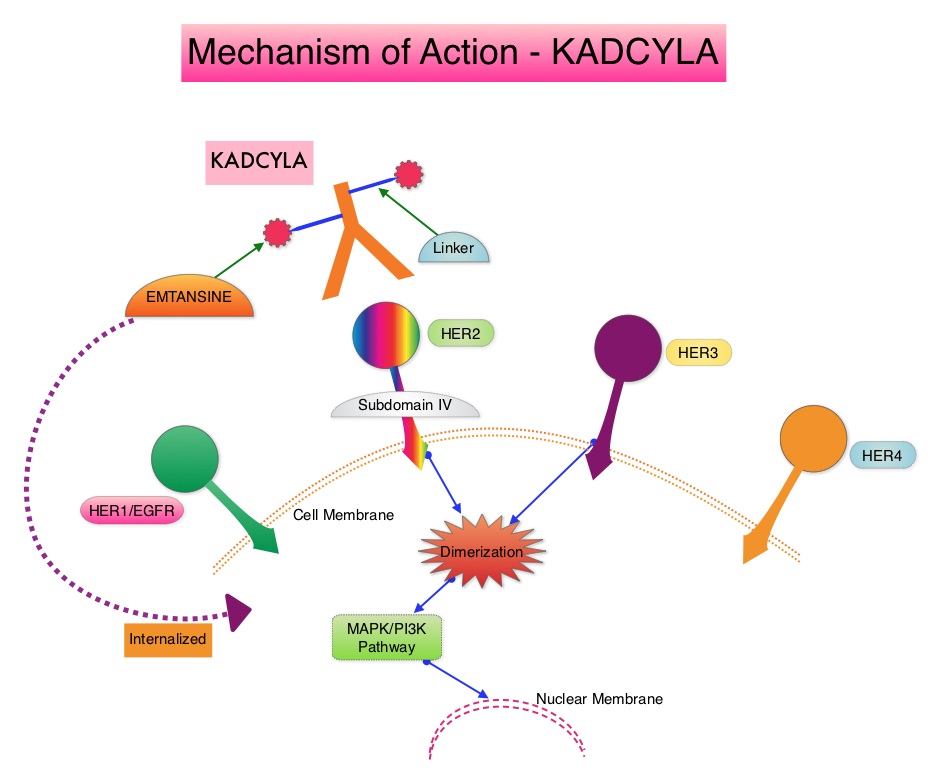
SUMMARY: The FDA on May 3, 2019, approved KADCYLA® (Ado-Trastuzumab Emtansine) for the adjuvant treatment of patients with HER2-positive early breast cancer, who have residual invasive disease after neoadjuvant Taxane and HERCEPTIN® (Trastuzumab)-based treatment. Breast cancer is the most common cancer among women in the US and about 1 in 8 women (12%) will develop invasive breast cancer during their lifetime. Approximately 268,600 new cases of invasive breast cancer will be diagnosed in 2019 and about 41,760 women will die of the disease. The HER or erbB family of receptors consist of HER1, HER2, HER3 and HER4. Approximately 15-20% of invasive breast cancers overexpress HER2/neu oncogene, which is a negative predictor of outcomes without systemic therapy. HERCEPTIN® (Trastuzumab) is a humanized monoclonal antibody targeting HER2, and adjuvant and neoadjuvant chemotherapy given along with HERCEPTIN® reduces the risk of disease recurrence and death, among patients with HER2-positive, early stage as well as advanced metastatic breast cancer. Since the approval of HERCEPTIN®, several other HER2-targeted therapies have become available. The duration of adjuvant HERCEPTIN® therapy has been 12 months and this length of treatment was empirically adopted from the pivotal registration trials. Mechanism-of-Action-KADCYLA

KADCYLA® is an Antibody-Drug Conjugate (ADC) comprised of the antibody HERCEPTIN® and the chemotherapy agent Emtansine, linked together. Upon binding to the HER2 receptor, it not only inhibits the HER2 signaling pathways but also delivers a chemotherapy agent Emtansine, a microtubule inhibitor, directly inside the tumor cells. This agent is internalized by lysosomes and destroys the HER2-positive tumor cells upon intracellular release. In the EMILIA trial, KADCYLA® was associated with significant increase in Overall Survival when compared with TYKERB® (Lapatinib) plus XELODA® (Capecitabine), in HER2-positive metastatic breast cancer patients, who had previously received HERCEPTIN® and a Taxane.

It is well established that patients with HER2-positive early breast cancer following HERCEPTIN® based neoadjuvant therapies have a pathological Complete Response rate of 40-60%. Those without a pathological Complete Response tend to have significantly less favorable outcomes. These patients irrespective of pathological response status complete their standard adjuvant therapy which includes 12 months of HER2-targeted therapy. KATHERINE trial was conducted to evaluate the benefit of switching from standard HER2-directed therapy to single-agent KADCYLA®, after neoadjuvant chemotherapy along with either single or dual HER2 targeted therapy, in patients with residual invasive cancer at surgery. This study was conducted to address the unmet need of patients who have residual invasive breast cancer after receiving neoadjuvant chemotherapy plus HER2-targeted therapy.

The KATHERINE trial is an open-label, phase III global study, which compared KADCYLA® with HERCEPTIN®, as an adjuvant treatment for patients with HER2-positive early breast cancer, who had residual invasive disease following neoadjuvant chemotherapy and HERCEPTIN®. This study included 1,486 patients with HER2-positive early stage breast cancer, who were found to have residual invasive disease in the breast or axillary lymph nodes at surgery, following at least six cycles (16 weeks) of neoadjuvant chemotherapy with a Taxane (with or without Anthracycline) and HERCEPTIN®. Within 12 weeks of surgery, patients (N=1486) were randomly assigned in a 1:1 ratio to KADCYLA® 3.6 mg/kg IV every 3 weeks or HERCEPTIN® 6 mg/kg IV every 3 weeks, for 14 cycles (743 patients in each group). Both treatment groups were well balanced and hormone receptor positive disease was present in 72% of the patients. The majority of the patients (77%) had received an Anthracycline-containing neoadjuvant chemotherapy regimen, and in 19% of the patients, another HER2-targeted agent in addition to HERCEPTIN® (dual HER2 blockade) had been administered as a component of neoadjuvant therapy. The Primary end point was invasive Disease Free Survival (defined as freedom from ipsilateral invasive breast tumor recurrence, ipsilateral locoregional invasive breast cancer recurrence, contralateral invasive breast cancer, distant recurrence, or death from any cause). The median duration of follow up was 41.4 months in the KADCYLA® group and 40.9 months in the HERCEPTIN® group.

At the prespecified interim analysis, invasive disease occurred in 12.2% of patients who received KADCYLA® and 22.2% of patients who received HERCEPTIN®. The estimated percentage of patients who were free of invasive disease at 3 years was 88.3% in the KADCYLA® group and 77.0% in the HERCEPTIN® group. Invasive Disease Free Survival, which was the Primary end point of the study, was significantly higher in the KADCYLA® group than in the HERCEPTIN® group (HR=0.50; P<0.001).This suggested that KADCYLA® reduced the risk of developing an invasive breast cancer recurrence or death by 50%. Distant recurrence as the first invasive disease event occurred in 10.5% of patients in the KADCYLA® group and in 15.9% of the HERCEPTIN® group. A consistent benefit was seen across all prespecified subgroups. Adverse events were consistent with the known safety profile of KADCYLA®, with more toxicities associated with KADCYLA® than with HERCEPTIN®. Additional follow-up will be necessary to determine the Overall Survival benefit with adjuvant KADCYLA®.

It was concluded that among patients with HER2-positive early breast cancer who had residual invasive disease after completion of neoadjuvant therapy, substituting KADCYLA® for adjuvant HERCEPTIN® reduced the risk of recurrence of invasive breast cancer or death by 50%, with the benefit seen across all patient subgroups. The authors added that even though KATHERINE trial focused on higher-risk patients with residual invasive breast cancer after completion of neoadjuvant chemotherapy, CNS recurrence remains a persistent problem. Trastuzumab Emtansine for Residual Invasive HER2-Positive Breast Cancer. von Minckwitz G, Huang C-S, Mano MS, et al. for the KATHERINE Investigators. N Engl J Med 2019;380:617-628

FDA Approves TIBSOVO® for Newly Diagnosed AML Patients Ineligible for Intensive Chemotherapy

SUMMARY: The FDA on May 2, 2019, approved TIBSOVO® (Ivosidenib) for newly-diagnosed acute myeloid leukemia (AML) with a susceptible IDH1 (Isocitrate DeHydrogenase-1) mutation, as detected by an FDA-approved test, in patients who are at least 75 years old or who have comorbidities that preclude the use of intensive induction chemotherapy. The American Cancer Society estimates that for 2019, 21,450 new cases of Acute Myeloid Leukemia (AML) will be diagnosed in the United States and 10,920 patients will die of the disease. AML can be considered as a group of heterogeneous diseases with different clinical behavior and outcomes. Cytogenetic analysis has been part of routine evaluation when caring for patients with AML. By predicting resistance to therapy, tumor cytogenetics will stratify patients, based on risk and help manage them accordingly. Even though cytotoxic chemotherapy may lead to long term remission and cure in a minority of patients with favorable cytogenetics, patients with high risk features such as unfavorable cytogenetics, molecular abnormalities, prior Myelodysplasia and advanced age, have poor outcomes with conventional chemotherapy alone.MOA-of-Ivosidenib

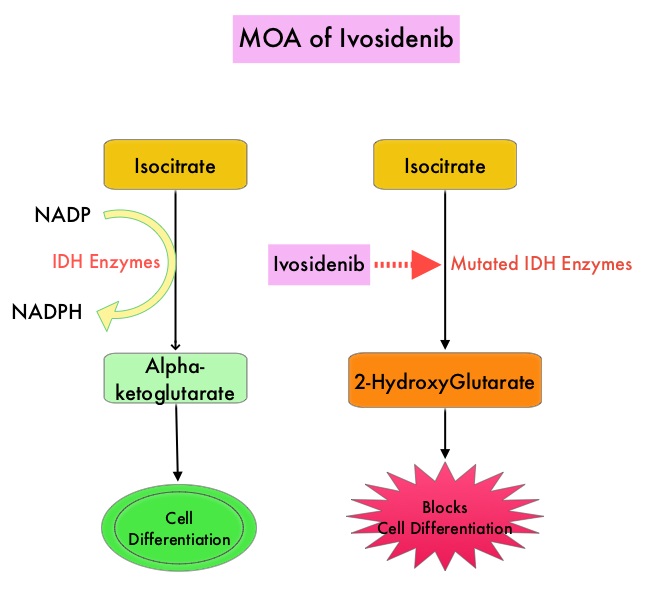
Isocitrate DeHydrogenase (IDH) is a metabolic enzyme that helps generate energy from glucose and other metabolites, by catalyzing the conversion of Isocitrate to Alpha-Ketoglutarate. Alpha-ketoglutarate is required to properly regulate DNA and histone methylation, which in turn is important for gene expression and cellular differentiation. IDH mutations lead to aberrant DNA methylation and altered gene expression thereby preventing cellular differentiation, with resulting immature undifferentiated cells. IDH mutations can thus promote leukemogenesis in Acute Myeloid Leukemia and tumorigenesis in solid tumors and can result in inferior outcomes. There are three isoforms of IDH. IDH1 is mainly found in the cytoplasm, as well as in peroxisomes, whereas IDH2 and IDH3 are found in the mitochondria, and are a part of the Krebs cycle. Approximately 20% of patients with AML, 70% of patients with Low-grade Glioma and secondary Glioblastoma, 50% of patients with Chondrosarcoma, 20% of patients with Intrahepatic cholangiocarcinoma, 30% of patients with Angioimmunoblastic T-cell lymphoma and 8% of patients with Myelodysplastic syndromes/Myeloproliferative neoplasms, are associated with IDH mutations. TIBSOVO® is an oral, targeted, small-molecule inhibitor of mutant IDH1. The FDA in July, 2018, approved TIBSOVO® for adult patients with relapsed or refractory AML with a susceptible IDH1 mutation.

The present first line approval by the FDA was based on an open-label, single-arm, multicenter clinical trial (Study AG120-C-001, NCT02074839)of single-agent TIBSOVO®, for newly-diagnosed AML patients, with an IDH1 mutation detected by an FDA-approved IDH1 Assay. In this study, 28 patients were included and these patients were at least 75 years old, or had comorbidities that precluded the use of intensive induction chemotherapy. For comorbidities, enrolled patients met at least one of the following criteria – baseline ECOG PS of 2 or more, severe cardiac or pulmonary disease, hepatic impairment with Bilirubin more than 1.5 times the upper limit of normal, or Creatinine Clearance less than 45 mL/min. The median age was 77 years and 79% had therapy-related AML or AML with Myelodysplasia-related changes. Patients received TIBSOVO® 500 mg orally daily until disease progression, development of unacceptable toxicity, or hematopoietic stem cell transplantation. Efficacy was based on the rate of Complete Remission (CR) or Complete Remission with partial hematologic improvement (CRh) rate, the duration of CR+CRh, and the conversion rate from transfusion dependence to transfusion independence. CRh was defined as less than 5% of blasts in the bone marrow, no evidence of disease, and partial recovery of peripheral blood counts (platelets more than 50,000/microliter and ANC more than 500/microliter).

In this trial, TIBSOVO® demonstrated a CR+CRh rate of 42.9%, with a CR rate of 28.6% and a CRh rate was 14.3%. The median durations of CR and CR+CRh could not be estimated, with 41.7% of those who achieved CR or CRh remaining on TIBSOVO® treatment as of the data cutoff (treatment duration ranged from 20.3 to 40.9 months). At 12 months after receiving treatment, 58.3% of patients who achieved CR or CRh, remained in remission. For those who achieved a CR or CRh, the median time to best response of CR or CRh was 2.8 months. Among those patients who were dependent on RBC and/or platelet transfusions at baseline, 41.2% achieved transfusion independence lasting at least 8 weeks.

The most common adverse reactions were fatigue, nausea, diarrhea, rash, pyrexia, arthralgia, leukocytosis and QT prolongation. One important side effect of the IDH inhibitors is the induction of differentiation of the malignant cells, and in 10-20% of patients, a clinical syndrome known as the IDH differentiation syndrome can occur. The IDH differentiation syndrome should be promptly managed by dose interruption and treatment with glucocorticoids, oral hydroxyurea, or both.

It was concluded that TIBSOVO® can induce durable responses among newly diagnosed poor risk AML patients with an IDH1 mutation, who are ineligible for intensive chemotherapy, fulfilling an unmet need. https://www.fda.gov/drugs/resources-information-approved-drugs/fda-approves-ivosidenib-first-line-treatment-aml-idh1-mutation

Six Prognostic Factors That Predict Invasive Breast Cancer Recurrence after DCIS

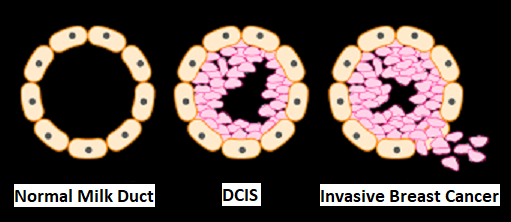
SUMMARY: Breast cancer is the most common cancer among women in the US and about 1 in 8 women (12%) will develop invasive breast cancer during their lifetime. Approximately 268,600 new cases of female breast cancer will be diagnosed in 2019 and about 41,760 women will die of the disease. Carcinoma in situ of the breast also known as Ductal Carcinoma In Situ (DCIS) is defined as a malignant proliferation of ductal epithelial cells that are confined to the milk ducts without invasion of the basement membrane, and is a precursor lesion to invasive carcinoma. DCIS accounts for approximately 25% of all newly diagnosed breast cancers. Patients with small, screening-detected lesions, are often treated with breast-conserving surgery (to prevent the development of invasive breast cancer), followed by adjuvant radiation and hormonal therapy, although neither of the latter two interventions have been shown to improve survival outcomes. As such, a significant number of patients are overtreated. There remains a large unmet need, to distinguish relatively benign DCIS from DCIS that will develop into invasive breast cancer.Normal-Milk-Duct  DCIS  Invasive-Breast-Cancer

The authors in this study performed a systematic review from 1970 to 2018, with meta-analyses of 1,781 articles from the PubMed database, to summarize current knowledge on prognostic factors for invasive disease, after a diagnosis of DCIS. The number of patients in the included studies ranged from 52 to 37,692. Of all the articles reviewed, 40 articles met the inclusion criteria. Eligible studies assessed risk of invasive recurrence in women primarily diagnosed and treated for DCIS, and included at least 10 ipsilateral-invasive breast cancer events and 1 year of follow up. The mean follow up time ranged from 3.2 to 15.8 years. Quality in Prognosis Studies (QUIPS) tool was used for risk-of-bias assessment (A working group comprising epidemiologists, statisticians, and clinicians developed this tool based on previous research and this tool can inform judgements of risk-of-bias in prognostic research). Meta-analyses were performed to estimate the average effect size of the prognostic factors.

The researchers identified six prognostic factors in the meta-analyses that were statistically significant and were associated with a 36% to 84% increase in the relative risk of recurrence of invasive disease after a DCIS diagnosis. These six factors included- 

1) African American race (43% higher risk)

2) Premenopausal status (59% higher risk)

3) Detection by palpation (84% higher risk)

4) Positive margins (63% higher risk)

5) High histologic grade (36% higher risk)

6) High p16 expression (51% higher risk).

Further, the authors identified frequently occurring biases in studies on invasive recurrence after DCIS and the highest risk of bias was attributable to insufficient handling of confounders and poorly described study groups. They added that avoiding these common methodological pitfalls can improve future study designs.

It was concluded that this study results may help clinicians distinguish indolent from potentially aggressive DCIS and prevent overtreatment.

Predictors of an Invasive Breast Cancer Recurrence after DCIS: A Systematic Review and Meta-analyses. Visser LL, Groen EJ, van Leeuwen FE, et al. Cancer Epidemiol Biomarkers Prev. 2019;28:835-845

IMBRUVICA® plus GAZYVA® is a Safe and Effective Alternative First Line Treatment Option for CLL Patients with Comorbidities and High Risk Disease

SUMMARY: The American Cancer Society estimates that for 2019, about 20,720 new cases of Chronic Lymphocytic Leukemia (CLL) will be diagnosed in the US and 3,930 patients will die of the disease. B-cell CLL is the most common type of leukemia in adults, accounting for about 11% of all hematologic malignancies. The FDA in January 2019 approved IMBRUVICA® (Ibrutinib), a Bruton's Tyrosine Kinase Inhibitor, in combination with GAZYVA® (Obinutuzumab) for treatment-naive patients with CLL/Small Lymphocytic Lymphoma (CLL/SLL). This is the first approval of a non-chemotherapy combination regimen for treatment-naive patients with CLL/SLL.

Chronic Lymphocytic leukemia (CLL) is a disease of the elderly, with a median age at diagnosis of 71 years. Given the age at diagnosis, it is not uncommon for these patients to have multiple comorbidities. GAZYVA® is glycoengineered, fully humanized, third generation, type II anti-CD20 antibody (IgG1 monoclonal antibody) that selectivity binds to the extracellular domain of the CD20 antigen on malignant human B cells. By virtue of binding affinity of the glycoengineered Fc portion of GAZYVA® to Fcγ receptor III on innate immune effector cells such as natural killer cells, macrophages and neutrophils, Antibody-Dependent Cell-mediated Cytotoxicity (ADCC) and Antibody-Dependent Cellular phagocytosis is significantly enhanced, whereas it induces very little Complement-Dependent Cytotoxicity. This is in contrast to RITUXAN® (Rituximab), which is a first generation type I, chimeric anti-CD20 targeted monoclonal antibody that kills CLL cells primarily by Complement-Dependent Cytotoxicity and also ADCC. In a previously published study, the combination of GAZYVA® and LEUKERAN® (Chlorambucil) when given to elderly patients with comorbid conditions improved Overall Survival (OS) compared to LEUKERAN® alone, and resulted in higher Response Rates and longer Progression Free Survival (PFS) than RITUXAN® plus LEUKERAN® (NEJM 2014; 370:1101-1110).

IMBRUVICA® (Ibrutinib) is an oral, irreversible inhibitor of BTK and inhibits cell proliferation and promotes programmed cell death (Apoptosis) by blocking B-cell activation and signaling. IMBRUVICA® in phase III trials showed improved PFS and OS when compared to LEUKERAN® alone, in previously untreated, elderly patients with CLL (NEJM 2015; 373:2425-2437).BCR-Signal-Pathways

iLLUMINATE is a multicentre, randomized, open-label, international, Phase III trial which enrolled 229 patients with previously untreated CLL or Small Lymphocytic Lymphoma, either aged 65 years or older and if less than 65 years had at least one of the following criteria: Cumulative Illness Rating Scale (CIRS) more than 6, Estimated Creatinine Clearance of less than 70 mL/min using Cockcroft-Gault equation or del 17p by FISH or TP53 mutation by PCR or Next Generation Sequencing. (CIRS is a tool utilized to assess and quantify burden of comorbidity in individual patients). Patients were randomly assigned 1:1 to receive IMBRUVICA® plus GAZYVA® (N=113) or LEUKERAN® plus GAZYVA® (N=116). IMBRUVICA® plus GAZYVA® regimen consisted of IMBRUVICA® 420 mg PO once daily continuously combined with GAZYVA® 100 mg IV on day 1, 900 mg IV on day 2, 1000 mg IV on day 8, and 15 of cycle 1 and 1000 mg IV on day 1 of subsequent 28-day cycles, for a total of six cycles. LEUKERAN® plus GAZYVA® regimen consisted of LEUKERAN® 0.5 mg/kg PO on days 1 and 15 of each 28-day cycle for six cycles combined with GAZYVA® regimen as described above. Eighty percent (80%) of patients were 65 years or older and the median age was 71 years. Approximately 65% of patients had high-risk genetic abnormalities, 52% of patients had either Rai III or IV disease, with bulky disease at baseline in 27% of IMBRUVICA®-treated patients and 38% of LEUKERAN® treated patients. The Primary Endpoint was Progression Free Survival (PFS) and Secondary endpoints included PFS in High-risk Subpopulation which included those patients with del17p/TP53 mutation or del 11q deletion at baseline and/or unmutated IGHV disease. Patients who progressed on the LEUKERAN®treatment group were allowed by the IRC (Independent Review Committee) to cross over to the IMBRUVICA® treatment group.

At a median follow-up time was 31.3 months, the median PFS was significantly longer in the IMBRUVICA® plus GAZYVA® group compared to the LEUKERAN® plus GAZYVA® group ((median not reached versus 19.0 months (HR=0.23; P<0.0001), with a 77% reduction in the risk of progression or death. Patients with high-risk disease such as those with 17p deletion/TP53 mutation, 11q deletion, or unmutated immunoglobulin heavy chain variable region gene treated with IMBRUVICA® plus GAZYVA® experienced an 85% reduction in risk of progression or death (HR= 0.15). The IRC-evaluated Overall Response Rate was 89% in the IMBRUVICA® plus GAZYVA® group versus 73% in the LEUKERAN® plus GAZYVA® arm. The estimated 30-month PFS was 79% in the IMBRUVICA® plus GAZYVA® group and 31% in the LEUKERAN® plus GAZYVA® group. The most common Grade 3 or 4 adverse events in both treatment groups were neutropenia and thrombocytopenia.

It was concluded that a combination of IMBRUVICA® and GAZYVA® is a safe and effective chemotherapy-free regimen for previously untreated patients with CLL or Small Lymphocytic Lymphoma, independent of high-risk features, and provides an alternative first line treatment option for this patient group. Ibrutinib plus obinutuzumab versus chlorambucil plus obinutuzumab in first-line treatment of chronic lymphocytic leukaemia (iLLUMINATE): a multicentre, randomised, open-label, phase 3 trial. Moreno C, Greil R, Demirkan F, et al. Lancet Oncol. 2019;20:43-56.