Radical Prostatectomy Lowers the Risk of Death in Clinically Detected Localized Prostate Cancer

SUMMARY: Prostate cancer is the most common cancer in American men with the exclusion of skin cancer, and 1 in 9 men will be diagnosed with prostate cancer during their lifetime. It is estimated that in the United States, about 174,650 new cases of Prostate cancer will be diagnosed in 2019 and 31,620 men will die of the disease. The widespread use of PSA testing in the recent years has resulted in a dramatic increase in the diagnosis and treatment of prostate cancer. The management of clinically localized prostate cancer that is detected based on Prostate Specific Antigen (PSA) levels remains controversial and management strategies for these patients have included Surgery, Radiotherapy or Active Monitoring. However, it has been proposed that given the indolent nature of prostate cancer in general, majority of the patients do not benefit from treatment intervention and many patients die of competing causes. Further, treatment intervention can result in adverse effects on sexual, urinary, or bowel function. The U.S. Preventive Services Task Force (USPSTF) has recommended that population screening for prostate cancer should not be adopted as a public health policy, because the risks appeared to outweigh benefits, from detecting and treating PSA-detected prostate cancer. 

In the Prostate Testing for Cancer and Treatment (ProtecT) study which is a prospective, randomized trial, management with Active Monitoring, Radical Prostatectomy, and External Beam Radiotherapy were compared, among patients with PSA-detected clinically localized prostate cancer. This study at a median follow up of 10 yrs concluded that prostate cancer-specific mortality was low, irrespective of the treatment given, with similar efficacy outcomes, but with a variable impact on quality of life. In this study, it was noted that patients assigned to Active Monitoring were significantly more likely to have metastatic disease than those assigned to treatment. This in turn would warrant salvage treatment, which could result in toxicities as well. Long term survival results are not mature. In the Prostate Cancer Intervention versus Observation Trial (PIVOT), at 19 years of follow up, the relative risk of death from prostate cancer was 0.65 (65% lower with intervention) but the absolute difference in risk was only 4%. However, long term follow up results are not mature. These data suggested that Radical Prostatectomy reduces mortality among men with clinically detected localized prostate cancer, but evidence from long-term follow-up is lacking.

The Scandinavian Prostate Cancer Group Study Number 4 (SPCG-4) is a randomized trial in which 695 men with localized prostate cancer were randomly assigned to the Radical Prostatectomy group (N=347) and to the watchful-waiting group (N=348), between 1989 and 1999. This trial opened before the era of Prostate Specific Antigen (PSA) testing. Enrolled patients were younger than 75 years of age and had localized tumor Stage T1, or T2. Tumors had to be well differentiated to moderately well differentiated according to the WHO classification, and were required to have a serum PSA level of less than 50 ng/ml and a negative bone scan. The baseline characteristics were similar in both groups. The mean age was 65 years, the mean PSA level was approximately 13 ng/ml, and only 12% of the patients had nonpalpable stage T1c tumors. Patients were followed up every 6 months for the first 2 years and then annually. The Primary end points were death from any cause, death from prostate cancer, and the risk of metastases. Secondary end points included the initiation of Androgen Deprivation Therapy. The median follow up time was 23.6 years.

The cumulative incidence of death from prostate cancer at 23 years was 19.6% in the Radical Prostatectomy group and 31.3% in the watchful-waiting group (difference of 11.7%) and the relative risk for the complete follow up period was 0.55, meaning 55% lower risk of death with Radical Prostatectomy (P<0.001). The mean years of life gained, in the Radical Prostatectomy group at 23 years of follow up was 2.9 years. The cumulative incidence of distant metastases at 23 years was 26.6% in the Radical Prostatectomy group and 43.3% in the watchful-waiting group (difference of 16.7%) and the relative risk based on data from the complete follow up period was 0.54, meaning 54% lower risk of distant metastases (P<0.001). Among those who underwent Radical Prostatectomy, extracapsular extension was associated with a risk of death from prostate cancer that was 5 times as high as that among men without extracapsular extension. A Gleason score higher than 7 was associated with a risk, that was 10 times as high as that with a score of 6 or lower.

It was concluded that among men with clinically detected localized prostate cancer, Radical Prostatectomy resulted in a mean gain of almost 3 years of life after 23 years of follow up, and a high Gleason score and the presence of extracapsular extension in the Radical Prostatectomy specimens were highly predictive of death from prostate cancer. In the current day clinical practice however, with widespread PSA testing and PSA-detected tumors utilizing multiparametric Magnetic Resonance Imaging with targeted biopsies, the lead time induced by screening and definition of risk groups becomes increasing relevant when recommending treatment. Radical Prostatectomy or Watchful Waiting in Prostate Cancer – 29-Year Follow-up. Bill-Axelson A, Holmberg L, Garmo H, et al. N Engl J Med 2018; 379:2319-2329
Radiotherapy plus ERBITUX® Inferior to Radiotherapy plus Cisplatin in HPV-Positive Oropharyngeal Squamous Cell Carcinoma

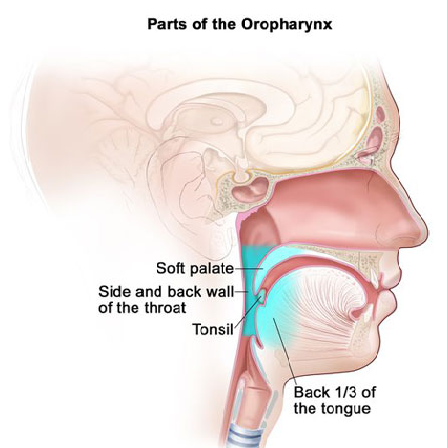
SUMMARY: The Centers for Disease Control and Prevention estimates that in the US, there are more than 16,000 cases of Human PapillomaVirus (HPV)-positive OroPharyngeal Squamous Cell Carcinoma (OPSCC) per year and there has been a significant increase in incidence during the past several decades, due to changes in sexual practices. They represent approximately 70% of all OPSCC in the United States and Canada. HPV-positive oropharyngeal squamous cell carcinoma is an entirely distinct disease entity from HPV-negative oropharyngeal squamous cell carcinoma. Patients with HPV-positive OPSCC tend to be younger males, who are former smokers or nonsmokers, with risk factors for exposure to High Risk HPV (HR-HPV). The HPV-positive primary Squamous Cell Carcinoma tend to be smaller in size, with early nodal metastases, and these patients have a better prognosis compared with patients with HPV-negative Head and Neck Squamous Cell Carcinoma (HNSCC), when treated similarly. Expression of tumor suppressor protein, known as p16, is highly correlated with infection with HPV in HNSCC. Accurate HPV assessment in head and neck cancers is becoming important as it significantly impacts clinical management. HPV status is considered the most important prognostic indicator in patients with head and neck cancer and p16 status is now included in the American Joint Committee on Cancer (AJCC) Staging System.
Parts-of-the-Oropharynx
HPV-positive Oropharyngeal Squamous Cell Carcinoma is more sensitive to chemotherapy and radiotherapy than is HPV-negative Oropharyngeal Squamous Cell Carcinoma, which translates to a much better prognosis and survival, when treated with a combination of Cisplatin chemotherapy and radiotherapy. This treatment however can be associated with substantial morbidity and lifelong toxicities such as dry mouth, difficulty swallowing, and loss of taste. Patients deemed unable to tolerate Cisplatin chemotherapy such as the elderly, and those with poor kidney function, receive ERBITUX® (Cetuximab), an Epidermal Growth Factor Receptor (EGFR) inhibitor with radiotherapy.

ERBITUX® is an EGFR targeted monoclonal antibody and the goal of this present study was to find an alternative to Cisplatin, and this study was designed to see if ERBITUX® with radiation would be less toxic than Cisplatin with radiation, without compromising survival among HPV-positive OPSCC patient population. RTOG 1016 is a randomized, multicentre, non-inferiority, phase III trial which included patients with Human PapillomaVirus (HPV)-positive Oropharyngeal Squamous Cell Carcinoma. This study enrolled 987 patients (N=987) at 182 centers in the US and Canada and enrollees had histologically confirmed HPV-positive Oropharyngeal carcinoma and clinical categories included T1-T2, N2a-N3 M0 or T3-T4, N0-N3 M0 groups. Patients were randomly assigned in a 1:1 ratio to receive either radiotherapy plus ERBITUX®, or radiotherapy plus Cisplatin. Treatment groups were well balanced and were stratified by T (T1–T2 vs T3–T4), N category (N0-N2a vs N2b-N3), and smoking history (10 pack-years or less vs more than 10 pack-years). Patients were randomized to receive either ERBITUX® at a loading dose of 400 mg/m2 IV 5-7 days before radiotherapy initiation, followed by ERBITUX® 250 mg/m2 IV weekly for seven doses (N=425) or Cisplatin 100 mg/m 2 on days 1 and 22 of radiotherapy (N=424). All patients received accelerated Intensity-Modulated RadioTherapy (IMRT) delivered at 70 Gy in 35 fractions over 6 weeks at six fractions per week (with two fractions given on one day, at least 6 hours apart). The Primary endpoint was Overall Survival.

The third and final interim analysis was done after a median follow-up of 4.5 years. Radiotherapy plus ERBITUX® did not meet the non-inferiority criteria for Overall Survival and the estimated 5-year Overall Survival was 77.9% in the ERBITUX® group versus 84.6% in the Cisplatin group, suggesting that the Overall Survival on the ERBITUX® arm was significantly inferior to the Cisplatin arm. Progression Free Survival (PFS) was also significantly lower in the ERBITUX® group compared with the Cisplatin group, with a 5-year PFS of 67.3% versus 78.4%, respectively. Five year locoregional failure rates were significantly higher in the ERBITUX® group compared with the Cisplatin group (17.3% versus 9.9%, respectively. Serious (grade 3-5) adverse events were similar for patients in both treatment groups and as expected, toxicities were different, with adverse events of renal toxicity, hearing loss, and bone marrow suppression more common in patients in the Cisplatin group, where as body rash was more common in the ERBITUX® group. All patients in this study were able to complete therapy at the time of this analysis.

It was concluded that this trial is the first randomized clinical trial specifically designed for patients with HPV-positive Oropharyngeal cancer, and among this patient group, radiotherapy plus ERBITUX® showed inferior Overall Survival and Progression Free Survival compared with radiotherapy plus Cisplatin. Radiotherapy plus Cisplatin should therefore be the standard of care for eligible patients with HPV-positive Oropharyngeal carcinoma. Radiotherapy plus cetuximab or cisplatin in human papillomavirus-positive oropharyngeal cancer (NRG Oncology RTOG 1016): a randomised, multicentre, non-inferiority trial. Gillison ML, Trotti AM, Harris J, et al. Published:November 15, 2018. DOI:https://doi.org/10.1016/S0140-6736(18)32779-X

Late Breaking Abstract – ESMO 2018 Frontline KEYTRUDA® Improves Overall Survival in Advanced Head and Neck Cancer

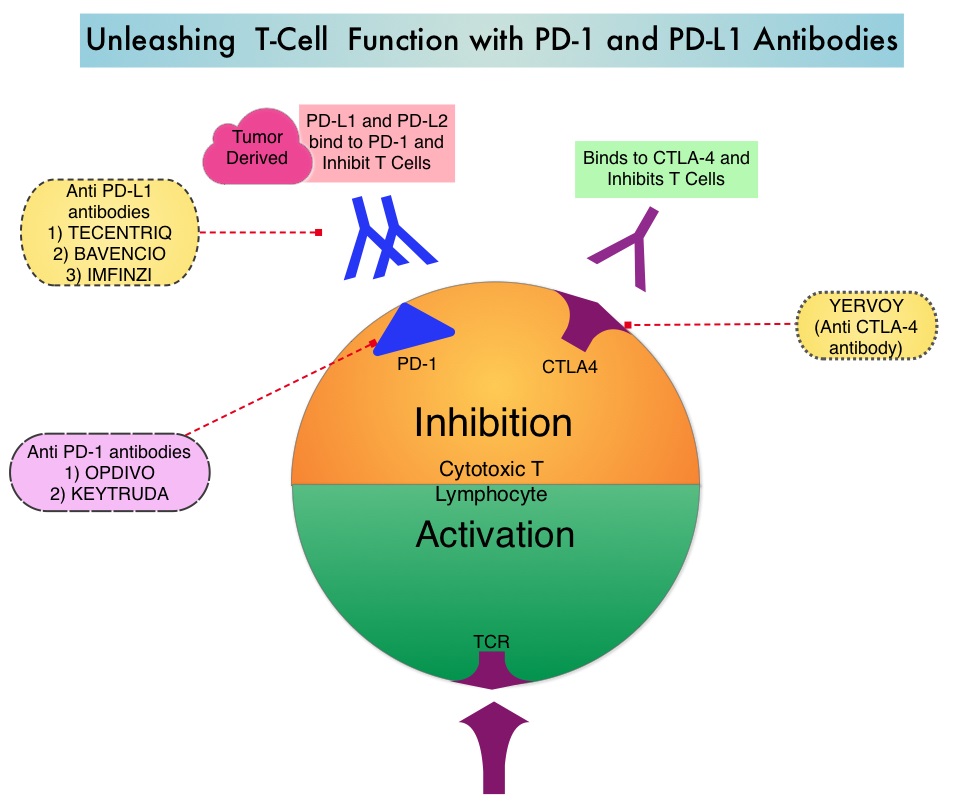
SUMMARY: The American Cancer Society estimates that 65,410 people will be diagnosed with Head and Neck cancer in 2019 and 14,620 patients will die of the disease. Patients with Recurrent/Metastatic Squamous Cell Carcinoma of the Head and Neck have a poor prognosis with a short median Overall Survival. The treatment paradigm for Head and Neck cancer has been rapidly evolving with the recognition and better understanding of immune evasion and the role of Immune checkpoints or gate keepers in suppressing antitumor immunity. Blocking the Immune checkpoints unleashes the T cells, resulting in T cell proliferation, activation and a therapeutic response. KEYTRUDA® (Pembrolizumab) is a fully humanized, Immunoglobulin G4, monoclonal antibody, that binds to the PD-1 receptor and blocks its interaction with ligands PD-L1 and PD-L2, thereby undoing PD-1 pathway-mediated inhibition of the immune response and unleashing the tumor-specific effector T cells.

KEYNOTE-048 is an open-label, three arm, randomized, phase III trial, in which KEYTRUDA® monotherapy and KEYTRUDA® plus chemotherapy was compared to ERBITUX® (Cetuximab) plus chemotherapy, as first-line systemic therapy, among patients with Recurrent/Metastatic Head and Neck Squamous Cell Carcinoma. A total 882 patients were randomized in a 1:1:1 ratio to receive either KEYTRUDA® 200 mg IV every 3 weeks for 24 months (N=301), KEYTRUDA® 200 mg IV every 3 weeks for 24 months plus Cisplatin 100 mg/m2 IV or Carboplatin AUC 5 IV (investigator’s choice) on day 1, along with 5-FU 1,000 mg/m2/day IV, days 1-4 of each 3-week cycle, for a maximum of 6 cycles (N=281) or the control arm (EXTREME) consisting of ERBITUX® 400 mg/m2 loading dose followed by 250 mg/m2 weekly, plus Cisplatin 100 mg/m2 or Carboplatin AUC 5 IV on day 1 along with 5-FU 1000 mg/m2/day IV, days 1-4 of each 3-week cycle, for a maximum of 6 cycles (N=300).

Enrolled patients had Recurrent or Metatastic Squamous Cell Carcinoma of the Oral cavity, Oropharynx, Hypopharynx or Larynx, and had not received prior systemic therapy for their recurrent or metastatic disease. Patients were stratified by PD-L1 expression, HPV p16 status, and ECOG Performance Status. PD-L1 expression was measured using the Combined Positive Score (CPS) and Tumor Proportion Score and a CPS of 20 or more indicated high PD-L1 expression, whereas a CPS of 1 or more was the lower threshold of positivity. (CPS measures high PD-L1 expression in the tumor and surrounding immune cells, whereas TPS only captures PD-L1 expression on tumor cells). Approximately 21% of patients were positive for Human Papillomavirus Virus (HPV) p16.

In this analysis, the authors compared the outcomes with KEYTRUDA® alone versus EXTREME (ERBITUX® plus chemo combination) in patients stratified for PD-L1 expression as well as KEYTRUDA® plus chemotherapy versus ERBITUX® plus chemotherapy in all patients with any PD-L1 status. The Primary endpoints were Progression Free Survival (PFS) and Overall Survival (OS) in patients with a PD-L1 CPS of 20 or more and CPS of 1 or more in all enrolled patients. The Secondary endpoints of the study were PFS at 6 months and 12 months, Objective Response Rate (ORR), and time to deterioration in Quality of Life. The minimum follow up was about 17 months.

It was noted that in patients with PD-L1 CPS of 20 or more (high expressors, N=255), single agent KEYTRUDA® was superior to ERBITUX® combination, with a median OS of 14.9 months in patients who received single agent KEYTRUDA® versus 10.7 months in patients who received ERBITUX® with combination chemotherapy (HR=0.61; P=0.0007). There was however no difference in PFS in this PD-L1 subset between the 2 treatment groups (HR=0.99; P=0.5). Similar benefit was seen for patients with a PD-L1 CPS of 1 or more subset (low expressors, N= 512), in which the median OS for KEYTRUDA® monotherapy versus ERBITUX® plus chemotherapy was 12.3 months versus 10.3 months respectively (HR=0.78; P=0.0086). The OS for KEYTRUDA® monotherapy was noninferior to ERBITUX® plus chemotherapy in the total population of patients (N=601). The ORRs were 23% and 36%, with single agent KEYTRUDA® and ERBITUX® combination respectively, in the high expressor subgroup and 19% and 35%, respectively in the low expressor subgroup. However, the median Duration of Response was almost 5 times longer with KEYTRUDA® monotherapy compared to ERBITUX® combination.

When KEYTRUDA® plus chemotherapy was compared with ERBITUX® plus chemotherapy, KEYTRUDA® combination was non-inferior and in fact was superior to ERBITUX® combination for OS in the total population (N = 559), with a median OS of 13.0 versus 10.7 months respectively (HR=0.77; P=0.0034).

It was concluded that among patients with Recurrent/Metastatic Head and Neck Squamous Cell Carcinoma, KEYTRUDA® monotherapy significantly improved Overall Survival compared to ERBITUX® plus chemotherapy in patients with PD-L1 Combined Positive Score of 1 or more. Additionally, KEYTRUDA® plus chemotherapy significantly improved Overall Survival in the total patient population, compared to ERBITUX® plus chemotherapy. Responses associated with single agent KEYTRUDA® and KEYTRUDA® chemotherapy combination, were durable. These data support KEYTRUDA®, as well as KEYTRUDA® plus platinum and 5-FU as the new first-line standards of care for this patient group. KEYNOTE-048: Phase 3 study of first-line pembrolizumab (P) for recurrent/metastatic head and neck squamous cell carcinoma (R/M HNSCC). Burtness B, Harrington KJ, Greil R, et al. Proceedings from the 2018 ESMO Congress: October 19-23, 2018; Munich, Germany. Abstract LBA8_PR.

ASH 2018 Four Cycles of Chemotherapy Equally Effective as Six Cycles in Diffuse Large B-Cell Lymphoma

SUMMARY: The American Cancer Society estimates that in 2019, about 74,200 people will be diagnosed with Non Hodgkin Lymphoma (NHL) in the United States and about 19,970 individuals will die of this disease. Diffuse Large B-Cell Lymphoma (DLBCL) is the most common of the aggressive Non-Hodgkin lymphoma’s in the United States, and the incidence has steadily increased 3-4% each year. More than half of patients are 65 or older at the time of diagnosis and the incidence is likely to increase with the aging of the American population. The etiology of Diffuse Large B-Cell Lymphoma is unknown. Contributing risk factors include immunosuppression (AIDS, transplantation setting, autoimmune diseases), UltraViolet radiation, pesticides, hair dyes, and diet. DLBCL is a neoplasm of large B cells and the most common chromosome abnormality involves alterations of the BCL-6 gene at the 3q27 locus, which is critical for germinal center formation. Two major molecular subtypes of DLBCL arising from different genetic mechanisms have been identified, using gene expression profiling: Germinal Center B-cell-like (GCB) and Activated B-Cell-like (ABC). Patients in the GCB subgroup have a higher five year survival rate, independent of clinical IPI (International Prognostic Index) risk score, whereas patients in the ABC subgroup have a significantly worse outcome. Regardless, R-CHOP regimen (RITUXAN®-Rituximab, Cyclophosphamide, Doxorubicin, Vincristine, and Prednisone), given every 21 days, for 6 cycles, delivered with curative intent, is the current standard of care for patients of all ages, with newly diagnosed DLBCL, regardless of molecular subtype. The MInT trial (MabThera International Trial Group) published in The Lancet Oncology in 2006 established that for a subgroup of young DLBCL patients with favorable prognosis (age-adjusted International Prognostic Index (aaIPI) of 0 and no bulky disease, 6 cycles CHOP-like chemotherapy plus RITUXAN® resulted in a 3-year Event Free Survival of 89%, Progression Free Survival of 95% and Overall Survival of 98% (Lancet Oncol 2006;7:379-391).

The International Prognostic Index includes the following risk factors and one point is assigned to each risk factor (Age greater than 60 years, ECOG PS of 2, 3 or 4, elevated serum LDH, more than one Extranodal site and Stages III or IV disease). Age-Adjusted IPI is a simplified version and can be used when comparing patients within an age group (i.e. 60 years or younger, or over 60 years) and includes only 3 of the above factors (Performance Status, LDH and Stage).

Treatment with CHOP-like chemotherapy can result in delayed toxicities including cardiotoxicity and second malignancies. De-escalating chemotherapy can reduce toxicities and cost, while improving patient convenience. The authors conducted the FLYER trial to evaluate whether a shorter chemotherapy course of 4 cycles of R-CHOP plus 2 cycles of RITUXAN® alone was non-inferior to the standard treatment of 6 cycles of R-CHOP.

The FLYER trial is an international, multicenter, randomized phase III study in which 592 treatment naïve patients with favorable risk (age 18-60 years, tumor size less than 7.5 cm), Stage I or II DLBCL, were randomly assigned to receive either 6 cycles of R-CHOP, or 4 cycles of R-CHOP plus 2 cycles of RITUXAN®. For this final analysis, 588 patients were evaluable. Each treatment cycle was 21 days. Radiotherapy was not part of the planned treatment, with the exception of prophylactic radiotherapy of the contralateral testis, in patients with Testicular lymphoma. Both treatment groups were well balanced. The mean age was 48 years, 99% were classified as IPI = 0 and 1% as IPI = 1. The Primary endpoint was Progression Free Survival (PFS).

At a median follow up of 66 months, there was no significant difference in the PFS between the two treatment groups (P=0.76). The 3-year Progression Free Survival (PFS) rate was 94% for patients who received 6 cycles of R-CHOP (N=295) compared with 96% for those who received 4 cycles of R-CHOP followed by 2 cycles of RITUXAN® (N=293). The 3-year Overall Survival (OS) rate was 98% among those who received 6 cycles of R-CHOP versus 99% for those who received 4 cycles of R-CHOP followed by 2 cycles of RITUXAN® (P=0.89). There was also no significant difference in the Relapse Rate between the two treatment groups (4-5%). Grade 3 and 4 nonhematologic as well as hematologic Adverse Events were higher in those patients who received 6 cycles of R-CHOP versus the 4 cycles of R-CHOP.

The authors concluded that in this randomized, noninferiority, phase III study, 2 fewer cycles of R-CHOP greatly reduced toxicity without compromising efficacy, in young treatment naïve patients, with low-risk Diffuse Large B-Cell Lymphoma. Data on outcomes in the Germinal Center B-cell-like (GCB) versus Activated B-Cell-like (ABC) subsets is not available. Excellent outcome of young patients (18-60 years) with favourable-prognosis diffuse large B-cell lymphoma (DLBCL) treated with 4 cycles CHOP plus 6 applications of rituximab: results of the 592 patients of the FLYER trial of the Dshnhl/GLA. Poeschel V, Held G, Ziepert M, et al. Presented at ASH Annual Meeting and Exposition: December 4-8, 2018; San Diego, California. Abstract 781.

Late Breaking Abstract – ESMO 2018 First Line BAVENCIO® plus INLYTA® Highly Effective in Advanced Renal Cell Carcinoma

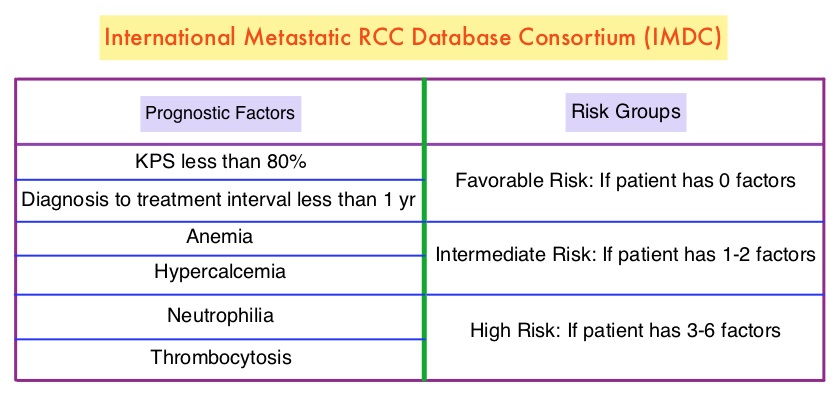
SUMMARY: The American Cancer Society estimates that 73,820 new cases of kidney and renal pelvis cancers will be diagnosed in the United States in 2019 and about 14,770 people will die from the disease. Renal Cell Carcinoma (RCC) is by far the most common type of kidney cancer and is about twice as common in men as in women. Modifiable risk factors include smoking, obesity, workplace exposure to certain substances and high blood pressure. The five year survival of patients with advanced RCC is less than 10% and there is significant unmet need for improved therapies for this disease. SUTENT® (Sunitinib) is a MultiKinase Inhibitor (MKI) which simultaneously targets the tumor cell wall, vascular endothelial cell wall as well as the pericyte/fibroblast/vascular/ smooth vessel cell wall and is capable of specifically binding to tyrosine kinases, inhibiting the earlier signaling events and thereby inhibits phosphorylation of VEGF receptor, PDGF receptor, FLT-3 and c-KIT. SUTENT® is the standard first-line intervention for treatment naïve patients with advanced RCC. In a large, multi-center, randomized, phase III study, the median Progression Free Survival (PFS) with SUTENT® was 9.5 months, the Objective Response Rate (ORR) was 25%, and the median Overall Survival was 29.3 months, when compared with Interferon Alfa, in patients with treatment-naïve Renal Cell Carcinoma. This was however associated with a high rate of hematological toxicities.International-Metastatic-RCC-Database-Consortium-(IMDC)

BAVENCIO® (Avelumab) is a human, immunoglobulin G1 lambda, PD-L1 targeted monoclonal antibody that binds to PD-L1 and blocks the interaction between PD-L1 and its receptors PD-1. This in turn negates the inhibitory effects of PD-L1 on the immune response by unleashing the immune system and restoring antitumor immune responses. In addition, BAVENCIO® induces Antibody Dependent Cell-mediated Cytotoxicity (ADCC). INLYTA® (Axitinib) is a kinase inhibitor and inhibits receptor tyrosine kinases including Vascular Endothelial Growth Factor Receptors (VEGFR)-1, VEGFR-2, and VEGFR-3. These receptors have been implicated in pathologic angiogenesis, tumor growth, and cancer progression. INLYTA® is approved by the FDA for the treatment of advanced Renal Cell Carcinoma (RCC) after failure of one prior systemic therapy. The rationale behind combining these two agents was that BAVENCIO® stimulates the immune system while INLYTA® inhibits tumor neoangiogenesis by preventing VEGF activity. Preclinical data suggested that combining these two agents is effective, as their mechanisms of action complement each other. A combination of BAVENCIO® and INLYTA® also showed encouraging antitumor activity among patients with advanced RCC in a phase 1b trial.Unleashing-T-Cell-Function-with-PD-1-and-PD-L1-Antibodies

JAVELIN Renal 101 is a global, randomized phase III trial in which 886 patients with clear cell advanced Renal Cell Carcinoma who had no prior systemic therapy, were randomly assigned in a 1:1 to receive BAVENCIO® 10 mg/kg IV every 2 weeks along with INLYTA® 5 mg orally twice daily, in 6 week cycles (N=442) or SUTENT® 50 mg orally daily, 4 weeks on followed by 2 weeks off (N=444). This study included all MSKCC (Memorial Sloan Kettering Cancer Center) prognostic subgroups (good, intermediate, and poor risk). According to the IMDC (International Metastatic RCC Database Consortium), 21% were in the favorable risk group, 62% were in the Intermediate risk group and 16% were in the poor risk group. Among the enrolled patients, 63.2% (N=560) patients were PD-L1positive (1% or more positive immune cells) of whom 270 patients received the BAVENCIO® and INLYTA® combination whereas 290 patients received SUTENT®. The Primary endpoints were Progression Free Survival (PFS) and Overall Survival (OS) in the PD-L1 positive group and Secondary endpoints included PFS and OS irrespective of PD-L1 expression, Objective Response Rate (ORR) and Safety.

It was noted that in the patient group with PD-L1 positive tumors, the median PFS was 13.8 months in the combination group compared to 7.2 months in the single agent SUTENT® group (HR=0.61; P<0.0001). The median PFS in patients irrespective of PD-L1 expression was 13.8 months with the combination treatment compared to 8.4 months with SUTENT® (HR=0.69; P=0.0001). The confirmed Objective Response Rate (ORR) among those with PD-L1 positive tumors was 55.2% in the combination group and 25.5% in the SUTENT® group. The benefit with combination treatment was noted in all prognostic risk groups. The OS data were immature at the time of data cutoff. Grade 3 or more treatment related adverse events were similar in both treatment groups and led to discontinuation of drug in 22.8% of patients in the combination group versus 13.4% in the SUTENT® group.

It was concluded that a combination of BAVENCIO® given along with INLYTA® significantly improved Progression Free Survival as well as Objective Response Rate, irrespective of PD-L1 expression, and across all prognostic risk groups. The authors added that these results support this combination as a potential new first line standard of care for patients with advanced Renal Cell Carcinoma. JAVELIN Renal 101: a randomized, phase III study of avelumab + axitinib vs sunitinib as first-line treatment of advanced renal cell carcinoma (aRCC). Motzer RJ, Penkov K, Hannen JBAG, et al. Proceedings from the 2018 ESMO Congress; October 19-23, 2018; Munich, Germany. Abstract LBA6_PR.

Late Breaking Abstract – ESMO 2018 Targeting PIK3CA Mutations Improves Outcomes in Advanced Breast Cancer

SUMMARY: Breast cancer is the most common cancer among women in the US and about 1 in 8 women (12%) will develop invasive breast cancer during their lifetime. Approximately 268,600 new cases of female breast cancer will be diagnosed in 2019 and about 41,760 women will die of the disease. About 70% of breast tumors express Estrogen Receptors and/or Progesterone Receptors and these patients are often treated with anti-estrogen therapy as first line treatment. However, resistance to hormonal therapy occurs in a majority of the patients.

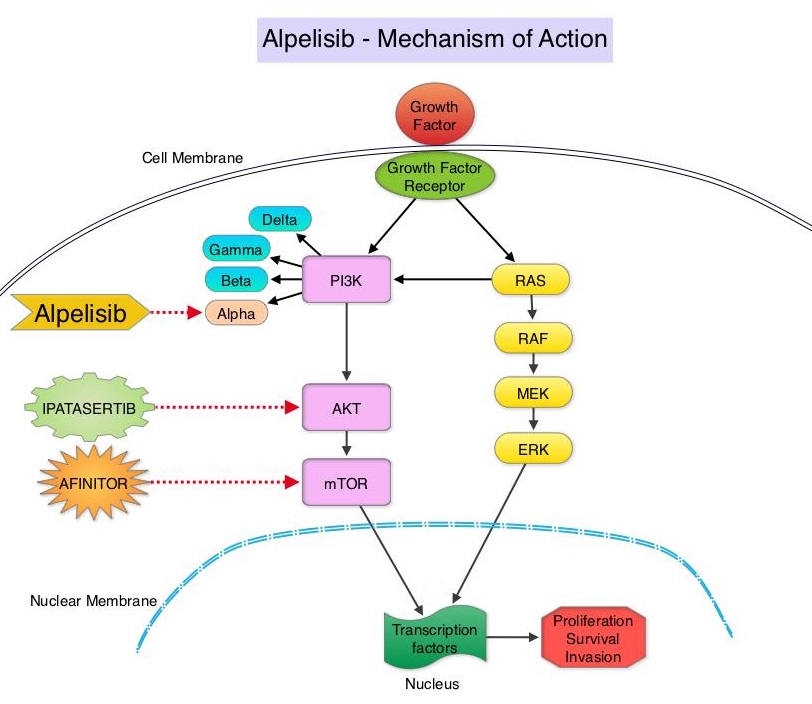
The PhosphoInositide 3-Kinase (PI3K) pathway is an intracellular signaling pathway important in the regulation of cancer cell proliferation and metastasis. PI3K is a lipid kinase and has four distinct isoforms – alpha, beta, gamma and delta, which play a unique role in the survival of different tumor types and establishment of supportive tumor microenvironments. The alpha and beta isoforms are expressed in a wide variety of tissues whereas the gamma and delta isoforms are primarily expressed in hematopoietic cells such as B and T cells. The PI3K alpha isoform is particularly important in breast cancer and plays an important role in tumorigenesis, supporting tumor angiogenesis and stromal interactions, making this a viable target. PIK3CA is an oncogene that codes for the alpha isoform of PI3K, (PI3Kα), more specifically for the alpha isoform of p110. The PI3k pathway is the most frequently altered pathway in human cancers including breast cancer, and has been implicated in disease progression in a significant number of patients with breast cancer. Activation of the PI3K pathway in breast cancer has been associated with resistance to endocrine therapy and disease progression. Approximately 40% of patients with Hormone Receptor positive (HR+), HER2 negative breast cancers, harbor activating mutations in the PIK3CA isoform of PI3K, which is the most common mutation in HR+ breast cancer. Patients with advanced breast cancer harboring PIK3CA mutations typically have a poor prognosis. This provides a strong rationale for targeting the PI3K pathway in breast cancer.Alpelisib - Mechanism-of-Action

Alpelisib is an oral, alpha-specific PI3K inhibitor that specifically inhibits PIK3 in the PI3K/AKT kinase signaling pathway. Further, it was shown in preclinical studies that cancer cells with PIK3CA mutations are more sensitive to Alpelisib than those without the mutation, across a broad range of tumor types. SOLAR-1 clinical trial was conducted to test this hypothesis.

SOLAR-1 is a global, double-blind, placebo-controlled, randomized phase III trial, which studied the benefit of Alpelisib in combination with FASLODEX® (Fulvestrant) among postmenopausal women and men with PIK3CA-mutated HR+/HER2 negative advanced or metastatic breast cancer, who had progressed on or following prior Aromatase Inhibitor treatment with or without a Cyclin-Dependent Kinase (CDK) 4/6 inhibitor. In this study, 572 patients were randomized in a 1:1 ratio to receive Alpelisib 300 mg orally daily or placebo once daily, in combination with FASLODEX® 500mg IM on days 1 and 15 of the first cycle and day 1 of each subsequent 28-day cycle. Patients were stratified based on visceral metastases and prior CDK4/6 inhibitor treatment. A total of 341 patients had PIK3CA mutations upon testing of the tumor tissue with 169 patients receiving the Alpelisib combination and 172 patients receiving FASLODEX® alone. Enrolled patients had received one or more prior lines of hormonal therapy, but no chemotherapy for advanced breast cancer. They had not previously received FASLODEX® or any PI3K, Akt or mTOR inhibitor, and were not on concurrent anticancer therapy. Approximately half of the patients in each treatment group had lung or liver metastases and 6% had received prior CDK4/6 inhibitor therapy. The Primary endpoint was Progression Free Survival (PFS) for patients with the PIK3CA mutation. Secondary endpoints included Overall Survival (OS), Overall Response Rate (ORR), Clinical Benefit Rate, Health-Related Quality of Life, Efficacy in PIK3CA non-mutant cohort, Safety and Tolerability.

The Primary endpoint was met and at a median follow up of 20 months, the PFS was nearly twice as long in patients with PIK3CA mutations randomized to Alpelisib plus FASLODEX® compared to the placebo plus FASLODEX® group. The median PFS was 11.0 months in the Alpelisib group compared to 5.7 months in the placebo group (HR=0.65; P=0.00065). In patients with measurable, PIK3CA-mutated advanced breast cancer (N=262), the Overall Response Rate was 36% for the Alpelisib plus FASLODEX® group versus 16% for placebo plus FASLODEX® group (P=0.0002). There was no significant PFS benefit noted in the PIK3CA-nonmutant patient group receiving Alpelisib plus FASLODEX®. The most frequent toxicities with Alpelisib were hyperglycemia which could be managed with Metformin, nausea, decreased appetite and rash.

It was concluded that Alpelisib given along with FASLODEX® significantly improved Progression Free Survival compared to Placebo plus FASLODEX®, with manageable toxicities. The authors commented that this is the first study to show statistically significant, clinically meaningful PFS improvement with an alpha-specific PI3K inhibitor in PIK3CA-mutated HR+, HER2 negative advanced breast cancer, highlighting the importance of clinical genomics in advanced breast cancer. It however remains unclear whether Alpelisib should be incorporated into the current treatment paradigm upfront, along with endocrine therapy and a CDK 4/6 inhibitor, or sequentially following disease progression on a combination of endocrine therapy and a CDK 4/6 inhibitor. Alpelisib (ALP) + fulvestrant (FUL) for advanced breast cancer (ABC): results of the phase 3 SOLAR-1 trial. André F, Ciruelos EM, Rubovszky G, et al. Presented during the Presidential Symposium 1 at: 2018 ESMO Congress; October 19-23; Munich, Germany. Abstract LBA3_PR.

Late Breaking Abstract – ASH 2018 IMBRUVICA® and RITUXAN® Combination Superior to FCR in Younger Patients with CLL

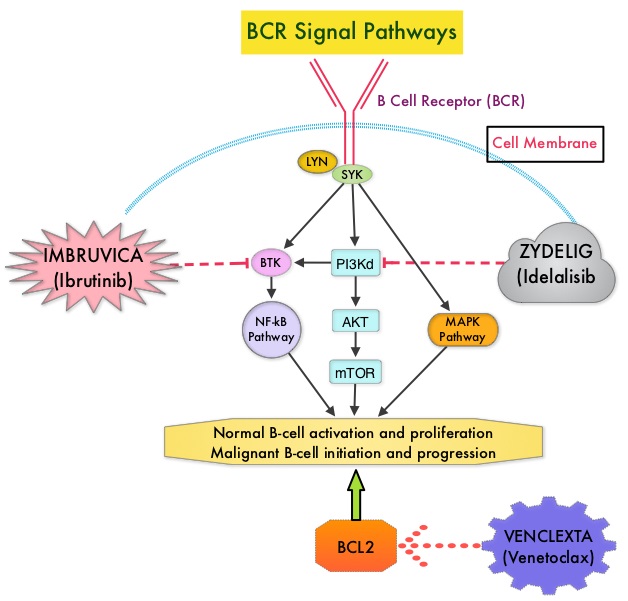
SUMMARY: The American Cancer Society estimates that for 2018, about 20,940 new cases of Chronic Lymphocytic Leukemia (CLL) will be diagnosed in the US and 4,510 patients will die of the disease. CLL accounts for about 25% of the new cases of leukemia and the average age at the time of diagnosis is around 71 years. B-cell CLL is the most common type of leukemia in adults, accounting for about 11% of all hematologic malignancies. Chemoimmunotherapy with Fludarabine, Cyclophosphamide, and Rituximab (FCR) has long been the gold standard and the most commonly used treatment regimen for younger, fit, treatment naïve patients with chronic lymphocytic leukemia. This is based on phase III trial data showing improvement in both Progression Free Survival (PFS) and Overall Survival (OS) compared with chemotherapy alone. FCR regimen however is associated with significant toxicities and cannot be tolerated by all CLL patients. IMBRUVICA® (Ibrutinib) is an oral, irreversible inhibitor of BTK and inhibits cell proliferation and promotes programmed cell death (Apoptosis) by blocking B-cell activation and signaling. IMBRUVICA® in phase III trials showed improved PFS and OS when compared to Chlorambucil in previously untreated, elderly patients with CLL. Nonetheless, the efficacy of IMBRUVICA® as a first-line treatment for younger CLL patients (70 years or younger), compared to the most efficacious regimen such as FCR, is unknown.BCR-Signal-Pathways

E1912, led by the ECOG-ACRIN Research Group (ECOG-ACRIN), is a randomized phase III study in which IMBRUVICA® (Ibrutinib) plus RITUXAN® (Rituximab) was compared to Fludarabine, Cyclophosphamide, and RITUXAN® (FCR) chemotherapy regimen, in previously untreated patients aged 70 years or younger with Chronic Lymphocytic Leukemia (CLL) or Small Lymphocytic Lymphoma (SLL). In this trial, 529 patients were randomly assigned in a 2:1 ratio to receive IMBRUVICA® 420 mg orally daily until disease progression along with RITUXAN® 50 mg/m2 on day 1 of cycle 2, 325 mg/m2 on day 2 of cycle 2, 500 mg/m2 on day 1 of cycles 3-7 (N=354) or six courses of Fludarabine 25 mg/m2 IV along with Cyclophosphamide 250 mg/m2 IV days 1-3 and RITUXAN® 50 mg/m2 IV on day 1 of cycle 1, 325 mg/m2 on day 2 of cycle 1, 500 mg/m2 on day 1 of cycles 2-6, given every 28 days (N=175). The median age was 58 years and 40% of the patients were 60 years of age or older. The Primary endpoint was Progression Free Survival (PFS) and the Secondary endpoint was Overall Survival (OS).

With a median follow up of 33.4 months, at the first interim analysis, IMBRUVICA® plus RITUXAN® significantly improved PFS compared to FCR (HR=0.35; P<0.0001), with a 65% reduction in the risk of progression or death with IMBRUVICA® plus RITUXAN® compared with FCR. The combination of IMBRUVICA® plus RITUXAN® also demonstrated improved OS (HR=0.17; P=0.0003) and this suggested that IMBRUVICA® plus RITUXAN® combination reduced the risk of death by 83% compared with FCR. In a subgroup analysis, the PFS benefit with IMBRUVICA® plus RITUXAN® was seen independent of age, sex, Performance Status (0-2), disease stage, as well as presence or absence of cytogenetic abnormality, deletion 11q23. At the time of this analysis, IMBRUVICA® plus RITUXAN® was also superior to FCR among IGHV unmutated patients (HR=0.26; P<0.0001), suggesting a 74% reduction in the risk of progression or death with IMBRUVICA® plus RITUXAN®, compared to FCR. A statistically significant benefit however was not observed among those with IGHV mutations, although there was a positive trend noted (HR=0.44; P=0.07). Treatment-related Grade 3 and 4 toxicities were significantly lower with IMBRUVICA® compared with FCR (58% versus 72%, respectively; P=0.004). FCR was more frequently associated with Grade 3 and 4 neutropenia (44% versus 23%) as well as infectious complications (18% versus 7%).

It was concluded that a combination of IMBRUVICA® and RITUXAN®, significantly improved PFS and OS, when compared to FCR, with fewer toxicities, among patients 70 years of age or under, with previously untreated CLL. The authors noted that these findings have immediate practice changing implications and establish IMBRUVICA® – based therapy as the most effective first-line therapy for untreated patients with CLL. Randomized Phase III Study of Ibrutinib (PCI-32765)-Based Therapy Vs. Standard Fludarabine, Cyclophosphamide, and Rituximab (FCR) Chemoimmunotherapy in Untreated Younger Patients with Chronic Lymphocytic Leukemia (CLL): A Trial of the ECOG-ACRIN Cancer Research Group (E1912. Shanafelt TD, Wang V, Kay NE, et al. Presented at the 2018 ASH Annual Meeting. December 1-4, 2018; San Diego. Abstract LBA-4.

STIVARGA® Dose Optimization Improves Outcomes in Patients with Metastatic Colorectal Cancer

SUMMARY: ColoRectal Cancer (CRC) is the third most common cancer diagnosed in both men and women in the United States. The American Cancer Society estimates that approximately 140,250 new cases of CRC will be diagnosed in the United States in 2018 and about 50,630 patients are expected to die of the disease. The lifetime risk of developing CRC is about 1 in 21 (4.7%). Even though colon cancer localized to the bowel is potentially curable with surgery and adjuvant chemotherapy, advanced colon cancer is often incurable. STIVARGA® (Regorafenib), is an oral multi-kinase inhibitor and inhibits multiple kinases including VEGF1, VEGF2, VEGF3, PDGFR, FGFR involved in tumor angiogenesis and KIT, RET, RAF-1, BRAF involved in oncogenesis. STIVARGA® is approved by the FDA for the treatment of patients with metastatic CRC, who have progressed on 5FU, ELOXATIN® (Oxaliplatin), CAMPTOSAR® (Irinotecan), anti-VEGF and anti-EGFR therapies, at a dose of 160 mg orally, once daily for the first 21 days of each 28-day cycle. The approval was based on a phase III trial in which patients receiving STIVARGA® had a statistically significant improvement in the Overall Survival (OS) and Progression Free Survival (PFS), compared to placebo.

The starting dose of STIVARGA® has been an obstacle and toxicities such as Palmar-Plantar Erythrodysesthesia Syndrome (PPES) commonly occurring during the first 2 weeks, as well as fatigue and hypertension have limited its use. Various dosing schedules have been implemented into clinical practice, despite the absence of reliable supportive data. There is therefore a need to optimize the dose of STIVARGA® in patients with refractory mCRC to maintain efficacy, while improving the tolerability profile. CORRELATE study looked at the data from the real-world setting of refractory mCRC regarding the dosing of STIVARGA® and safety, whereas the ReDos study evaluated a dose-escalation strategy, starting with a lower dose of STIVARGA®.

CORRELATE is a prospective, international observational study conducted in 13 countries to evaluate the use STIVARGA® in a real-world setting, based on safety and efficacy. The primary objective of this study was to assess safety. This final analysis describes the real-world dosing of STIVARGA® in mCRC.

Of the 1037 patients included in this study, 57% started treatment at 160 mg, 30% at 120 mg, and 13% at 80 mg or less. The mean dose administered was 75% of the approved dose. The median patient age was 65 years and majority of the patients had an ECOG performance status (PS) of 0-1 (87%). Dose reductions were more frequent in the 160 versus 120 mg group and treatment modifications were most commonly due to treatment related adverse events (66%). Most treatment discontinuations (49%) were due to radiologic disease progression, whereas 19% were due to STIVARGA® related adverse events. Treatment related adverse events of any grade occurred in 95% of patients, and 80% were attributed to STIVARGA®. Median overall survival (OS) was 7.6 months and the estimated 1-year OS was 34%.

It was concluded from this real-world, observational study that the starting dose of STIVARGA® for nearly half of patients was less than 160 mg/day and the common treatment related adverse events were generally consistent with the known safety profile of STIVARGA® in mCRC. Despite the dose modifications of STIVARGA®, there was no significant impact on its efficacy in terms of the median OS and median PFS.

ReDOS is a randomized phase II study in which STIVARGA® dose-escalation strategy beginning at a lower starting dose of 80 mg daily and ending at 160 mg daily was compared with the standard dose, in patients with refractory mCRC. In this dose escalation study, patients in Arm A (N=54) received STIVARGA® 80 mg daily, with weekly dose escalation up to 160 mg daily, if no significant drug-related toxicities were experienced, where as in Arm B (N=62), patients received the standard dose of STIVARGA® 160 mg daily, for 21 days of a 28-day cycle. The median age was 61 years and both treatment groups were well balanced. The Primary endpoint was the proportion of patients who completed 2 cycles of treatment and initiated the 3rd cycle if there was no progression.

The study met its primary endpoint with 43% of patients on Arm A initiating the 3rd cycle versus only 25% of patients on Arm B (P=0.028). The median Overall Survival (OS) was improved in Arm A versus Arm B (9 months versus 5.9 months ; P=0.094). The median Progression Free Survival (PFS) was 2.5 months for Arm A and 2 months for Arm B (P=0.55). Overall grade 3 and 4 toxicities were lower on Arm A versus Arm B and multiple Quality Of Life parameters were improved in Arm A versus Arm B, at week 2 of the first cycle.

It was concluded that weekly dose escalation of STIVARGA® from 80 mg to 160 mg daily was superior to a starting dose of 160 mg daily. Based on this study, the NCCN has updated its ColoRectal Cancer (CRC) guidelines, recommending a weekly STIVARGA® dose-escalation strategy beginning at 80 mg and ending at 160 mg, for previously treated patients with metastatic ColoRectal Cancer.

Real-world dosing of regorafenib (REG) in metastatic colorectal cancer (mCRC): final results from the prospective, observational CORRELATE study. O'Connor JM, Ducreux M, Petersen LN, et al. Ann Oncol. 2018;29 (suppl_8): viii150-viii204. 10.1093/annonc/mdy281

Regorafenib dose optimization study (ReDOS): Randomized phase II trial to evaluate dosing strategies for regorafenib in refractory metastatic colorectal cancer (mCRC)-an ACCRU Network study. Bekaii-Saab TS, Ou FS, Anderson DM, et al. J Clin Oncol. 2018;36(suppl 4S; abstr 611)

Baseline Corticosteroid Use at Start of PD-1/PD-L1 Inhibitor Therapy Negatively Affects Outcomes in NSCLC

SUMMARY: Lung cancer is the second most common cancer in both men and women and accounts for about 14% of all new cancers and 27% of all cancer deaths. The American Cancer Society estimates that for 2018 about 234,030 new cases of lung cancer will be diagnosed and over 154,050 patients will die of the disease. Lung cancer is the leading cause of cancer-related mortality in the United States. Non Small Cell Lung Cancer (NSCLC) accounts for approximately 85% of all lung cancers. Immunotherapy with PD-1 (Programmed cell Death 1) and PD-L1 (Programmed cell Death Ligand 1) inhibitors have demonstrated a clear survival benefit both as a single agent or in combination, compared with standard chemotherapy, in both treatment-naive and previously treated patients for advanced Non Small Cell Lung Cancer (NSCLC). It is now standard therapy for patients with lung cancer. Immuno-Oncology therapies unleash the T cells by blocking the Immune checkpoint proteins, thereby resulting in T cell proliferation, activation and a therapeutic response.

Patients with NSCLC often are treated with corticosteroids for a variety of reasons including fatigue, dyspnea, decreased appetite, and symptomatic brain metastases. Corticosteroids by virtue of their immunosuppressive properties can potentially effect on T-cell function and for this reason, use of these agents before the start of therapy with PD-(L)1 blockade has been a uniform exclusion criterion in clinical trials of Immune Checkpoint Blockade therapies. It is however becoming increasing clear that corticosteroids use for the management of immune-related adverse events do not seem to negatively impact outcomes. Nonetheless, there are presently no data regarding the impact of corticosteroid use at baseline, on the efficacy of Immune Checkpoint Inhibitors. In this publication, the authors evaluated the potential impact of systemic corticosteroids at the start of Immune Checkpoint Blockade, on the efficacy of PD-(L)1 inhibitors.

The authors in this study identified patients with advanced NSCLC who were treated with single-agent PD-(L)1 inhibitor (Pembrolizumab, Nivolumab, Atezolizumab, or Durvalumab) from two institutions – Memorial Sloan Kettering Cancer Center (N=455) and Gustave Roussy Cancer Center (N=185), between April 2011 to September 2017. Clinical and pharmacy records were reviewed to identify corticosteroid use at the time of beginning anti-PD-(L)1 therapy. Information on the use of corticosteroids within 30 days of the start of PD-(L)1 blockade, type of corticosteroid used, indication and route of administration were collected for the MSKCC cohort. Patient characteristics, including age, gender, histology, ECOG Performance Status, and smoking history were collected for all patients. Efficacy outcomes following treatment with PD-(L)1 inhibitors blockade was determined by local radiologists and all patients were followed up until death or data lock.

It was noted that 14% (N=90) of the 640 patients treated with single-agent PD-(L)1 inhibitor received 10 mg or more of prednisone daily at the start of the treatment with a PD-(L)1 inhibitor. The most common indications for treatment with corticosteroids were dyspnea or other respiratory symptoms (33%), fatigue (21%), and brain metastases (19%). Patient characteristics were well balanced between those who did or did not receive corticosteroids, with two exceptions – patients with poor performance status and history of brain metastases were more common in those who received corticosteroids.

In the pooled cohort of patients from both participating institutions, patients receiving baseline corticosteroids compared with patients not receiving corticosteroids experienced a lower Objective Response Rate (7% versus 18%) and worse Progression Free Survival and Overall Survival (P<0.001). The authors performed a multivariable analysis in the pooled cohort (N = 640), incorporating smoking history, performance status, history of brain metastases, and corticosteroid use (Prednisone 10 mg or more versus less than 10 mg), at the start of PD-(L)1 blockade. Prednisone use 10 mg or more was associated with worse Progression Free Survival (P=0.03) and Overall Survival (P<0.001). In the Memorial Sloan Kettering Center cohort of patients, (data unavailable for the Gustave Roussy Cancer Center cohort), patients who discontinued corticosteroids 1-30 days before starting PD-(L)1 blockade had intermediate Progression Free Survival and Overall Survival compared to those who received corticosteroids on the day of PD-(L)1 blockade initiation and those who received no corticosteroids within 30 days of the start of therapy.

The authors concluded that among patients with Non Small Cell Lung Cancer treated with PD-(L)1 blockade, baseline corticosteroid use of 10 mg or more of prednisone equivalent was associated with inferior outcomes. Clinicians should exercise caution and minimize the use, duration, and dose of corticosteroids if immunotherapy with PD-(L)1 blockade is a future consideration. Impact of Baseline Steroids on Efficacy of Programmed Cell Death-1 and Programmed Death-Ligand 1 Blockade in Patients With Non-Small-Cell Lung Cancer. Arbour KC, Mezquita L, Long N, et al. J Clin Oncol. 2018;36:2872-2878

Radiotherapy plus ERBITUX® Inferior to Radiotherapy plus Cisplatin in HPV-Positive Oropharyngeal Squamous Cell Carcinoma

SUMMARY: The Centers for Disease Control and Prevention estimates that in the US, there are more than 16,000 cases of Human PapillomaVirus (HPV)-positive OroPharyngeal Squamous Cell Carcinoma (OPSCC) per year and there has been a significant increase in incidence during the past several decades, due to changes in sexual practices. They represent approximately 70% of all OPSCC in the United States and Canada. HPV-positive oropharyngeal squamous cell carcinoma is an entirely distinct disease entity from HPV-negative oropharyngeal squamous cell carcinoma. Patients with HPV-positive OPSCC tend to be younger males, who are former smokers or nonsmokers, with risk factors for exposure to High Risk HPV (HR-HPV). The HPV-positive primary Squamous Cell Carcinoma tend to be smaller in size, with early nodal metastases, and these patients have a better prognosis compared with patients with HPV-negative Head and Neck Squamous Cell Carcinoma (HNSCC), when treated similarly. Expression of tumor suppressor protein, known as p16, is highly correlated with infection with HPV in HNSCC. Accurate HPV assessment in head and neck cancers is becoming important as it significantly impacts clinical management. HPV status is considered the most important prognostic indicator in patients with head and neck cancer and p16 status is now included in the American Joint Committee on Cancer (AJCC) Staging System.Parts-of-the-Oropharynx

HPV-positive Oropharyngeal Squamous Cell Carcinoma is more sensitive to chemotherapy and radiotherapy than is HPV-negative Oropharyngeal Squamous Cell Carcinoma, which translates to a much better prognosis and survival, when treated with a combination of Cisplatin chemotherapy and radiotherapy. This treatment however can be associated with substantial morbidity and lifelong toxicities such as dry mouth, difficulty swallowing, and loss of taste. Patients deemed unable to tolerate Cisplatin chemotherapy such as the elderly, and those with poor kidney function, receive ERBITUX® (Cetuximab), an Epidermal Growth Factor Receptor (EGFR) inhibitor with radiotherapy.

ERBITUX® is an EGFR targeted monoclonal antibody and the goal of this present study was to find an alternative to Cisplatin, and this study was designed to see if ERBITUX® with radiation would be less toxic than Cisplatin with radiation, without compromising survival among HPV-positive OPSCC patient population. RTOG 1016 is a randomized, multicentre, non-inferiority, phase III trial which included patients with Human PapillomaVirus (HPV)-positive Oropharyngeal Squamous Cell Carcinoma. This study enrolled 987 patients (N=987) at 182 centers in the US and Canada and enrollees had histologically confirmed HPV-positive Oropharyngeal carcinoma and clinical categories included T1-T2, N2a-N3 M0 or T3-T4, N0-N3 M0 groups. Patients were randomly assigned in a 1:1 ratio to receive either radiotherapy plus ERBITUX®, or radiotherapy plus Cisplatin. Treatment groups were well balanced and were stratified by T (T1–T2 vs T3–T4), N category (N0-N2a vs N2b-N3), and smoking history (10 pack-years or less vs more than 10 pack-years). Patients were randomized to receive either ERBITUX® at a loading dose of 400 mg/m2 IV 5-7 days before radiotherapy initiation, followed by ERBITUX® 250 mg/m2 IV weekly for seven doses (N=425) or Cisplatin 100 mg/m 2 on days 1 and 22 of radiotherapy (N=424). All patients received accelerated Intensity-Modulated RadioTherapy (IMRT) delivered at 70 Gy in 35 fractions over 6 weeks at six fractions per week (with two fractions given on one day, at least 6 hours apart). The Primary endpoint was Overall Survival.

The third and final interim analysis was done after a median follow-up of 4.5 years. Radiotherapy plus ERBITUX® did not meet the non-inferiority criteria for Overall Survival and the estimated 5-year Overall Survival was 77.9% in the ERBITUX® group versus 84.6% in the Cisplatin group, suggesting that the Overall Survival on the ERBITUX® arm was significantly inferior to the Cisplatin arm. Progression Free Survival (PFS) was also significantly lower in the ERBITUX® group compared with the Cisplatin group, with a 5-year PFS of 67.3% versus 78.4%, respectively. Five year locoregional failure rates were significantly higher in the ERBITUX® group compared with the Cisplatin group (17.3% versus 9.9%, respectively. Serious (grade 3-5) adverse events were similar for patients in both treatment groups and as expected, toxicities were different, with adverse events of renal toxicity, hearing loss, and bone marrow suppression more common in patients in the Cisplatin group, where as body rash was more common in the ERBITUX® group. All patients in this study were able to complete therapy at the time of this analysis.

It was concluded that this trial is the first randomized clinical trial specifically designed for patients with HPV-positive Oropharyngeal cancer, and among this patient group, radiotherapy plus ERBITUX® showed inferior Overall Survival and Progression Free Survival compared with radiotherapy plus Cisplatin. Radiotherapy plus Cisplatin should therefore be the standard of care for eligible patients with HPV-positive Oropharyngeal carcinoma. Radiotherapy plus cetuximab or cisplatin in human papillomavirus-positive oropharyngeal cancer (NRG Oncology RTOG 1016): a randomised, multicentre, non-inferiority trial. Gillison ML, Trotti AM, Harris J, et al. Published:November 15, 2018. DOI:https://doi.org/10.1016/S0140-6736(18)32779-X