FDA Approves Perioperative KEYTRUDA® for Resectable Locally Advanced Head and Neck Squamous Cell Carcinoma

SUMMARY: The FDA on June 12, 2025, approved Pembrolizumab (KEYTRUDA®) for adults with resectable locally advanced Head and Neck Squamous Cell Carcinoma (HNSCC) whose tumors express PD-L1 Combined Positive Score (CPS) of 1 or more, as determined by an FDA-approved test, as a single agent as neoadjuvant treatment, continued as adjuvant treatment in combination with Radiotherapy (RT) with or without Cisplatin after surgery, and then as a single agent.This is the first approval for HNSCC in 6 years and the first overall perioperative approval for locally advanced HNSCC.

The American Cancer Society estimates that 59,660 new cases of cancer involving the oral cavity and pharynx will be diagnosed in the US in 2025 and 12,770 will die of the disease. The Head and Neck region includes the oral cavity, oropharynx, hypopharynx and larynx. Squamous Cell Carcinoma (SCC) of the Head and Neck accounts for about 3-5% of all cancers in the United States. Common risk factors include tobacco and alcohol use and Human PapillomaVirus (HPV) infection. Even though tobacco has long been associated with head and neck cancer development, cannabis has similar carcinogens.

The Standard of Care for patients with Stage III–IVA Head and Neck Squamous Cell Carcinoma (HNSCC) has remained largely static for nearly 2 decades: surgery followed by risk-adapted adjuvant radiotherapy, with or without concurrent chemotherapy. Despite refinements in technique and supportive care, relapse rates remain high, particularly among patients with adverse pathological features such as extranodal extension and positive margins.

The treatment paradigm for Head and Neck cancer has been rapidly evolving with the recognition and better understanding of immune evasion and the role of immune checkpoints or gate keepers in suppressing antitumor immunity. Blocking the immune checkpoints unleashes the T cells, resulting in T cell proliferation, activation, and a therapeutic response. Checkpoint inhibitors administered in a neoadjuvant setting activates both the priming phase of immunity within tumor tissue, and the effector phase within the tumor microenvironment. It has been shown that neoadjuvant immunotherapy expands more T-cell clones than adjuvant treatment. Preclinical models have also demonstrated that both radiation therapy and Cisplatin chemotherapy increase the PD-L1 expression on the tumor, suggesting that combining radiotherapy with anti-PD-1 therapy could improve the outcomes.

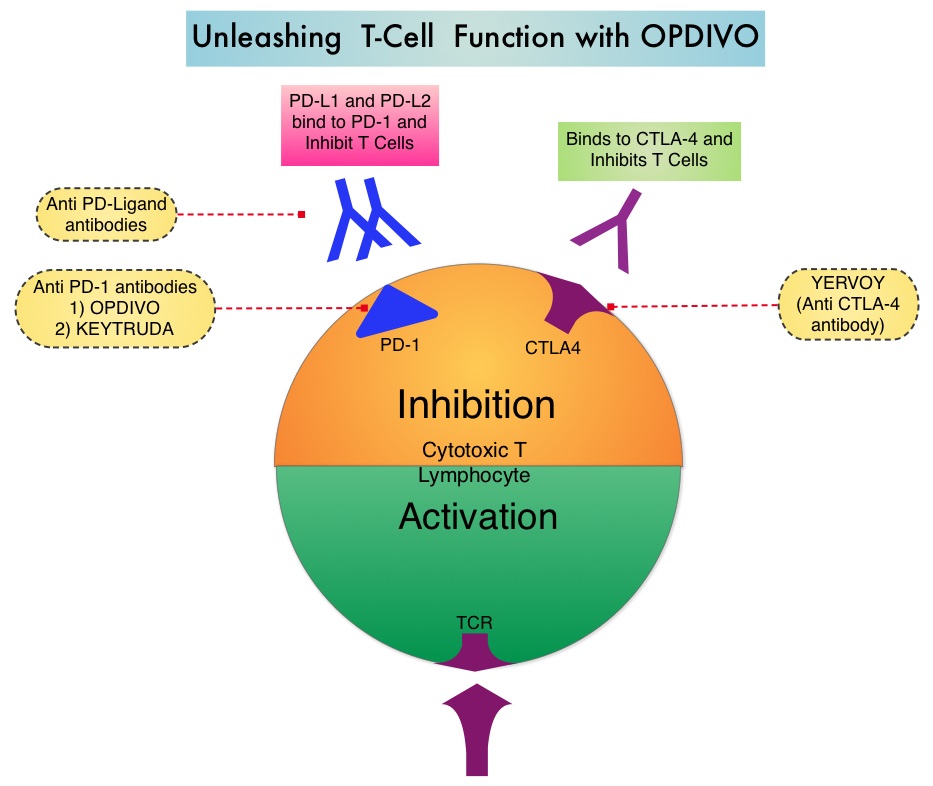
Pembrolizumab (KEYTRUDA®) is a fully humanized, Immunoglobulin G4, monoclonal antibody and checkpoint inhibitor, that binds to the PD-1 receptor and blocks its interaction with ligands PD-L1 and PD-L2, thereby undoing PD-1 pathway-mediated inhibition of the immune response and unleashing the tumor-specific effector T cells. Pembrolizumab has been shown to improve Overall Survival in patients with Recurrent/Metastatic Head and Neck Squamous Cell Carcinoma

KEYNOTE-689, a landmark Phase 3 trial, has provided the most compelling evidence to date that perioperative immunotherapy, specifically Pembrolizumab, can significantly improve clinical outcomes for patients with resectable, locally advanced Head and Neck Squamous Cell Carcinoma (HNSCC). This international, randomized, placebo-controlled study enrolled 714 patients (N=714) with newly diagnosed, resectable, Stage III–IVA HNSCC of the oral cavity, oropharynx, larynx, or hypopharynx.

Patients were randomized 1:1 to receive:

  • Investigational arm (N=356):
    • 2 cycles of neoadjuvant Pembrolizumab (200 mg IV Q3W) starting about 3 weeks before surgery.
    • Standard-of-care surgery.
    • Up to 3 doses of Pembrolizumab administered concurrently with adjuvant chemoradiotherapy, with Cisplatin (depending on pathologic risk- positive margins <1 mm or extranodal extension present at surgery was considered high risk).
    • 12 additional adjuvant doses of Pembrolizumab Q3W (total treatment duration: about 1 year).
  • Control arm (N=358):
    • Identical treatment structure, substituting placebo for Pembrolizumab.

PD-L1 expression was assessed via Combined Positive Score (CPS), and stratification included CPS ≥1 and CPS ≥10 subgroups, recognizing the prognostic and potentially predictive value of PD-L1 expression. The Primary endpoint was Event-Free Survival (EFS) by Blinded Independent Central Review, defined as time from randomization to disease progression, local/regional recurrence, distant metastasis, or death from any cause. Secondary endpoints included Overall Survival (OS) and Major Pathological Response.

The trial met its Primary endpoint of EFS. At median follow-up of 38.3 months, patients in the investigational arm had significantly improved EFS compared with the Standard of Care arm (median 51.8 months vs. 30.4 months; HR=0.73; P=0.0041). Patients who received Pembrolizumab who had a CPS score ≥10 derived the greatest benefit (median 59.7 months vs. 26.9 months; HR = 0.66; P=0.002) whereas the median EFS in the CPS ≥1 subgroup was 59.7 vs. 29.6 months (HR, 0.70; P = .0014).

Major pathological response defined as 90% or more tumor regression was also notably improved. Among all patients, the major pathological response rate was 9.4% with Pembrolizumab vs. 0% with Standard of Care (P < 0.00001). In the CPS ≥10 subgroup, the major pathological response rate reached 13.7%.

While the interim analysis did not demonstrate a statistically significant OS benefit, trends were favorable, particularly in the CPS ≥10 group (HR, 0.72; P =0.02). Further OS follow-up is ongoing.

Adverse events were consistent with known profiles of checkpoint inhibitors. Grade 3 or more Treatment-Related Adverse Events (TRAEs) occurred in 44.6% of the Pembrolizumab group and 42.9% in the Standard of Care group. Immune-mediated adverse events were observed in 43.2% of the Pembrolizumab arm, with hypothyroidism being the most common (24.7%). Mortality attributable to treatment was slightly higher with Pembrolizumab (1.1% vs. 0.3%).

The researchers concluded that perioperative Pembrolizumab is now emerging as a new standard of care in the treatment of resectable locally advanced HNSCC. The findings from this study underscore the importance of harnessing the immune system both before and after surgery. Neoadjuvant administration may prime the immune response when tumor antigen burden is highest, while adjuvant therapy may help eliminate residual microscopic disease.

Neoadjuvant and adjuvant pembrolizumab plus standard of care in resectable locally advanced head and neck squamous cell carcinoma: phase 3 KEYNOTE-689 study. Uppaluri R, et al. Abstract CT001. Presented at: American Association for Cancer Research Annual Meeting; April 25-30, 2025; Chicago.
Perioperative KEYTRUDA® Reshapes the Treatment Landscape for Resectable Locally Advanced HNSCC

SUMMARY: The American Cancer Society estimates that 59,660 new cases of cancer involving the oral cavity and pharynx will be diagnosed in the US in 2025 and 12,770 will die of the disease. The head and neck region includes the oral cavity, oropharynx, hypopharynx and larynx. Squamous Cell Carcinoma (SCC) of the Head and Neck accounts for about 3-5% of all cancers in the United States. Common risk factors include tobacco and alcohol use and Human PapillomaVirus (HPV) infection. Even though tobacco has long been associated with head and neck cancer development, cannabis has similar carcinogens.

The Standard of Care for patients with Stage III–IVA Head and Neck Squamous Cell Carcinoma (HNSCC) has remained largely static for nearly 2 decades: surgery followed by risk-adapted adjuvant radiotherapy, with or without concurrent chemotherapy. Despite refinements in technique and supportive care, relapse rates remain high, particularly among patients with adverse pathological features such as extranodal extension and positive margins.

The treatment paradigm for Head and Neck cancer has been rapidly evolving with the recognition and better understanding of immune evasion and the role of immune checkpoints or gate keepers in suppressing antitumor immunity. Blocking the immune checkpoints unleashes the T cells, resulting in T cell proliferation, activation, and a therapeutic response. Checkpoint inhibitors administered in a neoadjuvant setting activates both the priming phase of immunity within tumor tissue, and the effector phase within the tumor microenvironment. It has been shown that neoadjuvant immunotherapy expands more T-cell clones than adjuvant treatment. Preclinical models have also demonstrated that both radiation therapy and Cisplatin chemotherapy increase the PD-L1 expression on the tumor, suggesting that combining radiotherapy with anti-PD-1 therapy could improve the outcomes.

Pembrolizumab (KEYTRUDA&reg;) is a fully humanized, Immunoglobulin G4, monoclonal antibody and checkpoint inhibitor, that binds to the PD-1 receptor and blocks its interaction with ligands PD-L1 and PD-L2, thereby undoing PD-1 pathway-mediated inhibition of the immune response and unleashing the tumor-specific effector T cells. Pembrolizumab has been shown to improve Overall Survival in patients with Recurrent/Metastatic Head and Neck Squamous Cell Carcinoma

KEYNOTE-689, a landmark Phase 3 trial, has provided the most compelling evidence to date that perioperative immunotherapy, specifically Pembrolizumab, can significantly improve clinical outcomes for patients with resectable, locally advanced Head and Neck Squamous Cell Carcinoma (HNSCC). This international, randomized, placebo-controlled study enrolled 714 patients (N=714) with newly diagnosed, resectable, Stage III–IVA HNSCC of the oral cavity, oropharynx, larynx, or hypopharynx.

Patients were randomized 1:1 to receive:

  • Investigational arm (N=356):
    • 2 cycles of neoadjuvant Pembrolizumab (200 mg IV Q3W) starting about 3 weeks before surgery.
    • Standard-of-care surgery.
    • Up to 3 doses of Pembrolizumab administered concurrently with adjuvant chemoradiotherapy (depending on pathologic risk).
    • 12 additional adjuvant doses of Pembrolizumab Q3W (total treatment duration: about 1 year).
  • Control arm (N=358):
    • Identical treatment structure, substituting placebo for Pembrolizumab.

PD-L1 expression was assessed via Combined Positive Score (CPS), and stratification included CPS ≥1 and CPS ≥10 subgroups, recognizing the prognostic and potentially predictive value of PD-L1 expression. The Primary endpoint was Event-Free Survival (EFS), defined as time from randomization to disease progression, local/regional recurrence, distant metastasis, or death from any cause. Secondary endpoints included Overall Survival (OS) and Major Pathological Response.

The trial met its Primary endpoint of EFS. At median follow-up of 38.3 months, patients in the investigational arm had significantly improved EFS compared with the Standard of Care arm (median 51.8 months vs. 30.4 months; HR=0.73; P=0.0041). Patients who received Pembrolizumab who had a CPS score ≥10 derived the greatest benefit (median 59.7 months vs. 26.9 months; HR = 0.66; P=0.002) whereas the median EFS in the CPS ≥1 subgroup was 59.7 vs. 29.6 months (HR, 0.70; P = .0014).

Major pathological response defined as 90% or more tumor regression was also notably improved. Among all patients, the major pathological response rate was 9.4% with Pembrolizumab vs. 0% with Standard of Care (P < 0.00001). In the CPS ≥10 subgroup, the major pathological response rate reached 13.7%.

While the interim analysis did not demonstrate a statistically significant OS benefit, trends were favorable, particularly in the CPS ≥10 group (HR, 0.72; P =0.02). Further OS follow-up is ongoing.

Adverse events were consistent with known profiles of checkpoint inhibitors. Grade 3 or more  Treatment-Related Adverse Events (TRAEs) occurred in 44.6% of the Pembrolizumab group and 42.9% in the Standard of Care group. Immune-mediated adverse events were observed in 43.2% of the Pembrolizumab arm, with hypothyroidism being the most common (24.7%). Mortality attributable to treatment was slightly higher with Pembrolizumab (1.1% vs. 0.3%).

The researchers concluded that perioperative Pembrolizumab is now emerging as a new standard of care in the treatment of resectable locally advanced HNSCC. The findings from this study underscore the importance of harnessing the immune system both before and after surgery. Neoadjuvant administration may prime the immune response when tumor antigen burden is highest, while adjuvant therapy may help eliminate residual microscopic disease.

Neoadjuvant and adjuvant pembrolizumab plus standard of care in resectable locally advanced head and neck squamous cell carcinoma: phase 3 KEYNOTE-689 study. Uppaluri R, et al. Abstract CT001. Presented at: American Association for Cancer Research Annual Meeting; April 25-30, 2025; Chicago.
 

Cannabis Use Increases the Risk of Head and Neck Cancer

SUMMARY: The American Cancer Society estimates that about 58,450 new cases of oral cavity and pharynx cancer will be diagnosed in the US in 2024 and about 12,230 patients will die of the disease. The head and neck region includes the oral cavity, oropharynx, hypopharynx and larynx. Squamous Cell Carcinoma of the Head and Neck accounts for about 3-5% of all cancers in the United States. Common risk factors include tobacco and alcohol use and Human PapillomaVirus (HPV) infection. Even though tobacco has long been associated with head and neck cancer development, cannabis has similar carcinogens.

Cannabis refers to all products derived from the plant Cannabis sativa, and is the most commonly used illicit substance worldwide. The cannabis plant contains about 540 chemical substances and has similar carcinogens as tobacco. Marijuana refers to the dried leaves, flowers, stems, and seeds from the plant Cannabis sativa that contain substantial amounts of TetraHydroCannabinol (THC), which is primarily responsible for the effects of marijuana on a persons mental state. Individuals with head and neck cancer have used cannabis to help alleviate pain and improve well-being. In 2022, 30.7% of 12th graders reported using marijuana in the previous year and 6.3% reported using marijuana daily. In addition, many young people also use vaping devices to consume cannabis products.

As cannabis use grows, understanding its carcinogenic potential becomes increasingly important, particularly given its rising popularity and industry expansion. Cannabis smoke may be more proinflammatory than tobacco smoke due to its unfiltered nature and higher combustion temperature. This increased inflammation could lead to cancer development. Cannabis smoke also enhances the expression of Epidermal Growth Factor Receptor (EGFR), which is associated with many head and neck squamous cell carcinomas, including Laryngeal cancer. It remained unclear if cannabis use is associated with increased risk of head and neck cancer.

The researchers conducted a large-scale, retrospective cohort study over a 20 year period from April 19, 2004, to April 19, 2024, to investigate whether there is an association between cannabis use and an increased risk of head and neck cancers. Given the growing prevalence of cannabis use and its potential health effects, understanding this relationship is crucial for public health. In this study, clinical records of 116,076 U.S. adults with and without cannabis-related disorders who had outpatient hospital clinic visits and no prior history of head and neck cancers were extracted from a database covering 64 healthcare organizations across the United States. The mean age of 46.4 years, 44.5% were women and 60% white. Cannabis-related disorder was defined as excessive cannabis use leading to psychosocial symptoms, including impaired occupational or social functioning. The control cohort consisted of 3,985,286 individuals with a mean age of 60.8 years (54.5% women, 74.6% white), with no cannabis-related disorder. Participants were matched for age, race, tobacco use, and alcohol-related disorders. Relative risks (RRs) for head and neck cancers and subtypes were calculated, with stratified analysis for those younger and older than 60 years.

It was noted that Individuals with cannabis-related disorder had a significantly higher risk of developing any type of head and neck cancer, compared to those without such disorders. Specifically, the risk for any head and neck cancer was 3.49 times greater in the cannabis-related disorder group. A site-specific analysis yielded that among those with cannabis-related disorder, Laryngeal cancer risk was 8.39 times higher, Oropharyngeal cancer risk was 4.9 times higher, Salivary gland cancer risk was 2.7 times higher, Nasopharyngeal cancer risk was 2.6 times higher and Oral cancer risk was 2.51 times higher. Risks were consistent across different age groups. Elevated risks persisted when cancer diagnoses were considered at least one year or five years after the initial cannabis use, indicating a sustained risk over time.

One of the study limitations was that the study did not capture information on the frequency, quantity, or type of cannabis use, which are crucial for understanding the dose-response relationship.

In conclusion, this study confirms a significant association between cannabis-related disorder and an increased risk of head and neck cancers, particularly Laryngeal and Oropharyngeal cancers. Future studies should focus on understanding the mechanisms behind this association and investigate the impact of cannabis use dose and duration on cancer risk. More comprehensive data collection and analysis are necessary to solidify these findings and inform public health recommendations.

Cannabis Use and Head and Neck Cancer. Gallagher TJ, Chung RS, Lin ME, et al. JAMA Otolaryngol Head Neck Surg. Published online August 8, 2024. doi:10.1001/jamaoto.2024.2419.

Late Breaking Abstract – ESMO 2022: Neoadjuvant KEYTRUDA® with Chemoradiation in Locally Advanced Head and Neck Squamous Cell Carcinoma

SUMMARY: The American Cancer Society estimates that in the US for 2022, about 54,000 new cases of oral cavity or oropharyngeal cancer will be diagnosed and about 11,230 patients will die of the disease. Patients with Squamous Cell Carcinoma of the head and neck, frequently present with locoregionally advanced disease.

The treatment paradigm for Head and Neck cancer has been rapidly evolving with the recognition and better understanding of immune evasion and the role of immune checkpoints or gate keepers in suppressing antitumor immunity. Blocking the immune checkpoints unleashes the T cells, resulting in T cell proliferation, activation, and a therapeutic response. Checkpoint inhibitors administered in a neoadjuvant setting activates both the priming phase of immunity within tumor tissue, and the effector phase within the tumor microenvironment. It has been shown that neoadjuvant immunotherapy expands more T-cell clones than adjuvant treatment. Preclinical models have also demonstrated that both radiation therapy and Cisplatin chemotherapy increase the PD-L1 expression on the tumor, suggesting that combining radiotherapy with anti-PD-1 therapy could improve the outcomes.

Pembrolizumab (KEYTRUDA®) is a fully humanized, Immunoglobulin G4, monoclonal antibody and checkpoint inhibitor, that binds to the PD-1 receptor and blocks its interaction with ligands PD-L1 and PD-L2, thereby undoing PD-1 pathway-mediated inhibition of the immune response and unleashing the tumor-specific effector T cells. Pembrolizumab has been shown to improve Overall Survival in patients with Recurrent/Metastatic Head and Neck Squamous Cell Carcinoma

KEYNOTE-412 is a randomized, double-blind, Phase III trial, conducted to evaluate the efficacy and safety of Pembrolizumab in combination with chemoradiation versus placebo in combination with chemoradiation, in treatment naïve patients with locally advanced Head and Neck Squamous Cell carcinoma. In this study, 804 patients were randomly assigned 1:1 to receive Pembrolizumab 200 mg IV every 3 weeks plus chemoradiation (70Gy in 35 fractions along with Cisplatin 100 mg/m2 IV every 3 weeks) followed by Pembrolizumab (N=402), or placebo every 3 weeks plus chemoradiation, followed by placebo (N=402). Patients received Pembrolizumab /placebo priming dose 1 week before chemoradiation, followed by 2 doses during chemoradiation and 14 doses of maintenance therapy after chemoradiation, for a total of 17 doses. Enrolled patients had newly diagnosed, pathologically proven, treatment naive locally advanced Head and Neck Squamous Cell carcinoma (T3-T4, N0-N3 or any N2a-3, T1-T4 larynx/hypopharynx/oral cavity/p16-negative oropharynx cancers, or T4 or N3 p16-positive oropharynx cancer). Both treatment groups were well balanced. The Primary endpoint was Event Free Survival (EFS). Secondary endpoints included Overall Survival (OS), and Safety.

At the time of data cutoff, with a median follow up of 47.7 months, there was a favorable trend toward improved Event Free Survival (EFS) with the addition of Pembrolizumab vs placebo to chemoradiation (HR 0.83, P=0.04), but the difference did not achieve statistical significance. The 2-year EFS was 63.2% in the Pembrolizumab group and 56.2% in the placebo group. In an exploratory analysis however, the 2-year EFS among patients with high expression of PD-L1 (CPS 20 or higher) was 71% in the Pembrolizumab group and 62% in the placebo group. A favorable of Overall Survival benefit was also observed among these patients, with a 3-year OS of 79% in Pembrolizumab group and 73% in the placebo group.

It was concluded that Pembrolizumab in combination with chemoradiation was associated with a favorable trend toward improved Event Free Survival, compared with placebo plus chemoradiation, in patients with locally advanced Head and Neck Squamous Cell carcinoma, but the difference did not reach statistical significance. The researchers added that perhaps patients with high CPS score on the tumor could benefit with this treatment approach.

Primary results of the phase III KEYNOTE-412 study: Pembrolizumab (pembro) with chemoradiation therapy (CRT) vs placebo plus CRT for locally advanced (LA) head and neck squamous cell carcinoma (HNSCC). Machiels J, Tao Y, Burtness B, et al. Annals of Oncology (2022) 33 (suppl_7): S808-S869. 10.1016/annonc/annonc1089. LBA5

KEYTRUDA® (Pembrolizumab)

The FDA on June 10, 2019 approved KEYTRUDA® for the first-line treatment of patients with metastatic or unresectable recurrent Head and Neck Squamous Cell Carcinoma (HNSCC). KEYTRUDA® is a product of Merck.

OPDIVO® (Nivolumab)

The FDA on November 10, 2016 approved OPDIVO® for the treatment of patients with recurrent or metastatic Squamous Cell Carcinoma of the Head and Neck (SCCHN), with disease progression on or after a platinum-based therapy. OPDIVO® is marketed by Bristol-Myers Squibb company.

KEYTRUDA® (Pembrolizumab)

The FDA on August 5, 2016 granted accelerated approval to KEYTRUDA® injection for the treatment of patients with recurrent or metastatic Head and Neck Squamous Cell Carcinoma (HNSCC) with disease progression on or after platinum-containing chemotherapy. KEYTRUDA® is a product of Merck Sharp & Dohme Corp.

Detection of HPV DNA in the Oral Cavity Increases the Risk of Head and Neck Cancer

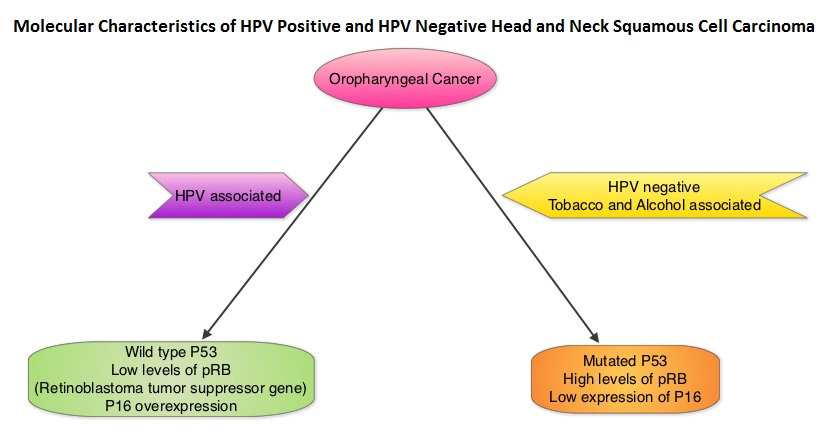
SUMMARY: The American Cancer Society estimates that 61,760 people will be diagnosed with Head and Neck cancer in 2016 and 13,190 patients will die of the disease. Over 90% of these malignancies are Squamous Cell Carcinomas (SCCs). Oropharyngeal Squamous Cell Carcinomas (OPSCC) involve the tonsils and base of the tongue and recent studies have shown that over 70% of these tumors are caused by Human Papilloma Virus (HPV) and HPV-16 is the predominant type present in the tumor cells. The CDC estimates that more than 2,370 new cases of Human Papilloma Virus associated Oropharyngeal Squamous Cell Carcinomas (OPSCC) are diagnosed in women and nearly 9,356 are diagnosed in men, each year in the United States and this incidence has been on the rise. The malignant behavior of these tumors is dependent on the expression of viral E6 and E7 oncoproteins that inactivate the tumor suppressor proteins p53 and the retinoblastoma protein (pRb), respectively. HPV-positive OroPharyngeal Squamous Cell Carcinoma is more common among never smokers or light smokers and patients tend to be younger with better performance status.

The authors conducted this prospective study to examine the temporal association between HPV DNA detection of alpha, beta and gamma Human Papilloma Virus (HPV) types in the oral samples and risk of Head and Neck Squamous Cell Carcinoma (HNSCC). A nested case-control study was carried out among 96,650 participants, cancer free at baseline, who provided mouthwash samples in 2 large prospective cohorts: the American Cancer Society Cancer Prevention Study II Nutrition Cohort and the Prostate, Lung, Colorectal, and Ovarian Cancer Screening Trial (PLCO). Molecular Detection of DNA from alpha, beta and gamma HPV types in mouthwash samples was performed by next-generation sequencing method. Associations between oral HPV infection and Head and Neck Squamous Cell Carcinoma (HNSCC) were adjusted for smoking status, pack-years and number of alcoholic drinks per week, which are all known and established risk factors for HNSCC.

During an average follow up of 3.9 years in both cohorts, 132 cases of HNSCC were identified which included cancers of the Oropharynx, Oral cavity and Larynx. The authors after analyzing the 132 cases of HNSCC and 396 controls nested within 2 prospective cohorts, found that detection of oral HPV-16 DNA was associated with a 22.4 fold increased risk of incident Oropharyngeal Cancer. Detection of oral beta1-HPV-5 type and gamma11-HPV and gamma12-HPV species was associated with a 3.3 to 5.5 fold higher risk of HNSCC.

The authors concluded that HPV-16 detection in the oral cavity precedes the incidence of Oropharyngeal Squamous Cell Carcinoma and this is the first study to demonstrate a temporal association between HPV DNA detection in mouthwash specimens and risk of HNSCC. Further, other HPVs including beta and gamma species may also play a role in the etiology of HNSCC. Detection of HPV DNA in the oral cavity may have important implications for its use in Oropharygeal cancer screening program. Associations of Oral α-, β-, and γ-Human Papillomavirus Types with Risk of Incident Head and Neck Cancer. Agalliu I, Gapstur S, Chen Z, et al. JAMA Oncol. 2016;2:599-606

OPDIVO® Granted Breakthrough Designation by FDA for Head and Neck cancer

SUMMARY: The FDA granted breakthrough therapy designation to Nivolumab (OPDIVO®), as a treatment for patients with recurrent or metastatic Squamous Cell Carcinoma of the Head and Neck (SCCHN), following a platinum based therapy. This designation was based on the findings from CheckMate-141 study, which demonstrated an improvement in Overall Survival (OS) with OPDIVO®, compared to investigator’s choice of therapy. The American Cancer Society estimates that 61,760 people will be diagnosed with Head and Neck cancer in 2016 and 13,190 patients will die of the disease. Patients with recurrent/metastatic Squamous Cell Carcinoma of the Head and Neck (SCCHN) have a poor prognosis with a median Overall Survival (OS) of about 13 months with first line therapy and about 6 months or less with later lines of therapy. The treatment paradigm for solid tumors has been rapidly evolving with a better understanding of the Immune checkpoints or gate keepers. Immune checkpoints are cell surface inhibitory proteins/receptors that are expressed on activated T cells. They harness the immune system and prevent uncontrolled immune reactions. Survival of cancer cells in the human body may be to a significant extent related to their ability to escape immune surveillance by inhibiting T lymphocyte activation. The T cells of the immune system therefore play a very important role in modulating the immune system. Under normal circumstances, inhibition of an intense immune response and switching off the T cells of the immune system, is an evolutionary mechanism and is accomplished by Immune checkpoints or gate keepers. With the recognition of Immune checkpoint proteins and their role in suppressing antitumor immunity, antibodies are being developed that target the membrane bound inhibitory Immune checkpoint proteins/receptors such as CTLA-4 (Cytotoxic T-Lymphocyte Antigen 4, also known as CD152), PD-1(Programmed cell Death 1), etc. By doing so, one would expect to unleash the T cells, resulting in T cell proliferation, activation and a therapeutic response.

OPDIVO® is a fully human, immunoglobulin G4 monoclonal antibody that binds to the PD-1 receptor and blocks its interaction with PD-L1 and PD-L2, thereby undoing PD-1 pathway-mediated inhibition of the immune response. CheckMate-141 is an open-label, phase III trial, in which 361 patients with recurrent or metastatic Squamous Cell Carcinoma of the oral cavity, pharynx, or larynx, were randomly assigned in a 2:1 ratio to receive either OPDIVO® (N= 240) or investigator’s choice of ERBITUX® (Cetuximab), TAXOTERE® (Docetaxel) or Methotrexate (N=121). OPDIVO® was administered intravenously at 3 mg/kg every 2 weeks. ERBITUX® dosing was 400 mg/m2 for the first dose followed by 250 mg/m2 weekly, TAXOTERE® dosing was 30 mg/m2 weekly and Methotrexate dosing was 40 mg/m2 weekly. The median age was 60 years, majority of patients were male, had received 2 or more prior systemic therapies and prior radiation therapy. Patients were stratified based on prior therapy with monoclonal antibody, ERBITUX® and HPV status was known for 50% of the participants. The primary endpoint was Overall Survival and secondary endpoints included Response Rates and Progression Free Survival (PFS).

This study was stopped earlier than scheduled after an independent monitoring panel determined that the primary endpoint for this study was met, with significant superiority of OPDIVO® over the investigator’s choice of therapy. The median Overall Survival with OPDIVO® was 7.5 months, compared to 5.1 months with investigator’s choice of therapy (HR=0.70; P=0.010). The 1-year Overall Survival with OPDIVO® was 36%, which was more than double, compared with investigator’s choice of therapy, which was 16.6%. Patients with PD-L1 expression of 1% or more benefited the most from treatment with OPDIVO®, with a median OS of 8.7 months, compared to 4.6 months in the control group (HR=0.55). For patients with PD-L1 expression less than 1%, median OS was 5.7 with OPDIVO® versus 5.8 months, for the control group (HR=0.89). HPV status also had an impact on outcomes. HPV-positive patients had a median OS of 9.1 months with OPDIVO® compared with 4.4 months with investigator’s choice of therapy (HR=0.56), whereas those who were HPV-negative and receiving OPDIVO®, had a median OS of 7.5 months compared to 5.8 months with investigator’s choice of therapy (HR=0.73). Grade 3 or 4 adverse events were significantly lower with OPDIVO®, compared with investigator’s choice of therapy(13.1% vs 35.1%).

The authors concluded that OPDIVO® is the first agent to demonstrate a significant improvement in Overall Survival, in patients with advanced head and neck cancer following progression on platinum-based chemotherapy, and fulfills an unmet need for this patient group. Gillison ML, Blumenschein G, Fayette J, et al. Nivolumab Versus Investigator’s Choice (IC) for Recurrent or Metastatic (R/M) Head and Neck Squamous Cell Carcinoma (SCCHN): CheckMate-141. Presented at: AACR 2016 Annual Meeting, New Orleans; April 16-20, 2016. Abstract CT099.

p16 Protein Expression and Human Papillomavirus Status As Prognostic Biomarkers of Non-Oropharyngeal Head and Neck Squamous Cell Carcinoma

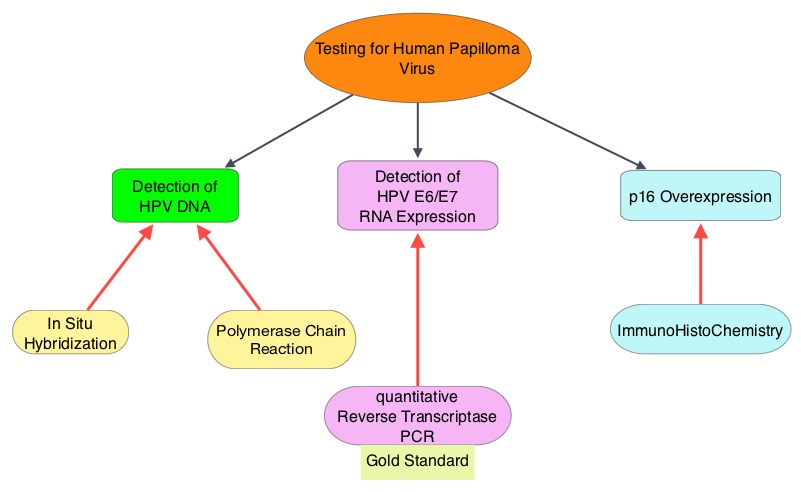
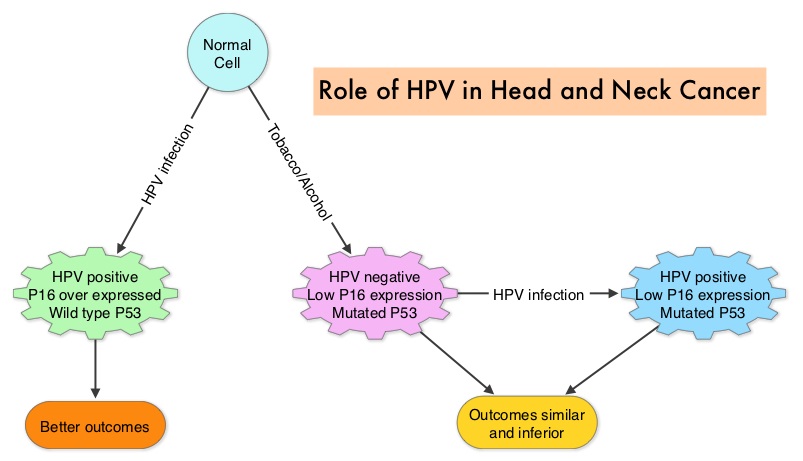
SUMMARY: Squamous Cell Carcinoma of the Head and Neck (HNSCC) accounts for about 3-5% of all cancers in the United States. It is estimated that 55,070 people were diagnosed with Head and Neck cancer in 2014 and 12,000 patients died of the disease. The head and neck region includes the oral cavity, oropharynx, hypopharynx and larynx. Squamous Cell Carcinoma involving the head and neck region (HNSCC) is therefore a heterogeneous disease and the five year survival rate of patients with head and neck cancer depends on several factors and can be variable. Common risk factors include tobacco and alcohol use and Human PapillomaVirus (HPV) infection. Recent studies have shown that over 70% of the OroPharyngeal Squamous Cell Carcinomas (OPSCC) are caused by HPV with the HPV-16 being the predominant type present in the tumor cells. The malignant behavior of these tumors is dependent on the expression of viral E6 and E7 oncoproteins that inactivate the tumor suppressor proteins p53 and the retinoblastoma protein (pRB), respectively. HPV positive OroPharyngeal Squamous Cell Carcinoma (OPSCC) is more common among never smokers or light smokers and patients tend to be younger with better performance status. The pathobiology of HPV positive OroPharyngeal Squamous Cell Carcinoma (OPSCC) is different from the HPV negative OroPharyngeal Squamous Cell Carcinoma in that p53 is degraded/inactivated by viral E6 oncoprotein instead of by genetic mutation, pRB pathway is inactivated by viral E7 oncoprotein instead of Cyclin D1 amplification and p16 is overexpressed or upregulated instead of inactivation resulting from reduced negative feedback from pRB. Testing for HPV is based on several methodologies which include detection of HPV DNA by in situ hybridization (ISH) or Polymerase Chain Reaction (PCR), detection of HPV E6/E7 RNA expression by quantitative Reverse Transcriptase–PCR (qRT-PCR) and p16 protein overexpression, a surrogate marker of oncogenic HPV infection, by ImmunoHistoChemistry (IHC) staining. Both p16 overexpression testing by IHC and HPV by ISH can be easily performed on Formalin-Fixed Paraffin Embedded (FFPE) specimen whereas detection of HPV E6/E7 RNA expression, which is indicative of active viral oncogene transcription in tumor cells and is considered to be a gold standard, requires a larger tumor specimen compared with other methodologies. The concordance rate between HPV by ISH and p16 by IHC is approximately 90% in OPSCC, whereas the prevalence and significance p16 by IHC has remained unclear for HPV infection in non-OPSCC (oral cavity, hypopharynx and larynx). It is well established however that patients with HPV-positive/p16-positive OPSCC have better outcomes compared with those with HPV-negative/p16-negative OPSCC. However, the prognostic significance of p16 overexpression in non-OPSCC patients with or without evidence of HPV infection has not been clear. The authors in this study evaluated p16 protein overexpression by IHC and HPV status by HPV ISH as potential prognostic biomarkers in non-OPSCC tumors of patients enrolled in three prospective Radiation Therapy Oncology Group (RTOG) clinical trials. Of the 1921 patient enrolled in these three trials, 683 patients with non-OPSCC tumors were eligible and 52% (N=356) of these patients were tested for p16 overexpression and overall, 19.3% were p16 positive. When OPSCC and non-OPSCC patients were compared, OPSCC patients whose tumors were p16 positive had better Progression Free Survival and Overall Survival than non-OPSCC patients with p16 positive tumors. However, patients with p16 negative OPSCC and non-OPSCC have similar inferior outcomes. The authors concluded that patients with p16 negative non-OPSCC have worse outcomes than patients with p16 positive non-OPSCC, similar to that seen in patients with OPSCC and therefore HPV infection may influence outcomes in a subset of patients with non-OPSCC as well. Better methodologies for HPV detection and correlation with p16 expression will help identify “true” HPV infection related non-OPSCC and thereby enable tailored and less intense treatment, for this favorable group of patients. Chung CH, Zhang Q, Kong CS, et al. J Clin Oncol 2014; 32:3930-3938