
SUMMARY: Polycythemia vera (PV) is a clonal myeloproliferative neoplasm characterized by excessive Red Blood Cell (RBC) production, most often driven by JAK2 mutations. A hallmark of PV is sustained erythrocytosis, which contributes to increased blood viscosity and significantly elevates the risk of thrombotic events. Standard management strategies include phlebotomy, low-dose Aspirin, and cytoreductive agents such as Hydroxyurea, Interferons, and Ruxolitinib. While phlebotomy remains a key tool for hematocrit (Hct) control, frequent procedures are burdensome for many patients, can worsen iron deficiency, and often fail to alleviate constitutional symptoms like fatigue. In this context, Rusfertide, a novel, self-injectable hepcidin mimetic, has emerged as a promising therapeutic strategy targeting iron metabolism to modulate erythropoiesis more precisely.
A Hepcidin-Based Therapeutic Approach
Hepcidin is a hormone produced by the liver that regulates iron absorption in the intestine and iron release from storage sites like macrophages and the liver. It does this by binding to ferroportin, an iron transport protein responsible for transporting iron out of intestinal cells and from storage sites (like macrophages) into the bloodstream. Following its binding to ferroportin, hepcidin causes its degradation, which in turn reduces iron export from cells and lowers iron levels in the blood. Hepcidin levels are generally low in iron deficiency anemia facilitating increased intestinal iron absorption and release of iron from storage sites and promoting iron availability for erythropoiesis. Hepcidin therefore is the master regulator that controls iron homeostasis in the bone marrow for RBC production.
Rusfertide is a first-in-class synthetic peptide the mimics hepcidin and reduces iron availability for erythropoiesis in the bone marrow, thereby mitigating RBC overproduction, characteristic of PV, potentially reducing or eliminating the need for phlebotomies. The unique, subcutaneously administered formulation of Rusfertide allows for convenient weekly self-injection, potentially decreasing reliance on phlebotomy and improving patient quality of life.
VERIFY Trial Design and Objectives
The VERIFY study (NCT05210790) is an ongoing, multinational, randomized, double-blind, placebo-controlled Phase 3 trial, designed to assess the safety and efficacy of Rusfertide in patients with phlebotomy-dependent PV receiving standard-of-care therapy. Enrolled patients were required to have frequent phlebotomies to maintain hematocrit control, with or without concurrent cytoreductive therapy. In Part 1a of the study (Weeks 0–32), patients (N=293) were randomized 1:1 to receive once-weekly Rusfertide (N=147) or placebo (N=146) and patients were stratified by concurrent cytoreductive therapy. The median patient age was 57 years. The Primary endpoint was the proportion of patients achieving clinical response, defined as the absence of phlebotomy eligibility, and no phlebotomies between weeks 20–32. Key Secondary endpoints included number of phlebotomies, proportion of patients with Hct <45%, and changes in patient-reported outcomes (PROMIS Fatigue Short Form-8a and MFSAF Total Symptom Score). Following the 32-week blinded phase (Part 1a), patients could enter an open-label extension (Part 1b, weeks 32–52), with a planned long-term follow-up (Part 2) for up to 3 years.
Clinical Outcomes: Efficacy Highlights
The trial met its Primary endpoint, demonstrating that 76.9% of patients treated with Rusfertide achieved a clinical response compared with 32.9% in the placebo group (P< 0.0001).
Key efficacy findings included:
- Phlebotomy reduction: Mean number of phlebotomies from weeks 0–32 was o.5 with Rusfertide versus 1.8 with placebo (P< 0.0001).
- Hematocrit control: 62.6% of Rusfertide-treated patients maintained Hct <45%, compared with 14.4% in the placebo group (P< 0.0001).
- Symptom improvement: Statistically significant improvements were seen in fatigue (PROMIS Fatigue SF-8a) and PV-related symptom burden (MFSAF TSS), highlighting a benefit on patient quality of life (P<0.03).
Patients at baseline averaged over four phlebotomies in the preceding 28 weeks, yet the majority receiving Rusfertide required none during the first 32 weeks of the study. Notably, 72.8% of patients on Rusfertide required no phlebotomy at all during this period, compared to 21.9% on placebo.
Safety Profile and Tolerability
Rusfertide was generally well tolerated and injection site reactions were the most common adverse event (55.9% in Rusfertide vs. 32.9% in placebo). Anemia was more frequent with Rusfertide (15.9% vs. 4.1%), reflecting its mechanism of reducing iron availability. Interestingly, fewer new malignancies were reported in the Rusfertide arm (N=1) versus placebo (N=7), though the significance of this observation requires longer follow-up.
Implications for Practice
The VERIFY trial supports Rusfertide as a potential paradigm shift in the management of PV, particularly for patients who are phlebotomy-dependent. By addressing erythrocytosis through iron restriction rather than marrow suppression, Rusfertide introduces a novel mechanism that complements existing therapies.
If approved, rusfertide would:
- Offer an effective alternative to repeated phlebotomies.
- Provide symptom relief, particularly in domains like fatigue and cognitive impairment, which are often unaddressed by standard treatments.
- Be suitable as an adjunct to cytoreductive therapy or as a standalone intervention for those who decline or are ineligible for such agents.
- Improve patient autonomy and quality of life through self-administration and reduced healthcare interactions.
Ongoing Evaluation and Regulatory Outlook
VERIFY continues in its open-label and long-term follow-up phases to evaluate the durability of response, long-term safety, and thrombotic outcomes over 3 years. Regulatory submissions are in preparation across the U.S., Europe, and Japan. Should Rusfertide gain regulatory approval, it is anticipated to become a valuable component of the standard treatment landscape for PV—potentially freeing patients from the physical, logistical, and emotional burdens of recurrent phlebotomy.
Results from VERIFY, a phase 3, double-blind, placebo (PBO)-controlled study of rusfertide for treatment of polycythemia vera (PV). Kuykendall A, Pemmaraju N, Pettit K, et al. J Clin Oncol 43, 2025 (suppl 17; abstr LBA3)
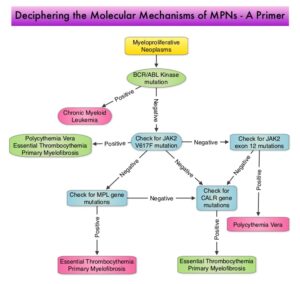
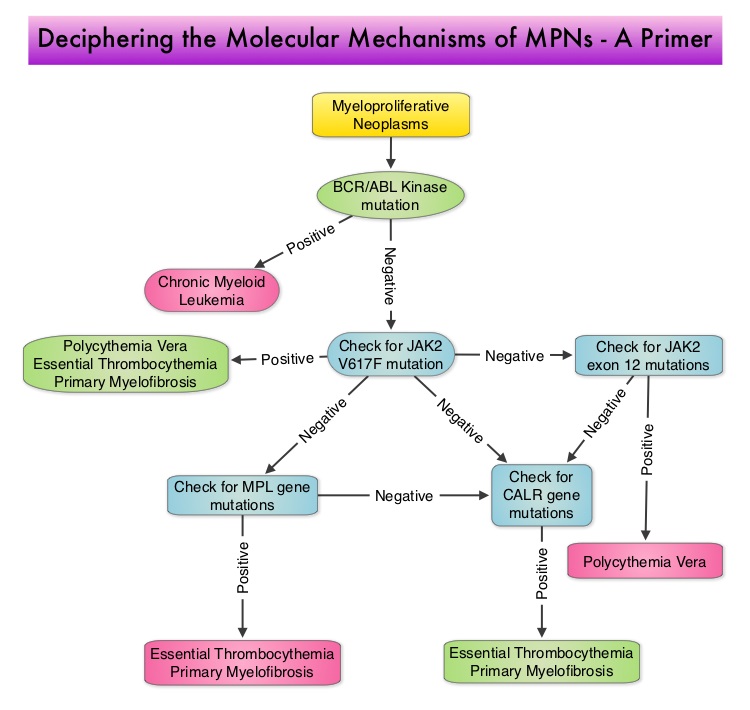
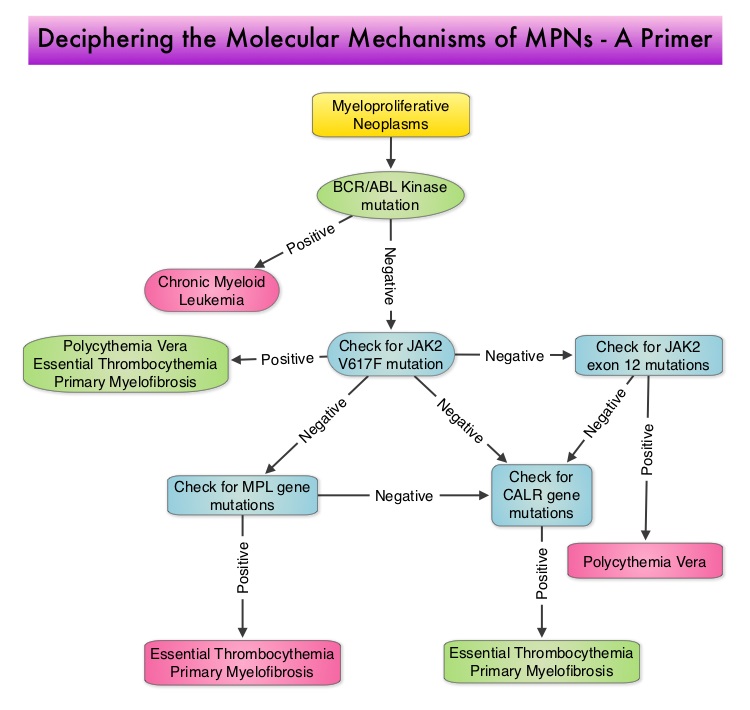 Overactivation of the JAK-STAT signal transduction pathway caused by V617F mutation, has been implicated in majority of the patients with P. Vera. This pathway normally is responsible for passing information from outside the cell through the cell membrane to the DNA in the nucleus, for gene transcription. Janus Kinase (JAK) family of tyrosine kinases are cytoplasmic proteins and include JAK1, JAK2, JAK3 and TYK2. JAK1 helps propagate the signaling of inflammatory cytokines whereas JAK2 is essential for growth and differentiation of hematopoietic stem cells. These tyrosine kinases mediate cell signaling by recruiting STAT’s (Signal Transducer and Activator of Transcription), with resulting modulation of gene expression. In patients with P. Vera, the aberrant myeloproliferation is the result of dysregulated JAK2-STAT signaling as well as excess production of inflammatory cytokines, associated with this abnormal signaling. JAK2 mutations such as JAK2 V617F are seen in approximately 95% of patients with P. Vera. The goals of therapy in P. Vera are to maintain the hematocrit at less than 45% and decrease the risk of thrombosis and bleeding. P. Vera is presently managed with periodic phlebotomies, cytoreductive therapy with oral antimetabolite, Hydroxyurea and antiplatelet agents such as low dose Aspirin. However, a significant number of patients on these therapies become intolerant or resistant to these treatments, leading to an increased risk of progression.
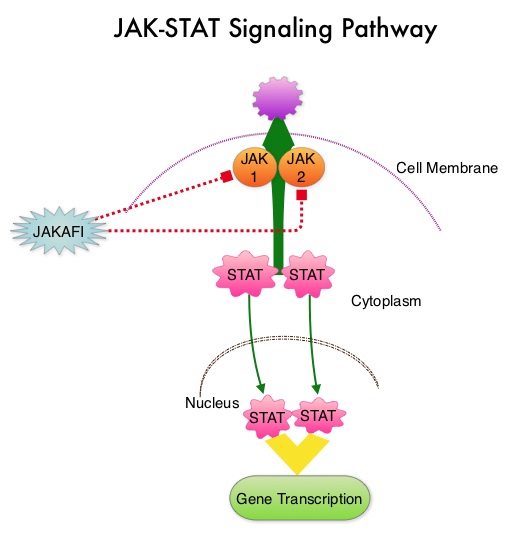 JAKAFI® is a potent JAK1 and JAK2 inhibitor and exerts its mechanism of action by targeting and inhibiting the dysregulated JAK2-STAT signaling pathway. The RESPONSE trial is a phase III prospective randomized study in which patients with P. Vera, who were refractory or intolerant of Hydroxyurea were randomized to receive JAKAFI® 10 mg PO, BID (N=110) or Best Available Therapy (BAT), which consisted of investigator choice of monotherapy or observation only (N=112). Eligible patients were phlebotomy dependent and had splenomegaly (> 450 cubic cm). Patients receiving BAT were allowed to cross over to JAKAFI® group from week 32 onwards. The primary endpoint of this study (composite primary endpoint) was the proportion of patients whose hematocrit was controlled without phlebotomy and whose spleen volume was reduced by 35% or more from baseline, as assessed by MRI imaging at 32 weeks. Secondary endpoints included durable response, Complete Hematological Remission and safety. The primary analysis was conducted when all patients reached week 48 or discontinued therapy. The proportion of patients in the JAKAFI® group who achieved the composite primary endpoint was 21% compared to 1% in the BAT group (P < 0.0001) and 91% in the JAKAFI® group maintained their response at week 48. Seventy seven percent (77%) of the patients in the JAKAFI® group achieved at least one of the two major components of the composite primary endpoint. Put another way, 60% of the patients in the JAKAFI® arm were able to achieve the target hematocrit level in the absence of phlebotomy, compared to 20% in the BAT group. Reduction in the spleen volume by 35% or more was noted in 38% of the patients in the JAKAFI® group compared to 1% in the BAT group. Complete Hematological Remission defined as continuous hematocrit below 45%, as well as normal white blood cells and platelets counts, was achieved in 24% and 9% of patients in JAKAFI® and BAT group respectively (P=0.003). More patients assigned to JAKAFI® group also demonstrated 50% or more improvement in the Myeloproliferative Neoplasm Symptom Assessment Form (MPN-SAF) 14-item total symptom score, at week 32 compared to BAT (49% vs 5%). Thromboembolic events occurred in one patient assigned to the JAKAFI® group as compared to six patients in the BAT group. The authors concluded that JAKAFI® may represent a new option for treating high risk patients with Polycythemia Vera, who are refractory or intolerant of Hydroxyurea. JAKAFI® is superior to Best Available Therapy (BAT) in controlling hematocrit without phlebotomies as well as Splenic Volume. Further, JAKAFI® is also effective in improving P. Vera associated symptoms. Verstovsek S, Kiladjian J, Griesshammer M, et al. J Clin Oncol 32:5s, 2014 (suppl; abstr 7026)
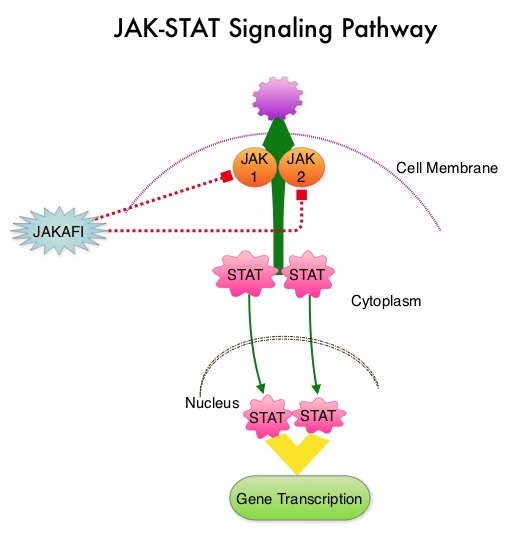 Over activation of the JAK-STAT signal transduction pathway caused by V617F mutation, has been implicated in majority of the patients with P. Vera. This pathway normally is responsible for passing information from outside the cell through the cell membrane to the DNA in the nucleus for gene transcription. Janus Kinase (JAK) family of tyrosine kinases are cytoplasmic proteins and include JAK1, JAK2, JAK3 and TYK2. JAK1 helps propagate the signaling of inflammatory cytokines whereas JAK2 is essential for growth and differentiation of hematopoietic stem cells. These tyrosine kinases mediate cell signaling by recruiting STAT’s (Signal Transducer and Activator of Transcription), with resulting modulation of gene expression. In patients with P. Vera, the aberrant myeloproliferation is the result of dysregulated JAK2-STAT signaling as well as excess production of inflammatory cytokines associated with this abnormal signaling. JAK2 mutations such as JAK2 V617F are seen in approximately 95% of patients with P. Vera. The goals of therapy in P. Vera are to maintain the hematocrit at less than 45% and decrease the risk of thrombosis and bleeding. P. Vera is presently managed with periodic phlebotomies, cytoreductive therapy with oral antimetabolite, Hydroxyurea and antiplatelet agents such as low dose aspirin. However, a significant number of patients on these therapies become intolerant or resistant to these treatments, leading to an increased risk of progression. JAKAFI® is a potent JAK1 and JAK2 inhibitor and exerts its mechanism of action by targeting and inhibiting the dysregulated JAK2-STAT signaling pathway.
  The RESPONSE trial is a phase III prospective randomized study in which patients with P. Vera, who were refractory or intolerant of Hydroxyurea were randomized to receive JAKAFI® 10 mg PO, bid (N=110) or Best Available Therapy (BAT), which consisted of investigator choice of monotherapy or observation only (N=112). Eligible patients were phlebotomy dependent patients with splenomegaly (> 450 cubic cm). Patients receiving BAT were allowed to cross over to JAKAFI® group from week 32 onwards. The primary endpoint of this study (composite primary endpoint) was the proportion of patients whose hematocrit was controlled without phlebotomy and whose spleen volume was reduced by 35% or more from baseline, as assessed by MRI imaging at 32 weeks. Secondary endpoints included durable response, Complete Hematological Remission and safety. The primary analysis was conducted when all patients reached week 48 or discontinued therapy. The proportion of patients in the JAKAFI® group who achieved the composite primary endpoint was 21% compared to 1% in the BAT group (P < 0.0001). Seventy seven percent (77%) of the patients in the JAKAFI® group achieved at least one of the two major components of the composite primary endpoint. Put another way, 60% of the patients in the JAKAFI® arm were able to achieve the target hematocrit level in the absence of phlebotomy, compared to 20% in the BAT group. Reduction in the spleen volume by 35% or more was noted in 38% of the patients in the JAKAFI® group compared to 1% in the BAT group. Complete Hematological Remission defined as continuous hematocrit below 45%, as well as normal white blood cells and platelets counts, was achieved in 24% and 9% of patients in JAKAFI® and BAT group respectively (P=0.003). More patients assigned to JAKAFI® group also demonstrated 50% or more improvement in the Myeloproliferative Neoplasm Symptom Assessment Form (MPN-SAF) 14-item total symptom score, at week 32 compared to BAT (49% vs 5%). Thromboembolic events occurred in one patient assigned to the JAKAFI® group as compared to six patients in the BAT group. The authors concluded that JAKAFI® may represent a new option for treating high risk patients with Polycythemia Vera, who are refractory or intolerant of Hydroxyurea. Jakafi® is superior to Best Available Therapy (BAT) in controlling hematocrit without phlebotomies as well as Splenic Volume. Further, JAKAFI® is also effective in improving P. Vera associated symptoms. Verstovsek S, Kiladjian J, Griesshammer M, et al. J Clin Oncol 32:5s, 2014 (suppl; abstr 7026)