Late Breaking Abstract – ASCO 2022: Panitumumab Combined with mFOLFOX6 Improves Overall Survival in Left-Sided RAS Wild-Type Metastatic Colorectal Cancer

SUMMARY: ColoRectal Cancer (CRC) is the third most common cancer diagnosed in both men and women in the United States. The American Cancer Society estimates that approximately 151,030 new cases of CRC will be diagnosed in the United States in 2022 and about 52,580 patients are expected to die of the disease. The lifetime risk of developing CRC is about 1 in 23.

Approximately 15-25% of the patients with CRC present with metastatic disease at the time of diagnosis (synchronous metastases) and 50-60% of the patients with CRC will develop metastatic disease during the course of their illness. First line treatment of metastatic CRC include Oxaliplatin or Irinotecan, in combination with a Fluoropyrimidine and Leucovorin (FOLFOX or FOLFIRI), along with a VEGF targeting agent such as Bevacizumab or EGFR targeting agents such as Cetuximab and Panitumumab. However numerous studies have failed to clearly establish that any of these combination regimens would be superior for any given patient based on clinical factors. Nonetheless, majority of patients with metastatic colorectal cancer receive FOLFOX-based first line treatment in the US. 

A retrospective evaluation from the Phase III 80405 clinical trial which included data from 1,025 patients with KRAS wild-type disease, concluded that the biology of tumors originating in the right colon may be different from those originating in the left colon, with Cetuximab showing superiority over Bevacizumab, when combined with chemotherapy, in KRAS wild-type patients with left-sided colon cancer. (J Clin Oncol 34, 2016: suppl; abstr 3504).

Panitumumab (VECTIBIX®) is a human IgG2 kappa monoclonal antibody, that targets and antagonizes Epidermal Growth Factor Receptor (EGFR). The PARADIGM Trial is a multicenter, open-label, prospective, Phase III study conducted in Japan, to evaluate the efficacy and superiority of mFOLFOX6 plus Panitumumab compared to mFOLFOX6 plus Bevacizumab, in the first line treatment of chemotherapy-naïve patients with RAS wild type (KRAS/NRAS gene) metastatic colorectal cancer and left-sided primary tumors (descending colon, sigmoid colon, and rectum). In this first prospective randomized study, a total of 400 patients received Panitumumab and 402 received Bevacizumab. Both groups received mFOLFOX6. Most of the patients had left sided tumors (N=614) of whom 312 patients received Panitumumab with chemotherapy, whereas 292 patients received Bevacizumab with chemotherapy. The Primary endpoint of Overall Survival (OS) was hierarchically tested in patients with left-sided tumors, followed by evaluation in the entire study population. Key Secondary endpoints included Progression Free Survival (PFS), Objective Response Rate (ORR), and curative resection (R0) rate. Overall Survival in patients with left-sided tumors was analyzed after a median follow up of 61 months.

The study met its Primary endpoint and Panitumumab in combination with mFOLFOX6 significantly improved median Overall Survival, compared to Bevacizumab plus mFOLFOX6 in the left-sided tumor population, with a 18% lower risk of death (37.9 months versus 34.3 months; HR=0.82; P=0.031). When the data was subsequently analyzed for the entire study group, the OS benefit also significantly favored Panitumumab combination over Bevacizumab combination (median 36.2 months versus 31.3 months; HR=0.84; P=0.030). This difference however appears to be driven by the left-sided tumor population, as there was no significant OS improvement seen for patients with right-sided tumors in an exploratory analysis (median 20.2 months versus 23.2 months; HR=1.09).

There was no significant difference in the median PFS between treatment groups in the population with left-sided tumors and the median PFS was 13.7 months with Panitumumab combination and 13.2 months with Bevacizumab combination (HR=0.98). However, both Objective Response Rate and curative (R0) resection rate was higher in the Panitumumab group compared with Bevacizumab group, in the population with left-sided tumors. The Objective Response Rate was 80.2% versus 68.6%, the curative (R0) resection rate 18.3% versus 11.6% and the median duration of response was 13.1 versus 11.2 months respectively. Treatment with Panitumumab, resulted in more skin, mucosal and nail toxicities, commonly associated with EGFR inhibitors, and no new safety signal were observed.

It was concluded that in this first and largest randomized first line study comparing the efficacy of different targeted therapies in combination with standard doublet chemotherapy based on tumor sidedness, Panitumumab in combination with mFOLFOX6 significantly improved Overall Survival, resulted in a higher Objective Response Rate and a higher curative resection rate, in patients with RAS wild-type and left-sided metastatic colorectal cancer, compared with patients who received Bevacizumab plus mFOLFOX6. These findings emphasize the importance of comprehensive biomarker testing, as well as taking into consideration tumor location, in patients with metastatic colorectal cancer.

Panitumumab (PAN) plus mFOLFOX6 versus bevacizumab (BEV) plus mFOLFOX6 as first-line treatment in patients with RAS wild-type (WT) metastatic colorectal cancer (mCRC): Results from the phase 3 PARADIGM trial. Yoshino T, Watanabe J, Shitara K, et al. DOI:10.1200/JCO.2022.40.17_suppl.LBA1 Journal of Clinical Oncology 40, no. 17_suppl (June 10, 2022) LBA1.
Late Breaking Abstract – ASCO 2022: Circulating Tumor DNA in the Peripheral Blood Can Guide Adjuvant Therapy Decision in Stage II Colon Cancer

SUMMARY: ColoRectal Cancer (CRC) is the third most common cancer diagnosed in both men and women in the United States. The American Cancer Society estimates that approximately 151,030 new cases of CRC will be diagnosed in the United States in 2022 and about 52,580 patients are expected to die of the disease. The lifetime risk of developing CRC is about 1 in 23.

Adjuvant chemotherapy for patients with resected, locally advanced, node-positive (Stage III) colon cancer has been the standard of care since the 1990s. Even though 80% of patients with Stage II colon cancer are cured with surgery alone, adjuvant chemotherapy is recommended for patients who have Stage II colon cancer with high-risk clinicopathological features, including tumor penetration of the serosa (T4 disease). However, the benefit of adjuvant chemotherapy for patients with Stage II disease remains unclear, with less than 5% of patients benefitting from adjuvant chemotherapy. There is therefore an unmet need for more precise markers to predict risk of recurrence after surgery for Stage II colon cancer, other than clinicopathological risk factors, and thus avoid exposure to unnecessary chemotherapy.

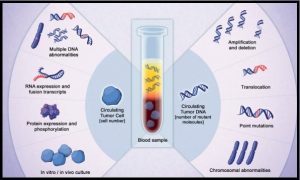
Circulating Tumor DNA (ctDNA) refers to DNA molecules that circulate in the bloodstream after cell apoptosis or necrosis, and can be detected in the cell-free component of peripheral blood samples (Liquid Biopsy) in almost all patients with advanced solid tumors including advanced colorectal cancer. ctDNA is a valuable biomarker and is directly evaluated for evidence of Minimal Residual Disease and allows early detection of relapse. Several studies have shown that detectable ctDNA following curative intent surgery for early stage cancers, including those with Stage II colon cancer, is associated with a very high risk of recurrence (more than 80%) without further adjuvant therapy. It has remained unclear whether adjuvant treatment is beneficial for these ctDNA-positive patients who are at high risk for recurrence.

The Circulating Tumor DNA Analysis Informing Adjuvant Chemotherapy in Stage II Colon Cancer (DYNAMIC) trial is a randomized trial designed to investigate whether a ctDNA-guided treatment approach could reduce the use of adjuvant treatment without compromising the risk of recurrence, as compared with a standard approach in patients with Stage II colon cancer.
The researchers also evaluated outcomes among ctDNA-positive patients who received adjuvant chemotherapy, to assess the benefit of treating this high-risk group of patients, as well as outcomes among ctDNA-negative patients whose disease was managed by surveillance alone. In this Phase II, multicenter, randomized, controlled trial of biomarker-driven adjuvant therapy, 455 patients with resected, histologically confirmed, Stage II (T3 or T4, N0, M0) colon or rectal adenocarcinoma with negative resection margins, were randomly assigned in a 2:1 ratio to have their disease managed according to ctDNA results-ctDNA-guided management group (N=302) or managed by the treating clinician according to standard clinicopathological criteria-standard management group (N=153). Plasma specimens were obtained for ctDNA analysis from all patients at week 4 and week 7 after surgery. For patients assigned to ctDNA-guided management, week 4 and week 7 specimens were analyzed concurrently, and ctDNA results were made available to the treating clinician 8 to 10 weeks after surgery. Patients with a positive ctDNA result at either week 4 or week 7 received adjuvant single-agent fluoropyrimidine or Oxaliplatin-based chemotherapy, with the treatment regimen chosen at the treating physician’s discretion. Patients with negative ctDNA results at both week 4 and week 7 were not treated with adjuvant chemotherapy. In the standard management group, all treatment decisions were based on conventional clinicopathological criteria. This trial used a ctDNA assay specifically designed for detection of Minimal Residual Disease with very high sensitivity (a variant allele frequency limit of detection as low as 0.01%), as well as serial blood samples for ctDNA analysis to decrease the risk of a false negative result. In this study, ctDNA probes were personalized on the basis of specific mutations identified in tumor tissue.

Enrolled patients had an ECOG PS of 0-2 and had to be medically eligible to receive adjuvant Oxaliplatin-based or single-agent fluoropyrimidine chemotherapy. Patients were stratified according to tumor stage (T3 or T4) and patients with evidence of macroscopic metastatic disease on CT of the chest, abdomen, and pelvis performed within 8 weeks before enrollment, presence of synchronous primary colorectal cancer, or treatment with neoadjuvant chemoradiotherapy, were excluded. Patients were enrolled within 3 weeks following surgery, and an adequate resected tumor specimen had to be provided for mutation analysis by 4 weeks after surgery. The treatment groups were well balanced, the median age of the patients was 64 years, 85% of patients had T3 disease, 15% had T4 disease, and 5% had a lymph node yield of less than 12. Clinical high risk disease was defined as one or more of the following clinicopathological risk features: T4 lesion, poor tumor differentiation, lymph node yield less than 12, lymphovascular invasion, tumor perforation, or bowel obstruction, in association with a proficient mismatch-repair tumor, which was present in 40% of patients. The Primary efficacy end point was noninferiority of ctDNA-guided management to standard management with regards to 2-year Recurrence Free Survival (RFS). A key Secondary end point was to determine whether fewer patients would receive adjuvant chemotherapy with the ctDNA-guided approach.

At a median follow up of 37 months, the 2-year RFS was 93.5% with ctDNA-guided management and 92.4% with standard management, meeting the noninferiority criterion. Further, a lower percentage of patients in the ctDNA-guided group received adjuvant chemotherapy than in the standard-management group (15% versus 28%).

The authors concluded that a ctDNA-guided approach to the treatment of Stage II colon cancer reduced adjuvant chemotherapy use without compromising Recurrence Free Survival. Studies are underway assessing the role of escalated chemotherapy in ctDNA-positive patients and deescalation of chemotherapy in ctDNA-negative patients with Stage II colorectal cancer.

Circulating Tumor DNA Analysis Guiding Adjuvant Therapy in Stage II Colon Cancer. Tie J, Cohen JD, Lahouel K, et al. for the DYNAMIC Investigators. N Engl J Med 2022; 386:2261-2272

Lower Gastrointestinal Endoscopy before Age 50 Years Reduces Risk for Colorectal Cancer among Women

SUMMARY: ColoRectal Cancer (CRC) is the third most common cancer diagnosed in both men and women in the United States. The American Cancer Society estimates that approximately 151,030 new cases of CRC will be diagnosed in the United States in 2022 and about 52,580 patients are expected to die of the disease. The lifetime risk of developing CRC is about 1 in 23.

Even though the incidence of Colorectal cancer (CRC) in the United States has been rapidly declining overall, primarily driven by screening, the incidence however has been increasing among adults younger than 50 years of age, according to data in the National Cancer Institute’s Surveillance, Epidemiology, and End Results (SEER) program. The increase in the incidence of CRC in young adults has been attributed to western style, high carbohydrate, high fat, low fiber diet, which can initiate inflammation and proliferation in the colonic mucosa within two weeks. Other lifestyle factors associated with CRC include obesity, high consumption of processed meat and alcohol, low levels of physical activity and cigarette smoking.

Based on benefits versus burden estimated by comparative modeling approaches using microsimulation models of CRC screening in a hypothetical cohort of 40-year-old US individuals, the American Cancer Society and the US Preventive Services Task Force within the past 4 years recommended lowering the age for screening initiation to 45 years for individuals at average risk. The recommended screening strategies include stool-based tests and endoscopic screening methods. Evidence from randomized clinical trials and prospective cohort studies has shown that endoscopic screening can reduce the incidence of and mortality from CRC, and endoscopic screening has the added advantage of CRC prevention by removal of precancerous lesions that could later become malignant, as well as detection of early-stage cancers that can be more effectively treated. There are however limited data with regards to the effectiveness of endoscopic screening in younger populations.

The authors conducted this prospective cohort study of lower gastrointestinal endoscopy (sigmoidoscopy or colonoscopy) among US female health professionals enrolled in the Nurses’ Health Study II between 1991 and 2017, to evaluate the association between endoscopy initiated at different ages and risk of CRC. The researchers also estimated the absolute risk reduction associated with endoscopy initiated at different ages through age 60 years. This analysis included 111,801 women, the median age was 36 years at the time of enrollment, and data analysis was performed from August 2020 to June 2021. The Primary end point of this study was overall CRC incidence. Secondary outcomes included incidence of younger-onset CRC (CRC diagnosed before 55 years of age) and CRC mortality.

The researchers noted that in the multivariable analysis after adjustment for age, family history, and lifestyle risk factors for CRC, compared with no endoscopy, women who underwent endoscopy had a significantly lower risk for incident colorectal cancer for age at initiation before 45 years (HR=0.37; 95% CI, 0.26-0.53), 45 to 49 years (HR=0.43; 95% CI, 0.29-0.62), 50 to 54 years (HR=0.47; 95% CI, 0.35-0.62), and 55 years or older (HR=0.46; 95% CI, 0.30-0.69).

The authors then estimated the multivariable-adjusted cumulative incidence of CRC and calculated the absolute risk reduction associated with each age group at endoscopy initiation. There was an absolute reduction in the estimated cumulative incidence of CRC through age 60 years, for women who initiated endoscopy between ages 45 to 49 years, compared with 50 to 54 years. Compared with no endoscopy, initiation of endoscopy before 50 years of age was also associated with a reduced risk of CRC diagnosed before 55 years of age (before age 45 years, HR=0.45; 95% CI, 0.29-0.70; 45-49 years, HR= 0.43, 95% CI, 0.24-0.76).

It was concluded that based on this analysis in a large, prospective cohort of women over a 26 year period, initiation of colorectal cancer screening before 50 years of age was associated with a reduced risk of CRC, and earlier initiation of endoscopy was associated with a greater absolute risk reduction of CRC, compared with initiation at later ages.

Age at Initiation of Lower Gastrointestinal Endoscopy and Colorectal Cancer Risk Among US Women. Ma W, MD, Wang M, Wang K, MD, et al. JAMA Oncol. Published online May 5, 2022. doi:10.1001/jamaoncol.2022.0883

Chemoradiotherapy Followed by Consolidation Chemotherapy as Total Neoadjuvant Therapy in Locally Advanced Rectal Cancer

SUMMARY: The American Cancer Society estimates that 45,230 new cases of rectal cancer will be diagnosed in the US in 2021. Based on the information from the SEER database, the 5-year relative survival rates for rectal cancer, all SEER stages combined is 67%.

Management of invasive locally advanced rectal cancer (LARC), defined as Stage II (T3-4, N0) or Stage III (T1-4, N+) disease, mandates a multidisciplinary approach, and neoadjuvant chemoradiation therapy (CRT) followed by Total Mesorectal Excision (TME) and adjuvant chemotherapy is often recommended , whereas standard therapy for early-stage lesions involves surgery with or without adjuvant chemoradiation. The trimodality treatment approach was established as the standard of care for LARC based on the findings from the landmark German trial. Preoperative neoadjuvant CRT decreased the local recurrence rate (7.1% vs 10.1%; P=.048) and was associated with lower rates of treatment-related toxicity. Long course Radiation Therapy (RT) remains the preferred approach in the United States, with short course RT as an alternative in selected patients. With regards to chemotherapy, 4 months of adjuvant systemic chemotherapy following 2 months of Fluoropyrimidine-based chemotherapy with concurrent RT and surgery, is the recommended guideline by the National Comprehensive Cancer Network.

Even though the current standard of care for LARC have demonstrated a significant decrease in local recurrence rates from 25% to less than 10%, the high rates of distant relapse of approximately 30% indicate that there is a need for the further optimization of treatment sequencing. Patients with rectal cancer should undergo accurate staging with MRI, as this can better determine the proximity of the primary tumor to the mesorectal fascia, the presence of extramural vascular invasion, and involvement of the extramesorectal pelvic lymph nodes and anterior peritoneal reflection, compared to endoscopic rectal ultrasound (ERUS).

More recently, optimizing the delivery of trimodality treatment by intensifying neoadjuvant treatment has gained popularity. This strategy called Total Neoadjuvant Therapy (TNT) involves moving chemotherapy from the postoperative (adjuvant) to the preoperative setting. The potential benefits of TNT include earlier administration of full doses of systemic treatment with fewer adverse events and better compliance, assessment of the tumor response after neoadjuvant therapy, down staging tumors to increase the likelihood of pathological Complete Response (pCR) and complete resection, opportunities for the selective omission of Radiation Therapy (RT) and potential nonoperative management through a Watch and Wait strategy. Further, earlier administration of uninterrupted systemic chemotherapy can potentially eradicate occult micrometastases and help assess chemosensitivity.

For patients receiving TNT, the optimal sequence of induction chemotherapy followed by ChemoRadiotherapy (CRT) versus CRT followed by consolidation chemotherapy, before Total Mesorectal Excision surgery, has remained unclear. Only two randomized trials, the Organ Preservation in Rectal Adenocarcinoma (OPRA) in the US, and the German Randomized Phase II Trial of Chemoradiotherapy Plus Induction or Consolidation Chemotherapy as Total Neoadjuvant Therapy for Locally Advanced Rectal Cancer (CAO/ARO/AIO-12), have investigated this approach.

The CAO/ARO/AIO-12 is a multicenter, randomized, Phase II trial, which included 306 eligible patients with rectal adenocarcinoma, up to 12 cm above the anal verge based on rigid rectoscopy. Enrolled patients had either clinical T3 tumor less than 6 cm from the anal verge, clinical T3 tumor in the middle third of the rectum (6 cm or more, up to 12 cm) with extramural tumor spread into the mesorectal fat of more than 5 mm (more than clinical T3b), clinical T4 tumors, or lymph node involvement, based on MRI. All enrolled patients had a CT of the chest and abdomen to exclude distant metastases.

Patients were randomly assigned to either Group A (N=156) for induction chemotherapy before CRT, or to Group B (N=150) for consolidation chemotherapy after CRT. Radiation therapy consisted of IMRT to the primary tumor and to mesorectal, presacral, and internal iliac lymph nodes, to a total dose of 50.4 Gy in 28 fractions. Concurrent chemotherapy with radiotherapy consisted of Fluorouracil 250 mg/m2 IV as a Continuous Infusion on days 1 thru 14 and days 22 thru 35, along with Oxaliplatin 50 mg/m2 IV, given as a 2-hour infusion on days 1, 8, 22, and 29 of radiotherapy. Induction and consolidation chemotherapy consisted of Oxaliplatin 100 mg/m2 IV, as a 2-hour infusion, followed by a Leucovorin 400 mg/m2 IV, given as a 2-hour infusion, followed by Fluorouracil 2400 mg/m2 IV, given as a continuous 46-hour infusion and repeated on day 15, for a total of 3 cycles. All patients underwent Total Mesorectal Excision (TME) independent of tumor response on approximately day 123 after initiation of TNT. Adjuvant chemotherapy after TME was not recommended. The Primary end point was pathological Complete Response (pCR) and Secondary end points included Disease Free Survival (DFS), cumulative incidence of locoregional recurrence and distant metastases, Overall Survival (OS), chronic toxicities, Quality of Life and stool incontinence.

The authors first reported the results of this study in 2019, and it was shown that up-front CRT followed by consolidation chemotherapy resulted in a higher pCR (25% versus 17%; combined pCR and clinical Complete Response 28% versus 21%).The rates of CRT-related Grade 3 or 4 toxicity were lower in the consolidation chemotherapy group (27% versus 37%) and compliance with CRT was better. However, compliance with chemotherapy was worse in the consolidation chemotherapy group than in the induction chemotherapy group.

The researchers in this publication presented long-term outcomes of this trial, including the secondary outcomes of DFS, chronic toxicity, Quality of Life (QoL), and stool incontinence. After a median follow-up of 43 months, the 3-year DFS was 73% in both groups (HR=0.95; P=0.82). The 3-year cumulative incidence of locoregional recurrence (6% versus 5%) and distant metastases (18% versus 16%) were not significantly different between the two treatment groups. At 3 years, chronic Grade 3-4 toxicities occurred in 11.8% of patients in group A and 9.9% of patients in group B. The Quality of Life score decreased after Total Mesorectal Excision but returned to pretreatment levels 1 year after randomization with no difference between the treatment groups. Stool incontinence deteriorated one year after randomization in both groups and only improved slightly at 3 years, but never reached baseline levels.

It was concluded from the secondary analysis of this randomized trial that CRT followed by chemotherapy before TME resulted in higher pathological Complete Response, without compromising DFS, toxicity, QoL, or stool incontinence. Based on these findings, the authors proposed that CRT followed by consolidation chemotherapy is the preferred Total Neoadjuvant Therapy sequence, if organ preservation is a priority.

Chemoradiotherapy Plus Induction or Consolidation Chemotherapy as Total Neoadjuvant Therapy for Patients With Locally Advanced Rectal Cancer: Long-term Results of the CAO/ARO/AIO-12 Randomized Clinical Trial. Fokas E, Schlenska-Lange A, Polat B, et al. for the German Rectal Cancer Study Group. JAMA Oncol. Published online November 18, 2021. doi:10.1001/jamaoncol.2021.5445.

Artificial Intelligence Can Determine Appropriate Chemotherapy Regimen in Advanced Colorectal Cancer

SUMMARY: Colorectal Cancer (CRC) is the third leading cause of cancer-related deaths in men and women in the United States. The American Cancer Society estimates that approximately 149,500 new cases of CRC will be diagnosed in the United States in 2021 and about 52,980 patients will die of the disease. The lifetime risk of developing CRC is about 1 in 23. Colorectal Cancer is a heterogeneous disease classified by its genetics, and even though the overall death rate has continued to drop, deaths from CRC among people younger than 55 years have increased 1% per year from 2008 to 2017, with 12% of CRC cases diagnosed in people under age 50. Approximately 15-25% of the patients with CRC present with metastatic disease at the time of diagnosis (synchronous metastases) and 50-60% of the patients with CRC will develop metastatic disease during the course of their illness.

First line treatment of metastatic CRC include Oxaliplatin or Irinotecan, in combination with a Fluoropyrimidine (FOLFOX or FOLFIRI), along with a VEGF targeting agent such as Bevacizumab or EGFR targeting agents such as Cetuximab and Panitumumab. However numerous studies have failed to clearly establish that any of these combination regimens would be superior for any given patient based on clinical factors. In the TRIBE2 Phase III study, upfront FOLFOXIRI plus Bevacizumab and reintroduction after progression resulted in significant improvement in median Overall Survival (OS), compared to mFOLFOX6 plus Bevacizumab followed by FOLFIRI plus Bevacizumab, in patients with metastatic CRC. Majority of patients with mCRC receive FOLFOX-based first-line treatment, even though neuropathy almost always limits its use beyond 4 months. Oxaliplatin has also become a first line treatment option as part of FOLFOXIRI in mCRC, as part of FOLFIRINOX in advanced Pancreatic cancer and as a part of FOLFOX for other cancers such as GE Junction and Gastric cancer. A biomarker predicting the relative efficacy of these regimens is presently lacking. However, the availability of large, combined clinical and molecular datasets has enabled the development of a machine-learning approach.

Artificial intelligence (AI) refers to the intelligence demonstrable by man-made machines and can automatically extract required information from massive amounts of data, using mathematical algorithms, and is able to mimic human cognitive abilities, thereby providing rapid solutions to difficult healthcare challenges.

The authors conducted this study to determine a patients’ likelihood of benefit from first-line treatment with FOLFOX followed by FOLFIRI versus FOLFIRI followed by FOLFOX, by taking advantage of an advanced machine-learning approach, to identify a molecular signature (FOLFOXai), predictive of treatment benefit from FOLFOX chemotherapy, by analyzing a combined dataset of comprehensive molecular profiling results and clinical outcomes data.

The researchers leveraged AI algorithms and comprehensive molecular profiling data to develop a machine-learning approach, and identified a 67-gene molecular signature (FOLFOXai), predictive of clinical benefit from FOLFOX chemotherapy, in previously untreated patients with mCRC. The molecular signature included genes involved in mediating WNT signaling (BCL9 and CDX2), epithelial-to-mesenchymal transition (EMT; INHBA, PRRX1, PBX1, and YWHAE), chromatin remodeling (EP300, ARID1A, SMARC4, and NSD3), DNA repair (WRN and BRIP1), NOTCH signaling (MAML2), and cell-cycle regulation (CNTRL and CCNE1). They then validated the putative molecular signature from a large Real World Evidence (RWE) database, a subset of cases from the randomized controlled Phase III TRIBE2 study, as well as RWE data from patients with advanced Esophageal/Gastro Esophageal Junction cancers (EC/GEJ cancers) or Pancreatic Ductal AdenoCarcinoma (PDAC) who received first-line treatments with Oxaliplatin-containing regimens.

The researchers utilized Real World Evidence (RWE) outcomes dataset from the Caris Life Sciences Precision Oncology Alliance registry, and insurance claims data from more than 10,000 physicians. The training cohort or dataset included patients who had a diagnosis of mCRC, received treatment with FOLFOX-based combination therapy, completed at least one full cycle of therapy, and completed Next-Generation DNA analysis of at least one colorectal cancer sample using a 592-gene panel. Patients were excluded if they had prior chemotherapy, including adjuvant therapy.

Two separate RWE validation cohorts were also generated, and patients in these cohorts had a diagnosis of mCRC, received first-line treatment with FOLFOX/Bevacizumab (FOLFOX/Bevacizumab cohort) or FOLFIRI-based treatment (FOLFIRI cohort), completed at least one full cycle of therapy, completed Next-Generation DNA analysis of at least one CRC sample using a 592-gene panel, and switched to an Irinotecan-containing regimen (FOLFOX/bevacizumab cohort) or to FOLFOX (FOLFIRI cohort).

For algorithm training, a TTNT (Time To Next Treatment) of 270 days was chosen to define whether a patient benefitted from receiving first-line FOLFOX. Patients with TTNT of less than 270 days were referred to as having decreased benefit to FOLFOX and others were referred to as having increased benefit. Validation studies used Time To Next Treatment (TTNT), Progression Free Survival (PFS), and Overall Survival (OS) as the Primary endpoints.

A total of 105 patients with mCRC from the RWE dataset who had received first-line FOLFOX-based treatment and who had been profiled by Caris Life Sciences, were included in the training cohort. The first validation cohort included 412 patients (with RWE data on treatments and death dates) treated with FOLFOX/Bevacizumab and 55 patients who had received FOLFIRI as first-line treatments. Additional RWE datasets included 333 patients with advanced PDAC and EC/GEJC treated in first line with Oxaliplatin-containing regimens, and blinded retrospective-prospective analysis of samples from patients enrolled in the Phase III TRIBE2 study, with completed Next Generation Sequencing (NGS) analysis.

The researchers noted that

1) A 67-gene signature was cross-validated in a training cohort (N=105) which demonstrated the ability of FOLFOXai to distinguish FOLFOX-treated patients with mCRC with increased benefit from those with decreased benefit.
2) The gene signature was predictive of TTNT and OS in an independent RWE dataset of 412 patients who had received FOLFOX/bevacizumab in first line and inversely predictive of survival in RWE data from 55 patients who had received first-line FOLFIRI.
3) Blinded analysis of TRIBE2 samples confirmed that FOLFOXai was predictive of overall survival in both Oxaliplatin-containing arms (FOLFOX HR=0.629; P=0.04 and FOLFOXIRI HR=0.483; P=0.02).
4) FOLFOXai was also predictive of benefit from Oxaliplatin-containing regimens in advanced Esophageal/Gastro Esophageal Junction cancers, as well as Pancreatic Ductal AdenoCarcinoma.

It was concluded from this analysis that application of FOLFOXai molecular signature could lead to improvements of treatment outcomes for patients with mCRC and other cancers, because patients predicted to have less benefit from Oxaliplatin-containing regimens might benefit from alternative regimens, thus providing critical guidance for the choice of first line therapy. The authors added that this is the first clinically validated, machine-learning powered molecular predictor of chemotherapy efficacy in these diseases, with immediate relevance for the initial therapeutic decision-making process.

Clinical Validation of a Machine-learning–derived Signature Predictive of Outcomes from First-line Oxaliplatin-based Chemotherapy in Advanced Colorectal Cancer. Abraham JP, Magee D, Cremolini C, et al. Clin Cancer Res 2021;27:1174-1183.

Association between Antibiotic Use and Colorectal Cancer

SUMMARY: Colorectal Cancer (CRC) is the third leading cause of cancer-related deaths in men and women in the United States. The American Cancer Society estimates that approximately 149,500 new cases of CRC will be diagnosed in the United States in 2021 and about 52,980 patients will die of the disease. The lifetime risk of developing CRC is about 1 in 23.

Colorectal Cancer is a heterogeneous disease classified by its genetics, and even though the overall death rate has continued to drop, deaths from CRC among people younger than 55 years have increased 1% per year from 2008 to 2017, with 12% of CRC cases diagnosed in people under age 50. The proportion of the total number of patients diagnosed with CRC under the age of 50 yrs rose from 10% in 2004 to 12.2% in 2015 (P<0.0001). Younger adults presented with more advanced stage of disease (Stage III/IV) than those 50 yrs or older (51.6% versus 40.0% respectively). Based on these findings, the American Cancer Society in 2018 updated its guidelines to include a “qualified recommendation” to begin CRC screening at the age of 45 yrs. The increase in the incidence of CRC in young adults has been attributed to western style, high carbohydrate, high fat, low fiber diet, which can initiate inflammation and proliferation in the colonic mucosa within two weeks. Other lifestyle factors associated with CRC include obesity, high consumption of processed meat and alcohol, low levels of physical activity and cigarette smoking.

Preclinical studies have suggested that there is a very complex interplay of the immune system with the host’s microbiome and there may be a relationship between gut bacteria and immune response to cancer. The crosstalk between microbiota in the gut and the immune system allows for the tolerance of commensal bacteria (normal microflora) and oral food antigens and at the same time enables the immune system to recognize and attack opportunistic bacteria. Immune Checkpoint Inhibitors strongly rely on the influence of the host’s microbiome, and the gut microbial diversity enhances mucosal immunity, dendritic cell function, and antigen presentation.

There has been a significant increase in the global antibiotic consumption and colorectal cancer (CRC) rates in individuals aged less than 50 years since the late 1980s. Broad-spectrum antibiotics can potentially alter the bacterial composition and diversity of our gut microbiota, by killing the good bacteria. It has been postulated that this may influence CRC genesis in older patients and negate the benefits of immunotherapy and influence treatment outcomes. Quinolones and Sulfonamides/Trimethoprim antibiotics used to treat a wide range of infections have been associated with these right side colon cancers. It has been postulated that gut flora with more abundant Fusobacteria and Bacteroidetes may contribute to CRC development. The limited effect of Quinolones and Sulfonamides on anaerobic bacteria would therefore favor anaerobic bacteria such as Fusobacteria species and Bacteroidetes species, which may play a role in CRC development. The purpose of this analysis was to investigate antibiotics use in relation to subsequent CRC risk.

The authors conducted a matched case-control study using data from Swedish population from July 2005 to December 2016. Swedish personal Identity numbers enabled multiregister linkage and matching. The CRC cases identified using the Swedish Colorectal Cancer Register, were matched with controls from the Total Population Register. Data on antibiotics use were extracted from the Swedish Prescribed Drug Register, and other variables of interest were taken from the Swedish Inpatient Register and the Longitudinal Integration Database for Health Insurance and Labor Market Studies. All primary CRC cases were classified as proximal colon cancer (cecum, ascending colon, hepatic flexure, transverse colon, splenic flexure), distal colon cancer (descending, sigmoid colon), or rectal cancer (rectosigmoidal junction, rectum). Stages of CRC were categorized as early stage (Stage I-II) and late stage (Stage III-IV) based on TNM Classification. This nationwide, population-based study with a matched case-control design included 40,545 newly diagnosed CRC cases (67% in the colon and 33% in the rectum) and 202720 controls (for each CRC case, 5 controls were selected from the Total Population Register). Approximately 53% were men and 47% were women. Prespecified subgroup analyses (sex, age, and anatomical tumor site) were performed, and those with antibiotic use, within 2 years of CRC diagnosis were excluded. Antibiotics use reported as defined daily doses, was categorized as no use (no reported use of antibiotics during the study period), low (1-10 days), moderate (11-60 days), high (61-180 days), and very high (more than 180 days) use.

It was noted in this analysis that there was a positive dose-response association between antibiotics use and colon cancer. The CRC risk was mostly confined to proximal colon cancer for moderate use and for very high use, versus no use (P<0.001). The association between antibiotics use and risk of proximal colon cancer was more obvious among patients 50 years and older at the time of diagnosis, compared with patients younger than 50 years. There was an inverse association between antibiotics use and rectal cancer, probably reflecting differences in the bacterial flora at those two sites. When stratified by tumor stage, the positive association between antibiotics use and risk of proximal colon cancer was more pronounced in Stage I-II cancer compared with Stage III-IV cancer. In contrast, the inverse association in rectal cancer was limited to Stage III-IV. Quinolones and Sulfonamides and/or Trimethoprims were associated with increased risk of proximal colon cancer whereas Nitrofurantoins, Macrolides and/or Lincosamides, and notably, Metronidazoles and/or Tinidazoles (which exclusively inhibit anaerobic bacteria) were inversely associated with rectal cancer. Antibiotics across all classes generally had an inverse association for rectal cancer in women. There was no association noted between Methenamine hippurate, a urinary tract antiseptic not affecting the gut microbiota, and CRC risk.

It was concluded from this analysis that there was a consistent association between antibiotics use and higher subsequent risk of proximal colon cancer and an inverse association for rectal cancer in women. The authors added that these findings strengthen the evidence from previous investigations and provide new insights into site-specific carcinogenesis, as well as indirect support for the role of gut microbiota. This study provides further reasons to reduce, where possible, frequent and unnecessary antibiotic prescribing.

Antibiotics use and subsequent risk of colorectal cancer: A Swedish nationwide population-based study. Lu SSM, Mohammed Z, Haggstrom C, et al. JNCI: Journal of the National Cancer Institute, djab125, https://doi.org/10.1093/jnci/djab125

Circulating Tumor DNA as a Biomarker in Advanced Colorectal Cancer

SUMMARY: Colorectal Cancer (CRC) is the third leading cause of cancer-related deaths in men and women in the United States. The American Cancer Society estimates that approximately 149,500 new cases of CRC will be diagnosed in the United States in 2021 and about 52,980 patients will die of the disease. The lifetime risk of developing CRC is about 1 in 23.

Cell-free DNA (cfDNA) refers to DNA molecules that circulate in the bloodstream after cell apoptosis or necrosis. A specific portion of cfDNA that originates from tumor cells is referred to as circulating tumor DNA (ctDNA), which can be detected in the cell-free component of peripheral blood samples in almost all patients with advanced solid tumors, including advanced colorectal cancer. ctDNA is a valuable biomarker and allows early detection of relapse.Liquid-Biopsy

Patients with metastatic colorectal cancer are often treated with chemotherapy and sometimes surgical intervention. Treatment decisions are based on clinical and pathological characteristics such as tumor size and number of metastatic lesions, which is an arbitrary method of treatment stratification. ctDNA can be a potential biomarker of tumor biology and disease trajectory, and can be an important clinical decision tool. The present study was conducted to systematically review ctDNA in Stage IV colorectal cancer, and assess its potential role as a prospective biomarker, to guide treatment decisions.

This meta-analysis included 2823 patients from 28 studies. ctDNA was detectable in 80-90% of patients with metastatic CRC prior to treatment. This analysis found a strong correlation between detectable ctDNA after treatment with surgery or chemotherapy and Overall Survival (HR=2.2; P<0.00001), as well as Progression Free Survival (HR= 3.15; P<0.00001). Further, ctDNA as an early biomarker was able to consistently predict long term prognosis in patients with unresectable disease, with changes after one cycle of systemic therapy demonstrating prognostic value. In patients with surgically resectable disease treated with curative intent, detection of ctDNA offered a lead time of 10 months, over radiological recurrence.

The authors concluded from this analysis that ctDNA is detectable in the majority of resectable and unresectable patients with metastatic colorectal cancer, and the presence of ctDNA is clearly associated with shorter Overall Survival. ctDNA may serve as an early biomarker and dynamic assessment of ctDNA may predict treatment efficacy.

Circulating tumour DNA as a biomarker in resectable and irresectable stage IV colorectal cancer; a systematic review and meta-analysis. Jones RP, Pugh SA, Graham J, et al. Eur J Cancer. 2021 Feb;144:368-381. doi: 10.1016/j.ejca.2020.11.025. Epub 2021 Jan 7.

Antibiotic Use and Early Onset Colon Cancer in Younger Individuals

SUMMARY: Colorectal Cancer (CRC) is the third leading cause of cancer-related deaths in men and women in the United States. The American Cancer Society estimates that approximately 149,500 new cases of CRC will be diagnosed in the United States in 2021 and about 52,980 patients will die of the disease. The lifetime risk of developing CRC is about 1 in 23.

Colorectal Cancer is a heterogeneous disease classified by its genetics, and even though the overall death rate has continued to drop, deaths from CRC among people younger than 55 years have increased 1% per year from 2008 to 2017, with 12% of CRC cases diagnosed in people under age 50. The proportion of the total number of patients diagnosed with CRC under the age of 50 yrs rose from 10% in 2004 to 12.2% in 2015 (P<0.0001). Younger adults presented with more advanced stage of disease (Stage III/IV) than those 50 yrs or older (51.6% versus 40.0% respectively). Based on these findings, the American Cancer Society in 2018 updated its guidelines to include a “qualified recommendation” to begin CRC screening at the age of 45 yrs. The increase in the incidence of CRC in young adults has been attributed to western style, high carbohydrate, high fat, low fiber diet, which can initiate inflammation and proliferation in the colonic mucosa within two weeks. Other lifestyle factors associated with CRC include obesity, high consumption of processed meat and alcohol, low levels of physical activity and cigarette smoking.

Preclinical studies have suggested that there is a very complex interplay of the immune system with the host’s microbiome and there may be a relationship between gut bacteria and immune response to cancer. The crosstalk between microbiota in the gut and the immune system allows for the tolerance of commensal bacteria (normal microflora) and oral food antigens and at the same time enables the immune system to recognize and attack opportunistic bacteria. Immune Checkpoint Inhibitors strongly rely on the influence of the host’s microbiome, and the gut microbial diversity enhances mucosal immunity, dendritic cell function, and antigen presentation.

There has been a significant increase in the global antibiotic consumption and colorectal cancer (CRC) rates in individuals aged less than 50 years since the late 1980s. Broad-spectrum antibiotics can potentially alter the bacterial composition and diversity of our gut microbiota, by killing the good bacteria. It has been postulated that this may influence CRC genesis in older patients and negate the benefits of immunotherapy and influence treatment outcomes.

The present study was conducted to investigate the association between exposure to antibiotics and risk of early onset CRC, and also evaluate antibiotic usage in older adults with CRC for comparison. In this case-control study, the authors using a large Scottish primary care database identified 7,903 cases of CRC (5,281 colon, 2,622 rectal) diagnosed between 1999 and 2011, along with 30,418 healthy controls. Analyses were conducted separately for those 50 years or older, diagnosed with early onset CRC. Prescriptions for oral antibiotics (by drug class and by anaerobic/non-anaerobic effect) were extracted and total antibiotic exposure period determined for each matched set. Total exposure time in days was then categorized. The researchers then investigated the associations between each exposure with antibiotics and CRC by tumor location, adjusting for comorbidities.

Antibiotic use was associated with increased risk of colon cancer in both age groups, but the risk was increased by nearly 50% in patients under age 50, compared to 9% in those older than 50 years. Antibiotic use was associated with a significantly increased risk of proximal colon cancer (right colon) among the under those under age 50, but not among the older age group. Quinolones and sulfonamides/trimethoprim antibiotics used to treat a wide range of infections were associated with these right side colon cancers. The researchers noted that this study doesn’t prove that antibiotics cause these cancers, only that there appears to a link.

It was concluded from the findings of this study that antibiotics may play a role in the development of colon cancer, particularly in the proximal colon, in individuals under age 50. The authors added that this is the first study to investigate antibiotic usage in early onset Colorectal Cancer and provides further reasons to reduce, where possible, frequent and unnecessary antibiotic prescribing.

Global rise in early-onset colorectal cancer: An association with antibiotic consumption? Perrott S, McDowell R, Murchie P, et al. DOI:https://doi.org/10.1016/j.annonc.2021.05.049.

AI Derived Molecular Signature Predicts First-line Oxaliplatin-Based Chemotherapy Benefit in Advanced CRC

SUMMARY: Colorectal Cancer (CRC) is the third leading cause of cancer-related deaths in men and women in the United States. The American Cancer Society estimates that approximately 149,500 new cases of CRC will be diagnosed in the United States in 2021 and about 52,980 patients will die of the disease. The lifetime risk of developing CRC is about 1 in 23. Colorectal Cancer is a heterogeneous disease classified by its genetics, and even though the overall death rate has continued to drop, deaths from CRC among people younger than 55 years have increased 1% per year from 2008 to 2017, with 12% of CRC cases diagnosed in people under age 50. Approximately 15-25% of the patients with CRC present with metastatic disease at the time of diagnosis (synchronous metastases) and 50-60% of the patients with CRC will develop metastatic disease during the course of their illness.

First line treatment of metastatic CRC include Oxaliplatin or Irinotecan, in combination with a Fluoropyrimidine ( FOLFOX or FOLFIRI), along with a VEGF targeting agent such as Bevacizumab or EGFR targeting agents such as Cetuximab and Panitumumab. However numerous studies have failed to clearly establish that any of these combination regimens would be superior for any given patient based on clinical factors. In the TRIBE2 Phase III study, upfront FOLFOXIRI plus Bevacizumab and reintroduction after progression resulted in significant improvement in median Overall Survival (OS), compared to mFOLFOX6 plus Bevacizumab followed by FOLFIRI plus Bevacizumab, in patients with metastatic CRC. Majority of patients with mCRC receive FOLFOX-based first-line treatment, even though neuropathy almost always limits its use beyond 4 months. Oxaliplatin has also become a first line treatment option as part of FOLFOXIRI in mCRC, as part of FOLFIRINOX in advanced Pancreatic cancer and as a part of FOLFOX for other cancers such as GE Junction and Gastric cancer. A biomarker predicting the relative efficacy of these regimens is presently lacking. However, the availability of large, combined clinical and molecular datasets has enabled the development of a machine-learning approach.

The authors conducted this study to determine a patients’ likelihood of benefit from first-line treatment with FOLFOX followed by FOLFIRI versus FOLFIRI followed by FOLFOX, by taking advantage of an advanced machine-learning approach, to identify a molecular signature (FOLFOXai), predictive of treatment benefit from FOLFOX chemotherapy, by analyzing a combined dataset of comprehensive molecular profiling results and clinical outcomes data.

The researchers leveraged AI algorithms and comprehensive molecular profiling data to develop a machine-learning approach, and identified a 67-gene molecular signature (FOLFOXai), predictive of clinical benefit from FOLFOX chemotherapy, in previously untreated patients with mCRC. The molecular signature included genes involved in mediating WNT signaling (BCL9 and CDX2), epithelial-to-mesenchymal transition (EMT; INHBA, PRRX1, PBX1, and YWHAE), chromatin remodeling (EP300, ARID1A, SMARC4, and NSD3), DNA repair (WRN and BRIP1), NOTCH signaling (MAML2), and cell-cycle regulation (CNTRL and CCNE1). They then validated the putative molecular signature from a large Real World Evidence (RWE) database, a subset of cases from the randomized controlled Phase III TRIBE2 study, as well as RWE data from patients with advanced Esophageal/Gastro Esophageal Junction cancers (EC/GEJ cancers) or Pancreatic Ductal AdenoCarcinoma (PDAC) who received first-line treatments with Oxaliplatin-containing regimens.

The researchers utilized Real World Evidence (RWE) outcomes dataset from the Caris Life Sciences Precision Oncology Alliance registry, and insurance claims data from more than 10,000 physicians. The training cohort or dataset included patients who had a diagnosis of mCRC, received treatment with FOLFOX-based combination therapy, completed at least one full cycle of therapy, and completed Next-Generation DNA analysis of at least one colorectal cancer sample using a 592-gene panel. Patients were excluded if they had prior chemotherapy, including adjuvant therapy.

Two separate RWE validation cohorts were also generated, and patients in these cohorts had a diagnosis of mCRC, received first-line treatment with FOLFOX/Bevacizumab (FOLFOX/Bevacizumab cohort) or FOLFIRI-based treatment (FOLFIRI cohort), completed at least one full cycle of therapy, completed Next-Generation DNA analysis of at least one CRC sample using a 592-gene panel, and switched to an Irinotecan-containing regimen (FOLFOX/bevacizumab cohort) or to FOLFOX (FOLFIRI cohort).

For algorithm training, a TTNT (Time To Next Treatment) of 270 days was chosen to define whether a patient benefitted from receiving first-line FOLFOX. Patients with TTNT of less than 270 days were referred to as having decreased benefit to FOLFOX and others were referred to as having increased benefit. Validation studies used Time To Next Treatment (TTNT), Progression Free Survival (PFS), and Overall Survival (OS) as the primary endpoints.

A total of 105 patients with mCRC from the RWE dataset who had received first-line FOLFOX-based treatment and who had been profiled by Caris Life Sciences, were included in the training cohort. The first validation cohort included 412 patients (with RWE data on treatments and death dates) treated with FOLFOX/Bevacizumab and 55 patients who had received FOLFIRI as first-line treatments. Additional RWE datasets included 333 patients with advanced PDAC and EC/GEJC treated in first line with Oxaliplatin-containing regimens, and blinded retrospective-prospective analysis of samples from patients enrolled in the Phase III TRIBE2 study, with completed Next Generation Sequencing (NGS) analysis.

The researchers noted that
1) A 67-gene signature was cross-validated in a training cohort (N=105) which demonstrated the ability of FOLFOXai to distinguish FOLFOX-treated patients with mCRC with increased benefit from those with decreased benefit.
2) The gene signature was predictive of TTNT and OS in an independent RWE dataset of 412 patients who had received FOLFOX/bevacizumab in first line and inversely predictive of survival in RWE data from 55 patients who had received first-line FOLFIRI.
3) Blinded analysis of TRIBE2 samples confirmed that FOLFOXai was predictive of overall survival in both Oxaliplatin-containing arms (FOLFOX HR=0.629; P=0.04 and FOLFOXIRI HR=0.483; P=0.02).
4) FOLFOXai was also predictive of benefit from Oxaliplatin-containing regimens in advanced Esophageal/Gastro Esophageal Junction cancers, as well as Pancreatic Ductal AdenoCarcinoma.

It was concluded from this analysis that application of FOLFOXai molecular signature could lead to improvements of treatment outcomes for patients with mCRC and other cancers, because patients predicted to have less benefit from Oxaliplatin-containing regimens might benefit from alternative regimens, thus providing critical guidance for the choice of first line therapy. The authors added that this is the first clinically validated, machine-learning powered molecular predictor of chemotherapy efficacy in these diseases, with immediate relevance for the initial therapeutic decision-making process.

Clinical Validation of a Machine-learning–derived Signature Predictive of Outcomes from First-line Oxaliplatin-based Chemotherapy in Advanced Colorectal Cancer. Abraham JP, Magee D, Cremolini C, et al. Clin Cancer Res 2021;27:1174-1183.

Neoadjuvant Chemotherapy in Locally Advanced Rectal Cancer

SUMMARY: The American Cancer Society estimates that 45,230 new cases of rectal cancer will be diagnosed in the US in 2021. Based on the information from the SEER database, the 5-year relative survival rates for rectal cancer, all SEER stages combined, is 67%. The current standard of care for patients with locally advanced rectal cancer (Stages T3, T4, or N+) consists of Chemoradiation followed by Total Mesorectal Excision (TME), which provides good local disease control, although distant metastases can still occur. Adjuvant chemotherapy after preoperative Chemoradiation remains controversial, as it has not shown an improvement in Overall Survival (OS). This has been attributed in part to poor treatment compliance. Phase II trials of total neoadjuvant therapy have yielded promising results but there is presently no data from Phase III trials.

The Phase III PRODIGE 23 trial sponsored by the French UNICANCER GI group, investigated the role of neoadjuvant modified FOLFIRINOX before standard preoperative chemoradiotherapy, in patients with locally advanced rectal cancer. The aim of the study was to assess whether administering neoadjuvant chemotherapy before preoperative Chemoradiation could reduce the risk of distant recurrences. In this study, 461 patients were randomly assigned 1:1 to either the neoadjuvant chemotherapy group (N=231) or the standard-of-care Chemoradiation group (N=230). Eligible patients had newly diagnosed, biopsy-proven, rectal adenocarcinoma staged cT3 or cT4 M0, with a Performance Status of 0-1. The neoadjuvant chemotherapy group received preoperative chemotherapy with FOLFIRINOX (Oxaliplatin 85 mg/m2 IV, Irinotecan 180 mg/m2 IV, Leucovorin 400 mg/m2 IV, and Fluorouracil 2400 mg/m2 IV as a continuous infusion over 46 hours every 14 days for 6 cycles), followed by Chemoradiation (50 Gy over 5 weeks along with concurrent Capecitabine 800 mg/m2 orally twice daily for 5 days per week), followed by Total Mesorectal Excision, and adjuvant chemotherapy which consisted of modified FOLFOX6 (Oxaliplatin 85 mg/m2 IV and Leucovorin 400 mg/m2 IV, followed by Fluorouracil 400 mg/m2 IV bolus and then Fluorouracil 2400 mg/m2 continuous infusion over 46 hours) every 14 days for six cycles or Capecitabine 1250 mg/m2 orally twice daily on days 1-14 every 21 days.

The Chemoradiotherapy group received preoperative Chemoradiation (50.4 Gy over 5 weeks along with Capecitabine 800 mg/m2 orally twice daily for 5 days per week), followed 7 weeks later by Total Mesorectal Excision and adjuvant chemotherapy, which consisted of 6 months (12 cycles) of modified FOLFOX or 6-8 cycles of Capecitabine. It should be noted that patients received the same schedule of Chemoradiation, the same surgery, and the same total duration of chemotherapy (6 months) in both groups.

The Primary endpoint was Disease Free Survival (DFS) at 3 years. Secondary endpoints included Overall Survival (OS), Metastasis-Free Survival (MFS), and Cancer-Specific Survival (CSS). Safety analyses were performed on treated patients. More than 90% of patients received all planned cycles of FOLFIRINOX.

At a median follow-up of 46.5 months, the 3-year DFS rates were 76% in the neoadjuvant chemotherapy group and 69% in the standard-of-care group (HR=0.69; P=0.034). This represented a 31% reduction in the DFS hazard in the neoadjuvant group. Metastasis-Free-Survival at 3 years was significantly improved in the neoadjuvant group (79% vs 72%, P=0.017) and the pathologic Complete Responses were also significantly higher in the neoadjuvant group (28% versus 12%; P<0.001).
FOLFIRINOX was reported to be well tolerated with 92% compliance rate with this regimen. There were significantly more grade 3 or 4 adverse events in the Chemoradiation group, especially neutropenia and neuropathy. There were significantly more Grade 3 or 4 adverse events associated with adjuvant chemotherapy in the Chemoradiation control group (79% versus 45%, P<0.0001). Grade 3 or 4 neutropenia, thrombocytopenia, lymphopenia and neuropathy, all occurred significantly more often in the patients who received 6 months of adjuvant therapy (Chemoradiation group), suggesting that for the same duration of chemotherapy, the perioperative approach was better tolerated than adjuvant chemotherapy.

The authors concluded that chemotherapy intensification using FOLFIRINOX before preoperative Chemoradiation significantly improved outcomes, with better tolerance and decreased neurotoxicity, compared with standard-of-care preoperative Chemoradiation, among patients with cT3 or cT4 M0 rectal cancer.

Neoadjuvant chemotherapy with FOLFIRINOX and preoperative chemoradiotherapy for patients with locally advanced rectal cancer (UNICANCER-PRODIGE 23): a multicentre, randomised, open-label, phase 3 trial. Conroy T, Bosset J-F, Etienne P-L, et al. Lancet Oncol. 2021;22:702-715.