FDA Approves AndexXa®, The First Antidote for Factor Xa Inhibitors

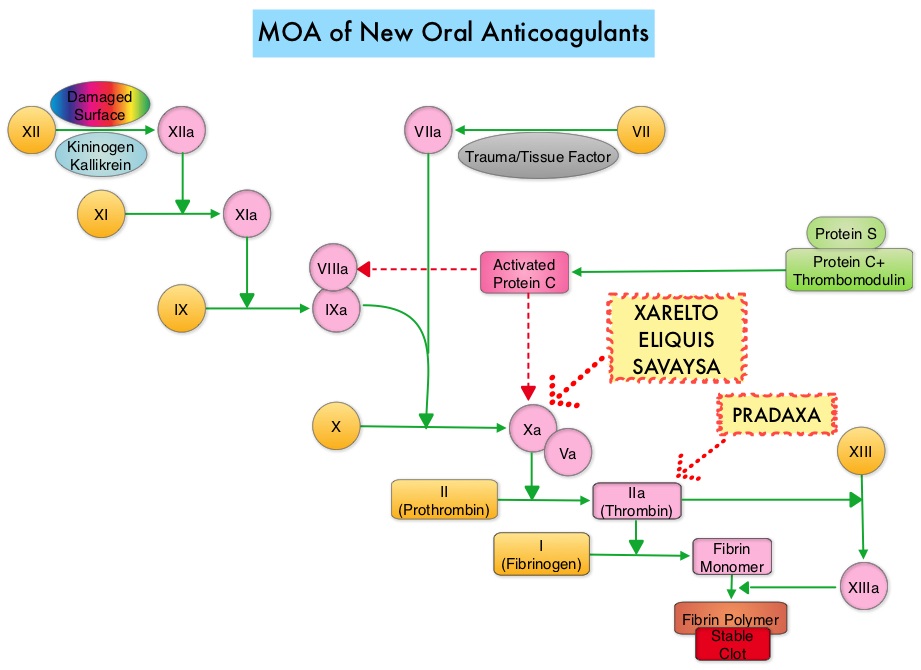
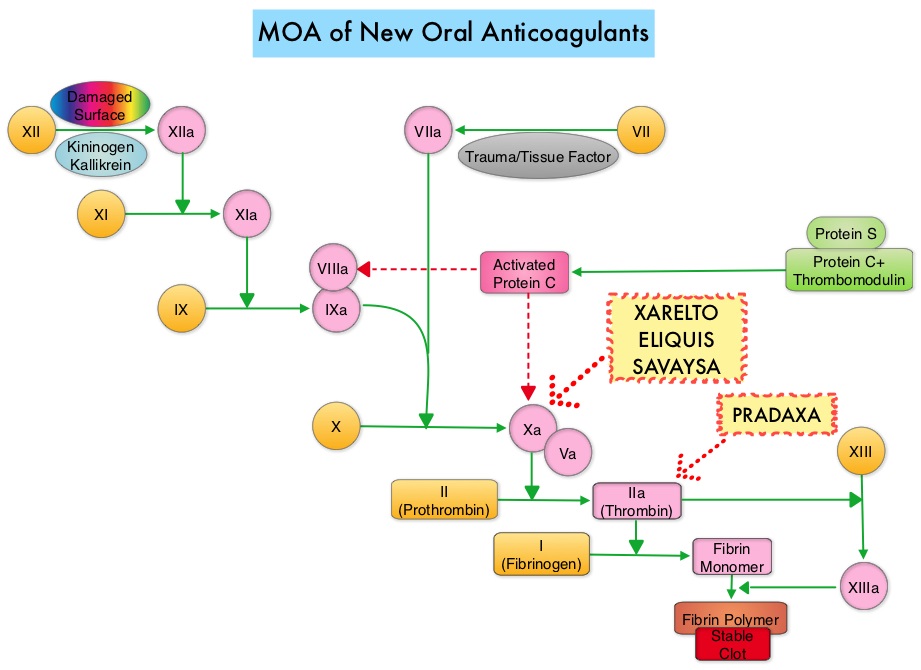
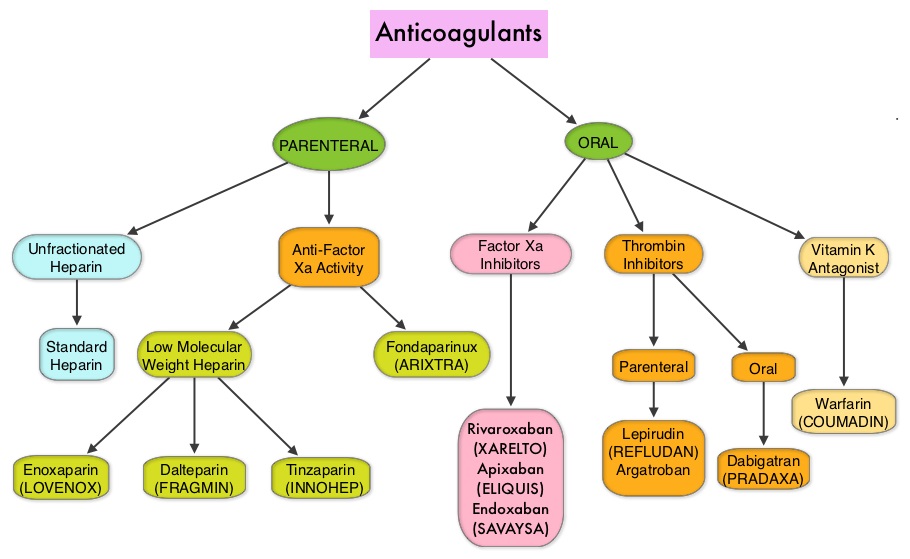
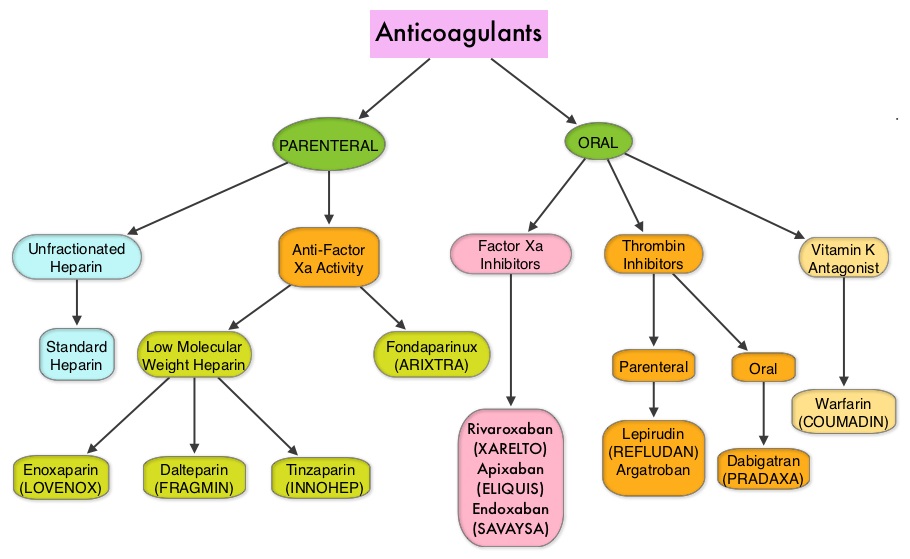
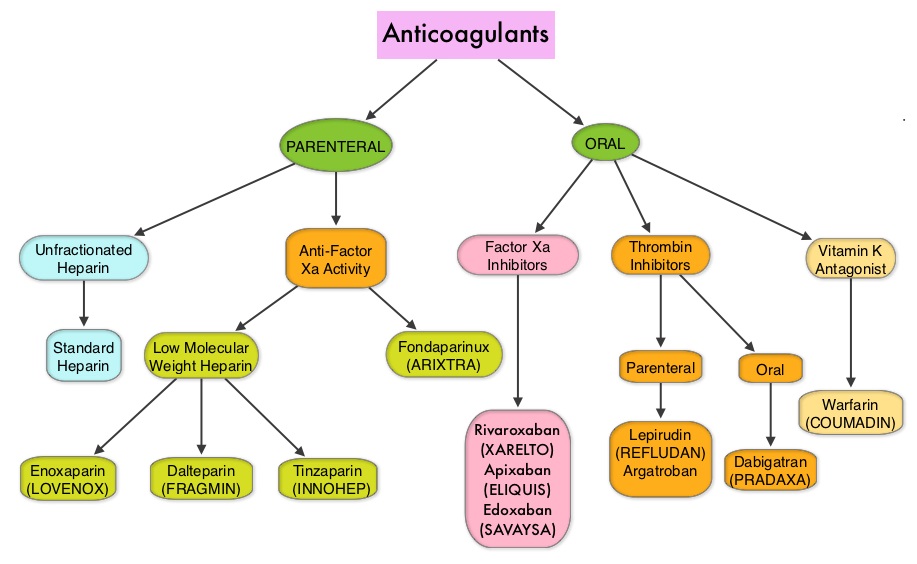
SUMMARY: The FDA on May 3, 2018 approved AndexXa® (Andexanet Alfa), a recombinant coagulation Factor Xa, inactivated-zhzo), for patients treated with XARELTO® (Rivaroxaban) and ELIQUIS® (Apixaban), when reversal of anticoagulation is needed due to life-threatening or uncontrolled bleeding. It is estimated that 4 million individuals are presently on Factor Xa inhibitors, and in the US there were approximately 117,000 hospital admissions attributable to Factor Xa inhibitor-related bleeding and nearly 2000 bleeding related deaths per month. There are presently five New Oral Anticoagulants approved in the US for the treatment of Venous ThromboEmbolism (VTE). They include PRADAXA® (Dabigatran), which is a direct thrombin inhibitor and XARELTO® (Rivaroxaban), ELIQUIS® (Apixaban), SAVAYSA® (Endoxaban), BEVYXXA® (Betrixaban) which are Factor Xa inhibitors. Compared to COUMADIN® (Warfarin), the New Oral Anticoagulants have a rapid onset of action, wider therapeutic window, shorter half-lives (7-14 hours in healthy individuals), no laboratory monitoring and fixed dosing schedule. The half-life of these agents can however be prolonged in those with renal insufficiency and may be unsafe and direct oral anticoagulants are ineffective in patients with mechanical heart valves. In several clinical studies, these New Oral Anticoagulants have been shown to reduce the rate of major bleeding by 28% and the rates of intracranial and fatal hemorrhage by 50%, when compared to COUMADIN®. Unlike bleeding caused by COUMADIN®, which can be reversed using Vitamin K or Fresh Frozen Plasma, until now, there were no specific agents available, for reversing bleeding caused by the New Oral Anticoagulants or for stopping the anticoagulant effects of these drugs, in patients who need urgent surgical intervention. The FDA in 2015, granted accelerated approval to PRAXBIND® (Idarucizumab), for the treatment of patients treated with PRADAXA®, a direct thrombin inhibitor, when reversal of the anticoagulant effects of PRADAXA® is needed for emergency surgery/urgent procedures, or in life-threatening or uncontrolled bleeding. However, the Factor Xa inhibitors approved in the US for the treatment of VTE did not have an antidote until this new approval. As such, some Health Care Providers discouraged their patients from taking these direct oral anticoagulants until an antidote became available, should their patients need urgent surgical intervention.MOA-of-New-Oral-Anticoagulants
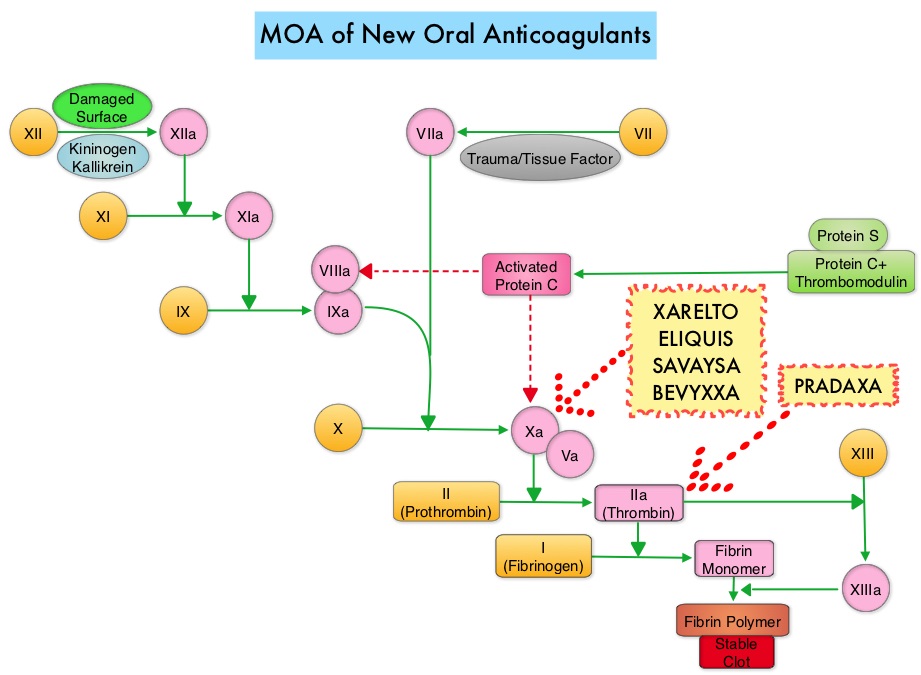
AndexXa® (Andexanet alfa) is a recombinant, modified human Factor Xa decoy protein without intrinsic catalytic activity, that binds Factor Xa inhibitors. The approval of AndexXa® was based on data from two Phase III ANNEXA studies (ANNEXA-A and ANNEXA-R) as well as interim data from the ongoing ANNEXA-4 study. ANNEXA-A and ANNEXA-R are randomized, double-blind, placebo-controlled, Phase III studies which evaluated the safety and efficacy of AndexXa® in reversing the anticoagulant effect of ELIQUIS® and XARELTO® respectively, in healthy volunteers aged 50-68 years. A two-part randomized placebo-controlled study was conducted for each Factor Xa inhibitor, to evaluate AndexXa® administered as a bolus or as a bolus plus a 2-hour infusion. The Primary endpoint was reduction in anti-Factor Xa activity levels, a measure of Factor Xa inhibition by the anticoagulant. Secondary endpoints included reduction in plasma levels of free unbound XARELTO® or ELIQUIS® and restoration of the endogenous thrombin potential (ETP), a measure of thrombin generation.

ANNEXA-A Study: In Part 1, 33 healthy participants were given ELIQUIS® 5 mg twice daily for 3.5 days and then randomized in a 3:1 ratio to receive either AndexXa® administered as a 400 mg IV bolus or placebo. Within 2-5 minutes of completion of the bolus dose, AndexXa® rapidly reduced the anticoagulant activity of ELIQUIS® by 94% compared with placebo (P<0.001), as measured by anti-Factor Xa activity. The reversal of anti-factor Xa activity persisted for 2 hours. Further, AndexXa® significantly reduced the level of free (unbound) ELIQUIS® in the plasma compared with placebo (P<0.001) and fully restored thrombin generation in 100 percent of subjects (P<0.001 vs. placebo). In Part 2, 31 healthy participants received ELIQUIS® 5 mg twice daily for four days and then randomized in a 3:1 ratio to receive either AndexXa® administered as a 400 mg IV bolus followed by a continuous infusion of 4 mg/min for 120 minutes or placebo. AndexXa® significantly reduced anti-Factor Xa activity by 92% compared with placebo (P<0.001), with reversal persisting for 1 to 2 hours after completion of the infusion. The reduction in free unbound ELIQUIS® was sustained with the bolus plus infusion, which significantly reduced the mean plasma concentration of free unbound ELIQUIS® compared with placebo (P<0.001). AndexXa® also restored thrombin generation to normal in all participants who received the compound (p<0.001 vs. placebo).

ANNEXA-R Study: In Part 1, 41 healthy volunteer participants were given XARELTO® 20 mg once daily for four days and then randomized in a 2:1 ratio to receive either AndexXa® administered as an 800 mg IV bolus or placebo. Within 2-5 five minutes of completion of the bolus dose, AndexXa® significantly reversed the anticoagulant activity of XARELTO® by 92% compared with placebo (P<0.001), as measured by anti-Factor Xa activity. Further, AndexXa® significantly reduced the level of free (unbound) XARELTO® in the plasma compared with placebo (P<0.001) and fully restored thrombin generation in 96% of participants (P<0.001 versus placebo). In Part 2, 39 healthy volunteers were given XARELTO® 20 mg once daily for four days and then randomized in a 2:1 ratio to receive either AndexXa® administered as an 800 mg IV bolus followed by a continuous infusion of 8 mg/min for 120 minutes or placebo. AndexXa® significantly reduced anti-Factor Xa activity by 97% compared with placebo (P<0.001), with reversal persisting for 1 to 2 hours after completion of the infusion. The reduction in free unbound XARELTO® was sustained with the bolus plus infusion, which significantly reduced the mean plasma concentration of free unbound XARELTO® compared with placebo (P<0.001). AndexXa® also restored thrombin generation to normal in all participants who received this agent (P<0.001 versus placebo).

ANNEXA-4 Study: This is an ongoing, multicenter, prospective, open-label, single-group study designed to evaluate the use of AndexXa® in patients with acute potentially life-threatening major bleeding, within 18 hours after the administration of one of four Factor Xa inhibitors – ELIQUIS®, XARELTO®, SAVAYSA®, or LOVENOX® (Enoxaparin). . All patients received a bolus dose of AndexXa® within 3-6 hours following presentation to the ER followed by a 2-hour infusion of the drug. The two co-primary outcomes were the percent change in the anti-Factor Xa activity and the rate of excellent or good hemostatic efficacy, 12 hours after the AndexXa® infusion. Anti-Factor Xa activity was measured by means of a validated chromogenic assay of Factor Xa enzymatic activity. Among the 185 evaluable high-risk patients in this open-label study, hemostatic efficacy was adjudicated as excellent or good by the independent committee, 12 hours after the AndexXa® infusion in 83% of patients. It was noted that following the bolus dose of AndexXa®, the median anti-Factor Xa activity decreased by 90% from baseline, among patients receiving XARELTO® and by 93% among patients receiving ELIQUIS® and these levels remained the same during the 2-hour infusion.

In conclusion, AndexXa® is the first and only antidote indicated for patients treated with XARELTO® and ELIQUIS® when reversal of anticoagulation is needed due to life-threatening or uncontrolled bleeding. The availability of this antidote assures both patients and health care providers to consider Factor Xa inhibitors with greater confidence. Andexanet Alfa for the Reversal of Factor Xa Inhibitor Activity. Siegal DM, Curnutte JT, Connolly SJ, et al. N Engl J Med 2015; 373:2413-242. Andexanet Alfa for Acute Major Bleeding Associated with Factor Xa Inhibitors. Connolly SJ, Milling TJ, Eikelboom JW, et al. N Engl J Med 2016; 375:1131-1141
AndexXa® (Andexanet Alfa)

The FDA on May 3, 2018 approved AndexXa®, a recombinant coagulation Factor Xa, inactivated-zhzo), for patients treated with XARELTO® (Rivaroxaban) and ELIQUIS® (Apixaban), when reversal of anticoagulation is needed due to life-threatening or uncontrolled bleeding. AndexXa® is a product of Portola Pharmaceuticals.

Perioperative Interruption of Direct Oral Anticoagulants in Patients with Venous Thromboembolic Disease

Perioperative Interruption of Direct Oral Anticoagulants in Patients with Venous Thromboembolic Disease

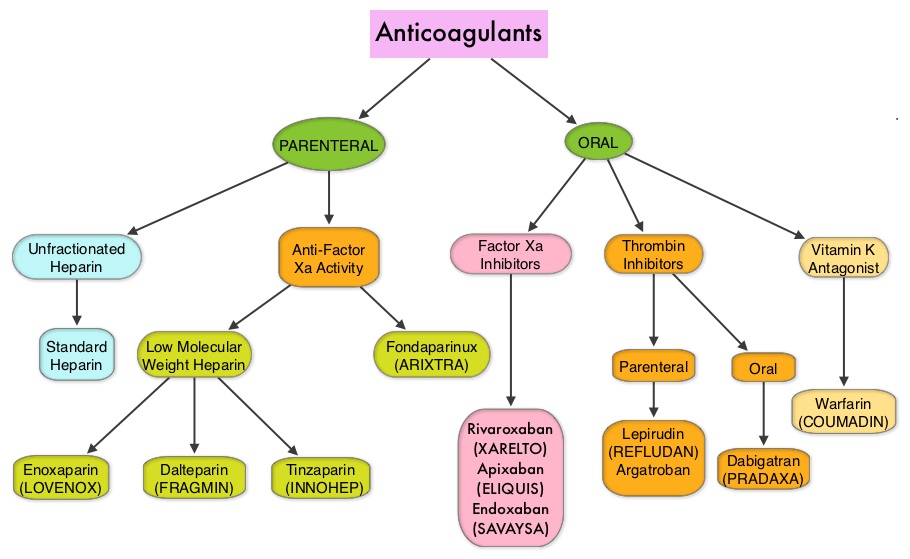
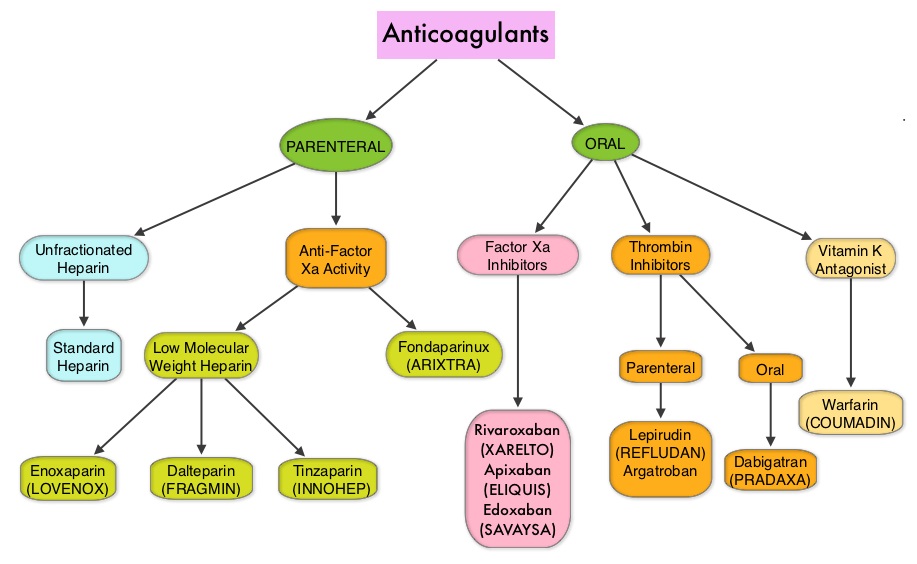
SUMMARY: Direct Oral AntiCoagulants (DOACs) are often prescribed for thromboembolic events. This class of anticoagulants, have a rapid onset and offset of action, short half-life and predictable anticoagulant effects, without the need for routine monitoring. Further, several studies have demonstrated non-inferiority or superiority of this class of drugs compared with Vitamin K Aantagonists (VKAs), with regards to prevention and treatment of thromboembolic events. It is estimated that each year 10-15% of patients on DOACs will undergo an invasive procedure or surgery and will require temporary interruption of anticoagulation prior to standard-risk procedures and procedures with increased risk for bleeding. Several studies have evaluated the perioperative interruption of DOACs based on half-life of the anticoagulant and the underlying procedural bleeding risk in patient with Atrial Fibrillation. Whether these findings can be extrapolated to patients with VTE, has remained unclear.Anticoagulants-Classification

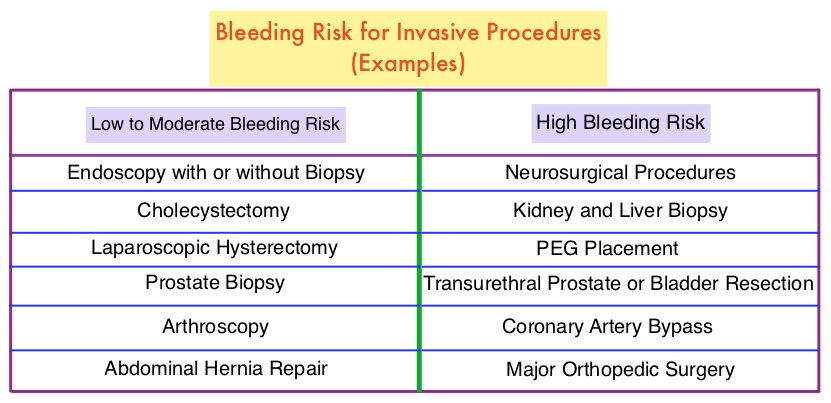
The authors in this study evaluated the thrombotic and bleeding outcomes following the perioperative interruption of Direct Oral AntiCoagulants, in patients with prior VTE (Venous ThromboEmbolism). This retrospective study included 190 patients who were on Direct Oral AntiCoagulants, such as PRADAXA® (Dabigatran), XARELTO® (Rivaroxaban), SAVAYSA® (Edoxaban) or ELIQUIS® (Apixaban), for previous VTE, and were scheduled to undergo an invasive procedure or surgery. They required temporary interruption of anticoagulation prior to standard-risk procedures and procedures with increased risk for bleeding. About 80% of the patients had unprovoked VTE, as the most recent thrombotic event, and 25% of the patients had recurrent VTE. The mean age was 59 years.Bleeding-Risk-for-Invasive-Procedures

The timing to interrupt and reinitiate Direct Oral Anticoagulant therapy was at the discretion of the treating physician, and typically DOACs were held for three half-lives prior to and restarted 2 days following standard-bleeding risk procedures, and for five half-lives prior to and restarted 4 days following high-bleeding risk procedures. The mean time from last dose of DOAC to surgery was 56.9 hours for standard-bleeding risk procedures and 69.9 hours for high-bleeding risk procedures. The mean time to therapeutic dosing of DOACs was 47 hours in the standard-bleeding risk group and 80.2 hours in the high-bleeding risk group. Approximately 41% of patients also received prophylactic doses of Low Molecular Weight Heparin or DOACs in the immediate postoperative period before re-initiation of therapeutic anticoagulation. Also taken into consideration was the elimination half-life of DOACs which can be increased by decreased renal function (PRADAXA® > SAVAYSA® > XARELTO® and ELIQUIS®), severe hepatic insufficiency (XARELTO® and ELIQUIS® > SAVAYSA® > PRADAXA®) and drug interactions. The Primary efficacy outcome was the 30-day symptomatic VTE rate, and the Primary safety outcome was the 30-day major bleeding rate. Secondary outcomes included overall mortality and the rate of clinically relevant non-major bleeding.

The 30-day VTE rate was 1.05% and the 30-day major bleeding rate was 0.53%. There were no deaths during the 30-day follow-up period. The rate of clinically relevant non-major bleeding was 3.16%.

It was concluded that perioperative interruption of Direct Oral AntiCoagulants, using a strategy that considered the half-life of the DOAC and the underlying procedural bleeding risk, appeared to be both safe and effective among patients with prior Venous ThromboEmbolism. Thrombotic and bleeding outcomes following perioperative interruption of direct oral anticoagulants in patients with venous thromboembolic disease. Shaw J, de Wit C, Le Gal G, et al. J Thromb Haemost. 2017;doi:10.1111/jth.13670

Direct Oral Anticoagulant SAVAYSA® Noninferior to Subcutaneous FRAGMIN® for Cancer-Associated Venous Thromboembolism

SUMMARY: The Center for Disease Control and Prevention (CDC) estimates that approximately 1-2 per 1000 individuals develop Deep Vein Thrombosis/Pulmonary Embolism (PE) each year in the United States, resulting in 60,000-100,000 deaths. Venous ThromboEmbolism (VTE) is the third leading cause of cardiovascular mortality, after myocardial infarction and stroke.

Approximately 20% of cancer patients develop VTE and the current recommendations are treatment with parenteral Low Molecular Weight Heparin (LMWH) preparations, based on efficacy data. This however can be inconvenient and expensive, leading to premature discontinuation of treatment. Direct Oral Anticoagulant agents have been proven to be as effective as Warfarin, a Vitamin K antagonist, for the treatment of VTE, and are associated with less frequent and less severe bleeding and fewer drug interactions. However, the efficacy and safety of Direct Oral Anticoagulants for the treatment of cancer-associated VTE have not been established.Anticoagulants

SAVAYSA® (Edoxaban)‎ an oral Factor Xa inhibitor was compared with subcutaneous Low Molecular Weight Heparin FRAGMIN® (Dalteparin), for the treatment of patients with cancer-associated VTE in the Hokusai VTE Cancer trial. This open-label, noninferiority trial randomized 1050 patients in a 1:1 ratio to receive either SAVAYSA® or FRAGMIN®. SAVAYSA® was given after an initial course of physician’s choice of Low Molecular Weight Heparin, given subcutaneously in therapeutic doses, for at least 5 days. SAVAYSA® was administered orally at a fixed dose of 60 mg once daily. FRAGMIN® was given subcutaneously at a dose of 200 IU/kg once daily for 30 days and at a dose of 150 IU/kg once daily thereafter. This treatment was continued for up to 12 months. The median age was 64 years and 90% of the patients had solid tumors and were on various chemotherapy regimens. The primary endpoint was a composite of recurrent VTE or major bleeding during the 12 months after randomization, regardless of treatment duration.

It was noted that SAVAYSA® was noninferior to FRAGMIN® with regards to composite rates of recurrent VTE and bleeding, which occurred in 12.8% of those receiving SAVAYSA® and 13.5% of those receiving FRAGMIN®. The similarity between the two treatment groups met statistical criteria for demonstrating noninferiority for SAVAYSA® (P=0.006). The rate of recurrent VTE was numerically lower with SAVAYSA® compared with FRAGMIN® (7.9% vs 11.3%, HR=0.71; P=0.09). The rate of major bleeding was however significantly higher with SAVAYSA® compared with FRAGMIN® (6.9% vs 4.0%, HR=1.77; P=0.04). This difference was mainly due to higher rate of upper gastrointestinal bleeding with SAVAYSA® in patients with gastrointestinal cancers. The frequency of severe major bleeding (category 3 or 4) however was similar in both treatment groups.

It was concluded that Direct Oral Anticoagulant, SAVAYSA® was noninferior to subcutaneous Low Molecular Weight Heparin, FRAGMIN® with respect to the composite outcome of recurrent Venous ThromboEmbolism or major bleeding. The lower rate of recurrent VTE observed with SAVAYSA® was offset by a similar increase in the risk of major bleeding. Edoxaban for the Treatment of Cancer-Associated Venous Thromboembolism. Raskob GE, Van Es N, Verhamme P, et al. for the Hokusai VTE Cancer Investigators. December 12, 2017DOI: 10.1056/NEJMoa1711948

BEVYXXA® (Betrixaban)

The FDA on June 23, 2017 approved BEVYXXA® for the prophylaxis of Venous ThromboEmbolism (VTE) in adult patients hospitalized for an acute medical illness, who are at risk for thromboembolic complications due to moderate or severe restricted mobility and other risk factors for VTE. BEVYXXA® is a product of Portola Pharmaceuticals.

Lower Dose of XARELTO® Adequate for Prevention of Recurrent Venous Thromboembolism

SUMMARY: The Center for Disease Control and Prevention (CDC) estimates that approximately 1-2 per 1000 individuals develop Deep Vein Thrombosis/Pulmonary Embolism (PE) each year in the United States, resulting in 60,000-100,000 deaths. Venous ThromboEmbolism (VTE) is the third leading cause of cardiovascular mortality, after myocardial infarction and stroke. With the exception of those with active malignancy, patients with VTE are often treated with Direct Oral Anticoagulant agents such as XARELTO® (Rivaroxaban) over vitamin K antagonists such as Warfarin because, Direct Oral Anticoagulant agents do not require routine laboratory monitoring or dose adjustment, have fewer interactions with food or other drugs and are associated with a lower risk of bleeding complications. Anticoagulation therapy is usually recommended for 3 months following an initial episode VTE in association with a transient risk factor such as surgery. In patients without reversible risk factors however, the risk of recurrent VTE is 10% or more during the first year, if anticoagulation therapy is discontinued. Extended anticoagulation therapy beyond 6 to 12 months even though effective is often not a common practice, for the fear of bleeding complications. Aspirin has been shown to reduce the risk of recurrent VTE when compared with placebo, but recurrence rate with this intervention is still significant at 5.1% per year.

The authors in this study compared the efficacy and safety of two doses of XARELTO® with Aspirin, in patients with Venous ThromboEmbolism, who had completed 6 to 12 months of anticoagulation therapy, and in whom there was uncertainty regarding the need for continued anticoagulation. In this randomized, double-blind, phase III trial, 3396 (N=3396) patients with Venous ThromboEmbolism were assigned, in a 1:1:1 ratio, to receive either XARELTO® 20 mg, XARELTO® 10 mg or Aspirin 100 mg given once daily. The primary efficacy outcome was symptomatic recurrent fatal or nonfatal Venous ThromboEmbolism, and the principal safety outcome was major bleeding. Secondary endpoints included whether the lower dose of XARELTO® was as effective as the higher dose and whether it was associated with less bleeding.

It was noted that after a median duration of treatment of 351 days, symptomatic recurrent fatal or nonfatal Venous ThromboEmbolism or unexplained death occurred in 1.5% of the patients assigned to XARELTO® 20 mg and 1.2% of the patients assigned to XARELTO® 10 mg compared with 4.4% among the patients assigned to the Aspirin group (P<0.001). Major or clinically relevant non-major bleeding occurred in 3.3%, 2.4%, and 2.0% of the patients, respectively.

It was concluded that among patients with Venous ThromboEmbolism for whom continued anticoagulation is a consideration, after an initial treatment course at usual therapeutic doses, the risk of a recurrent thromboembolic events were significantly lower with XARELTO® given at either a therapeutic dose (20 mg) or a prophylactic dose (10 mg), compared with Aspirin. There was no significant increase in bleeding rates. Rivaroxaban or Aspirin for Extended Treatment of Venous Thromboembolism. Weitz JI, Lensing AW, Prins MH, et al. for the EINSTEIN CHOICE Investigators. N Engl J Med 2017; 376:1211-1222

XARELTO® for Heparin Induced Thrombocytopenia

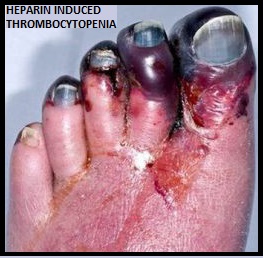
SUMMARY: The Center for Disease Control and Prevention (CDC) estimates that approximately 1-2 per 1000 individuals develop Deep Vein Thrombosis/Pulmonary Embolism (PE) each year in the United States, resulting in 60,000-100,000 deaths. Venous ThromboEmbolism (VTE) is the third leading cause of cardiovascular mortality. Heparin Induced Thrombocytopenia (HIT) is a prothrombotic disorder caused by antibodies to complexes of Platelet Factor 4 (PF4), a protein present in the platelet alpha granules and heparin and the incidence of HIT varies from 3-5% in patients treated with unfractionated heparin. The frequency of thromboemboli in HIT patients is 30-50% and women diagnosed with HIT are at a 1.7 times greater risk for thrombotic manifestations than men.

There are two types of HIT. Type 1 HIT is a non-immune disorder that results from the direct effect of heparin on platelet activation and manifests within the first 2 days after heparin exposure to heparin, and the platelet count normalizes with continued heparin therapy. Type 2 HIT however is an immune-mediated disorder that typically occurs 4-10 days after exposure to heparin and can result in life threatening thrombotic complications. Patients with HIT more often experience thrombotic events such as Deep Venous Thrombosis, Pulmonary Embolism and sometimes Arterial thrombosis rather than bleeding episodes. The 4 T’s that raise clinical suspicion for HIT include Thrombocytopenia, Timing of thrombocytopenia, Thrombosis and ruling out oTher causes of thrombocytopenia. Once a diagnosis of HIT is established, all heparin products should be stopped and alternative anticoagulants should be considered such as ARGATROBAN®, REFLUDAN® (Lepirudin), ANGIOMAXreg; (Bivalirudin) and ARIXTRA® (Fondaparinux). Warfarin may cause microthrombosis in patients with HIT and should be avoided and should be started only after the platelet count exceeds 150 x 109/L. IVC filters should be avoided as well.

The currently approved therapies for the treatment of HIT however are parenteral preparations and require laboratory coagulation monitoring. XARELTO® is a direct oral anti-Xa inhibitor and is presently approved by the FDA for the prevention and treatment of Deep Vein Thrombosis and Pulmonary Embolism as well as prevention of thromboembolic events in patients with Atrial Fibrillation. XARELTO® could be an ideal agent for patients with HIT, as it can be administered orally at a fixed dose and does not require routine coagulation monitoring.

The purpose of this study was to determine the safety and efficacy of XARELTO® in patients suspected or confirmed to have HIT. The authors in this multicenter, single-arm, prospective cohort study, reviewed the data of 22 consecutive adults with suspected or confirmed HIT. Patients received XARELTO® 15 mg PO BID until a local HIT assay result was available. Patients with a positive local assay result continued XARELTO® 15 mg PO BID until platelet recovery (or until day 21 if they had acute thrombosis at the time of entry into the study). The dose of XARELTO® was then changed to 20 mg PO daily, until day 30. This study was slated to enroll 200 patients but the study was terminated early after 22 patients were enrolled, because of difficulty in recruitment.

It was noted that the incidence of new, symptomatic, objectively confirmed, venous or arterial thromboembolism at 30 days in the HIT positive group (Primary endpoint), was 4.5% and one HIT-positive patient required limb amputation despite platelet recovery. Nine out of 10 HIT-positive patients with thrombocytopenia had platelet recovery.

It was concluded that based on this small study, XARELTO® was effective for treating patients with confirmed HIT, and also facilitated platelet recovery. This first prospective study of XARELTO® in HIT patients has a limited number of patients and the 22 patients in this study were enrolled over a 2.5 year period, which demonstrated the difficulty in enrolling patients in this study. Nonetheless, it is unlikely that larger studies will be designed to compare XARELTO® to one of the parenteral preparations. Based on the available data, XARELTO® may fulfill an unmet need for the management of patients with Heparin Induced Thrombocytopenia. Rivaroxaban for treatment of suspected or confirmed heparin-induced thrombocytopenia study. Linkins LA, Warkentin TE, Pai M, et al. J Thromb Haemost 2016;14:1206-1210.

Andexanet Alfa – An Antidote for Acute Major Bleeding Associated with New Oral Anticoagulants

SUMMARY: There are presently four New Oral Anticoagulants approved in the United States for the treatment of Venous ThromboEmbolism. They include PRADAXA® (Dabigatran), which is a direct thrombin inhibitor and XARELTO® (Rivaroxaban), ELIQUIS® (Apixaban), SAVAYSA® (Endoxaban), which are Factor Xa inhibitors. Compared to COUMADIN® (Warfarin), the New Oral Anticoagulants have a rapid onset of action, wider therapeutic window, shorter half-lives (7-14 hours in healthy individuals), no laboratory monitoring and fixed dosing schedule. The half life of these agents can however be prolonged in those with renal insufficiency and may be unsafe and direct oral anticoagulants are ineffective in patients with mechanical heart valves. In several clinical studies, these New Oral Anticoagulants have been shown to reduce the rate of major bleeding by 28% and the rates of intracranial and fatal hemorrhage by 50%, when compared to COUMADIN®. Unlike bleeding caused by COUMADIN®, which can be reversed using Vitamin K or Fresh Frozen Plasma, there are no specific agents presently available, for reversing bleeding caused by the New Oral Anticoagulants or for stopping the anticoagulant effects of these drugs, in patients who need urgent surgical intervention. The FDA in October 16, 2015, granted accelerated approval to Idarucizumab (PRAXBIND®), for the treatment of patients treated with Dabigatran (PRADAXA®), a direct thrombin inhibitor, when reversal of the anticoagulant effects of PRADAXA® is needed for emergency surgery/urgent procedures, or in life-threatening or uncontrolled bleeding. However, the other New Oral Anticoagulants approved in the United States for the treatment of Venous ThromboEmbolism such as XARELTO® (Rivaroxaban), ELIQUIS® (Apixaban), SAVAYSA® (Endoxaban), are Factor Xa inhibitors and do not have an antidote. As such, some Health Care Providers have discouraged their patients from taking these direct oral anticoagulants until an antidote became available, should their patients need urgent surgical intervention.

Andexanet alfa (AndexXa®) is a recombinant, modified human Factor Xa decoy protein without intrinsic catalytic activity, that binds Factor Xa inhibitors. In a previously published study, AndexXa® reversed the anticoagulant activity of ELIQUIS® and XARELTO® in older healthy participants within minutes after administration, and reduced both the unbound fraction of the plasma level of factor Xa inhibitor and anti-Factor Xa activity, with minimal clinical toxicity (N Engl J Med 2015; 373:2413-242). The AndexXa®, a Novel Antidote to the Anticoagulation Effects of FXA Inhibitors (ANNEXA-4) study is an ongoing, multicenter, prospective, open-label, single-group study designed to evaluate the use of AndexXa® in patients with acute major bleeding that was potentially life-threatening.

The authors in this interim report described the outcomes of 67 patients, for whom complete data was available. Patients in this study had acute major bleeding within 18 hours after the administration of one of four Factor Xa inhibitors – ELIQUIS®, XARELTO®, SAVAYSA®, or LOVENOX® (Enoxaparin). Acute major bleeding was defined as potentially life-threatening with signs or symptoms of hemodynamic compromise, decrease in hemoglobin of at least 2 gm/dl, symptomatic bleeding in a critical area or organ. The mean patient age was 77 years, and most patients had a history of cardiovascular disease and thrombotic events and bleeding was predominantly gastrointestinal or intracranial. An independent committee determined hemostatic efficacy on the basis of predetermined criteria. The baseline value for anti-Factor Xa activity was at least 75 ng/ml and 0.5 IU/ml or more for those receiving LOVENOX® and patients had confirmed bleeding severity. All patients received a bolus dose of AndexXa® within 3-6 hours following presentation to the ER followed by a 2-hour infusion of the drug. The two co-primary outcomes were the percent change in the anti-Factor Xa activity and the rate of excellent or good hemostatic efficacy, 12 hours after the AndexXa® infusion. Anti-Factor Xa activity was measured by means of a validated chromogenic assay of Factor Xa enzymatic activity.

It was noted that following the bolus dose of AndexXa®, the median anti-Factor Xa activity decreased by 89% from baseline, among patients receiving XARELTO® and by 93% among patients receiving ELIQUIS® and these levels remained the same during the 2-hour infusion. Four hours after the end of the infusion, the relative decrease in the anti-Factor Xa activity from baseline, among patients receiving XARELTO® was 39% and 30% among those receiving ELIQUIS®. Twelve hours after the AndexXa® infusion, hemostatic efficacy was adjudicated as excellent or good by the independent committee, in 79% of the patients and was consistent across all subgroups. During the 30-day follow up period, thrombotic events occurred in 18% of the patients.

The authors concluded that AndexXa® rapidly reversed anti-Factor Xa activity without significant toxicity, in 79% of the patients, 12 hours after an infusion of AndexXa®. This study also demonstrated that prolonged reversal of Factor Xa inhibition may not be necessary to achieve a good hemostatic response with AndexXa®. Andexanet Alfa for Acute Major Bleeding Associated with Factor Xa Inhibitors. Connolly SJ, Milling TJ, Eikelboom JW, et al. N Engl J Med 2016; 375:1131-1141
XARELTO® Safe and Effective for Cancer Patients with Venous ThromboEmbolism

SUMMARY: The Center for Disease Control and Prevention (CDC) estimates that approximately 1-2 per 1000 individuals develop Deep Vein Thrombosis/Pulmonary Embolism (PE) each year in the United States, resulting in 60,000-100,000 deaths. Venous ThromboEmbolism (VTE) is the third leading cause of cardiovascular mortality. Patients with unprovoked DVT and PE are two to four times more likely to be diagnosed with cancer within the ensuing 12 months compared to the general population. Approximately 20% of VTE events are related to underlying malignancy and patients with active malignancy have a five to six fold increased risk of VTE. In patients with cancer associated thrombosis, COUMADIN® (Warfarin) and XARELTO® (Rivaroxaban) are often prescribed, despite guidelines recommending Low Molecular Weight Heparin (LMWH) in this patient population. However, patients are less inclined to take LMWH as this is parenteral, expensive, inconvenient and carries the risk of Heparin-Induced Thrombocytopenia. Further, most patients with malignancy require indefinite anticoagulation and the safety and efficacy of LMWH in this setting is unknown. The efficacy and safety of oral, direct Factor Xa inhibitor such as XARELTO® is not well established in patients with VTE and active malignancy.

The authors in this study evaluated the risk and benefits of XARELTO® in this high-risk group of patients. In this case cohort study, the Mayo Thrombophilia Clinic Direct Oral Anticoagulants Registry included patients diagnosed with Deep Vein Thrombosis or Pulmonary Embolism, who were seen and treated with XARELTO® at the Thrombophilia Clinic, Gonda Vascular Center and Mayo Clinic in Rochester, Minn. These units work together and provide streamlined standardized care. Immediate anticoagulation therapy was provided for appropriate patients. Patients with symptomatic PE or extensive symptomatic iliofemoral Deep Vein Thrombosis were hospitalized. All patients with PE also had lower extremity duplex ultrasound to determine the source of embolism. Evaluation included upper extremity venous assessment, if a patient had symptoms suggestive of venous thrombosis or if a Central Venous Catheter was present.

Patients with acute VTE or asymptomatic PE suitable for outpatient anticoagulation therapy were counseled about the pros and cons of each anticoagulant currently approved by the FDA. Additionally, patients with active malignancy and VTE were counseled about the preferred first line of treatment with Low Molecular Weight Heparin, as well as the limited data for XARELTO® in cancer-associated VTE. Patients opting for XARELTO®, were started on treatment within the ensuing hour. Patients were evaluated every 3 months for efficacy and safety and followed prospectively from March 2013 and April 2015. The primary efficacy outcome was symptomatic venous or arterial thromboembolism occurring during the follow up period. The primary safety end point was major bleeding defined as overt bleeding plus a hemoglobin decrease of 2 or more grams/dL after the incident, transfusion of 2 or more units of packed red blood cells, or intracranial, intraspinal, intraocular, retroperitoneal, pericardial, or fatal bleeding.

Two hundred and ninety six (N=296) of the 404 patients in the registry with Venous ThromboEmbolism (VTE), received XARELTO® and had at least 3 months of follow up. Of these 296 patients on XARELTO®, 118 patients (40%) had active malignancy and 178 patients had no cancer. The 3 most common cancer locations were Genitourinary (23.6%), Gastrointestinal (20.3%) and Lung (13.5%). It was noted that there was no significant difference in VTE recurrence between the malignant (3.3%) and the nonmalignant (2.8%) VTE groups (P=0.533). Slightly higher rates for major bleeding (P=0.06) and non major clinically relevant bleeding (P=0.08) were noted in patients with cancer, but this was not statistically significant.

The authors concluded that the efficacy and safety of XARELTO® is similar for VTE patients with and without active malignancy. Efficacy and Safety of Rivaroxaban in Patients with Venous Thromboembolism and Active Malignancy: A Single-Center Registry. Bott-Kitslaar DM, Saadiq RA, McBane RD, et al. Am J Med. 2016; 129: 615-619

Recurrent VTE in Cancer Patients Treated with XARELTO®

SUMMARY: The Center for Disease Control and Prevention (CDC) estimates that approximately 1-2 per 1000 individuals develop Deep Vein Thrombosis/Pulmonary Embolism (PE) each year in the United States, resulting in 60,000 – 100,000 deaths. Venous ThromboEmbolism (VTE) is the third leading cause of cardiovascular mortality. Patients with unprovoked DVT and PE are two to four times more likely to be diagnosed with cancer within the following 12 months compared to the general population. In patients with cancer associated thrombosis, COUMADIN® (Warfarin) and XARELTO® (Rivaroxaban) are often prescribed, despite guidelines recommending Low Molecular Weight Heparin (LMWH) in this patient population.

Recently published data suggests that the rates of major bleeding, with use of XARELTO® in a highly selected group of cancer patients with venous thromboembolic disease, compared favorably with those treated with LMWH. (Mantha S, et al. 2015 ASH Annual Meeting). There is however limited data comparing the efficacy of different anticoagulants for VTE treatment in cancer patients.

The authors conducted this study in cancer patients, to compare the VTE recurrence rates, following most frequently prescribed anticoagulants in the United States. Newly diagnosed cancer patients with a first VTE, who initiated LMWH, COUMADIN® or XARELTO®, were selected using healthcare claims from the Humana database. The study population included 2,428 patients (XARELTO®: N=707; LMWH: N=660; COUMADIN® N =1,061). VTE recurrences were defined as hospitalizations with a primary diagnosis of VTE. Outpatients with a primary diagnosis of VTE were added as a sensitivity analysis to the recurrence definition.

The median duration on initial LMWH treatment was 1 month, on COUMADIN® was 3.5 months and on XARELTO® was 3 months. When compared to LMWH, VTE recurrence rates were lower with initial XARELTO® treatment at 6 months (13.2% versus 17.1%; P=0.06) and at 12 months (16.5% versus 22.2%; P=0.03). When initially treated with XARELTO®, recurrent VTE was 28% less likely than with LMWH (HR=0.72; P<0.03).

When compared to COUMADIN®, VTE recurrence rates were again lower with initial XARELTO® treatment at 6 months (13.2% versus 17.5%; P=0.02) and at 12 months (15.7% versus 19.9%; P=0.02). When initially treated with XARELTO®, recurrent VTE was 26% less likely than with COUMADIN® (HR=0.74; P<0.03). This benefit with XARELTO® when compared with LMWH and COUMADIN® users, was also noted in the sensitivity analysis.

The authors concluded that based on this real world healthcare claims data in cancer patients, XARELTO® was associated with a lower risk of recurrent VTE than LMWH or COUMADIN® and this could be a reflection of a shorter duration of treatment with LMWH and difficult therapeutic anticoagulation with COUMADIN®. Recurrent VTE in cancer patients treated with anticoagulation. Streiff MB, Milentijevic D, McCrae K, et al. J Clin Oncol 34, 2016 (suppl; abstr 10024)