FDA Approves OPDIVO Qvantig® for Subcutaneous Injection

SUMMARY: The FDA on December 27, 2024, approved Nivolumab and hyaluronidase-nvhy (OPDIVO Qvantig®) for subcutaneous injection across approved adult, solid tumor Nivolumab indications as monotherapy, monotherapy maintenance following completion of Nivolumab plus Ipilimumab (YERVOY®) combination therapy, or in combination with chemotherapy or Cabozantinib. The approval includes indications for renal cell carcinoma, melanoma, non-small cell lung cancer, head and neck squamous cell carcinoma, urothelial carcinoma, colorectal cancer, hepatocellular carcinoma, esophageal carcinoma, gastric cancer, gastroesophageal junction cancer, and esophageal adenocarcinoma. OPDIVO Qvantig® is not indicated in combination with intravenous Ipilimumab.

The American Cancer Society estimates that 81,610 new cases of kidney and renal pelvis cancers were diagnosed in the United States in 2024 and about 14,390 people died from the disease. Renal Cell Carcinoma (RCC) is by far the most common type of kidney cancer and is about twice as common in men as in women. Modifiable risk factors include smoking, obesity, workplace exposure to certain substances and high blood pressure. The five year survival of patients with advanced RCC is less than 10% and there is a significant unmet need for improved therapies for this disease.

OPDIVO® (Nivolumab) is a fully human, immunoglobulin G4 monoclonal antibody that binds to the PD-1 receptor and blocks its interaction with PD-L1 and PD-L2. Blocking the Immune checkpoint proteins unleashes the T cells, resulting in T cell proliferation, activation, and a therapeutic response. The emergence of immunotherapy has offered new avenues for patients, with Nivolumab demonstrating efficacy across various tumor types. However, the conventional Intravenous (IV) administration of Nivolumab has been associated with significant treatment burden, prompting the exploration of alternative delivery methods. The CheckMate 67T trial aimed to address this challenge by assessing the efficacy and convenience of Subcutaneous (SC) Nivolumab compared to its IV counterpart.

The CheckMate 67T trial is an international, multicenter, randomized, open-label, Phase III study, conducted to evaluate the pharmacokinetics of Subcutaneous OPDIVO Qvantig® versus Intravenous delivery of Nivolumab in patients with locally advanced or metastatic clear cell Renal Cell Carcinoma (RCC). In this study, a total of 495 patients (N=495) were randomly assigned 1:1 to receive Nivolumab 1200 mg SC plus recombinant human hyaluronidase PH20 (OPDIVO Qvantig®) every 4 weeks (N=248), or Nivolumab 3 mg/kg IV every 2 weeks (N=247), until disease progression, unacceptable toxicity or completion of 2 years of treatment. The median age was 65 years, 67% were men and enrolled patients had measurable disease that progressed during or after 1–2 prior systemic regimens, had no prior immunotherapy treatment, and had a Karnofsky Performance Score of 70 or more. Hispanic patients accounted for at least 34% of study participants in both treatment arms, ensuring diverse representation.

The Primary objective of the study was to evaluate the pharmacokinetics of  OPDIVO Qvantig® versus IV delivery of Nivolumab, which included whether blood levels of the drug were comparable in the two groups over time and whether OPDIVO Qvantig® was noninferior to IV Nivolumab. The daily average concentration of the drug in the blood over 28 days and the concentration of the drug at the end of the dosing cycle were measured. Key Secondary endpoint included Objective Response Rate (ORR) by Blinded Independent Central Review (BICR).

The trial revealed compelling findings, indicating that OPDIVO Qvantig® not only matched the pharmacokinetic profile (noninferior) and Objective Response Rate of IV Nivolumab, but also drastically reduced administration time. The ORR for the OPDIVO Qvantig® group was noninferior to the Intravenous group, at 24.2% versus 18.2%, respectively. The Median Progression Free Survival was 7.23 months for the OPDIVO Qvantig® group versus 5.65 months for the IV group. The median treatment duration was under 5 minutes for the OPDIVO Qvantig® group, in contrast to the 30-minute infusion sessions required for IV therapy. Local injection site reactions occurred in 8.1% of patients. Reactions were low grade and transient and most deaths were due to disease progression.

It was concluded that Subcutaneous OPDIVO Qvantig® showed comparable pharmacokinetic profile and Overall Response Rates (ORR) compared to Intravenous Nivolumab, in addition to significant reduction in administration time. With over 20 FDA-approved indications for Nivolumab, the convenience of Subcutaneous administration and its potential impact extends far beyond Renal Cell Carcinoma, promising greater accessibility and streamlined treatment experiences for patients nationwide. By alleviating treatment burdens and enhancing efficiency, this innovative formulation heralds a new era in oncology, offering hope to patients and clinicians alike.

Subcutaneous nivolumab (NIVO SC) vs intravenous nivolumab (NIVO IV) in patients with previously treated advanced or metastatic clear cell renal cell carcinoma (ccRCC): Pharmacokinetics (PK), efficacy, and safety results from CheckMate 67T. George S, Bourlon MT, Chacon MR, et al. Journal of Clinical Oncology. Volume 42, Number 4_suppl. https://doi.org/10.1200/JCO.2024.42.4_suppl.LBA360.

Ivonescimab may be Superior to Pembrolizumab as First-Line Treatment in NSCLC

SUMMARY: Lung cancer is the second most common cancer in both men and women and accounts for about 13% of all new cancers and 21% of all cancer deaths. The American Cancer Society estimates that for 2024, about 234,580 new cases of lung cancer will be diagnosed and 125,070 patients will die of the disease. Lung cancer is the leading cause of cancer-related mortality in the United States. Non-Small Cell Lung Cancer (NSCLC) accounts for approximately 85% of all lung cancers.

Immunotherapy with Immune Checkpoint Inhibitors (ICIs) has revolutionized cancer care and has become one of the most effective treatment options, by improving Overall Response Rate and prolongation of survival, across multiple tumor types. These agents target Programmed cell Death protein-1 (PD-1), Programmed cell Death Ligand-1 (PD-L1), Cytotoxic T-Lymphocyte-Associated protein-4 (CTLA-4), and many other important regulators of the immune system. Checkpoint inhibitors unleash the T cells resulting in T cell proliferation, activation, and a therapeutic response. Biomarkers predicting responses to ICIs include Tumor Mutational Burden (TMB), Mismatch Repair (MMR) status, and Programmed cell Death Ligand 1 (PD‐L1) expression.

Pembrolizumab (KEYTRUDA®) is a fully humanized, Immunoglobulin G4, anti-PD-1, monoclonal antibody, that binds to the PD-1 receptor and blocks its interaction with ligands PD-L1 and PD-L2, thereby unleashing the T cells. Five year results from the Phase III KEYNOTE-042 study which included eligible patients with locally advanced/metastatic NSCLC without EGFR/ALK alterations and with PD-L1 Tumor Proportion Score (TPS) 1% or more favored Pembrolizumab over chemotherapy, regardless of PD-L1 TPS.

Ivonescimab (AK112) is a novel bispecific antibody designed to target both PD-1 and Vascular Endothelial Growth Factor (VEGF). Its dual targeting mechanism is intended to enhance the therapeutic efficacy against advanced NSCLC, and has shown promising results in early-phase trials. Dual inhibition of PD-1 and VEGF by Ivonescimab might provide synergistic effects, enhancing therapeutic efficacy beyond what is achieved with PD-L1 inhibition alone.

The HARMONi-2 (AK112-303) is a randomized Phase III study designed to evaluate the efficacy and safety of Ivonescimab compared to Pembrolizumab, a well-established PD-1 inhibitor, in patients with advanced NSCLC. In this study, 398 eligible patients (N=398) from 55 centers in China with untreated locally advanced (Stage IIIB or IIIC) or metastatic (Stage IV) NSCLC were randomly assigned in a 1:1 ratio to receive either Ivonescimab 20 mg/kg administered IV every 3 weeks or Pembrolizumab 200 mg administered IV every 3 weeks. Patients were required to have PD-L1 positive tumors (TPS 1% or more), and patients with known EGFR mutations, ALK rearrangements, or prior systemic therapy were excluded. Randomization was stratified by histology (squamous versus non-squamous), clinical stage (IIIB/IIIC versus IV), and PD-L1 expression levels (TPS 1-49% versus TPS 50% or more).
The Primary endpoint was Progression-Free Survival (PFS), assessed by an Independent Radiographic Review Committee (IRRC). Secondary endpoints included Overall Survival (OS), Investigator-assessed PFS, Objective Response Rate (ORR), Duration of Response (DoR), Disease Control Rate (DCR), and Safety.

The interim analysis of this study was conducted after a median follow-up of 8.7 months, from November 2022 to August 2023. The median PFS was significantly longer with Ivonescimab compared to Pembrolizumab. Patients receiving Ivonescimab had a median PFS of 11.14 months versus 5.82 months with Pembrolizumab. The Hazard Ratio (HR) was 0.51 (P<0.0001), indicating a 49% reduction in the risk of disease progression or death. The PFS benefit of Ivonescimab was consistent across various subgroups including histology, PD-L1 expression and metastatic sites. Ivonescimab demonstrated superior outcomes in ORR and DCR compared to Pembrolizumab with an ORR for Ivonescimab of 50%, compared to 38.5% for Pembrolizumab. The DCR was 89.9% with Ivonescimab and 70.5% with Pembrolizumab.

Both treatments showed similar safety profiles with no new safety signals for Ivonescimab. Treatment-Related Serious Adverse Events (TRSAEs) occurred in 20.8% of Ivonescimab-treated patients and 16.1% of Pembrolizumab-treated patients. Grade 3 or more immune-related Adverse Events (irAEs) were comparable: 7.1% with Ivonescimab and 8.0% with Pembrolizumab. Specifically, in patients with squamous cell carcinoma, TRSAEs were 18.9% with Ivonescimab and 18.7% with Pembrolizumab. Ivonescimab was associated with slightly higher rates of proteinuria and hypertension but overall demonstrated a manageable safety profile. Overall survival data and long-term safety data are awaited to confirm the clinical benefits of Ivonescimab.

In conclusion, the HARMONi-2 trial provided compelling evidence that Ivonescimab offers a statistically significant and clinically meaningful improvement in PFS compared to Pembrolizumab, in PD-L1 positive advanced NSCLC patients, with manageable safety profile. If subsequent data continue to support these findings, Ivonescimab may be a valuable alternative to existing therapies. One limitation is that the trial was conducted exclusively in China, which might affect the generalizability of the results to other populations.

Phase 3 study of ivonescimab (AK112) vs pembrolizumab as first-line treatment for PD-L1–positive advanced NSCLC: Primary analysis of HARMONi-2. Zhou C, Chen J, Wu L, et al. 2024 World Conference on Lung Cancer. Abstract PL02.04. Presented September 8, 2024. San Diego, CA.

Immune Checkpoint Inhibitor Therapy and Cardiovascular Adverse Events

SUMMARY: Immune checkpoint inhibitors (ICIs) have dramatically transformed the management and prognosis of various malignancies. By enhancing the immune systems ability to identify and destroy cancer cells, ICIs have provided significant improvements in treatment outcomes across a range of tumor types. However, the introduction of these therapies has also been accompanied by a spectrum of immune-related Adverse Events (irAEs), including those affecting the cardiovascular system. These CardioVascular Adverse Events (CVAEs) present a serious concern due to their potential impact on patient health and treatment outcomes.

The cardiovascular manifestations associated with ICIs encompass a range of conditions such as myocarditis, pericarditis, acute coronary syndrome, heart failure, arrhythmias, conduction abnormalities, and cardiac arrest. Although the incidence of these events is relatively low (less than 1% of patients), their severity can be profound. Myocarditis, in particular, is a critical concern due to its association with a high mortality rate, which can be as high as 60%. This underscores the need for vigilant monitoring and management strategies to mitigate these risks.

The objective of the systematic review and meta-analysis was to elucidate the incidence and outcomes of CVAEs associated with ICIs and to assess the effectiveness of various management strategies for myocarditis. This analysis sought to update the clinical understanding of these adverse effects and provide recommendations based on the most recent data.

The researchers review process involved searching several databases, including PubMed, Embase, and the Cochrane Central Register of Controlled Trials, up to April 4, 2023, and with the gathered data, two separate analyses were performed:
1. Phase 1 to 4 Trials Analysis: Focused on trials involving adults with malignant neoplasms treated with FDA- or EMA-approved ICIs. This analysis aimed to gather data on the incidence of CVAEs associated with these therapies.
2. Case Reports and Retrospective Studies Analysis: Concentrated on clinical manifestations and treatment outcomes for patients who developed CVAEs due to ICIs.

Data were meticulously extracted by two independent investigators, with stringent criteria applied to ensure the relevance and quality of the studies included. For instance, studies with dose escalation, small sample sizes, or non-English publications were excluded. The Primary outcome measure was the incidence of CVAEs.

Incidence of Cardiovascular Adverse Events
The meta-analysis of clinical trials included data from 83,315 participants across 589 trials. The therapies investigated included several ICIs such as Pembrolizumab (KEYTRUDA&reg:), Nivolumab (OPDIVO®), Cemiplimab (LIBTAYO®), Atezolizumab (TECENTRIQ®), Durvalumab (IMFINZI®), Avelumab (BAVENCIO®), and Ipilimumab (YERVOY®). The overall incidence of CVAEs in patients treated with anti-PD-1 or anti-PD-L1 therapies was found to be 0.8%. Notably, Cemiplimab was associated with a higher risk of high-grade cardiovascular adverse events compared to other ICIs (2.91% for Cemiplimab versus 0.69% overall).

The incidence of myocarditis specifically was reported as 0.24% for any grade and 0.2% for high-grade myocarditis. While dual ICI therapy was linked to a higher incidence of myocarditis compared to other regimens, the overall incidence of CVAEs did not significantly differ between dual ICI therapy, ICI plus chemotherapy, or ICI plus Tyrosine Kinase Inhibitors.

Management and Outcomes of Myocarditis

In the analysis of myocarditis cases, which included 223 patients (64.5% men), the majority had received PD-1 or PD-L1 inhibitors. A substantial proportion of these patients had cardiovascular risk factors: 41.1% had hypertension, 16.3% had diabetes, and 46.5% had other risk factors. Among 220 evaluable patients, the mortality rate for myocarditis was alarmingly high at 37.7%.

Management strategies for myocarditis varied, with treatments including high-dose Corticosteroids, Methylprednisolone, IV immunoglobulin, Plasma exchange, Mycophenolate mofetil, Infliximab, and Antithymocyte globulin. Outcomes of these treatments showed mixed results. For instance, high-dose Corticosteroids were associated with a 63.5% improvement rate but also a 26% cardiac mortality rate. Abatacept showed promise with an improvement rate of 91.7% among those who received it. Prospective data suggested that systematic screening for respiratory muscle involvement, active ventilation, prompt use of Abatacept, and the addition of Ruxolitinib might reduce mortality rates. However, the review emphasized that the current management strategies are largely empirical, and there is no definitive evidence on the most effective approach.

Recommendations and Conclusions
The review highlighted a critical need for standardized diagnostic and therapeutic approaches due to the variability in management strategies and the lack of prospective clinical trials. The findings underscore the importance of early recognition, cessation of ICI therapy, and prompt initiation of corticosteroid therapy for optimal management of myocarditis. The review also suggests that further research, including prospective clinical trials and the establishment of international registries, is necessary to enhance the understanding and management of ICI-induced CVAEs.

In summary, while cardiovascular adverse events related to ICIs are rare, their potential severity, particularly myocarditis, warrants heightened awareness and proactive management by clinicians. Early identification and intervention are crucial to improving patient outcomes and reducing mortality associated with these adverse effects.

Immune Checkpoint Inhibitor–Induced Cardiotoxicity. A Systematic Review and Meta-Analysis. Nielsen DL, Juhl CB, Nielsen OH, et al. JAMA Oncol. 2024;doi:10.1001/jamaoncol.2024.3065.

Defining durability with AUGTYRO® (repotrectinib), the next-generation TKI for ROS1+ NSCLC

Expert opinion: Jyoti Malhotra, MD, MPH
Content sponsored by: Bristol Myers Squibb
Dr. Malhotra was compensated by BMS for her contributions to this article.

Introduction: Unmet need in ROS1+ NSCLC
The identification of ROS1 as a therapeutic target in NSCLC has led to the development and approval of several first-generation TKIs.3-5 Despite this, the median duration of response is ~2 years with these first-generation TKIs.6,7 A different approach is needed.

1L AUGTYRO in locally advanced or metastatic ROS1+ NSCLC

TRIDENT-1, a global, phase 1/2, single-arm, multicohort, open-label trial, led to the approval of AUGTYRO as a treatment option in adult patients for locally advanced or metastatic ROS1+ NSCLC.1,2,8 AUGTYRO is the first and only approved next-generation TKI for this indication.8,9 “This approval has made it possible for newly diagnosed patients to have access to [another] treatment option that may provide disease control,” stated Dr. Malhotra.

                                               TRIDENT-1 Trial Design1,3,10,11In TRIDENT-1, the phase 2 dose expansion cohort included 127 patients who were either TKI-naïve (n=71) or had received a TKI (n=56).2 The primary endpoint was ORR and some of the secondary efficacy outcome measures were DOR and intracranial response. Baseline characteristics were reported for patients who had and had not received a prior TKI.2
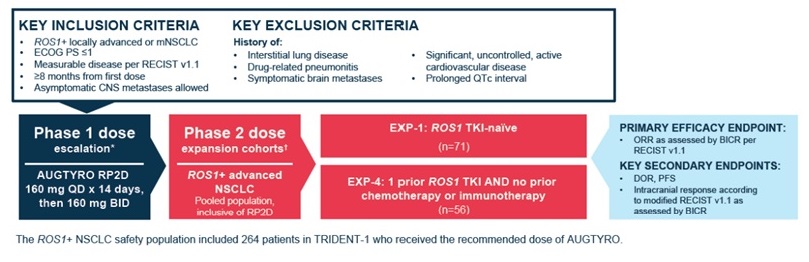
There are warnings and precautions associated with AUGTYRO to keep in mind. These include central nervous system adverse reactions, interstitial lung disease (ILD)/pneumonitis, hepatotoxicity, myalgia with creatinine phosphokinase (CPK) elevation, hyperuricemia, skeletal fractures, and embryo-fetal toxicity.1 Additional information related to warnings and precautions can be found here.

In the primary analysis, efficacy results for the TKI-naïve population (n=71) treated with AUGTYRO were as follows12:

  • ORR of 79% ([95% CI: 68–88]; median follow-up for ORR data: 18.1 months)
    • CR of 6% (n=4)
    • PR of 73% (n=52)
  • mDOR of 34 months ([95% CI: 25.6–NE]; range: 1.4+ to 42.4+ months; median follow-up for DOR data: 24.0 months)1,10
  • icORR observed in 7/8 patients with measurable baseline brain metastasis (median follow-up for icORR data: 18.1 months)1,12

                         Change in tumor burden by BICR in the TKI-naïve population12*
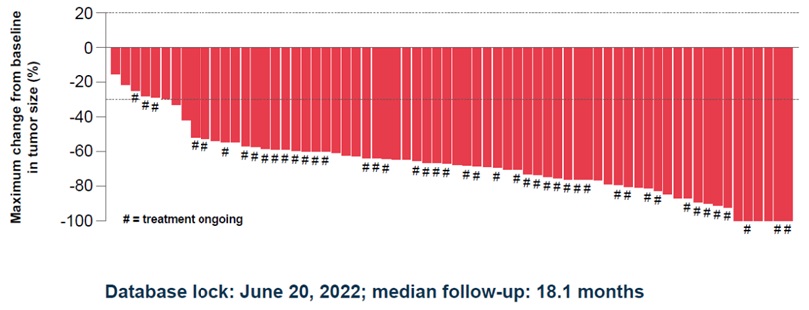
                           *Three patients discontinued study treatment before completing any post-baseline scans.12

In a follow-up analysis, continued response to treatment was seen with AUGTYRO. At the 33.9-month median follow-up, efficacy results for the TKI-naïve population treated with AUGTYRO were as follows9:
• cORR of 79% (n=71; [95% CI: 68–88])
• mDOR of 34.1 months (n=71; [95% CI: 27.4–NE])
• icORR of 89% (n=9; [95% Cl: 52–100]) in patients with measurable baseline brain metastasis

“TRIDENT-1 demonstrated an ORR of 79%, but more notably, a long mDOR of 34 months—this is almost 3 years,” explained Dr. Malhotra.

In TRIDENT-1, the most common reactions reported in ≥20% of 426 patients treated with AUGTYRO at the recommended dose were dizziness, dysgeusia, peripheral neuropathy, constipation, dyspnea, fatigue, ataxia, cognitive impairment, muscular weakness, and cognitive impairment.1 AUGTYRO was discontinued in 7% of patients, interrupted in 50% of patients, and dosage was reduced in 38% of patients due to adverse reactions.1 Serious adverse reactions occurred in 35% of patients receiving AUGTYRO. The most frequent (≥2%) serious adverse reactions were pneumonia, dyspnea, pleural effusion, and hypoxia. Fatal adverse reactions occurred in 3.5% of patients and included pneumonia, pneumonia aspiration, cardiac arrest, sudden cardiac death, cardiac failure, hypoxia, dyspnea, respiratory failure, tremor, and disseminated intravascular coagulation.1

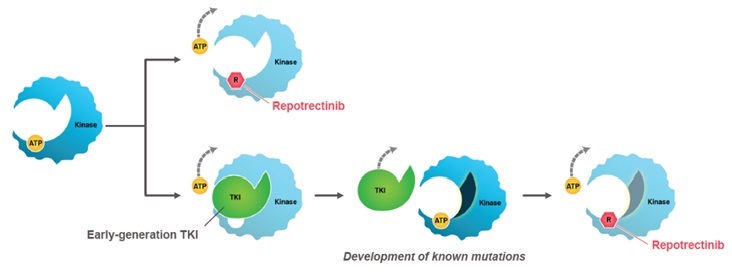
AUGTYRO is a next-generation ROS1 TKI with a compact structure that is smaller than currently available ROS1 TKIs.1,13,14
• Potential to decrease the development of ROS1 resistance mutations
• Potential to circumvent known ROS1 resistance mutations
• Physiochemical parameters for enhanced intracranial activity

                                    Mechanism of Action1,13

Dosing of AUGTYRO

The recommended oral dose of AUGTYRO is1:
• 160 mg (4x 40-mg capsules, or a single 160-mg capsule, QD) for the first 14 days
• 160 mg (4x 40-mg capsules, or a single 160-mg capsule, BID) on Day 15 and onward, until disease progression or unacceptable toxicity

“More recently, the 160 mg tablet is also available for use, which is great because now patients only need to take one tablet,” stated Dr. Malhotra. AUGTYRO can be taken with or without food.1 Patients should be advised not to drink grapefruit juice or eat grapefruit while taking AUGTYRO.1 Capsules should be swallowed whole at approximately the same time every day as prescribed.1 Contents of the capsule should not be opened, crushed, chewed, or dissolved.1 If a dose is missed or if a patient vomits at any time after taking a dose, instruct patients to skip the dose and resume at a regularly scheduled time.1 Two doses should not be taken at the same time.1 Adjustable dosing allows for dose modification if needed for adverse reactions. Recommended dosage reductions for adverse reactions are the following1:

  • For the dose of 160 mg QD:
    • First dose reduction: 120 mg QD
    • Second dose reduction: 80 mg QD
  • For the dose of 160 mg BID:
    • First dose reduction: 120 mg BID
    • Second dose reduction: 80 mg BID

A prescription for 40-mg capsules is required for dose reductions.1 Additional detailed dose reduction recommendations are available for key adverse reactions.1

Summary and conclusions
AUGTYRO is the next-generation TKI helping patients with ROS1+ NSCLC start strong.1,2,9 Results from the TRIDENT-1 trial and continued response for TKI-naïve patients at the ~3-year follow-up analysis support its current place in therapy.1,2,9 “AUGTYRO is definitely my preferred drug for 1L ROS1+ NSCLC treatment—we are seeing responses for years,” stated Dr. Malhotra.

1L=first line; ATP=adenosine triphosphate; BICR=blinded independent central review; BID=twice daily; CI=confidence interval; CNS=central nervous system; cORR=confirmed ORR; CR=complete response; DOR=duration of response; ECOG PS=Eastern Cooperative Oncology Group performance status; EXP=expansion cohort; icORR=intracranial ORR; mDOR=median DOR; mNSCLC=metastatic NSCLC; NE=not evaluable; NSCLC=non-small cell lung cancer; ORR=overall response rate; PFS=progression-free survival; PR=partial response; QD=everyday; QTc=corrected QT; RECIST=Response Evaluation Criteria in Solid Tumors; ROS1=ROS proto oncogene 1; RP2D=recommended phase 2 dose; TKI=tyrosine kinase inhibitor.

INDICATION
AUGTYRO® (repotrectinib) is indicated for the treatment of adult patients with locally advanced or metastatic ROS1-positive non-small cell lung cancer (NSCLC).

IMPORTANT SAFETY INFORMATION

Warnings & Precautions
Central Nervous System Adverse Reactions
• Among the 426 patients who received AUGTYRO in Study TRIDENT-1, a broad spectrum of central nervous system (CNS) adverse reactions including dizziness, ataxia, and cognitive disorders occurred in 77% of patients with Grade 3 or 4 events occurring in 4.5%.
• Dizziness, including vertigo, occurred in 65%; Grade 3 dizziness occurred in 2.8% of patients. The median time to onset was 7 days (1 day to 1.4 years). Dose interruption was required in 9% of patients, and 11% required dose reduction of AUGTYRO due to dizziness.
• Ataxia, including gait disturbance and balance disorder, occurred in 28% of patients; Grade 3 ataxia occurred in 0.5%. The median time to onset was 15 days (1 day to 1.4 years). Dose interruption was required in 5% of patients, 8% required dose reduction and one patient (0.2%) permanently discontinued AUGTYRO due to ataxia.
• Cognitive impairment, including memory impairment and disturbance in attention, occurred in 25% of patients. Cognitive impairment included memory impairment (15%), disturbance in attention (12%), and confusional state (2%); Grade 3 cognitive impairment occurred in 0.9% of patients. The median time to onset of cognitive disorders was 37 days (1 day to 1.4 years). Dose interruption was required in 2% of patients, 2.1% required dose reduction and 0.5% permanently discontinued AUGTYRO due to cognitive adverse reactions.
• Mood disorders occurred in 6% of patients. Mood disorders occurring in >1% of patients included anxiety (2.6%); Grade 4 mood disorders (mania) occurred in 0.2% of patients. Dose interruption was required in 0.2% of patients and 0.2% required a dose reduction due to mood disorders.
• Sleep disorders including insomnia and hypersomnia occurred in 18% of patients. Sleep disorders observed in >1% of patients were somnolence (9%), insomnia (6%) and hypersomnia (1.6%). Dose interruption was required in 0.7% of patients, and 0.2% required a dose reduction due to sleep disorders.
• The incidences of CNS adverse reactions reported were similar in patients with and without CNS metastases.
• Advise patients not to drive or use machines if they are experiencing CNS adverse reactions. Withhold and then resume at same or reduced dose upon improvement, or permanently discontinue AUGTYRO based on severity.
Interstitial Lung Disease (ILD)/Pneumonitis
• Among the 426 patients treated with AUGTYRO, ILD/pneumonitis (pneumonitis [2.8%] and ILD [0.2%]) occurred in 3.1%; Grade 3 ILD/pneumonitis occurred in 1.2%. The median time to onset was 45 days (19 days to 0.9 years). Dose interruption was required in 1.4% of patients, 0.5% required dose reduction, and 1.1% permanently discontinued AUGTYRO due to ILD/pneumonitis.
• Monitor patients for new or worsening pulmonary symptoms indicative of ILD/pneumonitis. Immediately withhold AUGTYRO in patients with suspected ILD/pneumonitis and permanently discontinue AUGTYRO if ILD/pneumonitis is confirmed.
Hepatotoxicity
• Among the 426 patients treated with AUGTYRO, increased alanine transaminase (ALT) occurred in 38%, increased aspartate aminotransferase (AST) occurred in 41%, including Grade 3 or 4 increased ALT in 3.3% and increased AST in 2.9%. The median time to onset of increased ALT or AST was 15 days (range: 1 day to 1.9 years). Increased ALT or AST leading to dose interruptions or reductions occurred in 2.8% and 1.2% of patients, respectively. Hyperbilirubinemia leading to dose interruptions occurred in 0.5%.
• Monitor liver function tests, including ALT, AST and bilirubin, every 2 weeks during the first month of treatment, then monthly thereafter and then as clinically indicated. Withhold and then resume at same or reduced dose upon improvement or permanently discontinue AUGTYRO based on the severity.
Myalgia with Creatine Phosphokinase (CPK) Elevation
• AUGTYRO can cause myalgia with or without creatine phosphokinase (CPK) elevation. Among the 426 patients treated with AUGTYRO, myalgia occurred in 13% of patients, with Grade 3 in 0.7%. Median time to onset of myalgia was 19 days (range: 1 day to 2 years). Concurrent increased CPK within a 7-day window was observed in 3.7% of patients. AUGTYRO was interrupted in one patient with myalgia and concurrent CPK elevation.
• Advise patients to report any unexplained muscle pain, tenderness, or weakness. Monitor serum CPK levels during AUGTYRO treatment and monitor CPK levels every 2 weeks during the first month of treatment and as needed in patients reporting unexplained muscle pain, tenderness, or weakness. Initiate supportive care as clinically indicated. Based on severity, withhold and then resume AUGTYRO at same or reduced dose upon improvement.
Hyperuricemia
• Among the 426 patients treated with AUGTYRO, 21 patients (5%) experienced hyperuricemia reported as an adverse reaction, 0.7% experienced Grade 3 or 4 hyperuricemia. One patient without pre-existing gout required urate-lowering medication.
• Monitor serum uric acid levels prior to initiating AUGTYRO and periodically during treatment. Initiate treatment with urate-lowering medications as clinically indicated. Withhold and then resume at same or reduced dose upon improvement, or permanently discontinue AUGTYRO based on severity.
Skeletal Fractures
• Among 426 adult patients who received AUGTYRO, fractures occurred in 2.3%. Fractures involved the ribs (0.5%), feet (0.5%), spine (0.2%), acetabulum (0.2%), sternum (0.2%), and ankles (0.2%). Some fractures occurred at sites of disease and prior radiation therapy. The median time to fracture was 71 days (range: 31 days to 1.4 years). AUGTYRO was interrupted in 0.3% of patients.
• Of 26 evaluable patients in an ongoing open-label study in pediatric patients, fractures occurred in one 12-year-old patient (ankle/foot) and one 10-year-old patient (stress fracture). AUGTYRO was interrupted in both patients. AUGTYRO is not approved for use in pediatric patients less than 12 years of age.
• Promptly evaluate patients with signs or symptoms (e.g., pain, changes in mobility, deformity) of fractures. There are no data on the effects of AUGTYRO on healing of known fractures and risk of future fractures.
Embryo-Fetal Toxicity
• Based on literature reports in humans with congenital mutations leading to changes in tropomyosin receptor tyrosine kinase (TRK) signaling, findings from animal studies, and its mechanism of action, AUGTYRO can cause fetal harm when administered to a pregnant woman.
• Advise pregnant women of the potential risk to a fetus. Advise females of reproductive potential to use effective non-hormonal contraception during treatment with AUGTYRO and for 2 months following the last dose, since AUGTYRO can render some hormonal contraceptives ineffective.
• Advise male patients with female partners of reproductive potential to use effective contraception during treatment with AUGTYRO and for 4 months after the last dose.
Adverse Reactions
• The safety of AUGTYRO was evaluated in 426 patients in TRIDENT-1. The most common adverse reactions (≥20%) were dizziness, dysgeusia, peripheral neuropathy, constipation, dyspnea, fatigue, ataxia, cognitive impairment, muscular weakness, and nausea.
Drug Interactions
Effects of Other Drugs on AUGTYRO
Strong and Moderate CYP3A Inhibitors
• Avoid concomitant use with strong or moderate CYP3A inhibitors. Concomitant use of AUGTYRO with a strong or a moderate CYP3A inhibitor may increase repotrectinib exposure, which may increase the incidence and severity of adverse reactions of AUGTYRO. Discontinue CYP3A inhibitors for 3 to 5 elimination half-lives of the CYP3A inhibitor prior to initiating AUGTYRO.

P-gp Inhibitors
• Avoid concomitant use with P-gp inhibitors. Concomitant use of AUGTYRO with a P-gp inhibitor may increase repotrectinib exposure, which may increase the incidence and severity of adverse reactions of AUGTYRO.
Strong and Moderate CYP3A Inducers
• Avoid concomitant use with strong or moderate CYP3A inducers. Concomitant use of AUGTYRO with a strong or moderate CYP3A inducer may decrease repotrectinib plasma concentrations, which may decrease efficacy of AUGTYRO.
Effects of AUGTYRO on other Drugs
Certain CYP3A4 Substrates
• Avoid concomitant use unless otherwise recommended in the Prescribing Information for CYP3A substrates, where minimal concentration changes can cause reduced efficacy. If concomitant use is unavoidable, increase the CYP3A4 substrate dosage in accordance with approved product labeling.
• Repotrectinib is a CYP3A4 inducer. Concomitant use of repotrectinib decreases the concentration of CYP3A4 substrates, which can reduce the efficacy of these substrates.
Contraceptives
• Repotrectinib is a CYP3A4 inducer, which can decrease progestin or estrogen exposure to an extent that could reduce the effectiveness of hormonal contraceptives.
• Avoid concomitant use of AUGTYRO with hormonal contraceptives. Advise females of childbearing potential to use an effective nonhormonal contraceptive.
Please see US Full Prescribing Information for AUGTYRO.

References:

1. AUGTYRO [package insert]. Princeton, NJ: Bristol-Myers Squibb Company.
2. Drilon A, Camidge DR, Lin JJ, et al. Repotrectinib in ROS1 fusion–positive non–small-cell lung cancer. N Engl J Med. 2024;390(2):118-131.
3. Lin JJ, Shaw AT. Recent advances in targeting ROS1 in lung cancer. J Thorac Oncol. 2017;12(11):1611-1625.
4. Rikova K, Guo A, Zeng Q, et al. Global survey of phosphotyrosine signaling identifies oncogenic kinases in lung cancer. Cell. 2007;131:1190-1203.
5. US Food and Drug Administration. FDA Approves Crizotinib Capsules. Published March 11, 2016. Accessed October 21, 2024. https://www.fda.gov/drugs/resources-information-approved-drugs/fda-approves-crizotinib-capsules.
6. Drilon A, Chiu CH, Fan Y, et al. Long-Term Efficacy and Safety of Entrectinib in ROS1 Fusion-Positive NSCLC. JTO Clin Res Rep. 2022;3(6):100332. Published 2022 Apr 29. doi:10.1016/j.jtocrr.2022.100332.
7. Shaw AT, Riely GJ, Bang YJ, et al. Crizotinib in ROS1-rearranged advanced non-small-cell lung cancer (NSCLC): updated results, including overall survival, from PROFILE 1001. Ann Oncol. 2019;30(7):1121-1126. doi:10.1093/annonc/mdz131.
8. US Food and Drug Administration. Center for Drug Evaluation and Research. AUGTYRO Label and Approval History. NDA218213. Published November 15, 2023. Accessed October 16, 2024. https://www.accessdata.fda.gov/drugsatfda_docs/appletter/2023/218213Orig1s000ltr.pdf.
9. Drilon A, Dziadziuszko R, Camidge DR, et al. Repotrectinib in tyrosine kinase inhibitor (TKI)-naïve patients with advanced ROS1 fusion-positive (ROS1+) NSCLC in the phase 1/2 TRIDENT-1 trial: clinical update, treatment beyond progression and subsequent therapies. Oral presentation at ASCO 2024. Poster 386.
10. Cho BC, Camidge DR, Lin JJ, et al. Repotrectinib in patients with ROS1 fusion-positive non-small cell lung cancer: update from the pivotal phase 1/2 TRIDENT-1 trial. Oral presentation at WCLC 2023. Abstract OA03.06.
11. ClinicalTrials.gov. A study of repotrectinib (TPX-0005) in patients with advanced solid tumors harboring ALK, ROS1, or NTRK1-3 rearrangements. Accessed April 19, 2024. https://clinicaltrials.gov/study/NCT03093116.
12. Cho BC, Lin JJ, Camidge DR, et al. Pivotal topline data from the phase 1/2 TRIDENT-1 trial of repotrectinib in patients with ROS1+ advanced non-small cell lung cancer (NSCLC). Oral presentation at ENA 2022. Abstract 2LBA.
13. Drilon A, Ou SI, Cho BC, et al. Repotrectinib (TPX-0005) is a next-generation ROS1/TRK/ALK inhibitor that potently inhibits ROS1/TRK/ALK solvent-front mutations. Cancer Discov. 2018;8(10):1227-1236.
14. Murray BW, Rogers E, Zhai D, et al. Molecular Characteristics of Repotrectinib That Enable Potent Inhibition of TRK Fusion Proteins and Resistant Mutations. Mol Cancer Ther. 2021;20(12):2446-2456. doi:10.1158/1535-7163.MCT-21-0632

© 2024 Bristol-Myers Squibb Company. AUGTYRO®, is a registered trademark of
Bristol-Myers Squibb Company.
3600-US-2400322 11/24

Avoiding Chest Wall Irradiation After Mastectomy in Intermediate Risk Breast cancer

SUMMARY: Breast cancer is the most common cancer among women in the US and about 1 in 8 women (12%) will develop invasive breast cancer during their lifetime. It is estimated that in the US, approximately 310,720 new cases of female breast cancer will be diagnosed in 2024, and about 42,250 individuals will die of the disease, largely due to metastatic recurrence.

Even though the use of postmastectomy radiotherapy has been widely accepted for patients with four or more positive lymph nodes, the role of postmastectomy radiotherapy for those with one to three positive nodes or node-negative disease remains controversial. Nonetheless, post mastectomy chest wall irradiation is commonly used to treat this intermediate risk group of breast cancer patients.

BIG 2-04 MRC SUPREMO trial is a Phase 3, randomized clinical study, conducted to investigate the impact of adjuvant chest wall irradiation (CWI) following mastectomy and axillary surgical staging among patients with operable breast cancer, at intermediate-risk of loco-regional recurrence. Intermediate risk breast cancer patients are those with 1-3 positive lymph nodes or patients who have no positive lymph nodes but whose cancers exhibit other factors that increase the risk of recurrence, such as grade 3 histology and/or lymphovascular invasion. Enrolled patients had breast tumors 5 cm or less (pT1–2) and 1-3 positive axillary lymph nodes (N1), breast tumors larger than 5 cm (pT3) and node-negative disease (N0), or breast tumors larger than 2 cm but no larger than 5 cm (pT2), N0 disease, and grade 3 histology and/or lymphovascular invasion.

Of the 1,607 eligible patients available for analysis 808 patients were randomly assigned to receive chest wall irradiation after mastectomy (chest wall irradiation group), and 799 patients were randomly assigned to omit chest wall irradiation after mastectomy (no chest wall irradiation group). Patients additionally received guideline-based axillary node clearance and systemic therapies. Chest wall Irradiation consisted of a total dose of 50 Gy in 25 daily fractions over 5 weeks or radiobiologically equivalent schedules including 40 Gy in 15 fractions over 3 weeks. Medial periclavicular/ internal mammary nodal irradiation was allowed but axillary irradiation was not permitted.

At a median follow up of 9.6 years, there were no significant differences in Overall Survival between those who received chest wall irradiation and those who did not (81.4% and 82.0%, respectively). Even though chest wall irradiation reduced the risk of chest wall recurrence by over half, the absolute rate of chest wall recurrence was reduced by less than 2%, which was clinically insignificant. Further, neither patients with N0 disease nor those with N1 disease experienced survival benefits with chest wall irradiation, suggesting that even patients with lymph node-positive disease could safely omit post-mastectomy chest wall irradiation.

It was concluded from the primary analysis of the SUPREMO trial that following mastectomy in patients with 1-3 positive nodes, or in node negative breast cancer patients with other risk factors treated with modern therapeutic interventions, chest wall irradiation has no impact on overall survival and has a clinically insignificant impact on chest wall recurrence.

GS2-03: Does postmastectomy radiotherapy in ‘intermediate-risk’ breast cancer impact overall survival? 10 year results of the BIG 2-04 MRC SUPREMO randomised trial: on behalf of the SUPREMO trial investigators. Presented at SABCS 2024; Presenting Author(s): Ian Kunkler; Abstract Number: SESS-3537

Fixed-Duration CALQUENCE® plus VENCLEXTA® for Previously Untreated CLL

SUMMARY: The American Cancer Society estimates that for 2024, about 20,700 new cases of Chronic Lymphocytic Leukemia (CLL) will be diagnosed in the US and 4440 patients will die of the disease. CLL accounts for about one-quarter of the new cases of leukemia. The average age of patients diagnosed with CLL is around 70 years, and CLL is rarely seen in people under age 40, and is extremely rare in children. Patients with CLL often receive continuous therapy with either Brutons Tyrosine Kinase (BTK) inhibitor, time limited therapy with BCL2 inhibitor Venetoclax given along with anti-CD20 antibody Obinutuzumab, or under certain circumstances, chemoimmunotherapy.

Brutons Tyrosine Kinase (BTK) is a member of the Tec family of kinases, downstream of the B-cell receptor, and is predominantly expressed in B-cells. It is a mediator of B-cell receptor signaling in normal and transformed B-cells. BTK inhibitors inhibit cell proliferation and promote programmed cell death (Apoptosis) by blocking B-cell activation and signaling. BTK is a validated molecular target found across numerous B-cell leukemias and lymphomas including CLL, Mantle Cell Lymphoma (MCL), and Waldenstrom Macroglobulinemia (WM). Four BTK inhibitors are presently approved by the FDA. They include first generation Ibrutinib (IMBRUVICA®) and second generation agents such as Acalabrutinib (CALQUENCE®), Zanubrutinib (BRUKINSA®) and non-covalent BTKi, Pirtobrutinib (JAYPIRCA®).

The pro-survival (anti-apoptotic) protein BCL2 is over expressed by CLL cells and regulates clonal selection and cell survival. Venetoclax (VENCLEXTA®) is a second generation, oral, selective, small molecule inhibitor of BCL2 and restores the apoptotic processes in tumor cells. Venetoclax is frequently combined with the infusion-based drug Obinutuzumab (GAZYVA®), which can impose a logistical burden on patients. The combination of Acalabrutinib plus Venetoclax, were noted to be synergistic.

The AMPLIFY trial is a randomized, global, multi-center, open-label Phase III study designed to assess the efficacy and safety of Acalabrutinib in combination with Venetoclax, with or without Obinutuzumab, compared to investigators choice of standard chemoimmunotherapy. In this study, 867 patients (N=867) across 171 locations worldwide with previously untreated CLL were randomized 1:1:1 to receive a fixed-duration regimen of Acalabrutinib and Venetoclax with Obinutuzumab (AVO; N=286), Acalabrutinib and Venetoclax without Obinutuzumab (AV; N=291), or Standard-of-Care chemoimmunotherapy with either Fludarabine plus Cyclophosphamide and Rituximab (FCR) or Bendamustine plus Rituximab (BR) (FCR/BR; N=290). The median patient age was 61 years, 64.5% were male, and 58.6% had CLL with unmutated IGHV. Eligible patients had an ECOG performance status of 0 to 2 and active disease, requiring treatment as per the International Workshop on CLL 2018 criteria. Patients with prior CLL-specific treatments, 17p deletions, TP53 mutations, transformation of CLL to aggressive Non-Hodgkin Lymphoma, Central Nervous System involvement, or a history of Progressive Multifocal Leukoencephalopathy were excluded. The Primary endpoint of the trial was Progression Free Survival (PFS) as assessed by an Independent Review Committee (IRC). Key Secondary endpoints included PFS assessed by investigators, undetectable Minimal Residual Disease (uMRD; 10-4 cutoff) rate assessed in peripheral blood in the treatment groups, Overall Survival (OS), Overall Response Rate (ORR), Duration of Response, and Time to next treatment.

At a median follow-up of 41 months, both AVO and AV provided a statistically significant improvement in BICR-assessed PFS over the chemoimmunotherapy control arm (HR for AVO was 0.42, and for AV was 0.65, versus FCR/BR; P<0.0001 and P=0.0038, respectively). Approximately 83% of patients in the AVO group remained progression-free at 36 months, compared to 76.8% of patients in the AV group and 66.5% in the FCR/BR group. Median PFS was not reached in the AVO and AV groups, but was 47.6 months in the FCR/BR group. The BICR-assessed Overall Response Rates (ORR) were 92.7% in the AVO group, 92.8% in the AV group, and 75.2% in the FCR/BR group (P<0.0001 for both comparisons). AV demonstrated an OS benefit trend over FCR/BR (HR=0.33; P<0.0001). Serious Adverse Events occurred in 38.4% (AVO group), 24.7% of patients (AV group), and 27.4% (FCR/BR group). Grade 3 or more neutropenia among the treatment groups, was noted in 35.2%, 26.8% and 32.4%, respectively. COVID-19-related deaths affected 25 patients in the AVO group, 10 patients in the AV group, and 21 patients in the FCR/BR group.

In conclusion, the AMPLIFY study successfully met its Primary endpoint, demonstrating superior PFS with AVO and AV compared to standard chemoimmunotherapy. These combinations offer deep and durable responses, paving the way for an easier, more effective treatment option. AV offers the first all-oral fixed-duration regimen for fit treatment naive CLL patients, providing significant convenience and manageable safety profiles. The addition of Obinutuzumab (AVO) improved efficacy but was associated with higher rates of serious adverse events and COVID-19-related deaths.

Fixed-Duration Acalabrutinib Plus Venetoclax with or without Obinutuzumab Versus Chemoimmunotherapy for First-Line Treatment of Chronic Lymphocytic Leukemia: Interim Analysis of the Multicenter, Open-Label, Randomized, Phase 3 AMPLIFY Trial. Abstract#1009. Brown JR, SeymourJF, Jurczak W, et al. Presented at ASH Annual Meeting and Exposition 2024.

ENHERTU® after Endocrine Therapy in Advanced Breast Cancer

SUMMARY: Breast cancer is the most common cancer among women in the US and about 1 in 8 women (12%) will develop invasive breast cancer during their lifetime. It is estimated that in the US, approximately 310,720 new cases of female breast cancer will be diagnosed in 2024, and about 42,250 individuals will die of the disease, largely due to metastatic recurrence.

The HER or erbB family of receptors consist of HER1, HER2, HER3 and HER4. Approximately 15-20% of invasive breast cancers overexpress HER2/neu oncogene, which is a negative predictor of outcomes without systemic therapy. Patients with high levels of HER2 expression (IHC 3+ or 2+/FISH+) are classified as HER2-positive. Patients with HER2-positive metastatic breast cancer are often treated with anti-HER2 targeted therapy along with chemotherapy, irrespective of hormone receptor status, and this has resulted in significantly improved treatment outcomes. Tumors that are not classified as HER2-positive are classified as HER2-negative. Despite being classified as HER2-negative, majority these tumors still have some level of HER2 expression.

About 70% of breast tumors express Estrogen Receptors and/or Progesterone Receptors, and Hormone Receptor (HR)-positive/HER2-negative breast cancer is the most frequently diagnosed molecular subtype. It is estimated that approximately 60-65% of HR-positive/HER2-negative breast cancers are HER2-low and potentially an additional 25% may be HER2-ultralow. These patients are often treated with single agent endocrine therapy, endocrine therapy in combination with CDK4/6 inhibitor, or chemotherapy. Resistance to hormonal therapy occurs in a majority of the patients and there is therefore an unmet need for agents with novel mechanisms of action. Further, there are no targeted therapies specifically approved for patients with HER2-low or HER2-ultralow expression, prior to chemotherapy.

ENHERTU® (Trastuzumab Deruxtecan) is an Antibody-Drug Conjugate (ADC) composed of a humanized monoclonal antibody specifically targeting HER2, with the amino acid sequence similar to Trastuzumab, a cleavable tetrapeptide-based linker, and a potent cytotoxic Topoisomerase I inhibitor as the cytotoxic drug (payload). ENHERTU® has a favorable pharmacokinetic profile and the tetrapeptide-based linker is stable in the plasma and is selectively cleaved by cathepsins that are up-regulated in tumor cells. Unlike KADCYLA® (ado-Trastuzumab emtansine), another ADC targeting HER2, ENHERTU® has a higher drug-to-antibody ratio (8 versus 4), released payload easily crosses the cell membrane with resulting potent cytotoxic effect on neighboring tumor cells regardless of target expression, and the released cytotoxic agent (payload) has a short half-life, thus minimizing systemic exposure.

DESTINY-Breast06 is a global, randomized, open-label Phase III trial evaluating the efficacy and safety of ENHERTU® versus chemotherapy in patients with HR-positive, HER2-low, or HER2-ultralow advanced or metastatic breast cancer. This study enrolled 866 patients (N=713 for HER2-low and N=153 for HER2-ultralow). HER2-low was defined as IHC 1+ or 2+ or FISH negative and HER2-ultralow was defined as IHC 0 with membrane staining. Patients were randomized 1:1 to receive ENHERTU® 5.4 mg/kg every 3 weeks (N=436) or physicians choice of chemotherapy which included Capecitabine, Paclitaxel, or nab-Paclitaxel (N=430). Patients in the trial had no prior chemotherapy for advanced or metastatic disease and received at least two lines of prior endocrine therapy in the metastatic setting. Patients were also eligible if they had received one prior line of endocrine therapy combined with a CDK4/6 inhibitor in the metastatic setting and experienced disease progression within six months of starting 1st-line treatment, or received endocrine therapy as an adjuvant treatment and experienced disease recurrence within 24 months. Patients were stratified based on prior CDK4/6 inhibitor use, HER2 expression and prior taxane use in the non-metastatic setting. Patients in the trial had received a median of two prior lines of endocrine therapy. In the overall trial population, 14.9% of patients in the ENHERTU® group and 19.2% in the chemotherapy group had received one prior line of endocrine therapy. No patients had received prior chemotherapy for metastatic disease. The Primary endpoint was Progression Free Survival (PFS) in the HER2-low patient population as measured by Blinded Independent Central Review (BICR). Key Secondary endpoints included Progression Free Survival (PFS) in the overall trial population (HER2-low and HER2-ultralow), Overall survival (OS) in the HER2-low patient population, Objective Response Rate (ORR), Duration of response (DOR) and Safety. The median duration of follow-up was 18.2 months.

In the primary analysis of this study, results showed that in the HER2-low expression patients, ENHERTU® reduced the risk of disease progression or death by 38%, with a median PFS was 13.2 months in the ENHERTU® group, compared to 8.1 months for chemotherapy (HR=0.62; P<0.0001). For the overall trial population (HER2-low and HER2-ultralow), the median PFS results were similar and the median PFS was 13.2 months for ENHERTU® versus 8.1 months for chemotherapy (HR=0.63; P<0.0001). ENHERTU® reduced the risk of disease progression or death by 37% compared to chemotherapy.

A prespecified exploratory analysis showed that the improvement in PFS was consistent between patients with HER2-low and HER2-ultralow expression. In patients with HER2-ultralow expression, ENHERTU® reduced the risk of disease progression or death by 22% compared to chemotherapy, with a median PFS of 13.2 months versus 8.3 months, respectively (HR=0.78).

The Objective Response Rate (ORR) in HER2-Low Population was 56.5% for ENHERTU® compared to 32.2% for chemotherapy, in the Overall Trial Population was 57.3% for ENHERTU® versus 31.2% for chemotherapy, and in the HER2-Ultralow Subgroup was 61.8% for ENHERTU® versus 26.3% for chemotherapy. The median duration of response across these three groups was 14.3 months.

The safety profile of ENHERTU® was consistent with previous breast cancer clinical trials and no new safety concerns identified. The most common Grade 3 or higher treatment-related adverse events occurring in 5% or more of patients treated with ENHERTU® were neutropenia (20.7%) and anemia (5.8%). Interstitial Lung Disease (ILD), adjudicated as drug-related by an independent committee, occurred in 11.3% of patients treated with ENHERTU®. The majority of ILD events were low grade.

The results from the DESTINY-Breast06 trial underscore the significant clinical benefits of ENHERTU® in improving PFS and ORR in patients with HR-positive, HER2-low, and HER2-ultralow metastatic breast cancer, offering a promising alternative to standard chemotherapy. These findings highlight the potential of ENHERTU® to become a new standard of care for this patient population, pending further investigation and regulatory approval. The detailed positive outcomes underscore the clinical benefits and reinforce the promise of ENHERTU® in treating this challenging cancer subtype.

Trastuzumab Deruxtecan after Endocrine Therapy in Metastatic Breast Cancer. Bardia A, Hu X, Dent R, et al. for the DESTINY-Breast06 Trial Investigators. N Engl J Med 2024;391:2110-2122. DOI: 10.1056/NEJMoa2407086.

RYBREVANT® plus LAZCLUZE® versus TAGRISSO® in Previously Untreated EGFR-Mutated Advanced NSCLC

SUMMARY: Lung cancer is the second most common cancer in both men and women and accounts for about 13% of all new cancers and 21% of all cancer deaths. The American Cancer Society estimates that for 2024, about 234,580 new cases of lung cancer will be diagnosed and 125,070 patients will die of the disease. Lung cancer is the leading cause of cancer-related mortality in the United States. Non-Small Cell Lung Cancer (NSCLC) accounts for approximately 85% of all lung cancers. Of the three main subtypes of NSCLC, 30% are Squamous Cell Carcinomas (SCC), 40% are Adenocarcinomas and 10% are Large Cell Carcinomas. With changes in the cigarette composition and decline in tobacco consumption over the past several decades, Adenocarcinoma now is the most frequent histological subtype of lung cancer. Approximately 10-15% of Caucasian patients and 35-50% of Asian patients with Adenocarcinomas, harbor activating EGFR mutations, and 90% of these mutations are either exon 19 deletions or L858R substitution mutation in exon 21.

Epidermal Growth Factor Receptor (EGFR) plays an important role in regulating cell proliferation, survival and differentiation, and is overexpressed in a variety of epithelial malignancies. EGFR targeted Tyrosine Kinase Inhibitors (TKIs) such as Gefitinib, Erlotinib, Afatinib, Dacomitinib and Osimertinib (TAGRISSO®) target the EGFR signaling cascade. However, patients eventually develop drug resistance due to new EGFR mutations. Another important cause of drug resistance to TKIs is due to the activation of parallel RTK (Receptor Tyrosine Kinase) pathways such as Hepatocyte Growth Factor/Mesenchymal-Epithelial Transition factor (HGF/MET) pathway, thereby bypassing EGFR TKI inhibitors. These patients are often treated with platinum-based chemotherapy as the next line of therapy, resulting in a median Progression Free Survival of about 5 months.

Amivantamab (RYBREVANT®) is a fully human bispecific antibody directed against EGFR and MET receptors. Amivantamab binds extracellularly and simultaneously blocks ligand-induced phosphorylation of EGFR and c-MET, inhibiting tumor growth and promoting tumor cell death. Further, Amivantamab down regulates receptor expression on tumor cells thus preventing drug resistance mediated by new emerging mutations of EGFR or c-MET. By binding to the extracellular domain of the receptor protein, Amivantamab can bypass primary and secondary TKI resistance at the active site. Amivantamab also engages effector cells such as Natural Killer cells, monocytes, and macrophages via its optimized Fc domain. Amivantamab demonstrated activity against a wide range of activating and resistance mutations in EGFR-mutated NSCLC, and in patients with MET exon 14 skip mutations, and is approved for the treatment of patients with EGFR exon 20 insertion mutations, whose disease progressed on or after platinum-based chemotherapy.

Lazertinib (LAZCLUZE®) is a highly selective, third-generation TKI that penetrates the CNS, with demonstrated efficacy in activating EGFR mutations and acquired T790M “gatekeeper” point mutation. Combining Amivantamab with Lazertinib has been shown to provide a synergistic benefit by targeting the extracellular and catalytic EGFR domains. The combination of Amivantamab plus Lazertinib has shown clinically meaningful and durable antitumor activity in patients with previously untreated or Osimertinib-pretreated EGFR –mutated advanced NSCLC, with clinical activity against a broad spectrum of secondary EGFR and MET molecular alterations and even in tumors of patients without an identified resistance mechanism.

The MARIPOSA trial is an international, randomized Phase 3 study, conducted to assess the efficacy and safety of a combination of Amivantamab and Lazertinib as compared with Osimertinib alone, as first-line treatment in patients with EGFR-mutated advanced NSCLC. In this study, a third arm evaluated Lazertinib monotherapy, to dissect the individual contributions of each component in the combination. This study included 1074 patients (N=1074) with untreated EGFR-mutated advanced NSCLC who were randomly assigned in a 2:2:1 ratio to receive Amivantamab plus Lazertinib (N=429), Osimertinib monotherapy (N=429), or Lazertinib monotherapy (N=216). Amivantamab was administered weekly at a dose of 1050 mg IV (or 1400 mg IV in patients with a body weight of 80 kg or more) for the first 4 weeks (cycle 1), with the first infusion split over a period of 2 days (with 350 mg given on cycle 1, day 1, and the remainder given on cycle 1, day 2). Starting at cycle 2, the same Amivantamab dose was administered every 2 weeks. Osimertinib 80 mg and Lazertinib 240 mg were taken orally daily. The median age was 63 years, majority of patients were Asian women or White and had never smoked. Approximately 60% had EGFR exon 19 deletions and 40% had exon 21 L858R mutations. Randomization was stratified according to EGFR mutation type (ex19del or L858R), Asian race (yes or no), and history of brain metastases (yes or no). The Primary end point was Progression-Free Survival (PFS) in the Amivantamab plus Lazertinib group as compared with the Osimertinib group, as assessed by Blinded Independent Central Review. Secondary end points included Overall Survival (OS), Objective Response (defined as a Complete or Partial Response), Duration of Response, and Safety.

The median PFS was significantly longer in the Amivantamab plus Lazertinib group at 23.7 months compared to 16.6 months in the Osimertinib group ((HR for progression or death = 0.70; P<0.001). The Objective Response was 86% in the Amivantamab plus Lazertinib group and 85% in the Osimertinib group. Among patients with a confirmed response (336 in the Amivantamab plus Lazertinib group and 314 in the Osimertinib group), the median response duration was 25.8 months and 16.8 months, respectively. In a planned interim Overall Survival analysis, Hazard Ratio for death with Amivantamab plus Lazertinib was 0.80 (95% CI, 0.61–1.05).

EGFR and MET-related toxic effects were the most common side effects and most adverse events were of grade 1 or 2. The treatment discontinuation due to adverse events occurred in 10% of patients in the Amivantamab plus Lazertinib group versus 3% in the Osimertinib group. The incidence of venous thromboembolic adverse events was higher with Amivantamab Plus Lazertinib than with Osimertinib and most of the thromboembolic events in the Amivantamab plus Lazertinib group occurred during the first 4 months of treatment. This has been attributed to a transitory prothrombotic state caused by a mechanism of rapid tumor-cell death by the Amivantamab plus Lazertinib combination.

In conclusion, the combination of Amivantamab plus Lazertinib demonstrated superior efficacy over Osimertinib as a first-line therapy for EGFR-mutated advanced NSCLC, offering longer Progression-Free Survival and Duration of Response.

Amivantamab plus Lazertinib in Previously Untreated EGFR-Mutated Advanced NSCLC. Cho BC, Lu S, Felip E, et al. for the MARIPOSA Investigators. N Engl J Med 2024;391:1486-1498.

FDA Approves IMFINZI® after Chemoradiotherapy in Limited-Stage Small Cell Lung Cancer

SUMMARY: The FDA on December 4, 2024, approved Durvalumab (IMFINZI®) for adults with Limited Stage-Small Cell Lung Cancer (LS-SCLC) whose disease has not progressed following concurrent platinum-based chemotherapy and radiation therapy. The American Cancer Society estimates that for 2024 about 234,580 new cases of lung cancer will be diagnosed and about 125,070 patients will die of the disease. Lung cancer is the leading cause of cancer-related mortality in the United States. Small Cell Lung Cancer (SCLC) accounts for approximately 13-15% of all lung cancers and is aggressive. Limited Stage-Small Cell Lung Cancer – LS-SCLC (Stage I-III) accounts for approximately 30% of SCLC diagnoses and the disease is confined to one hemithorax. These patients are often treated with a combination of Carboplatin or Cisplatin with Etoposide and radiotherapy. Despite initial response, LS-SCLC typically recurs and progresses rapidly, and only 15-30% of patients are alive, five years after diagnosis.

Based on the premise that SCLC has a high mutation rate, it was hypothesized that these tumors may be immunogenic, and more recently immunotherapy with checkpoint inhibitors has demonstrated clinical activity in SCLC. Durvalumab (IMFINZI®) is a selective, high-affinity, human IgG1 monoclonal antibody, that blocks the binding of Programmed Death Ligand 1 (PD-L1) to Programmed Death 1 (PD-1) receptor and CD80, thereby unleashing the T cells to recognize and kill tumor cells. Tremelimumab (IMJUDO®) is a human immunoglobulin G2 monoclonal antibody that targets and blocks the activity of CTLA-4, enhancing binding of CD80 and CD86 to CD28. This complimentary mechanisms of action broadens clinical activity, potentially overcoming primary resistance to PD-(L)1 blockade by enabling novel T-cell responses.

The rationale for the ADRIATIC trial was supported by findings from the pivotal Phase III PACIFIC and CASPIAN trial. In the PACIFIC trial, Durvalumab after concurrent chemoradiotherapy for Stage III Non-Small Cell Lung Cancer, improved both Overall Survival (OS) and Progression Free Survival (PFS), whereas in the CASPIAN trial, Durvalumab with Platinum and Etoposide chemotherapy significantly improved OS, compared to chemotherapy alone, in newly diagnosed patients with extensive-stage SCLC.

The ADRIATIC trial is a Phase III, randomized, double-blind, placebo-controlled, multicenter, global study that assessed the efficacy and safety of Durvalumab as consolidation therapy in patients with Limited-Stage Small Cell Lung Cancer (LS-SCLC) who had not progressed after concurrent platinum-based chemoradiotherapy. This trial randomized 730 patients with Stage I to III LS-SCLC, including those with inoperable Stage I/II disease. Eligible patients had a WHO Performance Status of 0 or 1 and had not experienced disease progression after completing concurrent chemoradiotherapy. Chemotherapy consisted of a combination of Platinum plus Etoposide for up to 4 cycles, and the radiation therapy could either be once daily up to 66 Gy, or twice a day up to 45 Gy. Prophylactic Cranial Irradiation (PCI) was allowed before randomization. Patients were randomized within 6 weeks after completing concurrent chemoradiotherapy to experimental arms Durvalumab monotherapy 1500 mg IV every 4 weeks with or without Tremelimumab 75 mg IV every 4 weeks for up to 4 cycles each, followed by Durvalumab every four weeks for up to 24 months or Placebo every 4 weeks. There was a protocol amendment in November 2020, and patients were randomly assigned in a 1:1 ratio to the Durvalumab group or placebo group only. Baseline characteristics and prior treatment were well balanced between groups. The median age was 62 years and 87% of patients had Stage III disease at diagnosis. This analysis compared the outcomes in patients assigned to receive Durvalumab monotherapy (N=264) with patients who received placebo (N=266). The dual Primary endpoints were Progression Free Survival (PFS) and Overall Survival (OS) for Durvalumab monotherapy versus placebo. Key Secondary endpoints included OS and PFS for Durvalumab plus Tremelimumab versus placebo, Safety, and Quality of Life measures. The median duration of follow-up for OS and PFS in censored patients at this first planned interim analysis was 37.2 and 27.6 months, respectively.

Durvalumab demonstrated a statistically significant improvement in OS compared to placebo (HR=0.73; P=0.01), translating to a 27% reduction in the risk of death. The estimated median OS with Durvalumab was 55.9 months, compared to 33.4 months with placebo. The 24-month OS rate was 68% with Durvalumab versus 58.5% with placebo, and the 36-month OS rate was 56.5% versus 47.6%, respectively. The median PFS was 16.6 months with Durvalumab versus 9.2 months with placebo, representing a 24% reduction in the risk of disease progression or death (HR=0.76; P=0.02). The 18-month PFS rate was 48.8% with Durvalumab versus 36.1% with placebo, and the 24-month PFS rate was 46.2% with Durvalumab versus 34.2% with placebo. Treatment benefit was generally consistent across predefined patient subgroups for both OS and PFS. Grade 3/4 Adverse Events (AEs) were similar in both treatment groups at 24.3%, but treatment discontinuation due to AEs was slightly higher in the Durvalumab arm (16.3% versus 10.6% in the placebo arm). Any grade pneumonitis was reported in 38.0% of patients in the Durvalumab arm compared to 30.2% in the placebo arm.

The results of the ADRIATIC trial represent a significant advancement in the treatment of Limited Stage-Small Cell Lung Cancer (LS-SCLC). Durvalumab consolidation therapy demonstrated a statistically significant and clinically meaningful improvement in both OS and PFS compared to placebo. These findings support Durvalumab as a new standard of care for patients with LS-SCLC following concurrent chemoradiotherapy, potentially changing the treatment landscape for this aggressive disease.

Durvalumab after Chemoradiotherapy in Limited-Stage Small-Cell Lung Cancer. Cheng Y, Spigel DR, Cho BC, et al. for the ADRIATIC Investigators. N Engl J Med 2024;391:1313-1327.

Stockholm3 Blood Test Identifies Aggressive Prostate Cancer

SUMMARY: Prostate cancer is the most common cancer in American men with the exclusion of skin cancer, and 1 in 8 men will be diagnosed with prostate cancer during their lifetime. It is estimated that in the United States, about 299,010 new cases of prostate cancer will be diagnosed in 2024 and 35,250 men will die of the disease.

PSA (Prostate Specific Antigen) is one of the most widely used prostate cancer biomarkers, and the widespread use of PSA testing in the recent years has resulted in a dramatic increase in the diagnosis and treatment of prostate cancer. The management of clinically localized prostate cancer that is detected based on PSA levels remains controversial, and management strategies for these patients have included Surgery, Radiotherapy or Active Monitoring. However, it has been proposed that given the indolent nature of prostate cancer in general, majority of the patients do not benefit from treatment intervention and many patients die of competing causes. PSA test CANNOT distinguish between aggressive and benign cancer. As a result, many men have to undergo unnecessary follow-ups with a biopsy of the prostate. Further, treatment intervention can result in adverse effects on sexual, urinary, or bowel function. PSA test is also difficult to interpret, and PSA elevation can be associated with several non-malignant conditions such as older age, infection, inflammation and Benign Prostatic Hypertrophy. The U.S. Preventive Services Task Force (USPSTF) has recommended that population screening for prostate cancer with PSA should not be adopted as a public health policy, because the risks appeared to outweigh benefits, from detecting and treating PSA-detected prostate cancer.

Stockholm3 is a blood test that combines 5 protein biomarkers, 101 genetic markers, and clinical data with an advanced algorithm, in order to detect almost 100% of aggressive prostate cancers at an early stage. The Stockholm3 test provides an answer that can be negative or positive. A negative answer represents low or normal risk of developing prostate cancer, whereas referral to an urologist is recommended if the test is positive. The Stockholm3 test has been validated in over 75, 000 men and has been used in health systems in Sweden, Norway, Finland, Germany, Switzerland, UK and Turkey, and results have been published in international peer-reviewed journals. Evidence suggests that Stockholm3 is more effective at predicting risk than PSA testing alone, for men aged 45-74 with PSA of at least 1.5ng/ml. Several studies have shown that the application of this test can reduce the number of biopsies by 32%, without compromising the diagnostic capacity of intermediate grade prostate cancers (Gleason 7 or higher), in comparison with the use of the PSA value 3 ng/ mL as cut-off value for biopsy recommendation. However, none of the validation studies included ethnically diverse population.

SEPTA is a prospective trial conducted to validate Stockholm3 in an ethnically diverse population, for prostate cancer risk stratification, and determine whether it could achieve noninferior sensitivity and superior specificity in this diverse population. This trial included men who were referred for prostate biopsy at North American sites from 2019 to 2023. Study participants had no previous diagnosis of prostate cancer. This study also used bio-banked specimens from 2008 to 2020. The cohort comprised 912 enrolled men and 1,217 with bio-banked blood. The median age was 63 years, 46% were White, 24% Black, 16% Asian and 14% were Hispanic.

This trial had 2 prespecified Primary goals: 1) Demonstrate noninferiority of the test in detecting Clinically Significant Prostate Cancer (defined as Gleason Grade group 2 or more), compared to PSA testing. 2) Prove superior specificity of the test versus PSA testing, thereby reducing the number of biopsies in men with benign or Gleason Grade group 1 biopsies. A Secondary goal was to evaluate Stockholm3 and PSA across ethnic subgroups. The study assessed Stockholm3 performance using prespecified thresholds and compared it to PSA across different ethnic subgroups. Statistical analysis plans were established before data analysis.

It was noted that the median PSA and Stockholm3 values among the participants were 6.1 ng/mL and 17, respectively. A total of 16% underwent MRI-targeted biopsies, and 20% had a prior benign biopsy. On biopsy, 29% were diagnosed with Clinically Significant Prostate Cancer, 14% with Gleason Grade group 1 cancer, and 57% with benign findings. The detection rate for Clinically Significant Prostate Cancer varied across ethnic groups: African American/Black (37%), White/Caucasian (28%), Hispanic/Latino (29%), and Asian (21%).

Overall, Stockholm3 value 15 or higher demonstrated noninferiority to a PSA value of 4 ng/mL or higher and nearly three times superior specificity. These results were consistent across ethnic subgroups. The researchers noted that using a Stockholm3 value of 15 or higher would have reduced benign and Gleason Grade group 1 biopsies by 45% overall and between 42-52% across ethnic subgroups, compared to PSA of 4 ng/ml or higher.

The study concluded that in an ethnically diverse population, Stockholm3 could significantly reduce unnecessary biopsies and diagnoses of low-grade tumors, while maintaining similar sensitivity to PSA, for detecting Clinically Significant Prostate Cancer. The results suggest that
Stockholm3 could improve risk stratification and reduce harms associated with prostate cancer screening in diverse populations.

Stockholm3 in a Multiethnic Cohort for Prostate Cancer Detection (SEPTA): A Prospective Multicentered Trial. Vigneswaran HT, Eklund M, Discacciati A, et al. on behalf of the SEPTA STHLM3 Study Group. J Clin Oncol. 2024;42:3806-3816. DOI:10.1200/JCO.24.00152.