American Society of Clinical Oncology Policy Statement on Skin Cancer Prevention

SUMMARY: Skin Cancer is the most common cancer diagnosed in the US and around the world. Basal Cell Carcinoma (BCC) and Squamous Cell Carcinoma (SCC) are the two most common types of skin cancers. It is estimated that 5.4 million cases of BCC and SCC are diagnosed each year in the US (occurring in about 3.3 million Americans, as some individuals have more than one type of skin cancer), and 8 of 10 are BCCs, whereas SCCs occur less often. Although the overall mortality rate from these cancers are low, SCCs are almost exclusively responsible for approximately 3,000 deaths per year in the US, with the greatest mortality risk among transplant recipients, who are immunocompromised. Malignant Melanoma of the skin occurs less frequently than BCC and SCC, and the American Cancer Society estimates that in the US for 2020, about 100,350 new melanomas will be diagnosed and about 6,850 people are expected to die of the disease. The rates of skin cancer have been rising rapidly over the past several years, with the economic cost estimates of $8.1 billion annually in the US.

Exposure to UltraViolet (UV) rays is a major risk factor for most skin cancers. Sunlight is the main source of UV rays. UV rays-emitting indoor tanning devices such as tanning beds, sunlamps, and UV lamps, are another source of UV rays. The risk of UV rays associated skin cancers, particularly for SCC, is dose dependent, and increases with greater duration and intensity of exposure. This risk is increased with cumulative solar UV rays exposure over an individual’s lifetime. For a given level of UV rays exposure, skin cancer risk is highest among UV ray sensitive phenotypes who typically are fair skinned, and have a propensity to sunburn, blister and/or freckle, upon exposure to UV rays. National surveys on sun exposure in the US illustrate the high rates of sunburn among adults (35%) and high school students (57%), emphasizing the importance of primary and secondary prevention strategies in the younger population. The ASCO’s 2019 National Cancer Opinion Survey found that only 49% of respondents reported using sunscreen to prevent skin cancer. Skin cancer is less common in individuals with darker skin colors (Black and Latino individuals), due to greater levels of melanin in the skin, which inherently has photoprotective ability. Nonetheless, when skin cancers do occur in individuals with darker skin tones, they tend to be more aggressive, possibly due to delayed diagnosis, as these individuals may be less aware of their skin cancer risks.

Given that skin cancer has such a major impact on society, the American Society of Clinical Oncology (ASCO) earlier this year published a policy statement aimed at lessening the burden of skin cancer through reducing exposure to UV radiation for youth and adults. This policy statement included a review of the risk factors for skin cancer, disparities in incidence, diagnosis and survival among different populations, and public health strategies for Primary and Secondary skin cancer prevention.

ASCO presented recommendations across the following four themes:

Reduce Exposure to Indoor Tanning

1) A major opportunity to prevent skin cancer is by reducing UV ray exposure through avoidance of indoor tanning.
2) Avoidance of indoor tanning holds particular promise in influencing adolescents and sexual minority men because of their higher rate of exposure to tanning.
3) The International Agency for Research on Cancer concluded that UV ray-emitting indoor tanning devices were carcinogens and there is now high-quality scientific evidence documenting strong and consistent associations between indoor tanning devices and skin cancer risk.
4) Indoor tanning is higher among non-Hispanic white females compared with all other population subgroups, and its direct association with melanoma risk likely explains the higher melanoma incidence in this group compared with male adolescents and young adults.
5) There is evidence suggesting the presence of “tanning dependence”, similar to substance use dependence, among individuals who engage in indoor tanning.
6) Recognizing that indoor tanning devices are a threat to public health, several cancer care and public health organizations support strong restrictions designed to prevent the use of UV ray-emitting tanning devices. ASCO supports strengthened laws and regulations restricting such products

Increase Public Efforts to Promote Sun Protection
1) Local, state, and federal laws should support policies that allow students to carry and use sunscreen products without physician authorization.
2) Enhance the protection of young people by encouraging the increased use of broad-spectrum sunscreen and protective clothing, through educational programs.
3) Improvement in sunscreen products and public education to prevent intentional sun exposure, for promoting Vitamin D synthesis.
4) Private and public institutions should be encouraged in their efforts to create more shaded areas in places used for outdoor recreation.
5) Development of new educational efforts, to change the social perceptions of tanned skin.

Community Education and Outreach
1) Investing in prevention research, and continued support for the National Cancer Institute’s Division of Cancer Prevention and the Centers for Disease Control and Prevention’s National Skin Cancer Prevention Education Program, to address the burden of this disease among persons of color, lower socioeconomic status populations, and sexual minorities.
2) ASCO and the cancer care community should work together to develop effective methods for outreach and health communication, to the diverse segments of the population at risk of skin cancer.

Role of Oncology Providers
1) Research has shown that cancer survivors do not adhere to skin-protective behaviors, anymore than the lay public who have not been diagnosed with cancer.
2) Oncologists should discuss with their patients the regular use of properly applied broad-spectrum sunscreen and the use of sun-protective clothing such as hats, long sleeves, and long pants when outdoors, as well as avoidance of UV rays either from sunlight, or from UV ray-emitting indoor tanning devices.
3) Oncology providers should be vocal supporters of skin cancer prevention policies and should educate patients of color, so that they understand that they are also at risk of skin cancer.

American Society of Clinical Oncology Policy Statement on Skin Cancer Prevention. Alberg AJ, LoConte NK, Foxhall L, et al. JCO Oncology Practice. 2020;16:490-499.
FDA Approves OPDIVO® plus YERVOY® for Malignant Pleural Mesothelioma

SUMMARY: The FDA on October 2, 2020, approved the combination of OPDIVO® (Nivolumab) plus YERVOY® (Ipilimumab), as first-line treatment for adult patients with unresectable Malignant Pleural Mesothelioma. It is estimated that about 3,000 new Malignant Mesothelioma cases are diagnosed each year. Mesothelioma is more common in Whites and Hispanics/Latinos than in African Americans or Asian Americans, and is also much more common in older people. Mesothelioma is more common in men than in women and the average age at the time of diagnosis for pleural mesothelioma is 72 years. The main risk factor for pleural mesothelioma is exposure to high levels of asbestos, usually in the workplace. Malignant Pleural Mesothelioma is relatively rare and has limited treatment options. The five-year survival rate for patients diagnosed with advanced disease is approximately 10 percent. There is currently only one FDA-approved first-line treatment, and there remains an unmet need for this patient group.

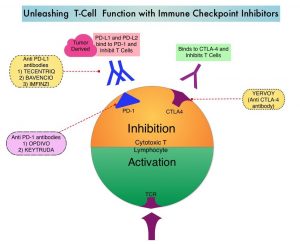
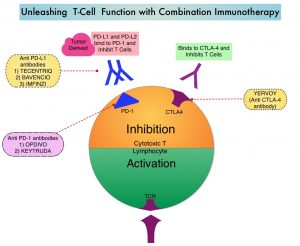
Immune checkpoints are cell surface inhibitory proteins/receptors that are expressed on activated T cells. They harness the immune system and prevent uncontrolled immune reactions by switching off the immune system T cells. Immune checkpoint proteins/receptors include CTLA-4 (Cytotoxic T-Lymphocyte Antigen 4, also known as CD152) and PD-1(Programmed cell Death 1). Checkpoint inhibitors unleash the T cells resulting in T cell proliferation, activation, and a therapeutic response.OPDIVO® is a fully human, immunoglobulin G4 monoclonal antibody that binds to the PD-1 receptor and blocks its interaction with PD-L1 and PD-L2, thereby undoing PD-1 pathway-mediated inhibition of the immune response and unleashing the T cells. YERVOY® is a fully human immunoglobulin G1 monoclonal antibody that blocks Immune checkpoint protein/receptor CTLA-4.Unleashing-T-Cell-Function-with-Combination-Immunotherapy

The present FDA approval was based on a prespecified interim analysis of CheckMate 743 trial. This study is an open label, multi-center, randomized Phase III trial, evaluating OPDIVO® plus YERVOY® compared to chemotherapy (Pemetrexed and Cisplatin or Carboplatin), in patients with previously untreated Malignant Pleural Mesothelioma. This study enrolled 605 patients with unresectable pleural mesothelioma and patients were randomized 1:1 to receive either OPDIVO® 3 mg/kg IV once every 2 weeks, in combination with YERVOY® 1 mg/kg IV once every 6 weeks, for up to 2 years (N=303), or six cycles of combination chemotherapy with Cisplatin or Carboplatin plus Pemetrexed every 3 weeks (N=302). The Primary endpoint of the trial was Overall Survival (OS). Secondary endpoints included Objective Response Rate (ORR), Disease Control Rate (DCR), Progression Free Survival (PFS) and efficacy measures according to PD-L1 expression level.

Based on a pre-specified interim analysis conducted by the Independent Data Monitoring Committee (IDMC), at 22.1 months of follow up, the median OS was 18.1 months with the combination immunotherapy versus 14.1 months with combination chemotherapy (HR=0.74; P=0.002), suggesting a 26% reduction in the risk of death when treated with OPDIVO® plus YERVOY®. The 12- month OS rates were 68% and 58%, and 2-year OS rates were 41% and 27%, respectively. This OS benefit with combination immunotherapy was observed in both non-epithelioid and epithelioid Malignant Pleural Mesothelioma, regardless of PD-L1 expression.

The median PFS per Blinded Independent Central Review (BICR) was 6.8 months in the combination immunotherapy group, and 7.2 months in the combination chemotherapy group. However, combination immunotherapy resulted in a higher PFS rate at both 12 months and 24 months compared to the combination chemotherapy arm, at 30% versus 16%, and 24% versus 7%, respectively. The confirmed Objective Response Rate was 40% and 43% in the OPDIVO® plus YERVOY® and combination chemotherapy groups, respectively. The median Duration of Response was 11.0 months in the OPDIVO® plus YERVOY® group and 6.7 months in the combination chemotherapy group, with notable differences in response at 12 months (47% versus 26%) and 24 months (32% versus 8%) respectively. The most common adverse reactions in patients receiving the combination of OPDIVO® plus YERVOY® were fatigue, musculoskeletal pain, rash, pruritus, nausea, decreased appetite, diarrhea, cough and dyspnea.

The authors concluded that this is the first positive randomized trial of dual immunotherapy, in the first line treatment of patients with Malignant Pleural Mesothelioma, and the combination of OPDIVO® plus YERVOY® should be considered as the new standard of care.

First-line nivolumab + ipilimumab vs chemotherapy in unresectable malignant pleural mesothelioma: CheckMate 743. Baas P, Scherpereel A, Nowak A, et al. Presented at the International Association for the Study of Lung Cancer 2020 Presidential Symposium; August 8, 2020; Virtual. Abstract 3.

Immune Checkpoint Inhibitors Associated with High Activity in MSI-H Cancers

SUMMARY: The DNA MisMatchRepair (MMR) system plays a crucial role in repairing DNA replication errors in normal and cancer cells. It is responsible for molecular surveillance and works as an editing tool that identifies errors within the microsatellite regions of DNA and removes them. Defective MMR system leads to MSI (Micro Satellite Instability) and accumulation of mutations (hypermutation) and the generation of neoantigens, triggering an enhanced antitumor immune response.

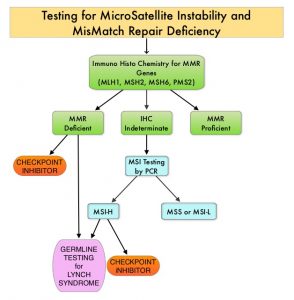
MSI is therefore a hallmark of defective/deficient DNA MisMatchRepair (dMMR) system. Defective MMR can be a sporadic or heritable event. Defective MMR can manifest as a germline mutation occurring in MMR genes including MLH1, MSH2, MSH6 and PMS2. This produces Lynch Syndrome often called Hereditary Nonpolyposis Colorectal Carcinoma – HNPCC, an Autosomal Dominant disorder that is often associated with a high risk for Colorectal and Endometrial carcinoma, as well as several other malignancies including Ovary, Stomach, Small bowel, Hepatobiliary tract, Brain and Skin. MSI is a hallmark of Lynch Syndrome-associated cancers. MSI tumors tend to have better outcomes and this has been attributed to the abundance of Tumor Infiltrating Lymphocytes in these tumors from increase immunogenicity. These tumors therefore are susceptible to blockade with Immune Checkpoint Iinhibitors (ICIs). The positive outcomes following ICI treatment in MSI-H tumors may be related to the possible association with Programmed Death-Ligand 1 (PD-L1) expression and the high Tumor Mutational Burden (TMB) of these diseases.

Immunotherapy with Immune Checkpoint Inhibitors (ICIs) has revolutionized cancer care and has become one of the most effective treatment options, by improving Overall Response Rate and prolongation of survival, across multiple tumor types. These agents target Programmed cell Death protein-1 (PD-1), Programmed cell Death Ligand-1 (PD-L1), Cytotoxic T-Lymphocyte-Associated protein-4 (CTLA-4), and many other important regulators of the immune system. Checkpoint inhibitors unleash the T cells resulting in T cell proliferation, activation, and a therapeutic response.Testing-for-Micro-Satellite-Instability-and-MisMatch-Repair-Deficiency

MSI testing is performed using a PCR based assay and MSI-High refers to instability at 2 or more of the 5 mononucleotide repeat markers and MSI-Low refers to instability at 1 of the 5 markers. Patients are considered Micro Satellite Stable (MSS) if no instability occurs. MSI-L and MSS are grouped together because MSI-L tumors are uncommon and behave similar to MSS tumors. Tumors considered MSI-H have deficiency of one or more of the DNA MMR genes. MMR gene deficiency can be detected by ImmunoHistoChemistry (IHC).

The authors in this publication conducted a systematic review and meta-analysis which included a total of 14 published articles that evaluated ICIs in the treatment of advanced MSI-H tumors from inception to December 2019. These articles were identified by searching the PubMed, EMBASE, and Cochrane Library databases. Overall, 939 patients in the 14 studies were analyzed, and the purpose of this study was to determine the outcomes in patients with advanced, MSI-H cancers, following treatment with ICIs. The selected studies for analysis had prospectively accrued patients with advanced or metastatic MSI-H/dMMR cancers, regardless of line of therapy, and data was available for Overall Response Rate (ORR) and/or survival analysis (Overall Survival and/or Progression Free Survival).

The studies included use of either, Avelumab (BAVENCIO®), Pembrolizumab (KEYTRUDA®), Ipilimumab (YERVOY®), Nivolumab (OPDIVO®), Atezolizumab (TECENTRIQ®) or Durvalumab (IMFINZI®). This analysis included a range of tumor types, and the Primary outcome of interest was Overall Response Rate (ORR). Secondary end points were median Progression Free Survival (PFS), median Overall Survival (OS), pooled rate of patients alive at 1, 2 and 3 years, and pooled rate of patients that attained Disease Control Rate (DCR), which is the sum of Stable Disease rate and ORR.

The pooled ORR was 41.5%, the pooled DCR was 62.8%, the pooled median PFS was 4.3 months and the pooled median OS was 24 months. The pooled 1 and 2-year OS were 75.6% and 56.5% respectively. Since only one study provided 3-year OS data, a formal pooled analysis for 3 years was not possible. The ORR was similar according to histologic analysis with the higher values for Gastric cancer (61.2%) and the lowest ORR associated with Colorectal cancer (47.1%), Endometrial (36.1%), and other tumors (35.5%).

It was concluded from this meta-analysis that Immune Checkpoint Inhibitors were associated with high activity, independent of tumor type and drug used, and molecular biomarkers such as MisMatch Repair proteins may have a predictive value for the activity of immunotherapy.

Outcomes Following Immune Checkpoint Inhibitor Treatment of Patients With Microsatellite Instability-High Cancers. A Systematic Review and Meta-analysis. Petrelli F, Ghidini M, Ghidini A, et al. JAMA Oncol. 2020;6:1068-1071.

Risk of Prostate Cancer Associated With Familial and Hereditary Cancer Syndromes

SUMMARY: Prostate Cancer is the most common cancer in American men with the exclusion of skin cancer, and 1 in 9 men will be diagnosed with Prostate Cancer during their lifetime. It is estimated that in the United States, about 191,930 new cases of Prostate Cancer will be diagnosed in 2020 and 33,330 men will die of the disease. The five year survival among patients first diagnosed with metastatic disease is approximately 30%. Early detection and treatment may improve outcomes. Risk factors for Prostate Cancer include age, ethnicity, and family history of Prostate Cancer. In individuals with a family history of Prostate Cancer in one or more first-degree relatives, the Relative Risk of Prostate Cancer increases approximately 2-3 fold, and the risk increases with an increasing number of affected relatives, and is inversely related to the age at time of diagnosis among those relatives.

It is estimated that approximately 40% of all diagnosed Prostate Cancers are inherited and Prostate Cancer risk also has been implicated in other familial cancer syndromes such as Hereditary Breast and Ovarian Cancer (HBOC) syndrome and Lynch Syndrome (LS). HBOC syndrome typically is found in families with early onset cancer and multiple cancer diagnoses such as, breast, ovarian and pancreatic cancer. Tumor suppressor DNA repair genes BRCA1 and BRCA2, has been implicated in Prostate Cancer, particularly in HBOC families. Patients with a BRCA1 mutation have a nearly 2-fold Relative Risk of Prostate Cancer among men less than 65 years, whereas those with BRCA2 mutations have a more than 7 fold Relative Risk. Further, patients with BRCA2 mutations are also associated with clinically aggressive disease, progression, and higher rates of cancer-specific mortality. It is estimated that the frequency of BRCA2 mutations ranges from 1-3%. The National Comprehensive Cancer Network (NCCN) recommends that BRCA2 mutation carriers begin Prostate Cancer screening with PSA testing and a digital rectal exam by age 40, and that BRCA1 mutation carriers consider testing at age 40, as well.

Lynch Syndrome, or Hereditary Non-Polyposis Colorectal Cancer, is associated with germline DNA mismatch repair defects, and individuals with Lynch Syndrome are 2-5 times more likely to develop Prostate Cancer during their lifetimes.

The purpose of this population-based study was to quantify the Relative Risk of Prostate Cancer associated with different family cancer histories such as Hereditary Prostate Cancer, Hereditary Breast and Ovarian Cancer syndrome and Lynch Syndrome. The Utah Population Database was chosen as it is very large and linked to the Utah Cancer Registry. The Relative Risk for Prostate Cancer in general, as well as the risks for three Prostate Cancer subgroups- early onset, lethal, and clinically significant Prostate Cancers, was evaluated.

The authors using the Utah Population Database identified 619,630 men, 40 years or older, who were members of a pedigree that included at least 3 consecutive generations. Each individual was then assessed for family history of Hereditary Prostate Cancer, Hereditary Breast and Ovarian Cancer (HBOC) or Lynch syndrome, as well as his own Prostate Cancer status. The participant’s own cancer disease status was not used in any of the family history definitions. Family history of Hereditary Prostate Cancer was defined as 3 or more first-degree relatives with Prostate Cancer, or Prostate Cancer in 3 or more affected relatives diagnosed in 3 successive generations of the same lineage (paternal or maternal), or 2 or more first-degree relatives both diagnosed with early-onset disease (55 years or less). The NCCN Guidelines for BRCA-related Breast and/or Ovarian Cancer Syndrome were adapted for a family history of HBOC and revised Bethesda Guidelines were adapted for Lynch Syndrome, to determine if an individual had a positive family history of Lynch Syndrome. All Prostate Cancer occurences were classified into one or more subtypes: Early-onset Prostate Cancer defined as Prostate Cancer diagnosed at age 55 years or less, Lethal Prostate Cancer was identified if Prostate Cancer was listed as the primary cause of death on a death certificate, and Clinically significant Prostate Cancer if the Gleason score was 7 or more, direct extension, regional lymph node involvement or presence of distant metastases.

The overall prevalence of Prostate Cancer for the cohort was 5.9% (N=36,360), of whom 7% had Early onset disease, 11.1% had Lethal disease and 41.8% had Clinically significant disease. The median age at time of diagnosis was 69 years, approximately 70% of men were diagnosed with organ-confined disease, and approximately 6% were first diagnosed with metastatic disease.

Family history of Hereditary Prostate Cancer was associated with the highest risk for all Prostate Cancer subtypes combined, with a 2.3-fold increase in risk for Prostate Cancer overall (Relative Risk 2.30). This was followed by Hereditary Breast and Ovarian Cancer, with a Relative Risk of 1.47, and Lynch syndrome with a Relative Risk of 1.16.

Hereditary Prostate Cancer was associated with a near 4-fold increase in risk for early onset Prostate Cancer (RR=3.93). Hereditary Prostate Cancer also was associated with higher risks for both Lethal Prostate Cancer (RR=2.21) and Clinically significant disease (RR=2.32). Overall, modest elevations in risk were associated with Lynch Syndrome, with a 34% increase in risk for early onset disease (RR=1.34) and a small increase in the risk for Clinically significant disease (RR=1.15).

It was concluded from this investigation of a large, population-based family database that, targeting high-risk populations such as those with Hereditary Prostate Cancer early, with genetic screening and cancer surveillance, is indicated. This study also demonstrated the importance of well-ascertained family history information, for determining Prostate Cancer risk, as well as determining important Prostate Cancer subsets such as Early onset and Lethal disease. The authors added that this is the first study that compared the risk of Prostate Cancer in men with Hereditary Prostate Cancer, with families having HBOC or Lynch syndrome in the same population.

Risk of Prostate Cancer Associated With Familial and Hereditary Cancer Syndromes. Beebe-Dimmer JL, Kapron AL, Fraser AM, et al. J Clin Oncol. 2020;38:1807-1813

Minimal Residual Disease Testing in Multiple Myeloma: The Time has Arrived.

Special Written by Dr. Robert Rifkin, Rocky Mountain Cancer Center | Sponsored by Adaptive Biotechnologies

Rising Importance of MRD Testing in Multiple Myeloma

In the early 2000s, the average overall survival rate for patients with multiple myeloma (MM) was only 3 years.1 With the advent of new therapies over the last 5 years, many patients with MM can now expect to achieve clinical complete response (CR). However, while this trend is expected to continue, the majority of these patients who achieve CR will eventually relapse, suggesting that existing therapies are insufficient and more sensitive testing is necessary to identify potentially undetected malignant cells.2

Minimal residual disease (MRD) refers to the small number of cancer cells that can remain in a patient’s body during and after treatment and may eventually cause recurrence of the disease. MRD is commonly assessed in lymphoid malignancies such as B-cell acute lymphoblastic leukemia (B-ALL), chronic lymphocytic leukemia (CLL) and multiple myeloma (MM). In the event of the persistence of malignant B cells, the possibility of recurrence is more likely.3 To address this, MRD testing is now being used to monitor the effectiveness of therapies as well as subsequent treatment decisions by identifying the presence of MRD over time.

The Application of Next-Generation Sequencing

MRD testing in lymphoid malignancies has become increasingly valuable in predicting patient outcomes. While next-generation flow cytometry has been used for MRD testing in B-ALL, and has been standardized for highly sensitive MRD measurements (e.g. 10-6), as reported by Theunissen and Colleagues, standard flow cytometry is limited to a level of detection of 1 malignant cell in 10,000 cells assessed (e.g. 10-4)4. In contrast, next-generation sequencing (NGS) has a level of sensitivity of up to 1 malignant cell in 1,000,000 cells assessed (e.g. 10-6). 5,6

In the era of NGS, it is now possible to assess MRD beyond the standard response criteria for assessment of treatment efficacy. In a review that evaluated the prognostic value of MRD, patients who were MRD negative had a higher probability of prolonged progression-free survival than patients with detectable residual disease, regardless of initial treatment.7

The clonoSEQ® Assay, an in vitro diagnostic (IVD) test that uses multiplex PCR and NGS to identify and quantify disease-associated DNA sequence rearrangements (or clonotypes) of the IgH, IgK and IgL receptor genes, has been FDA-cleared to monitor MRD in bone marrow from patients with multiple myeloma or B-cell acute lymphoblastic leukemia (B-ALL) and blood or bone marrow from patients with chronic lymphocytic leukemia (CLL). The assay can accurately and precisely quantify MRD at the DNA-sequence level. According to a recent analysis, clonoSEQ maintains accurate reporting of disease burden down to one malignant cell in 1 million healthy cells provided sufficient sample input.5,6

Patient-specific clonal sequences are identified at the time of diagnosis or high disease burden and can be used as a marker for MRD. Oftentimes, at the conclusion of therapy, MRD measurements can also be used to firmly establish a diagnosis of a molecular complete remission. In order to do this with an NGS assay, it is important to remember to obtain a baseline fresh bone marrow sample at the time of diagnosis. This will facilitate the identification of a dominant clone. In the event such a sample is not available, it is possible to identify the clone utilizing archived or fixed tissue.

Incorporating MRD Testing in Clinical Practice Guidelines

The future of MRD testing in MM, as reviewed by Oliva and colleagues, is clear: MRD testing in MM will be increasingly important as we strive for a cure.8 The course of MM is highly variable, and the clinical behavior is equally diverse. For this reason, MRD testing has been incorporated into clinical practice guidelines as a Standard of Care, as evidenced by the NCCN’s recommendation to assess MRD after each stage of treatment: post-induction, post-high-dose therapy/ASCT, post-consolidation, post-maintenance. NCCN updated their guidelines recently to note that during upfront diagnosis you could consider “baseline clone identification and storage of aspirate samples for future MRD testing by NGS”.9

In short, MRD testing in lymphoid malignancies should be leveraged to track a patient’s disease over time. This approach may aid in key clinical decision-making throughout the course of treatment. For example, if MRD is present in a B-ALL patient, therapy with blinatumomab is suggested over other agents and is now part of guidelines. If MRD is negative, alternative maintenance with the POMP regimen is often employed. Similar guidelines for MM and CLL are on the therapeutic horizon, and I suspect will soon be incorporated into evidence-based guidelines.

As we enter the new area of targeted therapy and the development of novel agents for all the diseases, testing for MRD will become increasingly important. In order to maintain a state-of-the-art clinical practice, and to foster best clinical practice in patient care, it essential that every clinician and stakeholder in the patient’s journey become familiar with these new MRD technologies, and how to integrate them into his or her overall care plan in order to improve clinical outcomes.

Important information

clonoSEQ is available as an FDA-cleared in vitro diagnostic (IVD) test service provided by Adaptive Biotechnologies to detect measurable residual disease (MRD) in bone marrow from patients with multiple myeloma or B-cell acute lymphoblastic leukemia (B-ALL) and blood or bone marrow from patients with chronic lymphocytic leukemia (CLL). clonoSEQ is also available for use in other lymphoid cancers as a CLIA-validated laboratory developed test (LDT) service. For important information about the FDA-cleared uses of clonoSEQ including test limitations, please visit https://www.clonoseq.com/technical-summary/.

References
1) Landgren O, Iskander K. J Intern Med. 2017;281(4):365-382.
2) Munshi NC, Anderson KC. J Clin Oncol. 2013;31 (20):2523-2526.
3) Perrot A, Lauwers-Cances V, Corre J, et al. Blood. 2018;132(23):2456-2464.
4) Theunissen P, Mejstrikova E, et al. Blood. (2017) 129 (3): 347–357.
5) clonoSEQ®. [technical summary]. Seattle, WA: Adaptive Biotechnologies; 2020.
6) Ching T, Duncan ME, et al. BMC Cancer. 2020; 20: 612.
7) Rajkumar SV, Kumar S. Mayo Clin Proc. 2016 Jan;91(1):101-19.
8) Oliva S, D’Agostino M, et al. Front Oncol. 2020; 10: 1.
9) NCCN Clinical Practice Guidelines in Oncology (NCCN Guidelines®) for Multiple Myeloma V.1.2020. © National Comprehensive Cancer Network, Inc. 2020. All rights reserved. Accessed March September 22nd, 2020. To view the most recent and complete version of the guideline, go to NCCN.org. NCCN makes no warranties of any kind whatsoever regarding their content, use of application and disclaims any responsibility for their application or use in any way.

KRAS G12C Inhibition with Sotorasib in Advanced Solid Tumors

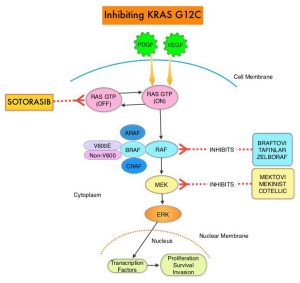
SUMMARY: The KRAS (Kirsten rat sarcoma viral oncogene homologue) proto-oncogene encodes a protein that is a member of the small GTPase super family. The KRAS gene provides instructions for making the KRAS protein, which is a part of a signaling pathway known as the RAS/MAPK pathway. By relaying signals from outside the cell to the cell nucleus, the protein instructs the cell to grow, divide and differentiate. The KRAS protein is a GTPase, and converts GTP into GDP. To transmit signals, the KRAS protein must be turned on, by binding to a molecule of GTP. When GTP is converted to GDP, the KRAS protein is turned off or inactivated, and when the KRAS protein is bound to GDP, it does not relay signals to the cell nucleus. The KRAS gene is in the Ras family of oncogenes, which also includes two other genes, HRAS and NRAS. When mutated, oncogenes have the potential to change normal cells cancerous.
KRAS is the most frequently mutated oncogene in human cancers and are often associated with resistance to targeted therapies and poor outcomes. The KRAS-G12C mutation occurs in approximately 12-15% of Non Small Cell Lung Cancers (NSCLC) and in 3-5% of Colorectal cancers and other solid cancers. G12C is a single point mutation with a Glycine-to-Cysteine substitution at codon 12. This substitution favors the activated state of KRAS, resulting in a predominantly GTP-bound KRAS oncoprotein, amplifying signaling pathways that lead to oncogenesis.Inhibiting-KRAS-G12C

Sotorasib (AMG 510) is a small molecule that specifically and irreversibly inhibits KRAS-G12C and traps KRAS-G12C in the inactive GDP-bound state. Preclinical studies in animal models showed that Sotorasib inhibited nearly all detectable phosphorylation of Extracellular signal-Regulated Kinase (ERK), a key downstream effector of KRAS, leading to durable complete regression of KRAS-G12C tumors.

The authors conducted a multicenter, open label Phase I trial of Sotorasib, in patients with advanced solid tumors harboring the KRAS-G12C mutation. This trial consisted of dose escalation and expansion cohorts and included a total of 129 patients, of whom 59 patients had NSCLC, 42 had Colorectal cancer, and 28 patients had other tumor types (Appendiceal, Endometrial, Pancreatic cancers and Melanoma). Sotorasib was administered orally once daily and each treatment cycle was 21 days. The planned dose levels for the escalation cohorts were 180, 360, 720, and 960 mg. Treatment was continued until disease progression or unacceptable toxicity. The median patient age was 62 years and most of the enrolled patients were heavily pretreated and had received a median of 3 previous lines of anticancer therapy for metastatic disease. Among the NSCLC patient cohort, approximately 90% of patients were current or former smokers and had received anti- Programmed cell Death protein-1 (PD-1) or PD-Ligand 1 (PD-L1) therapies. All patients had received previous platinum-based chemotherapy. The Primary endpoint was safety, including the incidence of dose-limiting toxicities and key Secondary end points were pharmacokinetics and Objective Response Rates. The Sotorasib dose of 960 mg daily was identified as the dose for the expansion cohort. The median follow up was 11.7 months and the median duration of treatment was 3.9 months, with 57% of patients having received treatment for 3 months or more, and 29% of patients, for 6 months or more.

Among those patients with NSCLC, 32.2% of the patients had a confirmed Objective Response (Complete or Partial Response at all dose levels, and 88% had disease control (Objective Response or Stable disease), with a median Progression Free Survival of 6.3 months. Responses were rapid and were seen at week 6, and these responses were durable and ongoing at a median follow up of nearly a year.

Among the colorectal cancer subgroup, at a median follow up of 12.8 months, 7% had a confirmed response, and 74% had disease control, with a median duration of stable disease of 5.4 months and median PFS of 4 months. Responses were also observed in patients with Pancreatic, Endometrial, and Appendiceal cancers and Melanoma. It has been postulated that the inconsistent tumor responses noted between NSCLC and Colorectal cancer suggests either that KRAS-G12C is not the dominant oncogenic driver for colorectal cancer or that other pathways such as Wnt or EGFR pathways may mediate oncogenic signaling beyond KRAS. The authors suggest that a viable option would be to combine Sotorasib with therapies that block additional pathways, as was shown by studies in BRAF V600E-mutant Colorectal cancer. Approximately 57% of patients had treatment-related Adverse Events, of whom, about 12% had Grade 3 or 4 events. These toxicities included abnormal liver function studies, anemia, lymphopenia and diarrhea.

It was concluded Sotorasib showed promising anticancer activity in patients with heavily pretreated advanced solid tumors harboring the KRAS-G12C mutation. Studies evaluating Sotorasib as monotherapy or in combination with various agents in patients with NSCLC or other solid tumors are under way

KRASG12C Inhibition with Sotorasib in Advanced Solid Tumors. Hong DS, Fakih MG, Strickler JH, et al. N Engl J Med 2020; 383:1207-1217.

Five Year Analysis of Adjuvant TAFINLAR® plus MEKINIST® in Stage III Melanoma

SUMMARY: It is estimated that in the US, approximately 100,350 new cases of melanoma will be diagnosed in 2020 and approximately 6,850 patients are expected to die of the disease. The incidence of melanoma has been on the rise for the past three decades. Surgical resection with a curative intent is the standard of care for patients with early stage melanoma, with a 5-year survival rate of 98% for Stage I disease and 90% for Stage II disease. Stage III malignant melanoma is a heterogeneous disease and the risk of recurrence is dependent on the number of positive nodes as well as presence of palpable versus microscopic nodal disease. Further, patients with a metastatic focus of more than 1 mm in greatest dimension in the affected lymph node, have a significantly higher risk of recurrence or death, than those with a metastasis of 1 mm or less. Patients with Stage IIIA disease have a disease-specific survival rate of 78%, whereas those with Stage IIIB and Stage IIIC disease have disease-specific survival rates of 59% and 40% respectively.BRAF-and-MEK-Inhibition-in-MAPK-Pathway

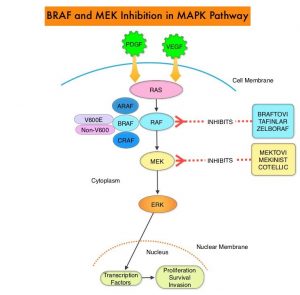
The Mitogen-Activated Protein Kinase pathway (MAPK pathway) is an important signaling pathway which enables the cell to respond to external stimuli. This pathway plays a dual role, regulating cytokine production and participating in cytokine dependent signaling cascade. The MAPK pathway of interest is the RAS-RAF-MEK-ERK pathway. The RAF family of kinases includes ARAF, BRAF and CRAF signaling molecules. BRAF is a very important intermediary of the RAS-RAF-MEK-ERK pathway. BRAF mutations have been demonstrated in 6-8% of all malignancies. The most common BRAF mutation in melanoma is at the V600E/K site and is detected in approximately 50% of melanomas and result in constitutive activation of the MAPK pathway.

TAFINLAR® (Dabrafenib) is a selective oral BRAF inhibitor and MEKINIST® (Trametinib) is a potent and selective inhibitor of MEK gene, which is downstream from RAF in the MAPK pathway. In patients with BRAF V600 mutation-positive unresectable or metastatic melanoma, a combination of TAFINLAR® and MEKINIST® resulted in a median Overall Survival (OS) of more than 2 years, with approximately 20% of the patients remaining progression free at 3 years. These encouraging results led to the study of this combination in patients with Stage III melanoma, with BRAF V600E or V600K mutations, after complete surgical resection.

COMBI-AD, an international, multi-center, randomized, double-blind, placebo-controlled, Phase III trial, in which 870 patients with completely resected, Stage III melanoma and with BRAF V600E or V600K mutations were enrolled. Patients were randomly assigned in a 1:1 to receive TAFINLAR® 150 mg orally twice daily in combination with MEKINIST® 2 mg orally once daily (N=438) or two matched placebos (N=432). Treatment was given for 12 months. Eligible patients had undergone completion lymphadenectomy, with no clinical or radiographic evidence of residual regional node disease. None of the patients had received previous systemic anticancer treatment or radiotherapy for melanoma. BRAF V600 mutation status was confirmed in primary tumor tissue or lymph node tissue by a central reference laboratory. The median age was 50 years. Both treatment groups were well balanced and 18% had Stage IIIA disease, 41% had Stage IIIB disease, and 40% had Stage IIIC disease. Of the enrolled patients, 91% had a BRAF V600E mutation, and 9% had a BRAF V600K mutation. The Primary end point was Relapse Free Survival (RFS) and Secondary end points included Overall Survival (OS), Distant metastasis-free survival, Freedom from relapse, and Safety.

The authors had previously reported that at a median follow up of 2.8 years, the estimated 3-year RFS rate was 58% in the combination therapy group and 39% in the placebo group (HR=0.47; P<0.001), and this represented a 53% lower risk of relapse. At the time of this analysis, median RFS rate had not been reached in the combination therapy group, and was 16.6 months in the placebo group. The improved RFS benefit with the combination therapy was consistent across patient subgroups, regardless of lymph node involvement or primary tumor ulceration. The risk of distant metastases or death was reduced by 49% with the combination therapy versus placebo (HR=0.51; P<0.001).

The authors in this publication reported the results for RFS and Distant metastasis-free survival at 5 years. Overall survival was not analyzed as the data was not mature. The minimum duration of follow up was 59 months. The RFS at 5 years 52% with TAFINLAR® plus MEKINIST® and 36% with placebo (HR for relapse or death=0.51). The Distant metastasis-free survival at 5 years was 65% with TAFINLAR® plus MEKINIST® and 54% with placebo (HR for distant metastasis or death=0.55). As has been reported in previous studies, majority of relapses occurred, within the first 3 years after surgery. There were no clinically meaningful differences noted in the incidence or severity of serious Adverse Events during the follow up period.

It was concluded that in this 5-year analysis of extended follow up from the COMBI-AD trial, 12 months of adjuvant therapy with a combination of TAFINLAR® and MEKINIST® resulted in longer Relapse Free and Distant metastasis-free Survival, compared to placebo, in patients with resected Stage III melanoma with BRAF V600 mutations.

Five-Year Analysis of Adjuvant Dabrafenib plus Trametinib in Stage III Melanoma. Dummer R, Hauschild A, Santinami M, et al. N Engl J Med 2020; 383:1139-1148

DCIS and Risk of Death from Breast Cancer

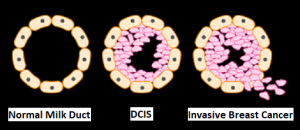
SUMMARY: Breast cancer is the most common cancer among women in the US and about 1 in 8 women (12%) will develop invasive breast cancer during their lifetime. Approximately 279,100 new cases of invasive breast cancer will be diagnosed in 2020 and about 42,690 individuals will die of the disease largely due to metastatic recurrence. Carcinoma in situ of the breast also known as Ductal Carcinoma In Situ (DCIS) is defined as a malignant proliferation of ductal epithelial cells that are confined to the milk ducts without invasion of the basement membrane, and is a precursor lesion to invasive carcinoma. DCIS accounts for approximately 25% of all newly diagnosed breast cancers. Patients with small, screening-detected lesions, are often treated with breast-conserving surgery (to prevent the development of invasive breast cancer), followed by adjuvant radiation and hormonal therapy, although neither of the latter two interventions have been shown to improve survival outcomes. As such, a significant number of patients are over treated. DCIS in itself is not life-threatening but can potentially progress to invasive breast cancer. The two important goals of DCIS treatment therefore are, to prevent invasive ipsilateral cancer recurrence and to prevent death from breast cancer. There remains a large unmet need, to distinguish relatively benign DCIS from DCIS that will develop into invasive breast cancer.DCIS

In a previously published meta-analysis (Cancer Epidemiol Biomarkers Prev. 2019;28:835-845), researchers identified six prognostic factors that were statistically significant and were associated with a 36% to 84% increase in the relative risk of recurrence of invasive disease after a DCIS diagnosis. These six factors included-

1) African American race (43% higher risk)
2) Premenopausal status (59% higher risk)bre
3) Detection by palpation (84% higher risk)
4) Positive margins (63% higher risk)
5) High histologic grade (36% higher risk)
6) High p16 expression (51% higher risk).

This present large cohort study was conducted to determine the risk of death from breast cancer, following diagnosis and treatment of DCIS, compared with the mortality risk among cancer-free women, in the general population. This study included a total of 144,524 women diagnosed with first primary DCIS between 1995 and 2014, from the Surveillance, Epidemiology and End Results (SEER) registries database. Patients with DCIS with microinvasion, Lobular Carcinoma In Situ (LCIS), nonepithelial histological presentations, Paget disease of the nipple, diffuse DCIS, unknown laterality, no surgical intervention on the primary tumor, DCIS diagnosis in women younger than 25 years or aged 80 years or older, were all excluded. Patients with DCIS underwent surgical treatment, and approximately half of these patients also received radiotherapy. These patients were followed from the date of DCIS diagnosis until death from breast cancer, or date of last follow up. These patients were compared with women in the general population without a diagnosis of breast cancer (control group). The mean age at diagnosis was 57.4 years. The Primary outcome was death from breast cancer. Standardized Mortality Ratios (SMR) were estimated by comparing deaths from breast cancer among women diagnosed with DCIS, with expected deaths from breast cancer among women in the general population who did not have cancer.

At a mean follow up period of 9.2 years, the incidence of ipsilateral invasive recurrence events was 3.1%, resulting in a 20-year actuarial risk of 13.9%. There was a 3.8% incidence of contralateral invasive breast cancer events during this follow up period, resulting in a 20-year actuarial risk of 11.3%. The 20-year actuarial risk of breast cancer death among women with DCIS was 3.3%.

The Standardized Mortality Ratio (SMR) for death from breast cancer given a diagnosis of DCIS was 3.36, but varied based on age and race. The SMR for women younger than 40 years was much higher at 11.95, whereas the SMR for women aged 40 to 49 years was 4.15. The SMR for White women was 3.03, for Black women was 7.56, and for East Asian women was 1.89. The SMR for Black women diagnosed with DCIS before age 50 years was 12.10, and the SMR for White women diagnosed with DCIS before age 50 years was 4.21, suggesting that Black women did worse than White woman.

All women with DCIS underwent surgical treatment, and 47.1% also received radiotherapy. Among those patients who were not treated with radiotherapy, the SMR was 4.12, for those treated with unilateral mastectomy and 4.14 for those treated with bilateral mastectomies. Among women who underwent lumpectomy, the SMR was 2.81 for women treated with radiotherapy and 3.42 for those who underwent surgical treatment alone. There were 1540 women who died of breast cancer in the cohort, of whom 45.7% experienced an ipsilateral invasive recurrence or contralateral invasive breast cancer in the interval between DCIS and death from breast cancer. Among the patients who died, 27.8% were known to have undergone a mastectomy.

The annual mortality rate from breast cancer over the entire period of follow up was, 0.12% per year. The mortality rate increased for the first 10 years of the follow-up period and remained constant through years 15 thru 20. The cumulative 20-year risk of breast cancer-specific mortality following DCIS was 3.3% overall, but for Black women diagnosed before age 50 years, the 20-year risk of breast cancer-specific mortality was 8.1%. It has been postulated that the highest risk for recurrence among women who underwent mastectomy may be related to them having more extensive disease with close margins or may have genetic mutations that increase the likelihood of recurrence. Further, patients with DCIS undergoing bilateral mastectomies generally are not treated with endocrine therapy.

It was concluded from this cohort study that women with DCIS had a 3-fold increased risk of death from breast cancer after surgical treatment. The Standardized Mortality Ratio was lower among women who received lumpectomy plus radiation compared with women who received lumpectomy alone. The rate of breast cancer death was nearly 12-fold higher among women diagnosed with DCIS before age 40 years and 7-fold higher in Black women diagnosed with DCIS, compared with the general population.

Association of a Diagnosis of Ductal Carcinoma In Situ With Death From Breast Cancer. Giannakeas V, Sopik V and Narod SA. JAMA Netw Open. 2020;3(9):e2017124. doi:10.1001/jamanetworkopen.2020.17124

Optimal Duration of Immune Checkpoint Inhibitors in Advanced Non Small Cell Lung Cancer

SUMMARY: Lung cancer is the second most common cancer in both men and women and accounts for about 14% of all new cancers and 27% of all cancer deaths. The American Cancer Society estimates that for 2020, about 228, 820 new cases of lung cancer will be diagnosed and 135,720 patients will die of the disease. Lung cancer is the leading cause of cancer-related mortality in the United States. Non-Small Cell Lung Cancer (NSCLC) accounts for approximately 85% of all lung cancers.

Immunotherapy with Immune Checkpoint Inhibitors (ICIs) has revolutionized cancer care and has become one of the most effective treatment options, by improving Overall Response Rate and prolongation of survival, across multiple tumor types. These agents target Programmed cell Death protein-1 (PD-1), Programmed cell Death Ligand-1 (PD-L1), Cytotoxic T-Lymphocyte-Associated protein-4 (CTLA-4), and many other important regulators of the immune system. Checkpoint inhibitors unleash the T cells resulting in T cell proliferation, activation, and a therapeutic response. Biomarkers predicting responses to ICI’s include Tumor Mutational Burden (TMB), Mismatch Repair (MMR) status, and Programmed cell Death Ligand 1 (PD‐L1) expression. Other biomarkers such as Tumor Infiltrating Lymphocytes (TILs), TIL‐derived Interferon‐γ, Neutrophil‐to‐Lymphocyte ratio, and peripheral cytokines, have also been proposed as predictors of response. The optimal duration of treatment with checkpoint inhibitors across tumor types is currently unknown and finding the balance between efficacy, toxicity and cost of therapy remains an ongoing challenge. There are presently no adequately powered, prospective, checkpoint inhibitor trials, comparing different treatment durations.Unleashing-T-Cell-Function-with-Immune-Checkpoint-Inhibitors

OPDIVO® is a fully human, immunoglobulin G4 monoclonal antibody that binds to the PD-1 receptor and blocks its interaction with PD-L1 and PD-L2, thereby undoing PD-1 pathway-mediated inhibition of the immune response, and unleashing the T cells. The authors in this study explored the impact of duration of treatment with OPDIVO®, on outcomes, in patients with previously treated advanced NSCLC, in a randomized study.

CheckMate 153 is a largely community based, ongoing, Phase IIIb/IV study, reflecting a real-world population, designed to evaluate the efficacy and safety of OPDIVO® monotherapy treatment duration, in previously treated advanced NSCLC. In this study, patients with previously treated advanced or metastatic NSCLC received OPDIVO® 3 mg/kg IV every 2 weeks until disease progression, unacceptable toxicity, or for 1 year. Treatment beyond initial progressive disease was permitted for patients with investigator-assessed clinical benefit, no rapidly progressive disease, and stable ECOG performance status, who were tolerating treatment. Patients who continued to receive treatment at 1 year were randomly assigned, regardless of response status to continue OPDIVO®, or to stop treatment (1-year fixed duration group), with the option of receiving OPDIVO® retreatment on study after disease progression. The Primary end point of safety was previously reported. Exploratory post-random assignment end points were added. Safety and tolerability, Progression Free survival (PFS), Overall Survival (OS), and Objective Response Rate (ORR) were assessed from the time of random assignment of those patients who continued to receive treatment at 1 year. The comparison was between a fixed 1-year treatment regimen and continuous therapy.

Of the 1,428 patients who received OPDIVO® in this study, 252 patients were randomly assigned to continuous treatment (N=127) or 1-year fixed-duration treatment (N=125). With minimum post-random assignment follow up of 13.5 months, median PFS was longer with continuous treatment versus 1-year fixed duration treatment (24.7 months versus 9.4 months; HR=0.56). Median Overall Survival from random assignment was also longer with continuous treatment versus 1-year fixed duration treatment in the Progression-Free Survival population (Not Reached versus 32.5 months; HR, 0.61), as well as in the Intent To Treat population (Not reached versus 28.8 months; HR, 0.62). New onset treatment-related Adverse Events occurred in a few patients and no new safety signals were identified.

The authors concluded that the above findings from an exploratory analysis represent the first randomized data on continuous versus fixed-duration immunotherapy, in previously treated patients with advanced NSCLC, and suggest that continuing OPDIVO® beyond 1 year improves outcomes.

Continuous Versus 1-Year Fixed-Duration Nivolumab in Previously Treated Advanced Non–Small-Cell Lung Cancer: CheckMate 153. Waterhouse DM, Garon EB, Chandler J, et al. DOI: 10.1200/JCO.20.00131 Journal of Clinical Oncology. Published online September 10, 2020.

Late Breaking Abstract – ESMO 2020. VERZENIO® Plus Endocrine Therapy Improves Disease Free Survival in Early Breast Cancer

SUMMARY: Breast cancer is the most common cancer among women in the US and about 1 in 8 women 12%) will develop invasive breast cancer during their lifetime. Approximately 279,100 new cases of invasive breast cancer will be diagnosed in 2020 and about 42,690 individuals will die of the disease largely due to metastatic recurrence. About 70% of breast tumors express Estrogen Receptors and/or Progesterone Receptors, and Hormone Receptor (HR)-positive/HER2-negative breast cancer is the most frequently diagnosed molecular subtype. Majority of these patients are diagnosed with early stage disease and are often cured with a combination of surgery, radiotherapy, chemotherapy, and hormone therapy. However approximately 20% of patients will experience local recurrence or distant relapse during the first 10 years of treatment. This may be more relevant for those with high risk disease, among whom the risk of recurrence is even greater during the first 2 years while on adjuvant endocrine therapy, due to primary endocrine resistance. More than 75% of the early recurrences are seen at distant sites.

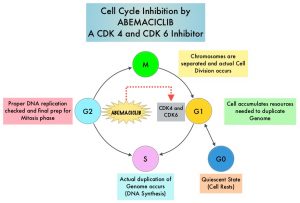
Cyclin Dependent Kinases (CDK) play a very important role to facilitate orderly and controlled progression of the cell cycle. Genetic alterations in these kinases and their regulatory proteins have been implicated in various malignancies. CDK 4 and 6 phosphorylate RetinoBlastoma protein (RB), and initiate transition from the G1 phase to the S phase of the cell cycle. RetinoBlastoma protein has antiproliferative and tumor-suppressor activity and phosphorylation of RB protein nullifies its beneficial activities. CDK4 and CDK6 are activated in hormone receptor positive breast cancer, promoting breast cancer cell proliferation. Further, there is evidence to suggest that endocrine resistant breast cancer cell lines depend on CDK4 for cell proliferation. The understanding of the role of Cyclin Dependent Kinases in the cell cycle, has paved the way for the development of CDK inhibitors.MOA-of_ABEMACICLIB

VERZENIO® (Abemaciclib) is an oral, selective inhibitor of CDK4 and CDK6 kinase activity, and prevents the phosphorylation and subsequent inactivation of the Rb tumor suppressor protein, thereby inducing G1 cell cycle arrest and inhibition of cell proliferation. VERZENIO® is structurally distinct from other CDK 4 and 6 inhibitors (such as Ribociclib and Palbociclib) and is 14 times more potent against cyclin D1/CDK 4 and cyclin D3/CDK 6, in enzymatic assays, but potentially less toxic than earlier pan-CDK inhibitors. At higher doses, only VERZENIO® causes significant cancer cell death, compared with other CDK4/6 inhibitors, suggesting that this drug may be affecting proteins, other than CDK4/6. Additionally, preclinical studies have demonstrated that VERZENIO® may have additional therapeutic benefits for a subset of tumors that are unresponsive to treatment or have grown resistant to other CDK4/6 inhibitors. It has also been shown to cross the blood-brain barrier.

VERZENIO® is presently approved by the FDA as monotherapy as well as in combination with endocrine therapy for patients with HR-positive, HER2- negative advanced breast cancer. The addition of VERZENIO® to FASLODEX® resulted in a statistically significant improvement in Overall Survival among patients with HR-positive, HER2-negative advanced breast cancer, who had progressed on prior endocrine therapy. The goal of monarchE was to evaluate the additional benefit of adding a CDK4/6 inhibitor to endocrine therapy in the adjuvant setting, for patients with HR-positive, HER2-negative early breast cancer.

The international monarchE trial, is an open-label, randomized, Phase III study, which included 5637 patients, who were pre- and postmenopausal, with HR-positive, HER2-negative early breast cancer, and with clinical and/or pathologic risk factors that rendered them at high risk for relapse. The researchers defined high risk as the presence of four or more positive axillary lymph nodes, or 1-3 three positive axillary lymph nodes, with either a tumor size of 5 cm or more, histologic Grade 3, or centrally tested high proliferation rate (Ki-67 of 20% or more). Following completion of primary therapy which included both adjuvant and neoadjuvant chemotherapy and radiotherapy, patients were randomly assigned (1:1) to VERZENIO® 150 mg orally twice daily for 2 years plus 5 to 10 years of physicians choice of endocrine therapy as clinically indicated (N=2808), or endocrine therapy alone (N=2829). The median patient age was 51 years, about 43% of the patients were premenopausal, and 95% of patients had prior chemotherapy. Approximately 60% of patients had 4 or more positive lymph nodes. The Primary endpoint was Invasive Disease Free Survival (IDFS), and Secondary end points included distant Relapse Free Survival, Overall Survival, and safety. The authors in this publication reported the first results, following a preplanned interim analysis.

The addition of VERZENIO® to endocrine therapy resulted in an IDFS of 92.2% at 2 years compared with 88.7% with endocrine therapy alone, and this was statistically significant (HR=0.75; P=0.01). This suggested a 25% reduction in the risk of developing an IDFS event, relative to endocrine therapy alone, and a 3.5% absolute improvement in 2-year IDFS rates. VERZENIO® plus endocrine therapy combination also reduced the risk of metastatic recurrence especially in bone and liver (distant recurrences or Distant Relapse Free Survival) by a clinically meaningful 28% compared to endocrine therapy alone. This clinical benefit was observed in all prespecified subgroups, and among the 43% of patients who were premenopausal at diagnosis, there was a significant 37% reduction in the risk of recurrence compared to endocrine therapy alone. The safety was consistent with the known profile of VERZENIO® and included diarrhea, neutropenia, and fatigue. Diarrhea was well managed with antidiarrheal medications and dose adjustments.

It was concluded that VERZENIO® when combined with endocrine therapy demonstrated a significant improvement in Invasive Disease Free Survival, compared to endocrine therapy alone, in patients with high risk HR-positive, HER2-negative early breast cancer. The researchers also plan to look at genomic signatures in the tissue and plasma samples of enrolled patients and response to VERZENIO®.

Abemaciclib Combined With Endocrine Therapy for the Adjuvant Treatment of HR+, HER2−, Node-Positive, High-Risk, Early Breast Cancer (monarchE). Johnston SRD, Harbeck N, Hegg R, et al. DOI: 10.1200/JCO.20.02514 Journal of Clinical Oncology – published online before print September 20, 2020