FDA Approves EMPLICITI® Combination for Relapsed Refractory Multiple Myeloma

SUMMARY: The FDA on November 6, 2018 approved EMPLICITI® (Elotuzumab) in combination with POMALYST® (Pomalidomide) and Dexamethasone for the treatment of adult patients with Multiple Myeloma who have received at least two prior therapies, including REVLIMID® (Lenalidomide) and a Proteasome Inhibitor. Multiple Myeloma is a clonal disorder of plasma cells in the bone marrow and the American Cancer Society estimates that in the United States, 30,770 new cases will be diagnosed in 2018 and 12,770 patients are expected to die of the disease. Multiple Myeloma (MM) in 2018 remains an incurable disease. The therapeutic goal therefore is to improve Progression Free Survival (PFS) and Overall Survival (OS). Despite the introduction of novel therapies for the treatment of Multiple Myeloma, many patients still face poor outcomes in the Relapsed/Refractory setting.MOA-of-ELOTUZUMAB
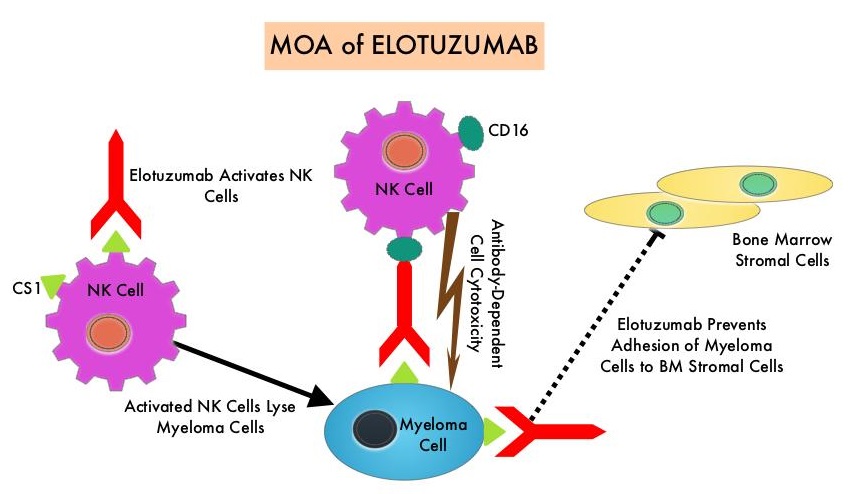
EMPLICITI® is a immunostimulatory monoclonal antibody that binds to the Signal Lymphocyte Activation Molecule – SLAMF7 protein (CS1, CD319), which is highly expressed on Myeloma cells and also expressed on Natural Killer (NK) lymphocytes in the immune system. By virtue of its dual mechanism of action, it targets and destroys Myeloma cells and also enhances the activation of Natural Killer cells. The FDA in November 2015, approved EMPLICITI® for use in combination with REVLIMID® and Dexamethasone for the treatment of patients with Multiple Myeloma who received one to three prior therapies, based on the ELOQUENT-2 trial.

ELOQUENT-3 is a multicenter, randomized, open label, phase II trial in which 117 patients with Relapsed/Refractory Multiple Myeloma were randomly assigned, in a 1:1 ratio, to receive EMPLICITI® plus POMALYST® and Dexamethasone (N=60) – EMPLICITI® group or POMALYST® and Dexamethasone (N= 57) – control group. Treatment was administered in 28-day cycles. Patients in the EMPLICITI® group received EMPLICITI® 10 mg/kg IV days 1, 8, 15, and 22 during cycles 1 and 2 and 20 mg/kg on day 1 of each cycle thereafter. POMALYST® was given at 4 mg orally on days 1 thru 21 of each cycle along with Dexamethasone 40 mg weekly for patients 75 years of age or less or 20 mg for those more than 75 years of age. Treatment was continued until disease progression or unacceptable toxicity. Eligible patients had received 2 or more prior lines of therapy and prophylaxis against thromboembolism was required for all patients. The median age of patients was 67 years. Prior treatments included VELCADE®- Bortezomib (100%), REVLIMID® (99%), KYPROLIS® – Carfilzomib (21%), NINLARO® – Ixazomib (6%), and DARZALEX® – Daratumumab (3%). Close to 55% of patients had undergone Stem Cell transplantation and most patients were refractory to REVLIMID® (87%), a Proteosome Inhibitor (80%), or both (70%). The Primary end point was Progression Free Survival (PFS). The Secondary endpoints included Overall Response Rate (ORR), Complete Response (CR), Stringent Complete Response, Very Good Partial Response and Partial Response Rates.

After a minimum follow up period of 9.1 months, the median PFS was 10.3 months in the EMPLICITI® group and 4.7 months in the control group (HR=0.54; P=0.008), which suggested a 46% reduction in the risk of disease progression. The PFS of EMPLICITI® was consistently observed across all predefined patient subgroups. The Overall Response Rate was 53% in the EMPLICITI® group as compared with 26% in the control group, suggesting a doubling in the Response Rates in the EMPLICITI® group (P=0.0029) with Very Good Partial Responses or better seen in 20% of those in the EMPLICITI® group. The Overall Survival data were immature at the time of the analysis. However, a trend favoring the EMPLICITI® group was observed (HR for death=0.62).

The incidence of serious adverse events was 53% in the EMPLICITI® group and 55% in the control group and the most common treatment-related adverse events in the EMPLICITI® and control groups were neutropenia (18% versus 20%), hyperglycemia (18% versus 11%) and anemia (10% versus 15%), respectively. Adverse events that led to discontinuation of treatment occurred in 18% of the patients in the EMPLICITI® group and in 24% of the patients in the control group.

It was concluded that among patients with Multiple Myeloma who had progressed on REVLIMID® and a Proteosome Inhibitor, EMPLICITI® combined with POMALYST® and Dexamethasone significantly decreased the risk of progression or death and also doubled the Response Rate, compared to POMALYST® plus Dexamethasone alone. Elotuzumab plus Pomalidomide and Dexamethasone for Multiple Myeloma. Dimopoulos MA, Dytfeld D, Grosicki S, et al. N Engl J Med 2018;379:1811-1822
ASCO Endorses Complementary Therapy Guidelines for Breast Cancer Patients

SUMMARY: The American Society for Clinical Oncology (ASCO) after careful review, endorsed the Society for Integrative Oncology (SIO) guideline on the use of integrative therapies during and after breast cancer treatment. Integrative medicine is defined as a patient-centered, evidence-informed field of care that uses mind and body practices, natural products, and/or lifestyle modifications to improve health, quality of life, and clinical outcomes. The ASCO Expert Panel determined that the recommendations in the SIO guideline published in 2017 are clear, thorough, and based on the most relevant scientific evidence. The panel emphasized that these therapies are complementary and should be used along with conventional anticancer treatment, thereby taking a more comprehensive treatment approach across the cancer care continuum, to manage symptoms and adverse effects of breast cancer treatment. This ASCO guideline excluded lifestyle changes such as diet and exercise, mainstream interventions such as support groups, and practices like attention-restoration therapy, that are still being evaluated. Practices such as prayer and spirituality were not considered specifically integrative oncology therapy.

Guideline Question

What are evidence-based approaches to the use of integrative therapies in the management of symptoms and adverse effects during and after breast cancer treatment?

Target Population

Patients undergoing treatment of breast cancer and survivors of breast cancer

Target Audience

Oncologists, integrative medicine providers, supportive care specialists, nurses, pharmacists, primary care providers, and patients with breast cancer

Recommendation-Grading-System

Key Recommendations

Acute Radiation Skin Reaction

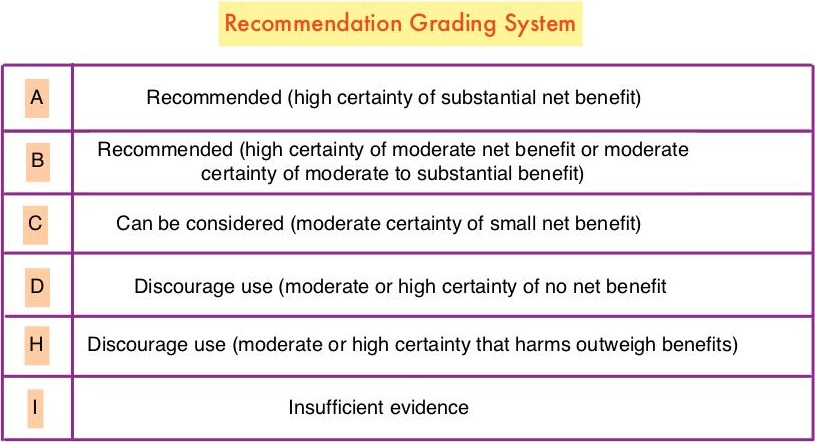
Aloe vera and hyaluronic acid cream should not be recommended for improving acute radiation skin reaction. (Grade D)

Anxiety and Stress Reduction

Meditation is recommended for reducing anxiety. (Grade A)

Music therapy is recommended for reducing anxiety. (Grade B)

Stress management is recommended for reducing anxiety during treatment, but longer group programs are likely better than self-administered home programs or shorter programs. (Grade B)

Yoga is recommended for reducing anxiety. (Grade B)

Acupuncture, massage, and relaxation can be considered for reducing anxiety. (Grade C)

Chemotherapy-Induced Nausea and Vomiting

Acupressure can be considered as an addition to antiemetic drugs to control nausea and vomiting during chemotherapy. (Grade B)

Electroacupuncture can be considered as an addition to antiemetic drugs to control vomiting during chemotherapy. (Grade B)

Ginger and relaxation can be considered as additions to antiemetic drugs to control nausea and vomiting during chemotherapy. (Grade C)

Glutamine should not be recommended for improving nausea and vomiting during chemotherapy. (Grade D)

Depression and Mood Disturbance

Meditation, particularly mindfulness-based stress reduction, is recommended for treating mood disturbance and depressive symptoms. (Grade A)

Relaxation is recommended for improving mood disturbance and depressive symptoms. (Grade A)

Yoga is recommended for improving mood disturbance and depressive symptoms. (Grade B)

Massage is recommended for improving mood disturbance. (Grade B)

Music therapy is recommended for improving mood disturbance. (Grade B)

Acupuncture, healing touch, and stress management can be considered for improving mood disturbance and depressive symptoms. (Grade C)

Fatigue

Hypnosis and ginseng can be considered for improving fatigue during treatment. (Grade C)

Acupuncture and yoga can be considered for improving post-treatment fatigue. (Grade C)

Acetyl-l-carnitine and guarana should not be recommended for improving fatigue during treatment. (Grade D)

Lymphedema

Low-level laser therapy, manual lymphatic drainage, and compression bandaging can be considered for improving lymphedema. (Grade C)

Neuropathy

Acetyl-l-carnitine is not recommended for the prevention of chemotherapy-induced peripheral neuropathy in patients with breast cancer due to potential harm. (Grade H)

Pain

Acupuncture, healing touch, hypnosis, and music therapy can be considered for the management of pain. (Grade C)

Quality of Life

Meditation is recommended for improving quality of life. (Grade A)

Yoga is recommended for improving quality of life. (Grade B)

Acupuncture, mistletoe, qigong, reflexology, and stress management can be considered for improving quality of life. (Grade C)

Sleep Disturbance

Gentle yoga can be considered for improving sleep. (Grade C)

Vasomotor/Hot Flashes

Acupuncture can be considered for improving hot flashes. (Grade C)

Soy is not recommended for hot flashes in patients with breast cancer due to lack of effect. (Grade D)

Integrative Therapies During and After Breast Cancer Treatment: ASCO Endorsement of the SIO Clinical Practice Guideline. Lyman GH, Greenlee H, Bohlke K, et al. J Clin Oncol. 2018;36:2647-2655

Circulating Tumor DNA (Liquid Biopsy) Can Predict Outcomes in Diffuse Large B-Cell Lymphoma

SUMMARY: The American Cancer Society estimates that in 2018, about 74,680 people will be diagnosed with Non Hodgkin Lymphoma (NHL) in the United States and about 19,910 individuals will die of this disease. Diffuse Large B-Cell Lymphoma (DLBCL) is the most common of the aggressive Non-Hodgkin lymphoma’s in the United States, and the incidence has steadily increased 3-4% each year. More than half of patients are 65 or older at the time of diagnosis and the incidence is likely to increase with the aging of the American population. The etiology of Diffuse Large B-Cell Lymphoma is unknown. Contributing risk factors include immunosuppression (AIDS, transplantation setting, autoimmune diseases), UltraViolet radiation, pesticides, hair dyes, and diet. DLBCL is a neoplasm of large B cells and the most common chromosome abnormality involves alterations of the BCL-6 gene at the 3q27 locus, which is critical for germinal center formation. Two major molecular subtypes of DLBCL arising from different genetic mechanisms have been identified, using gene expression profiling: Germinal Center B-cell-like (GCB) and Activated B-Cell-like (ABC). Patients in the GCB subgroup have a higher five year survival rate, independent of clinical IPI (International Prognostic Index) risk score, whereas patients in the ABC subgroup have a significantly worse outcome. Regardless, R-CHOP regimen (RITUXAN®-Rituximab, Cyclophosphamide, Doxorubicin, Vincristine, and Prednisone), given every 21 days, for 6 cycles, delivered with curative intent, is the current standard of care for patients of all ages, with newly diagnosed DLBCL, regardless of molecular subtype.

Approximately 30-40% of patients experience disease progression or relapse, during the first 2 years and it is important to be able to predict which patients will need more aggressive intervention earlier. Circulating tumor DNA (ctDNA) is being increasingly used as a biomarker across various tumor types and the researchers have previously shown that ctDNA levels can predict tumor recurrence weeks or months before clinical symptoms arise, in patients with lung cancer.

The use of International Prognostic Index (IPI) and interim Positron Emission Tomography (PET) to select patients for intensified therapy, has failed to improve Overall Survival in patients with DLBCL. Several recent studies have suggested that for patients with DLBCL, the addition of pretreatment tumor genomic information to the established clinical prognostic tools such as the International Prognostic Index (IPI) score and interim positron emission tomography (PET) may greatly improve risk stratification. However, the association between the use of this risk stratification to select patients for more aggressive therapy and improvement in outcomes has remained unclear.

The authors in this study evaluated whether dynamic and serial measurements of circulating tumor DNA (ctDNA) from plasma of DLBCL patients had additional prognostic value for predicting patient outcomes, before and during therapy of Diffuse Large B-Cell Lymphoma, as the existing methods are unable to consistently predict treatment failure, given the heterogeneity of DLBCL.

The researchers measured ctDNA from 217 patients with DLBCL or Primary Mediastinal B-cell Lymphoma at six centers in the US and Europe using CAPP-Seq (Cancer Personalized Profiling by deep sequencing ) methodology and compared levels of ctDNA before treatment with levels after the first and second cycles of conventional chemotherapy for each patient. CAPP-Seq is a form of targeted deep next-generation sequencing invented by these authors. They applied deep sequencing of genes for mutational genotyping and tracking of mutations before and during therapy for predicting Event Free Survival (EFS) at 24 months as well as Overall Survival (OS). Using this method, 99% of patients had at least one tumor-specific alteration detected for monitoring, and 98% had ctDNA prior to therapy. Further, the researchers also assessed the prognostic value of ctDNA in the context of established risk factors, including the International Prognostic Index and interim Positron Emission Tomography/Computed Tomography scans.

It was noted that Pretreatment ctDNA levels were prognostic in both the frontline and the relapsed setting. A two-log (i.e., 100-fold) decrease in ctDNA between pretreatment samples and end of cycle 1 of therapy (Early Molecular Response-EMR) or a 2.5-log drop in ctDNA between pretreatment samples and end of cycle 3 of therapy (Major Molecular Response-MMR) was associated with a substantially higher likelihood of cure, independent of the IPI score, in the multivariate analysis. Early Molecular Response and Major Molecular Response were concordant in 92% of patients in whom both were evaluable.

The 24-month Event Free Survival among patients receiving frontline therapy who experienced an Early Molecular Response was 83% vs. 50% (P=0.0015) and for those who experienced a Major Molecular Response was 82% vs. 46% (P<0.001). Early Molecular Response also predicted superior 24-month EFS among patients receiving salvage therapy (100% vs. 13%; P =0.011).

The molecular responses as defined by the drop in ctDNA levels, when correlated with established risk factors such as IPI and interim PET/CT scans, remained prognostic for EFS and OS in patients with low or high IPI, as well as in the context of interim PET/CT. It was noted that patients with favorable results for both molecular response and interim PET had excellent outcomes, whereas those with a combination of a positive interim PET scan and no molecular response were at extremely high risk for treatment failure.

It was concluded that pretreatment ctDNA levels and molecular responses are independently prognostic of outcomes in DLBCL. ctDNA could be used as a risk stratification tool and those who do not have a rapid drop in the ctDNA levels ( within 21 days after the initiation of treatment) may be candidates for more aggressive or novel therapies. More importantly standardization of the available assays for molecular monitoring in DLBCL will be necessary. Circulating Tumor DNA Measurements As Early Outcome Predictors in Diffuse Large B-Cell Lymphoma. Kurtz DM, Scherer F, Jin MC, et al. J Clin Oncol. 2018 Oct 1;36(28):2845-2853. doi: 10.1200/JCO.2018.78.5246. Epub 2018 Aug 20.

BRAF V600E Mutation is a Very Poor Prognostic Factor in Metastatic Colorectal Carcinoma

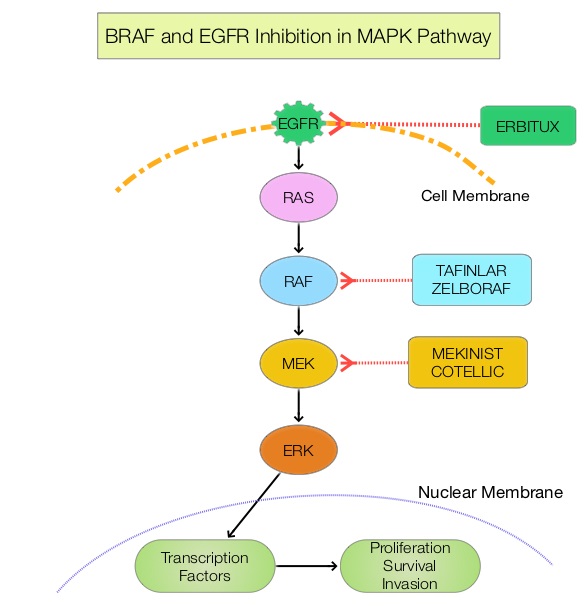
SUMMARY: ColoRectal Cancer (CRC) is the third most common cancer diagnosed in both men and women in the United States. The American Cancer Society estimates that approximately 140,250 new cases of CRC will be diagnosed in the United States in 2018 and about 50,630 patients are expected to die of the disease. The lifetime risk of developing CRC is about 1 in 21 (4.7%). Advanced colon cancer is often incurable and standard chemotherapy when combined with anti EGFR (Epidermal Growth Factor Receptor) targeted monoclonal antibodies such as VECTIBIX® (Panitumumab) and ERBITUX® (Cetuximab) as well as anti VEGF agent AVASTIN® (Bevacizumab), have demonstrated improvement in Progression Free Survival (PFS) and Overall Survival (OS). The benefit with anti EGFR agents however is only demonstrable in patients with metastatic CRC, whose tumors do not harbor KRAS mutations in codons 12 and 13 of exon 2 (KRAS Wild Type). It is now also clear that even among the KRAS Wild Type patients, about 15-20% have other rare mutations such as NRAS and BRAF mutations, which confer resistance to anti EGFR agents. Patients with stage IV colorectal cancer are now routinely analyzed for extended RAS and BRAF mutations. KRAS mutations are predictive of resistance to Epidermal Growth Factor Receptor (EGFR) targeted therapy. Approximately 5-10% of all metastatic CRC tumors present with BRAF V600E mutations and BRAF V600E is recognized as a marker of poor prognosis in this patient group. These patients tend to have aggressive disease with a higher rate of peritoneal metastasis and do not respond well to standard treatment intervention. Approximately 25% of the BRAF-mutated population in the metastatic setting has MSI-High tumors, but MSI-High status does not confer protection to this patient group.BRAF-and-EGFR-Inhibition-in-MAPK-Pathway

The Mitogen-Activated Protein Kinase pathway (MAPK pathway) is an important signaling pathway which enables the cell to respond to external stimuli. This pathway plays a dual role, regulating cytokine production and participating in cytokine dependent signaling cascade. The MAPK pathway of interest is the RAS-RAF-MEK-ERK pathway. The RAF family of kinases includes ARAF, BRAF and CRAF signaling molecules. BRAF is a very important intermediary of the RAS-RAF-MEK-ERK pathway. The BRAF V600E mutations results in constitutive activation of the MAP kinase pathway. Inhibiting BRAF can transiently reduce MAP kinase signaling. However, this can result in feedback upregulation of EGFR signaling pathway, which can then reactivate the MAP kinase pathway. This aberrant signaling can be blocked by dual inhibition of both BRAF and EGFR.

ZELBORAF® (Vemurafenib), is a selective oral inhibitor of mutated BRAF whereas ERBITUX® is a monoclonal antibody targeting Epidermal Growth Factor Receptor (EGFR). In a phase II SWOG trial (SWOG 1406), the addition of ZELBORAF® to the combination of CAMPTOSAR® (Irinotecan) and ERBITUX® resulted in a 58% reduction in the risk of disease progression and a higher Disease Control Rate, suggesting that simultaneous EGFR and BRAF inhibition (Dual Inhibition) is effective in BRAF V600 mutated ColoRectal Cancer.

Unlike primary colorectal cancer, the association of BRAF V600E and non-V600E mutations with survival and tumor recurrence after resection of ColoRectal Liver Metastases (CRLM), has remained unclear. This present study was conducted to investigate the prognostic association of BRAF mutations with survival and recurrence independently, and to understand how BRAF mutations compared with other prognostic determinants, such as KRAS mutations. This cohort study enrolled 853 patients with colorectal tumors and liver metastases, of whom 849 patients were evaluable and included in the study analyses. All patients underwent resection of their ColoRectal Liver Metastases with a curative intent from January 1, 2000, through December 31, 2016, at institutions participating in the International Genetic Consortium for Colorectal Liver Metastasis and had available data on BRAF and KRAS mutational status. The median age was 60 years, and 60% were male. The main outcomes and measures were the association of BRAF V600E and non-V600E mutations with Disease Free Survival (DFS) and Overall Survival (OS).

Forty three patients (5.1%) had a mutated BRAF (V600E and non-V600E) /wild-type KRAS genotype, 480 patients (56.5%) had wild-type BRAF/wild-type KRAS genotype; and 326 patients (38.4%) had a wild-type BRAF/mutated KRAS genotype. Compared with the wild-type BRAF/wild-type KRAS genotype group, patients with a mutated BRAF/wild-type KRAS genotype more frequently were female (62.8% vs 35.2%) and 65 years or older (51.2% vs 36.9%), had right-sided primary tumors (62.8% vs 17.4%), and presented with a metachronous liver metastasis (64.3% vs 46.8%). The median follow up was 28.3 months.

On multivariable analysis, the presence of BRAF V600E but not non-V600E mutation was associated with significantly poor Overall Survival (HR=2.76; P<0.001) and Disease Free Survival (HR=2.04; P=0.002). Compared with KRAS mutation, the BRAF V600E mutation had a stronger association with OS and DFS than the KRAS mutations.

It was concluded that the presence of BRAF V600E mutation was associated with worse prognosis and increased risk of recurrence, and BRAF V600E mutation was not only a stronger prognostic factor than KRAS but also was the strongest prognostic determinant in the overall cohort. It remains to be seen if BRAF V600E mutated metastatic colorectal tumors would have better outcomes with targeted triplet combination therapies such as ZELBORAF® CAMPTOSAR® and ERBITUX® or TAFINLAR® (Dabrafenib-BRAF inhibitor), MEKINIST® (Trametinib-MEK inhibitor) and VECTIBIX®. Association of BRAF Mutations With Survival and Recurrence in Surgically Treated Patients With Metastatic Colorectal Liver Cancer. Margonis, GA, Buettner, S, Andreatos, N, et al. JAMA Surg. 2018;153(7):e180996. doi:10.1001/jamasurg.2018.0996

IMFINZI® after Chemoradiotherapy Significantly Improves Overall Survival in Stage III NSCLC

IMFINZI® (Durvalumab) is a selective, high-affinity, human IgG1 monoclonal antibody, that blocks the binding of Programmed Death Ligand 1 (PD-L1) to Programmed Death 1 (PD-1) receptor and CD80, thereby unleashing the T cells to recognize and kill tumor cells. Patients with stage III Non Small Cell Lung Cancer (NSCLC) are often treated with platinum-based doublet chemotherapy with concurrent radiation and have a median Progression Free Survival (PFS) of approximately 8 months and 5 year survival of only 15%. PACIFIC trial is a randomized, double-blind, international, phase III study in which IMFINZI® as consolidation therapy was compared with placebo, in patients with stage III, locally advanced, unresectable NSCLC, that had not progressed following platinum-based chemoradiotherapy.
At a median follow up of 25.2 months, the 24-month Overall Survival rate was 66.3% in the IMFINZI® group and 55.6% in the placebo group, suggesting a significantly prolonged Overall Survival with IMFINZI® when compared with placebo and a 32% reduction in the risk of death (HR for death=0.68; P=0.0025). The Overall Survival benefit with IMFINZI®, was observed across all the prespecified subgroups.
PACIFIC trial is the first study to demonstrate a survival advantage for unresectable Stage III NSCLC, supporting this regimen as the standard of care.

Survival Benefit Significantly More in North America with Frontline ADCETRIS® Chemotherapy Combination in Advanced Classical Hodgkin Lymphoma

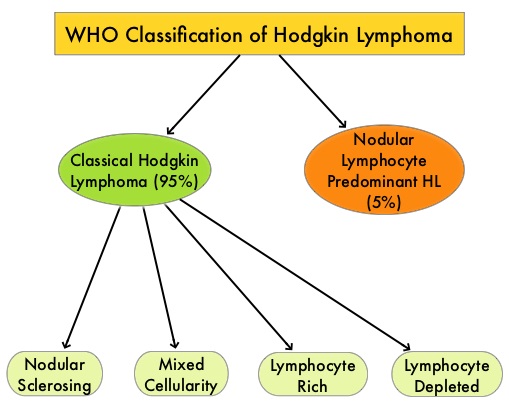
SUMMARY: The American Cancer Society estimates that in the United States for 2018, about 8,500 new cases of Hodgkin Lymphoma will be diagnosed and about 1,050 patients will die of the disease. Hodgkin Lymphoma is classified into two main groups – Classical Hodgkin Lymphomas and Nodular Lymphocyte Predominant type, by the World Health Organization. The Classical Hodgkin Lymphomas include Nodular sclerosing, Mixed cellularity, Lymphocyte rich, Lymphocyte depleted subtypes and accounts for approximately 10% of all malignant lymphomas. Nodular sclerosis Hodgkin Lymphoma histology, accounts for approximately 80% of Hodgkin lymphoma cases in older children and adolescents in the United States. Classical Hodgkin Lymphoma is a malignancy of primarily B lymphocytes and is characterized by the presence of large mononucleated Hodgkin (H) and giant multinucleated Reed-Sternberg (RS) cells, collectively known as Hodgkin and Reed-Sternberg cells (HRS).WHO-Classification-of-Hodgkin-Lymphoma

For patients with Hodgkin Lymphoma, the goal of first-line chemotherapy is cure. A positive PET scan following first-line chemotherapy is indicative of incomplete response with residual disease and warrants subsequent chemotherapy or radiation. Advanced stage (Stage III-IV) Classical Hodgkin Lymphoma has a cure rate of approximately 70-80% when treated in the first-line setting with a combination of Doxorubicin, Bleomycin, Vinblastine, and Dacarbazine (ABVD). This regimen which was developed more than 40 years ago is less expensive, easy to administer, is generally well tolerated and is often used in first line setting. Nonetheless, this regimen which contains Bleomycin can cause pulmonary toxicity, the incidence of which is higher in older patients and in those who receive consolidation radiotherapy to the thorax.

ADCETRIS® (Brentuximab vedotin) is an Antibody-Drug Conjugate (ADC) that targets CD30, which is a surface antigen, expressed on Reed-Sternberg cells, in patients with Classical Hodgkin Lymphoma. This ADC consists of an anti-CD30 monoclonal antibody linked to MonoMethyl Auristatin E (MMAE), an antimicrotubule agent. Upon binding to the CD30 molecule on the cancer cells, MMAE is released into the cancer cell, resulting in cell death. ADCETRIS® is presently approved by the FDA for previously untreated Stage III or IV Classical Hodgkin Lymphoma (cHL), in combination with chemotherapy, for treatment of Classical Hodgkin lymphoma at high risk of relapse or progression, as post-autologous Hematopoietic Stem Cell Transplantation (auto-HSCT) consolidation, and for treatment of Classical Hodgkin Lymphoma after failure of auto-HSCT or after failure of at least two prior multi-agent chemotherapy regimens, in patients who are not auto-HSCT candidates.

ECHELON-1 study, which is an international, open-label, randomized, multicenter, phase III trial, compared A+AVD with ABVD, as frontline therapy in patients with Stage III or IV Classical Hodgkin Lymphoma. This study included 1334 previously untreated patients with Stage III or IV Classical Hodgkin Lymphoma, who were randomly assigned in a 1:1 ratio to receive A+AVD (N=664), which consisted of ADCETRIS® 1.2 mg/kg , Doxorubicin 25 mg/m2, Vinblastine 6 mg/m2 and Dacarbazine 375 mg/m2 or ABVD (N=670), which consisted of Doxorubicin 25 mg/m2, Bleomycin 10 units/m2, Vinblastine 6 mg/m2 and Dacarbazine 375 mg/m2, given intravenously on days 1 and 15 of each 28-day cycle, for up to 6 cycles. The Primary end point was “modified” Progression Free Survival (mPFS), defined as progression, death, or the receipt of additional treatment, for patients not achieving CR at the completion of frontline therapy. It was previously reported that at a median follow up of 24.6 months, the 2 year modified PFS in the A+AVD and ABVD groups were 82.1% and 77.2% respectively (HR=0.77; P=0.04), suggesting an approximately 5% benefit with A+AVD.

The North American subgroup analysis of the ECHELON-1 study was conducted because of potential regional differences in the outcomes in the primary study and mPFS benefit was not equally distributed globally. The authors in this prespecified analysis examined the efficacy and safety of A+AVD vs ABVD in North America, as these patients accounted for approximately 40% of the over 1300 patients included in the ECHELON-1 study. This population group included 497 North American patients with advanced Classical Hodgkin Lymphoma, randomized 1:1 to receive up to six cycles of A+AVD or ABVD.

This subgroup analysis revealed an absolute difference of 10.6% in the mPFS per IRF-Independent Review Facility (A+AVD and ABVD groups were 84.3% and 73.7% respectively, HR=0.60; P=0.012) and an 11.7% difference in PFS per investigator review (A+AVD and ABVD groups were 88.1% and 76.4% respectively, HR=0.50; P=0.002), at 2 years. This analysis suggested that a larger proportion of patients in North America benefitted with the A+AVD regimen (10%-12% in North America as opposed to 5% globally). It is postulated that there may be biologic differences in the disease, regional differences in drug metabolism and differences in practice patterns, between countries. Toxicity profile was similar globally. There was a higher incidence of neutropenia in the A+AVD group and G-CSF prophylaxis should be a part of the regimen when A+AVD is used, in contrast to ABVD. Use of G-CSF primary prophylaxis was associated with a lower rate of ADCETRIS® dose delays and dose reductions compared to those without. There was a higher incidence of peripheral neuropathy in the A+AVD group as well, with majority of these events being grade 1 and 2, and this improved or resolved over time. Pulmonary toxicity was lower in patients receiving A+AVD compared to those receiving ABVD.

It was concluded that for patients treated in North America on the ECHELON-1 trial, the absolute difference between A+AVD and ABVD at 2 years for mPFS by IRF was 10.6% and for PFS per Investigator review was 11.7% (10%-12% benefit in North America as opposed to 5% globally). A prospective clinical trial is planned in advanced stage Hodgkin Lymphoma patients treated with A+AVD, to confirm these safety and efficacy findings, in the North American community setting. Brentuximab vedotin (BV) plus chemotherapy in patients with newly diagnosed advanced stage Hodgkin lymphoma (HL): North American results. Ramchandren R, Advani RH, Ansell SM, et al. J Clin Oncol.2018;36(suppl; abstr 7541). doi: 10.1200/JCO.2018.36.15.

IMFINZI® after Chemoradiotherapy Significantly Improves Overall Survival in Stage III NSCLC

SUMMARY: Lung cancer is the second most common cancer in both men and women and accounts for about 14% of all new cancers and 27% of all cancer deaths. The American Cancer Society estimates that for 2018 about 234,030 new cases of lung cancer will be diagnosed and over 154,050 patients will die of the disease. Lung cancer is the leading cause of cancer-related mortality in the United States. Non Small Cell Lung Cancer (NSCLC) accounts for approximately 85% of all lung cancers. Of the three main subtypes of Non Small Cell Lung Cancer (NSCLC), approximately 30% are Squamous Cell Carcinomas (SCC), 40% are Adenocarcinomas, and 10% are Large cell carcinomas.

Approximately one third of all patients with NSCLC have stage III, locally advanced disease at the time of initial presentation. Worldwide, about 500,000 patients are diagnosed with unresectable, stage III NSCLC, each year. These patients include those with locally advanced primary tumors with tumor invading the vital mediastinal organs, as well as those with involvement of locoregional mediastinal lymph nodes. These patients are often treated with platinum-based doublet chemotherapy with concurrent radiation and have a median Progression Free Survival (PFS) of approximately 8 months and 5 year survival of only 15%. There is hence a significant unmet need for this patient group, with no major treatment advances thus far.

Preclinical evidence had suggested that chemotherapy and radiotherapy may upregulate PD-L1 expression in tumor cells. IMFINZI® (Durvalumab) is a selective, high-affinity, human IgG1 monoclonal antibody, that blocks the binding of Programmed Death Ligand 1 (PD-L1) to Programmed Death 1 (PD-1) receptor and CD80, thereby unleashing the T cells to recognize and kill tumor cells. IMFINZI® showed encouraging antitumor activity in an early phase clinical study involving multiple advanced solid tumors, including stage IIIB or IV NSCLC.

PACIFIC trial is a randomized, double-blind, international, phase III study in which IMFINZI® as consolidation therapy was compared with placebo, in patients with stage III, locally advanced, unresectable NSCLC, that had not progressed following platinum-based chemoradiotherapy. Eligible patients received two or more cycles of platinum-based doublet chemotherapy concurrently with definitive radiation therapy (54-66 Gy). Following completion of concurrent chemoradiation treatment, 713 patients were randomized, of whom 709 patients in a 2:1 ratio received consolidation treatment, within 6 weeks after completion of chemoradiation, with IMFINZI® 10 mg/kg every 2 weeks (N=473) or placebo (N=236), for up to 12 months. The median age was 64 years, and the majority of patients were men (70%) and 46% had a squamous histology. The co-Primary end points were Progression Free Survival (PFS) and Overall Survival (OS). Secondary end points included 12-month and 18-month PFS rates, Objective Response Rate (ORR), Duration of Response, time to death or distant metastasis, and safety.

The authors had previously reported the results of the first preplanned interim analysis, after a median follow up of 14.5 months. The median PFS from randomization to consolidation treatment was 16.8 months with IMFINZI® versus 5.6 months with placebo (HR=0.52; P<0.001). This meant a 11.2-month improvement in PFS with IMFINZI® versus placebo, and a 48% decrease in the probability of disease progression with IMFINZI®. This improvement was consistent across all patient subgroups that were analyzed.

The authors in this publication report the results for the second Primary end point of Overall Survival. At a median follow up of 25.2 months, the 24-month Overall Survival rate was 66.3% in the IMFINZI® group and 55.6% in the placebo group, suggesting a significantly prolonged Overall Survival with IMFINZI® when compared with placebo and a 32% reduction in the risk of death (HR for death=0.68; P=0.0025). The Overall Survival benefit with IMFINZI®, was observed across all the prespecified subgroups. In this updated analysis, the PFS was similar to those previously reported, with a median duration of 17.2 months in the IMFINZI® group and 5.6 months in the placebo group (HR=0.51). The median time to death or distant metastasis was 28.3 months in the IMFINZI® group and 16.2 months in the placebo group (HR=0.53). Approximately 30% of the patients in the IMFINZI® group and 26% of those in the placebo group had grade 3 or 4 adverse events of any cause, and 15% and 10% of the patients respectively, discontinued the trial regimen because of adverse events.

The authors concluded that in this updated analysis of the PACIFIC trial, the Primary end point of Overall Survival was significantly longer with IMFINZI® than with placebo, among patients with unresectable stage III NSCLC, in all the prespecified subgroups. The updated results for Secondary end points, including the time to death or distant metastasis, the incidence of new lesions, and the Objective Response Rate, were similar to those that were previously reported. The authors commented that PACIFIC trial is the first study to demonstrate a survival advantage for unresectable Stage III NSCLC, supporting this regimen as the standard of care. Overall Survival with Durvalumab after Chemoradiotherapy in Stage III NSCLC. Antonia SJ, Villegas A, Daniel D, et al. [published online ahead of print September 25, 2018]. N Eng J Med. doi: 10.1056/NEJMoa1809697.

First line treatment with KEYTRUDA® and INLYTA® Combination Significantly Improves Survival in advanced Renal Cell Carcinoma

SUMMARY: The American Cancer Society estimates that 63,340 new cases of kidney cancer will be diagnosed in the United States in 2018 and about 14,970 people will die from the disease. Renal Cell Carcinoma (RCC) is by far the most common type of kidney cancer and is about twice as common in men as in women. Modifiable risk factors include smoking, obesity, workplace exposure to certain substances and high blood pressure. The five year survival of patients with advanced RCC is less than 10% and there is significant unmet need for improved therapies for this disease. SUTENT® (Sunitinib) is a MultiKinase Inhibitor (MKI) which simultaneously targets the tumor cell wall, vascular endothelial cell wall as well as the pericyte/fibroblast/vascular/ smooth vessel cell wall and is capable of specifically binding to tyrosine kinases, inhibiting the earlier signaling events and thereby inhibits phosphorylation of VEGF receptor, PDGF receptor, FLT-3 and c-KIT. SUTENT® is the standard first-line intervention for treatment naïve patients with advanced RCC. In a large, multi-center, randomized, phase III study, the median Progression Free Survival (PFS) with SUTENT® was 9.5 months, the Objective Response Rate (ORR) was 25%, and the median Overall Survival was 29.3 months, when compared with Interferon Alfa, in patients with treatment-naïve Renal Cell Carcinoma. This was however associated with a high rate of hematological toxicities.

KEYTRUDA® (Pembrolizumab) is a fully humanized, Immunoglobulin G4, anti-PD-1, monoclonal antibody, that binds to the PD-1 receptor and blocks its interaction with ligands PD-L1 and PD-L2. It thereby reverses the PD-1 pathway-mediated inhibition of the immune response and unleashes the tumor-specific effector T cells. INLYTA® (Axitinib) is a kinase inhibitor and inhibits Receptor Tyrosine Kinases including Vascular Endothelial Growth Factor Receptors (VEGFR)-1, VEGFR-2, and VEGFR-3 at therapeutic plasma concentrations. These receptors have been implicated in pathologic angiogenesis, tumor growth, and cancer progression. Previously published data from a Phase I clinical trial showed that antitumor activity with a combination of KEYTRUDA® and INLYTA® was superior to monotherapy with either PD-1/PD-L1 inhibitor or INLYTA®, in treatment-naïve patients with advanced RCC. Further unlike excess toxicities associated with a combination of VEGF and PD-1 checkpoint inhibitors, a combination of INLYTA® and PD-1 inhibitor was associated with fewer liver function test abnormalities and less fatigue. The excess toxicities have been attributed to off-target effects of multitargeted Tyrosine Kinase Inhibitors.

KEYNOTE-426 is a pivotal, open label, randomized, double-arm, Phase III trial in which the safety and efficacy of KEYTRUDA® in combination with INLYTA® as first-line treatment for advanced or metastatic, clear cell RCC, was compared to SUTENT®. In this study, 861 patients treatment naïve patients who had prior nephrectomy were randomly assigned to receive KEYTRUDA 200 mg IV every three weeks along with INLYTA® 5 mg orally twice daily for up to 24 months, or SUTENT® 50 mg orally once daily for four weeks followed by no treatment for two weeks, given continuously. The dual Primary endpoints were Overall Survival (OS) and Progression Free Survival (PFS). The Secondary endpoints included Objective Response Rate (ORR), Disease Control Rate (DCR), and Duration of Response (DOR). PFS and OS were assessed at 12, 18 and 24 months.

Merck, the manufacturer of KEYTRUDA® in a press release on October 18, 2018 announced that based on the first interim analysis by the independent Data Monitoring Committee (DMC), the study had met the coprimary endpoints and the combination of KEYTRUDA® and INLYTA® resulted in statistically significant and clinically meaningful improvements in Overall Survival and Progression Free Survival, compared to SUTENT® monotherapy. The study also met the key Secondary endpoint of Objective Response Rate, with significant improvements for the KEYTRUDA® and INLYTA® combination, compared with SUTENT® monotherapy. Results for OS, PFS and ORR were consistent regardless of PD-L1 expression and across all risk groups. It was noted that the safety profile of KEYTRUDA® and INLYTA® in this trial was generally consistent with that observed in previously reported studies for each therapy.

According to the manufacturer, this is the first time that combination treatment with an anti PD-1 inhibitor achieved the dual Primary endpoints of Overall Survival and Progression Free Survival, as first line therapy in advanced RCC. Merck’s KEYTRUDA® (pembrolizumab) in Combination with Pfizer’s Inlyta® (axitinib) Significantly Improved Overall Survival (OS) and Progression-free Survival (PFS) as First-Line Therapy for Advanced or Metastatic Renal Cell Carcinoma. Merck. Published October 18, 2018.

TECENTRIQ® and ABRAXANE® Significantly Prolonged Survival in Advanced Triple Negative Breast Cancer

SUMMARY: Breast cancer is the most common cancer among women in the US and about 1 in 8 women (12%) will develop invasive breast cancer during their lifetime. It is estimated that 266,120 new cases of invasive breast cancer will be diagnosed in 2018 and 40,920 women are expected to die from the disease. Triple Negative Breast Cancer (TNBC) is a heterogeneous, molecularly diverse group of breast cancers and are ER (Estrogen Receptor), PR (Progesterone Receptor) and HER2 (Human Epidermal Growth Factor Receptor-2) negative. TNBC accounts for 15-20% of invasive breast cancers, with a higher incidence noted in young patients. It is usually aggressive, and tumors tend to be high grade and patients with TNBC are at a higher risk of both local and distant recurrence. Those with metastatic disease have one of the worst prognoses of all cancers with a median Overall Survival of 13 months. The majority of patients with TNBC who develop metastatic disease do so within the first 3 years after diagnosis, whereas those without recurrence during this period of time have survival rates similar to those with ER-positive breast cancers. The lack of known recurrent oncogenic drivers in patients with metastatic TNBC, presents a major therapeutic challenge. Nonetheless, patients with TNBC often receive chemotherapy in the neoadjuvant, adjuvant or metastatic settings and approximately 30-40% of patients achieve a pathological Complete Response (pCR) in the neoadjuvant setting. Those who do not achieve a pathological Complete Response tend to have a poor prognosis. It therefore appears that there are subsets of patients with TNBC who may be inherently insensitive to cytotoxic chemotherapy. Three treatment approaches appear to be promising and they include immune therapies, PARP inhibition and inhibition of PI3K pathway.

Previously published studies have shown that tumor-infiltrating lymphocytes were associated with clinical benefit, when treated with chemotherapy and immunotherapy, in patients with TNBC, and improved clinical benefit was observed in patients with immune-enriched molecular subtypes of metastatic TNBC. TECENTRIQ® (Atezolizumab) is an anti PD-L1 monoclonal antibody, designed to directly bind to PD-L1 expressed on tumor cells and tumor-infiltrating immune cells, thereby blocking its interactions with PD-1 and B7.1 receptors, and thus enabling the activation of T cells. Single-agent TECENTRIQ® is presently approved for the treatment of metastatic Urothelial carcinoma and Non Small Cell Lung Cancer (NSCLC). TECENTRIQ® has also been shown to have clinical activity with acceptable safety profile in patients with other solid tumors including Triple Negative Breast Cancer. The premise for combining chemotherapy with immune checkpoint inhibitors is that chemotherapy may enhance release of tumor antigens and antitumor responses to immune checkpoint inhibition. Taxanes in particular may additionally activate toll-like receptor activity and promote dendritic-cell activity. ABRAXANE® (Nanoparticle Albumin-Bound – nab Paclitaxel) was selected as a chemotherapy partner in the present study because at the time that this trial was designed, the glucocorticoid premedication that is required with solvent-based Paclitaxel (TAXOL®), had been hypothesized to affect immunotherapy activity.

IMpassion130 is an international, randomized, double-blind, placebo-controlled phase III trial in which first-line treatment with TECENTRIQ® plus ABRAXANE®, was compared with placebo ABRAXANE®, in patients with locally advanced or metastatic Triple Negative Breast Cancer. Patients with untreated metastatic Triple Negative Breast Cancer (N=902) were randomly assigned in a 1:1 ratio and received TECENTRIQ® 840 mg IV or placebo on days 1 and 15 and ABRAXANE® 100 mg/m2 IV on days 1, 8, and 15 of every 28-day cycle. Treatment was continued until disease progression or unacceptable toxicity. Stratification factors included presence or absence of liver metastases, use or non-use of neoadjuvant or adjuvant taxane treatment, and PD-L1 expression on tumor-infiltrating immune cells as a percentage of tumor area (less than 1% was considered PD-L1 negative versus1% or more considered PD-L1 positive) according to ImmunoHistochemical testing (IHC). Both treatment groups were well balanced. Approximately 40% of the patients were PD-L1 positive. The two Primary end points were Progression Free Survival (PFS) and Overall Survival (OS).

At a median follow up of 12.9 months, the median PFS in the intent-to-treat population was 7.2 months with TECENTRIQ® plus ABRAXANE®, as compared with 5.5 months with placebo plus ABRAXANE® (HR=0.80; P=0.002). This suggested a 20% improvement in PFS with the TECENTRIQ® combination. Among patients with PD-L1–positive tumors, the addition of TECENTRIQ® improved PFS by 38% (HR=0.62; P<0.001) and similar benefit was noted in the OS, with a median OS of 25 months with the TECENTRIQ® combination and 15.5 months with placebo plus ABRAXANE® (HR=0.62). Grade 3 or 4 adverse events were 48.7% in the TECENTRIQ® and ABRAXANE® and 42.2% in the placebo plus ABRAXANE® group.

It was concluded that TECENTRIQ® plus ABRAXANE® significantly prolonged Progression Free Survival among patients with metastatic Triple Negative Breast Cancer in both the intent-to-treat population and the PD-L1 positive subgroup, and could potentially change how we manage patients with Triple Negative Breast Cancer. Atezolizumab and Nab-Paclitaxel in Advanced Triple-Negative Breast Cancer. Schmid P, Adams S, Rugo HS, et al. October 20, 2018. DOI: 10.1056/NEJMoa1809615

Evaluation of Urine May Aid in the Diagnosis of Lambda Light Chain Myeloma

SUMMARY: Multiple Myeloma is a clonal disorder of plasma cells in the bone marrow and the American Cancer Society estimates that in the United States, 30,770 new cases will be diagnosed in 2018 and 12,770 patients are expected to die of the disease. Multiple Myeloma (MM) in 2018 remains an incurable disease. The therapeutic goal therefore is to improve Progression Free Survival (PFS) and Overall Survival (OS). Multiple Myeloma evolves from a precursor stage called Monoclonal Gammopathy of Undetermined Significance (MGUS) to MM. Smoldering Multiple Myeloma (SMM) is an intermediate stage in this process of disease evolution.

Monoclonal gammopathies are often diagnosed by electrophoretic examination of the serum and urine proteins. They include Serum Protein ElectroPhoresis (SPEP), Serum Protein Immunofixation electrophoresis (SIFE), Urine Protein ElectroPhoresis (UPEP), Urine Protein Immunofixation electrophoresis (UIFE), and Bone Marrow evaluation. In addition, quantitative assessment of Serum Free Light Chains has been recommended for diagnosis and monitoring of neoplastic monoclonal gammopathies. Normal-Immunoglobulin

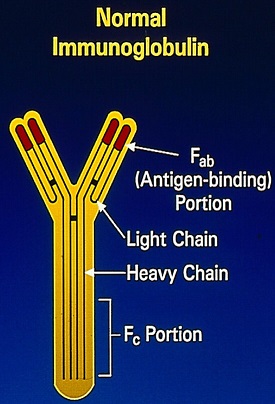
The Y-shaped Immunoglobulins are heterodimeric proteins composed of two heavy (H) and two light (L) chains. The two different types of light chains include Kappa and Lambda, which are distinctive in their amino acid sequence, with normally twice as many Kappa light chains. Malignancy can affect both types of light chains and in Multiple Myeloma. The relevant light chain production can increase, but the increase is more often in the Kappa light chains. Immunoglobulin light chains are produced in excess of the corresponding heavy chains and the excess free light chains can be quantified in serum and can also be detected in the urine, as they, by virtue of their size, are freely filtered through the glomerulus (Bence Jones protein). Excess amounts of free monoclonal light chains in patients with monoclonal gammopathy can produce nephropathy due to precipitation of these proteins in renal tubules.

Serum free Kappa and Lambda light chains are normally present in a ratio of about 0.26 to 1.65 and this ratio is increased in patients with Kappa light chain monoclonal gammopathy and decreased in patients with Lambda chain producing monoclonal gammopathies. Even though alteration in the serum K/L ratio is an important diagnostic criterion for plasma cell neoplasms, there is a high rate of positive results in patients receiving tertiary care, with abnormal K/L ratio noted in 36% of patients and about 90% of these are Kappa light chain dominant.

The serum K/L ratio is however less frequently abnormal and stays normal in patients with Lambda chain lesions even when an abnormal Lambda immunoglobulin is detected in the urine. These variabilities can result in the less-common Lambda chain-associated lesions going undiagnosed. There is a high false negative rate for Lambda dominant K/L ratio in Lambda chain associated monoclonal gammopathy (89% for MGUS, 60% for SMM and 51% for MM). It is estimated that the overall excess false negative K/L ratio rate for Lambda chain lesions, compared to Kappa chain lesions, is approximately 30%. The high false negative rate for the Lambda dominant K/L ratio, in patients with Lambda chain neoplastic monoclonal gammopathies, may be due to under-detection of Lambda light chains, Lambda chains are not produced in as much excess as are Kappa chains resulting in lower rates of Lambda dominant K/L ratio in patient with Lambda light chain neoplastic monoclonal gammopathy, and overproduction of polyclonal Kappa light chains in Lambda chain monoclonal gammopathies, as is usually noted in patients receiving tertiary care.

This study was undertaken by comparing the results of Serum and Urine Protein Electrophoreses with the results of Serum Free Light Chain Assay (SFLCA), to ascertain if the levels of overproduction of the Kappa and Lambda light chain types and their detection rates are different in patients with neoplastic monoclonal gammopathies. The authors performed a retrospective review of SPEP/SIFE, UPEP/UIFE, and SFLCA results from January 2010 through September 2017 from a total of 482 patients. Among these patients, 175 patients had a diagnosis of Neoplastic Monoclonal Gammopathy (MGUS, SMM or MM). , and evaluable results were available to address the questions of this study. Patients with Lymphomas and CLL were excluded.

The authors noted that the serum K/L ratios were appropriately abnormal more often in Kappa light chain disease. In contrast, in those with Lambda light chain disease, the K/L ratios were normal in about 25% of patients but free homogenous Lambda light chains were detectable in urine.

It was concluded that the serum Kappa/Lambda ratio in patients with Lambda light chain disease can be normal in a 25% of patients with Neoplastic Monoclonal Gammopathy and can be missed if not further evaluated with UPEP/UIFE. The authors comment that UPEP/UIFE is under- utilized and the study results question the medical necessity and clinical usefulness of the serum free light chain assay. Serum Free Light Chains in Neoplastic Monoclonal Gammopathies: Relative Under-Detection of Lambda Dominant Kappa/Lambda Ratio, and Underproduction of Free Lambda Light Chains, as Compared to Kappa Light Chains, in Patients With Neoplastic Monoclonal Gammopathies. Lee WS and Singh G. J Clin Med Res. 2018;10:562-569.