Hormonal Contraception Increases Breast Cancer Risk

SUMMARY: Breast cancer is the most common cancer among women in the US and about 1 in 8 women (12%) will develop invasive breast cancer during their lifetime. It is estimated that 252,710 new cases of invasive breast cancer and 63,410 new cases of non-invasive breast cancer will be diagnosed in women in 2017 and 40,610 women are expected to die from the disease. It is estimated that approximately 140 million women worldwide use hormonal contraception and this number accounts for approximately 13% of women between the ages of 15 and 49 years. The use of hormonal contraception has been on the rise.

Estrogen promotes the development of breast cancer. Previous published studies had shown positive associations between the use of oral contraceptives and breast cancer risk, but the results have been inconsistent from no increase in risk to a 20-30% increase in risk. Further, unlike contemporary hormonal contraception, oral contraceptives in the past contained a higher estrogen dose in the combined estrogen/progestin hormonal contraceptives, and the higher dose of estrogen has been implicated in the development of breast cancer. Contemporary products with new progestins and new routes of delivery (intrauterine system, contraceptive patches, vaginal rings, progestin-only implants, and injections) has raised new concerns, with some studies suggesting that the addition of progestin appears to increase the risk of breast cancer among postmenopausal women who receive hormone therapy. There is evidence to suggest that use of hormonal contraception at a young age may confer a higher risk of breast cancer than initiation of use later in life.

This Danish study, using their national registry, reported the risk of invasive breast cancer risk among women of reproductive age, who were using currently available hormonal contraception. This prospective cohort study conducted in Denmark included 1.8 million women between 15-49 years of age, who did not have a diagnosis of cancer or venous thromboembolism, and who had not received treatment for infertility. Individually updated information about the use of hormonal contraception, breast cancer diagnoses, and potential contributing factors, was obtained from nationwide registries.

It was noted that when compared with women who had never used hormonal contraception, the relative risk of breast cancer among all current and recent users of hormonal contraception was 1.20 (20% higher than average). This risk increased from 1.09 (9% higher than average) with less than 1 year of use to 1.38 (38% higher than average) with more than 10 years of hormonal contraception use (P=0.002). After discontinuation of hormonal contraception, the risk of breast cancer continued to be higher among the women who had used hormonal contraceptives for 5 years or more than among women who had not used hormonal contraceptives. Women who currently or recently used the progestin-only intrauterine system also had a higher risk of breast cancer than women who had never used hormonal contraceptives, with a relative risk of 1.21 (21% higher than average). Outcomes in this study however, could not be adjusted for age at menarche, breast feeding, alcohol consumption, physical activity or Body Mass Index.

It was concluded from this large study population that, the risk of breast cancer was higher among women who currently or recently used contemporary hormonal contraceptives than among women who had never used hormonal contraceptives, and this risk increased with longer durations of use. Additionally, these results unequivocally suggest that no hormonal contraceptives are free of risk. Contemporary Hormonal Contraception and the Risk of Breast Cancer. Mørch LS, Skovlund CW, Hannaford PC, et al. N Engl J Med 2017; 377:2228-2239

FDA Approves BOSULIF® for Newly Diagnosed Chronic Myeloid Leukemia

SUMMARY: The FDA on December 19, 2017 granted accelerated approval to BOSULIF® (Bosutinib) for treatment of patients with newly diagnosed Chronic Phase Philadelphia chromosome positive (Ph+) Chronic Myelogenous Leukemia (CML). Chronic Myeloid Leukemia (CML) constitutes a little over 10% of all new cases of leukemia. The American Cancer Society estimates that about 8,950 new CML cases will be diagnosed in the United States in 2017 and about 1,080 patients will die of the disease. The hallmark of CML, the Philadelphia Chromosome (Chromosome 22), is a result of a reciprocal translocation between chromosomes 9 and 22, wherein the ABL gene from chromosome 9 fuses with the BCR gene on chromosome 22. As a result, the auto inhibitory function of the ABL gene is lost and the BCR-ABL fusion gene is activated resulting in cell proliferation and leukemic transformation of hematopoietic stem cells. The presently available Tyrosine Kinase Inhibitors (TKI’s) approved in the United States including GLEEVEC® (Imatinib), share the same therapeutic target, which is BCR-ABL kinase. BOSULIF® is a potent, dual Abl and Src tyrosine kinase inhibitor and was approved by the FDA in 2012 for the treatment of adult patients with chronic, accelerated, or blast phase Philadelphia chromosome positive (Ph+) Chronic Myelogenous Leukemia (CML) with resistance or intolerance to prior therapy.

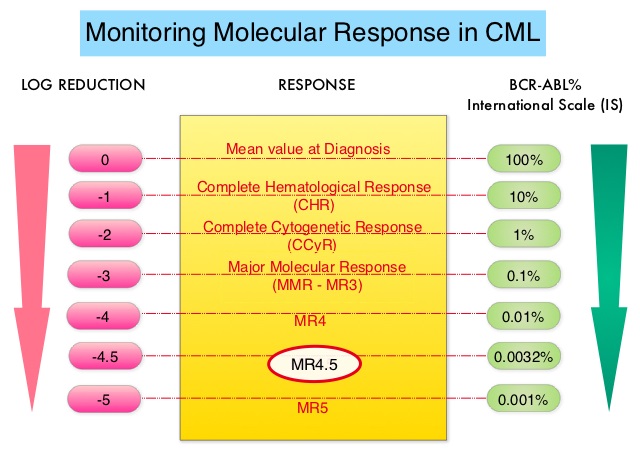
Monitoring MMR in CMLThis new approval for BOSULIF® was based on the efficacy and safety data from BFORE trial, which is an ongoing randomized, open-label, multicenter, phase III study in which in 487 patients with Ph+ newly diagnosed Chronic Phase CML were randomized to receive either BOSULIF® 400 mg once daily (N=246) or GLEEVEC® (Imatinib) 400 mg once daily (N=241). The median age of patients was 53 years, the Sokal risk group was intermediate and high for 40% and 21% of patients, respectively, and over two thirds of the patients had an ECOG PS score of 0. Sokal score is calculated using a formula that includes Age, Spleen size, Platelet count and percentage of Myeloblasts and has three risk groups: Low-risk (Sokal score<0.8), Intermediate-risk (Sokal score 0.8-1.2) and High-risk (Sokal score >1.2). The Primary endpoint was Major Molecular Response (MMR) at 12 months, defined as BCR-ABL ratio on International Scale of 0.1% or less, which corresponded to 3 or more log reduction from standardized baseline.

After 12 or more months of follow up, the MMR at 12 months was 47.2% in the BOSULIF® group and 36.9% in the GLEEVEC® group (P=0.02) and the time to achieve a MMR was shorter in the BOSULIF® group (P<0.02). The Complete Cytogenetic Response (CCyR) at 12 months was also significantly higher with BOSULIF® versus GLEEVEC® (77.2% vs 66.4%; P< 0.008), with the time to achieve a CCyR, shorter for BOSULIF® (P<0.001). The most common adverse reactions in the BOSULIF® group included rash, nausea, diarrhea, abdominal discomfort, thrombocytopenia, increased ALT and AST levels.

It was concluded that BOSULIF® is an important and useful treatment option for patient with newly diagnosed Chronic Phase CML. Bosutinib (BOS) versus imatinib (IM) for newly diagnosed chronic myeloid leukemia (CML): Initial results from the BFORE trial. Cortes JE, Gambacorti-Passerini C, Deininger MWN, et al. J Clin Oncol. 2017;35 (suppl; abstr 7002).

Hormonal Contraception Increases Breast Cancer Risk

It is estimated that approximately 140 million women worldwide use hormonal contraception and this number accounts for approximately 13% of women between the ages of 15 and 49 years. Estrogen promotes the development of breast cancer and there is evidence to suggest that use of hormonal contraception at a young age may confer a higher risk of breast cancer than initiation of use later in life.
In a recent study (N Engl J Med 2017; 377:2228-2239), it was noted that the relative risk of breast cancer among all current and recent users of hormonal contraception was 1.20 (20% higher than average). This risk increased from 1.09 (9% higher than average) with less than 1 year of use to 1.38 (38% higher than average) with more than 10 years of hormonal contraception use (P=0.002). After discontinuation of hormonal contraception, the risk of breast cancer continued to be higher among the women who had used hormonal contraceptives for 5 years or more than among women who had not used hormonal contraceptives. Women who currently or recently used the progestin-only intrauterine system also had a higher risk of breast cancer than women who had never used hormonal contraceptives, with a relative risk of 1.21 (21% higher than average). These findings unequivocally suggest that no hormonal contraceptives are free of risk.

Direct Oral Anticoagulant SAVAYSA® Noninferior to Subcutaneous FRAGMIN® for Cancer-Associated Venous Thromboembolism

SUMMARY: The Center for Disease Control and Prevention (CDC) estimates that approximately 1-2 per 1000 individuals develop Deep Vein Thrombosis/Pulmonary Embolism (PE) each year in the United States, resulting in 60,000-100,000 deaths. Venous ThromboEmbolism (VTE) is the third leading cause of cardiovascular mortality, after myocardial infarction and stroke.

Approximately 20% of cancer patients develop VTE and the current recommendations are treatment with parenteral Low Molecular Weight Heparin (LMWH) preparations, based on efficacy data. This however can be inconvenient and expensive, leading to premature discontinuation of treatment. Direct Oral Anticoagulant agents have been proven to be as effective as Warfarin, a Vitamin K antagonist, for the treatment of VTE, and are associated with less frequent and less severe bleeding and fewer drug interactions. However, the efficacy and safety of Direct Oral Anticoagulants for the treatment of cancer-associated VTE have not been established.Anticoagulants

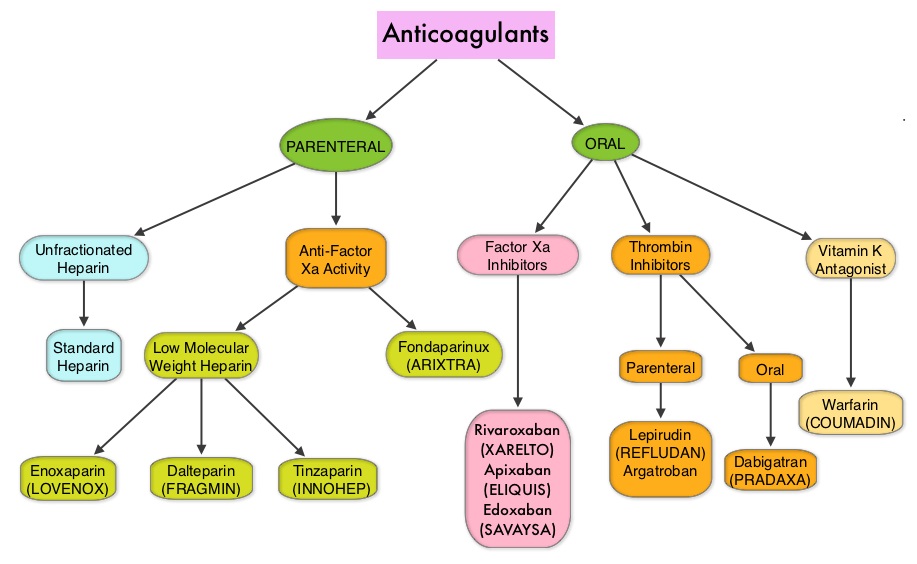
SAVAYSA® (Edoxaban)‎ an oral Factor Xa inhibitor was compared with subcutaneous Low Molecular Weight Heparin FRAGMIN® (Dalteparin), for the treatment of patients with cancer-associated VTE in the Hokusai VTE Cancer trial. This open-label, noninferiority trial randomized 1050 patients in a 1:1 ratio to receive either SAVAYSA® or FRAGMIN®. SAVAYSA® was given after an initial course of physician’s choice of Low Molecular Weight Heparin, given subcutaneously in therapeutic doses, for at least 5 days. SAVAYSA® was administered orally at a fixed dose of 60 mg once daily. FRAGMIN® was given subcutaneously at a dose of 200 IU/kg once daily for 30 days and at a dose of 150 IU/kg once daily thereafter. This treatment was continued for up to 12 months. The median age was 64 years and 90% of the patients had solid tumors and were on various chemotherapy regimens. The primary endpoint was a composite of recurrent VTE or major bleeding during the 12 months after randomization, regardless of treatment duration.

It was noted that SAVAYSA® was noninferior to FRAGMIN® with regards to composite rates of recurrent VTE and bleeding, which occurred in 12.8% of those receiving SAVAYSA® and 13.5% of those receiving FRAGMIN®. The similarity between the two treatment groups met statistical criteria for demonstrating noninferiority for SAVAYSA® (P=0.006). The rate of recurrent VTE was numerically lower with SAVAYSA® compared with FRAGMIN® (7.9% vs 11.3%, HR=0.71; P=0.09). The rate of major bleeding was however significantly higher with SAVAYSA® compared with FRAGMIN® (6.9% vs 4.0%, HR=1.77; P=0.04). This difference was mainly due to higher rate of upper gastrointestinal bleeding with SAVAYSA® in patients with gastrointestinal cancers. The frequency of severe major bleeding (category 3 or 4) however was similar in both treatment groups.

It was concluded that Direct Oral Anticoagulant, SAVAYSA® was noninferior to subcutaneous Low Molecular Weight Heparin, FRAGMIN® with respect to the composite outcome of recurrent Venous ThromboEmbolism or major bleeding. The lower rate of recurrent VTE observed with SAVAYSA® was offset by a similar increase in the risk of major bleeding. Edoxaban for the Treatment of Cancer-Associated Venous Thromboembolism. Raskob GE, Van Es N, Verhamme P, et al. for the Hokusai VTE Cancer Investigators. December 12, 2017DOI: 10.1056/NEJMoa1711948

Consolidation with IMFINZI® after Chemoradiotherapy Improves Outcomes in Patients with Unresectable Stage III Non-Small Cell Lung Cancer

SUMMARY: Lung cancer is the second most common cancer in both men and women and accounts for about 13% of all new cancers and 27% of all cancer deaths. The American Cancer Society estimates that for 2017 about 222,500 new cases of lung cancer will be diagnosed and over 155,000 patients will die of the disease. Lung cancer is the leading cause of cancer-related mortality in the United States. Non Small Cell Lung Cancer (NSCLC) accounts for approximately 85% of all lung cancers. Approximately one third of all patients with NSCLC have stage III, locally advanced disease at the time of initial presentation. Worldwide, about 500,000 patients are diagnosed with unresectable, stage III NSCLC, each year. These patients include those with locally advanced primary tumors with tumor invading the vital mediastinal organs, as well as those with involvement of locoregional mediastinal lymph nodes. These patients are often treated with platinum-based doublet chemotherapy with concurrent radiation and have a median Progression Free Survival (PFS) of approximately 8 months and 5 year survival of only 15%. There is hence a significant unmet need for this patient group, with no major treatment advances thus far.PD1 and PDL1 Inhibitors

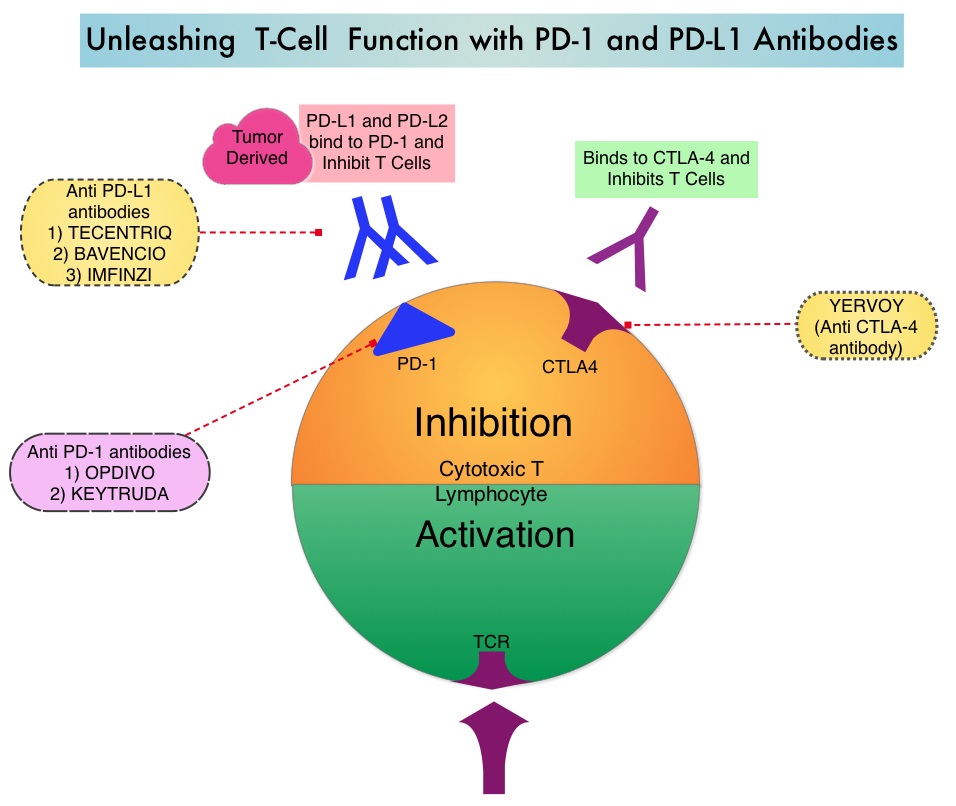
Preclinical evidence had suggested that chemotherapy and radiotherapy may upregulate PD-L1 expression in tumor cells. IMFINZI® (Durvalumab) is a selective, high-affinity, human IgG1 monoclonal antibody, that blocks the binding of Programmed Death Ligand 1 (PD-L1) to Programmed Death 1 (PD-1) and CD80, thereby unleashing the T cells to recognize and kill tumor cells. IMFINZI® showed encouraging antitumor activity in an early phase clinical study involving multiple advanced solid tumors, including stage IIIB or IV NSCLC. IMFINZI® was recently approved by the FDA for the treatment of patients with locally advanced or metastatic urothelial carcinoma, who had received prior platinum-based chemotherapy.

The authors in this publication evaluated the role of immune checkpoint blockade in locally advanced, unresectable, stage III NSCLC. PACIFIC trial is a randomized, double-blind, international, phase III study in which IMFINZI® as consolidation therapy was compared with placebo, in patients with stage III, locally advanced, unresectable NSCLC, that had not progressed following platinum-based chemoradiotherapy. Eligible patients received two or more cycles of platinum-based doublet chemotherapy concurrently with definitive radiation therapy (54-66 Gy). Following completion of concurrent chemoradiation treatment, 713 patients were randomized, of whom 709 patients in a 2:1 ratio received consolidation treatment, within 6 weeks after completion of chemoradiation with IMFINZI® 10 mg/kg every 2 weeks (N=473) or placebo (N=236), for up to 12 months. The median age was 64 years, and the majority of patients were men (70%) and 46% had a squamous histology. The coprimary end points were Progression Free Survival (PFS) and Overall Survival (OS). Secondary end points included 12-month and 18-month PFS rates, Objective Response Rate (ORR), Duration of Response, time to death or distant metastasis, and safety. The authors reported the results of a preplanned interim analysis after a median follow up of 14.5 months.

The median PFS from randomization to consolidation treatment was 16.8 months with IMFINZI® versus 5.6 months with placebo (HR=0.52; P<0.001). This meant a 48% decrease in the probability of disease progression with IMFINZI® and this improvement was consistent across all patient subgroups that were analyzed. The 12-month PFS was 55.9% vs 35.3%, and the 18-month PFS rate was 44.2% vs 27.0%, in favor of IMFINZI®. The ORR was higher with IMFINZI® compared to placebo (28.4% vs 16.0%; P<0.001), and the median Duration of Response was longer as well, with 73% of the patients in the IMFINZI® group having an ongoing response at 18 months versus 47% of the patients in the placebo group. Patients in the IMFINZI® group also had a lower incidence of new brain metastases. The median time to death or distant metastasis was longer with IMFINZI® compared with placebo (23.2 months vs 14.6 months; P<0.001). Adverse events of any grade occurred in 68% of patients in the IMFINZI® group compared to 53% in the placebo group and majority of the toxicities were grade 1 or 2, and grade 3 or higher toxicities were infrequent (less than10%), in both treatment groups. Treatment had to be discontinued due to pneumonitis in 6.3% of patients on IMFINZI® and 4.3% on placebo.

It was concluded that IMFINZI® significantly prolonged PFS in all prespecified groups of patients with locally advanced stage III NSCLC, and toxicity profile was acceptable. Biomarkers, such as mutational load or immunosignature, may be of value, as PD-L1 expression had little or no impact on outcomes. The National Comprehensive Cancer Network (NCCN) Guidelines have been updated to include one year of consolidation therapy with IMFINZI®, after curative-intent chemoradiation, for inoperable stage III lung cancer. Durvalumab after Chemoradiotherapy in Stage III Non-Small Cell Lung Cancer. Antonia SJ, Villegas A, Daniel D, et al. for the PACIFIC Investigators. N Engl J Med 2017; 377:1919-1929

Platelet Transfusion for Patients with Cancer American Society of Clinical Oncology Clinical Practice Guideline Update

SUMMARY: The ASCO convened an Expert Panel and updated evidence-based guidance on the use of platelet transfusion in patients with cancer. This guideline updates is based on a systematic review of the medical literature published from September 1, 2014, through October 26, 2016 and this review builds on two 2015 systematic reviews that were conducted by the AABB and the International Collaboration for Transfusion Medicine Guidelines. This ASCO guideline replaces the previous ASCO platelet transfusion guideline published initially in 2001. The updated ASCO review included 24 more recent publications which included 3 clinical practice guidelines, 8 systematic reviews, and 13 observational studies.

Target Population: Adults and children (4 months of age or older) with hematologic malignancies, solid tumors, or hypoproliferative thrombocytopenia.

Target Audience: Clinician’s administering intensive therapies to patients with cancer.

Clinical Questions and Recommendations:

(1) How should platelets for transfusion be prepared?

Platelets can be prepared either by separation of units of platelet concentrates from whole blood using either the buffy coat or the platelet-rich plasma method, which can then be pooled before administration, or by apheresis from single donors. Studies have shown that the post-transfusion increments, hemostatic benefit, and adverse effects are similar with any of these platelet products and they can be used interchangeably. However, single-donor platelets from selected donors are necessary when histocompatible platelet transfusions are needed.

(2) In what circumstances should providers take steps to prevent Rh alloimmunization resulting from platelet transfusion?

Prevention of RhD alloimmunization resulting from platelet transfusions to RhD-negative recipients can be achieved either through the exclusive use of platelet products collected from RhD-negative donors or via anti-D immunoprophylaxis. These approaches may be used for female children and female adults of child-bearing potential being treated with curative intent. However, because of the low rate of RhD alloimmunization in patients with cancer, these approaches need not be applied universally.

(3) In what circumstances should providers use leukoreduced blood products to prevent alloimmunization?

Providing leukoreduced blood products to patients with Acute Myeloid Leukemia from the time of diagnosis is appropriate, as the incidence of alloantibody-mediated refractoriness to platelet transfusion can be decreased in patients receiving induction chemotherapy, when both platelet and RBC products are leukoreduced before transfusion. It is likely that alloimmunization can also be decreased in patients with other types of leukemia and in other patients with cancer who are receiving chemotherapy. The same holds true for patients with Aplastic Anemia, and Myelodysplasia not receiving chemotherapy, in the same time periods that the transfusions are being administered. In the United States and in several other countries, majority of blood products are leukoreduced at the time of blood collection and component preparation. Prestorage leukoreduction can result in a substantial reduction in transfusion reactions and in transmission of cytomegalovirus (CMV) infection

(4) Should platelet transfusions be given prophylactically or therapeutically?

Prophylactic platelet transfusion should be administered to patients with thrombocytopenia resulting from impaired bone marrow function to reduce the risk of hemorrhage, when the platelet count falls below a predefined threshold level. This threshold level for transfusion varies according to the patient’s diagnosis, clinical condition, and treatment modality.

(5) What is the appropriate threshold for prophylactic platelet transfusion in patients with hematologic malignancies?

The Panel recommends a threshold of less than 10×109/L for prophylactic platelet transfusion in patients receiving therapy for hematologic malignancies. Transfusion at higher levels may be advisable in patients with signs of hemorrhage, high fever, hyperleukocytosis, rapid fall of platelet count, or coagulation abnormalities (eg, acute promyelocytic leukemia) and in those undergoing invasive procedures or in circumstances in which platelet transfusions may not be readily available in case of emergencies, as might be the case for outpatients who live at a distance from the treatment center.

(6) What is the appropriate threshold for prophylactic platelet transfusion in the setting of Hematopoietic Stem Cell Transplantation (HSCT)?

The Panel recommends a threshold of less than 10×109/L for prophylactic platelet transfusion in adult and pediatric patients undergoing allogeneic HSCT. Prophylactic platelet transfusion may be administered at higher counts based on clinician judgment. In adult recipients of autologous HSCT, randomized trials have demonstrated similar rates of bleeding with decreased platelet usage when patients are transfused at the first sign of bleeding rather than prophylactically, and this approach may be used in experienced centers. This recommendation is not generalizable to pediatric patients.

(7) Is there a role for prophylactic platelet transfusion in patients with chronic, stable, severe thrombocytopenia who are not receiving active treatment?

Patients with chronic, stable, severe thrombocytopenia, such as individuals with Myelodysplasia or Aplastic Anemia, who are not receiving active treatment may be observed without prophylactic transfusion, reserving platelet transfusions for episodes of hemorrhage or during times of active treatment.

(8) What is the appropriate threshold for prophylactic platelet transfusion in patients with solid tumors?

The risk of bleeding in patients with solid tumors during chemotherapy-induced thrombocytopenia is related to the depth and duration of the platelet nadir, although other factors contribute as well. The Panel recommends a threshold of less than 10×109/L for prophylactic platelet transfusion. Platelet transfusion at higher levels is appropriate in patients with active localized bleeding, which can sometimes be seen in patients with necrotic tumors.

(9) At what platelet count can surgical or invasive procedures be performed?

The Panel recommends a threshold of 40×109/L to 50×109/L for performing major invasive procedures in the absence of associated coagulation abnormalities. Certain procedures, such as bone marrow aspirations and biopsies, and insertion or removal of central venous catheters, can be performed safely at counts 20×109/L or more. If platelet transfusions are administered before a procedure, it is critical that a post-transfusion platelet count be obtained to prove that the desired platelet count level has been reached. Platelet transfusions should also be available on short notice, in case intraoperative or postoperative bleeding occurs. For alloimmunized patients, histocompatible platelets must be available in these circumstances.

(10) When and how should patients be monitored for refractoriness to platelet transfusion?

The Panel recommends that when refractoriness is suspected, platelet counts should be performed 10-60 minutes after transfusion. Because patients may have a poor increment to a single transfusion and yet have excellent platelet increments with subsequent transfusions, a diagnosis of refractoriness to platelet transfusion should only be made when at least two transfusions of ABO-compatible units, stored for less than 72 hours, result in poor increments (less than 5000/microliter).

(11) How should refractoriness to platelet transfusion be managed?

Alloimmunization is usually due to antibody against HLA antigens and only rarely to platelet-specific antigens. Patients with alloimmune-refractory thrombocytopenia, as defined previously, are best managed with platelet transfusions from histocompatible donors matched for HLA-A and HLA-B antigens. For patients( 1) whose HLA type cannot be determined, (2) who have uncommon HLA types for whom suitable donors cannot be identified, or (3) who do not respond to HLA-matched platelets, histocompatible platelet donors can often be identified using platelet cross-matching techniques. In many patients, these two techniques are complementary.

Platelet Transfusion for Patients With Cancer: American Society of Clinical Oncology Clinical Practice Guideline Update. Schiffer CA, Bohlke K, Delaney M, et al. J Clin Oncol. 2017 Nov 28:JCO2017761734. doi: 10.1200/JCO.2017.76.1734. [Epub ahead of print]

FDA Approves OGIVRI® as a Biosimilar to HERCEPTIN®

SUMMARY: The FDA on December 1, 2017 approved OGIVRI® (Trastuzumab-dkst) as a biosimilar to HERCEPTIN® (Trastuzumab), for the treatment of patients with HER2-overexpressing breast or metastatic stomach cancer (gastric or gastroesophageal junction adenocarcinoma). It is estimated that 252,710 new cases of invasive breast cancer and 63,410 new cases of non-invasive breast cancer will be diagnosed in women in 2017 and 28,000 new cases of stomach cancer will be diagnosed during this same period. Approximately 20-25% of primary breast cancers are HER2-positive. The frequency of HER2 overexpression in gastric and gastroesophageal cancer is about 18% with the frequency ranging from 4% to 53%.Biosimilars

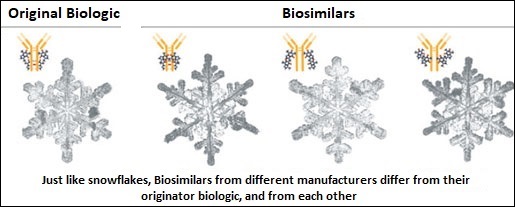
Biosimilar product is a biological product that is approved based on its high similarity to an already approved biological product (also known as reference product). Biological products are made from living organisms including humans, animals and microorganisms such as bacteria or yeast and are manufactured through biotechnology, derived from natural sources or produced synthetically. Biological products have larger molecules with a complex structure than conventional drugs (also known as small molecule drugs). Unlike biological products, conventional drugs are made of pure chemical substances and their structures can be identified. A generic drug is a copy of brand name drug and has the same active ingredient and is the same as brand name drug in dosage form, safety and strength, route of administration, quality, performance characteristics and intended use. Therefore, brand name and the generic drugs are bioequivalent. The Affordable Care Act in 2010 created an abbreviated licensure pathway for biological products that are demonstrated to be “Biosimilar” to, or “interchangeable” with an FDA-licensed (FDA approved) biological product (reference product). The Biosimilar must show that it has no clinically meaningful differences in terms of safety and effectiveness from the reference product. A Biosimilar product can only be approved by the FDA if it has the same mechanism of action, route of administration, dosage form and strength as the reference product, and only for the indications and conditions of use that have been approved for the reference product. Biosimilars are not as easy to manufacture as generics (copies of brand name drugs) because of the complexity of the structure of the biologic product and the process used to make a biologic product. The facilities where Biosimilars are manufactured must also meet the FDA’s standards.

The approval of OGIVRI® was based on comparisons of extensive structural and functional product characterization, animal data, human pharmacokinetic and pharmacodynamic data, and clinical studies including clinical immunogenicity between OGIVRI® and HERCEPTIN®. Heritage is a double-blind, randomized phase III trial in which the efficacy and safety of OGIVRI® , a Biosimilar, was compared with HERCEPTIN®. The randomization included 500 patients treated at 95 sites worldwide, with centrally confirmed, measurable HER2 positive metastatic breast cancer, who had not received prior chemotherapy or HERCEPTIN® for their metastatic disease. Patients received either OGIVRI® or HERCEPTIN® along with TAXOTERE® (Docetaxel) or TAXOL® (Paclitaxel) administered every 3 weeks for a minimum of 8 cycles (24 weeks), with the antibody therapy continued, until disease progression. Both antibodies were administered with a loading dose of 8 mg/kg and a maintenance dose of 6 mg/kg every 3 weeks. Approximately 44% of the enrolled patients had hormone receptor positive disease and 84% received TAXOTERE®. The final analysis included 458 patients of whom 230 were in the OGIVRI® group and 228 were in the HERCEPTIN® group. The Primary endpoint was Overall Response Rate (ORR) at 24 weeks and Secondary endpoints include Progression Free Survival (PFS), Overall Survival (OS) and Safety.

The ORR after 24 weeks of treatment was 69.6% for the OGIVRI® group and 64% for the HERCEPTIN® group and this was not statistically significant. The median PFS had not yet been reached. Safety data in both treatment groups were comparable and there was no significant change in cardiac function from baseline to Week 24 in either group. Safety data were also comparable. The dose-normalized maximum concentration, and Area Under the Curve (AUC), were similar for both antibodies.

The authors concluded that OGIVRI® is equivalent to HERCEPTIN®, when given in combination with a Taxane, as first line therapy, for patients with HER2 positive metastatic breast cancer. Heritage: A phase III safety and efficacy trial of the proposed trastuzumab biosimilar Myl-1401O versus Herceptin. Rugo HS, Barve A, Waller CF, et al. J Clin Oncol 34, 2016 (suppl; abstr LBA503)

FDA Approves FoundationOne CDx Next Generation Sequencing Based Assay to Tailor Cancer Therapies

SUMMARY: The FDA on November 30, 2017, granted marketing approval to FoundationOne CDx (F1CDx), a Next Generation Sequencing (NGS) based, in vitro diagnostic (IVD) assay, to detect genetic mutations in 324 genes and two genomic signatures, in any solid tumor type. The test can also identify which patients with Non Small Cell Lung Cancer (NSCLC), Melanoma, Breast cancer, ColoRectal cancer, or Ovarian cancer may benefit from 15 different FDA-approved targeted treatment options.

The basic premise of cancer genomics is that cancer is caused by somatically acquired mutations, and is therefore a disease of the genome. Tumor genomic profiling enables the identification of specific genomic alterations and thereby can provide personalized treatment options with targeted therapies that are specific for those molecular targets. A genomic test can be performed on a tumor specimen or on cell-free DNA in plasma (“liquid biopsy”) or an ImmunoHistoChemistry (IHC) test can be performed on tumor tissue for protein expression that demonstrates a genomic variant known to be a drug target, or to predict sensitivity to a chemotherapeutic drug.NGS Overview

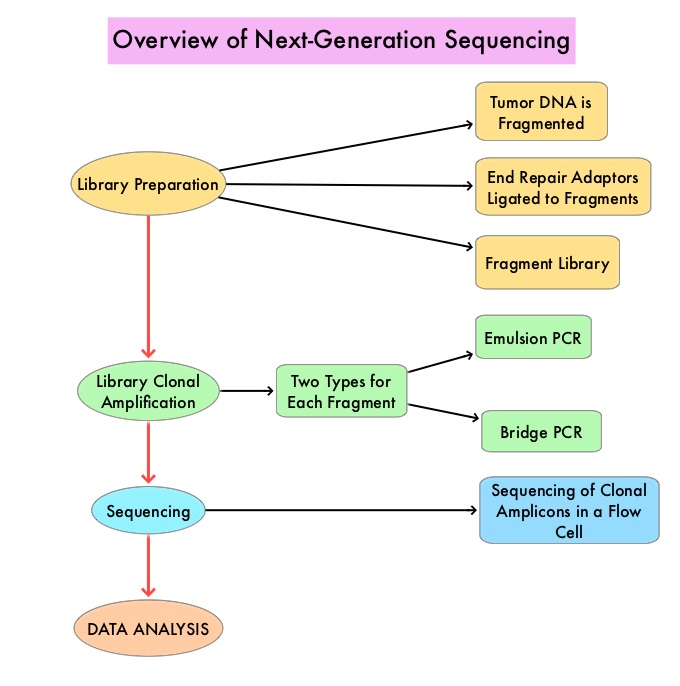
Next-Generation Sequencing (NGS) platforms or second-generation sequencing, unlike the first-generation sequencing, known as Sanger sequencing, perform massively parallel sequencing, which allows sequencing of millions of fragments of DNA from a single sample. With this high-throughput sequencing, the entire genome can be sequenced in less than 24 hours. This is in contrast to Sanger sequencing technology which has required over a decade to decipher the human genome. There are a number of different NGS platforms using different sequencing technologies and NGS can be used to sequence and systematically study the cancer genomes in their entirety or specific areas of interest in the genome or small numbers of individual genes. Recently reported genomic profiling studies, performed in patients with advanced cancer suggest that actionable mutations are found in 20-40% of patients’ tumors.

The application for F1CDx , was reviewed by the FDA using a coordinated, cross-agency approach and clinical performance of the test was established by comparing F1CDx to previously FDA-approved companion diagnostic tests, that are currently used to determine patient eligibility for certain treatments. It was noted that F1CDx assay’s ability to detect select mutation types (substitutions and short insertions and deletions) representative of the entire 324 gene panel was accurate approximately 94.6% of the time. This 324 gene panel included EGFR, KRAS, BRAF, BRCA1/2, ALK, and several other genes with emerging therapies, such as NTRK1/2/3. This assay can additionally detect MicroSatellite Instability (MSI) and Tumor Mutational Burden, which can predict response to immunotherapy.

The FDA noted that this is the first device with the FDA’s “Breakthrough Device” designation to complete the PreMarket Approval (PMA) process, and it is the second IVD authorized under the FDA and Centers for Medicare & Medicaid Services’ (CMS) Parallel Review program. Under this program, the CMS issued a proposed national coverage determination of the F1CDx for Medicare beneficiaries with recurrent, metastatic, or advanced Stage IV cancer, who have not been previously tested using NGS technology, and who continue to remain candidates for further therapy. https://www.fda.gov/Drugs/InformationOnDrugs/ApprovedDrugs/ucm587387.htm

FDA Approves Adjuvant Therapy with SUTENT® in High-Risk Renal Cell Carcinoma after Nephrectomy

SUMMARY: The FDA on November 16, 2017 approved SUTENT® (Sunitinib malate) for the adjuvant treatment of adult patients at high risk of recurrent Renal Cell Carcinoma following nephrectomy. The American Cancer Society estimates that about 62,700 new cases of kidney cancer will be diagnosed in the United States in 2016 and over 14,000 patients will die from this disease. The prognosis for patients with Renal Cell Carcinoma (RCC) is dependent on the stage of disease and risk factors. Two validated models, the University of California Los Angeles Integrated Staging System (UISS) and the Stage, Size, Grade, and Necrosis (SSIGN) score were developed, to assess the risk for relapse. UISS is based on ECOG Performance Status, Fuhrman nuclear grading and TNM pathological stage, whereas the SSIGN score takes Stage, Size, Grade and Necrosis into consideration. Approximately 16% of patients with RCC present with Locoregional disease, and up to 40% of these patients relapse with metastatic disease, following nephrectomy. The 5-year survival for locoregional (stage III) disease is 53%, and 8% for metastatic disease. The standard management of high risk patients following nephrectomy has been surveillance, as there has been limited data demonstrating the benefit of adjuvant therapy in reducing the risk of relapse.MOA of SUTENT

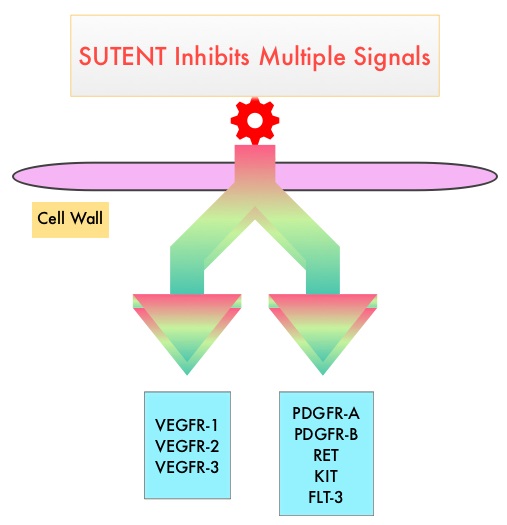
SUTENT® (Sunitinib) is a MultiKinase Inhibitor (MKI) which simultaneously targets the tumor cell wall, vascular endothelial cell wall as well as the pericyte/fibroblast/vascular/ smooth vessel cell wall and is capable of specifically binding to tyrosine kinases, inhibiting the earlier signaling events and thereby inhibits phosphorylation of VEGF receptor, PDGF receptor, FLT-3 and c-KIT. SUTENT® is indicated for the treatment of advanced Renal Cell Carcinoma and in a multi-center, randomized study, demonstrated superior Progression Free Survival and Objective Response Rate, when compared with Interferon Alfa, in patients with treatment-naïve Renal Cell Carcinoma. The authors in this study examined the efficacy and safety of SUTENT® in patients with locally advanced RCC, at high risk for tumor recurrence, following nephrectomy.

Sunitinib as Adjuvant Treatment for Patients at High Risk of Recurrence of Renal Cell Carcinoma Following Nephrectomy (S-TRAC) is a randomized, double blind, phase III trial in which 615 patients with locoregional, high risk, clear cell Renal Cell Carcinoma were randomly assigned to receive SUTENT® (N=309) or placebo (N=306). Treatment consisted of either SUTENT® 50 mg PO daily or placebo, on a 4-weeks-on, 2-weeks-off schedule, for 1 year or until disease recurrence or unacceptable toxicity. Eligible patients had tumor Stage III or higher, regional lymph node metastasis, or both and were required to have absence of macroscopic residual or metastatic disease after nephrectomy, as confirmed by a CT scan. The primary end point was Disease Free Survival and secondary end points included Overall Survival, and Safety.

It was noted that the median duration of Disease Free Survival was 6.8 years in the SUTENT® group and 5.6 years in the placebo group (HR=0.76; P=0.03). Overall Survival data were not mature at the time of this analysis. Grade 3 or 4 adverse events were more frequent in the SUTENT® group compared to the placebo group and dose reductions, dose interruptions and discontinuations were more frequent in the SUTENT® group as well. The most commonly reported adverse events were skin toxicity (palmar-plantar erythrodysesthesia), hypertension, and fatigue, with declines in quality of life while on active therapy. In a previously published adjuvant trial (ASSURE trial), there was no improvement in Disease Free Survival in patients receiving Sunitinib or Sorafenib as compared with placebo. This has been attributed to the ASSURE trial including many patients with early (Stage 1) tumors as well as those with non-clear cell histology. Additionally, the dosing schedule in the ASSURE trial was lower than this present study.

It was concluded that adjuvant treatment with SUTENT® following nephrectomy in patients with high risk disease, results in significantly improved Disease Free Survival but this benefit may be associated with higher rate of toxicities during treatment. Adjuvant Sunitinib in High-Risk Renal-Cell Carcinoma after Nephrectomy. Ravaud A, Motzer RJ, Pandha HS, et al. for the S-TRAC Investigators. N Engl J Med 2016; 375:2246-2254

FDA Approves ADCETRIS® for Cutaneous T-Cell Lymphoma

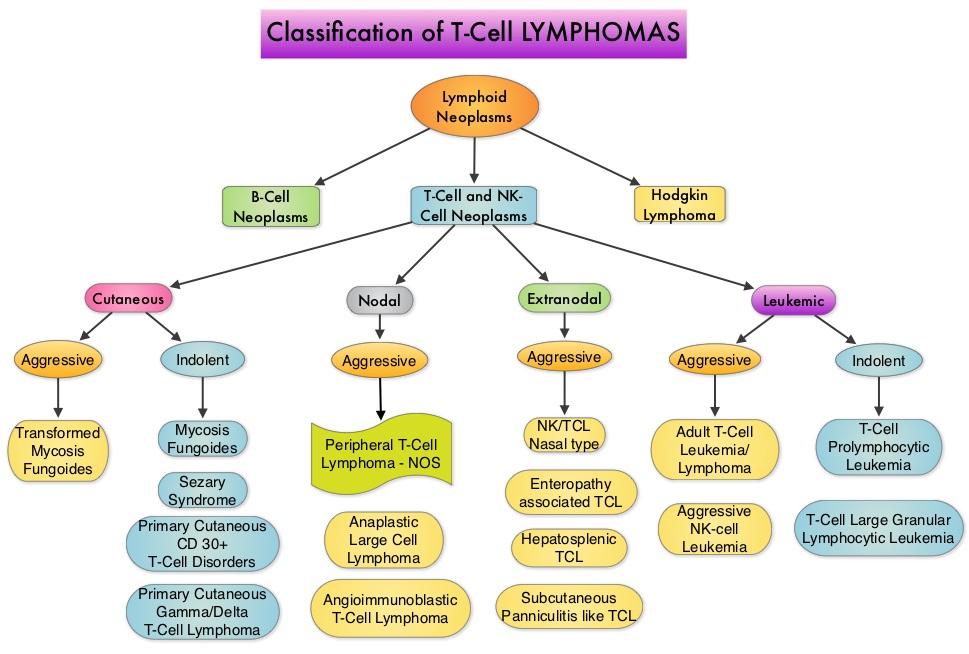
SUMMARY: The FDA on November 9, 2017 granted regular approval to ADCETRIS® (Brentuximab vedotin), for the treatment of adult patients with primary cutaneous Anaplastic Large Cell Lymphoma (pcALCL) or CD30-expressing Mycosis Fungoides (MF), who have received prior systemic therapy. Primary Cutaneous T Cell Lymphoma (CTCL) is a type of Non Hodgkin Lymphoma and includes a spectrum of diseases that primarily involve the skin, but may ultimately involve lymph nodes, blood and visceral organs such as spleen, liver and lungs. The prevalence in the US is approximately 16,000-20,000 patients and the incidence is higher in blacks than Caucasians or Asians. It is more common in men, and the median age at diagnosis is 50 years. Mycosis Fungoides/Sezary Syndrome is the most common type of CTCL accounting for 44% of cases. Patients with Stage I disease have an excellent prognosis. However for those with advanced disease, durable responses are rare with present available therapies and outcomes are poor.Classification of T-Cell Lymphomas

ADCETRIS® (Brentuximab vedotin) is an Antibody-Drug Conjugate (ADC) that targets CD30. ADCETRIS® consists of the anti-CD30 monoclonal antibody SGN-30 conjugated to the cytotoxic agent, MonoMethyl Auristatin E (MMAE) via a peptide linker. When administered intravenously, ADCETRIS® is internalized by CD30 expressing tumor cells, causing the release of MMAE into the cytosol through the enzymatic cleavage of the peptide linker.

The FDA approval was based on international, multicentre, open-label, randomized, phase III trial (ALCANZA), which enrolled 131 previously treated patients with CD30-positive Mycosis Fungoides (MF) or primary cutaneous Anaplastic Large Cell Lymphoma (pcALCL). Patients with MF were required to have received at least one prior systemic therapy and those with pcALCL were required to have prior radiation therapy or at least one systemic therapy. Patients were randomly assigned (1:1) to receive ADCETRIS® 1.8 mg/kg IV once every 3 weeks, for up to 16 cycles (N=66), or physician's choice of Methotrexate 5-50 mg orally once per week or Bexarotene 300 mg/m2 orally once daily for up to 48 weeks (N=65). There were more pcALCL patients with extracutaneous disease in the ADCETRIS® group (44% versus 27%). The Primary endpoint was the proportion of patients achieving an Objective Response Rate lasting at least 4 months (ORR4). Secondary outcome measures included Complete Response (CR) rate, Progression Free Survival (PFS), and reduction in the burden of symptoms during treatment.

At a median follow-up of 22.9 months, the proportion of patients achieving an objective global response lasting at least 4 months was 56.3% with ADCETRIS® versus 12.5% with physician's choice of treatment (P<0.0001). The CR rate in the ADCETRIS® group was 16% versus 2% in the physicians choice group (P=0.007). The median PFS was 16.7 months in the ADCETRIS® arm versus 3.7 months in the physicians choice arm (HR=0.27; P<0.001). The most common adverse reactions in those patients receiving ADCETRIS®: were anemia, neutropenia, peripheral neuropathy, nausea, diarrhea and fatigue. The most common adverse event leading to treatment discontinuation was peripheral neuropathy.

It was concluded that treatment with ADCETRIS® resulted in significant improvement in Objective Response Rate and Progression Free Survival, among patients with advanced CD30-positive Mycosis Fungoides or primary cutaneous Anaplastic Large Cell Lymphoma, fulfilling an unmet need for this patient group. Brentuximab vedotin or physician's choice in CD30-positive cutaneous T-cell lymphoma (ALCANZA): an international, open-label, randomised, phase 3, multicentre trial. Prince HM, Kim YH, Horwitz SM, et al. Lancet. 2017;390:555-566.