Long Term Risk of Breast Cancer Recurrence after Stopping Endocrine Therapy at 5 Years

SUMMARY: Breast cancer is the most common cancer among women in the US and about 1 in 8 women (12%) will develop invasive breast cancer during their lifetime. It is estimated that 252,710 new cases of invasive breast cancer and 63,410 new cases of non-invasive breast cancer will be diagnosed in women in 2017 and 40,610 women are expected to die from the disease.

It has been well established that treatment with 5 years of endocrine therapy in early stage, Estrogen Receptor (ER) positive breast cancer, significantly reduces the risks of locoregional and distant recurrence, contralateral breast cancer, death from breast cancer, and therefore death from any cause. Extended adjuvant endocrine therapy with either Tamoxifen or an Aromatase Inhibitor (AI) beyond 5 years can further reduce breast cancer recurrence. This however can result in treatment related side effects. Therefore, when considering extended adjuvant endocrine therapy beyond 5 years, the potential benefits should be weighed against the associated risk with such therapy. The absolute benefit of continuing endocrine therapy after 5 years depends on the absolute risk of later recurrence, if patient’s receives no further therapy.

The authors in this publication reported the influence of original tumor characteristics, on the incidence of breast cancer outcomes, over a 20 year period. This meta-analysis included data from 88 trials in the Early Breast Cancer Trialists’ Collaborative Group (EBCTCG) database of randomized trials, involving 62,923 women with ER-positive breast cancer, who were disease-free after 5 years of adjuvant endocrine therapy. Data was analyzed from women who had T1 disease (Tumor diameter 2 cm or less) or T2 disease (Tumor diameter more than 2 cm up to 5 cm), no positive nodes (N0), 1-3 positive nodes (N1-3), 4-9 positive nodes (N4-9), and no distant metastases. The authors then assessed the associations of Tumor diameter and Nodal status (TN), tumor grade, and other factors with patients’ outcomes, during the period from 5 to 20 years.

It was noted that distant breast cancer recurrences occurred at a steady rate for at least another 15 years after completing 5 years of adjuvant hormonal treatment. The risk of distant recurrence strongly correlated with the original Tumor diameter and Nodal status (TN status).

Among women with T1 disease, the risk of distant recurrence was 13% in those with T1N0 disease, 20% in those with T1N1-3 disease and 34% in those with T1N4-9 disease. Even in those women with low grade T1N0 breast cancer, the absolute risk of distant recurrence from 5-20 years was 10%.

Among those with T2 disease, the risk of distant recurrence was 19% with T2N0 disease, 26% with T2N1-3 disease, and 41% with T2N4-9 disease. TN status was also a strong determinant of locoregional recurrence, but not predictive for contralateral breast cancer.

There was a strong association of tumor grade and Ki-67 status with the risk of distant recurrence during the first 5 years but had limited additional prognostic relevance during years 5-20. Similarly, patients with negative Progesterone Receptor (PR) had a worse prognosis during the first 5 years but not thereafter.

The authors concluded that even after 5 years of adjuvant endocrine therapy, women with ER-positive, early stage breast cancer, continue to be at risk for recurrence and death from breast cancer, for at least 20 years after the original diagnosis. This risk varies from 10-41% and is strongly dependent on TN status at the time of initial diagnosis. Even those with low-grade T1N0 disease were at an appreciable risk of distant recurrence. Extended adjuvant endocrine therapy beyond 5 years may reduce this risk, and this study highlights the need for new approaches to reduce late recurrence. 20-Year Risks of Breast-Cancer Recurrence after Stopping Endocrine Therapy at 5 Years. Pan H, Gray R, Braybrooke J, et al. for the EBCTCG. N Engl J Med 2017; 377:1836-1846
TAGRISSO® Superior to First Generation EGFR TKIs in Advanced Non-Small Cell Lung Cancer

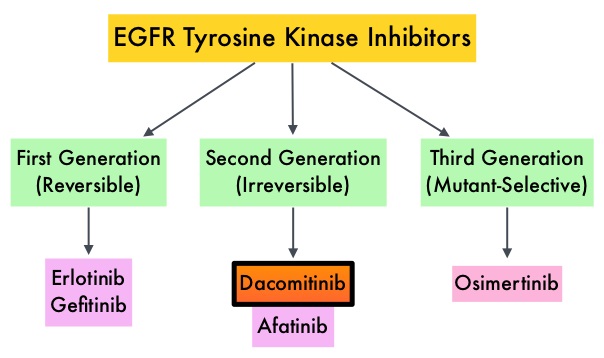
Approximately 10% to 15% of Caucasian patients and 35-50% of Asian patients with Adenocarcinomas, harbor activating EGFR (Epidermal Growth Factor Receptor) mutations and 90% of these mutations are either Exon 19 deletions or L858R point mutations in Exon 21. EGFR-Tyrosine Kinase Inhibitors (TKIs) such as TARCEVA® (Erlotinib), IRESSA® (Gefitinib) and GILOTRIF® (Afatinib), have demonstrated a 60% to 70% response rate as monotherapy when administered as first line treatment, in patients with metastatic NSCLC, who harbor the sensitizing EGFR mutations. However, majority of these patients experience disease progression within 9 to 14 months. This resistance to frontline EGFR TKI therapy has been attributed to acquired T790M “gatekeeper” point mutation in EGFR, identified in 50% – 60% of patients.
TAGRISSO® (Osimertinib), is a third-generation Epidermal Growth Factor Receptor (EGFR) TKI and in a randomized, double blind, phase III clinical trial, demonstrated superior efficacy and tolerability compared to the Standard of Care, as first-line therapy in patients with advanced EGFR mutation positive NSCLC. This benefit was seen even in those with CNS metastases at study entry. These new finding are very likely to change the treatment paradigm for NSCLC patients whose tumors harbor EGFR mutations.


MisMatch Repair Deficiency and MicroSatellite Instability May Predict Perioperative Chemotherapy Benefit in Operable GastroEsophageal Cancers

SUMMARY: The American Cancer Society estimates that about 28,000 new cases of stomach cancer will be diagnosed in the United States for 2017 and about 10,960 people will die of this disease. It is a leading cause of cancer-related deaths in the world. Patients with operable Gastric or GastroEsophageal adenocarcinoma frequently receive perioperative or neoadjuvant chemotherapy prior to surgical resection, as this has been associated with a modest improvement in Overall Survival (OS), compared with surgery alone. However, approximately 50% of the patients undergoing surgical resection will die of recurrent disease. Further perioperative chemotherapy can be associated with significant toxicities. For patients with GastroEsophageal cancer receiving neoadjuvant treatment, there are presently no validated prognostic biomarkers, and patient selection is based on preoperative clinical staging.

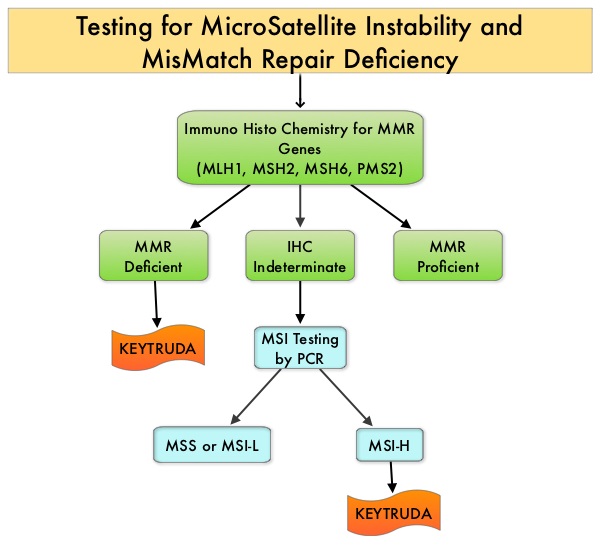
The DNA MisMatchRepair (MMR) system is responsible for molecular surveillance and works as an editing tool that identifies errors within the microsatellite regions of DNA and removes them. Defective MMR system leads to MSI (Micro Satellite Instability) and hypermutation, triggering an enhanced antitumor immune response. MSI (Micro Satellite Instability) is therefore a hallmark of defective/deficient DNA MisMatchRepair (MMR) system and occurs in 15% of all colorectal cancers. Defective MisMatchRepair can be a sporadic or heritable event. Approximately 65% of the MSI colon tumors are sporadic and when sporadic, the DNA MisMatchRepair gene is MLH1. Defective MisMatchRepair can also manifest as a germline mutation occurring in 1 of the 4 MisMatchRepair genes which include MLH1, MSH2, MSH6, PMS2. This produces Lynch Syndrome (Hereditary Nonpolyposis ColoRectal Carcinoma – HNPCC), an autosomal dominant disorder and is the most common form of hereditary colon cancer, accounting for 35% of the MSI colorectal cancers. MSI tumors tend to have better outcomes and this has been attributed to the abundance of Tumor Infiltrating Lymphocytes in these tumors, from increased immunogenicity. These tumors are susceptible to PD-1 blockade and respond to treatment with checkpoint inhibitors such as KEYTRUDA® (N Engl J Med 372:2509-2520, 2015). Other MSI-High and dMMR (MMR deficient) tumors include, Endometrial and GastroIntestinal tumors and to a lesser extent Breast, Prostate, Bladder and Thyroid tumors.

MSI (Micro Satellite Instability) testing is performed using a PCR based assay and MSI-High refers to instability at 2 or more of the 5 mononucleotide repeat markers and MSI-Low refers to instability at 1 of the 5 markers. Patients are considered Micro Satellite Stable (MSS) if no instability occurs. MSI-L and MSS are grouped together because MSI-L tumors are uncommon and behave similar to MSS tumors. Tumors considered MSI-H have deficiency of one or more of the DNA MisMatchRepair genes. MMR gene deficiency can be detected by ImmunoHistoChemistry (IHC). MLH1 gene is often lost in association with PMS2. Approximately 10-20% of Gastric cancers are MSI high or MMR Deficient. Several retrospective studies have suggested favorable outcomes in patients with Gastric cancer with high MSI tumors, although none of these studies had a control group.

In the MAGIC trial (The UK Medical Research Council Adjuvant Gastric Infusional Chemotherapy), which is an open-label, multicenter, phase III study, patients with resectable GastroEsophageal cancer were randomized to receive either 6 cycles of perioperative Epirubicin, Cisplatin, and Infusional 5-FU (3 cycles before and 3 cycles after resection) plus surgery, or undergo surgery alone. In this study, patients treated with perioperative chemotherapy had improved Overall Survival (OS) compared with patients treated with surgery alone (5-year OS 36% versus 23%; HR=0.75; P=0.009).

The authors in this study additionally evaluated patients with operable GastroEsophageal cancers with High MicroSatellite Instability (MSI-H) or MMR deficiency (dMMR), and compared their survival with patients who had MicroSatellite Stable (MSS) GastroEsophageal cancer, when these patients were treated with surgery alone or surgery plus perioperative chemotherapy. The authors thus assessed survival outcomes based on MSI/MMR deficiency. Of the 503 clinical trial participants, MSI results were available for 303 patients and both MSI and MMR results were available in 254 patients. Patients who had High MSI or MMR deficiency treated with surgery alone, had a median OS that was Not Reached (NR) compared with a median Overall Survival (OS) of 20.5 months, among those who had neither high MSI nor MMR deficiency (HR=0.42; P=0.09). In contrast, patients who had either a High MSI or MMR deficiency, treated with surgery plus perioperative chemotherapy had a median OS of 9.6 months compared with a median OS of 19.5 months, among those who had neither High MSI nor MMR deficiency (HR=2.18; P=0.03). The overall concordance rate between MSI-H and MMR deficient status was 97.6%.

Based on these findings the authors concluded that patients with operable GastroEsophageal cancer with High MicroSatellite Instability or MMR deficiency, did not benefit from perioperative chemotherapy and could be spared from the toxicities of chemotherapy. These patients may benefit from therapy with PD-1 inhibitors, although this will need to be further investigated. If independently validated, MSI or MMR deficiency, determined by preoperative biopsies, could be used to select patients for perioperative chemotherapy. Mismatch Repair Deficiency, Microsatellite Instability, and Survival. An Exploratory Analysis of the Medical Research Council Adjuvant Gastric Infusional Chemotherapy (MAGIC) Trial. Smyth EC, Wotherspoon A, Peckitt C, et al. JAMA Oncol. 2017;3:1197-1203.

TAGRISSO® Superior to First Generation EGFR TKIs in Advanced Non-Small Cell Lung Cancer

SUMMARY: Lung cancer is the second most common cancer in both men and women and accounts for about 13% of all new cancers and 27% of all cancer deaths. The American Cancer Society estimates that for 2017 about 222,500 new cases of lung cancer will be diagnosed and over 155,000 patients will die of the disease. Lung cancer is the leading cause of cancer-related mortality in the United States. Non Small Cell Lung Cancer (NSCLC) accounts for approximately 85% of all lung cancers. Of the three main subtypes of Non Small Cell Lung Cancer (NSCLC), 30% are Squamous Cell Carcinomas (SCC), 40% are Adenocarcinomas and 10% are Large cell carcinomas. With changes in the cigarette composition and decline in tobacco consumption over the past several decades, Adenocarcinoma now is the most frequent histologic subtype of lung cancer. Approximately 10% to 15% of Caucasian patients and 35-50% of Asian patients with Adenocarcinomas, harbor activating EGFR (Epidermal Growth Factor Receptor) mutations and 90% of these mutations are either Exon 19 deletions or L858R point mutations in Exon 21. EGFR-Tyrosine Kinase Inhibitors (TKIs) such as TARCEVA® (Erlotinib), IRESSA® (Gefitinib) and GILOTRIF® (Afatinib), have demonstrated a 60% to 70% response rate as monotherapy when administered as first line treatment, in patients with metastatic NSCLC, who harbor the sensitizing EGFR mutations. However, majority of these patients experience disease progression within 9 to 14 months. This resistance to frontline EGFR TKI therapy has been attributed to acquired T790M “gatekeeper” point mutation in EGFR, identified in 50% – 60% of patients.

TAGRISSO® (Osimertinib), is a third-generation Epidermal Growth Factor Receptor (EGFR) TKI presently approved by the FDA, for the treatment of patients with metastatic EGFR T790M mutation-positive NSCLC, who had progressed on prior systemic therapy, including an EGFR-TKI. Previously published studies suggested that TAGRISSO® may also be effective as initial therapy for EGFR mutation-positive advanced NSCLC.

FLAURA is a randomized, double blind, phase III clinical trial, conducted to compare the efficacy and safety of first line TAGRISSO® to TARCEVA® or IRESSA® (which are considered Standard of Care as first line therapy), in NSCLC patients with activating mutations EGFR Exon 19 deletions or L858R substitution mutation on Exon 21. This study randomized 556 advanced NSCLC treatment naïve patients, with EGFR Exon 19 or 21 mutations in a 1:1 ratio, to TAGRISSO® 80 mg orally once daily (N=279) or Standard of Care EGFR-TKI, IRESSA® 250 mg or TARCEVA® 150 mg, orally once daily (N=277). Patients were stratified by mutation status (Exon 19 vs 21 mutations) and race (Asian vs non-Asian). Patients with CNS metastases who were neurologically stable, were allowed in this study. The Primary endpoint was Progression Free Survival (PFS).

The median PFS was 18.9 months with TAGRISSO® compared to 10.2 months for the standard therapy (HR=0.46; P<0.0001), suggesting a 54% reduction in the risk of disease progression, compared with Standard of Care. TAGRISSO® extended the median Time To Progression by about 9 months. This PFS benefit was consistent across all subgroups of patients, including those with and without CNS metastases at study entry. The Objective Response Rate (ORR) with TAGRISSO® was 80% compared with 76% for TARCEVA® and IRESSA®. The median Duration of Response with TAGRISSO® was 17.2 versus 8.5 months in the comparator arm. The median Overall Survival was not reached. Grade 3 and 4 toxicities were lower for TAGRISSO® (34%) compared with 45% for TARCEVA® and IRESSA®. Toxicities led to treatment discontinuation for 13% and 18% of patients in the TAGRISSO® and comparator groups, respectively.

It was concluded that TAGRISSO® demonstrated superior efficacy and tolerability compared to the Standard of Care, as first-line therapy in patients with advanced EGFR mutation positive NSCLC. Studies are underway, assessing treatments, following resistance to TAGRISSO®. Osimertinib vs standard of care (SoC) EGFR-TKI as first-line therapy in patients (pts) with EGFRm advanced NSCLC: FLAURA. Ramalingam S, Reungwetwattana T, Chewaskulyong B, et al. Presented at: 2017 ESMO Congress; Madrid, Spain; September 9-12, 2017. Abstract LBA2_PR.

Alcohol and Cancer A Statement of the American Society of Clinical Oncology

Alcohol consumption is an established risk factor for several malignancies, and is a potentially modifiable risk factor for cancer. The International Agency for Research on Cancer (IARC), a branch of WHO, classified alcohol as a group 1 carcinogen. The American Heart Association, American Cancer Society, and US Department of Health and Human Services all recommend that men limit intake to one to two drinks per day and women to one drink per day. People who do not currently drink alcohol should not start for any reason. There is a clear association between alcohol and upper aerodigestive tract cancers (larynx, esophagus, and oral cavity/pharynx). A recent meta-analysis of cohort studies among 209,597 cancer survivors showed an 8% increase in overall mortality and a 17% increased risk for recurrence in the highest versus lowest alcohol consumers. The benefit of alcohol consumption on cardiovascular health likely has been overstated and the net effect of alcohol is harmful. Alcohol consumption should therefore not be recommended to prevent cardiovascular disease or all-cause mortality.

FDA Grants Approval to CALQUENCE® for Mantle Cell Lymphoma

SUMMARY: The FDA on October 31, 2017, granted accelerated approval to CALQUENCE® (Acalabrutinib) for the treatment of adult patients with Mantle Cell Lymphoma (MCL) who have received at least one prior therapy. The American Cancer Society estimates that in 2017, about 72,240 people will be diagnosed with Non Hodgkin Lymphoma (NHL) in the United States and about 20,140 individuals will die of this disease. In the US, approximately 3,300 new cases of MCL are diagnosed each year. Mantle Cell Lymphoma is an aggressive B-cell lymphoma and accounts for approximately 6% of all Non Hodgkin Lymphomas in adults, and is associated with a high relapse rate, following dose-intensive therapies. Early and late relapses in patients with MCL have been attributed to persistence of residual disease.

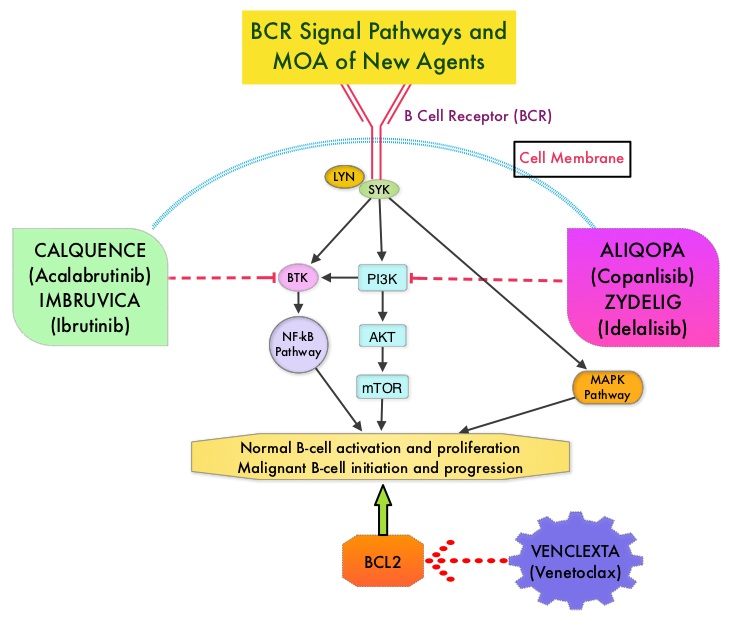
Normal B-cell activation and proliferation is dependent on B-cell receptor (BCR) signaling. This signaling is also important for initiation and progression of B-cell lymphoproliferative disorders. Bruton’s Tyrosine Kinase (BTK) is a member of the Tec family of kinases, downstream of the B-cell receptor and is predominantly expressed in B-cells. It is a mediator of B-cell receptor signaling in normal and transformed B-cells. Following binding of antigen to the B-Cell Receptor, kinases such as Syk (Spleen Tyrosine Kinase), Lyn (member of the Src family of protein tyrosine kinases) and BTK (Bruton’s Tyrosine Kinase) are activated, with subsequent propagation through PI3K/Akt, MAPK, and NF-κB pathways. This results in B-cell activation and proliferation. Three previously approved agents by the FDA for MCL include, IMBRUVICA® (Ibrutinib), REVLIMID® (Lenalidomide) and VELCADE® (Bortezomib).

CALQUENCE® is a novel, irreversible, second-generation BTK inhibitor, designed to be more potent and selective than IMBRUVICA®. Unlike IMBRUVICA®, CALQUENCE® has reduced off-target activity on EGFR, TEC, etc., which may lead to less untoward toxicities such as bleeding, rash, and atrial fibrillation. The approval of CALQUENCE® was based on ACE-LY-004 study, which is a Phase II, open label, single-arm clinical trial, in which 124 adult patients with Relapsed or Refractory MCL were enrolled. Patients had a confirmed diagnosis of MCL, 93% of the patients had an ECOG PS of 1 or less, median number of prior treatments were 2, which included stem cell transplant for 18% of patients, and 24% of the patients were refractory to their most recent prior treatment. Those treated with a prior BTK inhibitor were excluded from this study. The median age was 68 years. CALQUENCE® was administered orally at 100 mg twice daily until progressive disease or unacceptable toxicity. The Primary endpoint was Objective Response Rate (Complete Response + Partial Response) and Secondary endpoints included Duration of Response (DOR), Progression Free Survival (PFS), Overall Survival (OS) and safety.

At a median follow up of 15.2 months, the Objective Response Rate was 81% with a Complete Response rate of 40% and Partial Response rate of 41%. The median Duration of Response was not yet reached at the time of analysis, with ongoing responses at 20+ months. The response rates were consistent across prespecified subgroups of age, tumor bulk of 10 cm or more and number and types of prior treatment. The median time to best response was 1.9 months. The median Duration of Response (DOR) was not reached and the 12-month DOR was 72%. The median PFS and OS were not reached, whereas the 12-month PFS and OS rates were 67% and 87% respectively. The most common toxicities of any grade included cytopenias, headache, diarrhea, fatigue, myalgia and bruising.

It was concluded that for patients with Relapsed/Refractory Mantle Cell Lymphoma, CALQUENCE® given as a single agent resulted in a high and durable Objective Response Rate as well as Complete Response Rate, with a favorable safety profile. CALQUENCE® is a new treatment option for this aggressive malignancy. Efficacy and Safety of Acalabrutinib Monotherapy in Patients with Relapsed/Refractory Mantle Cell Lymphoma in the Phase 2 ACE-LY-004 Study. Wang M, Rule S, Zinzani PL, et al. 59th Annual Meeting & Exposition Atlanta, GA. December 9-12, 2017. #155

Alcohol and Cancer A Statement of the American Society of Clinical Oncology

SUMMARY: It has been estimated that in the United States, 3-4% of all cancer deaths are attributable to drinking alcohol. According to the Centers for Disease Control and Prevention, approximately 88,000 deaths were attributed to excessive alcohol use in the United States between 2006 and 2010. Alcohol consumption is an established risk factor for several malignancies, and is a potentially modifiable risk factor for cancer. The International Agency for Research on Cancer (IARC), a branch of WHO, classified alcohol as a group 1 carcinogen. The Cancer Prevention Committee of the American Society of Clinical Oncology has now provided an overview of the evidence of the links between alcohol drinking and cancer risk and cancer outcomes.

DRINKING GUIDELINES AND DEFINITIONS

The American Heart Association, American Cancer Society, and US Department of Health and Human Services all recommend that men limit intake to one to two drinks per day and women to one drink per day. People who do not currently drink alcohol should not start for any reason. A standard drink is defined as one that contains roughly 14 g of pure alcohol, which is the equivalent of 1.5 ounces of distilled spirits, 5 ounces of wine or 12 ounces of regular beer. Moderate drinking is defined at up to one drink per day for women and up to 2 drinks per day for men whereas heavy drinking is defined as 8 or more drinks per week or 3 or more drinks per day for women, and as many as 15 or more drinks per week or 4 or more drinks per day for men. Hispanics and blacks have a higher risk than whites, for developing alcohol-related liver disease. Use of alcohol during childhood and adolescence is a predictor of increased risk of alcohol related disorders later in life.

ROLE OF ALCOHOL IN CARCINOGENESIS

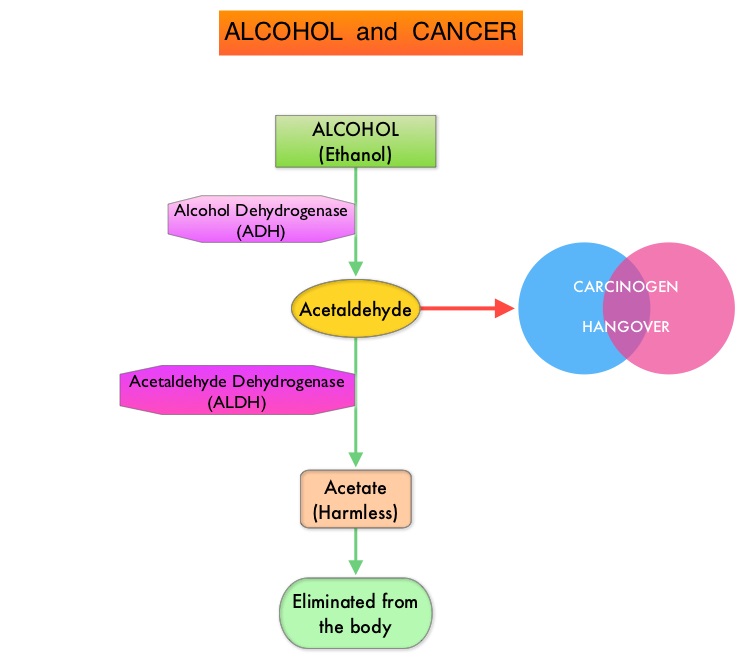
Alcohol is predominantly metabolized in the liver to acetaldehyde, which is a carcinogen and is responsible for many “hangover” symptoms. Acetaldehyde is then converted into harmless acetic acid radicals also known as acetyl radicals, and eliminated from the body. There is strong evidence to suggest that acetaldehyde damages DNA. Acetaldehyde generated during alcohol metabolism in the human body is eliminated by Aldehyde Dehydrogenase-2 (ALDH2). However, a genetic variant of ALDH2, which is an inactive form, exists and individuals with the inactive form of ALDH2 who consume alcohol, accumulate excessive amounts of acetaldehyde, which in turn can lead to greater susceptibility to alcohol-induced cancer. It has been noted that this high-risk genotype in prevalent in about 50% of North East Asian population and in 5–10% of blond-haired blue-eyed people of Northern European descent. Alcohol consumption in this group is more strongly associated with cancers of the upper aerodigestive tract. Breast tissue is also more susceptible to alcohol than other sites. Even moderate alcohol intake has been associated with increased levels of circulating sex hormones, which in turn can activate cellular proliferation. Alcohol consumption is associated with lower serum folate concentrations and this may play a role in the etiology of colon cancer.

ALCOHOL AND CANCER

There is a clear association between alcohol and upper aerodigestive tract cancers (larynx, esophagus, and oral cavity/pharynx), as a result of direct contact of ingested alcohol with the involved tissues.

Continued alcohol use among survivors of upper aerodigestive tract cancers is associated with a 3 fold increase in the risk of a second primary tumor in the upper aerodigestive tract. Additionally, there is a synergistic interaction between alcohol consumption and cigarette smoking. Smoking and alcohol use during and after radiation therapy have been associated with an increased risk of osteoradionecrosis of the jaw, in patients with oral and oropharyngeal cancers.

Among women with Estrogen Receptor-positive breast cancer, those consuming 7 or more drinks per week have a 90% increased risk of asynchronous contralateral breast cancer, versus those who do not consume alcohol. It is estimated that there is a 5% increase in premenopausal breast cancer per 10 grams of ethanol consumed per day and the risk is even greater at 9%, for postmenopausal breast cancer.

A recent meta-analysis of cohort studies among 209,597 cancer survivors showed an 8% increase in overall mortality and a 17% increased risk for recurrence in the highest versus lowest alcohol consumers and these numbers were statistically significant.

The benefit of alcohol consumption on cardiovascular health likely has been overstated and nondrinkers have lower rates of coronary heart disease and stroke than even light drinkers. Given the increase in the risk of cancer even with low levels of alcohol consumption, the net effect of alcohol is harmful. Alcohol consumption should therefore not be recommended to prevent cardiovascular disease or all-cause mortality.

In conclusion, alcohol is a well-established risk factor for the development of certain cancers and further research is needed to understand the effects of alcohol exposure on the efficacy of chemotherapy, immunotherapy and radiation treatment. Alcohol and Cancer: A Statement of the American Society of Clinical Oncology. LoConte NK, Brewster AM, Kaur JS, et al. DOI: 10.1200/JCO.2017.76.1155 Journal of Clinical Oncology – published online before print November 7, 2017

Non-V600 BRAF Mutations Define a Clinically Distinct Molecular Subtype of Metastatic Colorectal Cancer with Excellent Prognosis

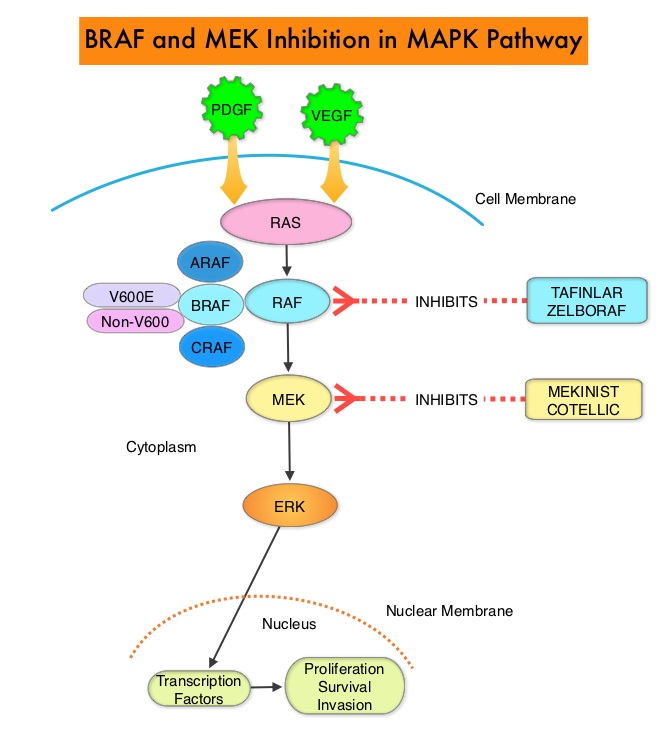
SUMMARY: ColoRectal Cancer (CRC) is the third most common cancer diagnosed in both men and women in the United States. The American Cancer Society estimates that approximately 135,430 new cases of ColoRectal Cancer will be diagnosed in the United States in 2017 and over 50,260 patients are expected to die of the disease. The lifetime risk of developing ColoRectal Cancer (CRC) is about 1 in 20 (5%). The Mitogen-Activated Protein Kinase pathway (MAPK pathway) is an important signaling pathway which enables the cell to respond to external stimuli. This pathway plays a dual role, regulating cytokine production and participating in cytokine dependent signaling cascade. The MAPK pathway of interest is the RAS-RAF-MEK-ERK pathway. The RAF family of kinases includes ARAF, BRAF and CRAF signaling molecules. BRAF is a very important intermediary of the RAS-RAF-MEK-ERK pathway. The BRAF V600 mutations results in constitutive activation of the MAP kinase pathway. Inhibiting BRAF can transiently reduce MAP kinase signaling. However, this can result in feedback upregulation of EGFR signaling pathway, which can then reactivate the MAP kinase pathway. This aberrant signaling can be blocked by dual inhibition of both BRAF and EGFR.

The initial evaluation of patients with metastatic ColoRectal Cancer (CRC) includes Molecular diagnostic testing including testing for extended RAS (RAt Sarcoma) and RAF (Rapid Accelerated Fibrosarcoma) mutations. Next-Generation Sequencing (NGS) allows expanded mutational testing for RAS which includes KRAS, NRAS and HRAS. RAS mutations are predictive of resistance to EGFR targeted therapy. NGS is able to detect approximately 20% of the patients who were originally classified as having KRAS Wild-Type (WT) metastatic CRC but were subsequently found to have KRAS or NRAS mutations, thus predicting resistance to EGFR targeted therapy.

Approximately 10% of CRCs detected by NGS harbor BRAF V600E mutation and the detection of BRAF V600E mutation is recognized as a marker of poor prognosis in patients with metastatic CRC. RAS and BRAF V600E mutations occur in a mutually exclusive fashion. Patients with this molecular subtype of CRC are older than age 60 years, more frequently female, have a right-sided tumor with high-grade histology, and often have MicroSatellite Instability (MSI-H). These patients often have peritoneal metastasis and despite chemotherapeutic intervention have a shortened overall survival. These tumors have limited response to EGFR targeted therapy and current guidelines recommend against the use of anti-EGFR antibodies in BRAF V600E-mutated mCRC.

The significance of non-V600 BRAF mutations detected by NGS however has remained unclear. The authors in this multicenter, retrospective cohort study, pooled NGS data from three large US reference laboratories and attempted to establish the clinical characteristics of patients with non-V600 BRAF mutations. Using NGS databases from the Mayo Clinic (MC), The University of Texas MD Anderson Cancer Center (MDACC), and Foundation Medicine (FM) from 2013-2016, patients with non-V600 BRAF mutations from these three institutions were identified and pooled for the primary analysis. Out of a total of 9,643 patients with metastatic CRC who underwent NGS testing, 208 patients with non-V600 BRAF mutations and 133 patients with V600E BRAF mutations, were identified. This study also included 249 patients with Wild-Type BRAF metastatic CRC, for comparative analysis , identified from the same NGS database, from the Mayo Clinic.

It was noted that the prevalence rate of any BRAF mutation was 10%, non-V600 BRAF mutations occurred in 2.2% of all patients tested and accounted for 22% of all BRAF mutations identified. Of particular clinical interest, compared with those with V600E BRAF mutations, patients harboring a non-V600 BRAF mutation were significantly younger, more frequently male, and presented with left-sided MicroSatellite-Stable (MSS) tumors. Additionally, non-V600 BRAF-mutated tumors were mostly low grade and did not often metastasize to the peritoneum. The median Overall Survival was significantly longer in patients with non-V600 BRAF-mutant metastatic CRC compared with those with both V600E BRAF-mutant and Wild-Type BRAF metastatic CRC (60.7 vs 11.4 vs 43.0 months, respectively; P<0.001) and in multivariable analysis, non-V600 BRAF mutation was independently associated with improved Overall Survival (HR=0.18; P<0.001).

This study concluded that Non-V600 BRAF mutations in metastatic ColoRectal Cancer (CRC), which accounted for 22% of all BRAF mutations identified by NGS, is a clinically distinct subtype of CRC, with an excellent prognosis and aggressive chemotherapeutic intervention could be avoided for this group of patients. Non-V600 BRAF Mutations Define a Clinically Distinct Molecular Subtype of Metastatic Colorectal Cancer. Jones JC, Renfro LA, Al-Shamsi HO, et al. J Clin Oncol 2017;35: 2624-2630

OPDIVO® and YERVOY® Combination Improves Overall Survival in Advanced Melanoma

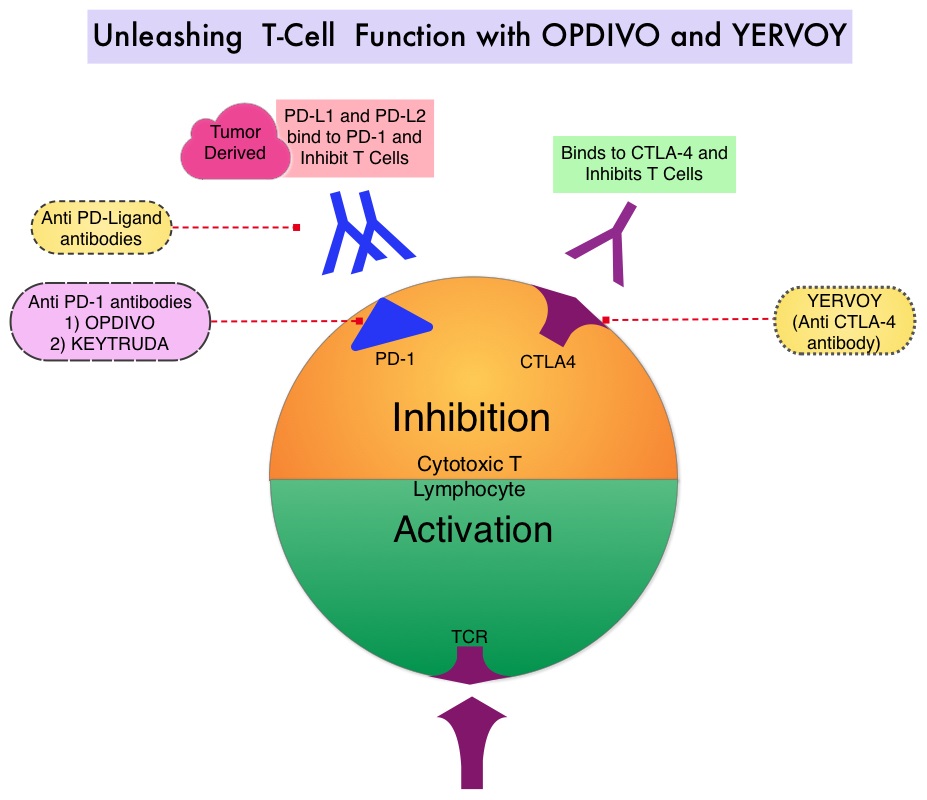
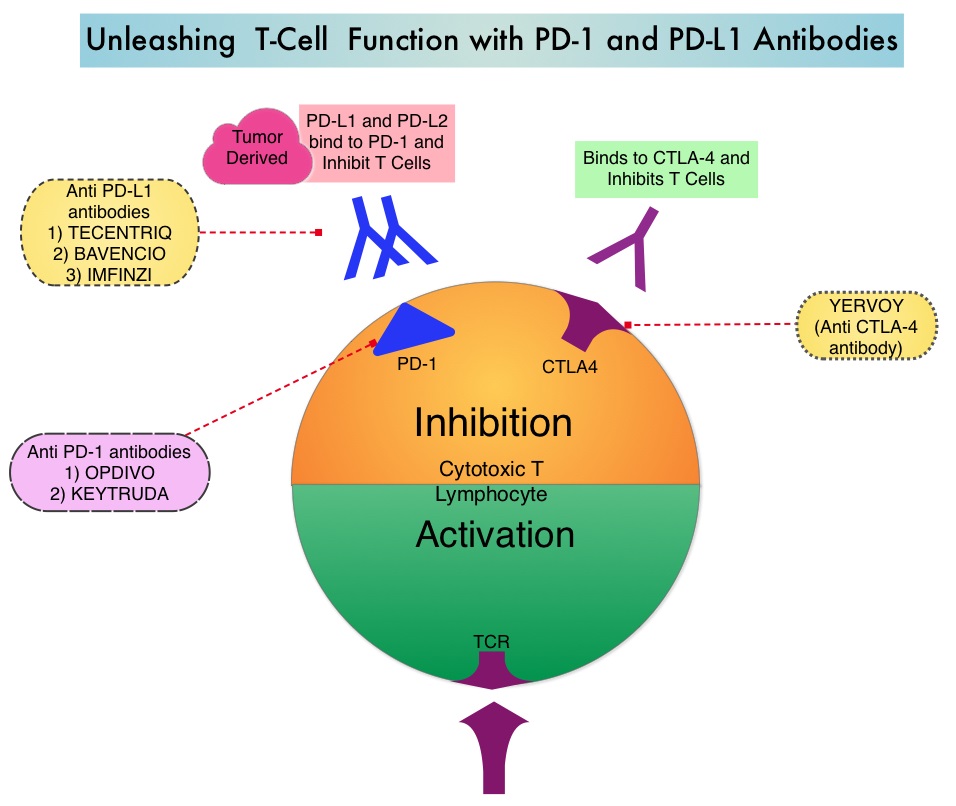
SUMMARY: It is estimated that in the US, about 87,110 new cases of melanoma will be diagnosed in 2017 and about 9,730 patients will die of the disease. The incidence of melanoma has been on the rise for the past three decades. A better understanding of Immune checkpoints has opened the doors for the discovery of novel immune targets. Immune checkpoints are cell surface inhibitory proteins/receptors that harness the immune system and prevent uncontrolled immune reactions. Survival of cancer cells in the human body may be related to their ability to escape immune surveillance, by inhibiting T lymphocyte activation. Under normal circumstances, inhibition of an intense immune response and switching off the T cells of the immune system, is accomplished by Immune checkpoints or gate keepers. With the recognition of Immune checkpoint proteins and their role in suppressing antitumor immunity, antibodies have been developed that target the membrane bound inhibitory Immune checkpoint proteins/receptors such as CTLA-4 (Cytotoxic T-Lymphocyte Antigen 4, also known as CD152), PD-1(Programmed cell Death 1), etc. By blocking the Immune checkpoint proteins, one would expect to unleash the T cells, resulting in T cell proliferation, activation and a therapeutic response.

YERVOY® (Ipilimumab) is a fully human immunoglobulin G1 monoclonal antibody that blocks Immune checkpoint protein/receptor CTLA-4, and was the first systemic therapy to show prolonged Overall Survival (OS) among patients with advanced melanoma, in randomized phase III trials. YERVOY® in a pooled analysis of data from 12 studies showed a 3-year Overall Survival of 26% among treatment naive patients and survival up to 10 years in approximately 20% of all patients, with advanced melanoma. The two PD-1 inhibitors of interest are OPDIVO® (Nivolumab) and KEYTRUDA® (Pembrolizumab), which are fully human, Immunoglobulin G4, anti-PD-1 targeted monoclonal antibodies, which bind to the PD-1 receptor and block its interaction with ligands PD-L1 and PD-L2, following which the tumor-specific effector T cells are unleashed. They are thus able to undo PD-1 pathway-mediated inhibition of the immune response. When compared with YERVOY®, in patients with advanced melanoma, PD-1 inhibitors, both OPDIVO® and KEYTRUDA®, have demonstrated superior Overall Survival (OS), Progression Free Survival (PFS), and Objective Response Rate (ORR), with a better safety profile. OPDIVO® in combination with YERVOY® in a phase I study resulted in an Overall Survival of 68% at 3 years among patients with advanced melanoma, regardless of prior therapies.

CheckMate 067 is a phase III study which enrolled treatment naïve patients with advanced melanoma, and the authors in a previous publication reported significantly longer PFS and higher rates of ORR with OPDIVO® plus YERVOY® and with OPDIVO® alone, compared with single agent YERVOY®. In this publication, the authors provided the first analysis of 3-year OS data from the CheckMate 067 trial. In this double-blind, phase III study, patients with previously untreated advanced melanoma were randomly assigned in a 1:1:1 ratio to receive one of the three regimens: OPDIVO® 1 mg/kg every 3 weeks plus YERVOY® 3 mg/kg every 3 weeks for four doses, followed by OPDIVO® 3 mg/kg every 2 weeks (N=314); OPDIVO® 3 mg/kg every 2 weeks plus placebo (N=316); or YERVOY® 3 mg/kg every 3 weeks for four doses plus placebo (N=315). Randomization was stratified according to BRAF mutation status, metastasis stage, and Programmed cell Death Ligand 1 (PD-L1) status. Treatment was continued until disease progression or unacceptable toxicities. The two primary end points were PFS and OS in the OPDIVO® plus YERVOY® group and in the OPDIVO® group versus the YERVOY® group.

The median OS at a minimum follow up of 36 months, had not been reached in the OPDIVO® plus YERVOY® group and was 37.6 months in the OPDIVO® group, compared with 19.9 months in the YERVOY® group (Hazard Ratio for death with OPDIVO® plus YERVOY® versus YERVOY®=0.55 (P<0.001); Hazard Ratio for death with OPDIVO® versus YERVOY®=0.65 (P<0.001). The OS at 3 years in the OPDIVO® plus YERVOY® group was 58% and in the OPDIVO® group was 52%, as compared with 34% in the YERVOY® group. Grade 3 or 4 treatment-related toxicities, as expected were higher in the OPDIVO® plus YERVOY® group at 59% compared with 21% in the OPDIVO® group, and 28% in the YERVOY® group.

It was concluded that in patients with previously untreated advanced melanoma, significantly longer Overall Survival can be achieved with OPDIVO® plus YERVOY® combination therapy or with OPDIVO® alone, compared with single agent YERVOY®. Overall Survival with Combined Nivolumab and Ipilimumab in Advanced Melanoma. Wolchok JD, Chiarion-Sileni V, Gonzalez R, et al. N Engl J Med 2017; 377:1345-1356

KEYTRUDA® Improves Overall Survival in Advanced Urothelial Carcinoma

SUMMARY: The American Cancer Society estimates that in 2017, approximately 79,030 new cases of Bladder Cancer will be diagnosed and 16,870 patients will die of the disease. Patients with urothelial carcinoma are currently treated in the first line setting with a platinum based chemotherapy regimen. Treatment options for patients who progress after platinum based chemotherapy are limited, with poor outcomes. The response rates with standard chemotherapy in this patient population, is about 10%.

The FDA approved KEYTRUDA® (Pembrolizumab) in May 2017 for the treatment of patients with locally advanced or metastatic urothelial carcinoma who have disease progression during or following platinum-containing chemotherapy, or within 12 months of neoadjuvant or adjuvant treatment with platinum-containing chemotherapy. The FDA subsequently in July 2017 granted an accelerated approval to frontline KEYTRUDA® for patients with locally advanced or metastatic urothelial carcinoma, who are not eligible for cisplatin-containing chemotherapy. KEYTRUDA® is a fully humanized, Immunoglobulin G4, anti-PD-1, monoclonal antibody, that binds to the PD-1 receptor and blocks its interaction with ligands PD-L1 and PD-L2. By doing so, it unleashes the tumor-specific effector T cells, and is thereby able to undo PD-1 pathway-mediated inhibition of the immune response.

KEYNOTE-045 trial is an open-label, multicenter, phase III study in which 542 patients with advanced urothelial carcinoma who had progressed on prior therapies were randomly assigned to receive KEYTRUDA® or investigator's choice of Paclitaxel, Docetaxel, or Vinflunine. Eligible patients had histologically or cytologically confirmed urothelial carcinoma and had progressed on no more than 2 prior systemic therapies, including a platinum based regimen. Patients were randomly assigned in a 1:1 ratio to receive KEYTRUDA® 200 mg every 3 weeks (N=270) or investigator's choice of Paclitaxel 175 mg/m2 , Docetaxel 75 mg/m2, or Vinflunine 320 mg/m2, every 3 weeks (N=272). The primary endpoints were Overall Survival (OS) and Progression Free Survival (PFS), and the secondary endpoints included Objective Response Rate (ORR) and Safety. Efficacy was assessed in all patients as well as in patients with a PD-L1 Combined Positive Score (CPS) of 10% or more. (CPS is the percentage of PD-L1-expressing tumor and inflammatory cells).

In an updated analysis, with a median follow up of 22.5 months for both treatment groups, the median OS with KEYTRUDA® was 10.3 months compared with 7.4 months with chemotherapy (HR=0.70; P=0.0003) and among patients with a Combined Positive Score of 10% or more, the OS was 8.0 versus 5.2 months respectively (HR=0.58; P=0.003). The OS benefit was noted regardless of age, liver metastases, hemoglobin, visceral disease, and choice of chemotherapy. The 18 month OS rate was 33.2% with KEYTRUDA® versus 19.7% with chemotherapy. There was however no significant difference in the median PFS between the two treatment groups. The ORR was 21.1% with KEYTRUDA® and 11.0% with chemotherapy and the responses with KEYTRUDA® were more durable than with chemotherapy. The median response duration of response was not reached in the KEYTRUDA® group versus 4.4 months in the chemotherapy group. Treatment-related Adverse Events of any grade occurred in 62% of patients in the KEYTRUDA® group and 91% of patients in the chemotherapy group. Discontinuation due to toxicities occurred in 7.1% versus 12.5% of KEYTRUDA® vs chemotherapy patients, respectively.

It was concluded that KEYTRUDA® is the first agent to improve Overall Survival over chemotherapy, in the second line setting, for patients with recurrent, advanced urothelial carcinoma, and a significant proportion of patients who respond, have very durable responses. Pembrolizumab (pembro) versus paclitaxel, docetaxel, or vinflunine for recurrent, advanced urothelial cancer (UC): mature results from the phase 3 KEYNOTE-045 trial. De Wit R, Vaughn DJ, Fradet Y, et al. Annals of Oncology (2017) 28 (suppl_5): v605-v649. 10.1093/annonc/mdx440