Screening Mammography Starting at Age 40 years May Reduce Breast Cancer Deaths by 40 percent

SUMMARY: Breast cancer is the most common cancer among women in the US and about 1 in 8 women (12%) will develop invasive breast cancer during their lifetime. It is estimated that 252,710 new cases of invasive breast cancer and 63,410 new cases of non-invasive breast cancer will be diagnosed in women in 2017 and 40,610 women are expected to die from the disease. In the US, about 33 million screening mammograms are performed each year.

Currently, the major national health care organizations in the US have different recommendations for screening mammography which has led to some confusion and emotional counterarguments. These several different recommendations include 1) Annual screening at ages 40 to 84 years 2) Annual screening at ages 45 to 54 years and then biennially at ages 55 to 79 years 3) Biennial screening at ages 50 to 74 years.

To address this varied recommendations and help women make informed decisions regarding mammography screening, the authors used computer modeling (CISNET models) to assess the three major screening mammography recommendations, and estimate the number of breast cancer deaths that might be prevented with the different screening mammography schedules. Cancer Intervention and Surveillance Modeling Network (CISNET) is a consortium of NCI-sponsored investigators who use statistical modeling to improve understanding of cancer control interventions in prevention, screening and treatment, and their effects on population trends in incidence and mortality. CISNET has been cited by the International Society Pharmacoeconomics and Outcomes Research (ISPOR) Task Force on Good Modeling Practices for its role in establishing a forum that enables researchers to compare results and articulate reasons for discrepancies.

It was noted in this study that the mean mortality reduction in breast cancer-specific deaths was greatest with the recommendation of annual screening at ages 40 to 84 years (39.6%), which meant that 29,369 lives were saved from breast cancer, compared with the recommendation of screening annually at ages 45 to 54 years, then biennially at ages 55 to 79 years (30.8%), which meant that 22,829 were lives saved from breast cancer, and the recommendation of biennial screening at ages 50 to 74 years (23.2%) which meant that 17,153 lives were saved from breast cancer.

The study also took into consideration risks associated with screening, including callbacks for additional imaging following indeterminate or suspicious mammographic finding and in some cases, a breast biopsy, only to find out that the findings were benign. The authors commented that the average woman in her 40s getting annual screening can expect additional and unnecessary screening about once every 12 years and unnecessary breast biopsy recommendations once every 150 years. Other rare risks with screening mammography include breast cancer that could be missed and breast cancer caused by mammogram radiation.

It was concluded that based on the CISNET models, the greatest breast cancer-specific mortality reduction is achieved with annual screening of women starting at age 40 years. They added that this is the first study to compare the three most widely discussed recommendations for screening mammography, head to head. These findings will guide women and their Health Care Providers in deciding when to begin screening mammography and how often to get screened. Comparison of recommendations for screening mammography using CISNET models. Arleo EK, Hendrick E, Helvie MA, et al. CANCER; Published Online: August 21, 2017. http://doi.wiley.com/10.1002/cncr.30842

DACOGEN® May Be Superior to VIDAZA® in Higher-Risk MDS Patients

SUMMARY: It is estimated that in the United States approximately 13,000 people are diagnosed with MyeloDysplastic Syndromes (MDS) each year. MyeloDysplastic Syndromes are a heterogenous group of stem cell disorders characterized by marrow failure resulting in cytopenias with associated cytogenetic abnormalities, and abnormal cellular maturation with morphologic changes in clonal cells. Majority of the individuals diagnosed with MDS are aged 65 years and older and die as a result of infection and/or bleeding consequent to bone marrow failure. About a third of patients with MDS develop Acute Myeloid Leukemia (AML). Patients with low-risk MDS have an indolent disease course with a median survival of about 6 years with no therapeutic intervention. Patients with intermediate and higher-risk disease however have a shorter median survival even with treatment, with approximately a third of the patients progressing to AML within 3 years.

Management of patients with MDS includes supportive care with Erythropoiesis Stimulating Agents (ESA), hypomethylating agents such as VIDAZA® (Azacitidine) and DACOGEN® (Decitabine), immunomodulatory agents such as REVLIMID® (Lenalidomide), and immunosuppressive agents such as AntiThymocyte Globulin (ATG) and Cyclosporine. Symptomatic patients with MDS are often treated with either VIDAZA® or DACOGEN® as these agents have been shown to improve survival in higher-risk MDS patients. It has remained unclear however, if one is better than the other.

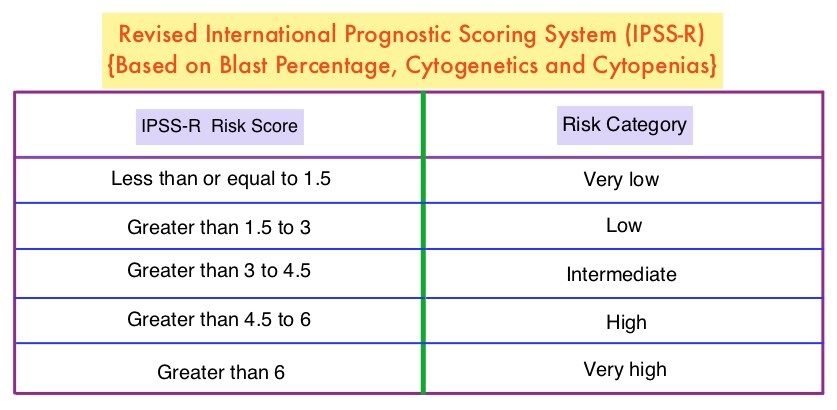
To address this question the authors conducted a phase II study, in which 113 patients with low (36%), intermediate (30%), and high (20%) – risk MDS, as determined by the Revised International Prognostic Scoring System (IPSS-R), were randomly assigned to receive either VIDAZA® 75 mg/m2 IV/SC daily (N=40) or DACOGEN® 20 mg/m2 IV daily (N=73), for 3 consecutive days, with the cycle repeated every 28 days. Patients received a median of 9 cycles. The primary endpoint was Overall Response Rate (ORR).

It was noted that the ORR was 70% and 49% for patients treated with DACOGEN® and VIDAZA® respectively (P=0.03). Cytogenetic response rates were 61% and 25% respectively (P=0.02). Thirty-two percent (32%) of patients treated with DACOGEN® became transfusion independent compared with 16% of patients treated with VIDAZA® Among patients with 5% or more bone marrow blasts, all responded to DACOGEN® whereas only 36% responded to VIDAZA® (P<0.001). With a median follow up of 20 months, the median Event Free Survival for patients treated with DACOGEN® was 20 months and 13 months for those treated with VIDAZA®, and these outcomes were negatively impacted by the presence of TP53 and ZRSR2 mutations. More patients in the DACOGEN® group experienced myelosuppression, and grade 3 toxicities were rare.

The authors concluded that lower doses of DACOGEN® and VIDAZA® are safe and effective in symptomatic patients with MDS, and DACOGEN® is more effective compared to VIDAZA®, in patients with higher-risk features. A randomized phase II study of low-dose decitabine versus low-dose azacitidine in lower risk MDS and MDS/MPN. Jabbour E, Short NJ, Montalban-Bravo G, et al. Blood. 2017 Aug 3. pii: blood-2017-06-788497. doi: 10.1182/blood-2017-06-788497. [Epub ahead of print]

FDA Approves IDHIFA® for Patients with Relapsed or Refractory Acute Myeloid Leukemia

SUMMARY: The FDA on August 1, 2017 granted regular approval to IDHIFA® (Enasidenib), for the treatment of adult patients with relapsed or refractory Acute Myeloid Leukemia (AML) with an Isocitrate DeHydrogenase-2 (IDH2) mutation, as detected by an FDA-approved test. The American Cancer Society estimates that in 2017, 21,380 new cases of Acute Myeloid Leukemia (AML) will be diagnosed in the United States and 10,590 patients will die of the disease. AML can be considered as a group of heterogeneous diseases with different clinical behavior and outcomes. Cytogenetic analysis has been part of routine evaluation when caring for patients with AML. By predicting resistance to therapy, tumor cytogenetics will stratify patients, based on risk and help manage them accordingly. Even though cytotoxic chemotherapy may lead to long term remission and cure in a minority of patients with favorable cytogenetics, patients with high risk features such as unfavorable cytogenetics, molecular abnormalities, prior myelodysplasia and advanced age, have poor outcomes with conventional chemotherapy alone.

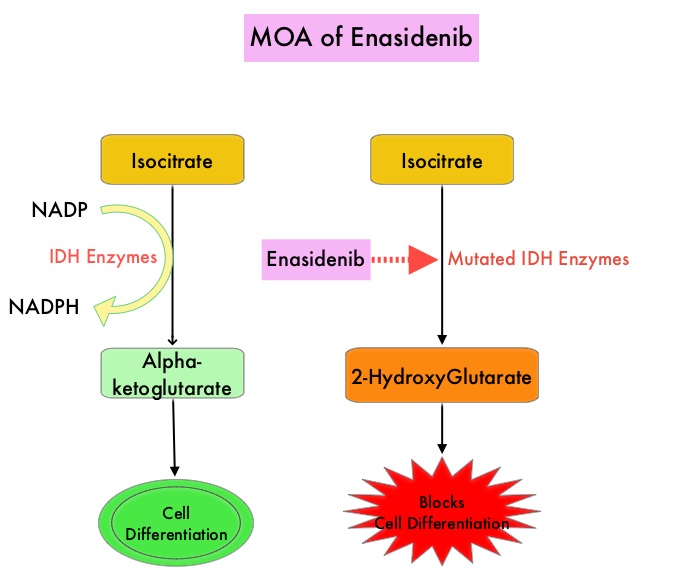
Isocitrate DeHydrogenase (IDH) is a metabolic enzyme that helps generate energy from glucose and other metabolites by catalyzing the conversion of Isocitrate to Alpha-Ketoglutarate. Alpha-ketoglutarate is required to properly regulate DNA and histone methylation, which in turn is important for gene expression and cellular differentiation. IDH mutations lead to aberrant DNA methylation and altered gene expression thereby preventing cellular differentiation, with resulting immature undifferentiated cells. IDH mutations may thus promote leukemogenesis in Acute Myeloid Leukemia and tumorigenesis in solid tumors. There are three isoforms of IDH. IDH1 is mainly found in the cytoplasm, as well as in peroxisomes, whereas IDH2 and IDH3 are found in the mitochondria, and are a part of the Krebs cycle. Approximately 20% of patients with AML, 70% of patients with Low-grade Glioma and secondary Glioblastoma, 50% of patients with Chondrosarcoma, 20% of patients with Intrahepatic cholangiocarcinoma, 30% of patients with Angioimmunoblastic T-cell lymphoma and 8% of patients with Myelodysplastic syndromes/Myeloproliferative neoplasms, are associated with IDH mutations.

IDHIFA® is an oral, selective, small molecule inhibitor of mutated IDH2 protein. The approval of IDHIFA® was based on an open label, single arm, multicenter, clinical trial that included 199 adults with relapsed or refractory AML, who had an IDH2 mutation as detected by the RealTime IDH2 Assay. Patients received IDHIFA® 100 mg orally daily. The median age was 67 years, the median number of prior therapies was 2 and a third of the patients had unfavorable cytogenetics. Study endpoints included Complete Response (CR) and Complete Response with partial hematologic recovery (CRh) rates, CR/CRh duration, and conversion from transfusion dependence to transfusion independence.

After a median follow up of 6.6 months, 23% of patients experienced CR or CRh lasting a median of 8.2 months, with 19% of patients having a CR lasting a median 8.2 months, and 4% with a CRh lasting a median 9.6 months. The median time to first response was 1.9 months and the median time to best response of CR/CRh was 3.7 months. Of the 157 patients who required transfusions at the initiation of the trial, 34% of the patients no longer required transfusions during at least one 8 week time period on IDHIFA®. Of the 42 patients who did not require transfusions at the start of the study, 76% maintained transfusion independence. The most common toxicities were nausea, vomiting, diarrhea, elevated bilirubin and decreased appetite. Differentiation syndrome occurred in 14% of patients and these patients should be promptly managed, as this could be fatal.

The authors concluded that IDHIFA® is well tolerated and induced lasting Complete Responses in patients who had failed prior AML therapies, with the clinical efficacy related to differentiation of myeloblasts rather than cytotoxicity. This is the first FDA approval for relapsed or refractory AML specifically with an IDH2 mutation. Enasidenib in mutant-IDH2 relapsed or refractory acute myeloid leukemia (R/R AML): Results of a phase I dose-escalation and expansion study. Stein EM, Dinardo CD, Pollyea DA, et al. J Clin Oncol 35, 2017 (suppl; abstr 7004).

ASTRO Guideline for Stereotactic Body Radiation Therapy in Early Stage Lung Cancer

SUMMARY: Lung cancer is the second most common cancer in both men and women and accounts for about 13% of all new cancers and 27% of all cancer deaths. The American Cancer Society estimates that for 2017 about 222,500 new cases of lung cancer will be diagnosed and over 155,000 patients will die of the disease. Lung cancer is the leading cause of cancer-related mortality in the United States. Approximately 15% of patients present with early stage (T1-2 N0) disease, and these numbers are likely to increase with the implementation of Lung Cancer screening programs. Patients with early stage disease unless medically unfit, undergo surgical resection with a curative intent. Those who are not surgical candidates, are often treated with conventional Radiation Therapy, which can result in high rates of local failure and treatment-related toxicities.

Stereotactic Body Radiation Therapy (SBRT) is a non-surgical procedure that allows delivery of significantly higher doses of precisely focused radiation to the tumor, compared to conventional Radiation Therapy, with less collateral damage to the surrounding normal tissue. The technologies used for SBRT include GAMMA KNIFE® which uses highly focused gamma rays, Proton Beam therapy which uses ionized hydrogen or Protons, Linear Accelerator (LINAC) and CYBER KNIFE® which use Photons, to target the tumor tissue. Because SBRT is fractionated and delivered over 1-5 days, the short-and long-term side effects of radiation therapy are decreased and may allow higher total dosage to be given.
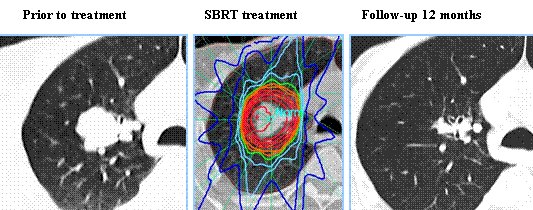
This guideline is based on systematic review of literature which included 172 articles, from January 1995 and August, 2016. This literature search evaluated adults with T1-2, N0, Non Small Cell Lung Cancer (NSCLC) receiving primary or salvage SBRT. Developed by the American Society for Radiation Oncology, this guideline is also endorsed by the European Society for Radiotherapy & Oncology, the Royal Australian and New Zealand College of Radiologists, and the International Association for the Study of Lung Cancer.

KEY QUESTIONS (KQ)

KQ 1: When is SBRT appropriate for patients with T1-2, N0, NSCLC who are medically operable?

Statement KQ 1A: Any patient with operable Stage I NSCLC being considered for SBRT should be evaluated by a thoracic surgeon, preferably in a multidisciplinary setting, to reduce specialty bias.

Statement KQ 1B: For patients with “standard operative risk” (ie, with anticipated operative mortality of <1.5%) and stage I NSCLC, SBRT is not recommended as an alternative to surgery outside of a clinical trial. Discussions about SBRT are appropriate, with the disclosure that long-term outcomes with SBRT >3 years are not well established. For this population, lobectomy with systematic mediastinal lymph node evaluation remains the recommended treatment, though a sublobar resection may be considered in select clinical scenarios.

Statement KQ 1C: For patients with “high operative risk” (ie, those who cannot tolerate lobectomy, but are candidates for sublobar resection) stage I NSCLC, discussions about SBRT as a potential alternative to surgery are encouraged. Patients should be informed that while SBRT may have decreased risks from treatment in the short term, the longer term outcomes >3 years are not well-established.

KQ 2: When is SBRT appropriate for medically inoperable patients with T1-2, N0, NSCLC?

For patients with centrally located tumors

Statement KQ 2A: SBRT directed toward centrally located lung tumors (tumor within 2 cm of the proximal tracheobronchial tree) carries unique and significant risks when compared to treatment directed at peripherally located tumors. The use of 3-fraction regimens should be avoided in this setting.

Statement KQ 2B: SBRT directed at central lung tumors should be delivered in 4 or 5 fractions. Adherence to volumetric and maximum dose constraints may optimize the safety profile of this treatment. For central tumors for which SBRT is deemed too high risk, hypofractionated radiation therapy utilizing 6 to 15 fractions can be considered.

For patients with tumors >5 cm in diameter

Statement KQ 2C: SBRT is an appropriate option for tumors >5 cm in diameter with an acceptable therapeutic ratio. Adherence to volumetric and maximum dose constraints may optimize the safety profile of this treatment.

For patients lacking tissue confirmation

Statement KQ 2D: Whenever possible, obtain a biopsy prior to treatment with SBRT to confirm a histologic diagnosis of a malignant lung nodule.

Statement KQ 2E: SBRT can be delivered in patients who refuse a biopsy, have undergone non-diagnostic biopsy, or who are thought to be at prohibitive risk of biopsy. Prior to SBRT in patients lacking tissue confirmation of malignancy, patients are recommended to be discussed in a multidisciplinary manner with a consensus that the lesion is radiographically and clinically consistent with a malignant lung lesion based on tumor, patient, and environmental factors

For patients with synchronous primary or multifocal tumors

Statement KQ 2F: Multiple Primary Lung Cancers (MPLCs) can be difficult to differentiate from intrathoracic metastatic lung cancer and pose unique issues for parenchymal preservation; therefore, it is recommended that they are evaluated by a multidisciplinary team.

Statement KQ 2G: Positron Emission Tomography/Computed Tomography and brain Magnetic Resonance Imaging are recommended in patients suspected of having MPLC to help differentiate from intrathoracic metastatic lung cancer. Invasive mediastinal staging should be addressed on a case-by-case basis.

Statement KQ 2H: SBRT may be considered as a curative treatment option for patients with synchronous MPLC. SBRT for synchronous MPLC has equivalent rates of local control and toxicity, but decreased rates of overall survival compared with those with single tumors.

Statement KQ 2I: SBRT is recommended as a curative treatment option for patients with metachronous MPLC. SBRT for metachronous MPLC has equivalent rates of local control and toxicity and overall survival compared with those with single tumors.

For patients who underwent pneumonectomy and now have a new primary tumor in their remaining lung

Statement KQ 2J: SBRT may be considered a curative treatment option for patients with metachronous MPLC in a postpneumonectomy setting. While SBRT for metachronous MPLC appears to have equivalent rates of local control and acceptable toxicity compared to single tumors, SBRT in the post-pneumonectomy setting might have a higher rate of toxicity than in patients with higher baseline lung capacity.

KQ 3: For medically inoperable early-stage lung cancer patients, how can SBRT techniques be individually tailored to provide an adequate dose for tumor eradication with minimal risk to normal structures in “high-risk” clinical scenarios?

For tumors with intimal proximity/involvement of mediastinal structures (bronchial tree, esophagus, heart, etc.)

Statement KQ 3A: For tumors in close proximity to the proximal bronchial tree, SBRT should be delivered in 4 to 5 fractions. Physicians should endeavor to meet the constraints that have been utilized in prospective studies given the severe toxicities that have been reported.

Statement KQ 3B: For tumors in close proximity to the esophagus, physicians should endeavor to meet the constraints that have been utilized in prospective studies or otherwise reported in the literature given the severe esophageal toxicities that have been reported.

Statement KQ 3C: For tumors in close proximity to the heart and pericardium, SBRT should be delivered in 4 to 5 fractions with low incidence of serious toxicities to the heart, pericardium, and large vessels observed. Adherence to volumetric and maximum dose constraints utilized in prospective trials or reported in the literature may optimize the safety profile of this treatment.

For tumors abutting or invading the chest wall

Statement KQ 3D: SBRT is an appropriate option for treatment and should be offered for T1-2 tumors that abut the chest wall. Grade 1 and 2 chest wall toxicity is a common occurrence post SBRT that usually resolves with conservative management. Patients with peripheral tumors approximating the chest wall should be counseled on the possibility of this common toxicity.

Statement KQ 3E: SBRT may be utilized in patients with cT3 disease due to chest wall invasion without clear evidence of reduced efficacy or increased toxicity compared to tumors abutting the chest wall.

KQ 4: In medically inoperable patients, what is the role of SBRT as salvage therapy for early-stage lung cancer that recurs?

After conventionally fractionated Radiation Therapy

Statement KQ 4A: The use of salvage SBRT after primary conventionally fractionated radiation may be offered to selected patients due to reported favorable local control and survival. These patients should be informed of significant (including fatal) toxicities.

Statement KQ 4B: Patient selection for salvage SBRT after primary conventionally fractionated radiation is a highly individualized process. Radiation oncologists should assess evidence-based patient, tumor, and treatment factors prior to treatment initiation.

After SBRT and sublobar resection

Statement KQ 4C: Patient selection for salvage SBRT after previous SBRT and after prior Sublobar resection is a highly individualized process. Radiation oncologists should assess evidence-based patient, tumor, and treatment factors before treatment initiation.

Stereotactic Body Radiation Therapy for early-stage Non-Small Cell Lung Cancer: Executive Summary of an ASTRO Evidence-Based Guideline. Videtic GM, Donington J, Giuliani M, et al. http://dx.doi.org/10.1016/j.prro.2017.04.014

FDA Approves OPDIVO® for MSI-H or dMMR Metastatic Colorectal Cancer

SUMMARY: The FDA on July 31, 2017, granted accelerated approval to OPDIVO® (Nivolumab) for the treatment of patients 12 years and older with MisMatch Repair deficient (dMMR) and MicroSatellite Instability-High (MSI-H) metastatic ColoRectal Cancer, that has progressed following treatment with a Fluoropyrimidine, Oxaliplatin, and Irinotecan. ColoRectal Cancer (CRC) is the third most common cancer diagnosed in both men and women in the United States. The American Cancer Society estimates that approximately 135,430 new cases of ColoRectal Cancer will be diagnosed in the United States in 2017 and over 50,260 patients are expected to die of the disease. The lifetime risk of developing ColoRectal Cancer is about 1 in 20 (5%).

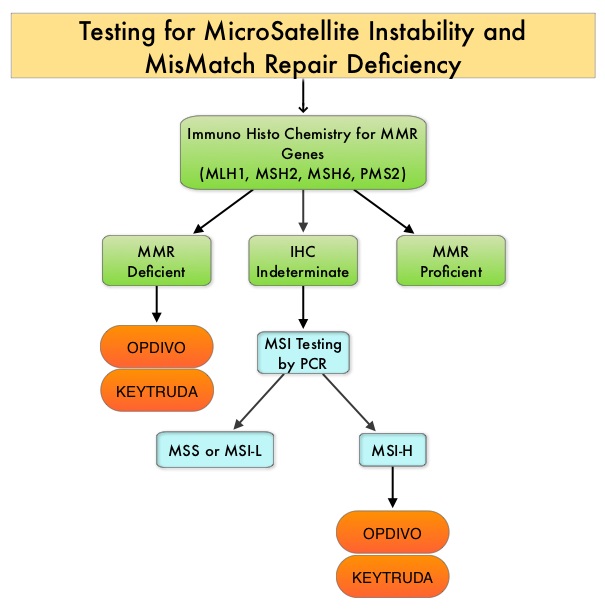
The DNA MisMatchRepair (MMR) system is responsible for molecular surveillance and works as an editing tool that identifies errors within the microsatellite regions of DNA and removes them. Defective MMR system leads to MSI (Micro Satellite Instability) and hypermutation, triggering an enhanced antitumor immune response. MSI (Micro Satellite Instability) is therefore a hallmark of defective/deficient DNA MisMatchRepair (MMR) system and occurs in 15% of all colorectal cancers. Defective MisMatchRepair can be a sporadic or heritable event. Approximately 65% of the MSI tumors are sporadic and when sporadic, the DNA MisMatchRepair gene is MLH1. Defective MisMatchRepair can also manifest as a germline mutation occurring in 1 of the 4 MisMatchRepair genes which include MLH1, MSH2, MSH6, PMS2. This produces Lynch Syndrome (Hereditary Nonpolyposis Colorectal Carcinoma – HNPCC), an Autosomal Dominant disorder and is the most common form of hereditary colon cancer, accounting for 35% of the MSI colorectal cancers. MSI tumors tend to have better outcomes and this has been attributed to the abundance of tumor infiltrating lymphocytes in these tumors from increase immunogenicity. These tumors therefore are susceptible to PD-1 blockade with immune checkpoint inhibitors.

MSI (Micro Satellite Instability) testing is performed using a PCR based assay and MSI-High refers to instability at 2 or more of the 5 mononucleotide repeat markers and MSI-Low refers to instability at 1 of the 5 markers. Patients are considered Micro Satellite Stable (MSS) if no instability occurs. MSI-L and MSS are grouped together because MSI-L tumors are uncommon and behave similar to MSS tumors. Tumors considered MSI-H have deficiency of one or more of the DNA MisMatchRepair genes. MMR gene deficiency can be detected by ImmunoHistoChemistry (IHC). MLH1 gene is often lost in association with PMS2. NCCN Guidelines recommend MMR or MSI testing for all patients with a history of Colon or Rectal cancer.

This latest approval for OPDIVO® was based on results from the phase II CheckMate-142 trial, which is a multicenter, open label, single arm study, involving 53 patients with dMMR or MSI-H metastatic ColoRectal Cancer, who had disease progression during, after, or were intolerant to prior treatment with Fluoropyrimidine, Oxaliplatin, and Irinotecan-based chemotherapy. These 53 patients were a subset of the 74 patients who received at least one prior treatment regimen containing a Fluoropyrimidine with Oxaliplatin or Irinotecan for metastatic disease. All patients received OPDIVO® 3 mg/kg by intravenous infusion every 2 weeks until unacceptable toxicity or radiographic progression. The median age was 53 years. The Primary endpoint was Objective Response Rate (ORR) and exploratory endpoints included Safety, Progression Free Survival, Overall Survival and efficacy in biomarker-defined populations.

The Objective Response Rate as assessed by independent radiographic review committee, was 28% in the 53 patients who received prior Fluoropyrimidine, Oxaliplatin, and Irinotecan and responses lasted 6 months or more for the 67% of the responding patients. There was 1 complete response and 14 partial responses. The ORR was 32% among the 74 patients in the overall population. These responses and Clinical Benefit was seen regardless of PD-L1 expression, BRAF mutation status, KRAS mutation status, and clinical history of Lynch Syndrome. The most common adverse reactions related to OPDIVO® included fatigue, asthenia, rash, fever, nausea, diarrhea, musculoskeletal pain, cough and dyspnea.

The authors concluded that patients with metastatic ColoRectal Cancer who have dMMR or MSI-H tumors are less likely to respond to conventional chemotherapy and OPDIVO® demonstrated durable responses and disease control in this heavily pretreated patient group. Nivolumab in patients with DNA mismatch repair deficient/microsatellite instability high metastatic colorectal cancer: Update from CheckMate 142. Overman MJ, Lonardi S, Leone F, et al. J Clin Oncol 35, 2017 (suppl 4S; abstract 519).

FDA Approves DARZALEX® in Combination with POMALYST® and Dexamethasone for Relapsed or Refractory Multiple Myeloma

SUMMARY: The FDA on June 16, 2017 approved the use of DARZALEX® (Daratumumab) in combination with POMALYST® (Pomalidomide) and Dexamethasone for the treatment of patients with Multiple Myeloma who have received at least two prior therapies including REVLIMID® (Lenalidomide) and a Proteasome Inhibitor. Multiple Myeloma is a clonal disorder of plasma cells in the bone marrow and the American Cancer Society estimates that in the United States, about 30,280 new cases will be diagnosed in 2017 and 12,590 patients will die of the disease. Multiple Myeloma is a disease of the elderly, with a median age at diagnosis of 69 years and characterized by intrinsic clonal heterogeneity. With a record number of regulatory approvals for Myeloma treatment over the past 12 years, the median survival for patients with Myeloma is over 10 years.

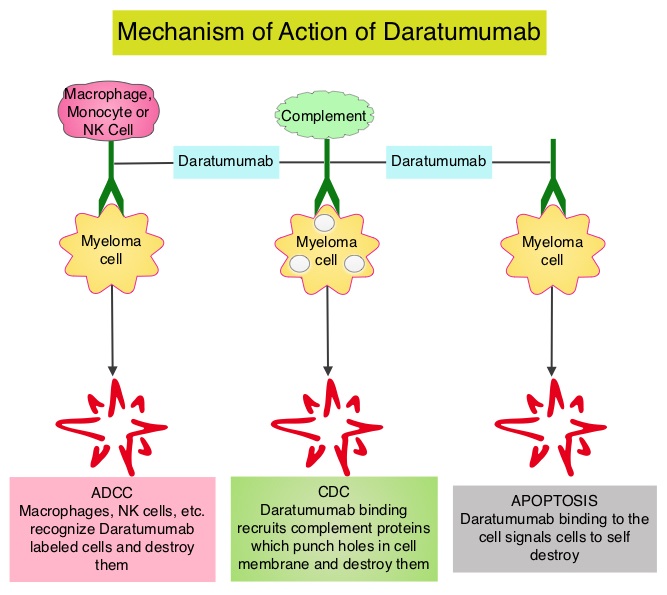
DARZALEX® is a human IgG1 antibody that targets CD38, a transmembrane glycoprotein abundantly expressed on malignant plasma cells and with low levels of expression on normal lymphoid and myeloid cells. DARZALEX® exerts its cytotoxic effect on myeloma cells by multiple mechanisms, including Antibody Dependent Cellular Cytotoxicity (ADCC), Complement Mediated Cytotoxicity and direct apoptosis. Additionally, DARZALEX® may have a role in immunomodulation by depleting CD38-positive regulator Immune suppressor cells, and thereby expanding T cells, in patients responding to therapy. The FDA approved DARZALEX® in November 2015 as monotherapy for Myeloma patients who had received at least three prior lines of therapy including a Proteasome Inhibitor (PI) and an Immunomodulatory agent or who are double refractory to a PI and an Immunomodulatory agent. In November 2016, DARZALEX® was approved in combination with REVLIMID® and Dexamethasone, or VELCADE® (Bortezomib) and Dexamethasone, for the treatment of patients with Multiple Myeloma who have received at least one prior therapy. POMALYST® (Pomalidomide) is a novel, oral, immunomodulatory drug which is far more potent than THALOMID® (Thalidomide) and REVLIMID®, and has been shown to be active in REVLIMID® and VELCADE® refractory patients.

This new FDA approval was based on data from the phase Ib (MMY1001, EQUULEUS) study of DARZALEX® in combination with POMALYST® and Dexamethasone in relapsed or refractory Multiple Myeloma. This open-label study included 103 patients with Multiple Myeloma who had received prior treatment with a Proteasome Inhibitor and an Immunomodulatory agent. Treatment consisted of DARZALEX® 16 mg/kg IV on days 1, 8, 15, and 22 of a 28 day cycle for 8 weeks during cycles 1 and 2, every 2 weeks (on days 1 and 15) for 16 weeks (cycles 3 thru 6), and every 4 weeks thereafter until disease progression. POMALYST® 4 mg PO was administered daily for 21 days along with Dexamethasone 40 mg weekly (20 mg for patients over 75 years of age). The median patient age was 64 years and patients had received a median of 4 prior lines of therapy. About 75% of the patients had prior Autologous Stem Cell Transplant, 90% of patients were refractory to REVLIMID®, 70% were refractory to VELCADE®, and 64% were refractory to both agents.

The Overall Response Rate in this study was 59% with Very Good Partial Response (VGPR) noted in 28% of patients. Complete Response was achieved in 6% of patients and stringent Complete Response was achieved in 8% of patients. The median time to response was 1 month and the median duration of response was 13.6 months. The most common toxicities were infusion reactions, nausea, vomiting, diarrhea, fatigue, fever, upper respiratory tract infection, muscle spasms, cough and dyspnea. The most common grade 3/4 toxicities were cytopenias including lymphopenia.

It was concluded that DARZALEX® in combination with POMALYST® and Dexamethasone is a new combination therapy, with significant clinical benefit, for patients who relapse or become resistant to Proteasome Inhibitors and Immunomodulatory agents. This combination may be a viable option for patients who progress on a combination of REVLIMID®, VELCADE® and Dexamethasone (RVD) regimen, which is often given as first line therapy. A Study of JNJ-54767414 (HuMax CD38) (Anti-CD38 Monoclonal Antibody) in Combination With Backbone Treatments for the Treatment of Patients With Multiple Myeloma. ClinicalTrials.gov Identifier: NCT01998971 https://www.accessdata.fda.gov/drugsatfda_docs/appletter/2017/761036orig1s005ltr.pdf.

Antiemetics American Society of Clinical Oncology Clinical Practice Guideline Update (Part II)

SUMMARY: Chemotherapy Induced Nausea and Vomiting (CINV) is quite common and occurs in about 80% of patients receiving chemotherapy. The following (Part II) is a continuation of the ASCO Antiemetics Clinical Practice Guideline Update.

KEY RECOMMENDATIONS (ctd) – PART II

Adult Patients

Breakthrough nausea and vomiting

(No change) For patients with breakthrough nausea or vomiting, clinicians should re-evaluate emetic risk, disease status, concurrent illnesses, and medications, and ascertain that the best regimen is being administered for the emetic risk.

(Updated) Adult patients who experience nausea or vomiting despite optimal prophylaxis, and who did not receive Olanzapine prophylactically, should be offered Olanzapine in addition to continuing the standard antiemetic regimen.

(Updated) Adult patients who experience nausea or vomiting despite optimal prophylaxis, and who have already received Olanzapine, may be offered a drug of a different class—for example, an NK1 receptor antagonist, Lorazepam or Alprazolam, a dopamine receptor antagonist, Dronabinol, or Nabilone—in addition to continuing the standard antiemetic regimen.

Anticipatory nausea and vomiting

(Reworded for clarity) All patients should receive the most active antiemetic regimen that is appropriate for the antineoplastic agents being administered. Clinicians should use such regimens with initial antineoplastic treatment, rather than assessing the patient’s emetic response with less effective antiemetic treatment. If a patient experiences anticipatory emesis, clinicians may offer behavioral therapy with systematic desensitization.

KEY RECOMMENDATIONS

High emetic risk Radiation Therapy

(Updated) Adult patients who are treated with high-emetic-risk radiation therapy should be offered a two-drug combination of a 5-HT3 receptor antagonist and Dexamethasone before each fraction and on the day after each fraction if Radiation Therapy is not planned for that day.

Moderate-emetic-risk radiation therapy

(Reworded for clarity) Adult patients who are treated with moderate-emetic-risk Radiation Therapy should be offered a 5-HT3 receptor antagonist before each fraction, with or without Dexamethasone before the first five fractions. Low-emetic-risk radiation therapy

(Updated) Adult patients who are treated with Radiation Therapy to the brain should be offered rescue Dexamethasone therapy. Patients who are treated with Radiation Therapy to the head and neck, thorax, or pelvis should be offered rescue therapy with a 5-HT3 receptor antagonist, Dexamethasone, or a Dopamine receptor antagonist.

Minimal-emetic-risk radiation therapy

(Updated) Adult patients who are treated with minimal-emetic-risk radiation therapy should be offered rescue therapy with a 5-HT3 receptor antagonist, Dexamethasone, or a Dopamine receptor antagonist.

Concurrent radiation and antineoplastic agent therapy

(Updated) Adult patients who are treated with concurrent radiation and antineoplastic agents should receive antiemetic therapy that is appropriate for the emetic risk level of antineoplastic agents, unless the risk level of the radiation therapy is higher. During periods when prophylactic antiemetic therapy for antineoplastic agents has ended and ongoing radiation therapy would normally be managed with its own prophylactic therapy, patients should receive prophylactic therapy that is appropriate for the emetic risk of the radiation therapy until the next period of antineoplastic therapy, rather than receiving rescue therapy for antineoplastic agents as needed.

Pediatric Patients

High-emetic-risk antineoplastic agents

(Updated) Pediatric patients who are treated with high-emetic-risk antineoplastic agents should be offered a three-drug combination of a 5-HT3receptor antagonist, Dexamethasone, and Aprepitant.

(New) Pediatric patients who are treated with high-emetic-risk antineoplastic agents who are unable to receive Aprepitant should be offered a two-drug combination of a 5-HT3 receptor antagonist and Dexamethasone.

(New) Pediatric patients who are treated with high-emetic-risk antineoplastic agents who are unable to receive Dexamethasone should be offered a two-drug combination of Palonosetron and Aprepitant.

Moderate-emetic-risk antineoplastic agents

(Reworded for clarity) Pediatric patients who are treated with moderate-emetic-risk antineoplastic agents should be offered a two-drug combination of a 5-HT3receptor antagonist and Dexamethasone.

(New) Pediatric patients who are treated with moderate-emetic-risk antineoplastic agents who are unable to receive Dexamethasone should be offered a two-drug combination of a 5-HT3 receptor antagonist and Aprepitant.

Low-emetic-risk antineoplastic agents

(New) Pediatric patients who are treated with low-emetic-risk antineoplastic agents should be offered Ondansetron or Granisetron.

Minimal emetic risk antineoplastic agents

(New) Pediatric patients who are treated with minimal-emetic-risk antineoplastic agents should not be offered routine antiemetic prophylaxis.

Antiemetics: American Society of Clinical Oncology Clinical Practice Guideline Update. Hesketh PJ, Kris MG, Basch E, et al. DOI: 10.1200/JCO.2017.74.4789 Journal of Clinical Oncology – published online before print July 31, 2017

Antiemetics American Society of Clinical Oncology Clinical Practice Guideline Update

SUMMARY: The ASCO guideline for Antiemetics in oncology was updated by the ASCO Expert Panel following a systematic review of 41publications from November 2009 thru June 2016. The recommendations in this guideline are most definitive for adults who are treated with single-day IV chemotherapy. This topic has been divided into Part I and Part II for easy reading. Part II is continued in the second article of this e NewsLetter.

Guideline Question: What are the most effective strategies for preventing or managing nausea and vomiting due to antineoplastic agents or radiation therapy?

Target Population: Adults and children who receive antineoplastic agents and adults who undergo radiation therapy for cancer.

Target Audience: Medical and Radiation Oncologists, Oncology Nurses, Nurse Practitioners, Physician Assistants, Oncology Pharmacists, and Patients with cancer

KEY RECOMMENDATIONS – PART I

Adult Patients

High-emetic-risk antineoplastic agents

(Updated) Adult patients who are treated with Cisplatin and other high-emetic-risk single agents should be offered a four-drug combination of a Neurokinin 1 (NK1) receptor antagonist, a Serotonin (5-HT3) receptor antagonist, Dexamethasone, and Olanzapine. Dexamethasone and Olanzapine should be continued on days 2 to 4.

(Updated) Adult patients who are treated with an Anthracycline combined with Cyclophosphamide should be offered a four-drug combination of an NK1 receptor antagonist, a 5-HT3 receptor antagonist, Dexamethasone, and Olanzapine. Olanzapine should be continued on days 2 to 4.

Moderate-emetic-risk antineoplastic agents

(Updated) Adult patients who are treated with Carboplatin AUC 4 or more should be offered a three-drug combination of an NK1 receptor antagonist, a 5-HT3 receptor antagonist, and Dexamethasone.

(Updated) Adult patients who are treated with moderate-emetic-risk antineoplastic agents, excluding Carboplatin AUC 4 or more, should be offered a two-drug combination of a 5-HT3 receptor antagonist (day 1) and Dexamethasone (day 1).

(Updated) Adult patients who are treated with Cyclophosphamide, Doxorubicin, Oxaliplatin, and other moderate-emetic-risk antineoplastic agents that are known to cause delayed nausea and vomiting may be offered Dexamethasone on days 2 to 3.

Low-emetic-risk antineoplastic agents

(Updated) Adult patients who are treated with low-emetic-risk antineoplastic agents should be offered a single dose of a 5-HT3 receptor antagonist or a single 8-mg dose of Dexamethasone before antineoplastic treatment.

Minimal-emetic-risk antineoplastic agents

(Reworded for clarity) Adult patients who are treated with minimal-emetic-risk antineoplastic agents should not be offered routine antiemetic prophylaxis.

Antineoplastic combinations

(Reworded for clarity) Adult patients who are treated with antineoplastic combinations should be offered antiemetics that are appropriate for the component antineoplastic agent of greatest emetic risk.

Adjunctive drugs

(Updated) Lorazepam is a useful adjunct to antiemetic drugs, but is not recommended as a single-agent antiemetic.

Cannabinoids

(New) Evidence remains insufficient for a recommendation regarding treatment with medical marijuana for the prevention of nausea and vomiting in patients with cancer who receive chemotherapy or radiation therapy. Evidence is also insufficient for a recommendation regarding the use of medical marijuana in place of the tested and US FDA-approved cannabinoids, Dronabinol and Nabilone, for the treatment of nausea and vomiting caused by chemotherapy or radiation therapy.

Complementary and alternative therapies

(Reworded for clarity) Evidence remains insufficient for a recommendation for or against the use of ginger, acupuncture/acupressure, and other complementary or alternative therapies for the prevention of nausea and vomiting in patients with cancer.

High-dose chemotherapy with stem cell or bone marrow transplantation

(Updated) Adult patients who are treated with high-dose chemotherapy and stem cell or bone marrow transplantation should be offered a three-drug combination of an NK1 receptor antagonist, a 5-HT3 receptor antagonist, and Dexamethasone.

Multiday antineoplastic therapy

(Reworded for clarity) Adult patients who are treated with multiday antineoplastic agents should be offered antiemetics before treatment that are appropriate for the emetic risk of the antineoplastic agent administered on each day of the antineoplastic treatment and for 2 days after the completion of the antineoplastic regimen.

(Strengthened) Adult patients who are treated with 4- or 5-day Cisplatin regimens should be offered a three-drug combination of an NK1 receptor antagonist, a 5-HT3 receptor antagonist, and Dexamethasone.

Continued….. in Article 2 of this e NewsLetter

Antiemetics: American Society of Clinical Oncology Clinical Practice Guideline Update. Hesketh PJ, Kris MG, Basch E, et al. DOI: 10.1200/JCO.2017.74.4789 Journal of Clinical Oncology – published online before print July 31, 2017

FDA Approves NERLYNX® for Adjuvant Treatment of HER2 Positive Breast Cancer

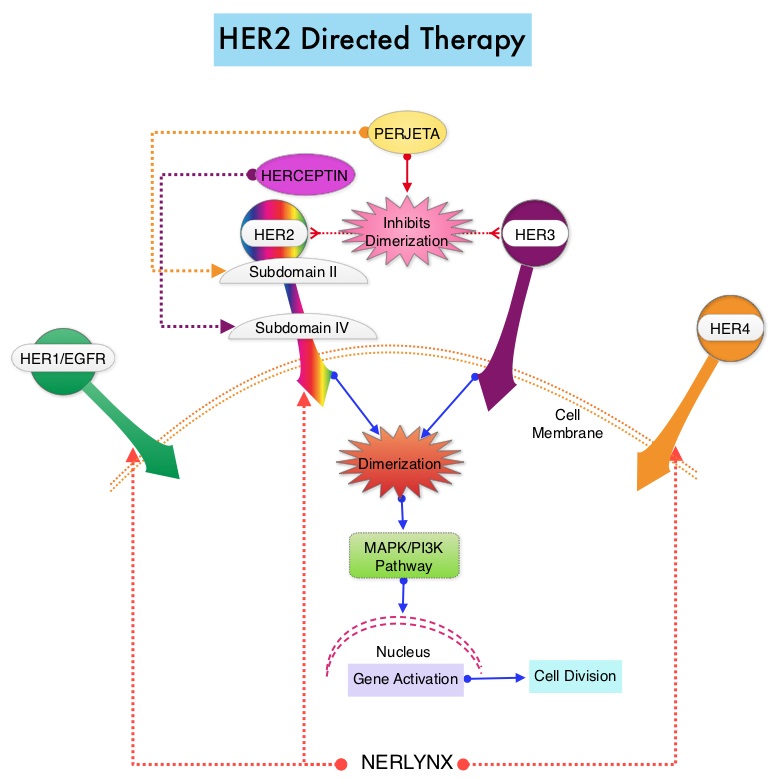
SUMMARY: The FDA on July 17, 2017 approved NERLYNX® (Neratinib) for the extended adjuvant treatment of adult patients with early stage HER2-overexpressed/amplified breast cancer, to follow adjuvant Trastuzumab (HERCEPTIN®)-based therapy. Breast cancer is the most common cancer among women in the US and about 1 in 8 women (12%) will develop invasive breast cancer during their lifetime. Approximately, 255,180 new cases of invasive breast cancer will be diagnosed in 2017 and over 41,070 women will die of the disease. The HER or erbB family of receptors consist of HER1, HER2, HER3 and HER4. Approximately 15%-20% of invasive breast cancers overexpress HER2/neu oncogene, which is a negative predictor of outcomes without systemic therapy. HERCEPTIN® (Trastuzumab) is a humanized monoclonal antibody targeting HER2 and adjuvant chemotherapy given along with HERCEPTIN® reduces the risk of disease recurrence and death, among patients with HER2-positive, early breast cancer. Nonetheless, approximately 25% of patients will develop recurrent disease within 10 years following this adjuvant intervention. Extending the duration of adjuvant HERCEPTIN® therapy or adding TYKERB® (Lapatinib), a Tyrosine Kinase Inhibitor that targets HER1 and HER2, has not improved outcomes.

NERLYNX® is a potent, irreversible, oral Tyrosine Kinase Inhibitor, of HER1, HER2 and HER4 (pan-HER inhibitor). NERLYNX® interacts with the catalytic domain of HER1, HER2, and HER4 and blocks their downstream signaling pathways, resulting in decreased cell proliferation and increased cell death. Clinical data has suggested that NERLYNX® has significant activity in suppressing HER-mediated tumor growth and is able to overcome tumor escape mechanisms experienced with current HER2-targeted and chemotherapeutic agents. It has been well known that hormone receptor positive breast cancer patients, who are also HER2-positive, have relative resistance to hormone therapy. Preclinical models had suggested that the addition of NERLYNX® could improve responses in ER positive, HER2-positive breast cancer patients. Further, NERLYNX® has clinical activity in patients with HER2-positive metastatic breast cancer.

The approval of NERLYNX® was based on ExteNET trial, which is a multicentre, randomized, double-blind, placebo-controlled, phase III study, in which the efficacy and safety of 12 months of NERLYNX® after HERCEPTIN®-based adjuvant therapy was evaluated, in patients with early stage HER2-positive breast cancer. Patients with early stage HER2-positive breast cancer (N=2,840), and within two years of completing adjuvant HERCEPTIN®, were randomized in a 1:1 ratio to receive either oral NERLYNX® 240 mg per day (N=1420) or placebo (N=1420), for one year. Patients were stratified by hormone receptor status, nodal status (0, 1-3, or 4 or more), and HERCEPTIN® adjuvant regimen (sequentially versus concurrently with chemotherapy). The Primary endpoint was invasive Disease Free Survival (iDFS), defined as the time between the randomization date to the first occurrence of invasive recurrence (local/regional, ipsilateral or contralateral breast cancer), distant recurrence, or death from any cause, within two years of follow up. The median follow up was 2 years.

In the updated analysis, the two year iDFS was 94.2% in patients treated with NERLYNX® compared with 91.9% in those receiving placebo (HR 0.66; P=0.008). Patients with ER positive breast cancer were noted to have greater benefit. The most common grade 3-4 adverse events associated with NERLYNX® were diarrhea, vomiting and nausea. Patients can experience diarrhea early, in the first 2 or 3 days and this can be alleviated using antidiarrheal prophylaxis with Loperamide, initiated with the first dose of NERLYNX® and continued for the first 2 months of treatment and as needed thereafter.

It was concluded that NERLYNX® when given for 12 months after chemotherapy and HERCEPTIN®-based adjuvant therapy, to women with HER2-positive breast cancer, significantly improved 2-year invasive Disease Free Survival. Longer follow up will hopefully address if there is an Overall Survival benefit with this treatment intervention. NERLYNX® is the first TKI approved by the FDA, shown to reduce the risk for disease recurrence, in patients with early stage HER2-positive breast cancer. Neratinib after trastuzumab-based adjuvant therapy in patients with HER2-positive breast cancer (ExteNET): a multicentre, randomised, double-blind, placebo-controlled, phase 3 trial Chan A, Delaloge S, Holmes FA, et al. The Lancet Oncology 2016; 17:367- 377

Maintenance Treatment with REVLIMID® Improves Progression Free Survival in Diffuse Large B-Cell Lymphoma

SUMMARY: The American Cancer Society estimates that in 2017, about 72,240 people will be diagnosed with Non Hodgkin Lymphoma (NHL) in the United States and about 20,140 individuals will die of this disease. Diffuse Large B-Cell Lymphoma (DLBCL) is the most common of the aggressive Non-Hodgkin lymphoma’s in the United States, and the incidence has steadily increased 3 to 4% each year. The etiology of Diffuse Large B-Cell Lymphoma is unknown. Contributing risk factors include immunosuppression (AIDS, transplantation setting, autoimmune diseases), ultraviolet radiation, pesticides, hair dyes, and diet. DLBCL is a neoplasm of large B cells and the most common chromosome abnormality involves alterations of the BCL-6 gene at the 3q27 locus, which is critical for germinal center formation. Two major molecular subtypes of DLBCL arising from different genetic mechanisms have been identified, using gene expression profiling: Germinal Center B-cell-like (GCB) and Activated B-Cell-like (ABC). Patients in the GCB subgroup have a higher five year survival rate, independent of clinical IPI risk score whereas patients in the ABC subgroup have a significantly worse outcome. Regardless, R-CHOP regimen (RITUXAN®-Rituximab, Cyclophosphamide, Doxorubicin, Vincristine, and Prednisone), given every 21 days, for 6 cycles, delivered with curative intent, is the current standard of care for patients of all ages, with newly diagnosed DLBCL, regardless of molecular subtype. Approximately 30-40% of patients experience disease progression or relapse, during the first 2 years and attempts to improve on R-CHOP regimen have not been successful. Maintenance treatment strategy following R-CHOP, to better control the disease, delay disease progression and improve long term survival, have included Autologous Stem Cell Transplantation, maintenance treatment with agents such as oral protein kinase inhibitor Enzastaurin and Everolimus. None of these interventions have been successful.

REVLIMID® (Lenalidomide) is an oral immunomodulatory agent (IMiD) with activity in lymphoid malignancies, primarily through immune modulation (repair T-cell immune synapse dysfunction and Natural Killer cell/T-cell effector augmentation). It additionally has antiproliferative effects. REVLIMID® was shown to have significant activity in relapsed DLBCL when given alone or along with RITUXAN®.

The REMARC study is an international, multicenter, double-blind, randomized, placebo-controlled phase III trial which compared REVLIMID® as maintenance therapy with placebo, in elderly patients with DLBCL, who achieved a Complete Response (CR) or Partial Response (PR) to R-CHOP induction treatment. A total of 650 patients who had CR or PR after 6-8 cycles of R-CHOP were randomly assigned in a 1:1 ratio to receive oral REVLIMID® maintenance 25 mg daily or placebo, for 21 days of every 28-day cycle, for 24 months. The median age was 68 years and approximately 90% of the patients had stage III-IV disease. The Primary end point was Progression Free Survival (PFS) and Secondary end points included safety, the percentage of patients who converted from PR to CR, Event Free Survival and Overall Survival (OS).

With a median follow up of 39 months, median PFS was not reached in the REVLIMID® group compared to 58.9 months in the placebo group (HR=0.70; P=0.013) favoring REVLIMID®. This PFS benefit with REVLIMID® maintenance was seen in all predefined subgroups (all age groups, all IPI scores, molecular subtypes, CR versus PR after R-CHOP, Positive versus Negative PET status at the time of randomization). The Overall Survival however was similar between the treatment groups after a longer median follow up of 52 months (P=0.26). The most common grade 3 or 4 toxcities associated with REVLIMID® maintenance were neutropenia and cutaneous reactions.

It was concluded that maintenance treatment with REVLIMID® for 24 months, after obtaining a CR or PR to R-CHOP, significantly prolonged Progression Free Survival in elderly patients with Diffuse Large B-Cell Lymphoma. This is the first randomized study showing a PFS benefit with an immunomodulatory agent as maintenance therapy, in this patient population. Lenalidomide Maintenance Compared With Placebo in Responding Elderly Patients With Diffuse Large B-Cell Lymphoma Treated With First-Line Rituximab Plus Cyclophosphamide, Doxorubicin, Vincristine, and Prednisone. Thieblemont C, Tilly H, Gomes da Silva M, et al. DOI: 10.1200/JCO.2017.72.6984 Journal of Clinical Oncology – published online before print April 20, 2017