BAVENCIO® – First FDA Approved Agent for Merkel Cell Carcinoma

SUMMARY: The FDA on March 23, 2017, granted accelerated approval to BAVENCIO® (Avelumab) for the treatment of patients 12 years and older with metastatic Merkel Cell Carcinoma (MCC). It is estimated that about 1500 cases of MCC are diagnosed in the United States each year and the life expectancy for metastatic Merkel Cell Carcinoma is less than 1 year and is associated mortality three times that of Malignant Melanoma (46% vs. 15% respectively). Merkel Cell Carcinoma, also described as Trabecular tumor of the skin, is rare but aggressive form neuroendocrine skin cancer and is much more common in elderly Caucasians. The rapid rise in the incidence of MCC over the past several years has been attributed to increased life expectancy, more sun exposure and weakened immune systems. Approximately 80% of Merkel Cell Carcinoma tumors have been found to be infected with Merkel Cell PolyomaVirus (MCPyV) and the natural history of the MCC has been linked to virus-specific humoral and cellular immune responses. MCC tumors are able to evade the immune system in spite of persistent expression of immunogenic viral proteins. It has been postulated that a high mutation burden associated with Merkel Cell Carcinomas leads to many new antigens being presented to the immune system. Tumor cells as well as tumor-infiltrating immune cells express PD-L1 (Programmed cell Death Ligands), which can contribute to inhibition of antitumor immune response in the tumor microenvironment. The immune system is harnessed and Cytotoxic T-cell activity is suppressed by the binding of PD-L1 to PD-1(Programmed cell Death 1) and B7.1 receptors found on T cells. Merkel Cell Carcinoma is associated with increased PD-L1 expression.
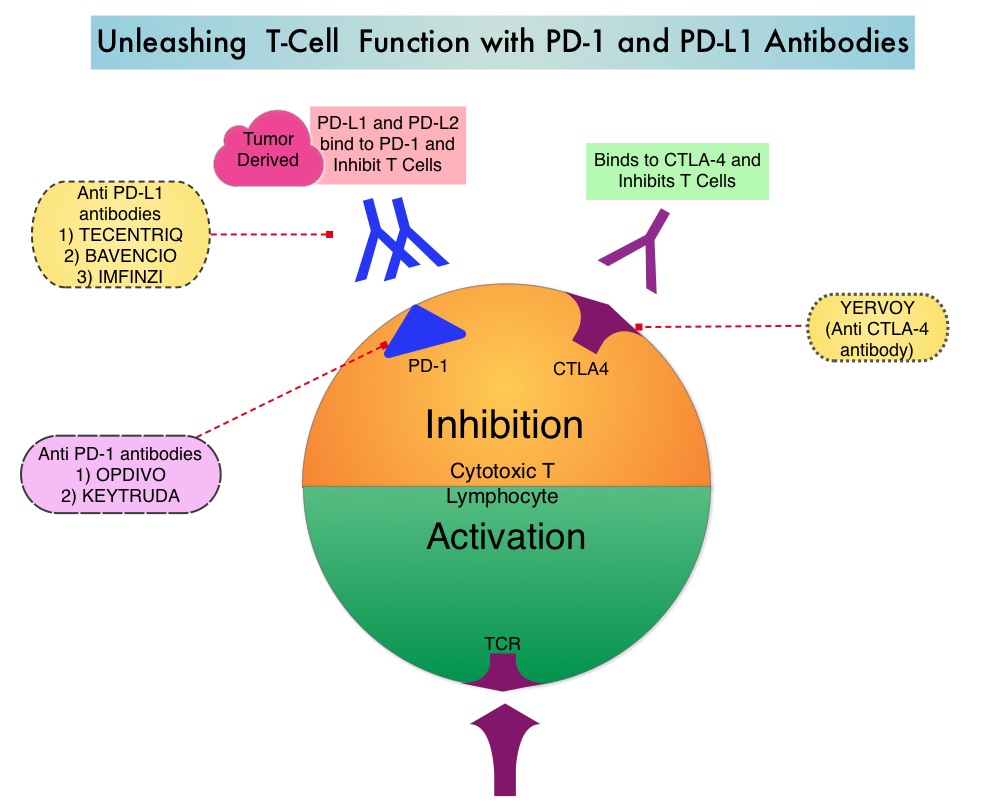
BAVENCIO® is a human, immunoglobulin G1 lambda, PD-L1 targeted monoclonal antibody that binds to PD-L1 and blocks the interaction between PD-L1 and its receptors PD-1. This in turn negates the inhibitory effects of PD-L1 on the immune response by unleashing the immune system and restoring antitumor immune responses. In addition, BAVENCIO® induces Antibody Dependent Cell-mediated Cytotoxicity (ADCC). The approval of BAVENCIO® for Merkel Cell Carcinoma was based on the phase II, prospective, open-label, international JAVELIN trial in which 88 patients with Stage IV Merkel Cell Carcinoma received BAVENCIO® 10 mg/kg IV infusion over 60 minutes, every 2 weeks, until disease progression or unacceptable toxicity. Enrolled patients had at least one prior chemotherapy regimen for metastatic disease. Over 50% of the patients had visceral metastases, two thirds of the patients had tumors with PD-L1 expression of 1% or more, by ImmunoHistoChemistry assay and 52% of the evaluable patients tested positive for Merkel cell Polyomavirus. However, patient selection in this study was not based on the level of PD-L1 expression or Polyomavirus status. The median age was 73 years. The Primary endpoint was Objective Response Rate (ORR). Secondary endpoints included Duration of Response and Progression Free Survival (PFS).

At a median follow up of 16 months, the Objective Response Rate at 1 year was 33% with a Complete Response Rate of 11%. The median time to response was 6 weeks. The 6-month durable response rate was 30.6% and the median Duration of Response had not yet been reached. These responses were noted irrespective of PD-L1 tumor cell expression or presence of Merkel cell Polyomavirus. The estimated one year PFS was 30% and one year Overall Survival was 52%. The most common adverse reactions were rash, fatigue, nausea, diarrhea, decreased appetite, musculoskeletal pain, infusion-related reaction and peripheral edema.

The authors concluded that BAVENCIO® showed durable antitumor activity with a manageable safety profile, in patients with metastatic Merkel Cell Carcinoma who had progressed on chemotherapy and is an important new treatment option for this patient population. BAVENCIO® is the very first drug approved by the FDA for Merkel Cell Carcinoma. Studies are also underway with KEYTRUDA® (Pembrolizumab), a PD-1 inhibitor, in this patient group, with promising outcomes thus far. Durable responses to avelumab (anti-PD-L1) in patients with Merkel cell carcinoma progressed after chemotherapy: 1-year efficacy update. Kaufman HL, Russell JS, Hamid O, et al. 2017 AACR Annual Meeting. Abstract CT079. Presented April 3, 2017.
Brachytherapy for Patients With Prostate Cancer American Society of Clinical Oncology/Cancer Care Ontario Joint Guideline Update Summary

SUMMARY: Prostate cancer is the most common cancer in American men with the exclusion of skin cancer and 1 in 7 men will be diagnosed with Prostate cancer during their lifetime. It is estimated that in the United States, about 161,360 new cases of Prostate cancer will be diagnosed in 2017 and 26,730 men will die of the disease. Brachytherapy for prostate cancer is a type of Internal radiation treatment in which radioactive material sealed inside a seed, pellet, wire, or capsule is implanted in the prostate gland using a needle or catheter. Brachytherapy allows the delivery of higher doses of radiation to the intended site, compared with the conventional form of radiation therapy (External Beam Radiation Therapy).

Types of Brachytherapy

1) Low-dose rate (LDR) implants that stay in the prostate gland for 1 to 7 days and then are taken out.

2) High-dose rate (HDR) implants that stay in the prostate gland for a few minutes at a time and are then taken out.

3) Permanent implants that stay in the prostate gland and are not removed.

Prostate Cancer Risk Categories

Very Low Risk: T1c, Gleason score 6 or less, PSA less than 10 ng/ml, Fewer than 3 prostate biopsy cores positive with 50% or less cancer in each core

Low Risk: T1-T2a, Gleason score 6 or less, PSA less than 10 ng/ml

Intermediate Risk: T2b-T2c and/or Gleason score =7 and/or PSA 10-20 ng/ml

High Risk: T3a or Gleason score 8-10 or PSA more than 20 ng/ml

Very High Risk: T3b-T4

With the gathering of new evidence from randomized trials since the original publication in 2013, a guidelines update became necessary. The scope of this guideline covers Brachytherapy boost and monotherapy. The relevant evidence was evaluated for inclusion in this updated clinical practice guideline after a systematic review of the literature and five randomized controlled trials provided the evidence for this update. 

Guideline Questions

1) In patients with newly diagnosed Prostate cancer, what is the efficacy of Brachytherapy alone for clinical outcomes compared with External Beam Radiation Therapy (EBRT) alone, or Radical Prostatectomy (RP) alone?

2) In patients with newly diagnosed Prostate cancer, what is the efficacy of Brachytherapy combined with EBRT for clinical outcomes compared with Brachytherapy alone, EBRT alone, or RP alone?

3) Among the isotopes used for low-dose-rate (LDR) Brachytherapy (eg, Iodine-125 [125I], Palladium-103 [103Pd], and Cesium-131 [131Cs]), which isotope maximizes clinical outcomes when used in patients with newly diagnosed Prostate cancer?

Updated recommendations

1) For patients with low-risk Prostate cancer who require or choose active treatment, LDR brachytherapy alone, EBRT alone, or RP should be offered to those who are eligible.

2) For patients with intermediate-risk Prostate cancer choosing EBRT with or without Androgen Deprivation Therapy (ADT), Brachytherapy boost (LDR or high–dose rate [HDR]) should be offered to eligible patients.

3) For low-intermediate risk Prostate cancer (Gleason 7, PSA 10 ng/mL or Gleason 6, PSA 10 to 20 ng/mL) LDR Brachytherapy alone may be offered as monotherapy.

4) For patients with high-risk Prostate cancer receiving EBRT and ADT, Brachytherapy boost (LDR or HDR) should be offered to eligible patients.

5)125I and 103Pd are each reasonable isotope options for patients receiving LDR Brachytherapy; no recommendation can be made for or against using 131Cs or HDR monotherapy.

6) Patients should be encouraged to participate in clinical trials

Qualifying Statements

1) Patients should be counseled about all of their management options (surgery, EBRT, Brachytherapy, or active surveillance, as applicable) in a balanced, objective manner, preferably by practitioners from multiple disciplines.

2) Recommendations for patients with low-risk disease are unchanged from the initial guideline because no new data from randomized studies informing this question have been presented or published since 2013.

3) Patients ineligible for Brachytherapy may include those with moderate to severe baseline urinary symptoms, large prostate volume, or prior transurethral resection of the prostate, those who are medically unfit, and those with contraindications to radiation treatment.

4) ADT may be given in neoadjuvant, concurrent, and/or adjuvant settings at the physician’s discretion. Note that neoadjuvant ADT may cytoreduce the prostate volume sufficiently to allow Brachytherapy.

5) There may be increased genitourinary toxicity with Brachytherapy compared with use of EBRT alone.

6) Brachytherapy should be performed at a center that has strict quality assurance standards.

7) It cannot be determined whether there is an overall or cause-specific survival advantage for Brachytherapy compared with EBRT alone because none of the trials were designed or powered to detect a meaningful difference in survival outcomes.

Brachytherapy for Patients With Prostate Cancer: American Society of Clinical Oncology/Cancer Care Ontario Joint Guideline Update. Chin J, Rumble RB, Kollmeier M, et al. Journal of Clinical Oncology 2017;35:1737-1743.

Weight Gain Increases the Risk for Postmenopausal Breast cancer

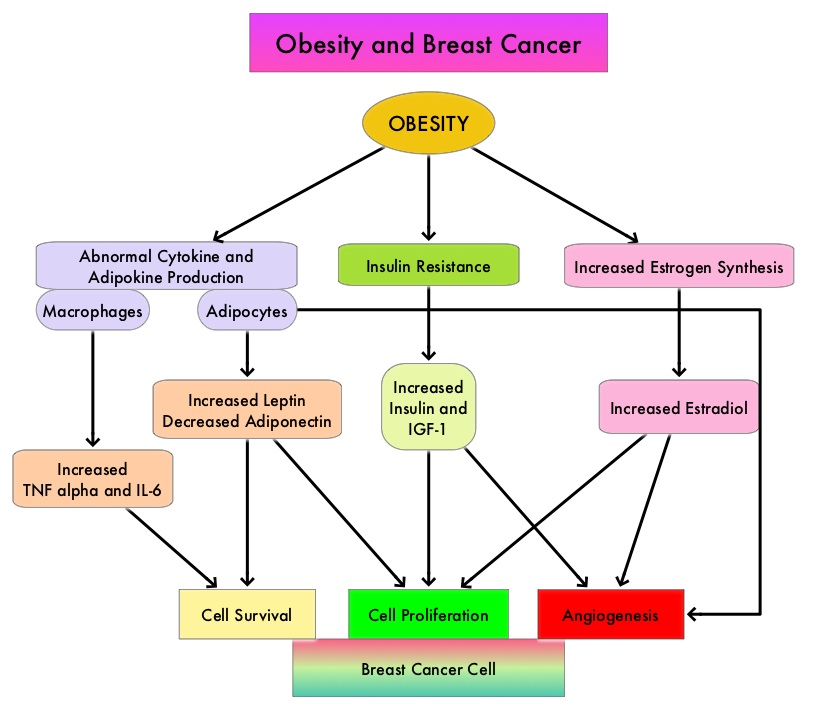
SUMMARY: Breast cancer is the most common cancer among women in the US and about 1 in 8 women (12%) will develop invasive breast cancer during their lifetime. Approximately, 255,180 new cases of invasive breast cancer will be diagnosed in 2017 and over 41,070 women will die of the disease. Obesity is an important contributing factor to postmenopausal breast cancer incidence and mortality. Based on recently published meta-analysis, in women diagnosed with breast cancer, there is an approximately 30% increased risk of disease recurrence or death in those who are obese compared to those with ideal body weight. Increasing physical activity may lower the risk of breast cancer recurrence. According to the consensus from the St Gallen Consensus Conference in 2015, obesity has been associated with poor breast cancer outcomes. Obesity is associated with alterations in insulin/glucose homeostasis, adipokines, and sex hormones, which may play a role in breast cancer outcomes. Weight loss can lead to reductions in C-reactive protein, insulin, glucose, and leptin. These mediators have all been implicated to have prognostic significance in breast cancer.

The Nurses’ Health Studies (NHS) are the largest and longest running investigations focused on women’s health. This was established in 1976 and the information provided by its 238,000 dedicated nurse-participants has allowed NHS to produce key advances impacting women’s health. These studies are conducted by researchers at Harvard School of Public Health and Brigham and Women's Hospital in Boston, Massachusetts. The authors conducted a clinical trial in this NHS cohort and studied the effects of weight and weight changes in early adulthood and risk of breast cancer later in life. A prospective observational study was conducted among 74,177 women from the Nurses' Health Study from 1980-2012. These women provided information on breast cancer risk factors such as reproductive factors, hormone therapy, anthropometric variable, benign breast disease, and family history of breast cancer. This information was updated every 2 years up to the time of data analysis. Each individual’s weight at age 18 was collected in 1980.

During the observation period, 4965 cases of invasive breast cancer were reported for the 74,177 women followed from 1980 to 2012. Weight gain over a long period of time from age 18, both during premenopause and postmenopause, were positively associated with postmenopausal breast cancer risk. However, premenopausal weight gain was not related to premenopausal breast cancer risk. Further, weight gain from age 18 yrs onwards was positively associated with ER+/PR+ postmenopausal breast cancer and there was a 50% increased risk for breast cancer with a weight gain of 30 kg. This direct association was not seen for ER+/PR- or ER-/PR- breast cancer. The authors noted that overall, 17% of ER+/PR+ postmenopausal breast cancer and 14% of total postmenopausal breast cancer are attributable to weight gain of more than  5 kg after age 18.

It was concluded that 14% of postmenopausal breast cancer could be prevented if women avoided excessive weight gain of more than 5 kg after age 18. This study adds new insights on weight gain during premenopausal years and risk for postmenopausal breast cancer. Weight and weight changes in early adulthood and later breast cancer risk. Rosner B, Eliassen AH, Toriola AT, et al. Int J Cancer. 2017 Jan 30. doi: 10.1002/ijc.30627 [Epub ahead of print]

FDA Approves ENDARI®, A New Treatment for Sickle Cell Disease

SUMMARY: The FDA on July 7, 2017 approved ENDARI® (L-Glutamine oral powder) for patients age five years and older with Sickle Cell disease to reduce severe complications associated with the blood disorder. Sickle cell disease or Sickle Cell anemia is an Autosomal Recessive disorder and affects approximately 100,000 Americans. It is estimated that it affects 1 out of every 365 African-American births and 1 out of every 16,300 Hispanic-American births. The average life expectancy for patients with Sickle Cell disease in the United States is approximately 40 to 60 years.

HbSS disease or Sickle Cell anemia is the most common Sickle Cell disease genotype and is associated with the most severe manifestations. HbSS disease is caused by a mutation substituting thymine for adenine in the sixth codon of the beta-globin chain gene. This in turn affects the hemoglobin’s ability to carry oxygen and causes it to polymerize. This results in decreased solubility thereby distorting the shape of the red blood cells, increasing their rigidity and resulting in red blood cells that are sickle shaped rather than biconcave. These sickle shaped red blood cells limit oxygen delivery to the tissues by restricting the flow in blood vessels, leading to severe pain and organ damage (vaso-occlusive crises). Oxidative stress is an important contributing factor to hemoglobin polymerization with polymer formation occurring only in the deoxy state. HbS/b-0 thalassemia (double heterozygote for HbS and b-0 thalassemia) is clinically indistinguishable from HbSS disease.

L-glutamine is a precursor for the synthesis of essential metabolic Oxidation-Reduction cofactors including Nicotinamide Adenine Dinucleotide (NAD). It has been shown in previous studies that there is higher L-glutamine utilization in Sickle Cell Anemia resulting in its depletion and thereby contributing to oxidative stress. Based on a phase II study showing favorable outcomes with ENDARI® compared with placebo, a phase III, randomized trial was conducted, in which the safety and efficacy of ENDARI® was studied in 230 Sickle Cell disease or beta-0 thalassemia patients, who had at least two episodes of painful crises during the 12 months before screening. Patients were randomized in a 2:1 ratio to receive ENDARI® (N=152) or placebo (N=78). Enrolled patients were 5-58 yrs old and ENDARI® was administered orally at 0.3 mg/kg/day for 48 weeks followed by a 3 week tapering period. Two thirds of the patients were on Hydroxyurea. The effect of treatment was evaluated over 48 weeks.

Patients who were treated with ENDARI® experienced fewer hospital visits for Sickle Cell crises pain management with parenteral narcotics or Ketorolac compared to those who received a placebo, fewer hospitalizations for Sickle Cell pain , and fewer days in the hospital (median 6.5 days versus median 11 days) compared to those on placebo. Further, patients who received ENDARI® also had fewer occurrences of acute chest syndrome (a life-threatening complication of sickle cell disease), compared with patients who received a placebo (8.6% versus 23.1%). The common side effects of ENDARI® included, nausea, constipation, headache, abdominal pain, cough, pain in the extremities, back pain and chest pain.

It was concluded that the benefit with ENDARI® for patients with Sickle Cell disease, was seen in all age groups and there was a consistent advantage with ENDARI® regardless of whether the patient was on Hydroxyurea or not. ENDARI® is the first treatment approved for patients with Sickle Cell disease in almost 20 years. Phase 3 Study of L-Glutamine Therapy in Sickle Cell Anemia and Sickle ß0-Thalassemia Subgroup Analyses Show Consistent Clinical Improvement. Niihara Y, Viswanathan K, Miller ST, et al. Abstarct#1318. Presented at ASH 58th Annual Meeting & Exposition, San Diego, CA. December 3-6, 2016

Three Months of Adjuvant Therapy Adequate for Stage III Colon Cancer

The IDEA Collaboration is a prospective, pre-planned pooled analysis of 6 concurrently conducted randomized phase III trials, which included 12,834 patients from 12 countries. They concluded that a risk-based approach has to be taken when making adjuvant chemotherapy recommendations for patients with stage III colon cancer. Three months of adjuvant chemotherapy is adequate for patients with T1-3, N1 disease. This study data was presented at 2017 ASCO Annual Meeting.

FDA Approves Subcutaneous RITUXAN® Formulation for CD20-Positive Hematologic Malignancies

SUMMARY: The US FDA on June 22, 2017, granted regular approval to the combination of RITUXAN® (Rituximab) and Hyaluronidase human (RITUXAN HYCELA®) for adult patients with Follicular Lymphoma, Diffuse Large B-Cell Lymphoma, and Chronic Lymphocytic Leukemia. RITUXAN HYCELA® is a combination of RITUXAN® and Hyaluronidase human (ENHANZE® technology), for SubCutaneous (SC) injection in multiple hematological malignancies. ENHANZE® is a drug delivery technology platform which removes limitations on the volume of biologics and drugs that can be delivered SubCutaneously, thereby significantly reducing the time required for drug administration.

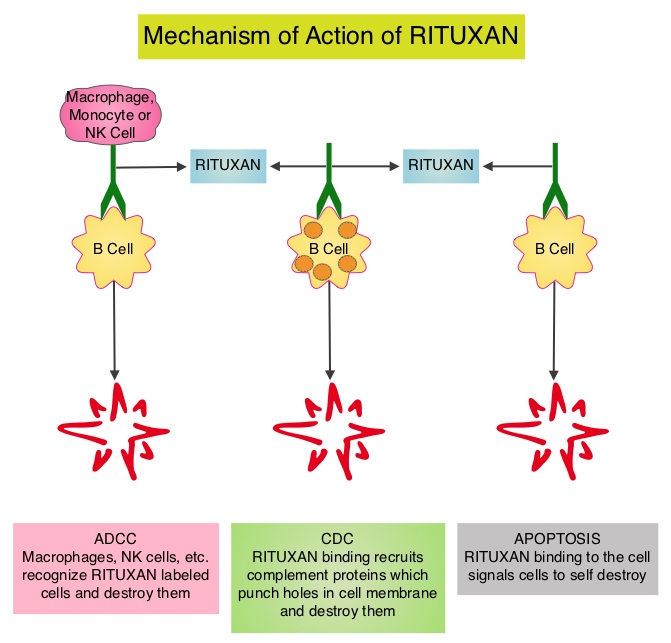
RITUXAN® is a first generation type I, chimeric, monoclonal antibody that targets the CD20 antigen expressed on the surface of pre-B and mature B-lymphocytes. Upon binding to CD20, RITUXAN® mediates B-cell lysis. Possible mechanisms of cell lysis include Complement Dependent Cytotoxicity (CDC) and Antibody Dependent Cell mediated Cytotoxicity (ADCC). Hyaluronan is a polysaccharide present in the extracellular matrix of the subcutaneous tissue and is depolymerized by the naturally occurring enzyme Hyaluronidase. Hyaluronidase human increases permeability of the subcutaneous tissue locally for a period of 24-48 hrs, by temporarily depolymerizing Hyaluronan.
The approval of RITUXAN HYCELA® was based on several randomized clinical trials that demonstrated Non-inferior pharmacokinetics of SubCutaneous RITUXAN HYCELA® compared with IV RITUXAN® as well as comparable efficacy and safety results. The following are the specific trials included in the clinical development program:

MabEase phase III trial is an open label study which evaluated SubCutaneous (N=381) versus IV (N=195) RITUXAN® formulation plus CHOP chemotherapy, in treatment naïve patients with CD20-positive Diffuse Large B-Cell Lymphoma. There was no significant difference noted in the Objective Response Rate, Complete Response rates, Progression Free Survival and Overall Survival, between the two treatment groups.

SABRINA is a randomized phase III study that enrolled a total of 410 patients with previously untreated, CD20-positive Follicular Lymphoma and patients were randomized (1:1) to receive either a SC or IV RITUXAN® formulation in combination with CHOP or CVP chemotherapy. There was again no significant difference noted in the Objective Response Rate, Complete Response rates, Progression Free Survival and Overall Survival, between the two treatment groups

The SAWYER study is a phase Ib open label trial which compared the SC and IV formulations of RITUXAN® in combination with Fludarabine and Cyclophosphamide chemotherapy, in 176 treatment naïve patients with Chronic Lymphocytic Leukemia. There was no significant difference noted in the Objective Response Rate, Complete Response rates, Progression Free Survival and Overall Survival, between the two treatment groups.

SparkThera is a phase Ib study which investigated the pharmacokinetics and safety of SubCutaneous (SC) versus IV RITUXAN® formulations as maintenance therapy, in previously untreated or relapsed Follicular Lymphoma. It was noted that the pharmacokinetics of SC RITUXAN® formulation was Non-inferior to IV RITUXAN® formulation, with a comparable safety profile.

PrefMab is a randomized, open label, phase IIIb study which evaluated patient preference for SC or IV RITUXAN® formulation, in previously untreated CD20-positive Follicular lymphoma and Diffuse Large B-Cell Lymphoma. In this study, most patients preferred SC compared with IV formulation of RITUXAN®, mainly due to reduction in the duration and discomfort of administration.

Treatment with RITUXAN HYCELA® should be initiated only after patients had received at least one full dose RITUXAN® by intravenous infusion. https://www.accessdata.fda.gov/drugsatfda_docs/label/2017/761064s000lbl.pdf

FDA Approves TAFINLAR® and MEKINIST® Combination for BRAF Positive Non Small Cell Lung Cancer

SUMMARY: The FDA on June 22, 2017, granted regular approvals to TAFINLAR® (Dabrafenib) and MEKINIST® (Trametinib) administered in combination, for patients with metastatic Non Small Cell Lung Cancer (NSCLC), with BRAF V600E mutation, as detected by an FDA-approved test. These are the first FDA approvals specifically for treatment of patients with BRAF V600E mutation-positive metastatic NSCLC.

The FDA also approved the Oncomine® Dx Target Test, a next generation sequencing (NGS) test to detect multiple gene mutations for lung cancer in a single test from a single tissue specimen. This test detects the presence of BRAF, ROS1, and EGFR gene mutations or alterations in tumor tissue of patients with NSCLC. This test can be used to select patients with NSCLC with the BRAF V600E mutation for treatment with the combination of TAFINLAR® and MEKINIST®. This is the first NGS oncology panel test approved by the FDA for multiple companion diagnostic indications.

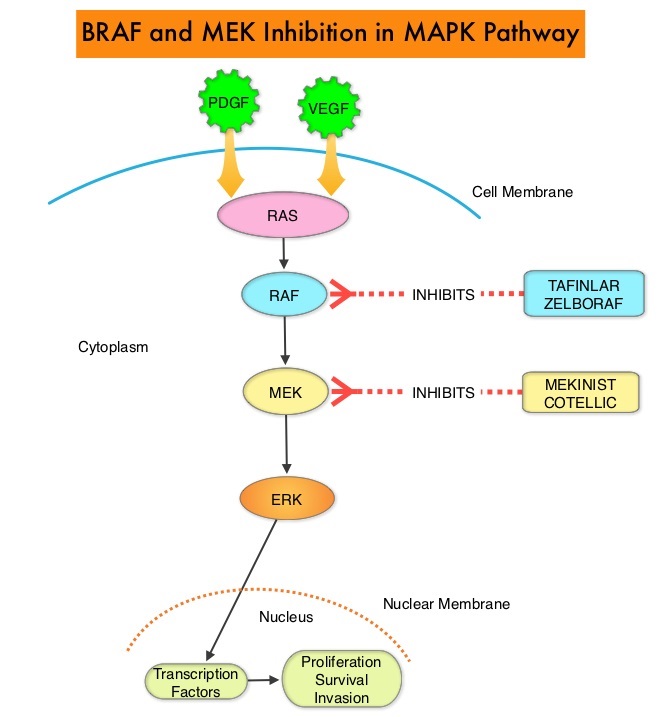
Combining MEKINIST® (Trametinib) with TAFINLAR® (Dabrafenib) to treat patients with NSCLC, was based on the understanding of the biological pathways of this malignancy. The Mitogen-Activated Protein Kinase pathway (MAPK pathway) is an important signaling pathway which enables the cell to respond to external stimuli. This pathway plays a dual role, regulating cytokine production and participating in cytokine dependent signaling cascade. The MAPK pathway of interest is the RAS-RAF-MEK-ERK pathway. This pathway has been implicated in the development of multiple malignancies including NSCLC and Melanoma. The RAF family of kinases includes ARAF, BRAF and CRAF signaling molecules. BRAF is a very important intermediary of the RAS-RAF-MEK-ERK pathway. BRAF mutations have been demonstrated in 6-8% of all malignancies. TAFINLAR® is a selective oral BRAF inhibitor and MEKINIST® is a potent and selective inhibitor of MEK gene, which is downstream from RAF in the MAPK pathway.

The approval of TAFINLAR® and MEKINIST® combination, for patients with metastatic NSCLC was based on an international, multicenter, three-cohort, non-randomized, open-label trial, in patients with locally confirmed BRAF V600E mutation-positive, metastatic NSCLC. In this phase II trial, 93 patients were treated with the combination of TAFINLAR® 150 mg orally twice daily and MEKINIST® 2 mg orally once daily. Of these 93 patients, 36 patients had received no prior systemic therapy for metastatic NSCLC and 57 patients received at least one prior platinum-based chemotherapy regimen and had disease progression. The third cohort in this phase II trial included 78 previously treated patients with BRAF V600E mutation-positive metastatic NSCLC, who received single-agent TAFINLAR®. The primary endpoint was Overall Response Rate (ORR).

It was noted that in the previously treated group, the ORR for the combination treatment based on independent review was 63% with a median Duration of Response of 12.6 months. In the treatment-naive group, the ORR for the combination was 61% and this group had not reached the endpoint for median Duration of Response and therefore was not estimable. However, among those who responded to treatment, 59% of the responders had response durations greater than 6 months. The ORR for patients who received single agent TAFINLAR® was 27% and the median Duration of Response was 9.9 months. The most common Grade 3-4 adverse reactions were pyrexia, fatigue, dyspnea, vomiting, rash, hemorrhage, and diarrhea.

It was concluded that TAFINLAR® plus MEKINIST® combination represents a new targeted therapy for patients with BRAF V600E mutation¬-positive metastatic NSCLC, who tend to respond less favorably to standard chemotherapy. This approval marks the fourth actionable genomic biomarker in metastatic NSCLC along with EGFR, ALK and ROS-1. Dabrafenib plus trametinib in patients with previously treated BRAF(V600E)-mutant metastatic non-small cell lung cancer: an open-label, multicentre phase 2 trial. Planchard D, Besse B, Groen HJ et al. Lancet Oncol. 2016 Jul;17(7):984-93. doi: 10.1016/S1470-2045(16)30146-2. Epub 2016 Jun 6.

Late Breaking Abstract – ASCO 2017 Adjuvant Dual HER2 Regimen of PERJETA® and HERCEPTIN® Improves Outcomes in Early Stage Breast Cancer

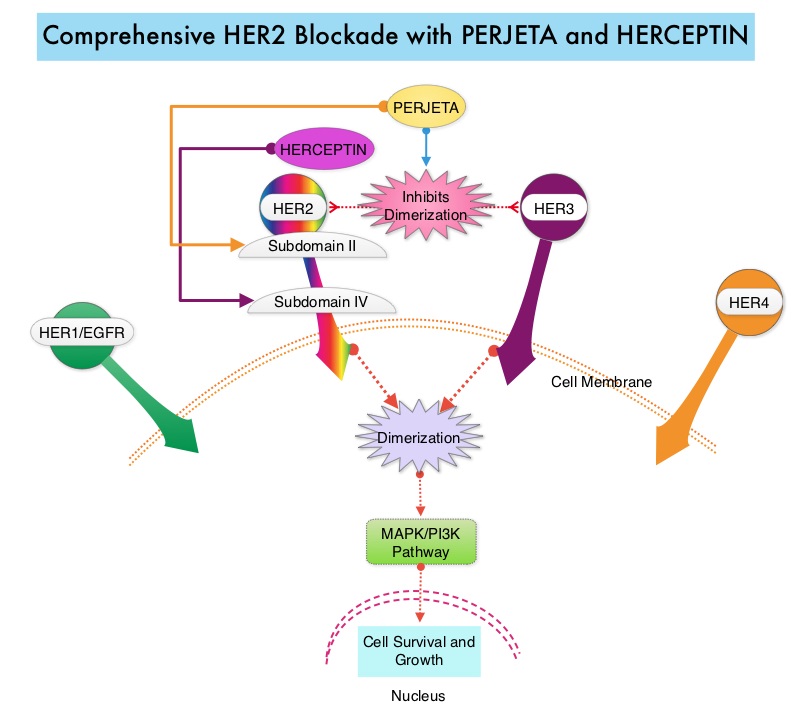
SUMMARY: Breast cancer is the most common cancer among women in the US and about 1 in 8 women (12%) will develop invasive breast cancer during their lifetime. Approximately, 255,180 new cases of invasive breast cancer will be diagnosed in 2017 and over 41,070 women will die of the disease. The HER or erbB family of receptors consist of HER1, HER2, HER3 and HER4. Approximately 15%-20% of invasive breast cancers overexpress HER2/neu oncogene, which is a negative predictor of outcomes without systemic therapy. HERCEPTIN® (Trastuzumab) is a humanized monoclonal antibody targeting HER2. Trastuzumab binds to subdomain IV of the HER2 extracellular domain and blocks the downstream cell signaling pathways (PI3K-AKT pathway) and induces Antibody Dependent Cellular Cytotoxicity (ADCC). Adjuvant chemotherapy given along with HERCEPTIN® reduces the risk of disease recurrence and death, among patients with HER2-positive early breast cancer.

PERJETA® (Pertuzumab) is a recombinant humanized monoclonal antibody that binds to the HER2 at a different epitope of the HER2 extracellular domain (subdomain II) compared to HERCEPTIN® and prevents the dimerization of HER2 with HER3 receptor. PERJETA® induces ADCC similar to HERCEPTIN®. By combining HERCEPTIN® and PERJETA®, a more comprehensive blockade of HER2 signaling can be accomplished, as these two agents bind to different HER2 epitopes and may complement each other and improve efficacy. In the CLEOPATRA study, the addition of PERJETA® to HERCEPTIN® and Docetaxel resulted in significant improvement in Progression Free Survival (PFS) and Overall Survival (OS), in patients with HER-positive metastatic breast cancer. This triple drug combination also resulted in a significantly increased pathological Complete Response rate, when given in a neoadjuvant setting (NeoSphere trial).

Based on these previously published efficacy data, the authors in this study investigated whether the addition of PERJETA® to adjuvant HERCEPTIN® and chemotherapy, improves outcomes, among patients with HER2-positive early breast cancer. APHINITY is a prospective, randomized, multicenter, multinational, double-blind, placebo-controlled phase III trial in which a total of 4805 patients were randomly assigned in a 1:1 ratio, to receive standard adjuvant anthracycline or non-anthracycline chemotherapy regimen along with HERCEPTIN® plus either PERJETA® (2400 patients) or placebo (2405 patients). Anti-HER2 therapy was administered for a total of 1 year. Patients could receive radiotherapy and/or endocrine therapy following completion of adjuvant chemotherapy. Eligible patients had node-positive or high-risk node-negative (tumor diameter greater than 1.0 cm), HER2-positive, non-metastatic, adequately excised breast cancer. Both treatment groups were well balanced and about 37% of the patients had 1-3 positive lymph nodes and 25% of the patients had 4 or more positive lymph nodes. Two thirds of the patients were hormone receptor positive and about 78% of the patients received an anthracycline containing adjuvant chemotherapy regimen. The median follow up was 45.4 months and one year of treatment was completed by approximately 85% of the patients in both treatment groups. The primary end point was Disease Free Survival (DFS) from invasive breast cancer and secondary end points included Overall Survival (OS) and DFS from non-invasive breast cancers.

The addition of PERJETA® to chemotherapy and HERCEPTIN® resulted in a higher rate of DFS for invasive breast cancer with a 3-year invasive DFS of 94.1% in the PERJETA® group and 93.2% in the placebo group (HR=0.81; P=0.045), in favor of PERJETA®. Patients in the high risk subgroups benefited the most. The 3-year invasive DFS for patients with node-positive disease was 92.0% in the PERJETA® group, compared with 90.2% in the placebo group (HR=0.77; P=0.02). In the cohort of patients with hormone receptor negative tumors, the 3-year invasive DFS was 92.8% in the PERJETA® group and 91.2% in the placebo group (HR=0.76; P=0.08). The site of first distant recurrence was visceral or in the CNS rather than the bone. Cardiac toxicities were uncommon in both treatment groups and patients in the PERJETA® group had higher incidence of diarrhea while on concurrent chemotherapy.

It was concluded that for patients with HER2-positive early breast cancer, the addition of PERJETA® to standard postoperative HERCEPTIN® based adjuvant chemotherapy, significantly improved Disease Free Survival for invasive breast cancer. This benefit was more so for those patients with high risk disease. APHINITY trial (BIG 4-11): A randomized comparison of chemotherapy (C) plus trastuzumab (T) plus placebo (Pla) versus chemotherapy plus trastuzumab (T) plus pertuzumab (P) as adjuvant therapy in patients (pts) with HER2-positive early breast cancer (EBC). von Minckwitz G, Procter MJ, De Azambuja E, et al. J Clin Oncol. 2017;35(suppl; abstr LBA500).

Late Breaking Abstract – ASCO 2017 Dacomitinib Superior to IRESSA® in EGFR Mutant Non-Small Cell Lung Cancer

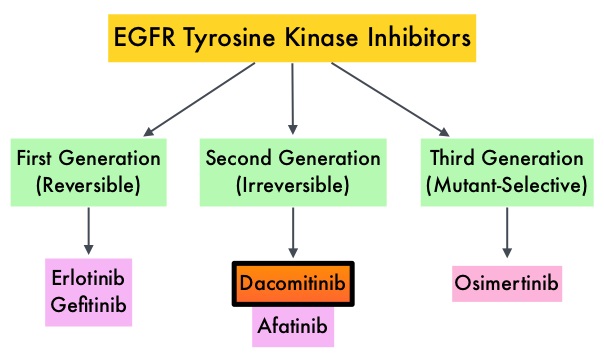
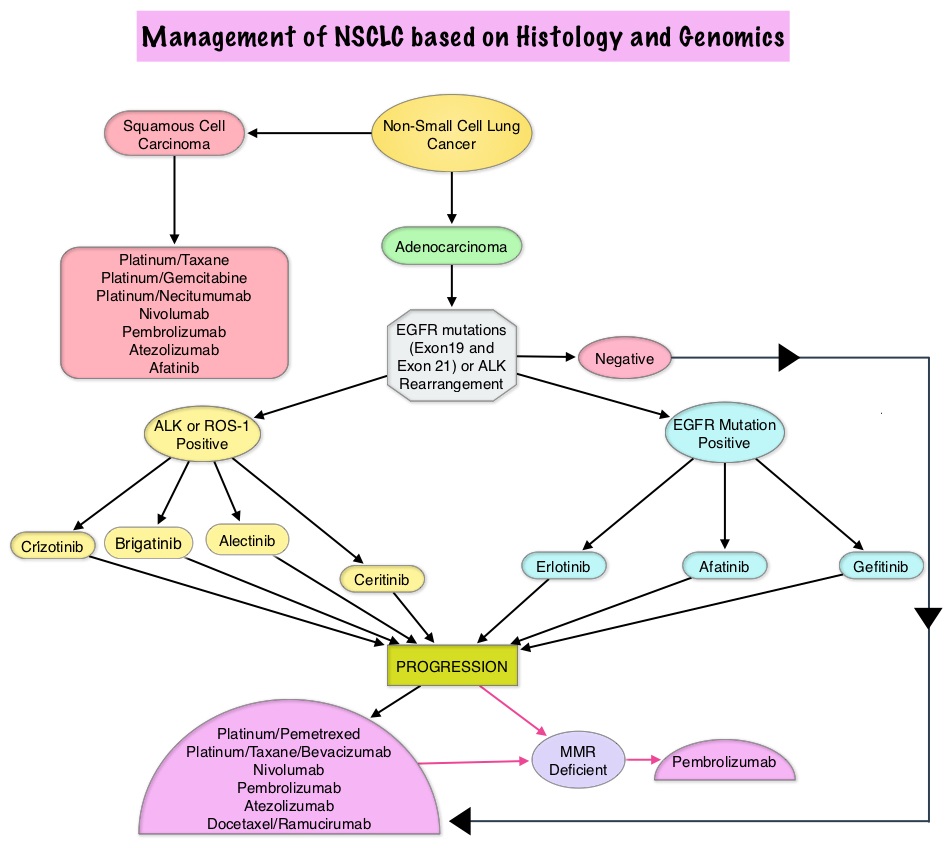
SUMMARY: Lung cancer is the second most common cancer in both men and women and accounts for about 13% of all new cancers and 27% of all cancer deaths. The American Cancer Society estimates that for 2017 about 222,500 new cases of lung cancer will be diagnosed and over 155,000 patients will die of the disease. Lung cancer is the leading cause of cancer-related mortality in the United States. Non Small Cell Lung Cancer (NSCLC) accounts for approximately 85% of all lung cancers. Of the three main subtypes of Non Small Cell Lung Cancer (NSCLC), 25% are Squamous Cell Carcinomas (SCC), 40% are Adenocarcinomas and 10% are Large cell carcinomas. With changes in the cigarette composition and decline in tobacco consumption over the past several decades, Adenocarcinoma now is the most frequent histologic subtype of lung cancer. Approximately 10% to 15% of Caucasian patients and 50% of Asian patients with Adenocarcinomas, harbor activating EGFR (Epidermal Growth Factor Receptor) mutations and 90% of these mutations are either Exon 19 deletions or L858R point mutations in Exon 21. EGFR Tyrosine Kinase Inhibitors (TKIs) such as TARCEVA® (Erlotinib), IRESSA® (Gefitinib) and GILOTRIF® (Afatinib), have demonstrated a 60% to 70% response rate as monotherapy when administered as first line treatment, in patients with metastatic NSCLC, who harbor the sensitizing EGFR mutations.

Dacomitinib is a potent, irreversible, second-generation EGFR Tyrosine Kinase Inhibitor and inhibits three members of the ErbB protein family, including EGFR/HER1, HER2 and HER4. Based on the encouraging clinical activity of Dacomitinib in treatment naïve patients with advanced NSCLC, harboring activating EGFR mutations, in a phase II study (The Lancet Oncology 2014;15:1433-1441), the authors conducted a randomized phase III trial, comparing Dacomitinib with IRESSA®, as first line therapy in this patient population . This study (ARCHER 1050) randomized 452 patients in a 1:1 ratio to either receive Dacomitinib 45 mg PO daily (N=227) or IRESSA® 250 mg PO daily (N=225). Eligible patients had newly diagnosed stage IIIB/IV or recurrent NSCLC, harboring an activating EGFR mutation (Exon 19 deletions or L858R point mutations in Exon 21, with or without Exon 20 T790M mutations). Treatments groups were well balanced and patients were stratified by race and EGFR mutation subtype. The Primary endpoint was Progression Free Survival (PFS) and Secondary endpoints included Overall Survival (OS), Objective Response Rate (ORR) and Duration of Response (DoR).

The median PFS for patients who received Dacomitinib was 14.7 months compared with 9.2 months for the group who received IRESSA® (HR=0.59; P<0.0001). This meant a 41% reduction in the risk of cancer progression or death with Dacomitinib compared with IRESSA®. The median Duration of Response was 14.8 months with Dacomitinib versus 8.3 months with IRESSA® (HR= 0.40; P<0.0001). As expected, patients in the Dacomitinib group experienced more side effects such as skin rash and diarrhea and this has been attributed to the stronger suppression of the EGFRs in the normal healthy tissues.

The authors concluded that ARCHER 1050 is the first phase III trial comparing EGFR TKIs head-to-head, and this study demonstrated clinically meaningful superiority of Dacomitinib, when compared to IRESSA®, in treatment naïve NSCLC patients, with activating EGFR mutations. Further, the PFS achieved with Dacomitinib in this study is among the highest observed, when compared with other EGFR Tyrosine Kinase Inhibitors, for this cancer type. Dacomitinib versus gefitinib for the first-line treatment of advanced EGFR mutation positive non-small cell lung cancer (ARCHER 1050): A randomized, open-label phase III trial. Mok T, Cheng Y, Zhou X, et al. J Clin Oncol 35, 2017 (suppl; abstr LBA9007)

Late Breaking Abstract – ASCO 2017 ALECENSA® Superior to XALKORI® in Untreated ALK-Positive Non Small Cell Lung Cancer

SUMMARY: Lung cancer is the second most common cancer in both men and women and accounts for about 13% of all new cancers and 27% of all cancer deaths. The American Cancer Society estimates that for 2017 about 222,500 new cases of lung cancer will be diagnosed and over 155,000 patients will die of the disease. Non Small Cell Lung Cancer (NSCLC) accounts for approximately 85% of all lung cancers. Of the three main subtypes of Non Small Cell Lung Cancer (NSCLC), 25% are Squamous cell carcinomas, 40% are Adenocarcinomas and 10% are Large cell carcinomas. The discovery of rearrangements of the Anaplastic Lymphoma Kinase (ALK) gene in some patients with advanced NSCLC and adenocarcinoma histology, led to the development of agents such as XALKORI® (Crizotinib), ZYKADIA® (Ceritinib), ALECENSA® (Alectinib) and now ALUNBRIG® (Brigatinib), with promising results. It has become clear that appropriate, molecularly targeted therapy for tumors with a molecular abnormality, results in the best outcomes. According to the US Lung Cancer Mutation Consortium (LCMC), two thirds of patients with advanced adenocarcinoma of the lung, have a molecular driver abnormality. The most common oncogenic drivers in patients with advanced adenocarcinoma of the lung are, KRAS in 25%, EGFR in 21% and ALK in 8% as well as other mutations in BRAF, HER2, AKT1 and fusions involving RET and ROS oncogenes. These mutations are mutually exclusive and the presence of two simultaneous mutations, are rare.

Patients with advanced NSCLC harboring ALK gene rearrangements often receive XALKORI® as first line therapy and can expect a median Progression Free Survival of approximately 11 months. These patients however are at a high lifetime risk of CNS metastases. ALECENSA® (Alectinib) is a potent ALK Tyrosine Kinase Inhibitor, and is effective against several ALK mutations that confer resistance to XALKORI® Further, unlike XALKORI®, ALECENSA® can cross the blood-brain barrier and is not a substrate of P-glycoprotein, a key efflux transporter located at the blood-brain barrier.

The ALEX trial is an international, randomized, open-label, phase III study which compared ALECENSA® with XALKORI®, in patients with previously untreated, advanced ALK-positive NSCLC, including those with asymptomatic CNS disease. In this trial, 303 previously untreated patients were randomly assigned in a 1:1 ratio to receive ALECENSA® at 600 mg twice daily (N=152) or XALKORI® at 250 mg PO twice daily (N=151). Treatment was continued until disease progression or unacceptable toxicities. Patients with isolated asymptomatic CNS progression could receive a local therapy at the investigator’s discretion, followed by continued trial treatment until systemic disease progression. Patients were stratified and the primary end point was Investigator-assessed Progression Free Survival. Secondary end points were Independent Review Committee (IRC)–assessed Progression Free Survival, time to CNS progression, Objective Response Rate, and Overall Survival.

At the time of primary analysis, ALECENSA® was significantly superior to XALKORI®, reducing the risk of progression/death by 53% (HR= 0.47; P<0.0001). The median PFS for ALECENSA® was Not Reached versus 11.1 months for XALKORI®. The median Progression Free Survival assessed by the IRC was 25.7 months for ALECENSA® vs 10.4 months for XALKORI® (HR=0.50, P< 0.001). The magnitude of the benefit with ALECENSA® was generally consistent across all the subgroups although this benefit was lower in the subgroups of active smokers and patients with poor Performance Status. Objective Response Rate was 82.9% in the ALECENSA® group versus 75.5% in the XALKORI® group (P=0.09). The rate of CNS progression was 12% in the ALECENSA® group compared with 45% in the XALKORI® group (HR=0.16; P<0.001). Among patients with measurable or non-measurable CNS lesions at baseline, a CNS response occurred in 59% of the patients in the ALECENSA® group versus 26% in the XALKORI® group. Further, 45% of the patients in the ALECENSA® group had a complete CNS response, as compared with 9% in the XALKORI® group. Grade 3-5 adverse events were less frequent with ALECENSA® (41%) versus 50% with XALKORI®.

It was concluded that ALECENSA® showed superior efficacy and lower toxicity compared with XALKORI®, and should be a new standard of care for treatment-naïve patients with ALK-positive NSCLC. Alectinib versus crizotinib in treatment-naive advanced ALK-positive non–small cell lung cancer (NSCLC): primary results of the global phase III ALEX study. Shaw AT, Peters S, Mok T, et al. J Clin Oncol. 2017;35 (suppl; abstr LBA9008).