FDA Approves IO in Combination with Targeted Therapies for BRAF Positive Advanced Melanoma

SUMMARY: The FDA on July 30, 2020, approved TECENTRIQ® (Atezolizumab), in combination with COTELLIC® (Cobimetinib) and ZELBORAF® (Vemurafenib), for patients with BRAF V600 mutation-positive unresectable or metastatic melanoma. It is estimated that in the US, approximately 100,350 new cases of melanoma will be diagnosed in 2020 and approximately 6,850 patients are expected to die of the disease. The incidence of melanoma has been on the rise for the past three decades. Surgical resection with a curative intent is the standard of care for patients with early stage melanoma, with a 5-year survival rate of 98% for Stage I disease and 90% for Stage II disease. Patients with locally advanced or metastatic melanoma historically have had poor outcomes. With the development and availability of immune checkpoint inhibitors and BRAF and MEK inhibitors, this patient group now has significantly improved outcomes.BRAF-and-MEK-Inhibition-in-MAPK-Pathway
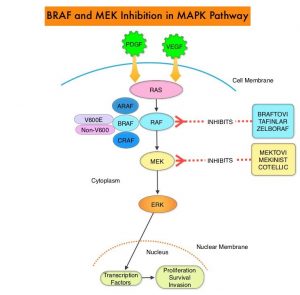
The Mitogen-Activated Protein Kinase pathway (MAPK pathway) is an important signaling pathway which enables the cell to respond to external stimuli. This pathway plays a dual role, regulating cytokine production and participating in cytokine dependent signaling cascade. The MAPK pathway of interest is the RAS-RAF-MEK-ERK pathway. The RAF family of kinases includes ARAF, BRAF and CRAF signaling molecules. BRAF is a very important intermediary of the RAS-RAF-MEK-ERK pathway. BRAF mutations have been detected in 6-8% of all malignancies. The most common BRAF mutation in melanoma is at the V600E/K site and is detected in approximately 50% of melanomas, and result in constitutive activation of the MAPK pathway.

ZELBORAF® (Vemurafenib), a selective oral inhibitor of mutated BRAF, demonstrated significant improvement in Progression Free Survival (PFS) and Overall Survival (OS), compared to Dacarbazine. Squamous cell carcinomas were seen in about 6% of the patients treated with BRAF inhibitors. Paradoxical activation of the MAPK pathway in cells without a BRAF mutation has been implicated in the emergence of drug resistance and increased incidence of BRAF-inhibitor induced skin tumors. MEK gene is downstream from RAF in the MAPK pathway. The addition of a selective inhibitor of MEK gene such as COTELLIC® (Cobimetinib) to a BRAF inhibitor such as ZELBORAF® has addressed some of these limitations, in previously published studies, with improvement in Objective Response Rates (ORR) and decrease in the incidence of cutaneous secondary cancers. coBRIM is a multicenter, randomized, Phase III study in which the efficacy and safety of COTELLIC® combined with ZELBORAF®, was evaluated in previously untreated patients, with advanced BRAF-mutated melanoma. The final analysis of this trial evaluated the 5-year survival data, and the OS was over 30% in patients who received the combination therapy, with a Complete Response (CR) rate was about 20%.

TECENTRIQ® (Atezolizumab) is an anti PD-L1 monoclonal antibody, designed to directly bind to PD-L1 expressed on tumor cells and tumor-infiltrating immune cells, thereby blocking its interactions with PD-1 and B7.1 receptors. PD-L1 inhibition may prevent T-cell deactivation and further enable the activation of T cells. The 5 year OS among patients receiving PD1 targeted immunotherapy is about 34%, with a median OS of 17-20 months. With the approval of multiple therapeutic options for the management of patients with BRAF-mutant melanoma, treatment decisions have become increasingly complex. In patients with limited disease burden, immunotherapy with checkpoint inhibitors is favored by most clinicians, based on the long term data supporting the durability of responses with immunotherapies, but response rates are lower. On the contrary, BRAF-targeted agents are utilized in patients with extensive, symptomatic disease and active brain metastases, as the response rates are higher but are short lived. The optimal sequence of these therapeutic strategies in order to improve long-term patient outcome, has remained unclear.

Preclinical studies suggested that combining these two targeted therapies with a checkpoint inhibitor might overcome the limitations of each class and potentially lead to more durable responses. The safety and efficacy of combining TECENTRIQ® with COTELLIC® (MEK inhibitor) and ZELBORAF® (BRAF inhibitor), in patients with BRAFV600-mutated metastatic melanoma, was evaluated in a Phase I study, with promising results, and a 28-day run-in period with COTELLIC® and ZELBORAF® was associated with an increase in proliferating CD4+ T-helper cells, without increasing the T-regulatory cells (Tregs). Tumor cells use Tregs as a shield to protect themselves against anti-tumor immune response and Tregs remain a hurdle in achieving the complete potential of anti-cancer therapies including immunotherapy. The aim of IMspire 150 trial was to determine if combining checkpoint inhibitor with two targeted therapies would improve efficacy.

IMspire150 is a pivotal, placebo-controlled, international, multicenter, double-blinded, Phase III trial, in which 514 treatment-naive patients with Stage IIIc and Stage IV, BRAF V600–mutant malignant melanoma were enrolled. Patients were randomly assigned 1:1 to treatment with the doublet combination or the triplet therapy. Doublet therapy given to the control group of patients consisted of ZELBORAF® 960 mg orally twice daily plus COTELLIC® at 60 mg orally, on days 1 to 21 of a 28 day cycle. In the experimental or triplet therapy group, there was a 28-day run-in with ZELBORAF® plus COTELLIC® alone, dosed similar to the control group (cycle 1), following which patients received TECENTRIQ® 840 mg IV on Days 1 and 15 of each 28 day cycle starting cycle 2, in combination with ZELBORAF® at a lower dose of 720 mg orally twice daily and COTELLIC® 60 mg orally once daily. Treatment was continued until disease progression, or unacceptable toxicity. Both treatment groups were well balanced, median patient age was 54 years, 58% were male and 94% of patients had Stage IV disease. The Primary endpoint was investigator-assessed Progression Free Survival (PFS). Secondary end points included Objective Response Rates (ORR), Duration of Response (DOR), and Overall Survival (OS).

The combination of immunotherapy with targeted therapies was significantly superior to targeted therapies alone. At a median follow up of 18.9 months, the median PFS with the triplet combination was 15.1 months versus 10.6 months with the doublet therapy (HR=0.78; P=0.025). This represented a 22% reduction in the risk of disease progression. This benefit was observed across all subgroups including age, disease burden, LDH level, and extent of tumor involvement by organ site. Although Objective Response Rates were similar in both treatment groups, the median Duration of Response was 21.0 months with triplet combination versus 12.6 months for the doublet therapy. The OS data were not mature at the time of this analysis, but interim analysis however showed a median OS of 28.8 months with the triplet combination versus 25.1 months with doublet therapy. Both treatment groups had comparable toxicities. Among those patients receiving triplet combination, the most common toxicities were rash, fever, fatigue, nausea, pruritus, stomatitis, musculoskeletal pain, hepatotoxicity, edema, hypothyroidism, and photosensitivity.

It was concluded that in treatment-naive patients with advanced BRAF V600-mutant malignant melanoma, TECENTRIQ® in combination with ZELBORAF® and COTELLIC® significantly and clinically improved Progression Free Survival, when compared to placebo in combination with ZELBORAF® and COTELLIC®.

Evaluation of atezolizumab (A), cobimetinib (C), and vemurafenib (V) in previously untreated patients with BRAFV600 mutation-positive advanced melanoma: Primary results from the phase 3 IMspire150 trial. McArthur GA, Stroyakovskiy D, Gogas H, et al. Presented at: the 2020 AACR Annual Virtual Meeting I; April 27-28, 2020. Abstract CT012.
FDA Approves KEYTRUDA® for Tumor Mutational Burden-High Solid Tumors

SUMMARY: The FDA on June 16, 2020 granted accelerated approval to KEYTRUDA® (Pembrolizumab) for the treatment of adult and pediatric patients with unresectable or metastatic Tumor Mutational Burden-High (10 or more mutations/megabase) solid tumors, as determined by an FDA-approved test, that have progressed following prior treatment, and who have no satisfactory alternative treatment options. The FDA on the same day also approved the FoundationOne® CDx assay (Foundation Medicine, Inc.) as a companion diagnostic for KEYTRUDA®. KEYTRUDA® is a fully humanized, Immunoglobulin G4, anti-PD-1 monoclonal antibody, that binds to the PD-1 receptor and blocks its interaction with ligands PD-L1 and PD-L2, thereby undoing PD-1 pathway-mediated inhibition of the immune response, and unleashing the tumor-specific effector T cells.

Tumor Mutational Burden (TMB) is a measure of the somatic mutation rate within a tumor genome and is emerging as a quantitative indicator for predicting response to Immune Checkpoint Inhibitors such as KEYTRUDA®, across a wide range of malignancies. These non-synonymous somatic mutations in the tumor genome generate larger number of neo-antigens which are more immunogenic. Immune Checkpoint Inhibitors are able to unleash the immune system to detect these neoantigens and destroy the tumor. TMB can be measured using Next-Generation Sequencing (NGS) and is defined as the number of somatic, coding base substitutions and short insertions and deletions (indels), per megabase of genome examined. Several studies have incorporated Tumor Mutational Burden (TMB) as a biomarker, using the validated cutoff of TMB of 10 or more mutations/Megabase as High, and less than 10 mutations/Megabase, as Low. (A megabase is 1,000,000 DNA basepairs).

KEYNOTE-158 is a multicenter, non-randomized, open-label, Phase II basket trial investigating the antitumor activity and safety of KEYTRUDA® in multiple advanced solid tumors. The accelerated approval was based on data from a prospectively-planned, retrospective analysis of 10 cohorts of patients with various previously treated unresectable or metastatic solid tumors with TMB-H, who were enrolled in KEYNOTE-158 study. Patients received KEYTRUDA® 200 mg IV every 3 weeks until unacceptable toxicity or documented disease progression. In this study, 1,050 patients were included in the efficacy analysis and TMB was analyzed in the subset of 790 patients with sufficient tissue for testing. Of these 790 patients, 102 (13%) had tumors identified as TMB-H, defined as TMB 10 mutations /Megabase or more. The median age in this study population of 102 patients was 61 years, ECOG PS was 0-1, and 56% of patients had at least 2 prior lines of therapy. TMB status was assessed using the FoundationOne® CDx assay. Tumor response was assessed every 9 weeks for the first 12 months and every 12 weeks thereafter. The major efficacy outcome measures were Objective Response Rate (ORR) and Duration of Response (DOR) in the patients who received at least one dose of KEYTRUDA®. The key Secondary outcome measures included Progression Free Survival (PFS), Overall Survival (OS), and safety.

In the 102 patients whose tumors were TMB-H, KEYTRUDA® demonstrated an ORR of 29%, with a Complete Response rate of 4% and a Partial Response rate of 25%. After a median follow up time of 11.1 months, the median DOR had not been reached. Among the responding patients, 57% had ongoing responses of 12 months or longer, and 50% had ongoing responses of 24 months or longer. The median duration of exposure to KEYTRUDA® was 4.9 months. The most common adverse reactions for KEYTRUDA® were fatigue, decreased appetite, rash, pruritus, fever, nausea, diarrhea, cough, dyspnea, constipation, abdominal pain and musculoskeletal pain.

It was concluded that in patients with advanced solid tumors treated with KEYTRUDA® monotherapy, high TMB was associated with higher Objective Response Rates and median Duration of Response, with the Progression Free Survival favoring patients with high TMB. These data suggest that TMB may be predictive of the efficacy of KEYTRUDA® monotherapy in patients with a wide range of tumor types.

Association of tumour mutational burden with outcomes in patients with select advanced solid tumours treated with pembrolizumab in KEYNOTE-158. Marabelle A, Fakih MG, Lopez J, et al. Annals of Oncology (2019) 30 (suppl_5): v475-v532. 10.1093/annonc/mdz253.

Overall Survival Benefit with Frontline OPDIVO® plus YERVOY® and Limited Chemotherapy in NSCLC

SUMMARY: The FDA on May 26, 2020, approved the combination of OPDIVO® (Nivolumab) plus YERVOY® (Ipilimumab) and 2 cycles of Platinum-doublet chemotherapy as first-line treatment for patients with metastatic or recurrent Non-Small Cell Lung Cancer (NSCLC), with no Epidermal Growth Factor Receptor (EGFR) or Anaplastic Lymphoma Kinase (ALK) genomic tumor aberrations. Lung cancer is the second most common cancer in both men and women and accounts for about 14% of all new cancers and 27% of all cancer deaths. The American Cancer Society estimates that for 2020, about 228, 820 new cases of lung cancer will be diagnosed and 135,720 patients will die of the disease. Lung cancer is the leading cause of cancer-related mortality in the United States. Non-Small Cell Lung Cancer (NSCLC) accounts for approximately 85% of all lung cancers. Of the three main subtypes of NSCLC, 30% are Squamous Cell Carcinomas (SCC), 40% are Adenocarcinomas and 10% are Large Cell Carcinomas. With changes in the cigarette composition and decline in tobacco consumption over the past several decades, Adenocarcinoma now is the most frequent histologic subtype of lung cancer.

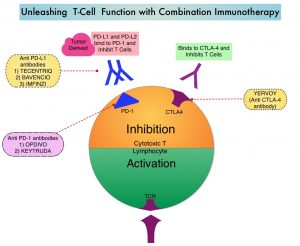
Immune checkpoints are cell surface inhibitory proteins/receptors that are expressed on activated T cells. They harness the immune system and prevent uncontrolled immune reactions by switching off the immune system T cells. Immune checkpoint proteins/receptors include CTLA-4 (Cytotoxic T-Lymphocyte Antigen 4, also known as CD152) and PD-1(Programmed cell Death 1). Checkpoint inhibitors unleash the T cells resulting in T cell proliferation, activation, and a therapeutic response. OPDIVO® is a fully human, immunoglobulin G4 monoclonal antibody that binds to the PD-1 receptor and blocks its interaction with PD-L1 and PD-L2, thereby undoing PD-1 pathway-mediated inhibition of the immune response and unleashing the T cells. YERVOY® is a fully human immunoglobulin G1 monoclonal antibody that blocks Immune checkpoint protein/receptor CTLA-4.Unleashing-T-Cell-Function-with-Combination-Immunotherapy

In the CheckMate-227, Part 1, Phase III trial, a combination of OPDIVO® plus YERVOY® significantly improved Overall Survival (OS), Progression Free Survival (PFS), Objective Response Rates (ORR) and Duration of Response, compared to chemotherapy, independent of PD-L1 expression level. The authors in this study hypothesized that a limited course of chemotherapy combined with OPDIVO® plus YERVOY® could provide rapid disease control, while building on the durable Overall Survival benefit seen with dual PD-1 and CTLA-4 inhibition.

CheckMate-9LA is a randomized, open-label, multi-center, Phase III trial which evaluated the benefit of a combination of OPDIVO® plus YERVOY®, and 2 cycles of Platinum-doublet chemotherapy versus Platinum-doublet chemotherapy for 4 cycles followed by optional Pemetrexed maintenance therapy, as a first-line treatment in patients with metastatic or recurrent NSCLC, regardless of PD-L1 status and histology. In this study, 719 adults treatment naïve patients with histologically confirmed Stage IV/recurrent NSCLC, with ECOG Performance Status 0-1, and no known sensitizing EGFR/ALK alterations, were randomly assigned 1:1 to receive OPDIVO® 360 mg every 3 weeks plus YERVOY® 1 mg/kg every 6 weeks and 2 cycles of platinum-doublet chemotherapy (N=361), or 4 cycles of platinum-doublet chemotherapy alone (N=358). Chemotherapy was based on histology. Patients with non-squamous NSCLC in the chemo-only randomized group could receive optional Pemetrexed maintenance treatment. Patients were treated with immunotherapy until disease progression, unacceptable toxicity, or for 2 years. Patients were stratified by PD-L1 status (less than 1% versus 1% or more), sex, and histology (squamous versus non-squamous). Demographics in treatment groups were well balanced. The Primary end point was Overall Survival (OS). Secondary endpoints included Progression Free Survival (PFS), Objective Response Rate (ORR) and efficacy by PD-L1 subgroups.

At a preplanned interim analysis after a minimum follow up 8.1 months, this trial demonstrated a statistically significant benefit in OS for patients treated with OPDIVO® plus YERVOY® and limited chemotherapy, compared to those who received chemotherapy alone. The median OS was 14.1 months versus 10.7 months, respectively (HR=0.69; P=0.0006). With longer follow up at 12.7 months, this OS benefit continued to improve in the immunotherapy plus chemotherapy group, with a median OS of 15.6 months versus 10.9 months, respectively (HR=0.66). The 1-year OS rates were 63% versus 47%. This clinical benefit was consistent across all efficacy measures in key subgroups including by PD-L1 and histology.

The median PFS was 6.8 months in the OPDIVO® plus YERVOY® and chemotherapy group and 5 months in the chemotherapy-only group (HR=0.70; P=0.0001). The ORR was 38% and 25%, respectively (P= .0003). The median response duration was 10 months in the OPDIVO® plus YERVOY® and chemotherapy group, and 5.1 months in the chemotherapy-only group. Grade 3-4 treatment related Adverse Events were reported in 47% of the patients receiving the immunotherapy plus chemotherapy combination versus 38% in the chemotherapy-only group.

It was concluded that CheckMate 9LA met its Primary endpoint of Overall Survival, and OPDIVO® plus YERVOY® with a limited course of chemotherapy should be considered as a new first line treatment option for patients advanced Non Small Cell Lung Cancer.

Nivolumab (NIVO) + ipilimumab (IPI) + 2 cycles of platinum-doublet chemotherapy (chemo) vs 4 cycles chemo as first-line (1L) treatment (tx) for stage IV/recurrent non-small cell lung cancer (NSCLC): CheckMate 9LA. Reck M, Ciuleanu T-E, Dols MC, et al. J Clin Oncol 38: 2020 (suppl; abstr 9501)

Late Breaking Abstract – ASCO 2020: FDA Approves BAVENCIO® for Maintenance Treatment in Advanced Urothelial Carcinoma

SUMMARY: The FDA on June 30, 2020 approved BAVENCIO® for maintenance treatment of patients with locally advanced or metastatic Urothelial Carcinoma (UC) that has not progressed with first-line platinum-containing chemotherapy. The American Cancer Society estimates that for 2020, about 81,400 new cases of bladder cancer will be diagnosed in the US and about 17,980 patients will die of the disease. Bladder cancer is the fourth most common cancer in men, but is less common in women, and the average age at the time of diagnosis is 73. Patients with advanced Urothelial Carcinoma are currently treated in the first line setting with a Platinum based chemotherapy regimen. Progression Free Survival (PFS) and Overall Survival (OS) however are generally short because of resistance to chemotherapy. Treatment options for patients who progress after Platinum based chemotherapy are limited, with poor outcomes. The response rates with standard chemotherapy in this patient population, is about 10%.

BAVENCIO® (Avelumab) is a human, immunoglobulin G1 lambda, PD-L1 targeted monoclonal antibody that binds to PD-L1 and blocks the interaction between PD-L1 and its receptor PD-1. This in turn negates the inhibitory effects of PD-L1 on the immune response by unleashing the immune system and restoring antitumor immune responses. In addition, BAVENCIO® induces Antibody Dependent Cell-mediated Cytotoxicity (ADCC). BAVENCIO® was previously granted an accelerated approval by the FDA in 2017 for the treatment of patients with locally advanced or metastatic Urothelial Carcinoma who have disease progression during or following Platinum-containing chemotherapy.

JAVELIN Bladder 100 study is an international, multicenter, open-label, parallel-arm, randomized Phase III trial, which evaluated BAVENCIO® as maintenance therapy following response or stable disease with first-line Platinum-based chemotherapy, in patients with advanced Urothelial Carcinoma. This study included 700 patients with unresectable locally advanced or metastatic Urothelial Cancer, whose disease did not progress following 4 to 6 cycles of standard Gemcitabine with either Cisplatin or Carboplatin. These patients were randomly assigned 1:1 to receive maintenance BAVENCIO® 10 mg/kg IV every 2 weeks in 4 week cycles plus Best Supportive Care (N=350) or BSC alone (N=350). Best Supportive Care included symptom control and pain management, supportive nutrition, correction of metabolic disorders and antibiotics if indicated. Patients were stratified by best response to first-line chemotherapy (Complete vs Partial Response vs stable disease), and by visceral vs non-visceral disease, when initiating first-line chemotherapy. Across the study population, 51% of patients had tumors that were PD-L1 positive. The Coprimary end points were Overall Survival (OS) in all randomized patients, and in those with PD-L1 positive tumors. Secondary end points included Progression Free Survival (PFS), Objective Response Rate (ORR), and safety. The median follow up was 19.6 months for the BAVENCIO® cohort and 19.2 months for the BSC-alone cohort.

The combination of BAVENCIO® plus BSC significantly prolonged OS, compared with BSC alone, in all randomized patients (HR=0.69; P=0.0005), suggesting a 31% reduction in the risk of death with the addition of  maintenance BAVENCIO®. The median OS was 21.4 months with BAVENCIO® plus BSC compared with 14.3 months with BSC alone. Significantly prolonged OS with BAVENCIO® plus BSC, compared with BSC alone, was also noted among patients with PD-L1 positive tumors, and the median OS was not reached in the BAVENCIO® group versus 17.1 months in the control group (HR=0.56; P=0.0003). The OS benefit with BAVENCIO® was noted across all prespecified subgroups, including those defined by Cisplatin-based or Carboplatin-based chemotherapy, and regardless of whether response or stable disease was reached after first-line induction chemotherapy. Based on blinded Independent Central Review, the median PFS favored the BAVENCIO® group both in the overall randomized population (3.7 months versus 2 months, HR=0.62; P<0.001) as well as in the PD-L1 positive subgroup (HR=0.56). All-grade Adverse Events occurred in 98% of the BAVENCIO® group versus 77.7% of the control group, and grade 3/4 AEs occurred in 47.4% versus 25.2%, respectively.

It was concluded that this study met its primary objective, demonstrating significantly prolonged Overall Survival with first-line maintenance BAVENCIO® plus BSC compared with BSC alone, in all patients with advanced Urothelial Carcinoma, and should therefore be the new first-line standard of care in this patient group.

Maintenance avelumab + best supportive care (BSC) versus BSC alone after platinum-based first-line (1L) chemotherapy in advanced urothelial carcinoma (UC): JAVELIN Bladder 100 phase III interim analysis. Powles T, Park SH, Voog E, et al. J Clin Oncol 38: 2020 (suppl; abstr LBA1)

KEYTRUDA® Superior to ADCETRIS® in Relapsed or Refractory Classical Hodgkin Lymphoma

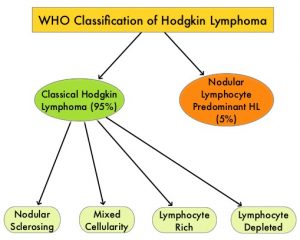
SUMMARY: The American Cancer Society estimates that in the United States for 2020, about 8,480 new cases of Hodgkin Lymphoma will be diagnosed and about 970 patients will die of the disease. Hodgkin Lymphoma is classified into two main groups – Classical Hodgkin Lymphomas and Nodular Lymphocyte Predominant type, by the World Health Organization. The Classical Hodgkin Lymphomas include Nodular sclerosing, Mixed cellularity, Lymphocyte rich, Lymphocyte depleted subtypes and accounts for approximately 10% of all malignant lymphomas. Nodular sclerosis Hodgkin Lymphoma histology, accounts for approximately 80% of Hodgkin lymphoma cases in older children and adolescents in the United States. Classical Hodgkin Lymphoma is a malignancy of primarily B lymphocytes and is characterized by the presence of large mononucleated Hodgkin (H) and giant multinucleated Reed-Sternberg (RS) cells, collectively known as Hodgkin and Reed-Sternberg cells (HRS).The HRS cells in turn recruit an abundance of ineffective inflammatory cells and infiltrates of immune cells.WHO-Classification-of-Hodgkin-Lymphoma

Preclinical studies suggest that HRS cells evade immune detection by exploiting the pathways associated with immune checkpoint, Programmed Death-1 (PD-1) and its ligands PD-L. Classical Hodgkin Lymphoma is an excellent example of how the tumor microenvironment influences cancer cells to proliferate and survive. The most common genetic abnormality in Nodular sclerosis subtype of Hodgkin lymphoma is the selective amplification of genes on the short arm of chromosome 9 (9p24.1) which includes JAK-2, with resulting increased expression of PD-1 ligands such as PDL1 and PDL2 on HRS cells, as well as increased JAK-STAT activity, essential for the proliferation and survival of Hodgkin Reed-Sternberg (HRS) cells. Infection with Epstein–Barr virus (EBV) similarly can increase the expression of PDL1 and PDL2 in EBV-positive Hodgkin lymphomas. It would therefore seem logical to block or inhibit immune check point PD-1 rather than both its ligands, PDL1 and PDL2.

Immune checkpoints are cell surface inhibitory proteins/receptors that are expressed on activated T cells. They harness the immune system and prevent uncontrolled immune reactions. KEYTRUDA® is a fully humanized, Immunoglobulin G4, anti-PD-1, monoclonal antibody, that binds to the PD-1 receptor and blocks its interaction with ligands PD-L1 and PD-L2, thereby undoing PD-1 pathway-mediated inhibition of the immune response and unleashing the tumor-specific effector T cells. ADCETRIS® (Brentuximab vedotin) is an Antibody-Drug Conjugate (ADC) that targets CD30, which is a surface antigen, expressed on Reed-Sternberg cells, in patients with Classical Hodgkin Lymphoma. This ADC consists of an anti-CD30 monoclonal antibody linked to MonoMethyl Auristatin E (MMAE), an antimicrotubule agent. Upon binding to the CD30 molecule on the cancer cells, MMAE is released into the cancer cell, resulting in cell death.

Patients with Relapsed or Refractory Classical Hodgkin Lymphoma (R/R cHL) are often treated with salvage chemotherapy and Autologous Stem Cell Transplant (ASCT). There are however no standard interventions for patients ineligible for ASCT due to chemo-refractory disease, comorbidity, or advanced stage. PD-1 inhibitor such as KEYTRUDA® as well as ADCETRIS® has shown antitumor activity in R/R cHL.

KEYNOTE-204 is a randomized, international, open-label, Phase III study in which KEYTRUDA® was compared with ADCETRIS® among patients with Relapsed or Refractory Classical Hodgkin Lymphoma (R/R cHL). In this study, 304 patients were randomized 1:1, and 300 patients were treated and assigned to receive KEYTRUDA® 200 mg IV every 3 weeks (N=148) or ADCETRIS® 1.8 mg/kg IV every 3 weeks (N=152). Enrolled patients were post-Autologous Stem Cell Transplant (ASCT) or ineligible for ASCT, had measurable disease and had an ECOG Performance Status of 0 or 1. Both ADCETRIS®-naive and ADCETRIS®-exposed patients were eligible. Patients were stratified by prior ASCT and status after first-line therapy (primary refractory versus relapsed less than 12 months versus relapsed 12 months or more after end of first-line therapy). The Primary endpoints were Progression Free Survival (PFS) per Blinded Independent Central Review (BICR) and Overall Survival (OS). Secondary endpoints included PFS per investigator review, Objective Response Rate (ORR), and Safety. Median follow up was 24.7 months.

The median PFS was 13.2 months in the KEYTRUDA® group compared with 8.3 months in the ADCETRIS® group (HR=0.65, P=0.00271), suggesting an increase in PFS of 4.9 months with KEYTRUDA®. This benefit with KEYTRUDA® was observed in all subgroups tested, including those ineligible for ASCT (HR=0.61), those with primary refractory disease (HR=0.52), those who were ADCETRIS® naïve (HR=0.67), as well as those who received prior treatment with ADCETRIS® (HR=0.34). The ORR was 65.6% versus 54.2%, and the median Duration of Response was 20.7 months versus 13.8 months, in the KEYTRUDA® and ADCETRIS® groups respectively. Treatment Related Adverse Events were similar in both treatment groups and Grade 3-5 toxicities occurred in 19.6% of patients treated with KEYTRUDA® and 25% of patients treated with ADCETRIS®.

It was concluded that among patients with Relapsed/Refractory Classical Hodgkin Lymphoma, KEYTRUDA® was superior to ADCETRIS®, with a statistically significant and clinically meaningful improvement in PFS across all subgroups tested, and with safety consistent with previous reports. The authors added that KEYTRUDA® should be considered the preferred treatment option and the new standard of care in this patient population.

KEYNOTE-204: Randomized, open-label, phase III study of pembrolizumab (pembro) versus brentuximab vedotin (BV) in relapsed or refractory classic Hodgkin lymphoma (R/R cHL). Kuruvilla J, Ramchandren R, Santoro A, et al. Presented at: 2020 ASCO Virtual Scientific Program; May 29, 2020. J Clin Oncol 38: 2020 (suppl; abstr 8005).

Late Breaking Abstract – ASCO 2020: First Line KEYTRUDA® Superior to Chemotherapy in Metastatic MSI-H/dMMR Colorectal Cancer

SUMMARY: Colorectal Cancer (CRC) is the third most common cancer diagnosed in both men and women in the United States. The American Cancer Society estimates that approximately 147,950 new cases of CRC will be diagnosed in the United States in 2020 and about 53,200 patients are expected to die of the disease. The lifetime risk of developing CRC is about 1 in 23. The majority of CRC cases (about 75 %) are sporadic whereas the remaining 25 % of the patients have family histories of the disease. Only 5-6 % of patients with CRC with a family history background are due to inherited mutations in major CRC genes, while the rest are the result of accumulation of both genetic mutations and epigenetic modifications of several genes.Testing-for-MicroSatellite-Instability-and-MisMatch-Repair-Deficiency

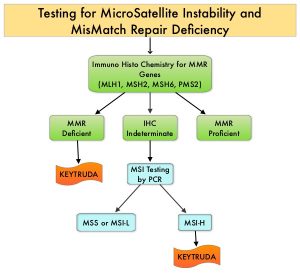
The DNA MisMatchRepair (MMR) system is responsible for molecular surveillance and works as an editing tool that identifies errors within the microsatellite regions of DNA and removes them. Defective MMR system leads to MSI (Micro Satellite Instability) and hypermutation, triggering an enhanced antitumor immune response. MSI is therefore a hallmark of defective/deficient DNA MisMatchRepair (dMMR) system and occurs in 15% of all colorectal cancers. Defective MMR can be a sporadic or heritable event. Approximately 65% of the MSI colon tumors are sporadic and when sporadic, the DNA MMR gene is MLH1. Defective MMR can manifest as a germline mutation occurring in MMR genes including MLH1, MSH2, MSH6 and PMS2. This produces Lynch Syndrome often called Hereditary Nonpolyposis Colorectal Carcinoma – HNPCC, an Autosomal Dominant disorder that is often associated with a high risk for Colorectal and Endometrial carcinoma, as well as several other malignancies including Ovary, Stomach, Small bowel, Hepatobiliary tract, Brain and Skin. MSI is a hallmark of Lynch Syndrome-associated cancers. MSI tumors tend to have better outcomes and this has been attributed to the abundance of tumor infiltrating lymphocytes in these tumors from increase immunogenicity. These tumors therefore are susceptible to blockade with immune checkpoint inhibitors. MSI testing is performed using a PCR based assay and MSI-High refers to instability at 2 or more of the 5 mononucleotide repeat markers and MSI-Low refers to instability at 1 of the 5 markers. Patients are considered Micro Satellite Stable (MSS) if no instability occurs. MSI-L and MSS are grouped together because MSI-L tumors are uncommon and behave similar to MSS tumors. Tumors considered MSI-H have deficiency of one or more of the DNA MMR genes. MMR gene deficiency can be detected by ImmunoHistoChemistry (IHC). NCCN Guidelines recommend MMR or MSI testing for all patients with a history of Colon or Rectal cancer. Unlike Colorectal and Endometrial cancer, where MSI-H/dMMR testing is routinely undertaken, the characterization of Lynch Syndrome across heterogeneous MSI-H/dMMR tumors is unknown.

KEYTRUDA® (Pembrolizumab) is a fully humanized, Immunoglobulin G4, anti-PD-1, monoclonal antibody, that binds to the PD-1 receptor and blocks its interaction with ligands PD-L1 and PD-L2, thereby undoing PD-1 pathway-mediated inhibition of the immune response and unleashing the tumor-specific effector T cells. The FDA in 2017 granted accelerated approval to KEYTRUDA® for patients with advanced MSI-High or dMMR solid tumors, that have progressed following prior treatment, and who have no satisfactory alternative treatment options. This has led to routine MSI-H/dMMR testing in advanced solid tumors.

KEYNOTE-177 is an International, multicenter, randomized open-label, Phase III trial conducted, to evaluate the efficacy and safety of KEYTRUDA® versus Standard-of-Care (SOC) chemotherapy, as first-line therapy for dMMR or MSI-H metastatic ColoRectal Cancer (mCRC). In this study, a total of 307 patients with MSI-H/dMMR mCRC as determined locally, and with ECOG PS of 0 or 1 were randomly assigned 1:1 to first-line treatment with KEYTRUDA® 200 mg IV every 3 weeks for up to 2 years (N=153) or investigator’s choice of mFOLFOX-6 or FOLFIRI every 2 weeks, with or without Bevacizumab or Cetuximab (N=154). Chemotherapy regimens were chosen prior to randomization. Treatment was continued until disease progression, unacceptable toxicity or completion of 35 cycles (for KEYTRUDA® only). The median patient age was 63 years and both treatment groups were well balanced. The co-Primary endpoints of the study were Progression Free Survival (PFS) and Overall Survival (OS). Key Secondary endpoints included Overall Response Rate (ORR) and Safety. Patients with confirmed disease progression on chemotherapy were given the option to crossover, to receive treatment with KEYTRUDA®. The median follow up was 28 months.

It was noted that KEYTRUDA® was superior to chemotherapy with a median PFS of 16.5 months versus 8.2 months for chemotherapy (HR=0.60; P=0.0002). The 12 and 24-months PFS rates were 55.3% and 48.3% with KEYTRUDA® versus 37.3% and 18.6% with chemotherapy, respectively. The confirmed ORR was 43.8% with KEYTRUDA® versus 33.1% with chemotherapy and the median Duration of Response was not reached in the KEYTRUDA® group and was 10.6 months in the chemotherapy group. Following disease progression, 36% of patients assigned to the chemotherapy group crossed over to the KEYTRUDA® group. This study is being continued to evaluate OS. Grade 3-5 treatment related Adverse Event rates were 22% in the KEYTRUDA® arm and 66% in the chemotherapy group.

The authors concluded that when compared to chemotherapy, first-line therapy with KEYTRUDA® provided a clinically meaningful and statistically significant improvement in Progression Free Survival, among patients with MSI-H/dMMR metastatic colorectal cancer, with fewer treatment-related Adverse Events. The authors added that KEYTRUDA® should be the new standard of care for this patient group.

Pembrolizumab versus chemotherapy for microsatellite instability-high/mismatch repair deficient metastatic colorectal cancer: The phase 3 KEYNOTE-177 study. Andre T, Shiu K-K, Kim TW, et al. J Clin Oncol 38: 2020 (suppl; abstr LBA4)

FDA Approves Chemotherapy-Free First Line Immunotherapy Combination in Advanced NSCLC

SUMMARY: The FDA on May 15, 2020, approved OPDIVO® (Nivolumab) in combination with YERVOY® (Ipilimumab), as first-line treatment for patients with metastatic Non-Small Cell Lung Cancer (NSCLC), whose tumors express PD-L1(1% or more), as determined by an FDA-approved test, with no Epidermal Growth Factor Receptor (EGFR) or Anaplastic Lymphoma Kinase (ALK) genomic tumor aberrations. Lung cancer is the second most common cancer in both men and women and accounts for about 14% of all new cancers and 27% of all cancer deaths. The American Cancer Society estimates that for 2020, about 228, 820 new cases of lung cancer will be diagnosed and 135,720 patients will die of the disease. Lung cancer is the leading cause of cancer-related mortality in the United States. Non-Small Cell Lung Cancer (NSCLC) accounts for approximately 85% of all lung cancers. Of the three main subtypes of NSCLC, 30% are Squamous Cell Carcinomas (SCC), 40% are Adenocarcinomas and 10% are Large Cell Carcinomas. With changes in the cigarette composition and decline in tobacco consumption over the past several decades, Adenocarcinoma now is the most frequent histologic subtype of lung cancer.

Immune checkpoints are cell surface inhibitory proteins/receptors that are expressed on activated T cells. They harness the immune system and prevent uncontrolled immune reactions by switching off the immune system T cells. Immune checkpoint proteins/receptors include CTLA-4 (Cytotoxic T-Lymphocyte Antigen 4, also known as CD152) and PD-1(Programmed cell Death 1). Checkpoint inhibitors unleash the T cells resulting in T cell proliferation, activation, and a therapeutic response. OPDIVO® (Nivolumab) is a fully human, immunoglobulin G4 monoclonal antibody that binds to the PD-1 receptor and blocks its interaction with PD-L1 and PD-L2, thereby undoing PD-1 pathway-mediated inhibition of the immune response and unleashing the T cells. OPDIVO® is presently approved for treatment of patients with metastatic NSCLC and progression on or after Platinum-based chemotherapy. YERVOY® is a fully human immunoglobulin G1 monoclonal antibody that blocks Immune checkpoint protein/receptor CTLA-4.

The present FDA approval was based on CheckMate-227, which is an open-label, multi-part, global, Phase III trial in which OPDIVO® based regimens were compared with Platinum-doublet chemotherapy in patients with first line advanced NSCLC, across non-squamous and squamous tumor histologies. In Part 1 of this trial, there were 2 cohortsPart 1a in which OPDIVO® plus low dose YERVOY® (N=396) or OPDIVO® monotherapy (N=396) was compared with chemotherapy alone (N=397), in patients whose tumors expressed PD-L1 expression of 1% or more and Part 1b in which OPDIVO® plus low dose YERVOY® (N=187) or OPDIVO® plus chemotherapy (N=177) was compared with chemotherapy alone (N=186), in patients whose tumors did not express PD-L1 (less than 1%). (In Part 2 of this trial, OPDIVO® plus chemotherapy was compared with chemotherapy alone, regardless of PD-L1 expression. Part 2 did not meet its Primary endpoint for Overall Survival for OPDIVO® plus chemotherapy versus chemotherapy alone, in patients with non-squamous NSCLC, and is published elsewhere). It should be noted that when this trial was launched, chemotherapy along with immunotherapy or immunotherapy alone was not approved for the front-line treatment of NSCLC. Therefore, dual immunotherapy combination was not compared with current standards of care such as chemotherapy plus immunotherapy.

OPDIVO® was administered at 3 mg/kg every 2 weeks, and in the combination arm, YERVOY® was administered at 1 mg/kg every 6 weeks. When administered with chemotherapy, OPDIVO® was administered at 360 mg every 3 weeks. Patients were stratified by histology, and treatment was administered until disease progression, unacceptable toxicity, or administered for 2 years for immunotherapy. There were two Co-primary endpoints in Part 1 for OPDIVO® plus YERVOY® versus chemotherapy: Overall survival (OS) in patients whose tumors express PD-L1 (assessed in patients enrolled in Part 1a) and Progression Free Survival (PFS) in patients with TMB of 10 mut/Mb or more, across the PD-L1 spectrum (assessed in patients enrolled across Parts 1a and 1b). The minimum follow up for the Primary endpoint was 29 months. Both Part 1a and Part 1b groups met their Primary endpoints.

In the Part 1a cohort with PD-L1 expression of 1% or more, the Overall Survival was significantly longer with OPDIVO® plus YERVOY®, compared to chemotherapy. The median Overall Survival was 17.1 months in the Immunotherapy combination group compared to 14.9 months in the chemotherapy group (HR=0.79; P=0.007), with a 2-year OS rates of 40.0% and 32.8%, respectively. Progression Free Survival, Objective Response Rates and Duration of Response were all greater with OPDIVO® plus YERVOY® combination, compared to chemotherapy. The median Progression Free Survival (PFS) was 5.1 months in the OPDIVO® plus YERVOY® group and 5.6 months in the platinum-doublet chemotherapy group (HR=0.82). Confirmed Overall Response Rate (ORR) was 36% and 30% respectively. Median Duration of Response was 23.2 months in the OPDIVO® plus YERVOY® group and 6.2 months in the platinum-doublet chemotherapy group. In the Part 1b cohort with PD-L1 expression of less than 1%, Overall Survival benefit was again observed with the OPDIVO® plus YERVOY® combination, compared with chemotherapy, with a median duration of 17.2 months with OPDIVO® plus YERVOY® and 12.2 months with chemotherapy. Among all the patients in the trial, the median duration of OS was 17.1 months with OPDIVO® plus YERVOY® and 13.9 months with chemotherapy. Grade 3 and 4 treatment-related Adverse Events across all patients was 33% in those treated with OPDIVO® plus YERVOY® combination and 36% with chemotherapy.

It was concluded that first-line treatment of patients with advanced NSCLC, with a combination of two immunotherapy drugs, improves Overall Survival, compared to chemotherapy, independent of the PD-L1 expression level, and offers a chemotherapy-free first line treatment option for a subset of NSCLC patients, leaving chemotherapy for later lines of therapy.

Nivolumab plus Ipilimumab in Advanced Non-Small-Cell Lung Cancer. Hellmann MD, Paz-Ares L, Bernabe Caro R, et al. N Engl J Med. 2019;381:2020-2031.

FDA Approves KEYTRUDA® for BCG-Unresponsive, High-Risk Non-Muscle Invasive Bladder Cancer

SUMMARY: The FDA on January 8, 2020, approved KEYTRUDA® (Pembrolizumab) for the treatment of patients with Bacillus Calmette-Guerin (BCG)-unresponsive, high-risk, Non-Muscle Invasive Bladder Cancer (NMIBC) with Carcinoma In Situ (CIS) with or without papillary tumors, who are ineligible for or have elected not to undergo cystectomy.

The American Cancer Society estimates that for 2020, about 81,400 new cases of bladder cancer will be diagnosed in the US and about 17,980 patients will die of the disease. Bladder cancer is the fourth most common cancer in men, but is less common in women and the average age at the time of diagnosis is 73. Approximately 50% of all bladder cancers are non-invasive or in situ cancers. Patients with high-risk, Non-Muscle Invasive Bladder Cancer that has become unresponsive to BCG treatment, are often given the treatment option of radical cystectomy, which includes removing the entire urinary bladder and a prostatectomy for men or total hysterectomy in women. While highly curative, this surgical procedure carries substantial risk for morbidity and mortality, and can negatively impact patient’s quality of life. Further, a significant proportion of patients are medically ineligible for a radical cystectomy, and even if eligible, refuse surgery and opt for other less effective treatments, which could compromise outcomes.

KEYTRUDA® is a fully humanized, Immunoglobulin G4, anti-PD-1, monoclonal antibody, that binds to the PD-1 receptor and blocks its interaction with ligands PD-L1 and PD-L2. By doing so, it unleashes the tumor-specific effector T cells, and is thereby able to undo PD-1 pathway-mediated inhibition of the immune response. KEYTRUDA® is presently approved by the FDA for the treatment of patients with locally advanced or metastatic Urothelial carcinoma who are not eligible for Cisplatin-containing chemotherapy or for those with disease progression during or following platinum-containing chemotherapy, based on its durable antitumor activity in this patient group. Upregulation of the PD-1 pathway has been observed in BCG-resistant NMIBC, suggesting that KEYTRUDA® may be of benefit in this group of patients.

This new FDA approval for KEYTRUDA® was based on the KEYNOTE-057 study, which is a multicenter, single-arm trial that enrolled 148 patients with high-risk NMIBC, of whom 96 patients had BCG-unresponsive CIS with or without papillary tumors. BCG-unresponsive high-risk Non-Muscle Invasive Bladder Cancer was defined as persistent disease despite adequate BCG therapy, disease recurrence after an initial tumor-free state following adequate BCG therapy, or T1 disease following a single induction course of BCG. Eligible patients had received adequate BCG therapy and were unable/unwilling to undergo radical cystectomy. All patients had undergone TransUrethral Resection of Bladder Tumor (TURBT) to remove resectable disease. Patients with residual Carcinoma In Situ, not amenable to complete resection were permitted. Patients received KEYTRUDA® 200 mg every 3 weeks until unacceptable toxicity, persistent or recurrent high-risk NMIBC or progressive disease, or up to 24 months of therapy without disease progression. The median age was 73 years and the median number of prior BCG instillations was 12. More than half of patients (56.9%) had a PD-L1 Combined Positive Score (CPS) of less than 10, and most patients in this analysis had refused prior cystectomy. The Primary end point was Complete Response Rate (CRR) as defined by negative results for cystoscopy with TURBT/biopsies as applicable, urine cytology, and CT Urography imaging. Secondary end points included Duration of Response and Safety.

At a median follow up was 28 months the Complete Response Rate was 41% and the median Duration of Response was 16.2 months. Forty-six percent (46%) of responding patients experienced a Complete Response lasting at least 12 months. The most frequent adverse reactions were fatigue, diarrhea, rash, pruritis, musculoskeletal pain, peripheral edema and hypothyroidism.

It was concluded from this study that KEYTRUDA® had encouraging activity in bladder cancer patients, with high-risk, BCG-unresponsive Carcinoma in Situ, with or without papillary tumors. The authors added that this study demonstrates that immune activation with systemically administered treatment can result in local activity in the bladder, as well as long-term durable remissions of cancer.
Keynote 057: Phase II trial of Pembrolizumab (pembro) for patients (pts) with high-risk (HR) nonmuscle invasive bladder cancer (NMIBC) unresponsive to bacillus calmette-guérin (BCG). Balar AV, Kulkarni GS, Uchio EM, et al. J Clin Oncol 37, 2019 (suppl 7S; abstr 350)

FDA Approves IMFINZI® for Advanced Small Cell Lung Cancer

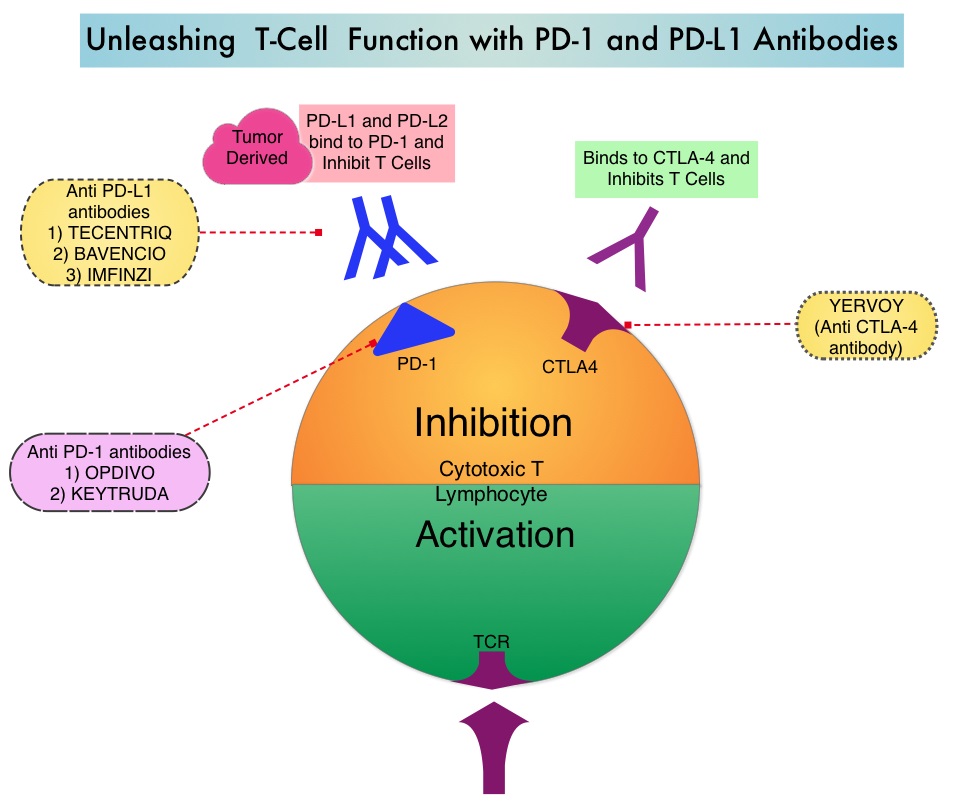
SUMMARY: The FDA on March 27, 2020 approved IMFINZI® (Durvalumab) in combination with Etoposide and either Carboplatin or Cisplatin as first-line treatment for patients with Extensive-Stage Small Cell Lung Cancer (ES-SCLC). The American Cancer Society estimates that for 2020 about 228,820 new cases of lung cancer will be diagnosed and about 135,720 patients will die of the disease. Lung cancer is the leading cause of cancer-related mortality in the United States. Small cell lung cancer (SCLC) accounts for approximately 13-15% of all lung cancers and is aggressive. Patients with extensive stage SCLC are often treated with a combination of Carboplatin or Cisplatin with Etoposide as first line treatment and the tumor response rates are as high as 60-80%. However, majority of the patients relapse within months of completing initial therapy, with a median Overall Survival (OS) of approximately 10 months. Patients often receive HYCAMTIN® (Topotecan) for recurrent or progressive SCLC (second-line treatment) and after failure on second-line therapy, treatment options are limited. The 5 year survival rate for Extensive Stage SCLC (ES-SCLC) is less than 5%, with a median survival of 9-10 months from the time of diagnosis.Unleashing-T-Cell-Function-with-PD-1-and-PD-L1-Antibodies

Based on the premise that SCLC has a high mutation rate, it was hypothesized that these tumors may be immunogenic and more recently immunotherapy with checkpoint inhibitors has demonstrated clinical activity in Extensive Stage SCLC. IMFINZI® (Durvalumab) is a selective, high-affinity, human IgG1 monoclonal antibody, that blocks the binding of Programmed Death Ligand 1 (PD-L1) to Programmed Death 1 (PD-1) receptor and CD80, thereby unleashing the T cells to recognize and kill tumor cells.

IMFINZI® is approved by the FDA for the treatment of patients with locally advanced, unresectable Stage III Non-Small Cell Lung Cancer, who have not progressed following chemoradiotherapy. Additionally, IMFINZI® is also approved for the treatment of patients with locally advanced or metastatic Urothelial carcinoma who have disease progression during or following Platinum-containing chemotherapy, or who have disease progression within 12 months of neoadjuvant or adjuvant treatment with Platinum-containing chemotherapy.

This present FDA approval was based on CASPIAN trial, which is a multicenter, randomized, controlled, open-label, Phase III study, in which the efficacy of IMFINZI® with or without CTLA-4 inhibitor Tremelimumab, in combination with Etoposide plus either Cisplatin or Carboplatin (Platinum-Etoposide), was compared to chemotherapy alone, in treatment-naive patients with ES-SCLC.
Patients were randomly assigned in a 1:1:1 ratio to IMFINZI® plus Platinum-Etoposide, IMFINZI® plus Tremelimumab plus Platinum-Etoposide, or Platinum-Etoposide alone. This study allocated 268 patients to the IMFINZI® plus Platinum-Etoposide group and 269 patients to the Platinum-Etoposide group. Treatment with Platinum-Etoposide consisted of Etoposide 80-100 mg/m2 IV on days 1-3 of each cycle with investigator’s choice of either Carboplatin AUC 5-6 mg/mL per min or Cisplatin 75-80 mg/m2 IV administered on day 1 of each cycle. Patients received up to four cycles of Platinum-Etoposide along with IMFINZI® 1500 mg IV with or without Tremelimumab 75 mg IV every 3 weeks, followed by maintenance IMFINZI® 1500 mg IV every 4 weeks in the immunotherapy treatment groups, or up to six cycles of Platinum-Etoposide IV every 3 weeks plus Prophylactic Cranial Irradiation (at the treating physicians discretion), in the Platinum-Etoposide control group. The median patient age was 62 years and 10% of the patients had CNS metastases. PCI was administered to 8% of patients in the Platinum-Etoposide group. The Primary endpoint was Overall Survival (OS). Additional efficacy outcome measures included Progression Free Survival (PFS) and Objective Response Rate (ORR). The authors reported the results for the IMFINZI® plus Platinum-Etoposide group, compared to the Platinum-Etoposide group, from a planned interim analysis.

The median OS was 13.0 months in the IMFINZI® plus chemotherapy group, compared with 10.3 months in the chemotherapy alone group (HR=0.73; P=0.0047), with a 27% reduction in the risk of death.
Approximately 34% of patients who received IMFINZI® were alive at 18 months as compared to 25% in the control arm of the trial. Additionally, IMFINZI® plus chemotherapy demonstrated a higher PFS rate at 12 months (17.5% versus 4.7%), a 10.3% increase in confirmed ORR (67.9% versus 57.6%), and improved Duration of Response at 12 months (22.7% versus 6.3%). The most common adverse reactions noted were nausea, fatigue, asthenia, and alopecia.

It was concluded that the addition of IMFINZI® to first line Platinum-Etoposide chemotherapy combination significantly improved Overall Survival in patients with Extensive Stage-Small Cell Lung Cancer, when compared to chemotherapy alone.

Durvalumab plus platinum-etoposide versus platinum-etoposide in first-line treatment of extensive-stage small-cell lung cancer (CASPIAN): a randomised, controlled, open-label, phase 3 trial. Paz-Ares L, Dvorkin M, Chen Y, CASPIAN investigators, et al. Lancet. 2019;394:1929-1939

Lung Immune Prognostic Index (LIPI) is an Important Prognostic Biomarker for Patients with Advanced Non Small Cell Lung Cancer

SUMMARY: Lung cancer is the second most common cancer in both men and women and accounts for about 14% of all new cancers and 27% of all cancer deaths. The American Cancer Society estimates that for 2020, about 228, 820 new cases of lung cancer will be diagnosed and 135,720 patients will die of the disease. Lung cancer is the leading cause of cancer-related mortality in the United States. Non-Small Cell Lung Cancer (NSCLC) accounts for approximately 85% of all lung cancers. Of the three main subtypes of NSCLC, 30% are Squamous Cell Carcinomas (SCC), 40% are Adenocarcinomas and 10% are Large Cell Carcinomas. With changes in the cigarette composition and decline in tobacco consumption over the past several decades, Adenocarcinoma now is the most frequent histologic subtype of lung cancer.
Immunotherapy with PD-1/PD-L1 (Programmed Death-1/Programmed Death-Ligand 1) inhibitors, also called Immune Checkpoint Inhibitors (ICIs), has changed the treatment paradigm for patients with advanced NSCLC. In previously treated patients with NSCLC, the Overall Response Rates (ORR) with single agent Immune Checkpoint Inhibitors (ICIs) range from 14-20%, with median Overall Survival (OS) of 10 to 12 months. In those with PD-L1 expression of 50% or more by ImmunoHistoChemical (IHC) analysis, the ORR can reach up to 30% with a median OS of 20 months. However, in patients with negative or weak PD-L1 expression (1%-49% positive tumor cells), who account for approximately two thirds of the NSCLC population, the response rates range from 8-19% with a median OS slightly below 10 months. Even among those with tumors expressing PD-L1 expression of 50% or more, not all patients benefit from Immunotherapy with ICIs. Therefore identifying biomarkers for patients likely to respond to ICI therapy, and predicting resistance is important and relevant in selecting the appropriate patients for treatment with ICIs.
There is growing evidence on the role of inflammation in cancer biology and systemic inflammatory response may have prognostic significance in different cancer types. Inflammatory process in various cancers imparts immunoresistance to ICIs, by activating oncogenic signaling pathways, there by promoting cancer growth and dissemination, with resulting poor outcomes. Derived Neutrophil-to-Lymphocyte ratio (dNLR) and serum Lactate DeHydrogenase (LDH) level have been investigated as potential inflammatory biomarkers in patients with cancer. The dNLR is calculated using a formula dNLR= Absolute Neutrophil Count/(White Blood Count minus Absolute Neutrophil Count). These ratios are simple and easy to calculate from routine blood tests. Both these biomarkers have been correlated with Immune Checkpoint Inhibitor outcomes, in patients with melanoma. In two large studies involving patients with advanced melanoma treated with Ipilimumab and Pembrolizumab, dNLR of 3 or more and LDH of at least 2.5 times Upper Limit of Normal (ULN), reflected a pro-inflammatory status and resulted in poor outcomes.

Based on this important finding in malignant melanoma, Mezquita L and colleagues (JAMA Oncol. 2018;4:351-357) conducted a multicenter, retrospective study involving 466 patients treated with ICIs, to determine whether combining the two factors – pretreatment dNLR and LDH (Lung Immune Prognostic Index-LIPI), was associated with resistance to ICIs in patients with advanced NSCLC. In this study, LIPI was developed on the basis of dNLR (derived Neutrophil-to-Lymphocyte Ratio) of greater than 3 and LDH greater than Upper Limit of Normal (ULN). LIPI was used to stratify patients with NSCLC into 3 groups (Good= 0 factors; Intermediate= 1 of 2 factors, Poor= 2 factors). The authors based on this study concluded that pretreatment LIPI, combining derived Neutrophil-to-Lymphocyte ratio (dNLR) greater than 3 and serum LDH level greater than Upper Limit of Normal, correlated with worse outcomes for Immune Checkpoint Inhibitors (ICIs).
To determine whether LIPI score provides prognostic information for patients with metastatic NSCLC, the authors in this publication performed an exploratory retrospective analysis of the LIPI on pooled clinical trial data from 11 randomized multinational studies (5 ICI trials and 6 targeted therapy trials), and in the final analysis included 3987 patients treated with ICIs, targeted therapy, or cytotoxic chemotherapy, between January 1, 2013, and December 31, 2017. In the 5 ICI trials (N = 2440), 1368 patients received ICIs and 1072 received cytotoxic chemotherapy. In the 6 targeted therapy trials (N = 1547), 53% of EGFR mutant and 47.1% of ALK positive patients received targeted therapy 32.0% of EGFR mutant and 68% of ALK positive patients received cytotoxic chemotherapy. Baseline demographics and disease characteristics were relatively balanced between groups. Lung Immune Prognostic Index (LIPI) scores were calculated based on the dNLR and the LDH level, as mentioned elsewhere in this document.
For patients receiving ICIs, a good LIPI score was associated with longer Overall Survival (OS) compared with a poor LIPI score, with an estimated median survival of 15.6 versus 4.5 months (HR=0.34). A similar prognostic association was observed for patients who received cytotoxic chemotherapy, with patients having a good LIPI score having a longer survival than patients with a poor score, with an estimated median survival of 10.4 versus 5.3 months (HR=0.49). Similar associations were also noted between good LIPI scores and longer Progression Free Survival (PFS). As expected, PD-L1 expression of 1% or more, as well as higher albumin levels was independently associated with improved outcomes.
Among patients with tumors harboring either ALK alterations or EGFR-activating mutations who received targeted therapy, those with a good LIPI score had an estimated median survival of 46.5 months compared with 16.6 months for those with a poor score (HR=0.28). A similar prognostic association was observed in this patient group receiving cytotoxic chemotherapy, with patients having a good LIPI score experiencing a longer survival than patients with a poor score (estimated median survival of 33.4 months versus 17.1 months (HR=0.41). Further, similar associations between LIPI score and PFS were observed. For patients enrolled in these studies, regardless of receiving targeted therapy or cytotoxic chemotherapy, multivariable analysis consistently showed that LIPI score was independently associated with OS and PFS.
It was concluded from this analysis that pretreatment LIPI risk score may be an important prognostic biomarker, irrespective of pharmacologic class of treatment, for patients with metastatic NSCLC. Prognostic Value of the Lung Immune Prognostic Index for Patients Treated for Metastatic Non–Small Cell Lung Cancer. Kazandjian D, Gong Y, Keegan P, et al. JAMA Oncol. 2019;5:1481-1485.