FDA Approves ERLEADA® for Non-Metastatic Castrate Resistant Prostate Cancer

SUMMARY: The FDA on February 14, 2018 approved ERLEADA® (Apalutamide) for patients with Non-Metastatic Castration Resistant Prostate Cancer (NM-CRPC). Prostate cancer is the most common cancer in American men with the exclusion of skin cancer, and 1 in 9 men will be diagnosed with prostate cancer during their lifetime. It is estimated that in the United States, about 164,690 new cases of Prostate cancer will be diagnosed in 2018 and 29,430 men will die of the disease. The development and progression of prostate cancer is driven by androgens. Androgen Deprivation Therapy (ADT) has therefore been the cornerstone of treatment of advanced prostate cancer and is the first treatment intervention for Castration Sensitive Prostate Cancer (CSPC). Androgen Deprivation Therapies have included bilateral orchiectomy or Gonadotropin Releasing Hormone (GnRH) analogues, with or without first generation Androgen Receptor inhibitors such as CASODEX® (Bicalutamide), NILANDRON® (Nilutamide) and EULEXIN® (Flutamide). The median duration of response is approximately 1 year and majority of these patients progress to Castration Resistant Prostate Cancer (CRPC). The mechanism of resistance to Androgen Deprivation Therapy (ADT) include reactivation of Androgen Receptor signaling through persistent adrenal androgen production, modification of the biologic characteristics of Androgen Receptors, intratumoral testosterone production and parallel steroidogenic pathways. Progression to Castration Resistant Prostate Cancer (CRPC) often manifests itself with a rising PSA (Prostate Specific Antigen), and watchful waiting is recommended in men with non-metastatic CRPC. However, those with a rapidly rising PSA on ADT (doubling time of less than 8-10 months), are at significantly greater risk of developing metastases and death.

ERLEADA® is a next-generation, nonsteroidal, competitive inhibitor of the Androgen Receptor. ERLEADA® prevents binding of androgens to the Androgen Receptor by competitively binding directly to the ligand-binding domain of the Androgen Receptor, and prevents the translocation of the Androgen Receptor to the nucleus and thereby impedes Androgen Receptor mediated DNA transcription. ERLEADA® resulted in durable PSA responses in a phase II study, among men with non-metastatic CRPC, who were at high risk for disease progression (with a PSA level of 8 ng/ml or more or a PSA doubling time of 10 months or less). Based on this preliminary data, the authors evaluated the efficacy of ERLEADA® in men with non-metastatic CRPC, who were at a high risk for the development of metastasis.

SPARTAN (Selective Prostate Androgen Receptor Targeting with ARN-509) trial is an international, randomized, placebo-controlled, phase III study in which 1207 men were randomly assigned in a 2:1 ratio, to receive ERLEADA® 240 mg orally daily (N=806) or placebo (N=401). Eligible patients had non-metastatic CRPC and were at high risk for the development of metastasis, with a PSA doubling time of 10 months or less during continuous Androgen Deprivation Therapy (bilateral orchiectomy or treatment with Gonadotropin Releasing Hormone analogue agonists or antagonists).

All the patients at the time of screening for eligibility, underwent a technetium-99m bone scan and Computed Tomography (CT) of the head, chest, abdomen and pelvis, abdomen, and were excluded from the study if distant metastasis was detected. Androgen Deprivation Therapy was continued throughout the study period. Patients were eligible to receive treatment with sponsor-provided ZYTIGA® (Abiraterone acetate) plus Prednisone, after the first detection of distant metastasis. The Primary end point was Metastasis-Free Survival, which was defined as the time from randomization to the first detection of distant metastasis on imaging or death. Secondary end points included time to metastasis, Progression Free Survival, time to symptomatic progression, Overall Survival, and time to the initiation of cytotoxic chemotherapy. For those patients who developed metastases, the time between randomization to the first treatment for metastatic CRPC and subsequent progression (second Progression Free Survival-PFS2), was also evaluated.

At the time of the planned primary analysis, the median Metastasis-Free Survival was 40.5 months in the ERLEADA® group as compared with 16.2 months in the placebo group (HR for metastasis or death =0.28; P<0.001). This meant a 72% reduction in the risk of metastasis and death in the ERLEADA® group and significantly prolonged median Metastasis-Free Survival by 2 years, compared with placebo. Further, ERLEADA® significantly improved the time to metastasis, Progression Free Survival and symptom progression, compared with placebo. The time to symptomatic progression was significantly longer with ERLEADA® than with placebo (HR=0.45; P<0.001), which meant a 55% risk reduction in the time to symptomatic disease progression. All prespecified subgroups consistently benefited from ERLEADA®.

In spite of subsequent approved treatment for metastatic CRPC in 78% of placebo recipients (most common subsequent treatment being ZYTIGA® plus Prednisone), the second Progression Free Survival was significantly longer in the ERLEADA® group, compared to the placebo group (Hazard Ratio for progression or death=0.49). A trend toward improved survival was observed in the ERLEADA® group. At a median follow up of 20.3 months, 61% in the ERLEADA® group and 30% in the placebo group were still on therapy. Treatment discontinuation due to adverse events was 10.6% in the ERLEADA® group and 7.0% in the placebo group, and patients in the ERLEADA® group had a higher incidence of rash, hypothyroidism and fractures.

It was concluded that among patients with non-metastatic Castration Resistant Prostate Cancer, ERLEADA® significantly prolonged Metastasis-Free Survival and time to symptomatic progression, when compared to placebo. Apalutamide Treatment and Metastasis-free Survival in Prostate Cancer. Smith MR, Saad F, Chowdhury S, et al. for the SPARTAN Investigators. N Engl J Med. February 8, 2018. DOI: 10.1056/NEJMoa1715546
OPDIVO® and YERVOY® Combination Improves Survival in Metastatic Colorectal Cancer

SUMMARY: ColoRectal Cancer (CRC) is the third most common cancer diagnosed in both men and women in the United States. The American Cancer Society estimates that approximately 140,250 new cases of CRC will be diagnosed in the United States in 2018 and about 50,630 patients are expected to die of the disease. The lifetime risk of developing CRC is about 1 in 21 (4.7%).

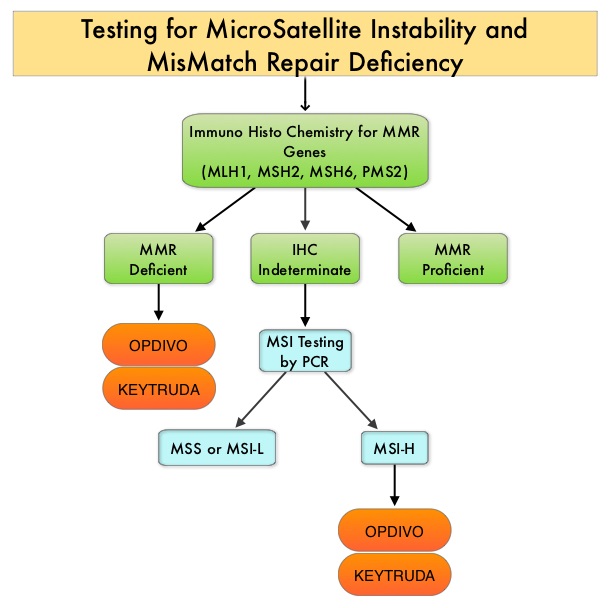
The DNA MisMatchRepair (MMR) system is responsible for molecular surveillance and works as an editing tool that identifies errors within the microsatellite regions of DNA and removes them. Defective MMR system leads to MSI (Micro Satellite Instability) and hypermutation, triggering an enhanced antitumor immune response. MSI (Micro Satellite Instability) is therefore a hallmark of defective/deficient DNA MisMatchRepair (dMMR) system and occurs in 15% of all colorectal cancers. Defective MisMatchRepair can be a sporadic or heritable event. Approximately 65% of the MSI tumors are sporadic and when sporadic, the DNA MisMatchRepair gene is MLH1. Defective MisMatchRepair can also manifest as a germline mutation occurring in 1 of the 4 MisMatchRepair genes which include MLH1, MSH2, MSH6, PMS2. This produces Lynch Syndrome (Hereditary Nonpolyposis Colorectal Carcinoma – HNPCC), an Autosomal Dominant disorder and is the most common form of hereditary colon cancer, accounting for 35% of the MSI colorectal cancers. MSI tumors tend to have better outcomes and this has been attributed to the abundance of tumor infiltrating lymphocytes in these tumors from increase immunogenicity. These tumors therefore are susceptible to PD-1 blockade with immune checkpoint inhibitors.Testing-for-MSI-and-MMR-Deficiency

MSI (Micro Satellite Instability) testing is performed using a PCR based assay and MSI-High refers to instability at 2 or more of the 5 mononucleotide repeat markers and MSI-Low refers to instability at 1 of the 5 markers. Patients are considered Micro Satellite Stable (MSS) if no instability occurs. MSI-L and MSS are grouped together because MSI-L tumors are uncommon and behave similar to MSS tumors. Tumors considered MSI-H have deficiency of one or more of the DNA MisMatchRepair genes. MMR gene deficiency can be detected by ImmunoHistoChemistry (IHC). MLH1 gene is often lost in association with PMS2. NCCN Guidelines recommend MMR or MSI testing for all patients with a history of Colon or Rectal cancer.

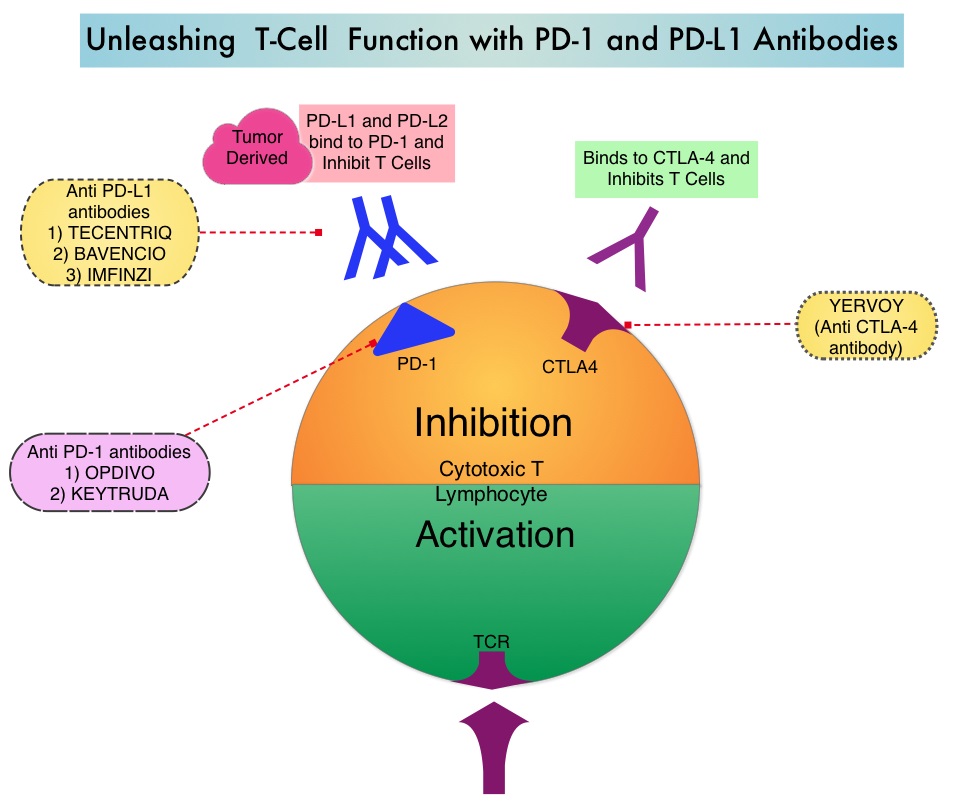
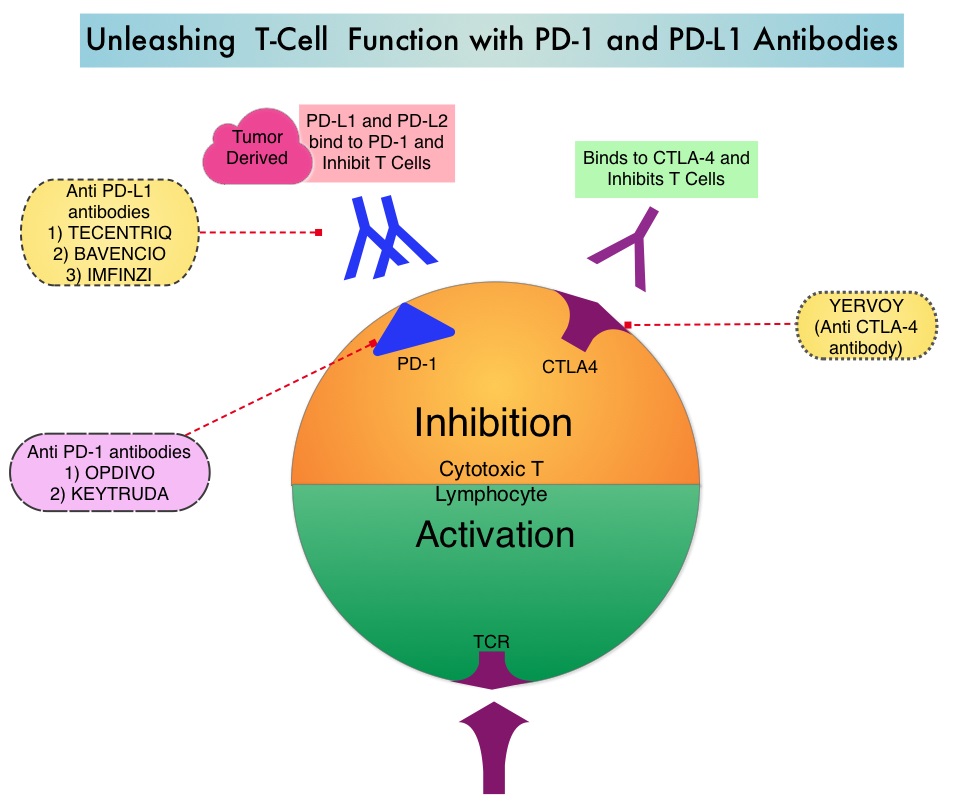
CheckMate 142 is a large, multi-center, open label, phase II trial which evaluated the efficacy and safety of PD-1 inhibitor treatment in patients with dMMR/MSI-H metastatic colorectal cancer. This study evaluated the benefit of OPDIVO® alone or in combination YERVOY® in this patient population. The rationale behind combining OPDIVO® a PD-1 inhibitor and YERVOY®, a CTLA-4 inhibitor, was based on the synergy between these two agents, to promote T-cell antitumor activity, thereby improving upon single-agent activity of OPDIVO®. The study enrolled 119 patients who received OPDIVO® as a single agent at 3 mg/kg IV every 2 weeks or OPDIVO® 3 mg/kg plus YERVOY® 1 mg/kg every 3 weeks for 4 doses, followed by OPDIVO® 3 mg/kg every 2 weeks. Treatment was continued until disease progression or unacceptable toxicities. The Primary endpoint was Objective Response Rate (ORR) and exploratory endpoints included Safety, Progression Free Survival (PFS), Overall Survival (OS) and efficacy in biomarker-defined populations. This study was not designed to compare the outcomes in these two treatment cohorts. Based on initial data from CheckMate-142, the FDA in July 2017 granted accelerated approval to OPDIVO® for the treatment of patients with MisMatch Repair deficient (dMMR) and MicroSatellite Instability-High (MSI-H) metastatic CRC, that has progressed, following treatment with a Fluoropyrimidine, Oxaliplatin, and Irinotecan.

This review provides an update on outcomes with monotherapy and immunotherapy combination. In the OPDIVO® monotherapy group which included 74 patients, the updated analysis at 21 months showed a response rate was 34%, with 9% being complete responses, and the disease control rate was 62%. The median duration of response has not been reached in the overall cohort of patients and among those responding, 64% had responses lasting at least 1 year. Longer follow up resulted in deepening response rates. The median Progression Free Survival (PFS) for the entire cohort was 6.6 months. Clinical Benefit was seen regardless of PD-L1 expression, BRAF mutation status, KRAS mutation status, and clinical history of Lynch Syndrome.

In the combination immunotherapy group, the median follow up was 13.4 months and the authors of this analysis, André, et al., compared the results of this cohort with those of the OPDIVO® monotherapy group, for the same 13.4 month median follow up period. The most common prior therapies included Fluoropyrimidine (99%), Oxaliplatin (93%) and Irinotecan (73%). Of the 119 patients who received this combination immunotherapy, 76% had 2 or more prior lines of therapy. The Objective Response Rate with a combination of OPDIVO® and YERVOY® was 55%, with 3.4% Complete Responses, and the Disease Control Rate was 80%. About 78% of the patients had reduction in tumor burden with combination immunotherapy. The median time to response was 2.8 months and the median Duration of Response has not yet been reached. Among patients who responded to the combination, 94% had ongoing responses at the time of data cutoff and 63% of the cohort receiving combination immunotherapy remained on treatment. These responses were noted regardless of PD-L1 expression, BRAF or KRAS mutation status, or clinical history of Lynch syndrome. The PFS and Overall Survival with combination immune checkpoint inhibitor therapy at 12 months were 71% and 85%, respectively. There were statistically significant and clinically meaningful improvements in quality-of-life measurements as well.

These data from the CheckMate-142 study support the use of OPDIVO® as a single agent or in combination with YERVOY®, for the treatment of patients with previously treated DNA MisMatch Repair-Deficient/MicroSatellite Instability-High (MSI-H) metastatic CRC.

1. Overman MJ, Bergamo F, McDermott RS, et al. Nivolumab in patients with DNA mismatch repair-deficient/microsatellite instability-high (dMMR/MSI-H) metastatic colorectal cancer (mCRC): Long-term survival according to prior line of treatment from CheckMate-142. Overman MJ, Bergamo F, McDermott RS, et al. J Clin Oncol 36, 2018 (suppl 4S; abstr 554)

2. Nivolumab + ipilimumab combination in patients with DNA mismatch repair-deficient/microsatellite instability-high (dMMR/MSI-H) metastatic colorectal cancer (mCRC): First report of the full cohort from CheckMate-142. André T, Lonardi S, Wong M, et al. J Clin Oncol 36, 2018 (suppl 4S; abstr 553)

Late Breaking Abstract – ESMO 2017 FDA Approves OPDIVO® for Adjuvant Treatment of Malignant Melanoma

SUMMARY: The FDA on December 20, 2017, granted regular approval to the anti-PD1 monoclonal antibody, OPDIVO® (Nivolumab) for the adjuvant treatment of patients with melanoma with involvement of lymph nodes or in patients with metastatic disease who have undergone complete resection. OPDIVO® was previously approved for the treatment of patients with unresectable or metastatic melanoma. It is estimated that in the US, approximately 91,270 new cases of melanoma will be diagnosed in 2018 and about 9,320 patients are expected to die of the disease. The incidence of melanoma has been on the rise for the past three decades. Stage III malignant melanoma is a heterogeneous disease and the risk of recurrence is dependent on the number of positive nodes as well as presence of palpable versus microscopic nodal disease. Further, patients with a metastatic focus of more than 1 mm in greatest dimension in the affected lymph node, have a significantly higher risk of recurrence or death than those with a metastasis of 1 mm or less. Patients with stage IIIA disease have a disease-specific survival rate of 78%, whereas those with stage IIIB and stage IIIC disease have a disease specific survival rates of 59% and 40% respectively.Adjuvant OPDIVO for Melanoma

Immune checkpoints are cell surface inhibitory proteins/receptors that harness the immune system and prevent uncontrolled immune reactions. Immune checkpoint proteins (“gate keepers”) suppress antitumor immunity. Antibodies targeting these, membrane bound, inhibitory, Immune checkpoint proteins/receptors such as CTLA-4 (Cytotoxic T-Lymphocyte Antigen 4, also known as CD152), PD-1(Programmed cell Death 1), etc., block the Immune checkpoint proteins and unleash T cells, resulting in T cell proliferation, activation and a therapeutic response.

The approved adjuvant therapies over the past two decades, for patients with high-risk melanoma have included high-dose INTRON® A (Interferon alfa-2b), SYLATRON® (peginterferon alfa-2b), and high-dose YERVOY® (Ipilimumab). The significant toxicities associated with these adjuvant interventions, precluded the wide spread use of adjuvant therapy in high risk melanoma. YERVOY® was approved by the FDA for the adjuvant treatment of patients with completely resected, Stage III melanoma, based on an improvement in Relapse Free Survival, when compared to placebo, in a randomized phase III trial. In this study however, over 50% of the patients treated with the recommended high dose YERVOY® experienced grade 3/4 toxicities. There is therefore an unmet need for adjuvant therapies, with improved benefit-risk ratio, for this patient group.

OPDIVO® (Nivolumab) is a fully human, immunoglobulin G4 monoclonal antibody that targets PD-1 receptor. Monotherapy with OPDIVO®, in heavily pretreated advanced Melanoma patients can result in more than a third of patients (34%) being alive, 5 years after starting treatment. The present approval by the FDA was based on CheckMate 238 trial, which is a double-blind, phase III study that included 906 patients with completely resected, Stage IIIB/C or Stage IV melanoma. Patients were randomized in a 1:1 ratio to receive either OPDIVO® 3 mg/kg IV, every 2 weeks (N=453) or YERVOY® 10 mg/kg IV, every 3 weeks (N=453) for 4 doses, then every 12 weeks beginning at week 24, for up to 1 year. Both treatment groups were well balanced. The Primary end point was Recurrence Free Survival (RFS).

The Recurrence Free Survival rate at 18 months with OPDIVO® was 66.4% compared with 52.7% for YERVOY® (HR=0.65; P<0.0001). This meant a 35% reduction in the risk of recurrence or death with the OPDIVO® versus YERVOY®. The most common adverse reactions were headache, fatigue, nausea, diarrhea, abdominal discomfort, rash, pruritus and musculoskeletal pain. OPDIVO® was associated with significantly fewer treatment-related grade 3/4 toxicities compared to YERVOY® (14% versus 46%). Treatment was discontinued due to toxicities in approximately 10% of the patients in the OPDIVO® group, compared with 42% of patients in the YERVOY® group.

The authors concluded that OPDIVO® is a less toxic, better tolerated, adjuvant treatment option than YERVOY®, for patients with resected stage IIIB/C and IV melanoma, regardless of BRAF mutation, with a superior Relapse Free Survival rate. Weber J, Mandala M, Del Vecchio M, et al. Adjuvant therapy with nivolumab (NIVO) versus ipilimumab (IPI) after complete resection of stage III/IV melanoma: a randomized, double-blind, phase 3 trial (CheckMate 238). Presented at ESMO 2017 Congress; September 8-12, 2017; Madrid, Spain. Abstract LBA8_PR.

Late Breaking Abstract – ASH 2017 VENCLEXTA® plus RITUXAN® Superior to Bendamustine plus RITUXAN® in patients with Relapsed/Refractory Chronic Lymphocytic Leukemia

SUMMARY: The American Cancer Society estimates that for 2018, about 20,940 new cases of Chronic Lymphocytic Leukemia (CLL) will be diagnosed in the US and 4,510 patients will die of the disease. CLL accounts for about 25% of the new cases of leukemia and the average age at the time of diagnosis is around 71 years. B-cell CLL is the most common type of leukemia in adults.

The pro-survival (anti-apoptotic) protein BCL2 is over expressed by CLL cells and regulates clonal selection and cell survival. A new class of anticancer agents known as BH3-mimetic drugs mimic the activity of the physiologic antagonists of BCL2 and related proteins and promote apoptosis (programmed cell death). VENCLEXTA® (Venetoclax) is a second generation, oral, selective, small molecule inhibitor of BCL2 and restores the apoptotic processes in tumor cells. The FDA granted an accelerated approval to VENCLEXTA® in 2016, for the treatment of patients with CLL with 17p deletion, as detected by an FDA-approved test, who have received at least one prior therapy.VENCLEXTA plus RITUXAN for CLL

MURANO trial is an open-label, international, multicenter, phase III study which included 389 patients with relapsed/refractory CLL who had received 1-3 prior lines of therapy, including at least one chemotherapy regimen. Patients were randomized 1:1 to receive a combination of either VR – VENCLEXTA® plus RITUXAN® (N=194) or BR – Bendamustine plus RITUXAN® (N=195). In the VR group, VENCLEXTA® tablets were given once daily with a weekly dose ramp-up schedule (20 mg for 1 week, followed by 1 week at each dose level of 50 mg, 100 mg, and 200 mg and then the recommended daily dose of 400 mg), over a period of 5 weeks, given along with Tumor Lysis Syndrome prophylaxis. Patients were treated with the 400 mg daily dosing for a maximum of 2 yrs or until disease progression. RITUXAN® (Rituximab) was given beginning week 6, and was administered at 375 mg/m2 on day 1, cycle 1, followed by 500 mg/m2 on day 1 of cycles 2 thru 6, of a 28 day cycle. In the BR group, Bendamustine was given at 70 mg/m2 on days 1 and 2 of each 28 day cycle for a total of 6 cycles along with RITUXAN®, using the same RITUXAN® dosing schedule as in the VR group. Patients were stratified based on del(17p) status and responsiveness to prior therapy. The median age was 65 years, 26% of the patients had del(17p) and 15% of the patients were refractory to Fludarabine. The Primary end point was Progression Free Survival (PFS) and Secondary end points included Overall Survival (OS), Overall Response Rate (ORR) and Complete Response (CR). The median follow up was 23.8 months.

Following recommendation from the Independent Data Monitoring Committee, the study arms were unblinded before the preplanned interim analysis. It was noted that the PFS was significantly superior in the VR group compared to BR (HR=0.17, P<0.0001; median Not Reached versus 17.0 months). This meant an 83% reduction in the risk of disease progression or death in the VR group compared with the BR group. The 24 month PFS estimates were 84.9% vs 36.3%, respectively favoring VENCLEXTA®. This PFS benefit was consistently seen in all subgroups assessed, including those with del(17p), p53 mutation and IgVH unmutated status. The ORR in the VR group was 93.3% versus 67.7% in the BR group (P<0.0001) and CR was achieved in 26.8% versus 8.2% of patients respectively. The rate of MRD (Minimal Residual Disease)-negativity, defined as less than 1 CLL cell in 10,000 leukocytes, attained at any time, was also higher with VR at 83.5% versus 23.1% with BR. Further, the MRD negativity was more durable in the VENCLEXTA® group. Overall Survival evaluation is ongoing. Grade 3/4 neutropenia was higher in VR group but there was no increase in febrile neutropenia or Grade 3/4 infection.

It was concluded from this primary analysis of MURANO trial that, VENCLEXTA® in combination with RITUXAN® resulted in a significant improvement in Progression Free Survival, Overall Response Rate, Complete Response rate, along with durable improvement in peripheral blood MRD negativity, when compared with Bendamustine and RITUXAN®, in patients with relapsed/refractory CLL. Venetoclax Plus Rituximab Is Superior to Bendamustine Plus Rituximab in Patients with Relapsed/ Refractory Chronic Lymphocytic Leukemia – Results from Pre-Planned Interim Analysis of the Randomized Phase 3 Murano Study. Seymour JF, Kipps TJ, Eichhorst BF, et al. Presented at: ASH Annual Meeting and Exposition; Dec. 9-12, 2017; Atlanta, Georgia. Abstract LBA-2.

A Potential Cure for Hemophilia Using Gene Therapy

SUMMARY: Hemophilia A is an X-linked, recessive bleeding disorder caused by mutations in the gene encoding coagulation Factor VIII, resulting in deficiency of functional plasma clotting Factor VIII (FVIII). Hemophilia A can also arise from spontaneous mutation in the gene encoding coagulation Factor VIII. Patients with severe Hemophilia A (Factor VIII activity level less than 1 IU/dl) are at a high risk for spontaneous bleeding in joints and soft tissue, resulting in painful disabling arthropathy as well as increased risk of intracranial hemorrhage and early death. These patients often are on prophylactic Factor VIII therapy and may also require on-demand therapy with Factor VIII for breakthrough bleeding. In spite of the availability of Factor VIII concentrates with extended half-life, patients still require frequent infusions, to maintain adequate hemostasis. This can have a negative impact on quality of life and additionally can result in the development the alloantibodies (inhibitors) that can neutralize the effect of exogenously administered replacement clotting factors.Gene Therapy

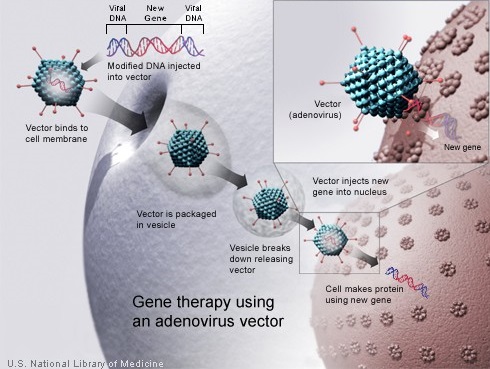
Gene therapy enables the introduction of a normal copy of the gene into the cells and thereby restores the function of the abnormal or missing protein. Because a gene cannot be inserted directly into a cell, a carrier called a vector is genetically engineered to deliver the gene. Majority of gene therapy clinical trials employ viruses as vectors, as these viruses are able to deliver the new gene by infecting the cell and hijacking the cellular machinery for propagation. The viruses are modified to prevent them from causing disease. As vectors, the most extensively studied viruses are Retroviruses, Adenoviruses and Adeno-Associated Viruses (AAVs). Retroviruses integrate their genetic material (including the new gene) into a chromosome in the human cell, whereas Adenoviruses introduce their DNA into the nucleus of the cell, but the DNA is not integrated into a chromosome. The vector can be injected directly into a specific tissue in the body or given intravenously. Alternately, a sample of the patient’s cells can be exposed to the vector in the lab and the cells containing the vector can then be given back to the patient. If the treatment is successful, the new gene delivered by the vector, will start making a functioning protein.

The authors in this study developed AAV5-hFVIII-SQ (valoctocogene roxaparvovec), an AAV serotype 5 vector, in order to overcome specific challenges such as the large size of the Factor VIII coding region and inefficient expression of the human Factor VIII coding sequence. They then conducted a dose-escalation study involving nine patients. Eligible patients were adults with severe Hemophilia A, with no history of Factor VIII inhibitor development and without detectable immunity to the AAV5 capsid. Enrolled patients received a single IV infusion of AAV5-hFVIII-SQ and participants were enrolled sequentially into Low dose, Intermediate dose and High dose cohorts, and the follow up period was 52 weeks. All patients who had been receiving prophylactic Factor VIII therapy previously were withdrawn from prophylaxis. Patients were however permitted to self-administer Factor VIII therapy in the event of bleeding after gene transfer. The Primary end point was safety and the Primary efficacy goal was a Factor VIII activity level of at least 5 IU/dl, at week 16 after gene transfer. Secondary efficacy measures included the frequency of Factor VIII use and the number of bleeding episodes.

It was noted that in the High dose cohort (6×10¹³ vector genomes-vg/kg), the Factor VIII activity level was more than 5 IU/dl between weeks 2 and 9 after gene transfer and the level in six patients normalized (more than 50 IU/dl) and was maintained at 1 year after treatment with a single dose. Further in this high dose cohort, the median annualized bleeding rate among patients who had previously received prophylactic therapy decreased from 16 events before the study to 1 event after gene transfer, and by week 22, none of the patients in this cohort reported the use of Factor VIII for bleeding. The main adverse event was a slight elevation in the serum alanine aminotransferase (ALT) level. Neutralizing antibodies (inhibitors) to Factor VIII were not detected.

The authors concluded that gene therapy with a high dose infusion of AAV5-hFVIII-SQ was associated with the normalization of Factor VIII activity level over a period of 1 year with stabilization of hemostasis and a profound reduction in Factor VIII use. This landmark study has the potential to pave the way for a cure for Hemophilia patients. AAV5–Factor VIII Gene Transfer in Severe Hemophilia A. Rangarajan S, Walsh L, Lester W, et al. N Engl J Med 2017; 377:2519-2530

Direct Oral Anticoagulant SAVAYSA® Noninferior to Subcutaneous FRAGMIN® for Cancer-Associated Venous Thromboembolism

SUMMARY: The Center for Disease Control and Prevention (CDC) estimates that approximately 1-2 per 1000 individuals develop Deep Vein Thrombosis/Pulmonary Embolism (PE) each year in the United States, resulting in 60,000-100,000 deaths. Venous ThromboEmbolism (VTE) is the third leading cause of cardiovascular mortality, after myocardial infarction and stroke.

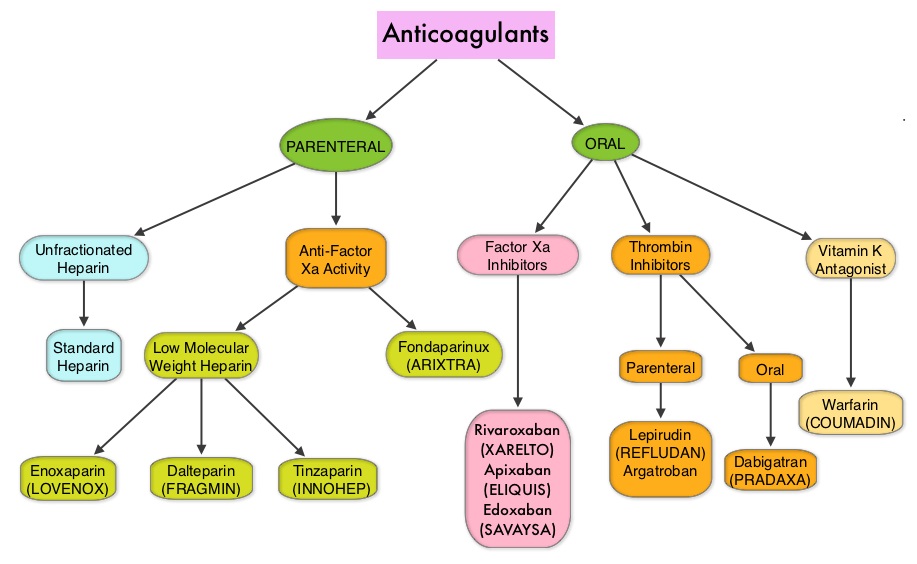
Approximately 20% of cancer patients develop VTE and the current recommendations are treatment with parenteral Low Molecular Weight Heparin (LMWH) preparations, based on efficacy data. This however can be inconvenient and expensive, leading to premature discontinuation of treatment. Direct Oral Anticoagulant agents have been proven to be as effective as Warfarin, a Vitamin K antagonist, for the treatment of VTE, and are associated with less frequent and less severe bleeding and fewer drug interactions. However, the efficacy and safety of Direct Oral Anticoagulants for the treatment of cancer-associated VTE have not been established.Anticoagulants

SAVAYSA® (Edoxaban)‎ an oral Factor Xa inhibitor was compared with subcutaneous Low Molecular Weight Heparin FRAGMIN® (Dalteparin), for the treatment of patients with cancer-associated VTE in the Hokusai VTE Cancer trial. This open-label, noninferiority trial randomized 1050 patients in a 1:1 ratio to receive either SAVAYSA® or FRAGMIN®. SAVAYSA® was given after an initial course of physician’s choice of Low Molecular Weight Heparin, given subcutaneously in therapeutic doses, for at least 5 days. SAVAYSA® was administered orally at a fixed dose of 60 mg once daily. FRAGMIN® was given subcutaneously at a dose of 200 IU/kg once daily for 30 days and at a dose of 150 IU/kg once daily thereafter. This treatment was continued for up to 12 months. The median age was 64 years and 90% of the patients had solid tumors and were on various chemotherapy regimens. The primary endpoint was a composite of recurrent VTE or major bleeding during the 12 months after randomization, regardless of treatment duration.

It was noted that SAVAYSA® was noninferior to FRAGMIN® with regards to composite rates of recurrent VTE and bleeding, which occurred in 12.8% of those receiving SAVAYSA® and 13.5% of those receiving FRAGMIN®. The similarity between the two treatment groups met statistical criteria for demonstrating noninferiority for SAVAYSA® (P=0.006). The rate of recurrent VTE was numerically lower with SAVAYSA® compared with FRAGMIN® (7.9% vs 11.3%, HR=0.71; P=0.09). The rate of major bleeding was however significantly higher with SAVAYSA® compared with FRAGMIN® (6.9% vs 4.0%, HR=1.77; P=0.04). This difference was mainly due to higher rate of upper gastrointestinal bleeding with SAVAYSA® in patients with gastrointestinal cancers. The frequency of severe major bleeding (category 3 or 4) however was similar in both treatment groups.

It was concluded that Direct Oral Anticoagulant, SAVAYSA® was noninferior to subcutaneous Low Molecular Weight Heparin, FRAGMIN® with respect to the composite outcome of recurrent Venous ThromboEmbolism or major bleeding. The lower rate of recurrent VTE observed with SAVAYSA® was offset by a similar increase in the risk of major bleeding. Edoxaban for the Treatment of Cancer-Associated Venous Thromboembolism. Raskob GE, Van Es N, Verhamme P, et al. for the Hokusai VTE Cancer Investigators. December 12, 2017DOI: 10.1056/NEJMoa1711948

FDA Grants Approval to CALQUENCE® for Mantle Cell Lymphoma

SUMMARY: The FDA on October 31, 2017, granted accelerated approval to CALQUENCE® (Acalabrutinib) for the treatment of adult patients with Mantle Cell Lymphoma (MCL) who have received at least one prior therapy. The American Cancer Society estimates that in 2017, about 72,240 people will be diagnosed with Non Hodgkin Lymphoma (NHL) in the United States and about 20,140 individuals will die of this disease. In the US, approximately 3,300 new cases of MCL are diagnosed each year. Mantle Cell Lymphoma is an aggressive B-cell lymphoma and accounts for approximately 6% of all Non Hodgkin Lymphomas in adults, and is associated with a high relapse rate, following dose-intensive therapies. Early and late relapses in patients with MCL have been attributed to persistence of residual disease.

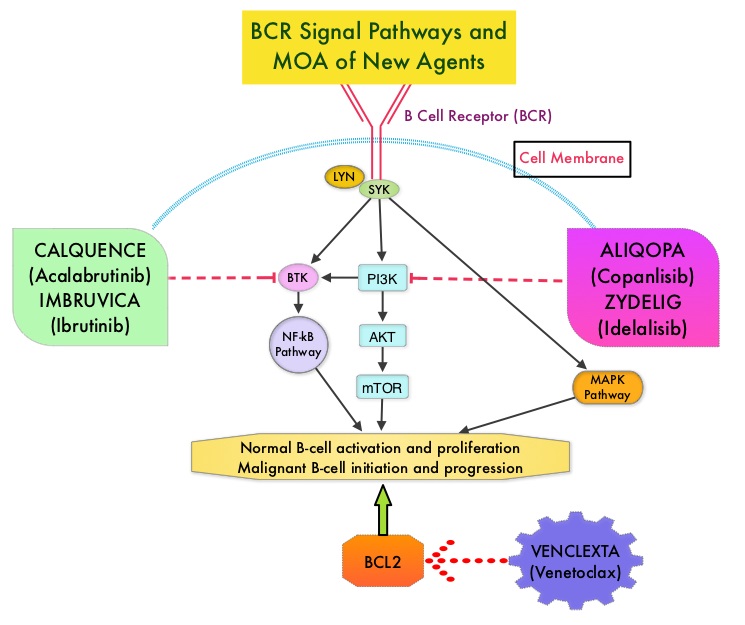
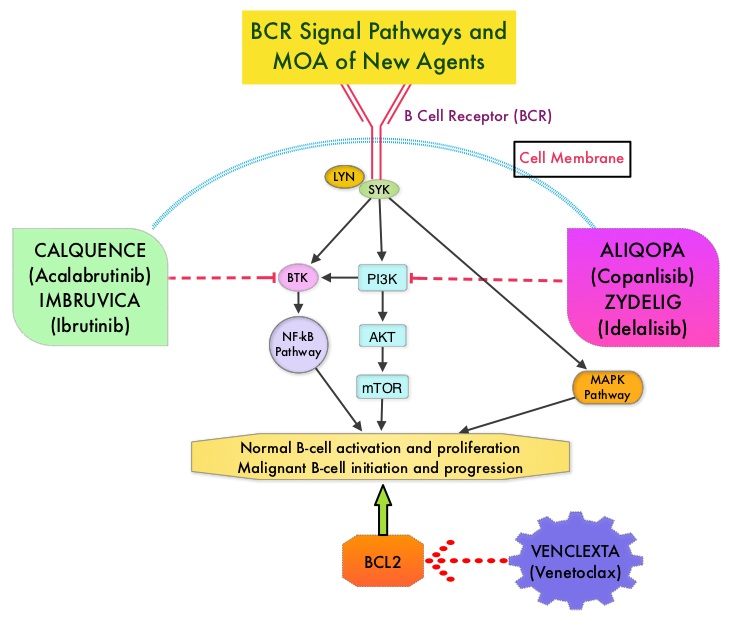
Normal B-cell activation and proliferation is dependent on B-cell receptor (BCR) signaling. This signaling is also important for initiation and progression of B-cell lymphoproliferative disorders. Bruton’s Tyrosine Kinase (BTK) is a member of the Tec family of kinases, downstream of the B-cell receptor and is predominantly expressed in B-cells. It is a mediator of B-cell receptor signaling in normal and transformed B-cells. Following binding of antigen to the B-Cell Receptor, kinases such as Syk (Spleen Tyrosine Kinase), Lyn (member of the Src family of protein tyrosine kinases) and BTK (Bruton’s Tyrosine Kinase) are activated, with subsequent propagation through PI3K/Akt, MAPK, and NF-κB pathways. This results in B-cell activation and proliferation. Three previously approved agents by the FDA for MCL include, IMBRUVICA® (Ibrutinib), REVLIMID® (Lenalidomide) and VELCADE® (Bortezomib).

CALQUENCE® is a novel, irreversible, second-generation BTK inhibitor, designed to be more potent and selective than IMBRUVICA®. Unlike IMBRUVICA®, CALQUENCE® has reduced off-target activity on EGFR, TEC, etc., which may lead to less untoward toxicities such as bleeding, rash, and atrial fibrillation. The approval of CALQUENCE® was based on ACE-LY-004 study, which is a Phase II, open label, single-arm clinical trial, in which 124 adult patients with Relapsed or Refractory MCL were enrolled. Patients had a confirmed diagnosis of MCL, 93% of the patients had an ECOG PS of 1 or less, median number of prior treatments were 2, which included stem cell transplant for 18% of patients, and 24% of the patients were refractory to their most recent prior treatment. Those treated with a prior BTK inhibitor were excluded from this study. The median age was 68 years. CALQUENCE® was administered orally at 100 mg twice daily until progressive disease or unacceptable toxicity. The Primary endpoint was Objective Response Rate (Complete Response + Partial Response) and Secondary endpoints included Duration of Response (DOR), Progression Free Survival (PFS), Overall Survival (OS) and safety.

At a median follow up of 15.2 months, the Objective Response Rate was 81% with a Complete Response rate of 40% and Partial Response rate of 41%. The median Duration of Response was not yet reached at the time of analysis, with ongoing responses at 20+ months. The response rates were consistent across prespecified subgroups of age, tumor bulk of 10 cm or more and number and types of prior treatment. The median time to best response was 1.9 months. The median Duration of Response (DOR) was not reached and the 12-month DOR was 72%. The median PFS and OS were not reached, whereas the 12-month PFS and OS rates were 67% and 87% respectively. The most common toxicities of any grade included cytopenias, headache, diarrhea, fatigue, myalgia and bruising.

It was concluded that for patients with Relapsed/Refractory Mantle Cell Lymphoma, CALQUENCE® given as a single agent resulted in a high and durable Objective Response Rate as well as Complete Response Rate, with a favorable safety profile. CALQUENCE® is a new treatment option for this aggressive malignancy. Efficacy and Safety of Acalabrutinib Monotherapy in Patients with Relapsed/Refractory Mantle Cell Lymphoma in the Phase 2 ACE-LY-004 Study. Wang M, Rule S, Zinzani PL, et al. 59th Annual Meeting & Exposition Atlanta, GA. December 9-12, 2017. #155

GAZYVA® Superior to RITUXAN® for First-Line Treatment of Follicular Lymphoma

SUMMARY: The American Cancer Society estimates that in 2017, about 72,240 people will be diagnosed with Non Hodgkin Lymphoma (NHL) in the United States and about 20,140 individuals will die of this disease. Indolent Non Hodgkin Lymphomas are mature B cell lymphoproliferative disorders and include Follicular Lymphoma, Nodal Marginal Zone Lymphoma (NMZL), Extranodal Marginal Zone Lymphoma (ENMZL) of Mucosa-Associated Lymphoid Tissue (MALT), Splenic Marginal Zone Lymphoma (SMZL), LymphoPlasmacytic Lymphoma (LPL) and Small Lymphocytic Lymphoma (SLL). Follicular Lymphoma is the most indolent form and second most common form of all NHLs and they are a heterogeneous group of lymphoproliferative malignancies. Approximately 20% of all NHLs are Follicular Lymphomas. Advanced stage indolent NHL is not curable and as such, prolonging Progression Free Survival (PFS) and Overall Survival (OS), while maintaining Quality of Life, have been the goals of treatment intervention. Asymptomatic patients with indolent NHL are generally considered candidates for “watch and wait” approach. Patients with advanced stage symptomatic Follicular Lymphoma are often treated with induction chemoimmunotherapy followed by maintenance RITUXAN® (Rituximab). This can result in a median Progression Free Survival (PFS) of 6-8 yrs and a median Overall Survival of 12-15 yrs. However, approximately 30% of the patients will relapse in 3 years.

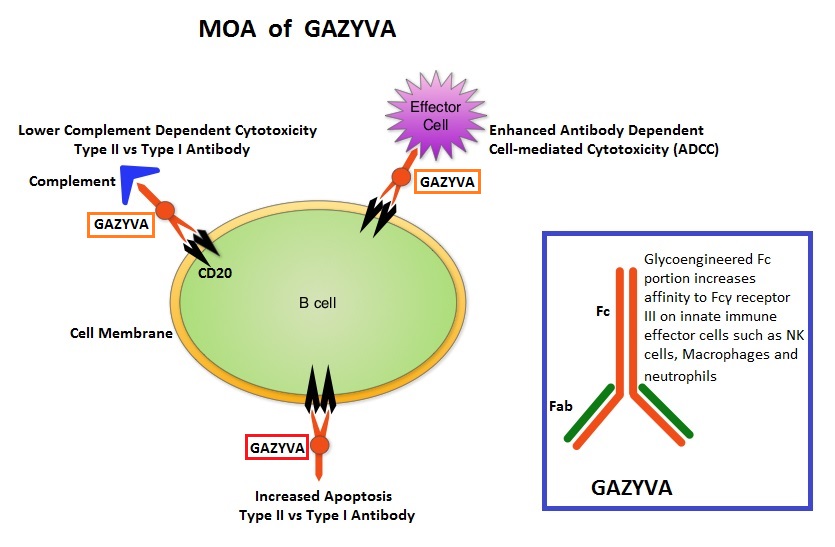
GAZYVA® (Obinutuzumab) is glycoengineered, fully humanized, third generation, type II anti-CD20 antibody (IgG1 monoclonal antibody) that selectivity binds to the extracellular domain of the CD20 antigen on malignant human B cells. By virtue of binding affinity of the glycoengineered Fc portion of GAZYVA® to Fcγ receptor III on innate immune effector cells (natural killer cells, macrophages and neutrophils), Antibody-Dependent Cell-mediated Cytotoxicity (ADCC) and Antibody-Dependent Cellular phagocytosis are significantly enhanced, but induces very little Complement-Dependent Cytotoxicity. This is in contrast to RITUXAN® which is a first generation type I, chimeric, anti-CD20 targeted monoclonal antibody that kills lymphoma cells primarily by Complement-Dependent Cytotoxicity and also ADCC.

GAZYVA® along with Bendamustine in the phase III GADOLIN study prolonged PFS, compared with Bendamustine alone, in patients with relapsed/refractory indolent Non Hodgkin lymphoma. Based on this promising data, the GALLIUM phase III trial was conducted in treatment naïve patients with Follicular Lymphoma. This study included 1,202 patients with newly diagnosed Follicular Lymphoma, who had Grade I-IIIa tumors and had an ECOG PS of 2 or less. Patients were randomized to receive either GAZYVA® plus chemotherapy, followed by GAZYVA® maintenance (N=601), or RITUXAN® plus chemotherapy, followed by RITUXAN® maintenance (N=601). The chemotherapy regimens used were CHOP, CVP or Bendamustine, based on the discretion of the treating physician. Patients received either RITUXAN® 375mg/m2 IV on day 1 of each cycle or GAZYVA® 1000 mg IV on days 1, 8, and 15 of cycle 1 and day 1 of subsequent cycles, for either eight 21-day cycles (CHOP and CVP) or six 28-day cycles (Bendamustine). Patients who achieved a Complete Response (CR) or Partial Response (PR) at the end of induction therapy, received maintenance therapy with RITUXAN® or GAZYVA® every 2 months for 2 years or until disease progression. The median age was 59 years and 57.1% of patients received Bendamustine, 33.1% received CHOP, and 9.8% received CVP. The primary endpoint was Progression Free Survival (PFS) and secondary endpoints included Response Rate, Overall Survival (OS), Disease Free Survival and safety. After a median follow up of 34.5 months, upon recommendations from the Independent Monitoring Committee, the study was unblinded after a preplanned interim efficacy analysis.

The estimated 3-year rate of Progression Free Survival in the GAZYVA® group was 80% compared with 73.3% in the RITUXAN® group, with a 34% reduction in the risk of progression or death noted in the GAZYVA® group (HR=0.66; P=0.001). There was however no difference between the two treatment groups in the 3-year Overall Survival (OS) rate (P=0.21). There was also no difference in the Response Rates between the two treatment groups ((88.5% in the GAZYVA® group and 86.9% in the RITUXAN® group). Patients treated with GAZYVA® had more serious adverse events, 46.1% versus 39.9% in the RITUXAN® group, but the discontinuation rate was similar in both treatment groups.

The authors concluded that for treatment naïve Follicular Lymphoma patients, combining GAZYVA® with chemotherapy resulted in a clinically meaningful improvement in PFS compared with RITUXAN® plus chemotherapy. Whether the improved Progression Free Survival in the GAZYVA® group is related to the maintenance treatment, remains to be explored. Obinutuzumab for the First-Line Treatment of Follicular Lymphoma. Marcus R, Davies A, Ando K, et al. N Engl J Med 2017; 377:1331-1344

FDA Approves KEYTRUDA® for Advanced Gastric Cancer

SUMMARY: The FDA on September 22, 2017 granted accelerated approval to KEYTRUDA® (Pembrolizumab), for patients with recurrent locally advanced or metastatic, Gastric or GastroEsophageal junction adenocarcinoma, whose tumors express PD-L1, as determined by an FDA-approved test. Patients must have had disease progression on or after two or more prior systemic therapies, including Fluoropyrimidine and platinum-containing chemotherapy and, if appropriate, HER2/neu-targeted therapy. Cancers of the esophagus and stomach are among the most prevalent malignancies and are a major cause of cancer-related mortality. It is estimated that in 2016 GastroEsophageal Adenocarcinoma (GEA) accounted for 43,280 new cases in the United States. The incidence of these tumors has been on the rise in the past decade. Majority of the patients with GEA have advanced disease at the time of initial presentation and have limited therapeutic options with little or no chance for cure. Patients with localized disease (stage II and stage III) are often treated with multimodality therapy and 40% of the patients may survive for 5 years or more.

KEYTRUDA® is a fully humanized, Immunoglobulin G4, anti-PD-1, monoclonal antibody, that binds to the PD-1 receptor and blocks its interaction with ligands PD-L1 and PD-L2, thereby undoing PD-1 pathway-mediated inhibition of the immune response and unleashing the tumor-specific effector T cells. In previously reported Phase I study, KEYTRUDA® showed promising antitumor activity with manageable safety, in patients with previously treated advanced gastric cancer.

Based on these findings, the authors conducted a global, multicohort, Phase II study (KEYNOTE 059), in which patients with advanced gastric or gastroesophageal junction cancer received KEYTRUDA® 200 mg every 3 weeks for up to 2 years or until disease progression or unacceptable toxicity. Cohort 1 in this study enrolled 259 patients of whom 57% (N=148) had PD-L1 positive tumors and these tumors were either MicroSatellite Stable (MSS), or had undetermined MicroSatellite Instability (MSI) or MisMatch Repair (MMR) status. PD-L1 expression was evaluated by the PD-L1 IHC (22C3 antibody) and PD-L1 positivity was based on a Combined Positive Score (CPS) of 1 or more. CPS is determined by the number of PD-L1 staining cells (tumor cells, lymphocytes, macrophages) divided by total number of tumor cells evaluated, multiplied by 100. The median age was 62 years, 76% were men and over 50% of the patients received KEYTRUDA® as third line treatment or beyond. The median duration of follow up was 5.4 months. Primary end points included Objective Response Rate (ORR), safety, and tolerability.

In the group of patients with PD-L1 positive tumors, the ORR was 15.5% with 2% Complete Responses and 13.5% Partial Responses. Among the responding patients, the response duration ranged from 3-19 months, with 58% of the responding patients having response durations of 6 months or longer and 26% of the responding patients having response durations of 12 months or longer. In this cohort of 259 patients, 3% had tumors that were determined to be MSI-High. The ORR in this group was 57%, with response duration ranging from 5-14 months. In the PD-L1 negative patients however, the ORR was only 5.5%.

It was concluded that KEYTRUDA® demonstrated promising antitumor activity and durable responses in patients with advanced Gastric/GastroEsophageal Junction cancer, who had progressed on more than 2 lines of therapy, with higher Objective Response Rates noted in patients with PD-L1-positive tumors. KEYNOTE-059 cohort 1: Efficacy and safety of pembrolizumab (pembro) monotherapy in patients with previously treated advanced gastric cancer. Fuchs CS, Doi T, Jang RW-J, et al. J Clin Oncol. 2017;35 (suppl; abstr 4003).

Maintenance Therapy with REVLIMID® Prolongs PFS in High Risk CLL

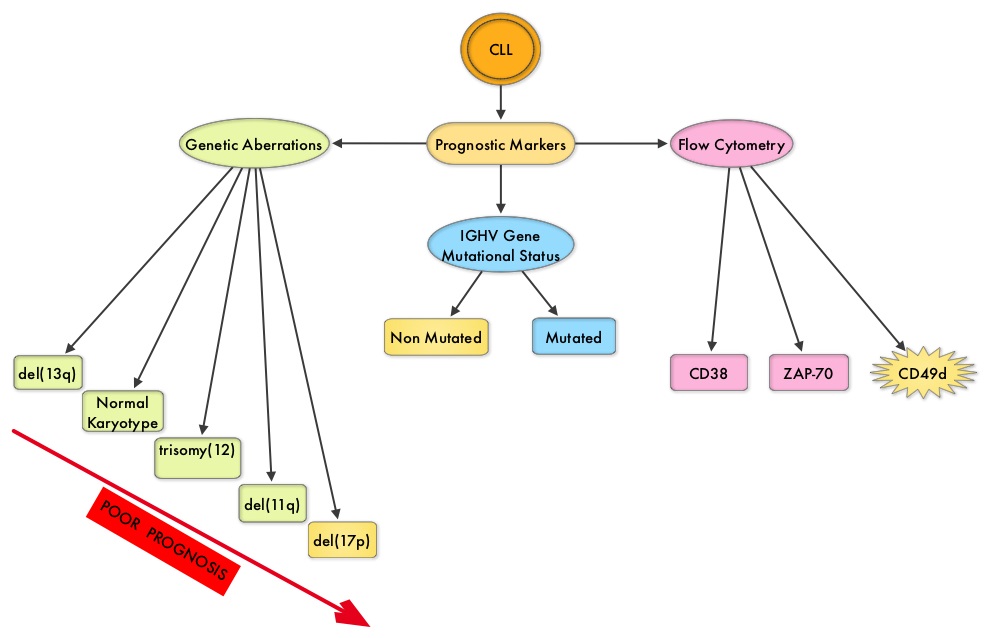
SUMMARY: The American Cancer Society estimates that approximately 20,110 new cases of Chronic Lymphocytic Leukemia (CLL) will be diagnosed in 2017 and approximately 4660 patients will die from the disease. CLL is a heterogeneous disease with a clinical course that is variable, with a very indolent course in some patients and some with aggressive disease and others somewhere in between. Both Binet and the Rai CLL staging systems developed in the 1970’s rely solely on physical examination and standard laboratory testing to predict survival. With the development of Interphase Fluorescent In Situ Hybridization (FISH) technique, which allows detection of genetic abnormalities in noncycling CLL cells, it has become clear that cytogenetic abnormalities are often seen in CLL patients and these genetic abnormalities in turn appear to be reliable predictors of disease progression, response to therapy and survival. Some of these cytogenetic abnormalities include del(13q), normal karyotype, trisomy(12), del(11q), del(17p), and they are associated with decreasing survival times, in that order. Another important prognostic factor is the rearrangement and somatic hypermutation of the variable region of the immunoglobulin heavy chain genes (IGHV), which is an independent predictor of outcome in CLL. Retrospective studies have suggested that patients with CLL whose leukemic cells unmutated IGHV gene demonstrated more aggressive disease and shorter survival time compared to those patients with somatic hypermutations in their IGHV genes (Mutated IGHV gene). Expression of two flow cytometry based biomarkers, CD38 (surface marker) and ZAP-70 (intracytoplasmic protein), have been associated with poor outcomes as well.

The rationale for maintenance treatment in the CLL patients is based on previously published studies showing that about 30% of patients with CLL did not substantially benefit from chemoimmunotherapy alone. These patients belong to the high risk group, as defined by poor cytogenetics, positive Minimal Residual Disease at the end of chemoimmunotherapy and unmutated IGHV gene status. The combined use of Genetic markers and Minimal Residual Disease (MRD) assessment can therefore identify patients with CLL, who have a poor outcome with first line chemoimmunotherapy.

Maintenance therapy with REVLIMID® (Lenalidomide)/Dexamethasone is considered standard of care for patients with multiple myeloma, regardless of transplantation and for newly diagnosed non-transplant candidates, as this intervention was found to improve Progression Free Survival significantly, with a favorable safety profile. Two phase III studies demonstrating the benefit of maintenance treatment with REVLIMID® in patients with CLL, were presented at the 2016 American Society of Hematology (ASH) Annual Meeting & Exposition. The first study (CLL M1 study) was conducted to demonstrate the value of maintenance treatment with REVLIMID® in patients with high risk CLL, following first line chemoimmunotherapy. For this study, 468 patients were screened, of whom 89 patients (N=89) were considered as high risk for disease progression, following 4 cycles of chemoimmunotherapy. This was based on the following factors: MRD levels of 10-2 or higher or MRD levels of 10-4 or higher to less than 10-2, combined with either an unmutated IGHV gene status, del(17p) or TP53 mutation at baseline.

Patients received investigator’s choice of chemoimmunotherapy regimens which included Fludarabine/Cyclophosphamide/Rituximab (FCR), Fludarabine and Rituximab (FR), Fludarabine and Cyclophosphamide (FC), or Bendamustine and Rituximab (BR). The most common regimens administered were Bendamustine and Rituximab followed by FCR. Approximately 78% of all patients reached Minimal Residual Disease negativity and these patients were ineligible for this trial. The 89 eligible patients were randomized in a 2:1 ratio to receive REVLIMID® maintenance (N=60) or Placebo (N=29). Treatment with REVLIMID® or Placebo was started at 5 mg daily for the first cycle, and was subsequently increased to the target dose of 15 mg by the 7th cycle. The median age of these patients was 64 years. At randomization, 37% of patients had a high and 63% had an intermediate MRD level, respectively. Based on their risk for thromboembolic events, patients received either low dose aspirin daily or appropriate prophylactic anticoagulants. The primary endpoint was Progression Free Survival (PFS).

After a median follow up of 17.7 months, the median PFS for REVLIMID® group has not been reached and was 13.3 months for the Placebo group. This meant a relative risk reduction for disease progression of 80% and this was highly statistically significant (P < 0.00001). There was no difference in Overall Survival at the time of this interim analysis. Adverse events such as neutropenia, diarrhea, skin disorders, etc. were more frequently noted with REVLIMID® maintenance treatment.

The authors concluded that REVLIMID® maintenance treatment for high risk CLL patients, after first line chemoimmunotherapy, significantly prolonged Progression Free Survival and this study confirmed the prognostic significance of the MRD based risk assessment.

The second study, CONTINUUM Trial, is a multicenter, randomized, double-blinded phase III study, designed to evaluate the efficacy and safety of REVLIMID® as maintenance therapy in previously treated CLL patients. In this study, 314 CLL patients who at least had a partial response (PR) to second line therapy were randomized 1:1 to receive either REVLIMID® 2.5 mg once daily on days 1-28 of the first 28 day cycle, or matching Placebo. If tolerated, REVLIMID® dose was then increased to 5 mg daily from cycle 2, and further increased to 10 mg daily at cycle 7 and thereafter. Co-primary endpoints were Progression Free Survival (PFS) and Overall Survival and secondary endpoints included Safety, Tumor response, Duration of Response and Health related Quality of Life measures.

At a median follow up of 31.5 months, the median PFS was significantly longer for the REVLIMID® group compared to the Placebo group (33.9 vs 9.2 months; HR=0.40; P<0.001). This benefit with REVLIMID® maintenance was maintained in all patient subgroups regardless of age, prior response to chemotherapy and number of poor prognostic factors.

The authors in this trial concluded that REVLIMID® maintenance resulted in a 60% reduction in the risk of disease progression in patients with CLL following second line treatment, and there was no meaningful difference in the Quality of Life between the two treatment groups.

Taken together, these two phase III studies suggest that REVLIMID® maintenance therapy following either first line or second line chemoimmunotherapy, significantly prolongs Progression Free Survival in patients with CLL. This strategy will however not be applicable to patients receiving upfront chemotherapy-free regimens such as BTK Inhibitor, IMBRUVICA® (Ibrutinib).

1. Lenalidomide maintenance after front line therapy substantially prolongs progression free survival in high risk CLL. Fink AM, Bahlo J, Sandra R, et al. 2016 ASH Annual Meeting. Abstract 229. Presented December 3, 2016.

2. Results of the phase 3 study of lenalidomide versus placebo as maintenance therapy following second-line treatment for patients with chronic lymphocytic leukemia. Foà R, Schuh A, Zaritskey A, et al. 2016 ASH Annual Meeting. Abstract 230. Presented December 3, 2016.