Late Breaking Abstract – ASCO 2018 Chemoprevention of Esophageal Cancer with NEXIUM® and Aspirin

SUMMARY: The American Cancer Society estimates that in 2018, about 17,290 new cases of esophageal cancer will be diagnosed in the US and about 15,850 individuals will die of the disease. It is the sixth most common cause of global cancer death. Squamous Cell Carcinoma is the most common type of cancer of the esophagus among African Americans, while Adenocarcinoma is more common in caucasians. In those with esophageal adenocarcinoma detected through symptoms, 5-year survival is less than 10%.

Barrett esophagus, defined as intestinal metaplasia in the distal esophagus, is a complication of GastroEsophageal Reflux Disease (GERD) and affects 2% of the adult population in western countries. In patients with Barrett’s esophagus, a portion of the esophagus that is usually lined with squamous epithelium undergoes metaplastic change to become columnar mucosa. Barrett esophagus predisposes patients to esophageal adenocarcinoma through a series of pathological events which include esophagitis, metaplasia, dysplasia and subsequently adenocarcinoma. Patients with Barrett’s esophagus are often screened for early malignancy with endoscopic evaluation with modest benefit. This is unlike screening for colorectal cancer that has proved successful in reducing colorectal cancer deaths.

It has been shown in observational studies that powerful acid suppression with Proton Pump Inhibitors (PPIs) could reduce risk of neoplastic progression in patients with Barrett’s esophagus, by downregulating cylcogoxygenase-2 expression. Esomeprazole (NEXIUM®) is the most commonly used PPI in the USA, and allows the healing of esophagitis without promoting clonal expansion of Barrett’s esophagus. Aspirin use in observational studies has been associated with reduced risk of esophageal adenocarcinoma. Based on these findings, the authors evaluated the efficacy and safety of these two drugs in the Aspirin and Esomeprazole Chemoprevention in Barrett’s metaplasia Trial (AspECT).

AspECT is a prospective, factorial design, multicenter, randomized, phase III study of chemoprevention by Aspirin and NEXIUM®, in patients with Barrett’s esophagus. Patients with Barrett’s esophagus of 1 cm or more (N=2557) were randomised 1:1:1:1 to Low-dose NEXIUM® (20 mg qd) and no Aspirin (N=705), High-dose NEXIUM® (40 mg bid) and no Aspirin (N=704), Low-dose NEXIUM® with Aspirin 300 mg qd (N=571) and High-dose NEXIUM® with Aspirin (N=577). The median follow up and treatment duration was 8.9 years. The Primary composite endpoint was time to all-cause mortality, esophageal adenocarcinoma, or high-grade dysplasia. The co-primary end points were the efficacy of High-dose PPI versus Low-dose PPI, and the efficacy of Aspirin versus no Aspirin.

It was noted that High-dose PPI was superior to Low-dose PPI (P=0.038). Aspirin was not significantly better than no Aspirin (P=0.068). However, if patients using Non-Steroidal Anti-Inflammatory Drugs (NSAIDS) were censored at the time of first use, Aspirin was significantly better than no Aspirin (P=0.043). The most benefit was noted when High-dose PPI was combined with Aspirin compared with Low-dose PPI without Aspirin (P=0.0068). It appeared that the use of Aspirin and NEXIUM® (Proton Pump Inhibitor) would improve outcomes in Barrett’s esophagus, if given for at least 9 years. Serious adverse events were reported in only 1% of the participants.

It was concluded that in this largest randomized, controlled, chemoprevention trial in patients with Barrett’s esophagus, High dose NEXIUM® (given twice daily) along with Aspirin significantly reduces rates of death, esophageal adenocarcinoma, or high-grade dysplasia, with twice-daily NEXIUM® producing more effective suppression of acid reflux than once-daily dosing. Chemoprevention of esophageal cancer with esomeprazole and aspirin therapy: Efficacy and safety in the phase III randomized factorial ASPECT trial. Jankowski J, de Caestecker J, Love S, et al. J Clin Oncol 36, 2018 (suppl; abstr LBA4008)
Six Months Adjuvant HERCEPTIN® Safer and Efficacious in Early Stage HER2+ Breast Cancer

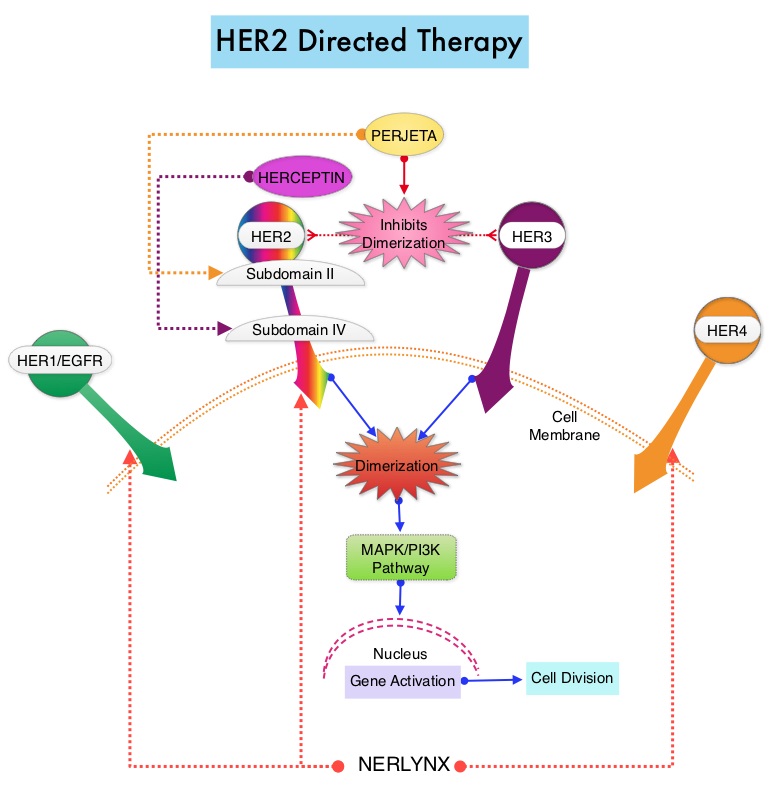
SUMMARY: Breast cancer is the most common cancer among women in the US and about 1 in 8 women (12%) will develop invasive breast cancer during their lifetime. Approximately 266,120 new cases of invasive breast cancer will be diagnosed in 2018 and about 40,920 women will die of the disease. The HER or erbB family of receptors consist of HER1, HER2, HER3 and HER4. Approximately 15-20% of invasive breast cancers overexpress HER2/neu oncogene, which is a negative predictor of outcomes without systemic therapy. HERCEPTIN® (Trastuzumab) is a humanized monoclonal antibody targeting HER2, and adjuvant chemotherapy given along with HERCEPTIN® reduces the risk of disease recurrence and death, among patients with HER2-positive, early stage breast cancer. The duration of adjuvant HERCEPTIN® therapy has been 12 months and this length of treatment was empirically adopted from the pivotal registration trials.HER2-Directed-Therapy

PERSEPHONE is a randomized, phase III, noninferiority trial in which a 6-month course of adjuvant HERCEPTIN® was compared with the standard 12-month course, among patients with HER2-positive early breast cancer. This study was conducted based on the hypothesis that shorter course of treatment with HERCEPTIN® could reduce cardiotoxicities as well as cost without compromising efficacy. This trial randomized 4089 patients across 152 sites in a 1:1 ratio to receive HERCEPTIN® for 6 months (N=2044) or 12 months (N=2045). In this trial, 69% of patients had ER-positive tumors, 41% received Anthracycline-based chemotherapy, 49% received Anthracycline and Taxane-based chemotherapy, 10% received Taxane-based chemotherapy, 85% received adjuvant chemotherapy, and sequential HERCEPTIN® was administered in 54% of patients. This study also included assessment of Left Ventricular Ejection Fraction (LVEF) every 3 months until month 12, as well as continued Quality of Life and health economic assessments at months 18 and 24. The Primary endpoint was Disease Free Survival (DFS) from the time of diagnosis.

At a median follow-up period of 5 years, the 4-year DFS rate was identical in both treatment groups. DFS was 89.8% with 12 months of HERCEPTIN® compared with 89.4% with the 6-month course, which met the criteria for noninferiority (P=0.01). Further, only 4% of the patients enrolled in the 6-month HERCEPTIN® group discontinued HERCEPTIN® treatment due to cardiotoxicities compared with 8% in the 12-month group (P<0.0001), suggesting that the number of patients stopping treatment due to cardiac toxicities was cut in half with the shorter duration of treatment with HERCEPTIN®. Patients receiving shorter course of HERCEPTIN® also had a more rapid recovery of their cardiac LVEF following treatment, compared with the standard of care group (P=0.02).

It was concluded from this largest, reduced duration, noninferiority trial that a shorter 6-month course of adjuvant HERCEPTIN® was noninferior for Disease Free Survival, compared with the standard 12-month schedule, among patients with HER2-positive early breast cancer, with an additional benefit of reduction in cardiac toxicities, as well as cost both to the patients and healthcare systems. Overall Survival data was not available at the time of this analysis. PERSEPHONE: 6 versus 12 months (m) of adjuvant trastuzumab in patients (pts) with HER2 positive (+) early breast cancer (EBC): Randomised phase 3 non-inferiority trial with definitive 4-year (yr) disease-free survival (DFS) results. Earl HM, Hiller L, Vallier A-L, et al. J Clin Oncol 36, 2018 (suppl; abstr 506)

Late Breaking Abstract – ASCO 2018 Blood Test Demonstrates High Specificity for Detection of Early Stage Lung Cancer

SUMMARY: Lung cancer is the second most common cancer in both men and women and accounts for about 14% of all new cancers and 27% of all cancer deaths. The American Cancer Society estimates that for 2018 about 234,030 new cases of lung cancer will be diagnosed and over 154,050 patients will die of the disease. Lung cancer is the leading cause of cancer-related mortality in the United States. Survival rates however are significantly higher when lung cancer is diagnosed early. Non Small Cell Lung Cancer (NSCLC) accounts for approximately 85% of all lung cancers. Of the three main subtypes of Non Small Cell Lung Cancer (NSCLC), 30% are Squamous Cell Carcinomas (SCC), 40% are Adenocarcinomas, and 10% are Large cell carcinomas.

Although the U.S. Preventive Services Task Force (USPSTF) has recommended annual screening for lung cancer with Low-Dose Computed Tomography (LDCT) for individuals with significant smoking history, screening is vastly underutilized, with a screening rate of less than 2% among smokers eligible for screening. Screening for lung cancer using a peripheral blood sample may improve lung cancer screening rates. Analysis of cell-free DNA (cfDNA) from peripheral blood (Liquid Biopsy), is presently approved to select EGFR targeted therapies (cobas EGFR mutation test), in patients with advanced Non Small Cell Lung Cancer. However, the role of cell-free DNA analysis for early detection of lung cancer is not well established.

The Circulating Cell-Free Genome Atlas (CCGA) is a prospective, multi-center, observational study and is the largest study ever initiated, to develop a noninvasive, liquid biopsy assay for early cancer detection, based on cell-free DNA (cfDNA). This study has currently enrolled 10,012 of a planned 15,000 participants, including people with a recent cancer diagnosis and also a control group of individuals with no known malignancy (70% with cancer, 30% without cancer), across 141 sites in the United States and Canada. This report is one of the first pre-planned sub-studies from the CCGA, involving investigation of blood samples from 1,627 participants (878 patients with newly diagnosed untreated cancer including 127 patients with lung cancer and 749 controls – 580 controls and 169 technical assay controls ), across 20 tumor types and all clinical stages.

The cell-free DNA was isolated from the peripheral blood and analyzed using the following three sequencing methods that were designed to detect cancer-defining signals (mutations and other genomic changes), that could be utilized for early cancer detection.

Targeted sequencing to detect somatic (non-inherited) mutations, such as Single Nucleotide Variants and small insertions and/or deletions, in specific sections of the genome.

Whole-Genome Sequencing (WGS) to detect somatic gene copy number changes across the genome.

Whole-Genome Bisulfite Sequencing (WGBS) of cfDNA to detect abnormal patterns of cfDNA methylation (epigenetic changes)

In this initial sub-study, the authors explored the ability of the above three different assays to detect cancer in 127 people with stage I-IV lung cancer. It was noted that biologic signals suggesting lung cancer were detected and comparable across all assays, and the signal increased with cancer stage. At 98% specificity, the Targeted sequencing detected 51% of early-stage (stage I-IIIA) lung cancers and 89% of late-stage (stage IIIB-IV) lung cancers. Whole-Genome Sequencing detected 38% of early-stage cancers and 87% of late-stage cancers. Whole-Genome Bisulfite Sequencing had similar efficacy, detecting 41% of early stage lung cancers and 89% of late-stage cancers. Similar sensitivities were noted across all assays for adenocarcinoma, squamous cell and small cell lung cancer. False positive rates were low. Of the 580 control participants without cancer at study enrollment, less than 1% (five participants) had cancer-like signal across all three assays, of whom two were subsequently diagnosed with cancer. This highlights the potential for these assays to detect early stage cancers. The authors caution that a large proportion of cell-free DNA is derived from White Blood Cells (WBCs) and DNA mutations in the WBC population can also be generated by processes other than cancer such as clonal hematopoiesis during human aging. In this study, signal generated from the WBCs was subtracted resulting in a cleaner signal, only from tumor related variants.

It was concluded that based on the initial results from the CCGA study, it is possible to detect early-stage lung cancer, with a high degree of specificity, from a simple blood test, using genome sequencing. The authors plan to further optimize the assays and validate results in a larger group of people. Genome-wide sequencing for early stage lung cancer detection from plasma cell-free DNA (cfDNA): The Circulating Cancer Genome Atlas (CCGA) study. Oxnard GR, Maddala T, Hubbell E, et al. J Clin Oncol. 2018;36(suppl; abstr LBA8501)

Late Breaking Abstract – ASCO 2018 First Line TECENTRIQ® plus Chemotherapy in Advanced Squamous NSCLC

SUMMARY: Lung cancer is the second most common cancer in both men and women and accounts for about 14% of all new cancers and 27% of all cancer deaths. The American Cancer Society estimates that for 2018 about 234,030 new cases of lung cancer will be diagnosed and over 154,050 patients will die of the disease. Lung cancer is the leading cause of cancer-related mortality in the United States. Non Small Cell Lung Cancer (NSCLC) accounts for approximately 85% of all lung cancers. Of the three main subtypes of Non Small Cell Lung Cancer (NSCLC), 30% are Squamous Cell Carcinomas (SCC), 40% are Adenocarcinomas, and 10% are Large cell carcinomas. Non Small Cell Lung Cancer patients with Squamous Cell histology have been a traditionally hard- to-treat, patient group, and less than 15% of patients with advanced Squamous NSCLC survive a year after diagnosis and less than 5% of patients survive for five years or longer. Immunotherapy is an accepted second line intervention after Platinum-based chemotherapy, in patients with advanced NSCLC, and is an approved first line therapy, for patients with high PD-L1 expressing tumors (50% or more).

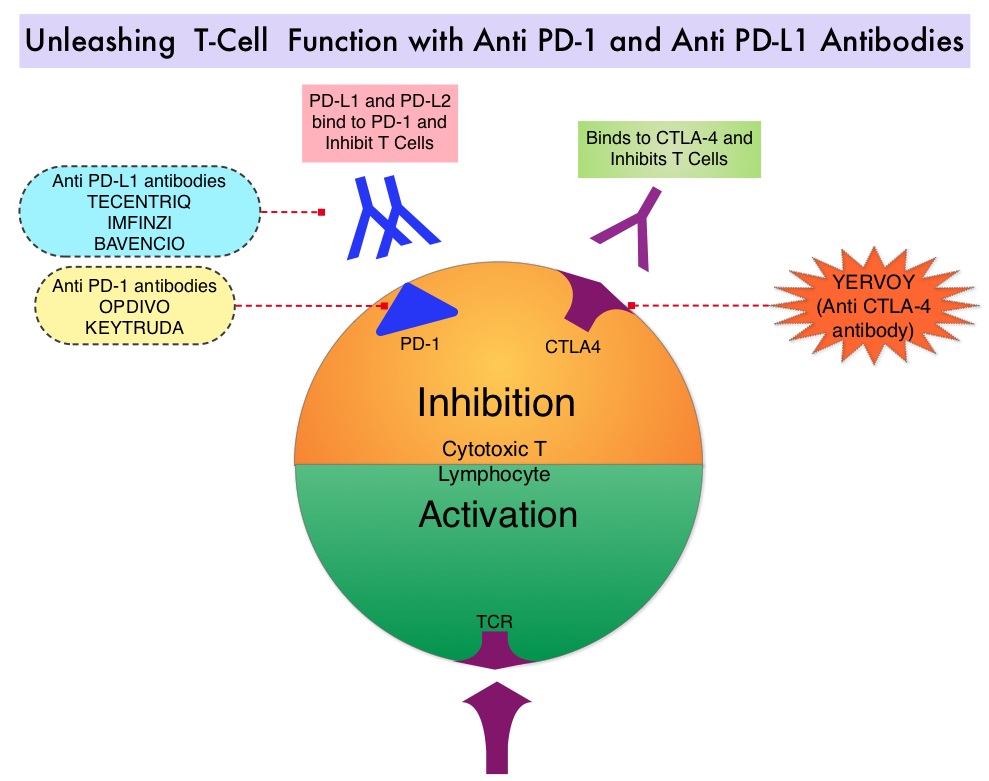
TECENTRIQ® (Atezolizumab) is an anti PD-L1 monoclonal antibody, designed to directly bind to PD-L1 expressed on tumor cells and tumor-infiltrating immune cells, thereby blocking its interactions with PD-1 and B7.1 receptors and thus enabling the activation of T cells. TECENTRIQ® was approved by the FDA in October 2016 for the treatment of patients with metastatic Non Small Cell Lung Cancer (NSCLC) whose disease progressed during or following Platinum-containing chemotherapy. In this present publication, the authors studied the efficacy of TECENTRIQ® given along with combination chemotherapy, in patients with advanced Squamous NSCLC.Unleashing-T-Cell-Function-with-Anti-PDL1-Antibodies

IMpower131 is a multicenter, open-label, phase III study, in which 1021 chemotherapy-naïve patients with stage IV Squamous NSCLC were randomly assigned in 1:1:1 ratio to receive TECENTRIQ® along with Carboplatin, and Paclitaxel (Group A, N=338), TECENTRIQ® along with Carboplatin, and ABRAXANE® (nab-paclitaxel) (Group B, N=343) and the control arm of Carboplatin and ABRAXANE® (Group C, N=340). Patients in Group A received TECENTRIQ® 1200 mg IV along with Carboplatin AUC 6 and TAXOL® (Paclitaxel) 200 mg/m2 IV, all drugs given on Day 1, every 21 days. Patients in Group B received TECENTRIQ® 1200 mg IV along with Carboplatin AUC 6 IV on Day 1 and ABRAXANE® 100mg/m2 IV on Days 1, 8, and 15 of each 21-day cycle. Patients in Group C (control group) received Carboplatin AUC 6 IV on Day 1 and ABRAXANE® 100mg/m2 IV on Days 1, 8, and 15 of each 21-day cycle. Patients received 4-6 cycles of this combination treatment and in Groups A and B, TECENTRIQ® alone was continued as long as there was a clinical benefit, without evidence of disease progression. Tumors were tested for PD-L1 expression, but patients were included in the study regardless of PD-L1 expression level. Patients with tumors demonstrating EGFR or ALK gene changes should have received molecularly targeted treatments before enrolling in this study. The co-Primary endpoints for this study were Progression Free Survival (PFS) and Overall Survival (OS). As per the study design, the current analysis compared the outcomes of patients in Group B with Group C. Outcomes data comparing Group A with Group C are not yet available.

At the time of primary analysis, with a median follow up of 17.1 months, the median PFS across all PD-L1 subgroups was 6.3 months with the addition of TECENTRIQ® to chemotherapy (Group B) versus 5.6 months in Group C, with chemotherapy alone (HR=0.71; P=0.0001). This represented a 29% reduction in the risk of disease progression or death, with the addition of TECENTRIQ® to chemotherapy. The 12-month PFS rates in Groups B and C were 24.7% versus 12.0%, respectively, suggesting a doubling of PFS benefit with the addition of TECENTRIQ® to chemotherapy. The PFS benefit was more pronounced in those with higher tumor PD-L1 expression. Overall Survival data are not yet mature. The most common side effects with the addition of TECENTRIQ® to chemotherapy included skin rash, colitis, and hypothyroidism.

The authors concluded that this is the first phase III trial of an immunotherapy-based treatment regimen, to demonstrate a significant improvement in Progression Free Survival, in advanced Squamous NSCLC. IMpower131: Primary PFS and safety analysis of a randomized phase III study of atezolizumab + carboplatin + paclitaxel or nab-paclitaxel vs carboplatin + nab-paclitaxel as 1L therapy in advanced squamous NSCLC. Jotte RM, Cappuzzo F, Vynnychenko I, et al. J Clin Oncol 36, 2018 (suppl; abstr LBA9000)

REVLIMID® plus RITUXAN®, A Potential Chemo-Free Frontline Therapy for Follicular Lymphoma

SUMMARY: The American Cancer Society estimates that in 2018, about 74,680 people will be diagnosed with Non Hodgkin Lymphoma (NHL) in the United States and about 19,910 individuals will die of this disease. Indolent Non Hodgkin Lymphomas are mature B cell lymphoproliferative disorders and include Follicular Lymphoma, Nodal Marginal Zone Lymphoma (NMZL), Extranodal Marginal Zone Lymphoma (ENMZL) of Mucosa-Associated Lymphoid Tissue (MALT), Splenic Marginal Zone Lymphoma (SMZL), LymphoPlasmacytic Lymphoma (LPL) and Small Lymphocytic Lymphoma (SLL).

Follicular Lymphoma is the most indolent form and second most common form of all NHLs and they are a heterogeneous group of lymphoproliferative malignancies. Approximately 20% of all NHLs are Follicular Lymphomas. Advanced stage indolent NHL is not curable and as such, prolonging Progression Free Survival (PFS) and Overall Survival (OS), while maintaining Quality of Life, have been the goals of treatment intervention. Asymptomatic patients with indolent NHL are generally considered candidates for “watch and wait” approach. Patients with advanced stage symptomatic Follicular Lymphoma are often treated with induction chemoimmunotherapy followed by maintenance RITUXAN® (Rituximab).

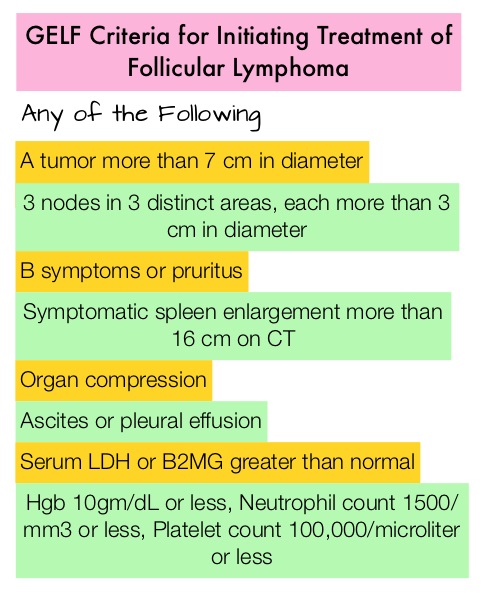
REVLIMID® (Lenalidomide) is an oral immunomodulatory agent (IMiD) with activity in lymphoid malignancies, primarily through immune modulation (repair T-cell immune synapse dysfunction and Natural Killer cell/T-cell effector augmentation). It additionally has antiproliferative effects. Chemo-free combination immunotherapy with REVLIMID® and RITUXAN® or the R2 regimen, has shown promising activity in phase II studies.GELF-Criteria-for-Initiating-Treatment-of-Follicular-Lymphoma

RELEVANCE is a global, randomized, open-label, phase III study, conducted in partnership with the Lymphoma Academic Research Organisation (LYSARC). This study evaluated the investigational regimen of REVLIMID® plus RITUXAN® (R2), followed by RITUXAN® maintenance, compared to the standard of care treatment of RITUXAN® plus chemotherapy, followed by RITUXAN® maintenance, in patients with previously untreated Follicular Lymphoma.

In this study, 1030 patients with treatment naïve, advanced Follicular Lymphoma, were randomized to R2 regimen (N=513) and R-Chemo regimen (N=517). Patients had Grade 1-3a Follicular Lymphoma, requiring therapy according to GELF criteria. Patients in the R2 group received REVLIMID® 20 mg orally daily on Days 2 thru 22 every 28 days for 6-12 cycles and continued responders received REVLIMID® 10 mg orally daily on Days 2 thru 22 every 28 days, for a total of 18 cycles. RITUXAN® was administered at 375 mg/m2 IV on Days 1, 8, 15, and 22 of cycle 1 and Day 1 of cycles 2 thru 6, and then continued in responders for 12 additional cycles every 8 weeks. R-Chemo group received investigators choice of standard R-CHOP (72%), R-Bendamustine (23%) or R-CVP (5%), and responding patients continued with RITUXAN® 375 mg/m2 IV every 8 weeks, for 12 cycles. The median age of the patients was 59 years. The co-Primary endpoints were Complete Response/unconfirmed Complete Response at 120 weeks and Progression Free Survival (PFS) during the preplanned analysis.

At a median follow up of 37.9 months, PFS was similar in both treatment groups and the 3-year PFS rate was 77% in the R2 group compared with 78% for the R-Chemo group (HR=1.10; P=0.48). The Complete Response/unconfirmed Complete Response at 120 weeks were 48% in the R2 group and 53% in the R-chemo group and this was also not statistically significant (P=0.13). Preliminary Overall Survival outcomes (Secondary endpoint) showed a 3-year survival rate of 94% in both treatment groups. Adverse events were different in the two treatment groups, with a higher incidence of neutropenia and febrile neutropenia in the R-Chemo group, and higher incidence of cutaneous events in the R2 group.

It was concluded that in this first randomized phase III comparison of a chemo-free regimen (R2) with standard R-Chemo, in previously untreated Follicular Lymphoma, a combination of REVLIMID® and RITUXAN® (R2) showed similar efficacy, with a more favorable safety profile, making it a potential chemo-free, firstline option, for patients with Follicular Lymphoma. RELEVANCE: Phase III randomized study of lenalidomide plus rituximab (R2) versus chemotherapy plus rituximab, followed by rituximab maintenance, in patients with previously untreated follicular lymphoma. Fowler NH, Morschhauser F, Feugier P, et al. J Clin Oncol 36, 2018 (suppl; abstr 7500)

Late Breaking Abstract – ASCO 2018 First-Line KEYTRUDA® Superior to Chemotherapy in NSCLC

SUMMARY: Lung cancer is the second most common cancer in both men and women and accounts for about 14% of all new cancers and 27% of all cancer deaths. The American Cancer Society estimates that for 2018 about 234,030 new cases of lung cancer will be diagnosed and over 154,050 patients will die of the disease. Lung cancer is the leading cause of cancer-related mortality in the United States. Non Small Cell Lung Cancer (NSCLC) accounts for approximately 85% of all lung cancers. Of the three main subtypes of Non Small Cell Lung Cancer (NSCLC), 30% are Squamous Cell Carcinomas (SCC), 40% are Adenocarcinomas and 10% are Large cell carcinomas.

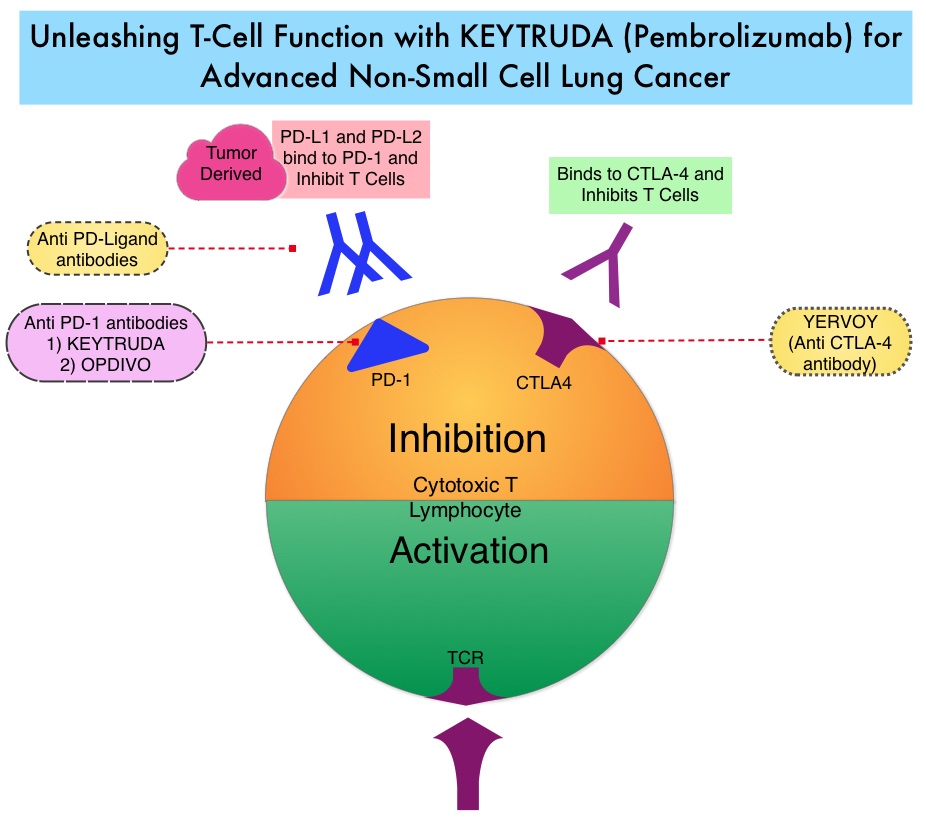
KEYTRUDA® (Pembrolizumab) is a fully humanized, Immunoglobulin G4, anti-PD-1, monoclonal antibody, that binds to the PD-1 receptor and blocks its interaction with ligands PD-L1 and PD-L2. It thereby reverses the PD-1 pathway-mediated inhibition of the immune response and unleashes the tumor-specific effector T cells. High level of Programmed Death-Ligand 1 (PD-L1) expression is defined as membranous PD-L1 expression on at least 50% of the tumor cells, regardless of the staining intensity. It is estimated that based on observations from previous studies, approximately 25% of the patients with advanced NSCLC have a high level of PD-L1 expression and high level of PD-L1 expression has been associated with significantly increased response rates to KEYTRUDA®. The FDA approved KEYTRUDA® for the first-line treatment of advanced NSCLC with high PD-L1 expression (Tumor Proportion Score of 50% or more), as well as in combination with Pemetrexed and Carboplatin, as first-line treatment of patients with metastatic nonsquamous NSCLC and for previously treated advanced NSCLC with a PD-L1 Tumor Proportion Score of 1% or more. Currently, KEYTRUDA® is the only FDA approved immunotherapy for initial treatment of NSCLC as monotherapy (KEYNOTE-024) or in combination with chemotherapy. In KEYNOTE-024, KEYTRUDA® significantly improved Progression Free Survival and Overall Survival compared to chemotherapy, as first-line treatment for metastatic NSCLC, without targetable mutations and PD-L1 TPS of 50% or more. KEYNOTE-042 trial evaluated the benefit of KEYTRUDA® in patients whose tumors had a much lower level of PD-L1 expression (TPS of 1% or higher).Unleashing-T-Cell-Function-with-KEYTRUDA-(Pembrolizumab)-for-Advanced-Non-Small-Cell-Lung-Cancer

KEYNOTE-042 is a large, international, multicenter, randomized phase III trial in which 1274 patients with untreated locally advanced or metastatic NSCLC were randomly assigned to KEYTRUDA® or chemotherapy with Paclitaxel plus Carboplatin or Pemetrexed plus Carboplatin. In this study, both squamous and non-squamous cancers with PD-L1 Tumor Proportion Score (TPS) of 1% or more were included, but tumors with sensitizing Epidermal Growth Factor Receptor (EGFR) or Anaplastic Lymphoma Kinase (ALK) mutations cancers with genetic changes, that could be treated with targeted therapies such as EGFR and ALK inhibitors, were excluded. Eligible patients were randomly assigned in a 1:1 to receive either KEYTRUDA® 200 mg IV every 3 weeks for up to 35 cycles or investigator’s choice of up to 6 cycles of chemotherapy with Paclitaxel plus Carboplatin or Pemetrexed plus Carboplatin, with optional Pemetrexed maintenance for nonsquamous NSCLC. Patients were divided into 3 treatment groups based on their PD-L1 Tumor Proportion Score (TPS): TPS 50% or more (N=599), TPS 20% or more (N=818), and TPS 1% or more (N=1274). Each PD-L1 expression group had equal numbers of patients receiving KEYTRUDA® and chemotherapy. The Primary end points were Overall Survival (OS) in patients with TPS 50% or more, 20% or more, and 1% or more.

At a median follow up of 12.8 months, 13.7% of patients were still receiving KEYTRUDA® compared with 4.9% on Pemetrexed maintenance therapy. It was noted that KEYTRUDA® was significantly superior to chemotherapy in all PD-L1 expression subsets. In patients with a PD-L1 TPS 50% or more, the median OS with KEYTRUDA® was 20 months versus 12.2 months for chemotherapy (HR=0.69, P=0.0003), for patients with PD-L1 TPS 20% or more, the median OS was 17.7 months versus 13 months respectively (HR=0.77, P=0.002), and for those with PD-L1 TPS 1% or more, the median OS was 16.7 months versus 12.1 months respectively (HR=0.81, P = 0.0018). The Response Rates (RR) were also higher among patients who received KEYTRUDA®, with RR of 39.5% for KEYTRUDA® versus 32% for chemotherapy in patients with a TPS 50% or more, 33.4% and 28.9% respectively in patients with TPS 20% or more and 27.3% and 26.5%, respectively, in patients with TPS of 1% or more. The duration of response was also superior with KEYTRUDA® in all three PD-L1 subgroups compared to chemotherapy (20.2 months versus 8-11 months). Patients receiving KEYTRUDA® experienced fewer severe Adverse Events, compared with chemotherapy (17.8% versus 41%).

The authors concluded that this is the largest clinical trial of KEYTRUDA® as a stand-alone therapy, and is the first study with a Primary end point of OS to demonstrate superiority of KEYTRUDA® over platinum-based chemotherapy, in patients with previously untreated advanced/metastatic NSCLC, without sensitizing EGFR or ALK alterations and a PD-L1 TPS of 1% or more. These data confirmed the benefit of KEYTRUDA® monotherapy as a standard first-line treatment, for PD-L1-expressing advanced/metastatic NSCLC. Pembrolizumab (pembro) versus platinum-based chemotherapy (chemo) as first-line therapy for advanced/metastatic NSCLC with a PD-L1 tumor proportion score (TPS) ≥ 1%: Open-label, phase 3 KEYNOTE-042 study. Lopes G, Wu Y-L, Kudaba I, et al. J Clin Oncol 36, 2018 (suppl; abstr LBA4)

Late Breaking Abstract – ASCO 2018 mFOLFIRINOX Regimen Significantly Improves Overall Survival in Resected Pancreatic Cancer

SUMMARY: The American Cancer Society estimates that in 2018, about 55,440 people will be diagnosed with pancreatic cancer and about 44,330 people will die of the disease. Pancreatic cancer is the fourth most common cause of cancer-related deaths in the United States and Western Europe. Curative surgical resection has been shown to significantly improve Overall Survival (OS) when compared to Chemoradiation, for resectable Pancreatic Cancer. The standard surgical procedure for tumors of the Pancreatic head is the Pancreaticoduodenectomy (Whipple procedure), whereas distal Pancreatectomy is performed for tumors of the body or tail of the Pancreas. Previously published studies concluded that 6 months of Gemcitabine based adjuvant therapy improves Overall Survival for patients with resectable Pancreatic Cancer. FOLFIRINOX chemotherapy regimen however, is more effective than Gemcitabine as first-line treatment, in metastatic pancreatic cancer, for patients with good Performance Status. The following study was conducted to assess the benefit of mFOLFIRINOX regimen in the adjuvant setting.

PRODIGE 24/CCTG PA.6 is a phase III multicenter, randomized clinical trial in which 493 patients were enrolled. Eligible patients had histologically proven, nonmetastatic, pancreatic ductal adenocarcinomas, and had undergone R0 (curative resection) or R1(microscopic residual tumor/positive margins) resection, with no residual tumor on a postoperative CT scan. Patients had a WHO Performance Status of 1 or less and were randomized in a 1:1 ratio, 3-12 weeks after surgery, to receive Gemcitabine on days 1, 8, and 15 every 28 days for 6 cycles (Group A, N=246)) or mFOLFIRINOX regimen, which consisted of Oxaliplatin 85 mg/m², Leucovorin 400 mg/m², Irinotecan 150 mg/m² D1, and 5-FU 2400mg/m² over 46 hours, all drugs given IV, every 14 days for 12 cycles (Group B, N=247). The Primary endpoint was Disease Free Survival (DFS) and Secondary endpoints included Overall Survival (OS), Metastasis Free Survival (MFS), and Adverse Events (AE).

After a median follow up of 33.6 months, patients who received mFOLFIRINOX had a median DFS of 21.6 months compared with 12.8 months with Gemcitabine (HR=0.59; P<0.001) and the 3-year DFS was 39.7% with mFOLFIRINOX and 21.4% with Gemcitabine. The median OS was nearly 20 months longer with a mFOLFIRINOX regimen than with Gemcitabine (54.4 months versus 35 months). This represented a 34% reduction in the risk of death with mFOLFIRINOX (HR=0.66; P=0.003). The median MFS with mFOLFIRINOX regimen was 30.4 months versus 17.7 months with Gemcitabine (HR =0.59). Patients receiving mFOLFIRINOX experienced higher rates of grade 3 or 4 Adverse Events than with Gemcitabine for vomiting, diarrhea, fatigue, mucositis and sensory peripheral neuropathy. In the Gemcitabine group, the rate of grade 3/4 Adverse Events was higher for thrombocytopenia and febrile neutropenia.

It was concluded that adjuvant mFOLFIRINOX significantly improves Disease Free Survival, Metastasis Free Survival and Overall Survival, compared to Gemcitabine, after pancreatic cancer resection, in good Performance Status patients and should therefore be considered the new standard of care. It should be noted that patients with pancreatic cancer who undergo surgical resection, are fit enough to undergo this procedure and these patients would be the most likely candidates for mFOLFIRINOX. For those patients whose Performance Status is poor 12 weeks after surgery, and in those with clear contraindications to mFOLFIRINOX regimen, single agent Gemcitabine is an alternative treatment option. Unicancer GI PRODIGE 24/CCTG PA.6 trial: A multicenter international randomized phase III trial of adjuvant mFOLFIRINOX versus gemcitabine (gem) in patients with resected pancreatic ductal adenocarcinomas. Conroy T, Hammel P, Hebbar M, et al. J Clin Oncol 36, 2018 (suppl; abstr LBA4001)

Late Breaking Abstract – ASCO 2018 Endocrine Therapy Alone is Adequate for Early Stage Breast Cancer Patients with Intermediate Risk Recurrence Score

SUMMARY: Breast cancer is the most common cancer among women in the US and about 1 in 8 women (12%) will develop invasive breast cancer during their lifetime. Approximately 266,120 new cases of invasive breast cancer will be diagnosed in 2018 and about 40,920 women will die of the disease. Approximately 50% of all breast cancers are Estrogen Receptor (ER) positive, HER2-negative, axillary node-negative tumors. Patients with early stage breast cancer often receive adjuvant chemotherapy. The Oncotype DX breast cancer assay, is a multigene genomic test that analyzes the activity of a group of 21 genes and is able to predict the risk of breast cancer recurrence and likelihood of benefit from systemic chemotherapy, following surgery, in women with early stage breast cancer. Chemotherapy recommendations for early stage, hormone receptor positive, HER negative, early stage breast cancer patients, are often made based on tumor size, grade, ImmunoHistoChemical (IHC) markers such as Ki-67, nodal status and Oncotype DX Recurrence Score (RS) assay.

Oncotype Dx assay categorizes patients on the basis of Recurrence Scores into Low risk (less than 18), Intermediate risk (18-30), and High risk (31 or more). It has been unclear whether patients in the Intermediate risk group benefited from the addition of chemotherapy to endocrine therapy. TAILORx was specifically designed to address this question and provide a very definitive answer. In this study, the Intermediate risk Recurrent Score (18-30) was changed to 11-25, to account for exclusion of higher-risk patients with HER2-positive disease and to minimize the potential for under treatment.

TAILORx ((Trial Assigning Individualized Options for Treatment) is a phase III, randomized, prospective, non-inferiority trial, and is the largest breast cancer treatment trial ever conducted, and the first precision medicine trial ever done, according to the authors. In this study, 10,273 women, 18-75 years of age, with hormone receptor-positive, HER2-negative, axillary node-negative breast cancer were enrolled. Patients had tumors 1.1-5.0 cm in size (or 0.6-1.0 cm and intermediate/high grade). Patients were divided into three groups based on their Recurrence Score. Women with a Low Recurrence Score of 0-10 received endocrine therapy alone and those with a High Recurrence Score of 26-100 received endocrine therapy in combination with standard adjuvant chemotherapy. Patient with Intermediate Recurrence Score of 11-25 (N=6711) were randomly assigned to receive endocrine therapy alone or endocrine therapy and adjuvant chemotherapy. The Primary endpoint was invasive Disease Free Survival, defined as recurrence of cancer in the breast, regional lymph nodes, and/or distant organs, a second primary cancer in the opposite breast or another organ, or death from any cause.

At a median follow-up of 7.5 years, the study met its Primary endpoint, and it was noted that that endocrine therapy alone was non-inferior to chemotherapy plus endocrine therapy, in patients with Intermediate Recurrence Score of 11-25. At 9 years, patients with Intermediate Recurrence Scores receiving endocrine therapy or chemotherapy in combination with endocrine therapy showed similar invasive Disease Free Survival rates (83.3% vs 84.3%), distant Recurrence Free Interval (94.5% vs 95.0%), Recurrence Free Interval (92.2% vs 92.9%) and Overall Survival (93.9% vs 93.8%) respectively. These findings suggested that there was no benefit from adding chemotherapy to endocrine therapy, for this patient group.

The authors also conducted an exploratory analysis of patients in the Intermediate Risk group to determine which patients would benefit from added chemotherapy. They noted that there was no significant interaction between menopause, tumor size or grade, with Recurrence Score. There was however an interaction between age and Recurrence Score. In women 50 years or younger with a Recurrence Score of 16-20, there were 2% fewer distant recurrences, and in those with a recurrence score of 21-25, there were 7% fewer distant recurrences with the addition of chemotherapy, suggesting that younger women with a Recurrence Score of 16-25 had some benefit with the addition of chemotherapy to endocrine therapy.

It was concluded that women older than 50 years with hormone receptor-positive, HER2-negative, node-negative breast cancer and a Recurrence Score of 0-25, as well as women 50 years or younger with hormone receptor-positive, HER2-negative, node-negative breast cancer and a Recurrence Score of 0-15, could be spared from chemotherapy, based on this study. This study showed that chemotherapy could be avoided in about 70% of these patients, by allowing this test to tailor treatment. Further, this prospective study reflects outcomes with current modern chemotherapy and endocrine therapy regimens. The authors recommended that any patient 75 years or younger with early-stage breast cancer should therefore be offered Oncotype DX assay test, for guidance regarding chemotherapy recommendations after surgery. TAILORx: phase III trial of chemoendocrine therapy versus endocrine therapy alone in hormone receptor-positive, HER2-negative, node-negative breast cancer and an intermediate prognosis 21-gene recurrence score. Sparano JA, Gray RJ, Wood WC, et al. J Clin Oncol. 2018;36(suppl; abstr LBA1).

FDA Approves KYMRIAH® for Relapsed or Refractory Large B-Cell Lymphoma

SUMMARY: The FDA on May 1, 2018 approved KYMRIAH®, a CD19-directed genetically modified autologous T-cell immunotherapy, for adult patients with Relapsed or Refractory Large B-Cell Lymphoma, after two or more lines of systemic therapy including Diffuse Large B-Cell Lymphoma (DLBCL) Not Otherwise Specified (NOS), High grade B-Cell Lymphoma and DLBCL arising from Follicular Lymphoma. The American Cancer Society estimates that in 2018, about 74,680 people will be diagnosed with Non Hodgkin Lymphoma (NHL) in the United States and about 19,910 individuals will die of this disease. Diffuse Large B-Cell Lymphoma is the most common of the aggressive Non-Hodgkin lymphomas in the United States, and the incidence has steadily increased 3-4% each year. The etiology of DLBCL is unknown. Contributing risk factors include immunosuppression (AIDS, transplantation setting, autoimmune diseases), ultraviolet radiation, pesticides, hair dyes, and diet.

What is (CAR) T-cell immunotherapy?

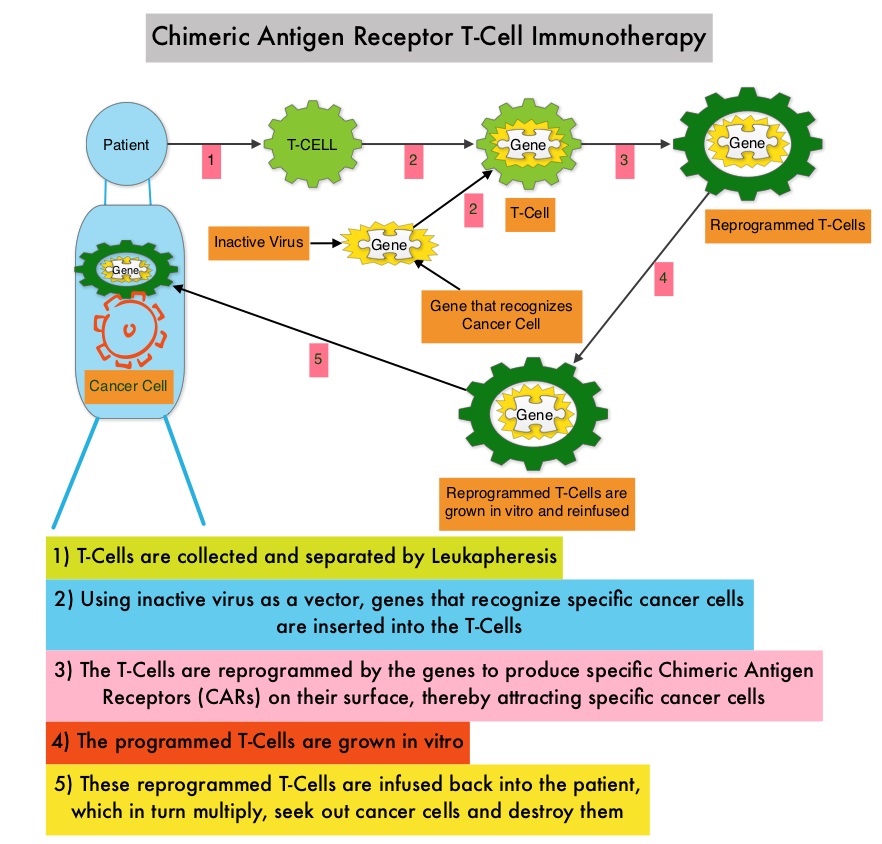
Chimeric Antigen Receptor (CAR) T-cell therapy is a type of immunotherapy and consists of T cells collected from the patient’s blood in a leukapheresis procedure, and genetically engineered to produce special receptors on their surface called Chimeric Antigen Receptors (CAR). These reprogrammed cytotoxic T cells with the Chimeric Antigen Receptors on their surface are now able to recognize a specific antigen on tumor cells. These genetically engineered and reprogrammed CAR T-cells are grown in the lab and are then infused into the patient. These cells in turn proliferate in the patient’s body and the engineered receptor on the cell surface help recognize and kill cancer cells that expresses that specific antigen. KYMRIAH® (genetically engineered T-cells) seeks out cancer cells expressing the antigen CD19, which is found uniquely on B cells and destroy them. Patients, following treatment with CAR T-cells, develop B-cell aplasia (absence of CD19 positive cells) due to B-cell destruction and may need immunoglobin replacement. Hence, B-cell aplasia can be a useful therapeutic marker, as continued B-cell aplasia has been seen in all patients who had sustained remission, following CAR T-cell therapy. Cytokine Release Syndrome, an inflammatory process is the most common and serious side effect of CAR T-cell therapy and is associated with marked elevation of Interleukin-6. Cytokine release is important for T-cell activation and can result in high fevers and myalgias. This is usually self limiting although if severe can be associated with hypotension and respiratory insufficiency. Tocilizumab (ACTEMRA®), an Interleukin-6 receptor blocking antibody produces a rapid improvement in symptoms. This is however not recommended unless the symptoms are severe and life threatening, as blunting the cytokine response can in turn negate T-cell proliferation. Elevated serum Ferritin and C-reactive protein levels are surrogate markers for severe Cytokine Release Syndrome.Chimeric-Antigen-Receptor-T-Cell-Immunotherapy

The CAR T-cells have been shown to also access sanctuary sites such as the central nervous system and eradicate cancer cells. CD19 antigen is expressed by majority of the B-cell malignancies and therefore most studies using CAR T-cell therapy have focused on the treatment of advanced B-cell malignancies such as Chronic Lymphocytic Leukemia (CLL), Acute Lymphoblastic Leukemia (ALL) and Non Hodgkin lymphoma (NHL), such as Diffuse Large B-Cell Lymphoma (DLBCL).

The approval of KYMRIAH® was based on a single-arm, open-label, multi-center, global, pivotal phase II trial (JULIET), in adults with Relapsed or Refractory DLBCL and DLBCL after transformation from Follicular lymphoma. The study enrolled 147 patients, 99 of whom received the CAR T-cell infusion with a single dose of KYMRIAH®, which was manufactured at 2 sites (United States and Germany). Eligible patients were 18 years or older with Relapsed or Refractory DLBCL and had progressed after receiving two or more lines of chemotherapy, including an Anthracycline and Rituximab, and were ineligible for or failed Autologous Stem Cell Transplant (auto-SCT). The median number of prior lines of therapy was 3 and 47% of patients had prior auto-SCT. Prior to infusion with KYMRIAH®, 90% of patients received bridging therapy, 93% received lymphodepleting chemotherapy, which in most patients consisted of Fludarabine/Cyclophosphamide. The median age was 56 years and 77% of patients had Stage III or IV disease at the time of enrollment. The median time from infusion to data cutoff was 5.6 months. The Primary endpoint was best Overall Response Rate-ORR (Complete Response-CR + Partial Response-PR), per independent review committee.

In this primary analysis, the authors reported the outcomes among 81 patients who received KYMRIAH® manufactured in the United States, with more than 3 months of follow up. The Objective Response Rate was 53%, the Complete Response rate was 39.5% and Partial Response rate 13.6%. At month 3, the CR rate was 32% and the PR rate 6%. Among patients evaluable at 6 months (N=46), the CR Rate was 30% and PR rate was 7%. Response rates were consistent across prognostic subgroups, including those who received prior auto-SCT and those with Double-Hit lymphoma. The median Duration of Response and the median Overall Survival were not reached. The 6-month probability of being relapse free was 73.5% and the 6-month probability of Overall Survival was 64.5%. Grade 3 or 4 adverse events were reported in 86% of the patients and Cytokine-Release Syndrome occurred in 58%. CRS was managed with ACTEMRA® in 15% of patients with good response and 11% of patients received corticosteroids. Neurologic adverse events were reported in 12% of patients. No deaths were attributed to KYMRIAH®.

It was concluded that KYMRIAH® produces high Response Rates with 95% of Complete Responses at 3 months being sustained at 6 months, in heavily pretreated adult patients with Relapsed or Refractory Diffuse Large B-Cell Lymphoma (DLBCL). This first global study of CAR T-cell therapy in DLBCL also demonstrated that centralized manufacturing of CAR T-cells is feasible. Schuster SJ, Bishop MR, Tam CS, et al. Primary Analysis of Juliet: A Global, Pivotal, Phase 2 trial of CTL019 in Adult Patients with Relapsed or Refractory Diffuse Large B-Cell Lymphoma. Presented at: ASH Annual Meeting and Exposition; Dec. 9-12, 2017; Atlanta. Abstract 577.

Treatment Sequencing with STIVARGA® before ERBITUX® Improves Survival in Metastatic Colorectal Cancer

SUMMARY: ColoRectal Cancer (CRC) is the third most common cancer diagnosed in both men and women in the United States. The American Cancer Society estimates that approximately 140,250 new cases of CRC will be diagnosed in the United States in 2018 and about 50,630 patients are expected to die of the disease. The lifetime risk of developing CRC is about 1 in 21 (4.7%). Even though colon cancer localized to the bowel is potentially curable with surgery and adjuvant chemotherapy, advanced colon cancer is often incurable. Standard chemotherapy when combined with anti EGFR (Epidermal Growth Factor Receptor) targeted monoclonal antibodies such as VECTIBIX® (Panitumumab) and ERBITUX® (Cetuximab) as well as anti VEGF agent AVASTIN® (Bevacizumab), have demonstrated improvement in Progression Free Survival (PFS) and Overall Survival (OS). The benefit with anti EGFR agents however is only demonstrable in patients with metastatic CRC, whose tumors do not harbor KRAS mutations in codons 12 and 13 of exon 2 (KRAS Wild Type). It is now also clear that even among the KRAS Wild Type patients, about 15-20% have other rare mutations such as NRAS and BRAF mutations, which confer resistance to anti EGFR agents. Therefore, pan RAS (expanded RAS) testing is now recommended.

STIVARGA® (Regorafenib), is an oral multi-kinase inhibitor approved by the FDA for the treatment of patients with metastatic CRC, who have progressed on 5FU, ELOXATIN® (Oxaliplatin), CAMPTOSAR® (Irinotecan), anti-VEGF and anti-EGFR therapies. STIVARGA® inhibits multiple kinases including VEGF1, VEGF2, VEGF3, PDGFR, FGFR involved in tumor angiogenesis and KIT, RET, RAF-1, BRAF involved in oncogenesis. The approval was based on a phase III trial in which patients receiving STIVARGA® had a statistically significant improvement in the Overall Survival and Progression Free Survival, compared to placebo.

Both STIVARGA® and ERBITUX® are approved for metastatic CRC. The optimal sequencing of these drugs however, has remained unclear. The current standard of care is to offer an ERBITUX® based regimen followed by STIVARGA®. STIVARGA® however has demonstrated activity in patients with metastatic CRC, when given earlier in the course of the disease. Further preclinical data suggests that downregulation of MAP kinase and Akt with STIVARGA® was shown to sensitize metastatic CRC cells to anti-EGFR therapies, such as ERBITUX®.

The REVERCE trial is a multicenter, randomized phase II trial which enrolled patients with KRAS wild-type metastatic CRC, after failure on combination chemotherapy with Fluoropyrimidine, Oxaliplatin, and Irinotecan. A total of 101 patients were randomized in a 1:1 ratio to receive sequential treatment with STIVARGA® followed by ERBITUX® with or without Irinotecan or reverse sequence of ERBITUX® with or without Irinotecan followed by STIVARGA®. Patients were stratified by prior use of AVASTIN® and intent to use ERBITUX® in combination with Irinotecan. Patients continued each sequence until disease progression or unacceptable toxicity, at which time patients switched to the alternative drug. The Primary endpoint was Overall Survival. Secondary endpoints included Progression Free Survival (PFS) with initial treatment (PFS1), PFS with second treatment (PFS2), Time to sequential Treatment Failure (TTF), Response Rate, Safety, and Quality of Life (QOL). The authors further investigated possible biomarkers including oncogenic mutations from circulating cell free DNA by liquid biopsy, with serial measurements.

It was noted that giving STIVARGA® before ERBITUX® resulted in a significantly longer median Overall Survival of 17.4 months, compared with 11.6 months with ERBITUX® followed by STIVARGA®. After a median follow up of 29 months, there was a 39% reduction in the risk of death with the STIVARGA®-ERBITUX® sequence (HR=0.61; P=0.029). The benefit with STIVARGA®-ERBITUX® sequence was consistently noted across all patient subgroups. In the subgroup of patients with left-sided primary tumors (N=81), patients who started treatment with STIVARGA® first followed by ERBITUX®, had a median Overall Survival of 20.5 months compared with 11.9 months for those receiving ERBITUX® first, and this meant a 49% reduction in mortality risk, which was statistically significant (P=0.01).

The first Progression Free Survival (PFS1) did not differ significantly according to the drug sequence, but the second PFS (PFS2) was more prolonged in those receiving ERBITUX® after STIVARGA®, with a 71% reduction in the risk of progression or death following the second treatment (HR=0.29; P<0.0001). The time to treatment failure was a median of 7.4 months with STIVARGA® followed by ERBITUX® and 6.1 months with ERBITUX® followed by STIVARGA® (HR=0.60; P=0.017). Safety and quality of life were comparable between the two treatment groups.

It was concluded that data from this study suggest that treatment with STIVARGA® first, followed by ERBITUX® resulted in longer survival than that of the current standard sequence and the longer Progression Free Survival following the second treatment period with ERBITUX® may have contributed to the improvement in Overall Survival with the STIVARGA®-ERBITUX® sequence. A biomarker analysis is still ongoing. Randomized phase II study of regorafenib followed by cetuximab versus reverse sequence for wild-type KRAS metastatic colorectal cancer previously treated with fluoropyrimidine, oxaliplatin, and irinotecan (REVERCE). Shitara K, Yamanaka T, Denda T, et al. DOI: 10.1200/JCO.2018.36.4_suppl.557 Journal of Clinical Oncology 36, no. 4_suppl (February 2018) 557-557.