Late Breaking Abstract – ASCO 2019 Five-Year Survival Data for KEYTRUDA® in Advanced NSCLC

SUMMARY: Lung cancer is the second most common cancer in both men and women and accounts for about 14% of all new cancers and 27% of all cancer deaths. The American Cancer Society estimates that for 2019 about 228,150 new cases of lung cancer will be diagnosed and 142,670 patients will die of the disease. Lung cancer is the leading cause of cancer-related mortality in the United States. Non-Small Cell Lung Cancer (NSCLC) accounts for approximately 85% of all lung cancers. Of the three main subtypes of NSCLC, 30% are Squamous Cell Carcinomas (SCC), 40% are Adenocarcinomas and 10% are Large Cell Carcinomas.

KEYTRUDA® (Pembrolizumab) is a fully humanized, Immunoglobulin G4, anti-PD-1, monoclonal antibody, that binds to the PD-1 receptor and blocks its interaction with ligands PD-L1 and PD-L2. It thereby reverses the PD-1 pathway-mediated inhibition of the immune response and unleashes the tumor-specific effector T cells. High level of Programmed Death-Ligand 1 (PD-L1) expression is defined as membranous PD-L1 expression on at least 50% of the tumor cells, regardless of the staining intensity. It is estimated that based on observations from previous studies, approximately 25% of the patients with advanced NSCLC have a high level of PD-L1 expression, and high level of PD-L1 expression has been associated with significantly increased response rates to KEYTRUDA®.Unleashing-T-Cell-Function-with-PD-1-and-PDL1-Antibodies
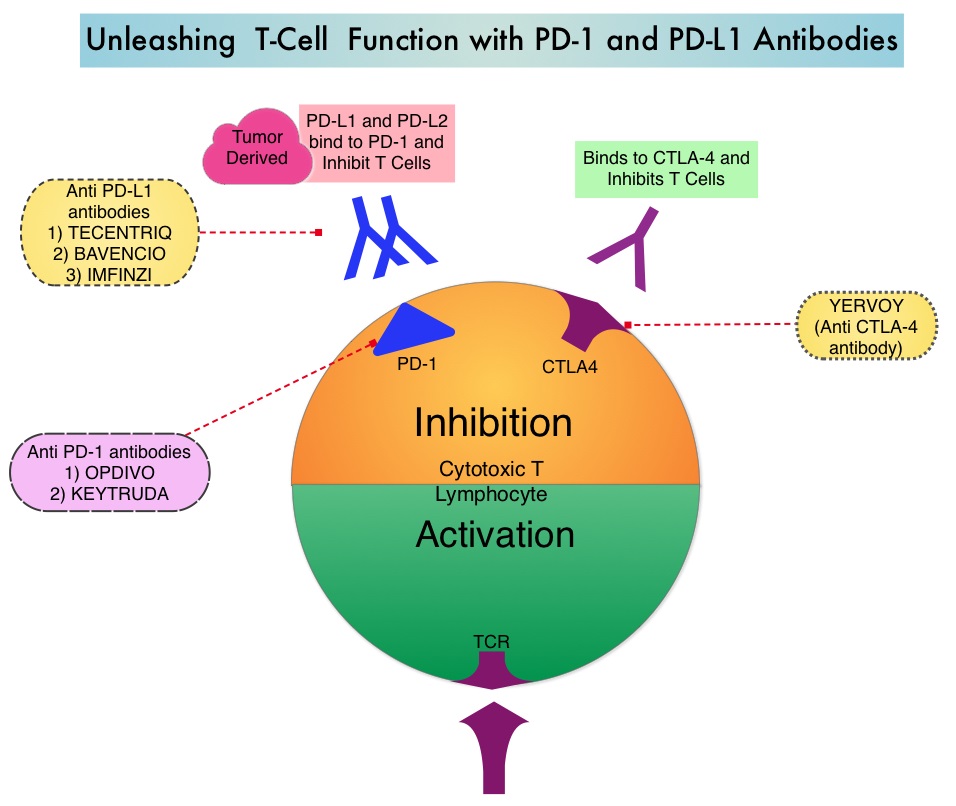
The FDA approved KEYTRUDA® for the first-line treatment of patients with Stage III Non-Small Cell Lung Cancer (NSCLC) who are not candidates for surgical resection or definitive chemoradiation, as well as those with metastatic NSCLC whose tumors express PD-L1 (Tumor Proportion Score-TPS of 1% or more), as determined by an FDA-approved test. KEYTRUDA® is also approved for the first-line treatment of advanced NSCLC with high PD-L1 expression (Tumor Proportion Score of 50% or more), based on KEYNOTE-024 trial, as well as in combination with Pemetrexed and Carboplatin, as first-line treatment of patients with metastatic non-squamous NSCLC, based on KEYNOTE-021 study. It is also indicated for previously treated advanced NSCLC with a much lower level of PD-L1 expression such as PD-L1 Tumor Proportion Score of 1% or higher, based on KEYNOTE-010 trial.

The authors in this publication presented the 5-year Overall Survival (OS) for patients enrolled in the Phase 1b KEYNOTE-001 study, which was the first trial evaluating KEYTRUDA® in advanced NSCLC. In this trial, 550 patients were enrolled of whom 101 patients were treatment-naïve (N=101) and 449 patients were previously treated (N=449). Patients received KEYTRUDA® 2 mg/kg IV every 3 weeks or KEYTRUDA® 10 mg/kg IV every 2 or 3 weeks. The protocol in the recent years was changed to a straight dose of KEYTRUDA® 200 mg IV every 3 weeks, which is the typical regimen used in clinical practice. The Primary endpoint was Objective Response Rate (ORR). Secondary endpoints included Progression Free Survival (PFS), Overall Survival (OS) and Duration of Response (DOR). The median follow up was 60.6 months and 18% of participants (N=100) were still alive at that point.

The 5-year OS in the treatment-naïve patients (N=101) was 23.2% and 15.5% in previously treated patients (N=449). In treatment-naive patients, the 5-year OS rate among patients whose tumors expressed PD-L1 expression of 50% or more was 29.6%, compared with 15.7% with PD-L1 expression levels below 50%. In patients who had received previous treatment, the 5-year OS rate among patients whose tumors expressed PD-L1 expression of 50% or more was 25% compared with 12.6% with PD-L1 expression levels between 1% and 49%. Only 3.5% of people with PD-L1 expression levels below 1% were alive after 5 years. The investigator-reported ORR was 41.6% in treatment-naïve patients and 22.9% in previously treated patients. Median Duration of Response was 16.8 months and 38.9 months respectively. Immune-mediated adverse events were reported in 17% of patients at 5 years. Hypothyroidism was the most commonly reported immune-mediated adverse event, followed by pneumonitis, hyperthyroidism and skin toxicities.

It was concluded that the 5-year data from the KEYNOTE-001 trial showed that treatment with KEYTRUDA® was safe and effective and substantially increased Overall Survival in patients with advanced NSCLC. These data provide the longest efficacy and safety follow-up for NSCLC patients treated with KEYTRUDA®. Five-year long-term overall survival for patients with advanced NSCLC treated with pembrolizumab: Results from KEYNOTE-001. Garon EB, Hellmann MD, Costa EC, et al. J Clin Oncol. 2019;37(suppl; abstract LBA9015).
KEYTRUDA® versus Chemotherapy as Second-Line Treatment for Advanced Esophageal Cancer

SUMMARY: The American Cancer Society estimates that in 2019, about 17,650 new cases of esophageal cancer will be diagnosed in the US and about 16,080 individuals will die of the disease. It is the sixth most common cause of global cancer death. Squamous Cell Carcinoma is the most common type of cancer of the esophagus among African Americans, while Adenocarcinoma is more common in caucasians. About 20% of patients survive at least 5 years following diagnosis. Patients with advanced esophageal cancer following progression on first line chemotherapy have limited treatment options and have a poor prognosis.

KEYTRUDA® (Pembrolizumab) is a fully humanized, Immunoglobulin G4, anti-PD-1, monoclonal antibody, that binds to the PD-1 receptor and blocks its interaction with ligands PD-L1 and PD-L2. It thereby reverses the PD-1 pathway-mediated inhibition of the immune response and unleashes the tumor-specific effector T cells. KEYTRUDA® in the Phase II KEYNOTE-180 study demonstrated durable responses among heavily pretreated patients with advanced metastatic Adenocarcinoma or Squamous Cell Carcinoma of the Esophagus as well as tumors with PD-L1 Combined Positive Score (CPS) of 10 or higher.

KEYNOTE-181 is a global, open-label, Phase III study which included 628 patients with advanced or metastatic adenocarcinoma or squamous cell carcinoma of the esophagus, or Siewert Type I adenocarcinoma of the esophagogastric junction that had progressed after first-line standard therapy. [Adenocarcinomas arising in the vicinity of the EsophagoGastric Junction are classified (Siewert classification) into adenocarcinoma of the distal esophagus (Type I), true carcinoma of the cardia (Type II) and subcardial carcinoma (Type III)].

Patients were randomized 1:1 to KEYTRUDA® 200 mg Q3W for up to 35 cycles (approximately2 years) or investigator’s choice chemotherapy with Docetaxel 75 mg/m2 IV on day 1 of each 21 day cycle, OR Paclitaxel 80-100 mg/m2 IV on days 1, 8 and 15 of each 28-day cycle, OR Irinotecan 80 mg/m2 IV on day 1 of each 14-day cycle. Randomization was stratified by histology and region (Asia vs rest of world). The majority of patients (N=401; 64%) had Squamous Cell Carcinoma (SCC), and 222 patients had PD-L1 Combined Positive Score (CPS) of 10 or higher. The three Primary end points were Overall Survival (OS) in patients with SCC, patients with PD-L1 CPS of 10 or higher and Intent-To- Treat populations. The median follow up was 7 months.

It was noted that among the patients with a PD-L1 CPS of 10 or higher (35% of the study population), the median Overall Survival was 9.3 months with KEYTRUDA® versus 6.7 months with chemotherapy (HR=0.69; P=0.0074). The 12-month survival rate in this group was 43% versus 20% respectively. In the Squamous Cell Carcinoma subgroup (N=401), the median Overall Survival was 8.2 months with KEYTRUDA® versus 7.1 months with chemotherapy (HR=0.78; P=0.0095). These differences favoring KEYTRUDA® however, did not meet the study’s prespecified statistical boundary. In the Intent-To- Treat population, the median Overall Survival was 7.1 months in each treatment group (HR=0.89; P=0.0560), and was not statistically significant. The Progression Free Survival at 12 months among patients with a PD-L1 CPS of 10 or higher was 21% versus 7% for KEYTRUDA® and chemotherapy, respectively. Further, in this patient group, KEYTRUDA® more than doubled the Response Rates than those achieved with chemotherapy, with a longer median duration of response (9.3 versus 7.7 months respectively). Fewer patients had any grade drug-related adverse events with KEYTRUDA®, compared with chemotherapy.

The authors concluded that KEYTRUDA® significantly improved Overall Survival compared with chemotherapy, as second line therapy for patients with advanced esophageal cancer, with PD-L1 CPS of 10 or higher and also had a more favorable safety profile. They added that these data support KEYTRUDA® as a new second line standard of care for esophageal cancer with PD-L1 CPS of 10 or higher. A Phase III study of KEYTRUDA® plus chemotherapy as first line therapy for advanced esophageal cancer is underway. Pembrolizumab versus chemotherapy as second-line therapy for advanced esophageal cancer: Phase III KEYNOTE-181 study. Kojima T, Muro K, Francois E, et al. J Clin Oncol 37, 2019 (suppl 4; abstr 2)

2019 NCCN Pancreatic Cancer Guideline Update Draw Attention to Germline Testing and Molecular Profiling

SUMMARY: The American Cancer Society estimates that for 2019, about 56,770 people will be diagnosed with pancreatic cancer and about 45,750 people will die of the disease. Pancreatic cancer is the fourth most common cause of cancer-related deaths in the United States and Western Europe. Unfortunately, unlike other malignancies, very little progress has been made, and outcomes for patients with advanced pancreatic cancer has been dismal, with a 5-year survival rate for metastatic pancreatic cancer of approximately 2%. Pancreatic cancer has surpassed breast cancer as the third leading cause of cancer death in the United States and is on track to surpass colorectal cancer, to move to the second leading cause of cancer related deaths in the United States around 2020.

At the 2019 NCCN Annual Conference, three important pancreatic cancer guideline updates were discussed. They included germline testing, molecular analysis of tumors and a new adjuvant chemotherapy option for pancreatic adenocarcinoma.

Germline Testing

Germline testing should be considered for all patients with pancreatic cancer and is especially recommended for those with a personal history of cancer, family history or clinical suspicion of a family history of pancreatic cancer. Approximately 10% of pancreatic cancer cases have a familial component. When hereditary cancer syndrome is suspected in patients with pancreatic cancer, genetic counseling should be considered.

1) Lynch Syndrome (Hereditary Nonpolyposis Colorectal Carcinoma – HNPCC) is a Autosomal Dominant disorder caused by germline mutations in DNA mismatch repair (MMR) genes MLH1, MSH2, MSH6 or PMS2 and most often predisposes to colorectal cancer. Patients with Lynch Syndrome also have a 9-11 fold increase in the risk for pancreatic cancer. Consider testing for MSI and/or MMR for patients with locally advanced or metastatic pancreatic adenocarcinoma.

2) BRCA1/2 mutations have been detected in 4-7% of patients with pancreatic cancer, with a 2-6 fold increase in risk, associated with these mutations. These patients tend to be younger. Among pancreatic cancer patients with Ashkenazi Jewish ancestry, the prevalence of BRCA1/2 mutations is 6-19%, with mutations more common for BRCA2.

3) Mutations in Fanconi Anemia/BRCA pathway genes including PALB, FANCC and FANCG have also been identified as increasing pancreatic cancer risk.

4) Germline mutations in ATM gene has been identified in approximately 4% of individuals with familial pancreatic cancer.

5) Germline mutations in STK11 gene resulting in Peutz-Jeghers syndrome (associated with GI polyps) increases the risk of developing pancreatic cancer 132 fold. In approximately 5% of pancreatic cancers, somatic mutations in STK11 has been noted.

6) Similar to non-hereditary forms of pancreatitis, familial pancreatitis is also associated with increased risk of pancreatic cancer. Those with familial pancreatitis have been noted to have mutations in the PRSS1, SPINK1 and CFTR genes, increasing the risk of developing pancreatic cancer by 26-87 fold.

7) Familial malignant melanoma syndrome, also known as melanoma–pancreatic cancer syndrome or Familial Atypical Multiple Mole Melanoma (FAMMM) syndrome, is associated with a 20-47 fold increased risk of pancreatic cancer. This has been attributed to germline mutation of CDKN2A gene.

Molecular Profiling

Molecular analysis of tumors should be considered for patients with metastatic disease, for treatment guidance

1) In the phase III POLO trial, patients with germline BRCA-mutated metastatic adenocarcinoma of the pancreas, benefited with PARP inhibitor, LYNPARZA® (Olaparib), which when given as frontline maintenance therapy, significantly reduced the risk of disease progression or death, when compared to placebo.

2) Patients with unresectable or metastatic MSI-High or MMR deficient (dMMR) solid tumors who had progressed on prior therapies, have significant responses with KEYTRUDA® (Pembrolizumab), and has been approved by the FDA for this indication.

3) For those patients with PALB2 mutation, Gemcitabine along with Cisplatin is a treatment option.

4) The presence of P16 alterations in resected tumors of patients with pancreatic adenocarcinoma is associated with a worse prognosis and may therefore benefit from adjuvant chemotherapy.

Adjuvant mFOLFIRINOX

In a large phase III multicenter, randomized clinical trial, adjuvant mFOLFIRINOX significantly improved Disease Free Survival, Metastasis Free Survival and Overall Survival, compared to Gemcitabine, after pancreatic cancer resection. The median OS was nearly 20 months longer with a mFOLFIRINOX regimen than with Gemcitabine (54.4 months versus 35 months), representing a 34% reduction in the risk of death with mFOLFIRINOX.

NCCN Guidelines Updates: Tempero MA. Treatment of Pancreatic Cancer. Presented at: 2019 NCCN Annual Conference; March 21-23, 2019; Orlando, FL.

AACR Late-Breaking Research Predicting Response to Anti-PD1/PDL1 Therapy beyond Tumor Mutational Burden

SUMMARY: Immunotherapy with checkpoint inhibitors such as anti-PD1/PDL1 antibodies, is rapidly moving to the forefront of cancer treatment. These agents include PD1 targeted therapies such as KEYTRUDA® (Pembrolizumab), OPDIVO® (Nivolumab) and LIBTAYO® (Cemiplimab-rwlc) and PDL1 targeted therapies such as TECENTRIQ® (Atezolizumab), IMFINZI® (Durvalumab) and BAVENCIO® (Avelumab). Treatment with checkpoint inhibitors given as a single agent or in combination with chemotherapy has resulted in significant survival benefit in a variety of solid tumors, as well as hematologic malignancies. The efficacy of checkpoint inhibitors however varies considerably across different cancer types. Understanding tumors and their microenvironment and identifying the underlying variables that predict response to anti-PD1/PDL1 antibodies, has been challenging.

Tumor Mutational Burden (TMB) has recently emerged as a potential biomarker for immunotherapy with anti PD-1/PDL1 antibodies. TMB can be measured using Next-Generation Sequencing (NGS) and is defined as the number of somatic coding base substitutions and short insertions and deletions (indels), per megabase of genome examined. Several studies have incorporated Tumor Mutational Burden (TMB) as a biomarker, using the validated cutoff of TMB of 10 or more mutations/megabase as High, and less than 10 mutations/megabase, as Low. Drawbacks with TMB include sample consumption, higher attrition rate due to sample quality and quantity, and lack of standardization for the different TMB testing assays, with the definition of High TMB varying across studies from 7.4 or more to 20 mutations/megabase.

The Cancer Genome Atlas (TCGA), a landmark cancer genomics program, is a joint effort between the National Cancer Institute and the National Human Genome Research Institute. This program began in 2006 and has molecularly characterized over 20,000 primary cancers and matched normal samples, across 33 different cancer types. After 12 years and contributions from over 11,000 patients, TCGA has deepened our understanding of the molecular basis of cancer, changed the way cancer patients are managed in the clinic, established a rich genomics data resource for the research community and helped advance health and science technologies.

The authors in this study systematically analyzed Whole Exome Sequencing (WES) and RNA sequencing (RNAseq) data of 10,000 patients from the Cancer Genome Atlas, and the Overall Response Rate (ORR) to anti-PD1/PDL1 therapy of 21 different cancer types obtained from previous clinical trials. The researchers took into consideration more than 30 different variables belonging to three distinct classes: a) those associated with tumor neoantigen landscape (Tumor Mutational Burden-TMB) b) tumor microenvironment and inflammation, and c) the checkpoint inhibitor targets (PD1/PDL1). The performance of each of these variables and their combinations was then evaluated in predicting the ORR to anti-PD1/PDL1 therapy.

It was noted that the most important predictor of response to anti-PD1/PDL1 therapy across cancer types was CD8+ T-cell abundance in the tumor microenvironment, followed by the Tumor Mutational Burden, and a high PD1 gene expression in each cancer type in a fraction of samples. These three top predictors encompassed the three distinct classes considered in this analysis, and their combination was highly predictive of the ORR to anti-PD1/PDL1 therapy, and was able to explain more than 80% of the variance observed across different tumor types.

The authors concluded that in this first systemic evaluation of the different variables associated with PD1/PDL1 therapy response across different tumor types, the three top predictors mentioned above can explain most of the observed cross-cancer response variability. Combining tumor mutational burden, CD8+ T-cell abundance and PD1 mRNA expression accurately predicts response to anti-PD1/PDL1 therapy across cancers. Lee JS and Ruppin E. Presented at: 2019 AACR Annual Meeting; March 29 to April 3, 2019; Atlanta, GA.LB-017/9

Immune Checkpoint Inhibitor Combination Efficacious in High-Grade Neuroendocrine Tumors

SUMMARY: It is estimated that in the United States, more than 12,000 people are diagnosed with a Neuroendocrine tumor each year. NeuroEndocrine Tumors (NETs) arise from cells of the endocrine and nervous systems and produce biogenic amines and polypeptide hormones. NETs can be clinically symptomatic (functioning) or silent (nonfunctioning). The incidence is higher in African-Americans and is most frequently diagnosed in the small intestine, appendix, rectum, lungs and bronchi. The most common type of malignant gastrointestinal NETs originate in the midgut (jejunoileum and the proximal colon) and often metastasize to the mesentery, peritoneum and liver. NETs may be sporadic or may be a component of inherited genetic syndromes such as Multiple Endocrine Neoplasia (MEN) types 1 and 2. Majority of the NETs are nonfunctioning and are diagnosed incidentally but are clinically symptomatic following spread to the liver. Most NETs are classified based on tumor differentiation into 1) Well-differentiated, Low-grade (G1) 2) Well-differentiated, Intermediate-grade (G2) and 3) Poorly differentiated, High-grade (G3). Tumor differentiation and tumor grade often correlate with mitotic count and Ki-67 proliferation index. Even though surgery is curative when the tumor is detected early, this is often not the case, as most patients present with metastatic disease at the time of diagnosis.

OPDIVO® (Nivolumab) is a fully human, immunoglobulin G4 monoclonal antibody that binds to the PD-1 receptor and blocks its interaction with PD-L1 and PD-L2, whereas YERVOY® (Ipilimumab) is a fully human immunoglobulin G1 monoclonal antibody that blocks Immune checkpoint protein/receptor CTLA-4 (Cytotoxic T-Lymphocyte Antigen 4, also known as CD152). Blocking the Immune checkpoint proteins unleashes the T cells, resulting in T cell proliferation, activation and a therapeutic response. Immune checkpoint blockade with monoclonal antibodies such as OPDIVO® and YERVOY® has revolutionized the treatment of multiple cancers. Previously published studies have demonstrated successful patient outcomes across various tumor types, when treated with a combination of CTLA-4 and PD-1 inhibitors. However, it has remained unclear whether these agents can benefit those with rare, metastatic solid tumors. The investigators therefore launched the DART trial to fulfill this unmet need.

SWOG S1609 Dual Anti-CTLA-4 & Anti-PD-1 blockade in Rare Tumors (DART) is the first NCI-funded prospective, open-label, rare tumor immunotherapy basket study. Basket trials involve single treatment and single biomarker, different histologies, placed in multiple groups or baskets. These trials are an efficient way for screening experimental therapeutics across multiple patient populations.

In this phase II trial which included 37 different types of rare tumors, patients received YERVOY® 1 mg/kg IV every 6 weeks along with OPDIVO® 240 mg IV every 2 weeks. The Primary endpoint was Overall Response Rate (ORR) and Secondary endpoints included Progression Free Survival (PFS), Overall Survival (OS), Stable disease more than 6 months, and toxicity. This publication included a cohort of 33 eligible patients with Neuroendocrine tumors. Pancreatic Neuroendocrine tumors are currently being evaluated in a separate cohort within the trial. More than half of the patients (58%) had high-grade disease, and the most common tumor sites were gastrointestinal-non pancreatic (45%) and lung (18%). Enrolled patients had received a median of 2 prior lines of therapy.

The Overall Response Rate was 24% with 3% Complete Responses and 21% Partial Responses. Patients with high-grade Neuroendocrine cancer had a 42% Response Rate, whereas the Response Rate was 0% in low/intermediate grade tumors (P=0.01), independent of primary site. The authors hypothesized that the high response rate among those with high-grade Neuroendocrine carcinomas may be related to a higher Tumor Mutational Burden, which is an indicator of better response to immunotherapy. The 6-month PFS was 30% and the median OS was 11 months (historically, it has been around 10% and 3 months respectively). The most common toxicities were fatigue (30% of patients) and nausea (27%) and the most common grade 3/4 immune-related Adverse Events were ALT elevation in 9% of patients.

It was concluded that YERVOY® plus OPDIVO® combination was well tolerated with a 42% ORR in patients with high-grade Neuroendocrine cancer, regardless of primary site. The authors based on this study pointed out that, clinical trials are feasible even in rare tumors. A Phase II basket trial of dual anti-CTLA-4 and anti-PD-1 blockade in rare tumors (DART) S1609: The neuroendocrine cohort. Patel SP, Othus M, Chae YK, et al. Presented at: 2019 AACR Annual Meeting; March 29 to April 3, 2019; Atlanta, GA.

NCCN Establishes TKI Discontinuation Criteria in Updated CML Guideline

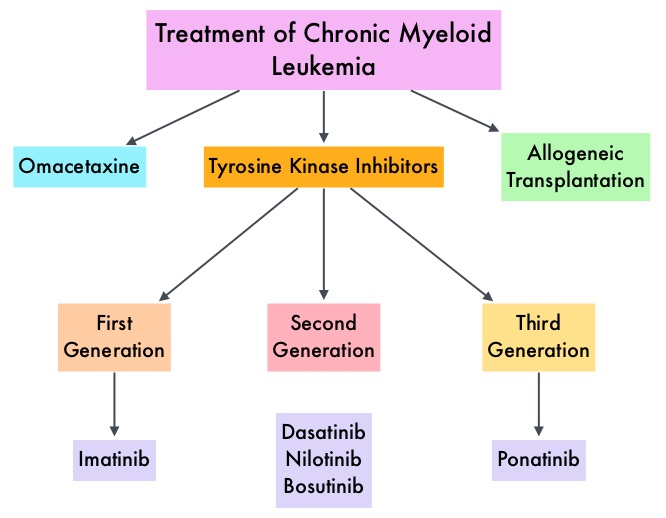
SUMMARY: Chronic Myeloid Leukemia (CML) constitutes about 15% of all new cases of leukemia. The American Cancer Society estimates that about 8,990 new CML cases will be diagnosed in the United States in 2019 and about 1,140 patients will die of the disease. The hallmark of CML, the Philadelphia Chromosome (Chromosome 22), is a result of a reciprocal translocation between chromosomes 9 and 22, wherein the ABL gene from chromosome 9 fuses with the BCR gene on chromosome 22. As a result, the auto inhibitory function of the ABL gene is lost and the BCR-ABL fusion gene is activated resulting in cell proliferation and leukemic transformation of hematopoietic stem cells.Treatment-of-Chronic-Myeloid-Leukemia

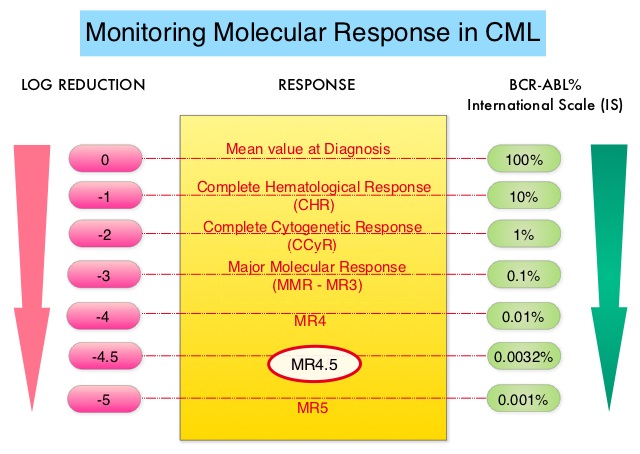
The presently available Tyrosine Kinase Inhibitors (TKI’s) approved in the United States including GLEEVEC® (Imatinib), share the same therapeutic target, which is BCR-ABL kinase. Resistance to TKI’s can occur as a result of mutations in the BCR-ABL kinase domain or amplification of the BCR-ABL gene. With the availability of newer therapies for CML, monitoring response to treatment is important. This is best accomplished by measuring the amount of residual disease using Reverse Transcription-Polymerase Chain Reaction (RT-PCR). Molecular response in CML is expressed using the International Scale (IS) as BCR-ABL%, which is the ratio between BCR-ABL and a control gene. BCR-ABL kinase domain point mutations are detected using the mutational analysis by Sanger sequencing. Majority of the patients receiving a TKI following diagnosis of CML achieve a Complete Cytogenetic Response (CCyR) within 12 months following commencement of therapy and these patients have a life expectancy similar to that of their healthy counterparts. Previously published studies have shown that Deep Molecular Response (BCR-ABL <0.01% on the International Scale – MR4) is a new molecular predictor of long term survival in CML patients, and this was achieved in a majority of patients treated with optimized dose of GLEEVEC®. Further, it has been shown on previous observations, that a subgroup of CML patients experiencing deeper responses (MR3, MR4, and MR4.5), may stay in unmaintained remission even after treatment discontinuation. Despite this observation, precise criteria for stopping CML therapy have not been clearly defined.Monitoring-Molecular-Response-in-CML

Discontinuing TKI therapy after a Deep Molecular Response among patients with CML can potentially improve quality of life, minimize long term toxicities as well as drug-drug interactions, and reduce financial burden. Two important studies, STIM (Stop Imatinib) and EURO-SKI have set the stage for TKI discontinuation of TKI therapy in CML patients, who are in deep molecular remission, taking into consideration Sokal score at diagnosis, duration on TKI therapy and molecular response based on BCR-ABL transcripts log reduction. Sokal score is calculated using a formula that includes Age, Spleen size, Platelet count and percentage of Myeloblasts and has three risk groups: Low-risk (Sokal score<0.8), Intermediate-risk (Sokal score 0.8-1.2) and High-risk (Sokal score >1.2).

Stopping TKI therapy among CML patients appears to be safe and feasible in over 50% of the patients, although about 20% of these patients experience TKI withdrawal syndrome manifesting as musculoskeletal symptoms. Discontinuation of TKI therapy should only be considered in consenting patients after a thorough discussion of the potential risks and benefits.

Criteria for TKI Discontinuation: Outside of a clinical trial, TKI discontinuation should be considered only if a patient meets ALL the criteria listed below-

1) Age 18 years or older.

2) Chronic phase CML with no prior history of Accelerated or Blast phase.

3) On approved TKI therapy for at least 3 years.

4) Prior evidence of quantifiable BCR-ABL1 transcript.

5) Stable molecular response defined as MR4, (BCR-ABL equal to 0.01% or less IS), for 2 or more years as documented on at least 4 tests, performed at least 3 months apart.

6) Access to qPCR test that can reliably detect at least MR4.5 (BCR-ABL equal to 0.0032% or less IS), with results available within 2 weeks.

7) For patients who remain in Major Molecular Remission or MMR (MR3, BCR-ABL equal to 0.1% or less IS) after discontinuation of TKI therapy, the recommendations are monthly molecular monitoring the first year, every 6 weeks the second year and every 12 weeks thereafter, indefinitely.

8) TKI therapy should be promptly resumed within 4 weeks of a loss of MMR, with molecular monitoring every 4 weeks until MMR is re-established and then every 12 weeks thereafter, indefinitely. If a patient fails to achieve MMR after 3 months of TKI resumption, BCR-ABL kinase domain mutation testing should be performed, and monthly molecular monitoring should be continued for an additional 6 months.

9) Consultation with a CML Specialty Center is recommended regarding the appropriateness for TKI discontinuation, and potential risks and benefits of discontinuing therapy, including TKI withdrawal syndrome.

10) It is strongly encouraged to report the following to an NCCN CML Panel Member-

a) Any significant adverse event thought to be related to therapy discontinuation.

b) Progression to Accelerated or Blast phase at any time.

c) Failure to regain MMR after 3 months following treatment reinitiation.

NCCN guidelines updates: discontinuing TKI therapy in the treatment of chronic myeloid leukemia. Shah NP. Presented at 2019 NCCN Annual Conference; March 21-23, 2019; Orlando, FL.

Liquid Biopsy Accurate, Reliable and Rapid in Identifying Biomarker Mutations in Newly Diagnosed Advanced Lung Cancer

SUMMARY: The American Cancer Society estimates that for 2019 about 228,150 new cases of lung cancer will be diagnosed and 142,670 patients will die of the disease. Non Small Cell Lung Cancer (NSCLC) accounts for approximately 85% of all lung cancers. Patients with newly diagnosed metastatic NSCLC are often tested for guideline-recommended genomic biomarkers which include both predictive biomarker mutations such as EGFR, ALK, ROS1, BRAF, RET, MET, ERBB2, as well as prognostic biomarker mutation such as KRAS.

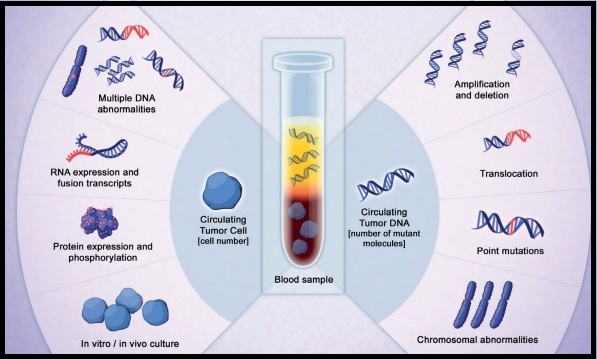
The application of precision medicine with targeted therapy requires detection of molecular abnormalities in a tissue biopsy specimen. However, if testing is not done with a comprehensive assay, such as Next-Generation Sequencing and is done in successive steps one test after another, tissue sample can be depleted, with not enough tissue left for testing of all biomarkers. Following progression or recurrence, archived biopsy specimens may not be helpful, as it is important to identify additional mutations in the tumor at the time of recurrence or progression, in order to plan appropriate therapy. Further, recurrent tumors may be inaccessible for a safe biopsy procedure or the clinical condition of the patient may not permit a repeat biopsy. Additionally, the biopsy itself may be subject to sampling error due to tumor heterogeneity. Genotyping circulating cell-free tumor DNA (cfDNA) in the plasma can potentially overcome the shortcomings of repeat biopsies and tissue genotyping, allowing the detection of many more targetable gene mutations, thus resulting in better evaluation of the tumor genome landscape.

The Noninvasive versus Invasive Lung Evaluation (NILE) trial is a prospective, multicenter study conducted to demonstrate the noninferiority of comprehensive cell-free DNA (cfDNA) relative to standard-of-care traditional tissue genotyping tests, to identify guideline-recommended genomic biomarkers, in patients with metastatic NSCLC. The authors in this study enrolled 282 newly diagnosed patients at 28 North American centers, with previously untreated, nonsquamous, metastatic NSCLC undergoing standard-of-care tissue genotyping. Enrolled patients submitted a pretreatment blood sample for cfDNA analysis utilizing a CLIA-certified comprehensive 73-gene next generation sequencing panel (Guardant360®). Over 80% of the enrolled patients were white and over 50% were female.

The liquid biopsy utilizing Guardant360®, detected biomarker mutations at a rate similar to standard-of-care tissue genotyping tests, in the enrolled patients, meeting the Primary study objective. At least one of the guideline-recommended genomic biomarkers was detected in 60 patients (21.3%) using tissue-based tests and in 77 patients (27.3%) by cfDNA utilizing Guardant360® (P<0.0001). The detection rate was increased by 48% when Guardant360® was utilized for cfDNA analysis and this included those with negative, not assessed, or Quantity Not Sufficient (QNS) results in tissue. In addition, the Positive Predictive Value was 100% for cfDNA versus tissue genotyping, for FDA approved targets such as EGFR, ALK, ROS1, and BRAF mutations. There are agents already approved by the FDA to treat this patient population. The median turnaround time was significantly lower for cfDNA, compared to tissue genotyping (9 versus 15 days; P <0.0001).

The authors concluded that in this largest cfDNA study among patients with previously untreated advanced NSCLC, cfDNA successfully detected seven biomarker mutations noninvasively, significantly faster than tissue genotype testing, and was also able to rescue biomarker mutation positive patients who had non-diagnostic tissue results. They added that the findings in this study confirms similar findings from Europe and demonstrates the clinical utility of cfDNA in newly diagnosed metastatic NSCLC. Clinical utility of comprehensive cell-free DNA (cfDNA) analysis to identify genomic biomarkers in newly diagnosed metastatic non-small cell lung cancer (mNSCLC). Leighl N, Page RD, Raymond VM, et al. Presented at: AACR Annual Meeting April 2, 2019; Philadelphia, USA.

Adjuvant KADCYLA® Superior to HERCEPTIN® in High Risk HER2-Positive Breast Cancer

SUMMARY: Breast cancer is the most common cancer among women in the US and about 1 in 8 women (12%) will develop invasive breast cancer during their lifetime. Approximately 266,120 new cases of invasive breast cancer will be diagnosed in 2018 and about 40,920 women will die of the disease. The HER or erbB family of receptors consist of HER1, HER2, HER3 and HER4. Approximately 15-20% of invasive breast cancers overexpress HER2/neu oncogene, which is a negative predictor of outcomes without systemic therapy. HERCEPTIN® (Trastuzumab) is a humanized monoclonal antibody targeting HER2, and adjuvant and neoadjuvant chemotherapy given along with HERCEPTIN® reduces the risk of disease recurrence and death, among patients with HER2-positive, early stage as well as advanced metastatic breast cancer. Since the approval of HERCEPTIN®, several other HER2-targeted therapies have become available. The duration of adjuvant HERCEPTIN® therapy has been 12 months and this length of treatment was empirically adopted from the pivotal registration trials.

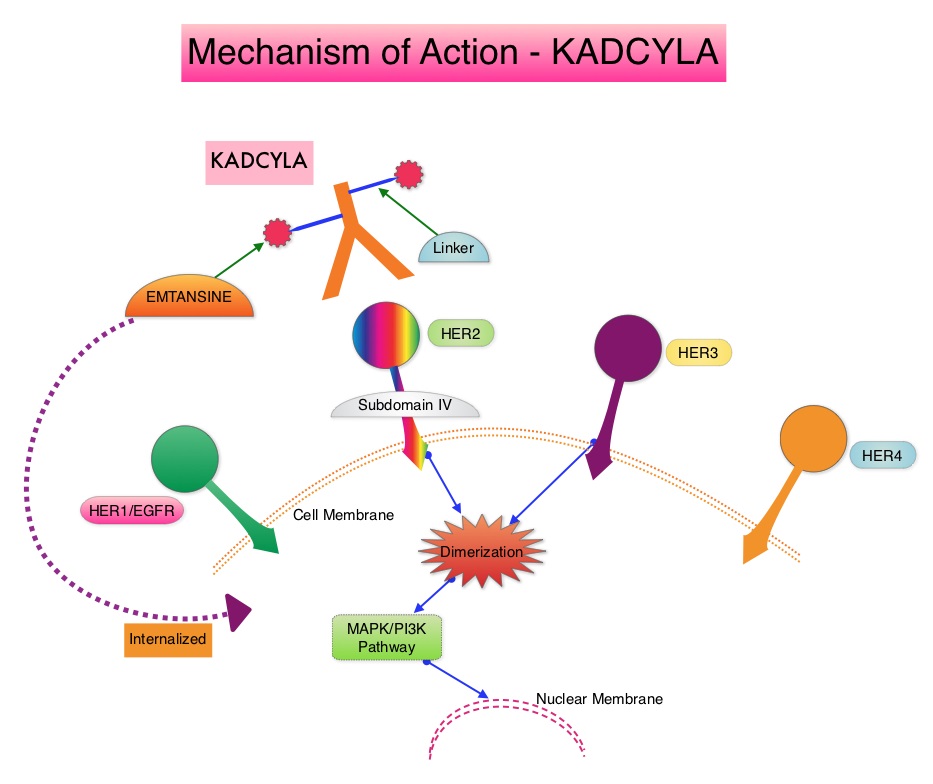
KADCYLA® (Ado-Trastuzumab Emtansine, T-DM1) is an Antibody-Drug Conjugate (ADC) comprised of the antibody HERCEPTIN® and the chemotherapy agent Emtansine, linked together. Upon binding to the HER2 receptor, it not only inhibits the HER2 signaling pathways but also delivers a chemotherapy agent Emtansine, a microtubule inhibitor, directly inside the tumor cells. This agent is internalized by lysosomes and destroys the HER2-positive tumor cells upon intracellular release. In the EMILIA trial, KADCYLA® was associated with significant increase in Overall Survival when compared with TYKERB® (Lapatinib) plus XELODA® (Capecitabine), in HER2-positive metastatic breast cancer patients, who had previously received HERCEPTIN® and a Taxane.Mechanism-of-Action-KADCYLA

It is well established that patients with HER2-positive early breast cancer following HERCEPTIN® based neoadjuvant therapies have a pathological Complete Response rate of 40-60%. Those without a pathological Complete Response tend to have significantly less favorable outcomes. These patients irrespective of pathological response status complete their standard adjuvant therapy which includes 12 months of HER2-targeted therapy. KATHERINE trial was conducted to evaluate the benefit of switching from standard HER2-directed therapy to single-agent KADCYLA®, after neoadjuvant chemotherapy along with either single or dual HER2 targeted therapy, in patients with residual invasive cancer at surgery. This study was conducted to address the unmet need of patients who have residual invasive breast cancer after receiving neoadjuvant chemotherapy plus HER2-targeted therapy.

The KATHERINE trial is an open-label, phase III global study, which compared KADCYLA® with HERCEPTIN®, as an adjuvant treatment for patients with HER2-positive early breast cancer, who had residual invasive disease following neoadjuvant chemotherapy and HERCEPTIN®. This study included 1,486 patients with HER2-positive early stage breast cancer, who were found to have residual invasive disease in the breast or axillary lymph nodes at surgery, following at least six cycles (16 weeks) of neoadjuvant chemotherapy with a Taxane (with or without Anthracycline) and HERCEPTIN®. Within 12 weeks of surgery, patients (N=1486) were randomly assigned in a 1:1 ratio to KADCYLA® 3.6 mg/kg IV every 3 weeks or HERCEPTIN® 6 mg/kg IV every 3 weeks, for 14 cycles (743 patients in each group). Both treatment groups were well balanced and hormone receptor positive disease was present in 72% of the patients. The majority of the patients (77%) had received an Anthracycline-containing neoadjuvant chemotherapy regimen, and in 19% of the patients, another HER2-targeted agent in addition to HERCEPTIN® (dual HER2 blockade) had been administered as a component of neoadjuvant therapy. The Primary end point was invasive Disease Free Survival (defined as freedom from ipsilateral invasive breast tumor recurrence, ipsilateral locoregional invasive breast cancer recurrence, contralateral invasive breast cancer, distant recurrence, or death from any cause). The median duration of follow up was 41.4 months in the KADCYLA® group and 40.9 months in the HERCEPTIN® group.

At the prespecified interim analysis, invasive disease occurred in 12.2% of patients who received KADCYLA® and 22.2% of patients who received HERCEPTIN®. The estimated percentage of patients who were free of invasive disease at 3 years was 88.3% in the KADCYLA® group and 77.0% in the HERCEPTIN® group. Invasive Disease Free Survival, which was the Primary end point of the study, was significantly higher in the KADCYLA® group than in the HERCEPTIN® group (HR=0.50; P<0.001).This suggested that KADCYLA® reduced the risk of developing an invasive breast cancer recurrence or death by 50%. Distant recurrence as the first invasive disease event occurred in 10.5% of patients in the KADCYLA® group and in 15.9% of the HERCEPTIN® group. A consistent benefit was seen across all prespecified subgroups. Adverse events were consistent with the known safety profile of KADCYLA®, with more toxicities associated with KADCYLA® than with HERCEPTIN®. Additional follow-up will be necessary to determine the Overall Survival benefit with adjuvant KADCYLA®.

It was concluded that among patients with HER2-positive early breast cancer who had residual invasive disease after completion of neoadjuvant therapy, substituting KADCYLA® for adjuvant HERCEPTIN® reduced the risk of recurrence of invasive breast cancer or death by 50%, with the benefit seen across all patient subgroups. The authors added that even though KATHERINE trial focused on higher-risk patients with residual invasive breast cancer after completion of neoadjuvant chemotherapy, CNS recurrence remains a persistent problem. Trastuzumab Emtansine for Residual Invasive HER2-Positive Breast Cancer. von Minckwitz G, Huang C-S, Mano MS, et al. for the KATHERINE Investigators. (published online December 5, 2018). N Engl J Med 2019;380:617-628

Late Breaking Abstract – ASH 2018 New Simplified Practice-Changing Protocol for Interrupting Direct Oral Anticoagulants for Surgery/Procedure

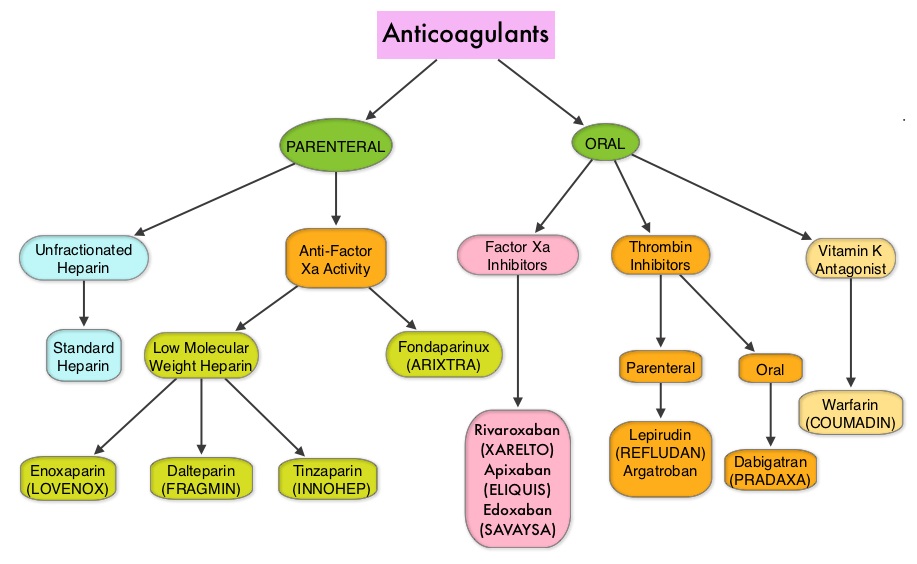
SUMMARY: Direct Oral AntiCoagulants (DOACs) are often prescribed for thromboembolic events. This class of anticoagulants, have a rapid onset and offset of action, short half-life, predictable anticoagulant effects, no laboratory monitoring and fixed dosing schedule. The half-life of these agents can however be prolonged in those with renal insufficiency and may be unsafe and direct oral anticoagulants are ineffective in patients with mechanical heart valves. In several clinical studies, DOACs have been shown to reduce the rate of major bleeding by 28% and the rates of intracranial and fatal hemorrhage by 50%, when compared to COUMADIN® (Warfarin).Anticoagulants

It is estimated that each year 10-15% of patients on DOACs will undergo an invasive procedure or surgery and will require temporary interruption of anticoagulation prior to standard-risk procedures and procedures with increased risk for bleeding. There are presently five DOACs approved in the US. They include PRADAXA® (Dabigatran), which is a Direct Thrombin Inhibitor and XARELTO® (Rivaroxaban), ELIQUIS® (Apixaban), SAVAYSA® (Endoxaban), BEVYXXA® (Betrixaban) which are Factor Xa inhibitors.

The perioperative management of patients who are taking a Direct Oral AntiCoagulant (DOAC) for Atrial Fibrillation and require an elective surgery/procedure, has remained unclear, as there is no published data on the timing of perioperative DOAC interruption and resumption, and if perioperative Heparin bridging and coagulation function testing before surgery are needed. The purpose of the Perioperative Anticoagulant Use for Surgery Evaluation (PAUSE) study was to establish a simple protocol that did not require perioperative anticoagulant bridging or coagulation function testing.

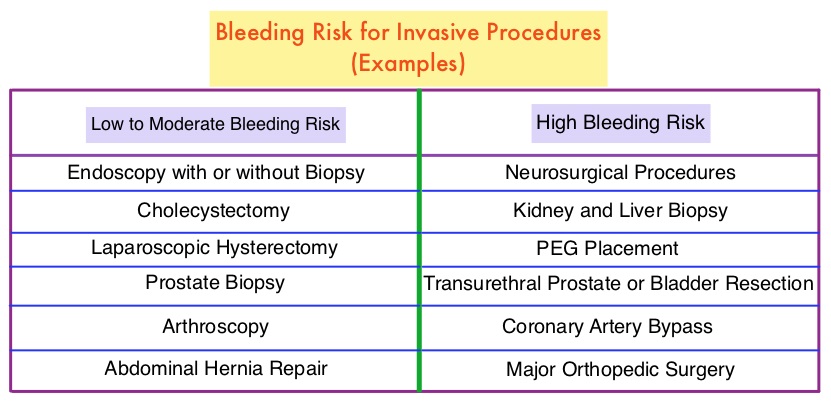
PAUSE is a prospective study of DOACs, which included 3 parallel cohorts of patients with Atrial Fibrillation taking ELIQUIS® (N=1257), PRADAXA® (N=668) or XARELTO® (N=1082), and requiring anticoagulant interruption for an elective surgery/procedure. This current analysis included patients from Canada, U.S. and Europe. A third of the patients (33.5%) were scheduled to undergo a high-bleeding risk surgery and the adjusted stroke risk among these patients was about 4.5%, based CHADS2 scores. The mean patient age was 72.5 years and 66% of patients were men.

The researchers in this study used a standardized protocol based on pharmacokinetic properties of the DOACs, procedure-associated bleeding risk, Creatinine Clearance, and held DOACs for 1 day before and 1 day after surgery for procedures with low bleeding risk, and for 2 days before and 2 days after for procedures with high bleeding risk. Patients on PRADAXA® with a creatinine clearance of less than 50 mL/min and who were planned for a procedure with a high bleeding risk, stopped the drug four days before and two days after surgery. Blood samples were obtained just before the procedure to measure residual DOAC levels. Bridging with Heparin and preoperative coagulation testing were not used to manage patients. Participants were followed weekly for 30 days post-procedure to measure incidence of major bleeding and Arterial ThromboEmbolism, which was the Primary endpoint.

The 30-day postoperative major bleeding rates were 1.35% in the ELIQUIS® group, 0.9% in the PRADAXA® group and 1.85% in the XARELTO® group. The rate of Arterial ThromboEmbolism was 0.16% in the ELIQUIS® group, 0.6% in the PRADAXA® group and 0.37% in the XARELTO® group. The researchers also measured preoperative DOAC levels in 85% of patients and noted that 99% of these patients having a high bleeding risk procedure had DOAC levels less than 50 ng/mL.

It was concluded that a standardized DOAC-specific perioperative management strategy was safe for patient care among patients with Atrial Fibrillation, who were taking a DOAC and required anticoagulant interruption for an elective surgery/procedure. Utilizing this standardized protocol was associated with low rates of perioperative major bleeding (less than 2%) and Arterial ThromboEmbolism (less than 1%). The authors added that PAUSE is the largest practice-changing study to date, that addresses perioperative DOAC management, and will very likely establish a treatment standard, impacting practice guidelines in perioperative care. Perioperative Anticoagulant Use for Surgery Evaluation (PAUSE) Study: A Perioperative Management Plan for Patients with Atrial Fibrillation Who Are Receiving a Direct Oral Anticoagulant. Douketis J, Spyropoulos AC, Duncan JM, et al. Abstract LBA-5. Presented at the 2018 ASH Annual Meeting, December 4, 2018; San Diego, CA.

Maintenance Therapy with NINLARO® Extends Progression Free Survival in Multiple Myeloma

SUMMARY: Multiple Myeloma is a clonal disorder of plasma cells in the bone marrow and the American Cancer Society estimates that in the United States, 32,110 new cases will be diagnosed in 2019 and 12,960 patients are expected to die of the disease. Multiple Myeloma (MM) in 2019 remains an incurable disease. The therapeutic goal therefore is to improve Progression Free Survival (PFS) and Overall Survival (OS). Maintenance or Continuous Treatment in patients with newly diagnosed multiple myeloma following induction and consolidation, can result in significantly longer PFS and OS, compared to those patients who receive therapy for a fixed duration of time. REVLIMID® (Lenalidomide) was approved by the FDA in 2017 as maintenance therapy for patients with multiple myeloma following Autologous Stem Cell Ttransplant (ASCT) and to date is the only drug approved for this indication. REVLIMID® maintenance however is associated with the development of second new primary malignancies and tolerability issues.

Proteasomes are enzymes found in cells and they enable the breakdown of abnormal or mutant proteins. The amino acids from these proteins are recycled to make new proteins. Just like normal cells make proteins, so do cancerous cells. But the proteins made by the cancerous cells are ineffective and in excess. Myeloma cells depend on the Proteasomes to facilitate this metabolic function, to regulate their growth and survival. Proteasome Inhibitors (PIs) inhibit Proteasome function and are a backbone of multiple myeloma treatment. VELCADE® (Bortezomib), a Proteasome Inhibitor has shown promising activity in early clinical trials, as maintenance treatment post-ASCT. The limitations with VELCADE® as maintenance therapy include, parenteral administration and tolerability. There is therefore an unmet need for an effective oral PI maintenance therapy that is convenient for the patients, with acceptable toxicities. NINLARO® (Ixazomib) unlike VELCADE® (Bortezomib) is a second generation, oral, Proteasome Inhibitor, which disrupts protein metabolism in myeloma cells, by inhibiting Proteasomes and has an antiproliferative and pro-apoptotic effect.

TOURMALINE-MM3 study is a multicenter, double-blind, placebo-controlled, phase III trial in which weekly NINLARO® was compared with placebo, as maintenance treatment, in newly diagnosed multiple myeloma patients, who had at least a Partial Response to induction therapy with a Proteasome Inhibitor and/or Immunomodulatory drug, (IMiD) followed by single Autologous Stem Cell Transplantation (ASCT). In this study, 656 patients were randomized in a 3:2 ratio to receive NINLARO® (N=395) at a dose of 3 mg orally during cycles 1-4, increasing to 4 mg from cycle 5 (if tolerated during previous cycles) or matched placebo (N=261), on days 1, 8, and 15 of 28-day cycles, for up to 2 years or until progressive disease or unacceptable toxicity. Both treatment groups were well balanced. The median age was 57 years and 37% had International Staging System (ISS) stage I disease and 63% had ISS stage II or III disease. About 18% of patients had high-risk cytogenetics such as del(17p), t(4;14), or t(14;16) and close to 90% of patients had received induction therapy with a Proteasome Inhibitor prior to ASCT. Patients were ineligible if they had received post-ASCT consolidation or tandem ASCT. The Primary endpoint was Progression Free Survival per Independent Review Committee (IRC), who were blinded to treatment assignment. The key Secondary endpoint was Overall Survival. The authors herein reported the data from the final analysis for Progression Free Survival.

After a median follow up of 31 months, the median PFS was 26.5 months with NINLARO® versus 21.3 months with placebo (HR=0.72; P=0.002). This corresponded to a 39% improvement in PFS and 28% reduction in the risk of progression or death, meeting the Primary endpoint of this study. The PFS benefit was observed broadly across patient subgroups. NINLARO® maintenance led to higher rates of deep response compared with placebo (P=0.004) and there was a higher rate of conversion from documented MRD positivity at study entry to MRD negativity with NINLARO®, compared with placebo (12% versus 7%). Overall Survival has not yet been reached in both treatment groups. Grade 3 or more Adverse Events were more common with NINLARO® (19%) versus placebo (5%), and overall 7% of patients on NINLARO® discontinued treatment compared with 5% on placebo. There was no difference in the rate of new second primary malignancies and was 3% in both arms. Further Quality of Life scores were similar in the two treatment groups.

It was concluded that NINLARO® maintenance in responding patients after ASCT resulted in a significant reduction in the risk of progression and death, and was associated with a favorable safety profile, including an absence of risk of second primary malignancies and low rates of peripheral neuropathy. The authors added that NINLARO® has a different mechanism of action and provides an alternative to REVLIMID®. With its manageable toxicity profile and convenient weekly oral dosing, NINLARO® would be ideal for maintenance treatment. Maintenance Therapy with the Oral Proteasome Inhibitor (PI) Ixazomib Significantly Prolongs Progression-Free Survival (PFS) Following Autologous Stem Cell Transplantation (ASCT) in Patients with Newly Diagnosed Multiple Myeloma (NDMM): Phase 3 Tourmaline-MM3 Trial. Dimopoulos MA, Gay F, Schjesvold FH, et al. Proceedings from the 2018 ASH Annual Meeting and Exposition; December 1 to 4, 2018; San Diego, California. Abstract 301.